
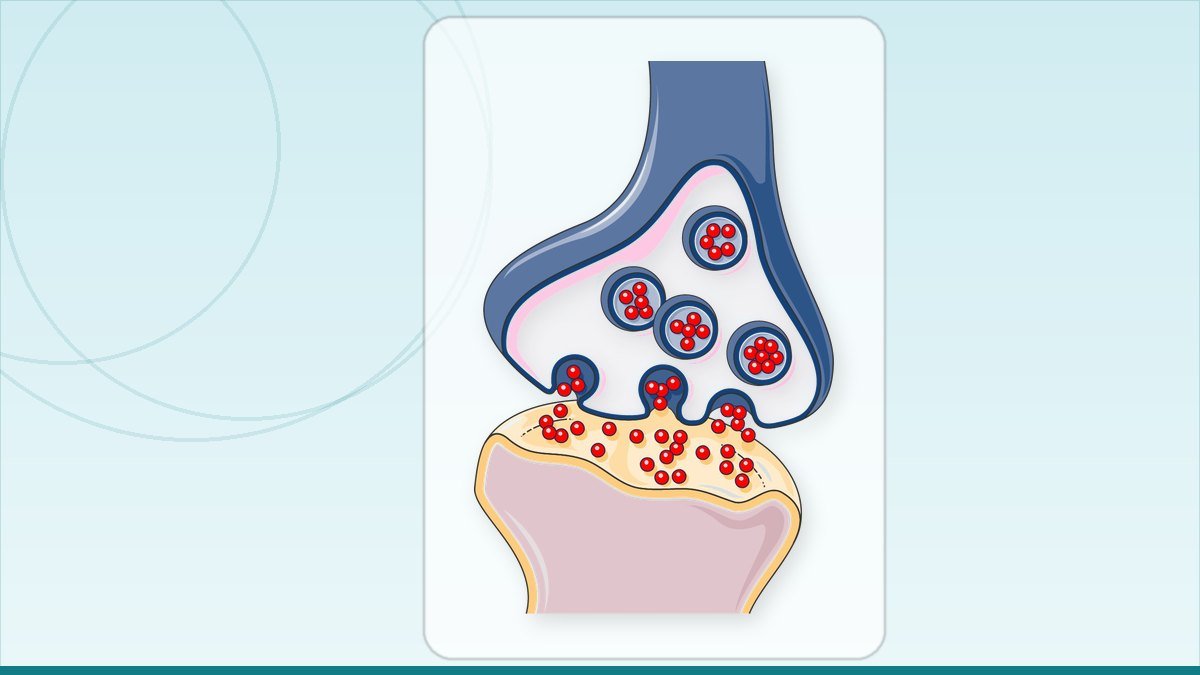
For most back and leg pain, sleep on your side with a pillow between your knees, or on your back with a pillow under your knees. Both keep the lower spine in a neutral position and take pressure off an irritated nerve. Avoid sleeping on your stomach. Position helps the pain; it does not cure a slipped disc.
How should I lie down tonight?
Start on your side, the side that hurts less. Bend the knees a little and put a firm pillow between them. That single pillow stops the top leg from rolling forward and dragging the pelvis with it, which is what pulls on an already angry nerve root. Keep the head pillow thick enough that the neck stays level with the spine, not tilted down into the mattress.

If you prefer lying on your back, put one or two pillows under the knees so the legs are slightly bent. Lying flat with the legs straight increases the arch in the lower back and many people with taang mein dard find that harder to tolerate.
Sleeping face down is the one position worth giving up. It forces the neck to turn to one side for hours and pushes the lower back into an arch. If you truly cannot sleep any other way, put a flat pillow under the hips and stomach to reduce the arch.
Two more small things help more than people expect. Roll onto your side and push up with your arms to get out of bed instead of sitting straight up, and do not sleep in a chair or a half-sitting position night after night, which stiffens everything by morning.
Is night pain a sign I am going to be paralysed?
Almost never. The great majority of back and leg pain, even severe pain, comes from a disc or joint irritating a nerve, and this settles with time and treatment without ever threatening the spinal cord. Paralysis from a lumbar slip disc is rare. Fear of it is far more common than the thing itself.
There is a short list of warning signs that do need a doctor the same day, not next week:
- You cannot pass urine, or you leak urine or stool without feeling it
- Numbness in the inner thighs, groin or the area you sit on
- A leg or foot that is getting visibly weaker, for example the foot slaps when you walk
- Pain with fever, or after a fall or road accident
- Unexplained weight loss, or a past history of cancer or TB
If none of those apply to you, night pain that improves when you change position is a mechanical problem. It is miserable, it is not an emergency, and it does not mean you are heading for a wheelchair.
Families often push for immediate surgery out of this same fear. It is worth saying out loud in the room: waiting a few weeks with proper treatment does not damage the spine in the ordinary case.
Why does my kamar dard get worse at night?
Pain that eases during the day and rises at night usually has a simple explanation. Movement keeps the muscles warm and distracts the brain. When you lie still, both stop, and the same signal that was background noise at 3pm becomes the only thing you can feel at 3am.
Disc pressure also changes overnight. The disc absorbs fluid while you lie down, which is why many people feel stiffest in the first ten minutes after waking and loosen up once they walk around.
What matters more is the pattern, not the intensity. Pain that improves with a change of position is mechanical. Pain that stays exactly the same no matter how you lie, that wakes you every night in the second half of the night, or that comes with fever or weight loss, needs to be looked at properly rather than managed with pillows.

Does the mattress matter, and should I sleep on the floor?
It matters less than most people think, and the advice usually given in Pakistani homes is often wrong. A medium firm mattress suits most people with back pain. Very soft mattresses let the hips sink so the spine sags, and a bare floor or a board under the mattress is too hard for many, particularly thin patients whose hips and shoulders take all the pressure.
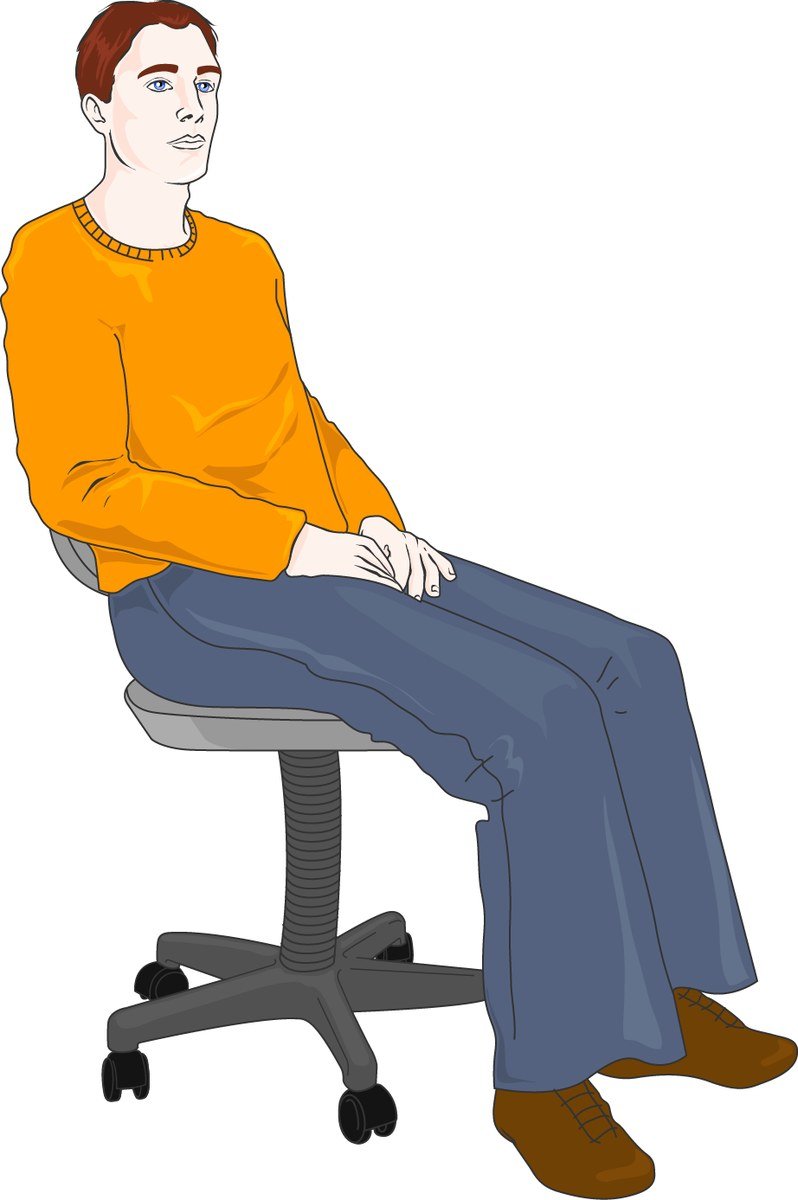
If your mattress is old and has a visible dip where you sleep, that is worth fixing. If it is reasonably flat and firm, changing it is unlikely to be the answer. Nobody has ever cured a genuine disc herniation by buying a new mattress.
Before spending money, test it. Sleep two or three nights on a firmer surface with the pillow between your knees. If the mornings are clearly better, a firmer mattress will help. If nothing changes, the problem is in the spine and not in the bed.
So do I actually need surgery?
Most likely not. The large majority of back pain and even most sciatica settles without an operation. This is the honest part of the page: a good spine surgeon will spend more time telling patients they do not need surgery than booking them for it.
Non surgical treatment is not doing nothing. It means simple pain medication taken properly rather than one tablet when the pain peaks, staying gently active instead of strict bed rest, and structured physiotherapy from a trained physiotherapist. Give it six to eight weeks before deciding anything, unless you have one of the warning signs listed above.
Many families in Punjab try hakeem treatment, cupping or forceful massage first. Gentle massage will not harm you and may relax tight muscles. The risk is different: strong manipulation of the back during an acute disc episode can worsen leg symptoms, and months spent on remedies while a nerve is being compressed and weakened is time that cannot be recovered. Use these things alongside a diagnosis, not instead of one.
When does a slip disc genuinely need an operation?
Three situations change the answer. First, leg pain that has not improved after a proper trial of six to eight weeks of medication and physiotherapy, and is stopping you working or sleeping. Second, muscle weakness that is getting worse, such as a dropping foot. Third, loss of bladder or bowel control with groin numbness, which is a surgical emergency.
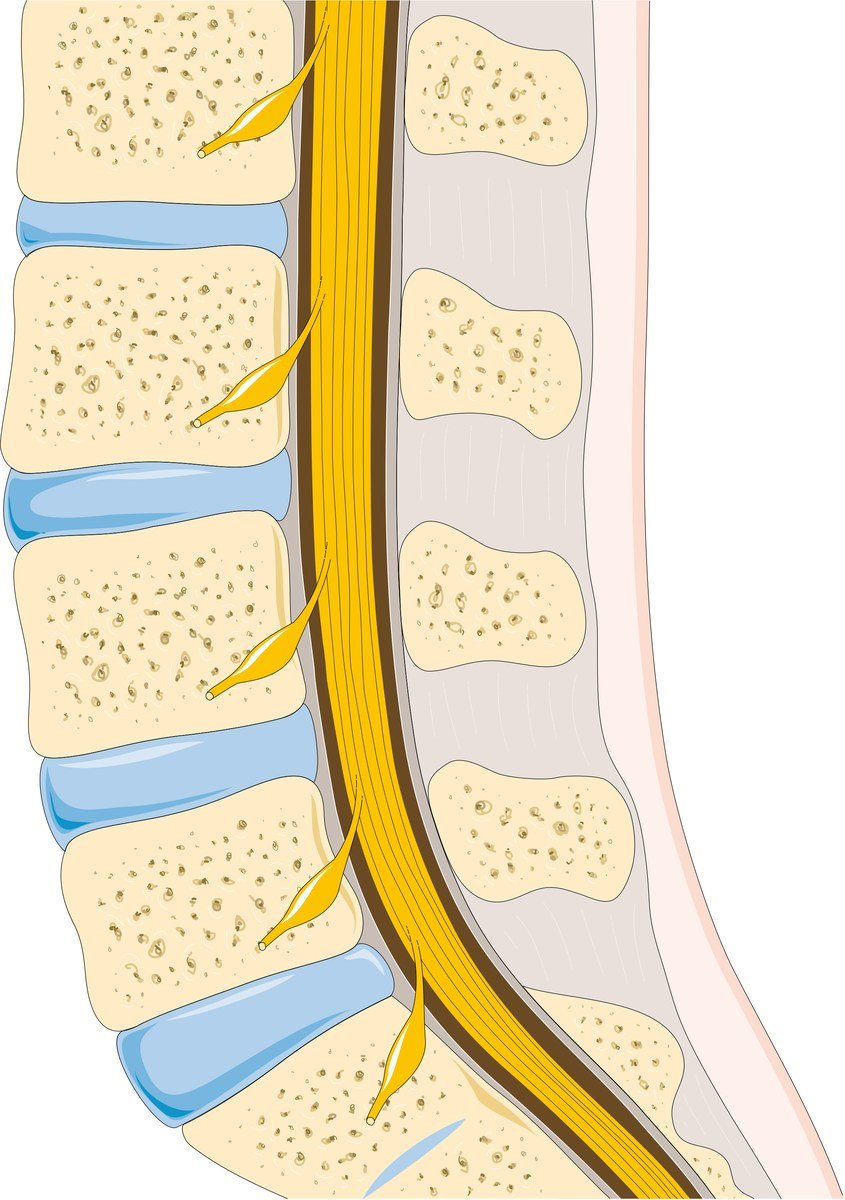
An MRI is only useful once one of those applies. MRI scans of healthy people over forty very often show disc bulges that cause no symptoms at all. Treating the scan instead of the patient leads to unnecessary operations. The scan has to match the leg where the pain actually is.
Endoscopic spine surgery removes the fragment of disc pressing on the nerve through a small opening, using a camera and instruments passed down a narrow tube. Because the muscle is spread rather than cut, most patients are up and walking the same day and go home quickly. Microdiscectomy does the same job through a slightly larger opening under a microscope and remains a reliable, well proven operation. Which one suits you depends on where the disc fragment sits and what the MRI shows, and any surgeon should be able to explain that choice to you in plain Urdu.
Surgery for a compressed nerve is aimed mainly at the leg pain. Back pain often improves too, but it is not the main target, and anyone promising that every ache will disappear is overpromising.
I searched best orthopedic doctor, best neurologist and best neurosurgeon in Faisalabad. Who do I actually need?
These three get mixed up constantly, so here is the plain version.
- Neurologist: a physician, not a surgeon. Right for nerve disease, epilepsy, stroke, neuropathy and nerve conduction studies. They will not operate on your disc.
- Orthopaedic surgeon: treats bones and joints. Some have specific spine training and operate on the spine, many do not and focus on hips, knees and fractures.
- Neurosurgeon: trained specifically on the brain, spinal cord and the nerves coming out of the spine. Lumbar disc surgery is core work for a neurosurgeon.
For sciatica or a suspected slip disc, a consultant neurosurgeon or a fellowship trained spine surgeon is the right door. What matters more than the label on the board outside the clinic is how many spine cases that particular doctor does and whether they are willing to tell you that you do not need an operation.
Ask directly at the consultation: how often do you do this procedure, what happens if I wait, and what are the risks in my case specifically. A surgeon who answers those calmly is a good sign. One who rushes you to book a date the same day is not.
What does spine treatment cost in Faisalabad?
Costs vary widely between government hospitals, trust hospitals and private hospitals in Faisalabad, Lahore and the rest of Punjab, and they change with time, so any figure quoted on a website is unreliable by the time you read it. Ask for a written quote before you agree to anything.
The written quote should list the surgeon fee, the hospital and room charges, anaesthesia, the operating theatre, implants if any are needed, the MRI and other tests, medicines, and how many follow up visits are included. Ask specifically what is not covered and what happens to the cost if you stay an extra night.
If you are travelling in from Jhang, Sargodha, Toba Tek Singh or a village outside the city, ask how long you will need to stay in Faisalabad after the procedure and whether the follow up can be done by phone or with local reports. That planning saves families more money than negotiating the surgeon fee.
Take a second opinion if surgery is advised and you feel unsure. No honest surgeon objects to that.
What should I do this week?
Tonight, sleep on your side with a pillow between the knees and stop sleeping on your stomach. Keep moving gently during the day, take the pain medication your doctor prescribed on a schedule rather than only at the worst moment, and give physiotherapy a real trial.
Go to a doctor the same day if you lose control of urine or stool, if the inner thighs or groin go numb, or if a leg is clearly getting weaker. Book a consultation if severe leg pain has not eased after six to eight weeks, or if you are being pushed towards surgery and want someone to check whether it is really needed.
Dr. M. Abdur Rehman is a consultant neurosurgeon at Mujahid Hospital, Faisalabad, and works with both endoscopic spine surgery and microdiscectomy. If you are searching for the best endoscopic spine surgeon in Faisalabad because someone has told you that you need an operation, bring your MRI films and reports to the clinic and get a straight answer about whether you do.
Questions patients ask about this
Is it better to sleep on the floor for back pain?
Usually not. A bare floor is too hard for most people and puts all the pressure on the hips and shoulders. A medium firm mattress supports the spine better. If your mattress has a visible dip where you lie, replace it, but a new bed will not fix a genuine disc problem.
Which side should I sleep on if only one leg hurts?
Most people are more comfortable lying on the side that does not hurt, with the painful leg on top and a pillow between the knees. There is no fixed rule. If lying on the painful side genuinely feels better for you, that is fine to continue.
Does sleeping position cure a slipped disc?
No. Position reduces pressure on an irritated nerve so you can sleep and function, which matters a great deal, but it does not shrink the disc fragment. Recovery comes from time, gentle activity and physiotherapy, and in a minority of cases from surgery when the nerve stays compressed.
My back pain wakes me every night. Should I get an MRI?
Not automatically. MRI is useful when leg pain has not improved after six to eight weeks of proper treatment, when a leg is getting weaker, or when there are warning signs like fever or weight loss. Scans of healthy people often show harmless disc bulges that lead to unnecessary worry.
Can I keep going to a hakeem or massage therapist while I wait?
Gentle massage is unlikely to harm you and may ease muscle tightness. Avoid forceful manipulation of the back during an acute episode, because it can worsen leg symptoms. The real risk is spending months on remedies without a diagnosis while a compressed nerve quietly weakens.
Related articles
Going back to work after spine surgery
When can you return to work after spine surgery? Honest timelines for desk and manual jobs in Pakistan, and…
Read this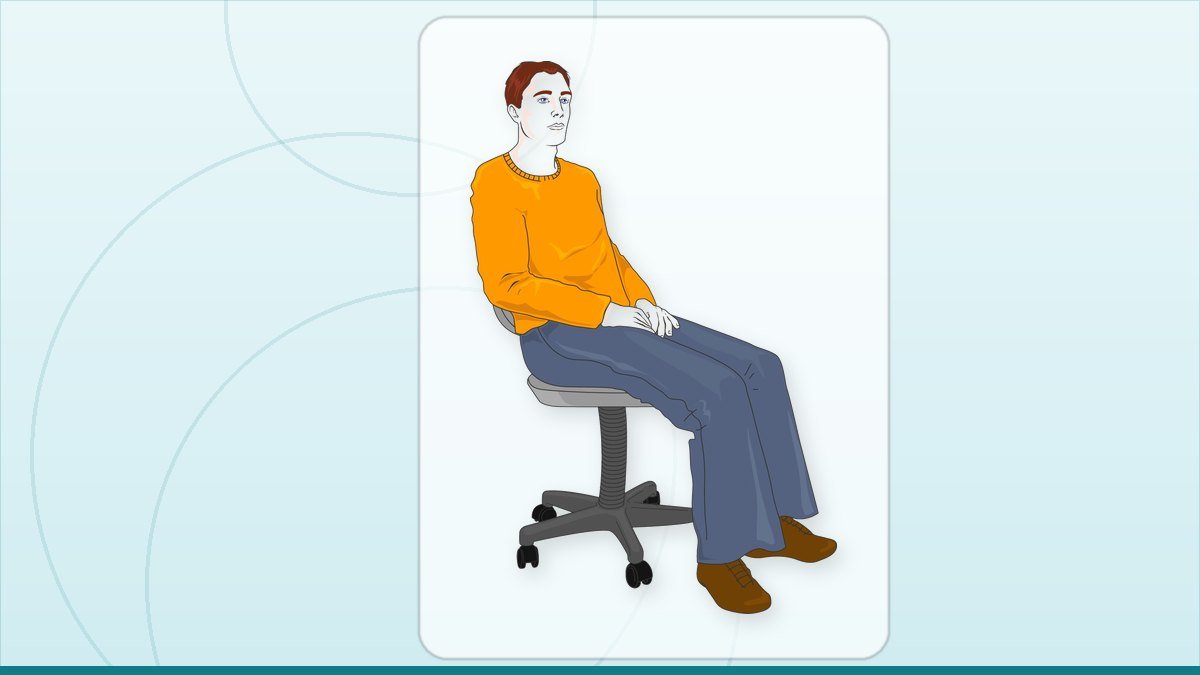
Namaz, sitting cross-legged and squatting after spine surgery
Namaz after spine surgery: when you can pray on a chair, when sujood on the floor is safe, and when…
Read this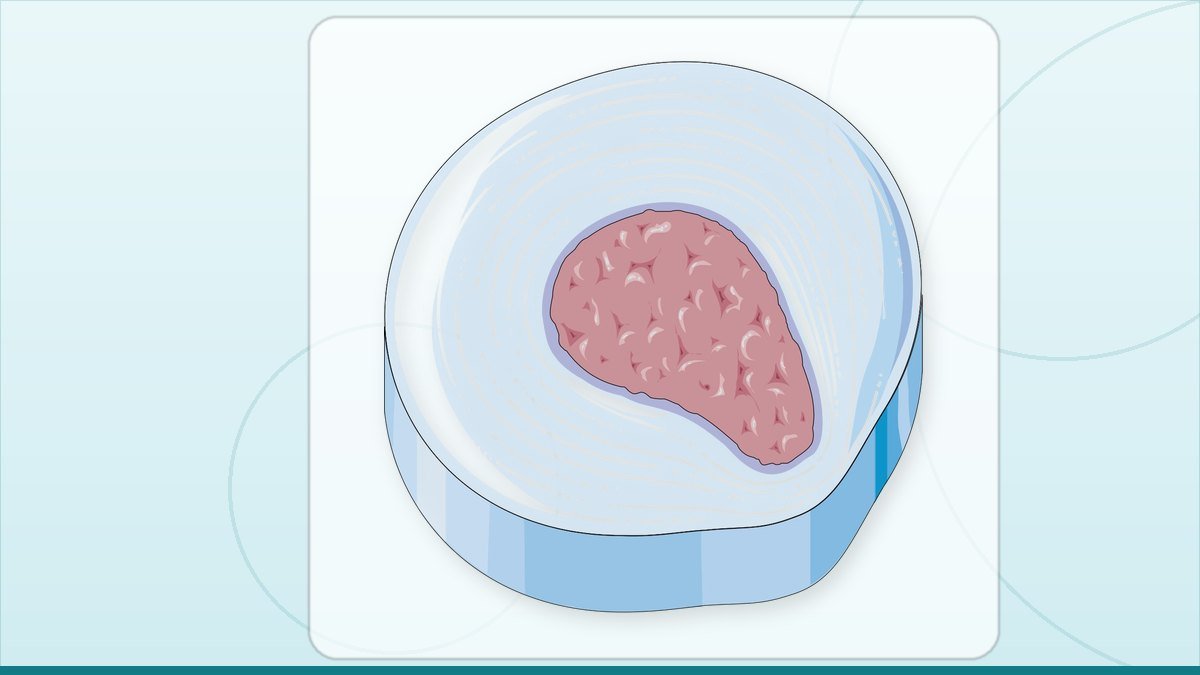
Weight, smoking and your discs
Smoking and back pain are linked: nicotine starves your discs of blood. What weight and cigarettes do to a…
Read thisAll patient questions · Spine surgery in Faisalabad · Book an appointment
Ask about your own scan. Send your MRI or X-ray on WhatsApp and get a straight answer on whether surgery is needed at all, from a consultant neurosurgeon in Faisalabad.
Dr. M. Abdur Rehman is a consultant neurosurgeon in Faisalabad. Send your scan on WhatsApp and ask what it actually shows.
Published for the practice of Dr. M. Abdur Rehman, consultant neurosurgeon, Mujahid Hospital, Faisalabad. General information only, not a substitute for examination.