
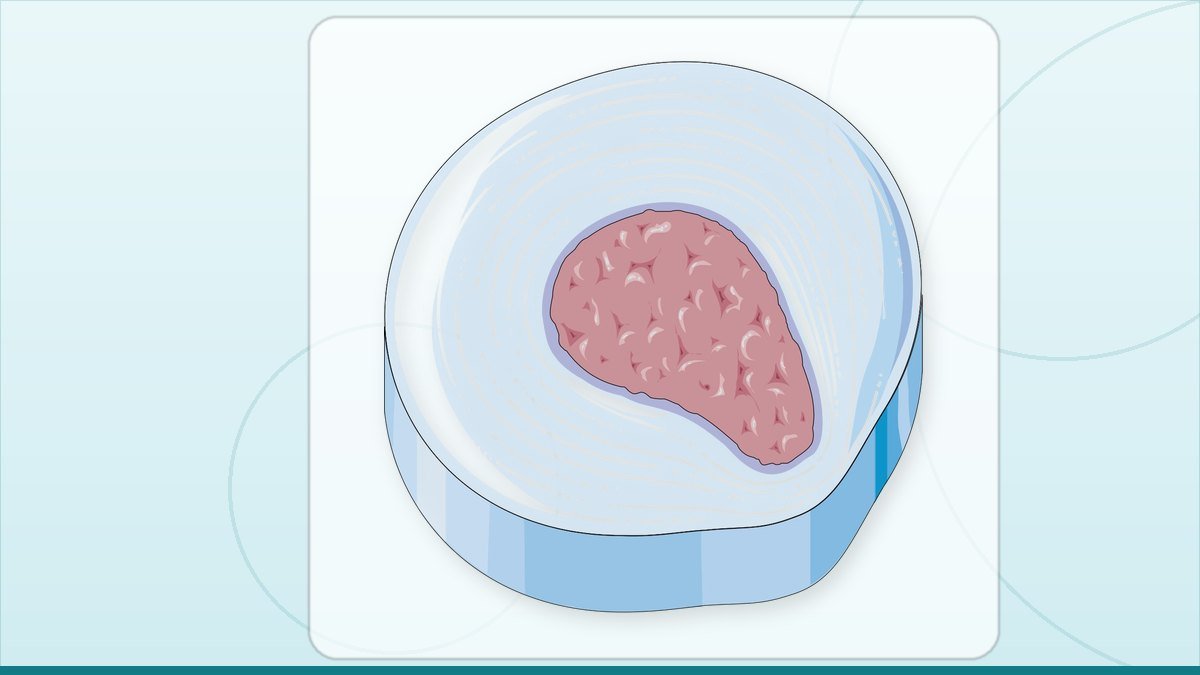
Smoking and extra weight both make back pain worse. Your discs have almost no blood supply of their own, so nicotine narrows the tiny vessels that feed them, and extra weight loads them every hour you are upright. Neither causes a slipped disc on its own, but both speed damage and slow healing after surgery.
Does smoking really cause back pain?
Smoking does not cause every backache, but it is one of the few habits clearly linked with more back pain, faster disc degeneration and slower recovery. The link is not a guess. It comes from how a disc is fed.
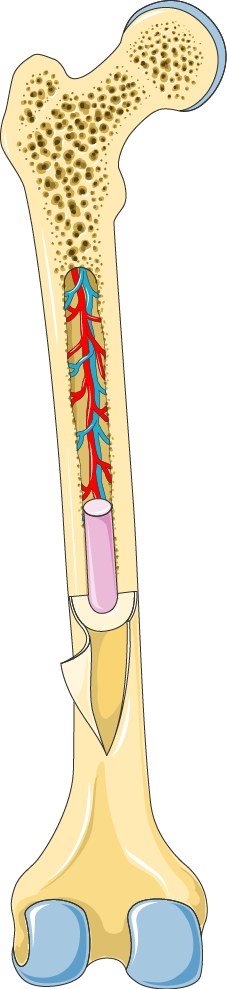
The intervertebral disc is the largest structure in the body with almost no blood vessels of its own. Oxygen and nutrients seep in slowly through the bony endplate above and below it, from a network of very small vessels. Waste seeps out the same way. That system is already fragile in a healthy spine.
Nicotine makes those small vessels constrict. Carbon monoxide from cigarette smoke reduces how much oxygen your blood can carry. Put together, the disc gets less of what it needs and clears less of what it should. Over years, discs in smokers tend to dry out, lose height and tear earlier than they otherwise would.
This applies to cigarettes, huqqa, sheesha, naswar and gutka. Patients often tell us they do not smoke, then mention naswar in the same breath. Nicotine is nicotine. Your discs cannot tell the difference.
Will smoking or my weight make me paralysed?
No. Smoking does not paralyse anyone, and neither does being overweight. This is the fear that brings most people to a spine clinic, so let us be clear about it before anything else.
Paralysis from a lumbar slip disc is rare. The vast majority of people with kamar dard and taang mein dard get better, with or without an operation, and walk out of it. What smoking and weight do is slower and less dramatic: more pain, more episodes, earlier degeneration, poorer healing.
There is one situation that is a genuine emergency and has nothing to do with smoking. If you develop difficulty passing urine or loss of control of urine or stool, numbness in the area you sit on, or sudden weakness in both legs, go to a hospital the same day. That combination can mean cauda equina syndrome and it is treated as an emergency. It is uncommon, but it is the one thing you should not wait on.
Weakness in one foot, such as a foot dragging when you walk, is not paralysis either. It needs assessment within days, not months, and it usually recovers when the pressure on the nerve is relieved.
How does extra weight damage the discs?
Weight works on the spine by simple load and by chemistry. The load part is easy to picture. Every kilo above your frame is carried by the lower lumbar discs through every step, every hour of standing, every time you bend to pick up a child.
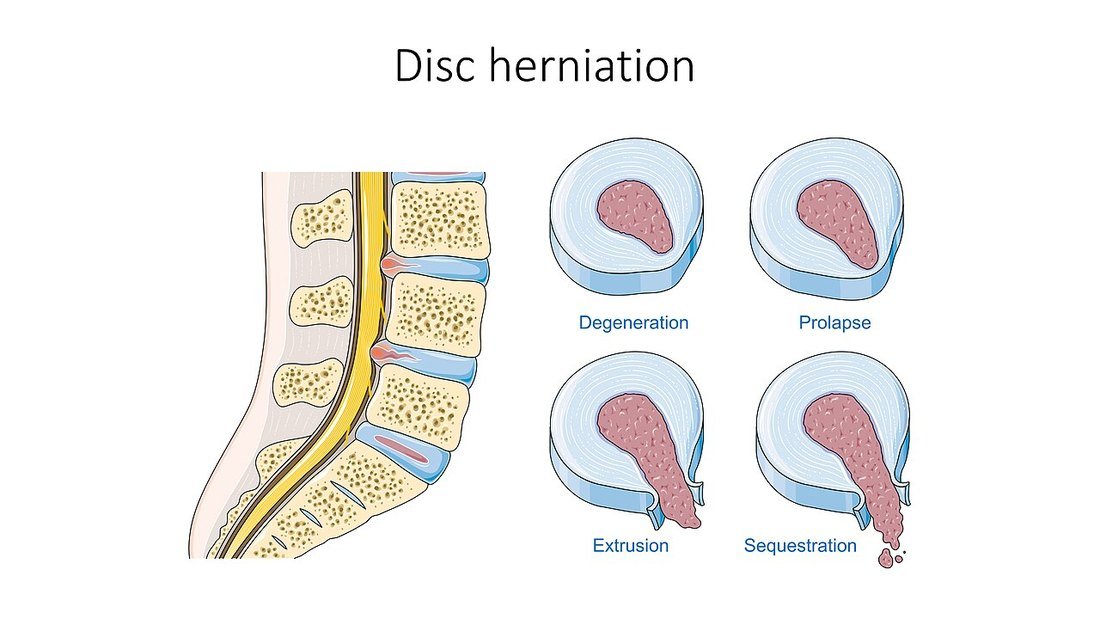
The chemical part matters just as much. Fat tissue is not inert. It releases inflammatory signals that circulate through the body, and higher levels of these are associated with more pain and more disc degeneration. This is part of why weight-related back pain is not simply proportional to how heavy someone is.
Uncontrolled diabetes belongs in the same conversation. Diabetes damages small blood vessels, and small blood vessels are exactly what feed the disc endplate. A patient with poor sugar control and a smoking habit has two forces working on the same tissue.
Extra weight also changes what surgery looks like. Deeper tissue means a longer working channel, slightly longer operating time, and a higher chance of wound problems afterwards. It does not rule out surgery. It is one of the reasons a surgeon may prefer a muscle-sparing endoscopic approach through a small portal rather than a wider open exposure.
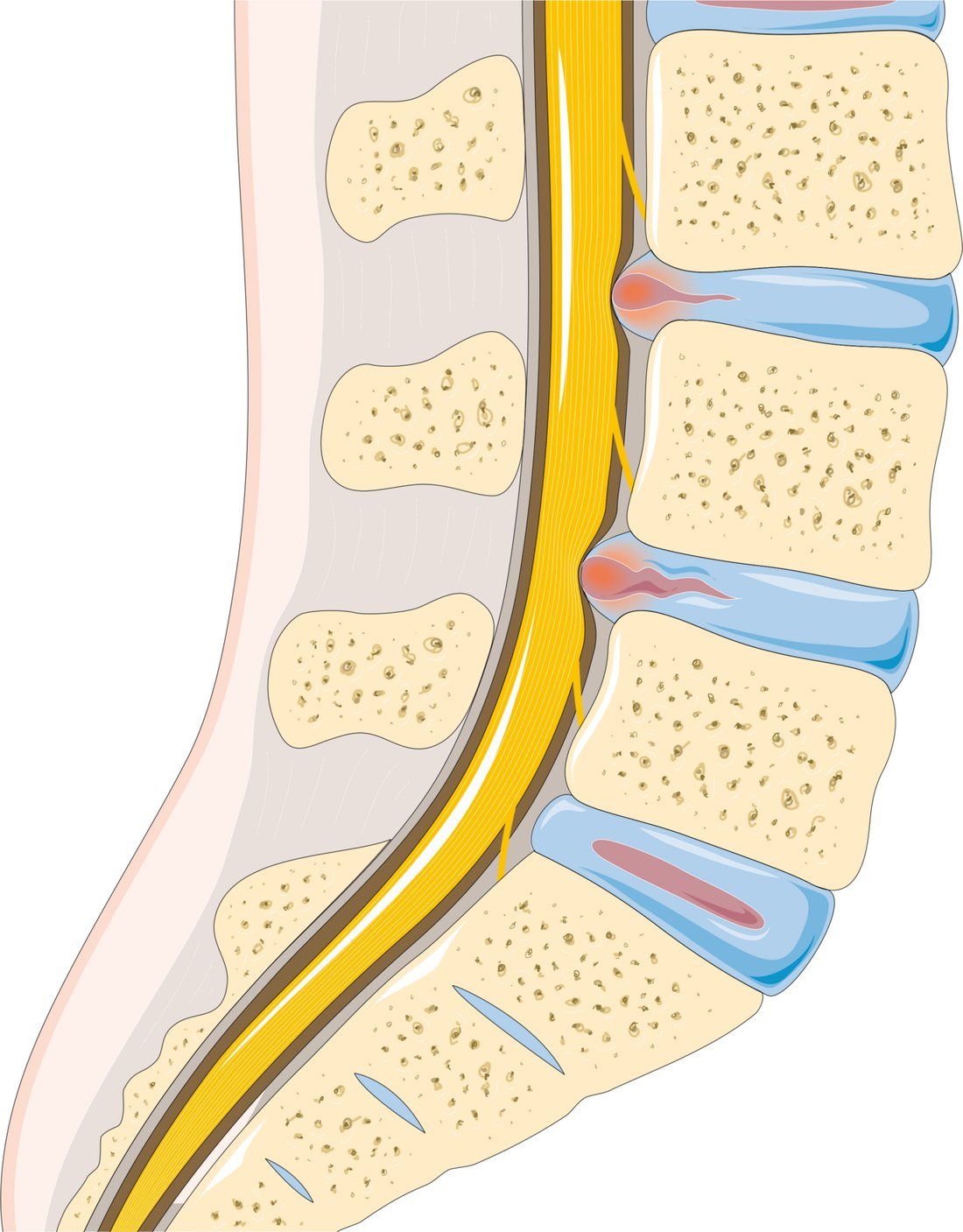
If I stop smoking and lose weight, will my slip disc heal?
Be honest with yourself about what these changes can and cannot do. Quitting will not push a herniated disc back into place. Losing ten kilos will not reverse degeneration already visible on your MRI. Anyone who promises that is selling something.
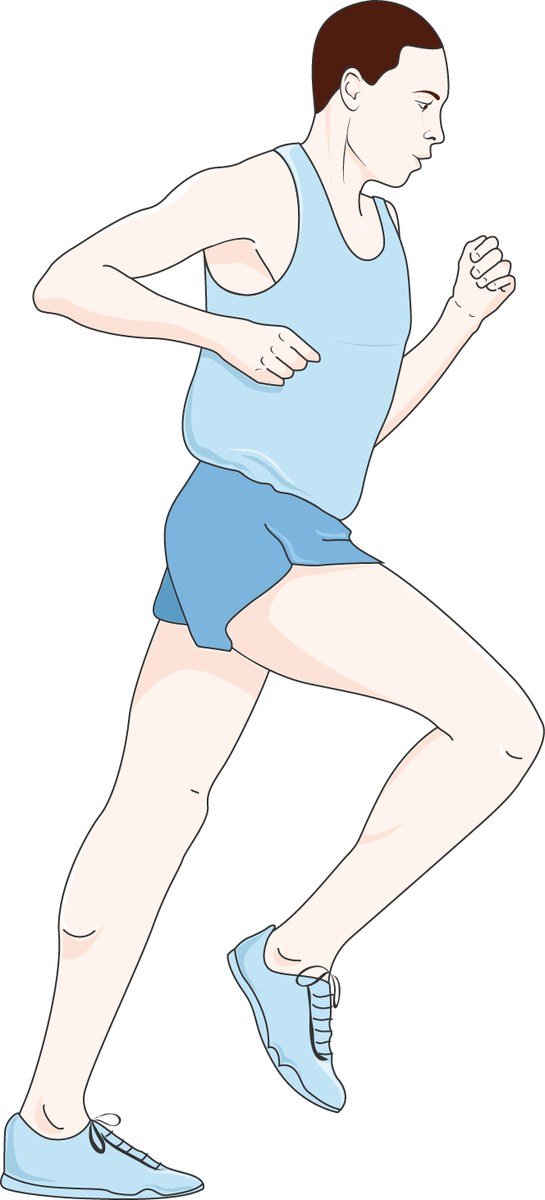
What they do achieve is real, and worth doing:
- Fewer and shorter pain episodes. Most people notice this within months, not weeks.
- Slower progression. The discs above and below the damaged one are the ones you are protecting.
- Better healing if you do need surgery. This is the biggest single effect.
- Better response to physiotherapy, because you can do more of it.
Realistic targets beat ambitious ones. Walking twenty to thirty minutes a day, most days. A modest weight reduction rather than a crash diet. A quit date with nicotine replacement if you need it, arranged with your family doctor. Small, boring, sustained.
What does not help: prolonged bed rest, repeated spinal manipulation from an untrained person, and hot oil massage on a nerve that is compressed. Many patients in Punjab try hakeem, cupping or a massage wala for months first. Some feel temporary relief and that is fine, but if leg pain or weakness is present, that time is being spent, not saved.
When does back pain actually need surgery?
Most back pain never needs an operation. That is the single most important sentence on this page. Pain in the back alone, with no leg pain and no weakness, is rarely improved by disc surgery, no matter what the MRI shows.
Surgery is considered mainly when three things line up:
- Pain going down the leg (or down the arm, for the neck), usually worse than the back pain itself
- An MRI showing a disc or stenosis compressing the specific nerve that matches where your pain and numbness actually are
- Six to eight weeks of proper non-surgical treatment that has not worked, or progressive weakness that cannot wait that long
An MRI report saying "disc bulge" or "desiccation" is not, by itself, a reason to operate. Those findings are extremely common in people with no pain at all, and they become more common with age. The MRI has to match the patient sitting in the room.
The exception is progressive nerve weakness or cauda equina, where waiting works against you. Those cases are assessed urgently.
Does smoking affect the result of endoscopic spine surgery or microdiscectomy?
Yes, and this is where the habit costs you most. Smokers, as a group, have more wound healing problems, higher infection rates and more post-operative pain than non-smokers after spine surgery. Where a fusion is involved, smoking is associated with a higher rate of the bone failing to knit.
Endoscopic spine surgery is done through a portal roughly the width of a pen, with a camera and instruments passed between the muscle fibres rather than cutting through them. Microdiscectomy uses a small incision and a microscope. Both leave far less tissue damage than older open surgery, which reduces the amount of healing your body has to do. That helps a smoker, but it does not cancel out the problem.
This is why surgeons ask you to stop before a planned operation. Stopping several weeks ahead, commonly four weeks or more, is the usual advice, and longer is better. If you cannot stop completely, stopping for the weeks around surgery still helps the tissue heal.
Nobody will refuse to treat you because you smoke. But if you are choosing between operating next week and operating next month, the month is worth more to you than to your surgeon.
Does smoking affect neck pain too?
The cervical discs are fed the same way as the lumbar ones, so yes, the same mechanism applies. Smokers have higher rates of neck pain and cervical disc degeneration. Chronic smoker's cough adds to it, because every cough spikes the pressure inside the disc.
For neck pain, first line treatment is almost always non-surgical: activity within comfort, physiotherapy aimed at the deep neck and shoulder blade muscles, simple pain medication, correcting how you sleep and how you hold a phone, and time. Most neck pain settles. Traction and long-term collar use are not routinely recommended, because a collar weakens the very muscles that hold your neck.
Neck surgery is considered when there is arm pain, numbness or weakness from a nerve being compressed, and the MRI matches. It is also considered urgently in myelopathy, where the spinal cord itself is compressed. The warning signs there are clumsy hands, dropping things, buttons becoming difficult, and unsteady walking. That is not something to manage with painkillers at home.
What will spine surgery cost in Pakistan, and what should I ask?
The honest answer is that the range is wide. Cost in Pakistan depends on the city, whether the hospital is public or private, whether implants are used, how long you stay, and which procedure is actually needed. A single-level endoscopic discectomy and a multi-level fusion are not in the same universe of price.
Do not accept a figure over the phone. Ask for a written quote in PKR before you agree to anything, and check that it names each of these:
- Surgeon fee and anaesthesia fee, separately
- Operation theatre charges and how many days of admission are included
- Implants or disposables, if any are planned
- Investigations already done and those still needed, including any repeat MRI
- Follow-up visits, dressings and physiotherapy after discharge
- What happens to the price if something changes during the operation
Families in Faisalabad and across Punjab usually decide together, and that is sensible. Bring whoever holds the money and whoever will be nursing you at home to the consultation. Ask the same questions at a second hospital. A surgeon who is confident in the plan will not object to you getting another opinion.
One more thing worth budgeting for: the MRI films and reports you already have. Bring the actual images, not just the report page. A report is one radiologist's sentence. The images are the evidence.
What should you do next?
Start with what is in your own hands, because it works whether or not you end up having surgery. Set a quit date for cigarettes, huqqa or naswar and tell your family so they hold you to it. Begin walking daily. Get your sugar checked if you have not recently.
Then get the pain properly assessed. Bring your MRI images, a list of every medicine you have taken and for how long, and a clear description of exactly where the pain travels and what makes it worse. If there is weakness in a leg or arm, or any bladder or bowel change, do not wait for an appointment slot.
Dr. M. Abdur Rehman is a consultant neurosurgeon and spine surgeon at Mujahid Hospital, Faisalabad, and sees patients from across Punjab. If you are looking for the best endoscopic spine surgeon in Faisalabad, judge on the same basis you would judge anyone: does the surgeon examine you before looking at the film, does the MRI finding match your actual symptoms, and are you told plainly when an operation is not needed. You should leave a consultation knowing what is wrong, what the options are, and what it will cost in writing.
Questions patients ask about this
How long before spine surgery should I stop smoking?
As early as you can. Stopping four weeks or more before a planned operation is commonly advised, and longer gives more benefit for wound healing and infection risk. If quitting completely is not realistic, stopping through the weeks around surgery still helps. Ask your doctor about nicotine replacement, which does not carry the carbon monoxide load.
Does naswar or huqqa affect the spine like cigarettes?
Yes. The main problem for your discs is nicotine narrowing the small vessels that feed them, and naswar, gutka, huqqa and sheesha all deliver nicotine. Huqqa and sheesha also produce carbon monoxide, which reduces oxygen in your blood. Patients often report these separately from smoking. Tell your surgeon about all of them.
Can losing weight cure my slip disc without surgery?
It will not push a herniated disc back or reverse degeneration already present. It can reduce how often and how badly your kamar dard flares, slow further damage, and improve how well you tolerate physiotherapy. Most slip discs settle without surgery anyway. Weight loss makes that more likely and makes surgery safer if you need it.
My MRI says disc bulge. Do I need an operation?
Usually not. Disc bulges and dried out discs are very common on MRI in people with no pain at all, and become more common with age. Surgery is considered when leg or arm pain matches nerve compression seen on the MRI, non-surgical treatment has failed over several weeks, or there is progressive weakness.
Is massage or hakeem treatment safe for a slipped disc?
Gentle massage for muscular back pain is generally harmless and may give short relief. The concern is delay. If you have leg pain, numbness or weakness, months spent on massage or hakeem treatment is time a compressed nerve does not have. Get an assessment first, then use whatever comfort measures you like alongside it.
Related articles
Back pain in drivers and factory workers
Back pain from driving, truck work or factory shifts: when kamar dard is muscular, when a slipped disc needs…
Read this
Preventing a second slip disc
How to prevent disc herniation coming back after a slip disc: the first year, safe lifting, core work, and…
Read this
Brain tumour warning signs that are worth checking
Brain tumour symptoms worth checking: which headaches matter, vision changes, seizures, when to get an MRI,…
Read thisAll patient questions · Spine surgery in Faisalabad · Book an appointment
Ask about your own scan. Send your MRI or X-ray on WhatsApp and get a straight answer on whether surgery is needed at all, from a consultant neurosurgeon in Faisalabad.
Dr. M. Abdur Rehman is a consultant neurosurgeon in Faisalabad. Send your scan on WhatsApp and ask what it actually shows.
Published for the practice of Dr. M. Abdur Rehman, consultant neurosurgeon, Mujahid Hospital, Faisalabad. General information only, not a substitute for examination.