
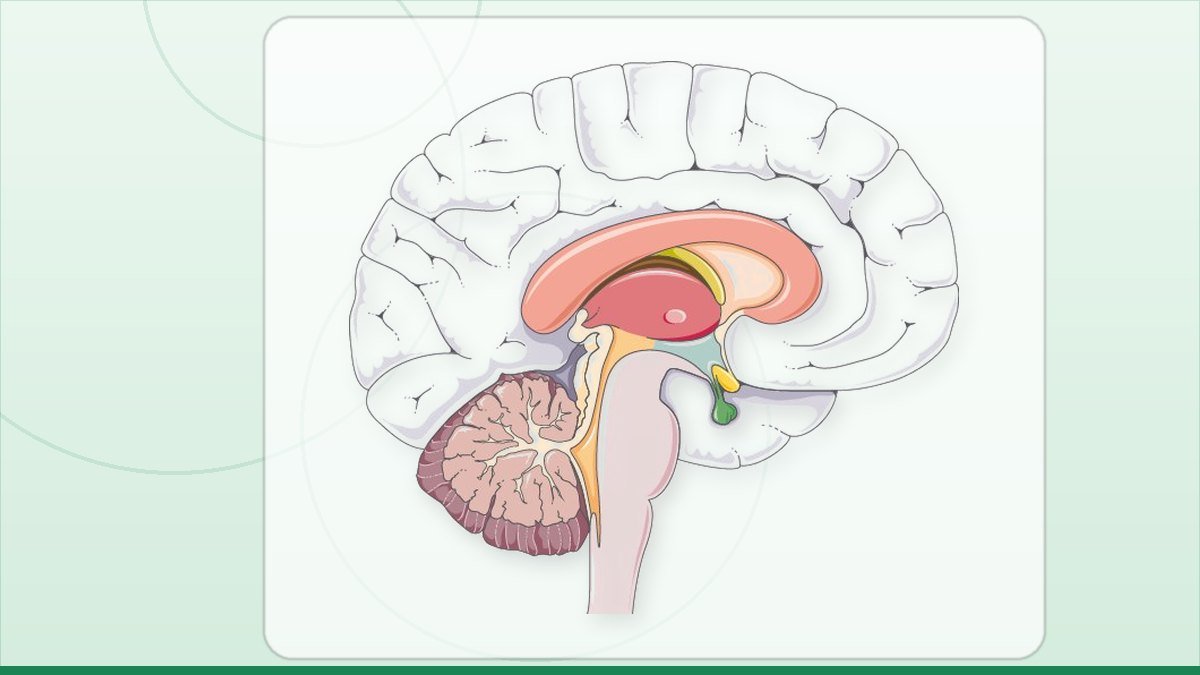
Most headaches are not brain tumours. Get checked if a new headache is worse in the morning, wakes you from sleep, or keeps worsening over weeks, or if it comes with vomiting, blurred or double vision, seizures, weakness on one side, or changed speech, balance or behaviour. An MRI brain with contrast settles the question.
What are the brain tumour warning signs actually worth checking?
The pattern matters more than the symptom. Almost everyone gets sar dard. Very few of those headaches are a dimagh ki rasoli. What raises concern is a headache that behaves differently from the ones you have had all your life.
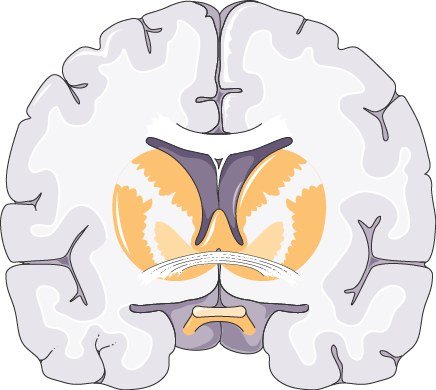
These are the signs a neurosurgeon takes seriously:
- A new headache that is getting worse week by week instead of coming and going
- Headache that is worst when you wake up, or that wakes you from sleep
- Headache that gets sharply worse when you cough, strain on the toilet, or bend forward
- Vomiting with the headache, often without nausea and often in the morning
- A first-ever fit or seizure in an adult, even a short one, even a partial one
- Blurred vision, double vision, or losing part of your field of vision on one side
- Weakness, numbness or clumsiness on one side of the body that stays or worsens
- Slurred speech, or hunting for ordinary words
- Losing balance, veering to one side, repeated chakkar that is not settling
- Personality change, unusual forgetfulness, or a slowness that the family notices before the patient does
One of these alone is usually something else. A cluster of them, or any one of them that keeps getting worse over weeks, is a reason to get a scan rather than a stronger painkiller.
Family members notice some of these first. If your father has become quiet, slow or confused over two months and nobody can explain it, that is worth a scan even if he says he feels fine.
Is brain surgery safe, or will I be paralysed?
This is the fear that keeps people away from a scan for months, so it should be answered honestly and early. Modern brain tumour surgery is done every week in Pakistan and most patients walk out of hospital. But the honest answer is that risk is real and it depends almost entirely on where the tumour sits, not on how big it looks on the film.
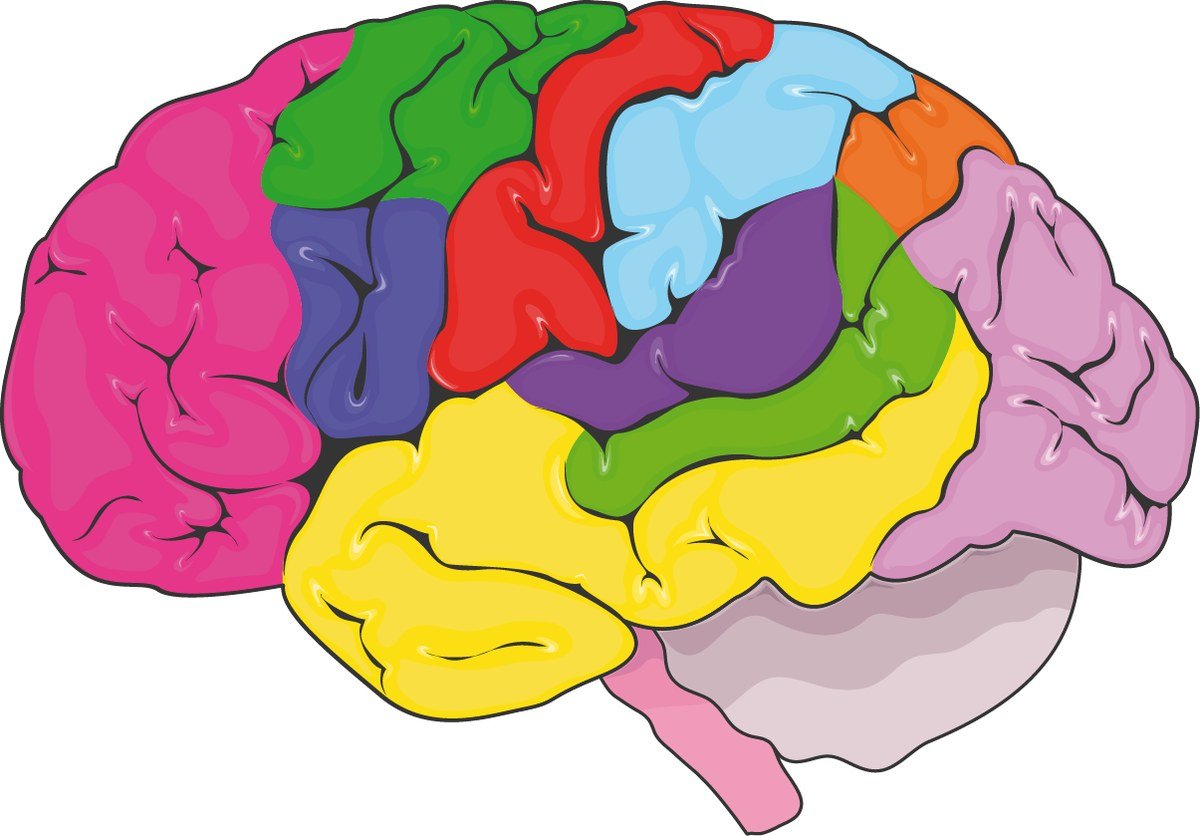
A tumour sitting away from the movement and speech areas can often be removed with very little risk to function. A tumour growing inside or right next to those areas carries a genuine risk of weakness or speech difficulty, and a good surgeon will tell you that before the operation, in numbers specific to your scan.
What lowers the risk is not a claim, it is equipment and planning. Ask your surgeon directly:
- Have you seen my MRI with contrast yourself, and where exactly is the tumour sitting?
- What function is at risk if this goes wrong, and how likely is that?
- Is the plan complete removal, partial removal, or biopsy only?
- Will an operating microscope, navigation, or nerve monitoring be used?
- Is ICU available in this hospital if I need it after surgery?
Be careful of two opposite answers. A surgeon who promises you zero risk is not being straight with you. A surgeon who says nothing can be done without looking properly at your imaging is also not being straight with you. You want the one who explains the trade-off and lets you and your family decide.
Is my headache a brain tumour?
Probably not. The large majority of headaches seen in clinic are tension headache, migraine, sinus problems, eye strain, uncontrolled blood pressure, or headache caused by taking painkillers too often. Headache alone, with a normal neurological examination, is rarely a brain tumour.
Reassuring patterns include a headache you have had on and off for years without change, a headache that comes on in the evening after a hard day, a headache that responds fully to rest and simple painkillers, and a headache with no vomiting, no vision change and no weakness.
Concerning patterns are the opposite. New in the last few weeks or months. Steadily worse rather than up and down. Worse in the morning or on lying flat. Worse on coughing or straining. Coming with vomiting, double vision, or a fit. Starting for the first time after the age of fifty. Or occurring in someone already being treated for cancer elsewhere in the body.
One practical point. If the headache is settling with rest and simple painkillers and you have none of the concerning features, you do not need an urgent MRI this week. If it has been getting worse for a month and you are now taking painkillers every day to get through work, you do.
When should I get an MRI, and which scan should I ask for?
The scan that answers this question is an MRI brain with contrast. Ask for it by that name. A plain CT scan is faster and cheaper and is the right test in an emergency or after a head injury, but a small tumour, a tumour at the base of the skull, or a tumour in the back of the brain can be missed on plain CT. A normal CT does not fully rule out a tumour.
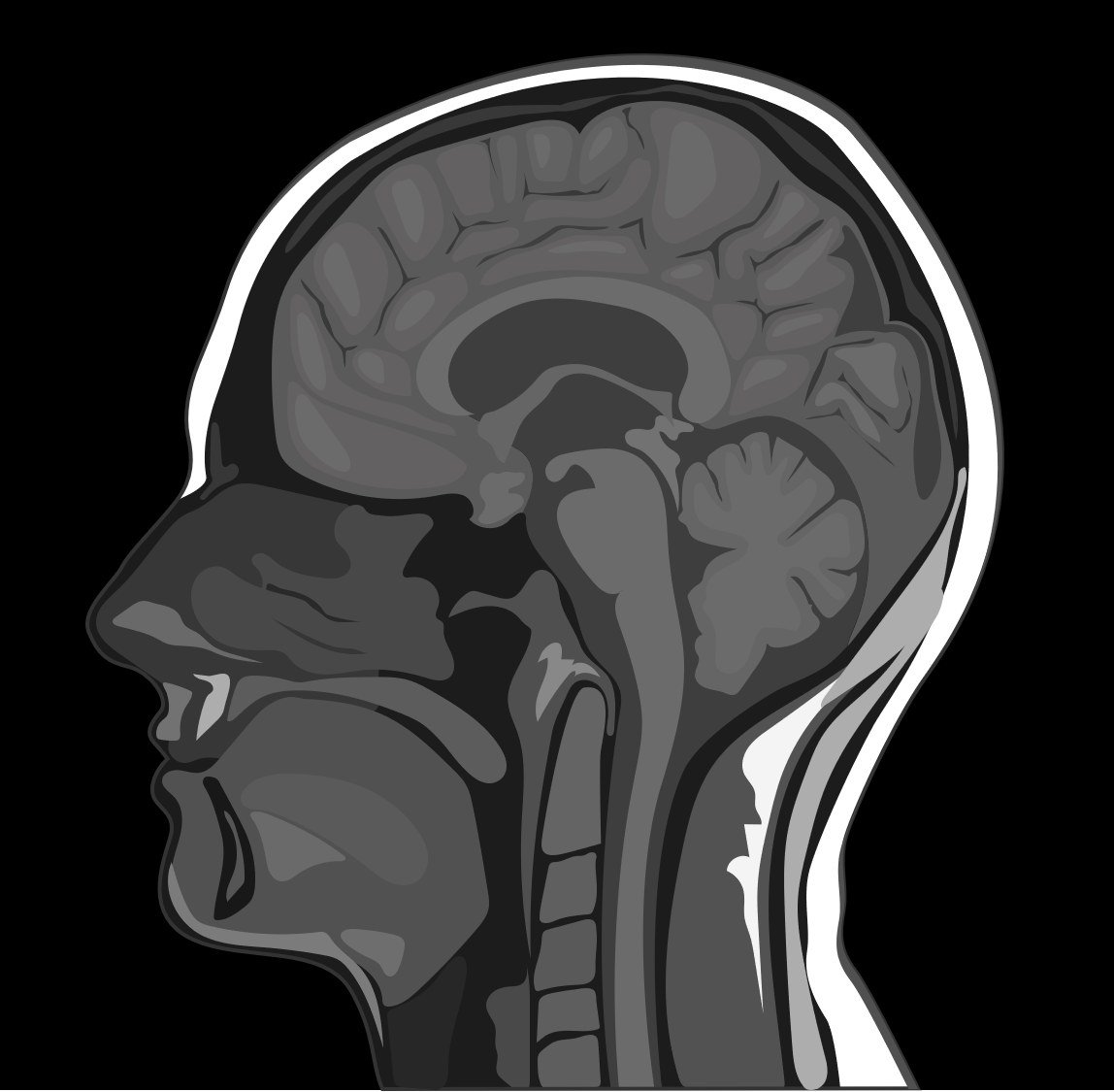
Get the MRI without waiting if you have had a first seizure, if there is weakness or speech difficulty on one side, if vision is going, or if the headache pattern is clearly progressive over weeks. Otherwise it is reasonable to first see a doctor, get blood pressure checked, get an eye examination, and treat the obvious causes.
Two things save you money and repeat visits in Pakistan:
- Get the MRI done properly the first time, with contrast, at a centre with a machine of at least 1.5 Tesla. A cheap, low-quality scan often has to be repeated.
- Carry the CD or the digital file, not only the printed report. A neurosurgeon needs to look at the images, not read someone else's summary of them.
MRI is widely available in Faisalabad and across Punjab, and public sector options exist alongside private centres. It is not a small expense, but it is a fraction of what an avoidable delay costs.
Which symptoms mean go to hospital today, not next week?
Do not wait for an appointment, and do not visit a hakeem first, if any of these happen:
- A first-ever fit or seizure, at any age
- Sudden weakness, drooping or numbness of the face, arm or leg on one side
- Sudden loss of speech or sudden inability to understand speech
- The worst headache of your life, coming on within seconds like a blow to the head
- Sudden loss of vision, or double vision that starts abruptly
- Increasing drowsiness, confusion, or difficulty waking someone up
- Repeated vomiting with severe headache and no stomach cause
Several of these are more often a stroke or a bleed than a tumour, but the urgency is the same either way. Go to a hospital emergency department with a CT scanner and a neurosurgeon on call. In Faisalabad and the surrounding districts, the nearest emergency with a working CT is a better choice than a longer drive to a bigger name.
A common and costly pattern in Punjab is the family who spends three weeks on massage, dam, taweez or herbal treatment while a symptom quietly worsens. Faith and family support matter. They are not a substitute for a scan when the body is signalling clearly.
Does every brain tumour need surgery?
No, and this is worth saying plainly. Not every shadow on a brain MRI is cancer, and not every tumour needs an operation.

Some tumours found on a scan are benign and slow growing. A small meningioma discovered by chance in an older patient with no symptoms is often watched with repeat MRI at intervals rather than removed. Some pituitary tumours are treated with tablets rather than surgery. Some lesions turn out to be infection, inflammation, an old infarct, or a cyst that needs nothing at all.
When surgery is advised, the goal is not always complete removal. Sometimes the correct operation is a biopsy only, to find out exactly what the tumour is so that radiotherapy or chemotherapy can be aimed correctly. Sometimes it is partial removal to relieve pressure. Sometimes the first step is not surgery but a referral to an oncologist. Cancer treatment centres in Punjab, including facilities in Faisalabad and Lahore, handle the radiotherapy and chemotherapy side.
Ask this question directly: what happens if I do not have surgery? A surgeon who can answer that clearly, including the option of waiting and rescanning where that is genuinely safe, is a surgeon who is thinking about your case rather than the operating list.
What does brain tumour treatment cost in Pakistan?
The honest answer is that it varies more than most families expect, which is exactly why you should never accept a verbal figure. Ask for a written, itemised quote in PKR before admission.
What drives the number:
- The tumour type and whether the operation is a biopsy, a partial removal, or a full removal
- Length of surgery and whether navigation or nerve monitoring is used
- Days in ICU afterwards, which is often the single biggest variable
- Whether radiotherapy or chemotherapy follows, which is billed separately by the oncology centre
- Follow-up MRI scans, which continue for years
- Public sector versus private hospital, which changes the figure substantially
A written quote should list surgeon's fee, anaesthesia, operation theatre, implants or consumables, room category, an estimated ICU rate per day, and what is excluded. Get the exclusions in writing. Most disputed bills in Pakistan come from what was never mentioned, not from what was quoted.
Also ask the hospital's admissions office whether any government scheme, hospital zakat fund or welfare support applies to your case. Many families never ask and pay the full amount unnecessarily. Do not sell land or borrow before you have two written quotes and a second opinion on the scan.
Is this a brain problem or a disc problem?
Many people searching brain tumour symptoms actually have a spine problem, so it helps to separate the two.
A disc problem usually announces itself in a limb, not in the head. Kamar dard with taang mein dard running down below the knee, worse on sitting, bending or coughing, with numbness or tingling in the foot, is the classic picture of a lumbar slip disc. A neck disc can cause pain at the back of the head along with pain, tingling or weakness going down one arm. There is no vomiting, no vision change, no seizure and no personality change.
A brain problem is more likely to show itself through headache pattern, vision, speech, balance, fits or behaviour, and it often affects a whole side of the body rather than one nerve's territory.
There is overlap in one place worth knowing. Weakness in both legs with difficulty walking, unsteadiness, or new loss of bladder control is a red flag for spinal cord compression and needs urgent assessment, not observation. That is a spine emergency, and it is treated by the same specialty.
What should you do next?
Keep it simple. Write down when the symptom started, how it has changed, and what makes it worse. Get your blood pressure and eyes checked, because both explain a large share of headaches. If your symptoms match the concerning pattern above, get an MRI brain with contrast and take the CD, not just the report, to a neurosurgeon.
Take a family member with you. Decisions about brain surgery in Pakistan are family decisions, and it is easier when two people heard the same explanation. Bring your list of questions. A good consultation should leave you knowing what the diagnosis is, what the options are including doing nothing, what the risks are, and what it will cost in writing.
Dr. M. Abdur Rehman is a consultant neurosurgeon at Mujahid Hospital, Faisalabad. Most of his operating work is endoscopic spine surgery, and many patients find this page while looking for the best spine surgeon in Faisalabad, because brain and spine are the same specialty and the same clinic. If you have a scan that worries you, bring it in for an opinion before you make any decision about surgery.
If a second opinion contradicts the first, that is not a problem. That is information. Take both scans and both opinions to a third only if the two disagree on something that changes your treatment.
Questions patients ask about this
What is the success rate of brain tumour surgery in Pakistan?
There is no single figure, and anyone quoting one is guessing. Outcome depends on the tumour type, its grade, its location and the patient's condition before surgery. A benign meningioma and an aggressive glioma have completely different outlooks. Ask your surgeon for outcome expectations specific to your scan and biopsy result.
How much does brain tumour surgery cost in Pakistan?
It varies widely with tumour type, whether it is a biopsy or full removal, the hospital, and days spent in ICU. Radiotherapy and chemotherapy are billed separately. Always ask for a written, itemised quote in PKR listing exclusions, and ask about hospital welfare or zakat support before you borrow money.
My CT scan was normal. Does that rule out a brain tumour?
Not completely. CT is fast and good in emergencies, but small tumours, tumours at the skull base and tumours at the back of the brain can be missed. If symptoms are progressive and the CT is normal, ask for an MRI brain with contrast rather than accepting reassurance.
I have had headaches for years. Should I be worried?
A headache that has been the same for years, with a normal examination and no vomiting, vision change, weakness or fits, is very unlikely to be a tumour. What matters is change. If the pattern shifts, the pain becomes steadily worse, or new symptoms join it, get reassessed.
Can a brain tumour be treated without surgery?
Sometimes, yes. Small benign tumours found by chance may be watched with repeat MRI. Some pituitary tumours respond to medication. Some tumours are treated mainly with radiotherapy or chemotherapy after a biopsy confirms the type. The right answer depends entirely on what the tumour is and where it sits.
Related articles
Head injury: when a CT scan is needed
When does a head injury need a CT scan? The warning signs, what to watch at home, and when surgery is needed,…
Read this
Hydrocephalus in children: head size, symptoms and shunts
Hydrocephalus in children: the head size and symptoms parents notice first, when a shunt is needed, and what…
Read this
Stroke: the hours that decide the outcome
Stroke symptoms and treatment explained simply: the FAST signs, why the first hours decide recovery, and when…
Read thisAll patient questions · Spine surgery in Faisalabad · Book an appointment
Ask about your own scan. Send your MRI or X-ray on WhatsApp and get a straight answer on whether surgery is needed at all, from a consultant neurosurgeon in Faisalabad.
Dr. M. Abdur Rehman is a consultant neurosurgeon in Faisalabad. Send your scan on WhatsApp and ask what it actually shows.
Published for the practice of Dr. M. Abdur Rehman, consultant neurosurgeon, Mujahid Hospital, Faisalabad. General information only, not a substitute for examination.