
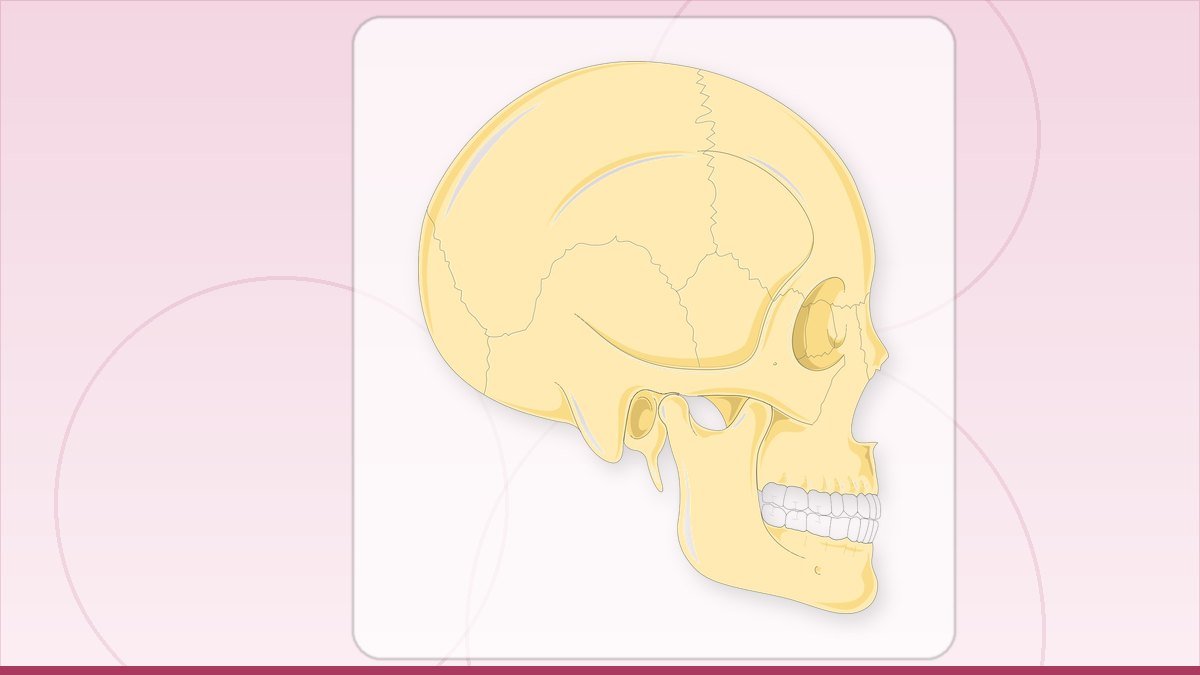
A CT scan is needed after a head injury if there was loss of consciousness, repeated vomiting, a fit, confusion or drowsiness, weakness or slurred speech, clear fluid or blood from the nose or ear, a heavy road accident, age above 65, or if the person takes blood thinners. Without these, most minor knocks are safe to watch at home.
When does a head injury need a CT scan?
A CT scan of the brain is needed when there is a real chance of bleeding or a fracture inside the skull. Doctors worldwide use a short checklist for this, and it is the same checklist used in Faisalabad, Lahore or London.
Get a CT scan the same day if any of these are present after a head injury:
- The person became unconscious, even for a few seconds
- They are drowsy, confused, or not answering normally
- Vomiting more than once
- A fit or seizure after the injury
- Clear fluid or blood coming from the nose or ear
- Bruising around both eyes, or behind the ear, without a direct blow there
- Weakness in an arm or leg, slurred speech, double vision, or unequal pupils
- A dent, soft spot, or cut down to the bone on the skull
- Headache that keeps getting worse instead of settling
- They cannot remember the half hour before the accident
Some people need a scan even if they look completely fine. That includes anyone over 65, anyone taking blood thinners such as warfarin, aspirin, clopidogrel or a newer tablet, anyone with a bleeding disorder, and anyone who has had brain surgery before. In these people the brain can bleed slowly after a knock that looks harmless.
The force of the accident matters too. A fall from a roof or charpai height, a motorcycle accident without a helmet, being hit by a car, or being thrown from a vehicle all count as high force. Walking into a door does not.
Could there be bleeding inside the head, and would we know?
This is the fear that brings most families to hospital at midnight, and it is a fair fear. Yes, bleeding inside the skull can happen without an open wound and without much blood on the outside. But it almost never stays silent. It announces itself, and the checklist above is how you hear it.
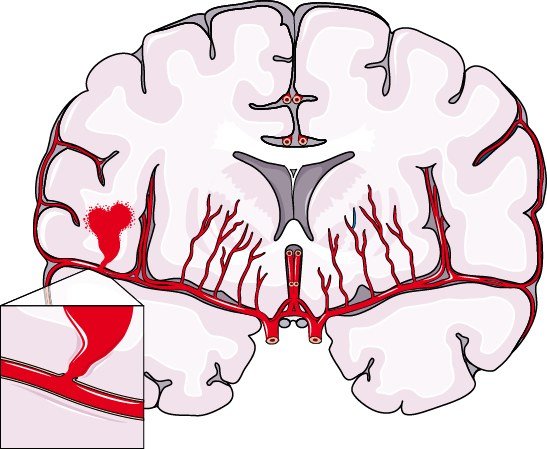
The dangerous pattern people worry about is the one where a person is knocked out, wakes up, talks normally for an hour or two, then becomes drowsy and slips away. That is bleeding between the skull and the covering of the brain, and it is exactly why we tell you to watch someone rather than send them home and forget them. If it is caught on a CT scan in time, an operation can drain it and the person usually does very well.
In older people the pattern is slower. A fall in the bathroom, nothing much at the time, then over two or three weeks the person becomes forgetful, unsteady, weak on one side, or just not themselves. Families often think it is age or a stroke. It can be a slow collection of old blood over the brain, and it is treatable with a small operation.
What it comes down to: a person who is fully awake, talking normally, not vomiting, with a settling headache and no weakness is very unlikely to have serious bleeding. A person who is getting worse over hours needs a scan now, not tomorrow.
Is the CT scan itself dangerous?
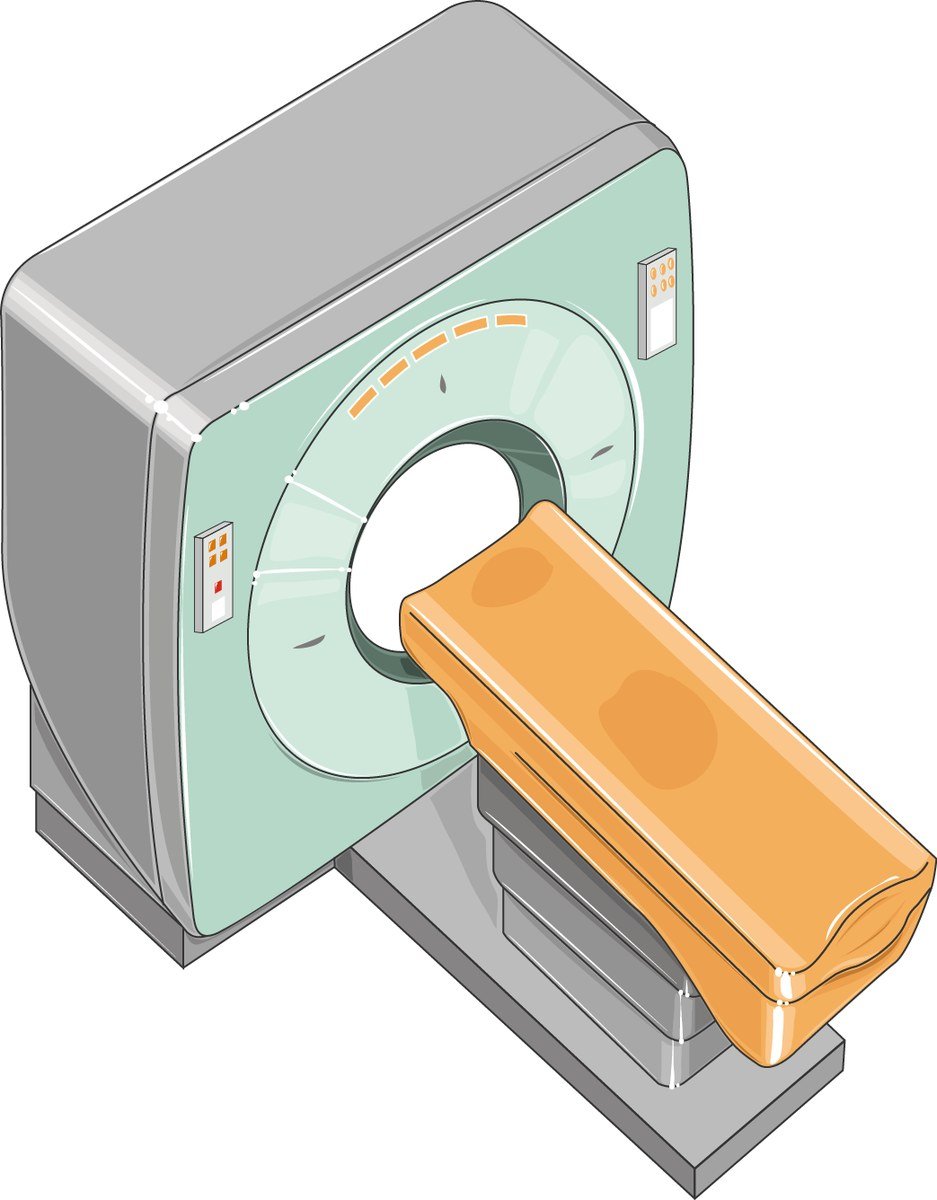
A CT scan of the head takes a few seconds, does not hurt, and needs no injection in most head injury cases. There is no needle, no tunnel to lie in for half an hour like MRI, and no anaesthesia for an adult.
It does use X-rays, so there is a small radiation dose. For an adult with any of the warning signs, that dose is nothing compared to the risk of missing a bleed. There is no reason to refuse it.
The radiation question matters more in children, whose brains are still growing. That is why doctors do not scan every child who falls off a bicycle. In a child who is fully awake, playing, and not vomiting, keeping them under observation in the hospital for a few hours is often the safer choice than scanning straight away.
MRI is not the test for a fresh head injury. It is slower and worse at showing fresh blood and broken bone. CT is the correct first scan. MRI comes later, if at all.
What if the head injury is in a child?
Children need the same respect and a slightly different list. A child should be seen and usually scanned if they lost consciousness, vomited three or more times, had a fit, are unusually sleepy or hard to wake, are not behaving like themselves, or fell from a real height such as a roof, stairs or a window.
In a baby under one year, be more careful, not less. A tense or bulging soft spot on the head, a large swelling on the scalp, poor feeding, a high pitched cry, or unusual floppiness all need a doctor the same day.
A child who cried immediately, was comforted in a few minutes, and is now running around is usually fine. Watch them, do not let them sleep alone that night, and bring them in if anything on the list appears.
How do we watch someone at home after a head injury?
If a doctor has said no scan is needed, or the scan was normal and you have been sent home, the first 24 to 48 hours matter most. Someone responsible should stay with the person, especially at night.
It is fine to let them sleep. You do not need to keep them awake all night. What you need is to be able to wake them. Rouse them once or twice in the night and check that they open their eyes, know where they are, and can move both arms and legs.
Return to hospital immediately if any of this happens:
- You cannot wake them properly
- Vomiting starts or continues
- A fit or twitching
- Confusion, strange behaviour, or not recognising family
- Weakness, numbness, or trouble walking
- Slurred speech or double vision
- Headache that keeps building despite paracetamol
- Clear fluid or blood from the nose or ear
For those two days, no driving, no motorcycle, no work at height, no sleeping tablets, and no alcohol. Paracetamol is fine for the headache. Avoid ibuprofen and similar painkillers in the first days after a head injury unless a doctor has told you otherwise, because they can affect bleeding.
One more thing, and it is said with respect. After a head injury, please do not go first to a hakeem, a massage, or someone who presses and pulls on the head and neck. There is nothing a massage can do for a bleed inside the skull, and the hours lost are the hours that matter. Get the person assessed, then decide.
Does a head injury usually need surgery?
No. The great majority of head injuries need no operation at all. Most need observation, simple painkillers, rest, and time. Even many people who arrive with a positive CT scan are treated by watching closely rather than by operating.
Surgery is needed in a minority of cases, mainly these:
- A large blood clot pressing on the brain, which needs to be removed urgently
- A slow collection of old blood in an older person, which is usually drained through a small opening in the skull
- A skull fracture pushed inwards onto the brain
- Dangerous swelling of the brain that will not settle with medicines
If a surgeon tells you an operation is needed after a head injury, it is normally time sensitive. This is not the situation for taking a week to think it over. It is, however, always fair to ask to see the scan yourself and to ask what happens if you wait.
Equally, if you are told nothing needs to be done, that is usually the truth and not neglect. A normal CT after a head injury is genuinely reassuring.
The scan was normal, so why do I still feel unwell?
This is very common and it is not imaginary. For days or weeks after a head injury, people get headaches, dizziness, poor concentration, irritability, disturbed sleep, and tiredness that comes on quickly. The scan can be completely clear while all of this is going on.
The scan shows blood and broken bone. It does not show the temporary jolt to how the brain is working. That part heals, but it heals on its own schedule, usually over a few weeks.
What helps is boring and effective. Regular sleep, water, paracetamol, going back to work and screens gradually rather than all at once, and no second head injury while you are recovering. Cricket, motorcycle riding without a helmet, and heavy gym work can wait.
See a doctor again if symptoms are still bad after a few weeks, if they are getting worse rather than better, or if new problems appear such as weakness, changed vision, or seizures.
What about the neck after a head injury?
A force strong enough to injure the head often reaches the neck as well. This gets missed when everyone is focused on the skull. After a road accident or a fall from height, tell the doctor if there is neck pain in the midline, pain on turning the head, or any tingling, numbness or weakness in the arms or hands.
If those are present, keep the person still, do not let anyone turn or lift the head, and say so at the door. The neck may need its own imaging.
Later on, some people develop lasting neck pain, or pain and tingling running down an arm, from a disc problem set off by the same accident. That is a separate assessment with a separate plan, and it is rarely urgent in the way a head bleed is urgent.
What should you do now, in Faisalabad?
If anyone in your family has a head injury with one of the warning signs on this page, take them to a hospital with a CT scanner and a neurosurgeon available now. Do not wait for morning, do not wait for a relative to arrive from another city, and do not stop on the way for a second opinion from someone without a scanner.
Bring what you can: the person's regular medicines, especially any blood thinners, any previous scans, and a clear account of how the accident happened and whether they lost consciousness. That story changes the decision more than most people realise.
On cost, a CT of the brain is one of the less expensive investigations and far cheaper than MRI. Ask for a written quote in PKR at the reception before the scan, covering the scan, the report, and the observation charges if they plan to keep the person in. A written quote prevents arguments later, and no honest department will refuse to give you one.
When something frightening happens, what you actually need is simple: a consultant neurosurgeon who will look at the scan today and tell you plainly whether it is serious. If you are looking for the best neurosurgeon in Faisalabad after a head injury, Dr M. Abdur Rehman, consultant neurosurgeon at Mujahid Hospital, Faisalabad, sees head injury and spine patients and will show you your own images and explain what they mean.
Questions patients ask about this
Do I need a CT scan if I did not lose consciousness?
Often no. Loss of consciousness is only one item on the list. If you are fully awake, not vomiting, have no weakness or fluid from the nose or ear, and the headache is settling, watching at home is usually reasonable. Still get scanned if you are over 65 or on blood thinners.
How long after a head injury can bleeding show up?
Fast bleeds usually declare themselves within hours, which is why the first day matters most. Slow collections in older people can appear over two to six weeks after a fall that seemed minor. New confusion, weakness or unsteadiness weeks later deserves a scan even if the injury felt small at the time.
Is CT or MRI better after a head injury?
CT is the correct first scan. It is fast, widely available, and shows fresh bleeding and skull fractures clearly. MRI is slower, less good at showing fresh blood and bone, and is not the emergency test. MRI may be useful later if symptoms continue and the CT was normal.
My father fell but seems fine and takes a blood thinner. Should we wait?
No, take him to be seen. Blood thinners such as warfarin, aspirin, clopidogrel and the newer tablets allow bleeding to start from a knock that would harm nobody else, and the person can look completely normal for hours first. This group should be scanned even after a minor fall.
Can a hakeem or massage help after a head injury?
No, and the delay can be dangerous. Massage, pressing on the head or neck, and traditional remedies cannot treat bleeding or swelling inside the skull. If the warning signs on this page are present, go straight to a hospital with a CT scanner. Traditional care can be considered afterwards for muscle pain.
Related articles
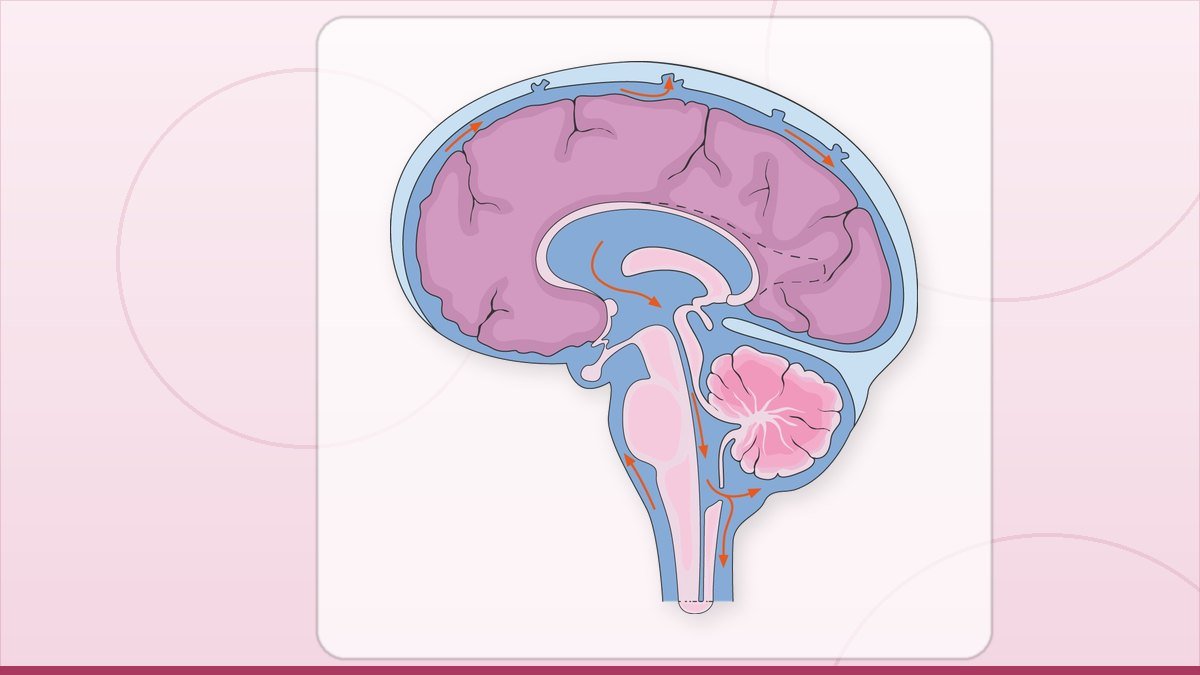
Hydrocephalus in children: head size, symptoms and shunts
Hydrocephalus in children: the head size and symptoms parents notice first, when a shunt is needed, and what…
Read this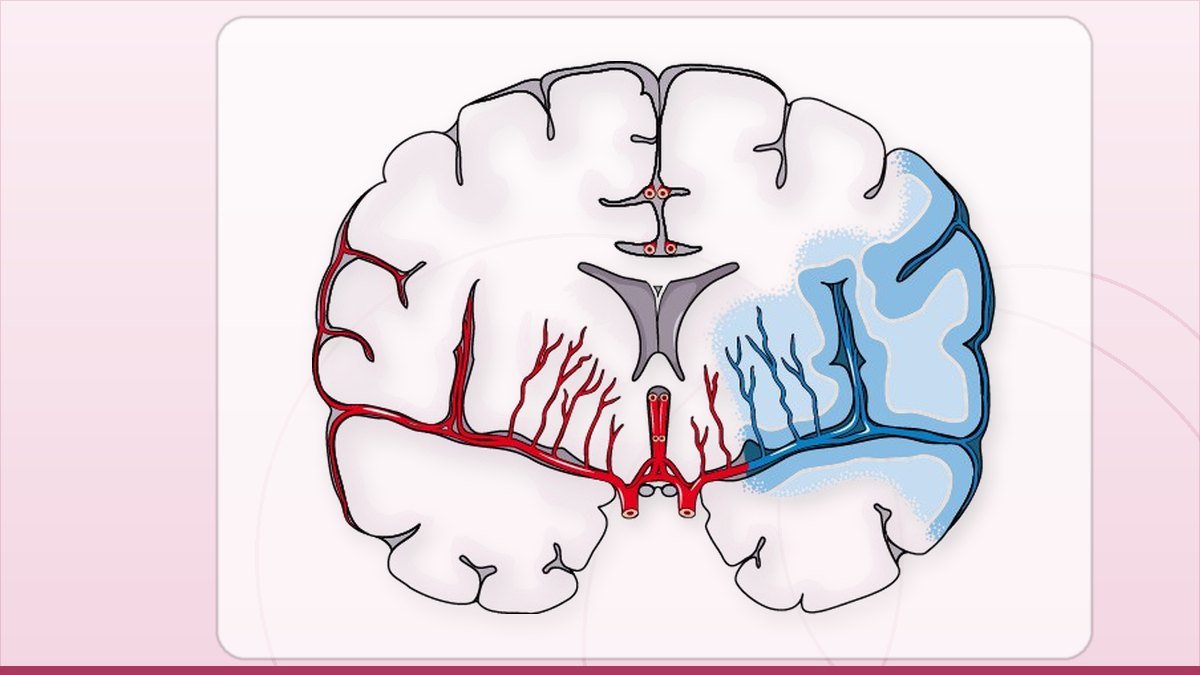
Stroke: the hours that decide the outcome
Stroke symptoms and treatment explained simply: the FAST signs, why the first hours decide recovery, and when…
Read this
How to choose an endoscopic spine surgeon in Faisalabad
How to choose an endoscopic spine surgeon in Faisalabad: what to ask about training, case numbers and…
Read thisAll patient questions · Spine surgery in Faisalabad · Book an appointment
Ask about your own scan. Send your MRI or X-ray on WhatsApp and get a straight answer on whether surgery is needed at all, from a consultant neurosurgeon in Faisalabad.
Dr. M. Abdur Rehman is a consultant neurosurgeon in Faisalabad. Send your scan on WhatsApp and ask what it actually shows.
Published for the practice of Dr. M. Abdur Rehman, consultant neurosurgeon, Mujahid Hospital, Faisalabad. General information only, not a substitute for examination.