
Choose on training and honesty, not advertising. Ask the surgeon how many endoscopic cases they do each month, who operates if a problem arises, and what happens if the disc comes back. A good surgeon will also tell you when you do not need surgery at all. Get every cost in writing before you decide.
What actually makes a good endoscopic spine surgeon?
Two things separate a good endoscopic spine surgeon from a good advertisement. The first is how often that surgeon does this exact operation. The second is how willing they are to tell you not to have it.

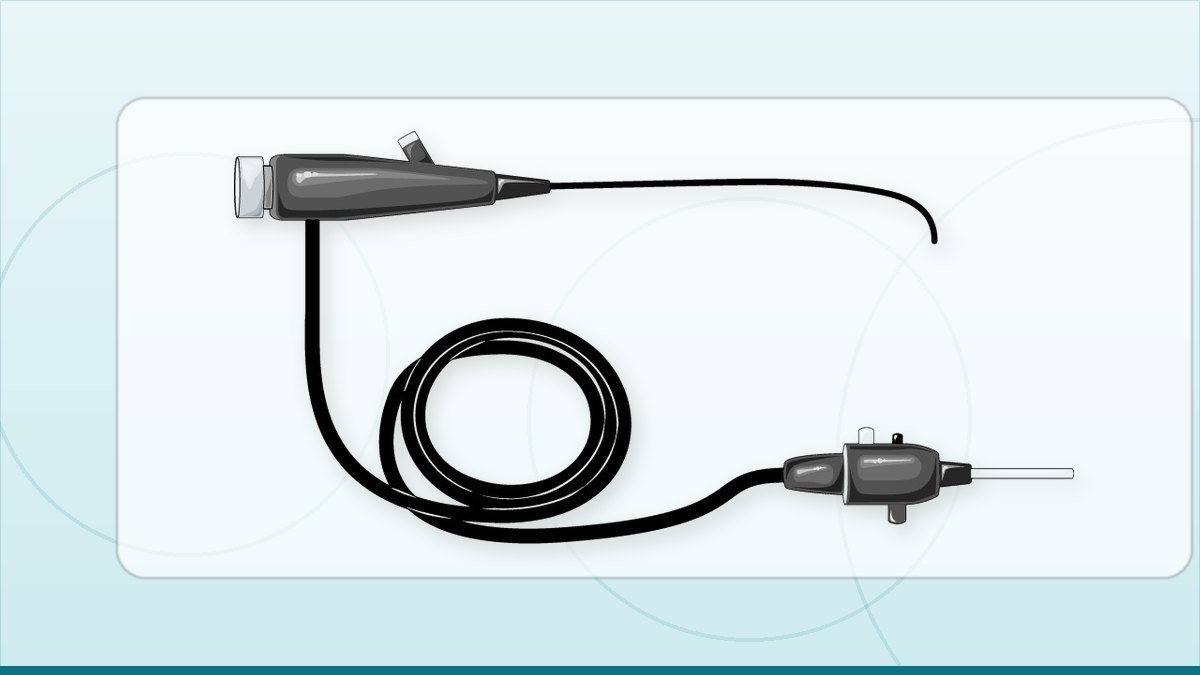
Endoscopic spine surgery is done through a tube about the width of a pencil, using a camera and instruments passed down to the disc. The surgeon works from a screen, not from a direct view into the wound. That is a different skill from open surgery, and it is learned over a long run of cases, not over a weekend course. A surgeon who does this regularly moves through the steps calmly. A surgeon who does two a year is still learning on you.
Ask these questions in the consultation room, out loud:
- How many endoscopic discectomies do you do in a month?
- How long have you been doing them?
- What is your plan if the endoscope cannot reach the disc fragment safely? Do you convert to microdiscectomy in the same sitting?
- Who operates if there is a problem at two in the morning?
- What happens, and who pays, if the disc herniates again in six months?
A confident surgeon answers these without irritation. If the answers are vague, or if you are told not to worry about the details, that is your answer.
Is endoscopic spine surgery safe, or will I be paralysed?
The fear of paralysis is the reason most families in Punjab delay spine surgery for years. Serious nerve injury from a planned lumbar disc operation is rare. It is not zero, and no honest surgeon will promise you zero, but it is not the common outcome and it should not be the thing that decides your life.
The real risks worth discussing are the ordinary ones. A small tear in the covering of the nerves. Bleeding. Infection. Temporary numbness or weakness in the leg that settles over weeks. The disc herniating again at the same level, which happens to a minority of patients and sometimes needs a second procedure. Incomplete relief, especially if some of your pain was coming from somewhere other than the disc.
Here is what many patients do not know: waiting can carry its own risk. If a nerve is badly compressed for a long time, numbness and weakness can become permanent even after a technically perfect operation. Years of hakeem treatment, malish and painkillers while a foot slowly goes weak is not the safe choice it feels like.
And some things are emergencies. If you lose control of urine or stool, go numb between the legs, or a leg becomes rapidly weak, go to a hospital the same day. Do not wait for an appointment.
Do I actually need surgery, or is this fixable without it?
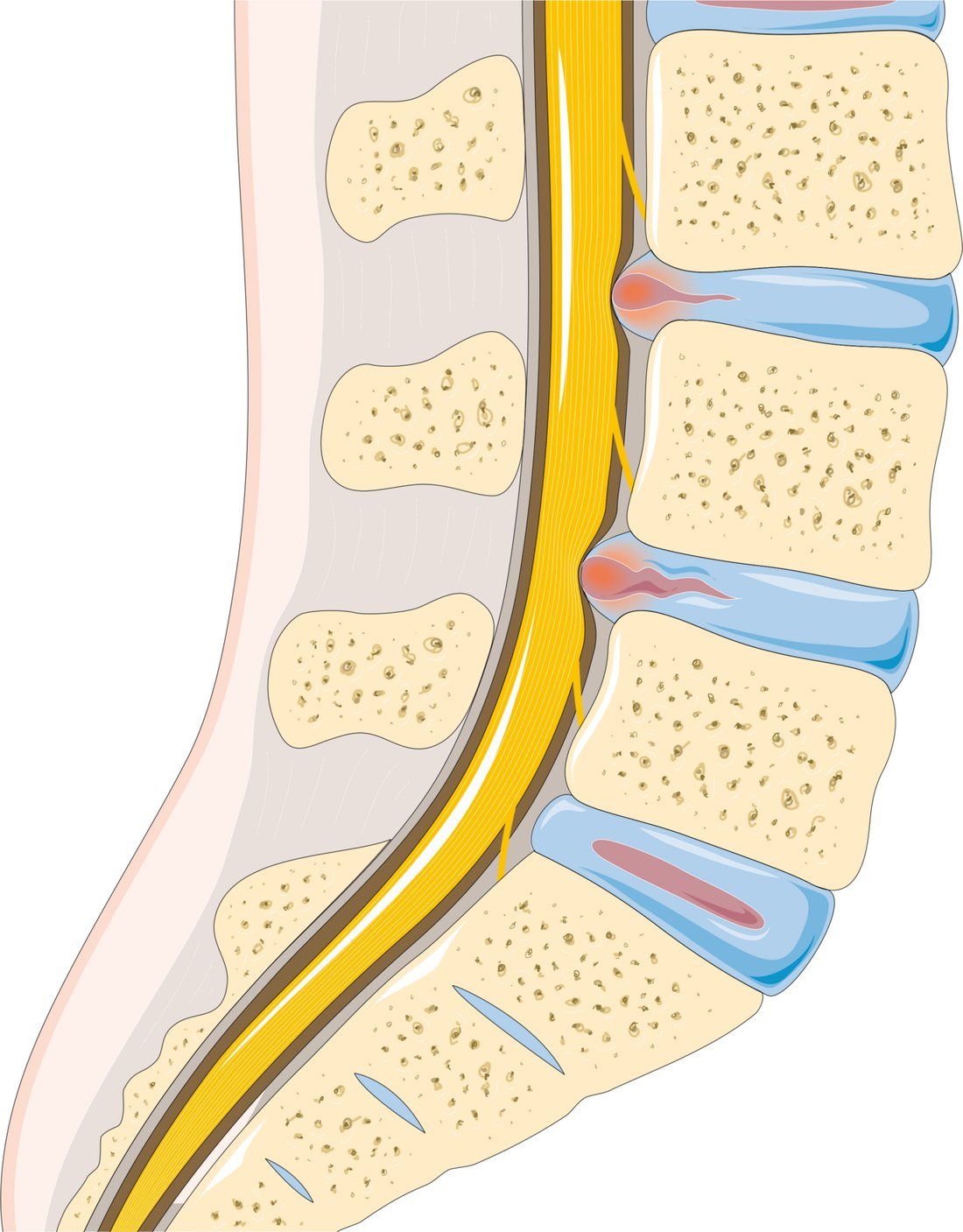
Most back pain never needs an operation. If your problem is kamar dard alone, with no pain running down the leg, surgery is usually the wrong tool no matter what the MRI shows.
Endoscopic discectomy is aimed at a specific situation: a disc pressing on a nerve root, causing taang mein dard, that has not settled with time and proper treatment. Even then, a large share of these patients improve on their own over six to twelve weeks. Physiotherapy, the right medicines taken properly, staying active rather than lying in bed, and time do more work than most people expect.
Surgery becomes a serious option when the leg pain is severe and not settling after six to eight weeks of real treatment, when there is progressive weakness in the foot or leg, or in the emergency situations above. Not before.
Be careful with the MRI report. Bulging discs and degenerative changes appear on the scans of large numbers of people who have no pain at all. A report full of frightening words does not mean you need an operation. The scan has to match your symptoms and your examination. A surgeon who recommends surgery from the report alone, without examining your leg and testing your reflexes and power, has skipped the most important part.
Neurosurgeon, orthopaedic surgeon or neurologist: who do I see?
Start with whoever can examine you properly and read your MRI in front of you. Both neurosurgeons and orthopaedic spine surgeons are trained to operate on the spine. The title on the board matters far less than what that person does every week.
A neurologist is a different thing. Neurologists do not operate. They are the right doctor for nerve and muscle disease, unexplained weakness, or when nobody is sure whether the problem is coming from your spine at all. If your GP sends you to a neurologist first, that is not a wasted visit.
What you are looking for, whatever the specialty, is a surgeon who spends most of their operating time on spines. General surgery lists with an occasional disc case do not build the same judgement. Ask directly: what proportion of your practice is spine surgery?
What should I ask about the equipment, and does the machine matter?
Ask three things about the setup. Does the hospital own a working endoscopic spine system, or is it rented in for the day? Is there a C-arm image intensifier in theatre for live X-ray guidance? What is the plan if the equipment fails mid-procedure?

Rented equipment is not automatically bad, but it tells you something about how often this operation is done there. Equipment that arrives on the morning of your surgery is equipment the theatre team has not handled in weeks.
Now the more important point. The machine does not do the operation. The endoscope is a camera. It cannot decide how much disc to remove, recognise when the anatomy is not what the scan suggested, or know when to stop. Brochures full of imported equipment names are selling you the easy part. Any hospital with money can buy a tower. Judgement is the scarce thing.
Also look at what surrounds the operation. Is there an ICU in the building? A trained anaesthetist? Someone who can take you back to theatre at night if needed? A surgeon working in a hospital with no backup is taking a risk on your behalf.
What are the red flags in a spine surgery sales pitch?
If you notice these, slow down and get another opinion. None of them require you to be rude. You are allowed to leave and think.
- A guarantee. No honest surgeon guarantees a hundred percent result. Medicine does not work that way.
- Pressure to decide today. A discount that expires, a date that must be booked now, a warning that you will be paralysed if you delay a week when there is no emergency finding.
- Surgery advised before examination. Report read, operation offered, leg never touched.
- No mention of any risk. If complications never came up in the conversation, the conversation was a sales call.
- Nobody will put a price in writing. Verbal figures grow.
- You never find out who is actually operating. Ask by name. Ask whether trainees will do part of it and who is standing there.
- Every patient in the waiting room is getting the same operation. Different spines need different answers.
- Claims of being the first, the only, or the number one. Nobody can check these, several clinics in the same city say them, and they tell you nothing about your outcome.
One more, specific to Pakistan. If a facility recommends a package that bundles injections, physiotherapy sessions and a procedure paid upfront, ask what happens to your money if you improve after the second week and no longer need the rest.
What does endoscopic spine surgery cost in Pakistan, and is laser worth it?
Costs vary a great deal between private hospitals, cities and cases, so treat any single figure you read online with suspicion. What protects you is not knowing an average. It is getting an itemised quote in PKR, in writing, before a date is booked.
Make the quote list these separately:
- Surgeon fee
- Anaesthesia and theatre charges
- Hospital room, and the cost of one extra night if needed
- Any implant, if the plan involves more than a discectomy
- MRI and pre-operative tests, if not already done
- Medicines on discharge
- Follow-up visits, and whether they are included
Then ask the question families forget: what is not in this quote? That is where surprises live.
About laser. Laser is an instrument, not an operation. Several clinics advertise laser spine surgery and laser spine surgery cost as though it were a separate, gentler category. Often the underlying procedure is a percutaneous technique whose evidence base is thinner than standard endoscopic discectomy or microdiscectomy, and which suits only a narrow group of patients. Ask exactly which procedure is planned, what tissue is being removed or shrunk, and why that is better for your particular disc than an operation with a longer published track record. If the answer is mostly about the technology and not about your MRI, be careful.
Cheapest is not safest, and most expensive is not best. A quote that is far below everyone else usually means something has been left out of it.
How do I make this decision with my family?
In most Faisalabad families this is not one person's decision. Use that. Take a brother, a son or a daughter into the consultation with you, and let them ask the awkward questions about money and risk while you concentrate on your symptoms.
Take notes or record the consultation with permission. Two people remember a conversation better than one, and fear erases detail.
Get a second opinion if surgery is recommended. Carry the actual MRI films and the report, not only the CD, because many clinic computers cannot open the disc. Ask the second surgeon the same questions. If two surgeons who do not know each other reach the same conclusion, your family can act with real confidence.
And be honest inside the family about the non-surgical route. If the plan is six weeks of physiotherapy and proper medicines, somebody has to make sure that actually happens, rather than the patient lying at home waiting and then concluding that nothing works.
What to do next
Bring three things to your consultation: your MRI films and report, a written list of what your leg pain stops you doing, and one family member who will ask about cost.
Then judge the surgeon on how the conversation goes. Did they examine you? Did they show you your own scan and point to the problem? Did they explain what happens if you do nothing? Did they name a risk without being asked? Did anyone put a price in writing? Searching for the best endoscopic spine surgeon in Faisalabad will not settle it, because that phrase is written by every clinic. The consultation settles it.
Dr. M. Abdur Rehman is a consultant neurosurgeon and spine surgeon at Mujahid Hospital, Faisalabad, working in endoscopic spine surgery and microdiscectomy. If your leg pain has not settled, bring your MRI and come for an assessment. If your spine does not need an operation, you will be told that clearly, and you will be told what to do instead.
Endoscopic spine surgery in Faisalabad Read the full page on endoscopic spine surgery in faisalabad, including who it suits, what recovery looks like and how to arrange a review.
Questions patients ask about this
Is a neurosurgeon or an orthopaedic surgeon better for slip disc?
Both train in spine surgery, and the label matters less than the practice. Ask which surgeon does endoscopic and microdiscectomy work every week, who reads your own MRI in front of you, and who explains the non-surgical route first. A surgeon who only offers one operation will usually recommend it.
How much does endoscopic spine surgery cost in Pakistan?
Prices vary widely between hospitals and cities, so no honest single figure fits every case. Ask for an itemised written quote in PKR covering surgeon fee, anaesthesia, theatre, hospital stay, imaging and follow-up visits. Ask what an extra night costs. Compare quotes from two hospitals before your family commits money.
Is laser spine surgery effective?
Laser is a tool, not an operation. Some clinics use the word to describe percutaneous procedures whose evidence is weaker than standard endoscopic discectomy or microdiscectomy. Ask exactly which procedure is planned, what the instrument removes, and what the published results are for that procedure in your type of disc problem.
Can I get a second opinion without offending my doctor?
Yes. A second opinion is normal and no good surgeon will take offence. Carry your MRI films and report, not just the CD, and ask the second doctor the same questions you asked the first. If two independent surgeons agree, your family can decide with much more confidence.
Do I have to travel to Lahore or Islamabad for endoscopic spine surgery?
Not always. Endoscopic spine surgery is done in Faisalabad, and travelling adds cost, fatigue and difficulty with follow-up. Judge on the surgeon and on the hospital's ability to handle a complication at night, not on the city name. If the local option is weak in either, then travel is worth it.
Related articles
What is endoscopic spine surgery, and how is it different?
Endoscopic spine surgery uses a 7 to 8 mm opening to free a trapped nerve. What it treats, what it cannot,…
Read this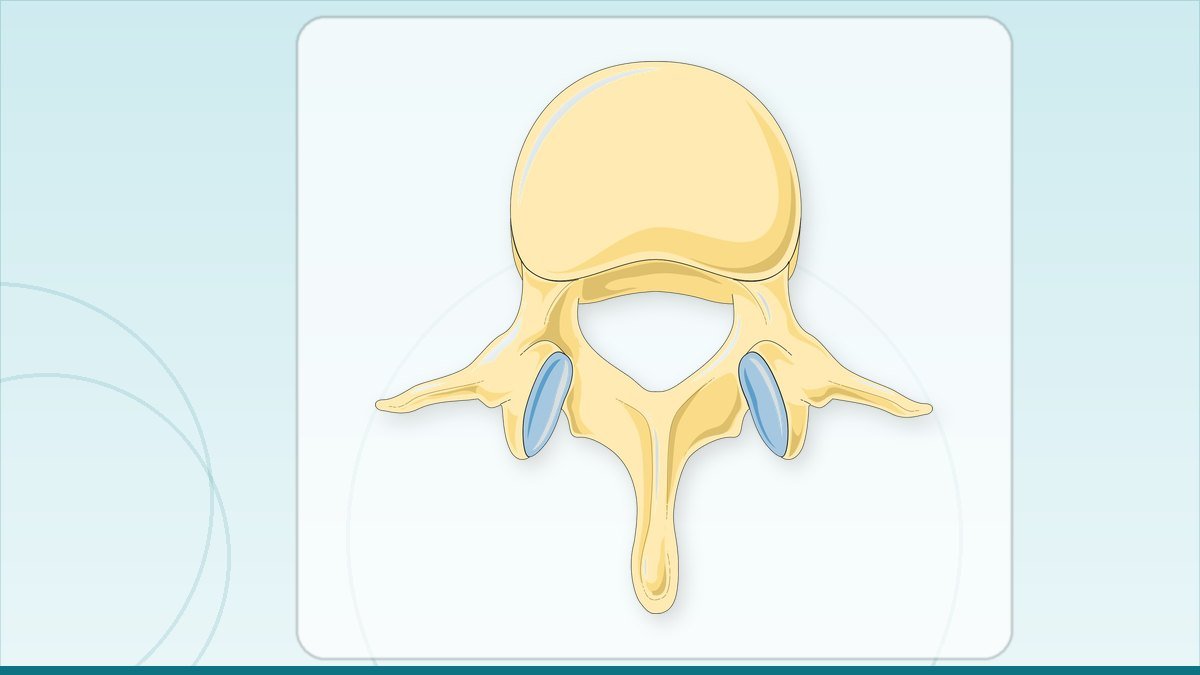
Endoscopic spine surgery cost in Pakistan: what to ask
What really drives endoscopic spine surgery cost in Pakistan, what belongs in the quote, and the questions to…
Read this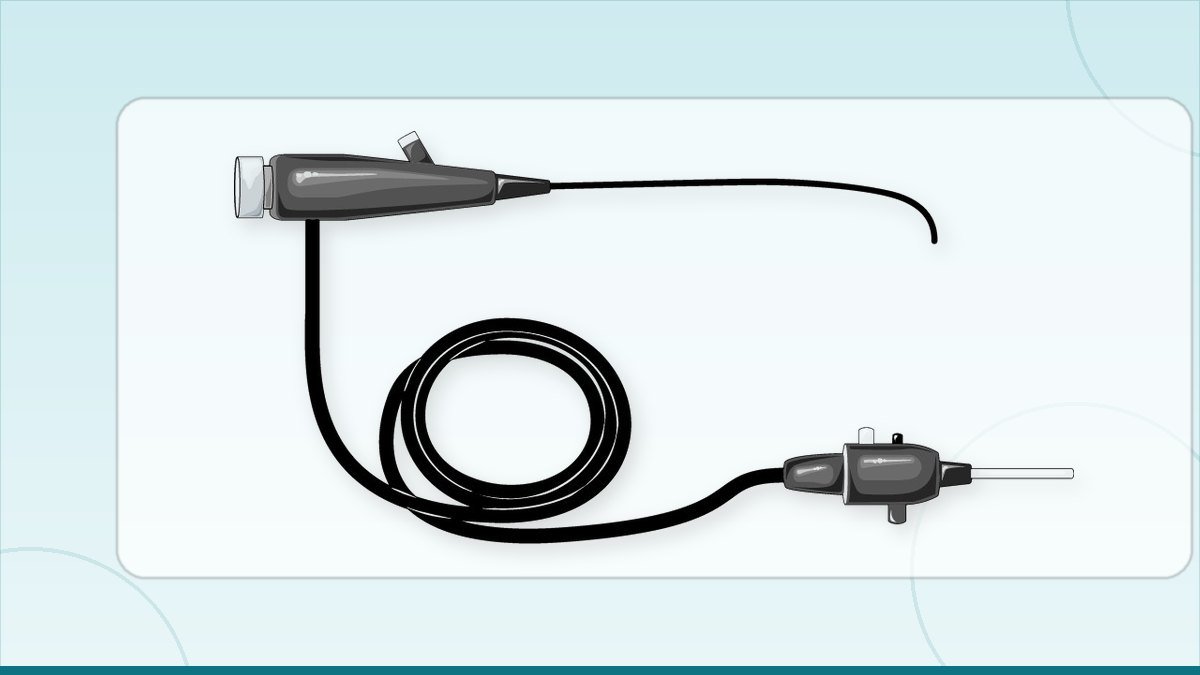
Endoscopic discectomy or microdiscectomy: which one fits your scan?
Endoscopic discectomy vs microdiscectomy: what your MRI decides, when surgery is not needed, costs in…
Read thisAll patient questions · Spine surgery in Faisalabad · Book an appointment
Ask about your own scan. Send your MRI or X-ray on WhatsApp and get a straight answer on whether surgery is needed at all, from a consultant neurosurgeon in Faisalabad.
Dr. M. Abdur Rehman is a consultant neurosurgeon in Faisalabad. Send your scan on WhatsApp and ask what it actually shows.
Published for the practice of Dr. M. Abdur Rehman, consultant neurosurgeon, Mujahid Hospital, Faisalabad. General information only, not a substitute for examination.