
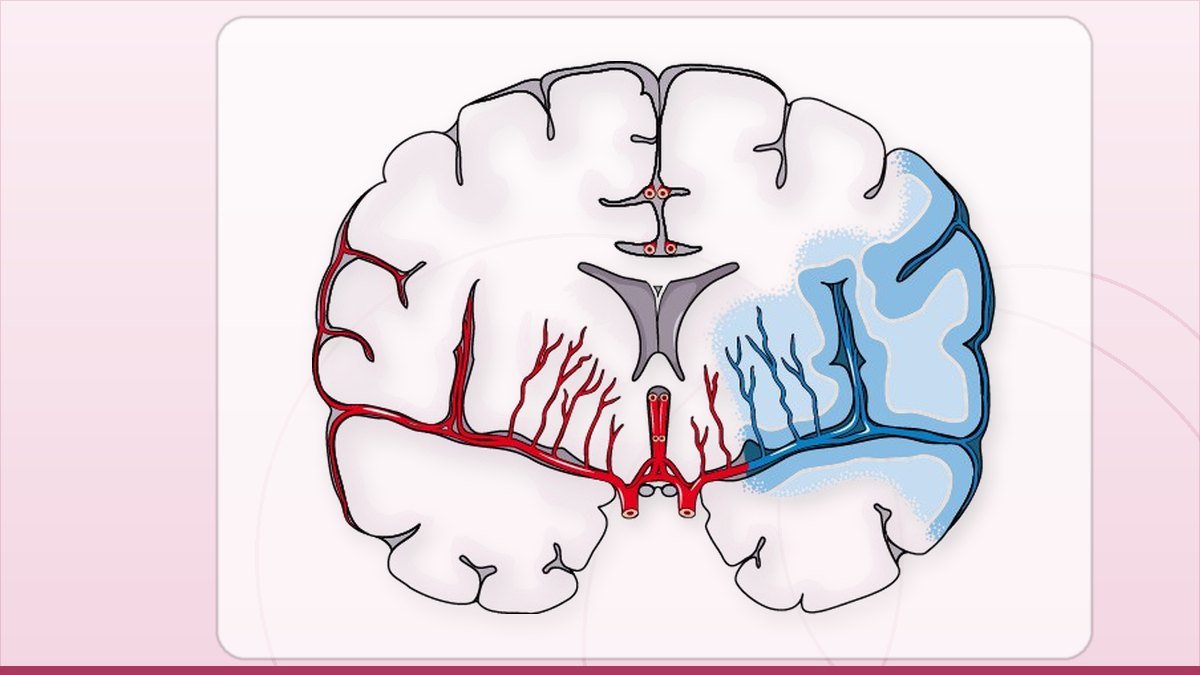
A stroke is a sudden loss of blood supply to part of the brain. Look for a drooping face, a weak arm, slurred speech. Note the time symptoms started and get to a hospital with a CT scanner immediately. Clot-dissolving treatment usually works only within about four and a half hours. Do not wait until morning.
How do I know it is a stroke?
Use FAST. It takes less than a minute and you can do it standing in the room.
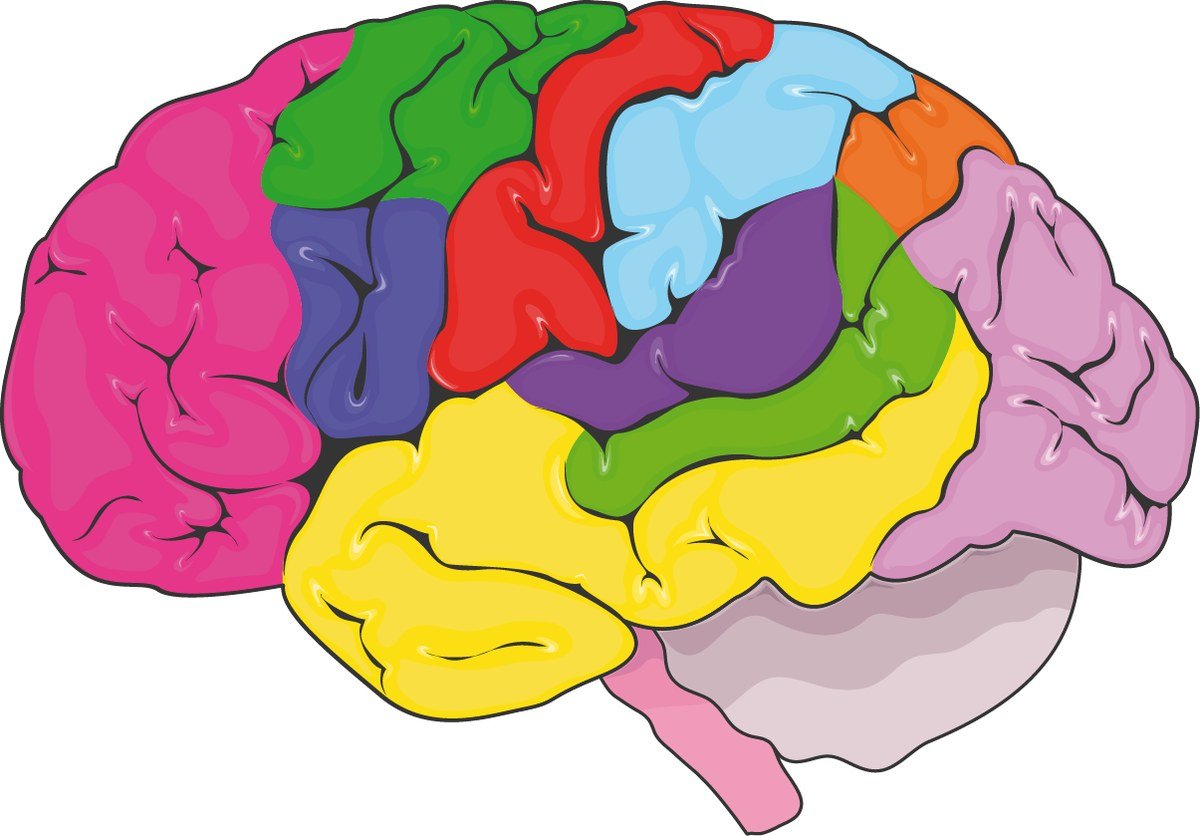
- Face. Ask them to smile. Does one side of the mouth droop?
- Arm. Ask them to raise both arms. Does one arm drift down or not lift at all?
- Speech. Ask them to say a simple sentence. Is the speech slurred, or are they using the wrong words, or unable to speak?
- Time. If any one of these is present, note the clock time and leave for hospital now.
Two more signs matter and are often missed. Sudden loss of balance, so the person staggers or cannot sit up straight. And sudden loss or doubling of vision. A sudden, violent headache that arrives at full force in seconds is also an emergency, even without weakness.
The key word in all of this is sudden. Stroke symptoms arrive in seconds or minutes, not over days. A weakness that has been creeping in for weeks is a different problem and needs a different assessment, but it is not this emergency.
One symptom is enough. You do not need all four. Many families wait because the person is still talking, still walking, still saying they feel fine. That waiting is what causes the damage.
Will he be paralysed for life? Can a person recover from a stroke?
Many people recover a great deal, and some recover almost completely. Paralysis on one side in the first hours does not mean paralysis forever. What the brain can get back depends mostly on how much tissue was permanently lost, and that depends heavily on how fast treatment started.
Here is what is honest. Outcomes after stroke run across a wide range. Some patients walk out of hospital within days with only mild clumsiness in one hand. Some are left needing help with dressing and walking. Some do not survive a very large stroke or a large brain bleed. No doctor can tell you on day one which of these it will be, and you should be careful of anyone who promises a specific result before the scans and the first days are done.
What is well established is the pattern of recovery. Improvement is usually fastest in the first three to six months, then continues more slowly for a year or longer. Physiotherapy and speech therapy started early, and continued at home, make a real difference to that curve. Families in Faisalabad often stop therapy after a few weeks because the visible progress slows. That is the wrong time to stop.
So the answer to the fear is this. Do not accept the first hour as the final picture. Get the person treated fast, then commit to the rehabilitation.
Why do the first hours decide the outcome?
In the most common type of stroke, a clot blocks an artery in the brain. Downstream of that clot, brain cells begin to die. Around the dead core there is a ring of tissue that is starved but still alive. That ring is what treatment is trying to save, and it does not stay alive for long.
This is why doctors say time is brain. Every minute the artery stays blocked, more of that salvageable ring is lost. It is not a figure of speech.
Two treatments depend on the clock. Clot-dissolving medicine, given into a vein, is generally used only within about four and a half hours from the moment symptoms began. Mechanical clot removal, where a catheter is threaded up to the brain and the clot is pulled out, has a longer window, and in carefully selected patients with the right scan findings it can be considered well beyond that. It is available in a limited number of centres in Pakistan, so it may mean a transfer.
Both depend on knowing when symptoms started. If the person woke up already weak, the clock starts from when they were last seen well, not from when they woke. Tell the doctor that time exactly. Do not guess upward to make it sound better.
What should the family do in the first ten minutes?
Move, and move without a family meeting. The instinct in most households is to phone a relative, then a neighbour who once had something similar, then wait to see if it settles. Those phone calls cost brain tissue.
Do this:
- Note the exact time symptoms started, or the time the person was last seen normal.
- Call Rescue 1122, or if a car is genuinely faster in your area, drive straight to a hospital that has a CT scanner working at that hour. Not every clinic does at 2 am. Phone ahead and ask.
- Lay the person on their side if they are drowsy or vomiting.
- Carry their old prescriptions, blood pressure and diabetes medicines, and any previous scan reports.
Do not do this:
- Do not give aspirin or any blood thinner at home. Roughly one in several strokes is caused by bleeding, not a clot, and aspirin makes a bleed worse. Only the CT scan can tell the difference.
- Do not give food, water or tea. Swallowing is often affected, and the drink goes into the lungs.
- Do not call a hakeem, do not send for massage of the neck or limbs, do not wait for the morning clinic.
- Do not wait for the pain or weakness to pass. A stroke that improves on its own is a warning, not an all clear.
What tests will the hospital do, and why the scan first?
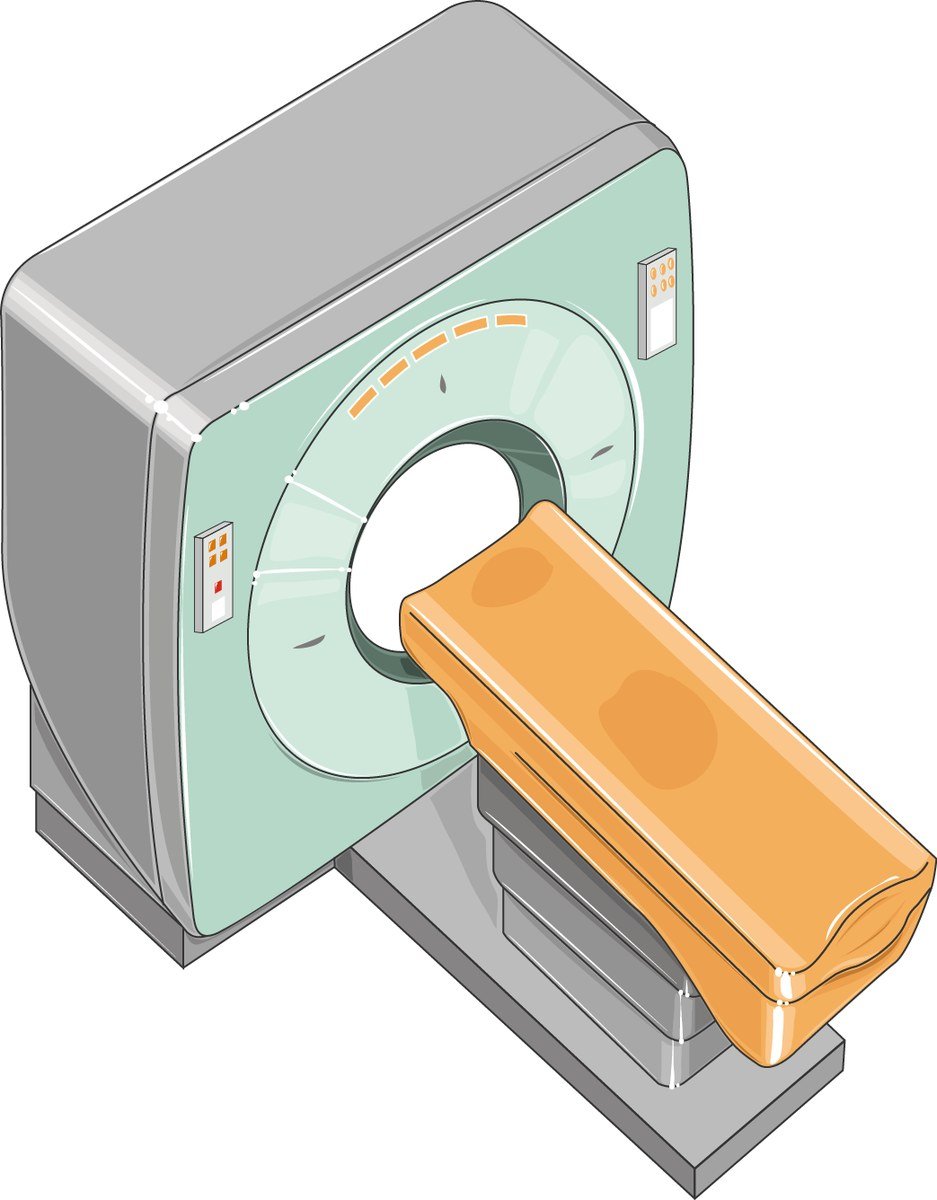
The first and most urgent test is a plain CT scan of the brain. It is quick and its main job at that moment is to answer one question: is this a bleed or a blockage? The two look identical from the bedside and their treatments are opposite. Nothing can be given safely until that question is answered.
Alongside the scan, expect a finger prick blood sugar test, because a very low sugar can mimic a stroke exactly and is fixed in minutes. Expect blood pressure readings, an ECG to look for an irregular heartbeat that throws clots, and routine blood tests.
After the emergency phase, an MRI often follows. It shows the size and location of the damage far better than CT and helps explain what caused it. Scans of the neck and brain arteries may be added to look for narrowed or torn vessels.
Ask the doctor two plain questions once the CT is done. Is it a clot or a bleed? And is this patient still inside the treatment window? You are entitled to clear answers to both.
Does a stroke need surgery?
Most strokes do not. This is worth saying clearly, because families often assume that any brain problem means an operation and either rush toward it or run from it. The large majority of clot-type strokes are treated with medicines, close monitoring in a stroke unit or ICU, and early rehabilitation. No operation is involved.
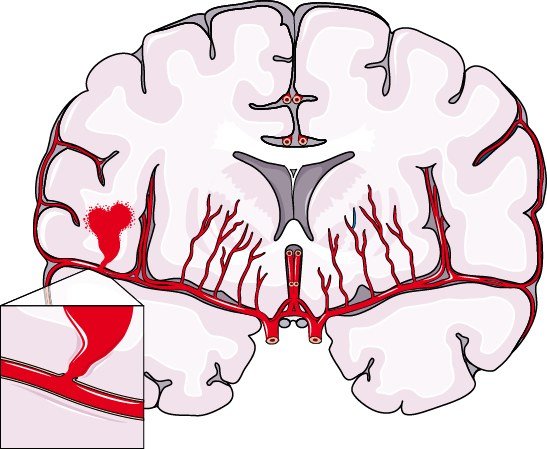
Surgery becomes part of the discussion in a smaller group of situations, and these are the ones a neurosurgeon is called for:
- A large bleed inside the brain that is pressing on surrounding tissue, where removing the clot may relieve that pressure.
- A bleed in the cerebellum, at the back of the brain, where even a modest clot can compress the brainstem.
- A very large clot-type stroke where the brain swells dangerously in the following days. Removing part of the skull to give the swelling room can be life saving.
- Blocked drainage of brain fluid, treated with a drain.
- A burst aneurysm causing bleeding around the brain, where the aneurysm has to be secured to stop it bleeding again.
If an operation is recommended, ask what it is meant to achieve. Some of these operations are done to save life and reduce pressure, not to restore lost function. That is a different goal, and the family should understand which one is on the table before they consent.
Could this be a slip disc and not a stroke?
Patients search for slip disc treatment when they feel sudden weakness, so it is worth separating the two clearly. They are not easy to confuse once you know what to look at.
A stroke affects the face and speech, and typically weakens the arm and leg on the same side. A slipped disc in the back does not cause a drooping face, does not slur speech, and does not affect an arm. It causes kamar dard and taang mein dard, usually down one leg, often with pins and needles in the foot. It builds over days or comes on with a specific movement. A neck disc can cause arm pain and hand weakness, but again, no face, no speech.
There is one spinal emergency that does deserve the same urgency as a stroke. If someone has sudden weakness in both legs, numbness around the private parts and inner thighs, or loses control of the bladder or bowel, that is a possible cauda equina compression. It needs an urgent MRI of the lower spine the same day, not a physiotherapy appointment.
For ordinary slip disc pain, the honest answer is that most of it settles without surgery. Time, medication, and proper physiotherapy handle the majority. Surgery, whether endoscopic or microdiscectomy, is for the smaller group whose leg pain or weakness persists despite that, with an MRI that matches the symptoms.
What does stroke treatment cost in Faisalabad?
Costs vary widely and any figure quoted casually will be wrong for your case. What drives the bill is the type of stroke, whether ICU care is needed, how many days of admission, and whether a procedure is done.
Instead of chasing a number, do this. Ask for a written estimate in PKR once the CT result is known and the plan is set. Ask what is included and what is billed separately. Common separate items are the scans, the clot-dissolving medicine itself, ICU bed charges per day, physiotherapy sessions, and follow up scans.
Do not let cost delay the first CT scan. It is one of the cheaper parts of the whole episode and it is the test everything else depends on. Families who spend the first two hours comparing hospital rates on the phone often arrive after the treatment window has closed, and then pay far more over the following year in rehabilitation and long term care.
Ask openly about payment plans, zakat or welfare support at the hospital, and any panel or insurance cover through an employer. Ask early, in the first day, not at discharge.
How do we stop the next one, and who should we see?
Someone who has had one stroke or a mini stroke is at raised risk of another, and that risk is highest in the days and weeks right after. This is the part families neglect once the crisis passes.
The things that actually reduce the risk are unglamorous and they work. Blood pressure controlled to target, checked at home and not only at the clinic. Diabetes controlled. Cholesterol treated if advised. Complete stop to smoking, naswar and gutka. An irregular heartbeat found and treated properly, because it is a common and very treatable cause of repeat strokes. Prescribed blood thinners taken every day, not stopped when the patient feels better. Daily walking once cleared to do so.
If symptoms came and went within a few minutes and left no trace, do not celebrate. That is a transient ischaemic attack, a warning stroke, and it carries a high risk of a full stroke in the following days. It needs assessment this week, not next month.
Dr. M. Abdur Rehman is a consultant neurosurgeon practising at Mujahid Hospital, Faisalabad. His planned clinic work is spine surgery, and many readers reach this page while searching for the best endoscopic spine surgeon in Faisalabad for back and leg pain. If your problem is kamar dard, taang mein dard or a diagnosed slip disc, book a clinic appointment and bring your MRI. If what you are seeing right now is a drooping face, slurred speech or sudden one sided weakness, do not book anything. Take the person to an emergency room with a CT scanner immediately, and note the time it started.
Questions patients ask about this
Should I give aspirin at home if I think it is a stroke?
No. About one in several strokes is caused by bleeding into the brain rather than a clot, and aspirin makes bleeding worse. The two types look identical from the bedside. Only a CT scan can separate them. Take the person to hospital and let the scan decide the medicine.
We missed the four and a half hour window. Is it pointless to go now?
Not at all. Go anyway. Care in a proper stroke unit improves outcomes on its own, the cause still needs finding, and treatment to prevent a second stroke starts immediately. Some carefully selected patients also remain eligible for mechanical clot removal well past that window.
Can a young person have a stroke?
Yes. Strokes are more common with age, but they happen in people in their thirties and forties, including in Pakistan. High blood pressure, diabetes, smoking, naswar and gutka all raise risk early. In younger patients doctors also look for heart problems, torn neck arteries and clotting disorders.
The weakness went away after ten minutes. Do we still need to go?
Yes, and this week. Symptoms that resolve completely usually mean a transient ischaemic attack, a warning stroke. The risk of a full stroke is highest in the days that follow. Urgent assessment finds the cause and starts prevention while there is still time to act.
Does every stroke patient need a neurosurgeon?
No. Most clot-type strokes are managed with medicines, monitoring and rehabilitation, with no operation at all. A neurosurgeon is involved mainly for large brain bleeds, dangerous swelling after a big stroke, blocked brain fluid drainage, or a burst aneurysm that has to be secured.
Related articles
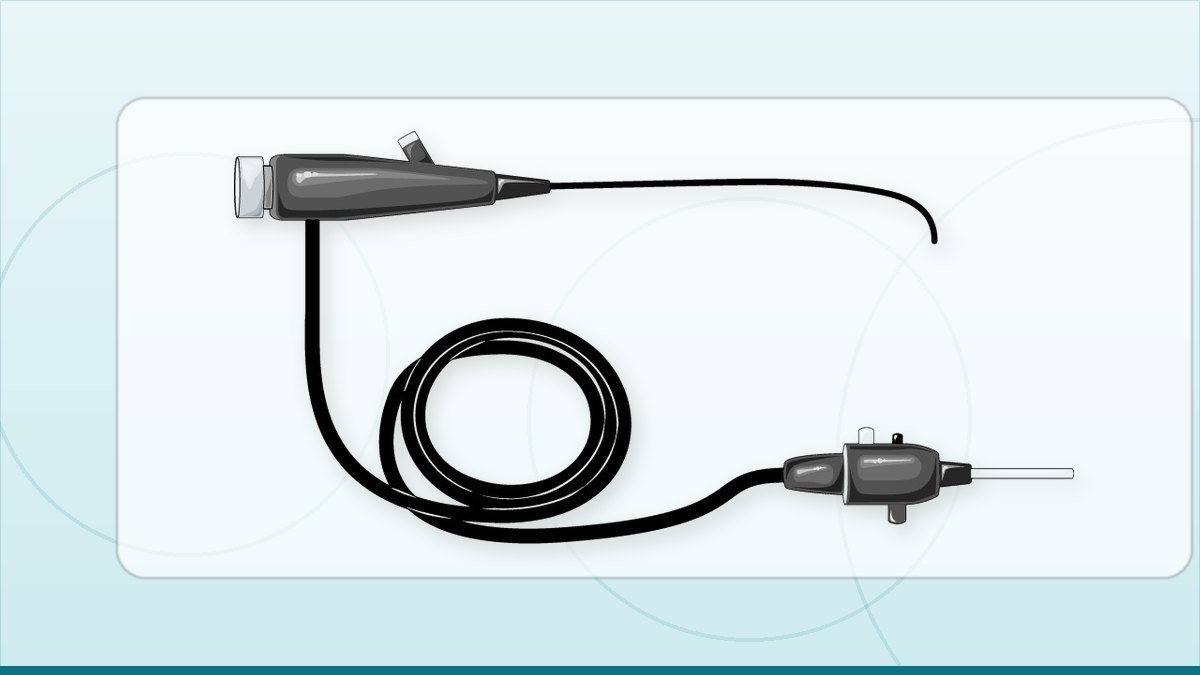
How to choose an endoscopic spine surgeon in Faisalabad
How to choose an endoscopic spine surgeon in Faisalabad: what to ask about training, case numbers and…
Read this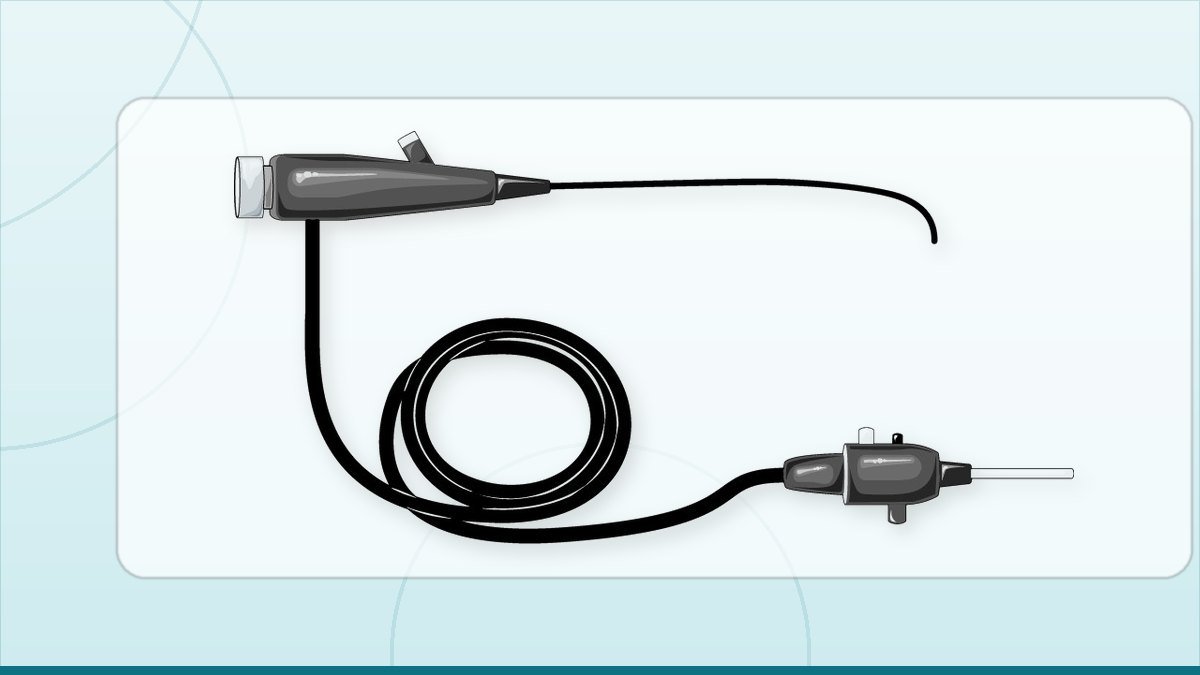
What is endoscopic spine surgery, and how is it different?
Endoscopic spine surgery uses a 7 to 8 mm opening to free a trapped nerve. What it treats, what it cannot,…
Read this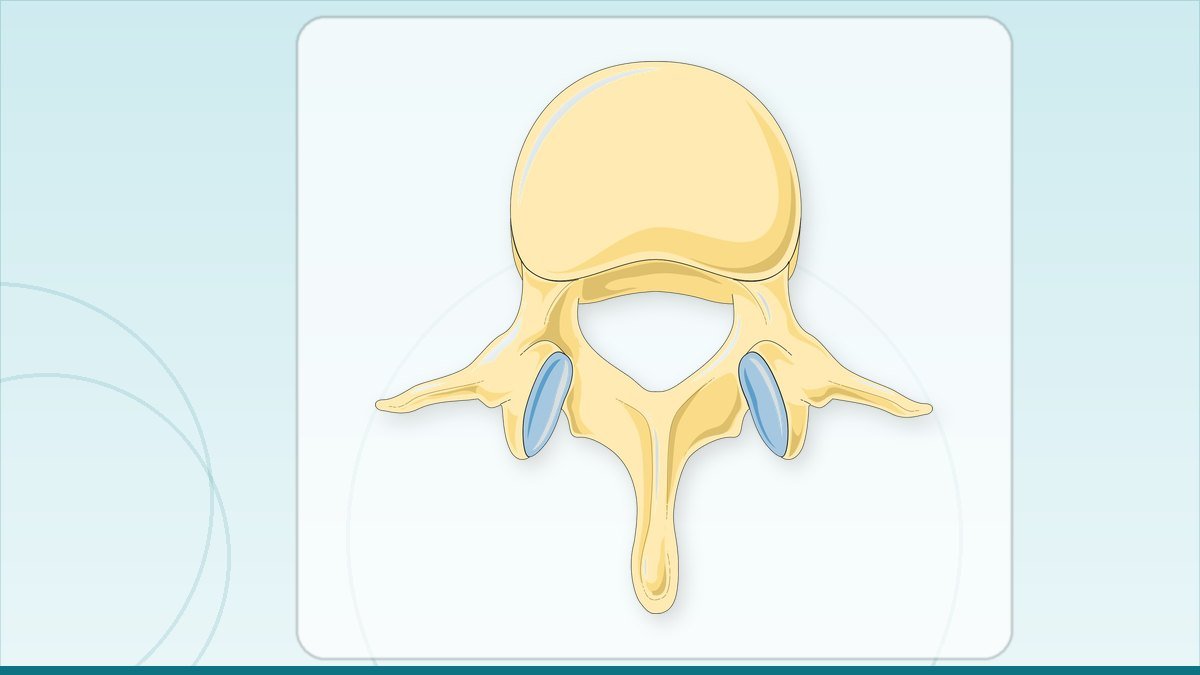
Endoscopic spine surgery cost in Pakistan: what to ask
What really drives endoscopic spine surgery cost in Pakistan, what belongs in the quote, and the questions to…
Read thisAll patient questions · Spine surgery in Faisalabad · Book an appointment
Ask about your own scan. Send your MRI or X-ray on WhatsApp and get a straight answer on whether surgery is needed at all, from a consultant neurosurgeon in Faisalabad.
Dr. M. Abdur Rehman is a consultant neurosurgeon in Faisalabad. Send your scan on WhatsApp and ask what it actually shows.
Published for the practice of Dr. M. Abdur Rehman, consultant neurosurgeon, Mujahid Hospital, Faisalabad. General information only, not a substitute for examination.