
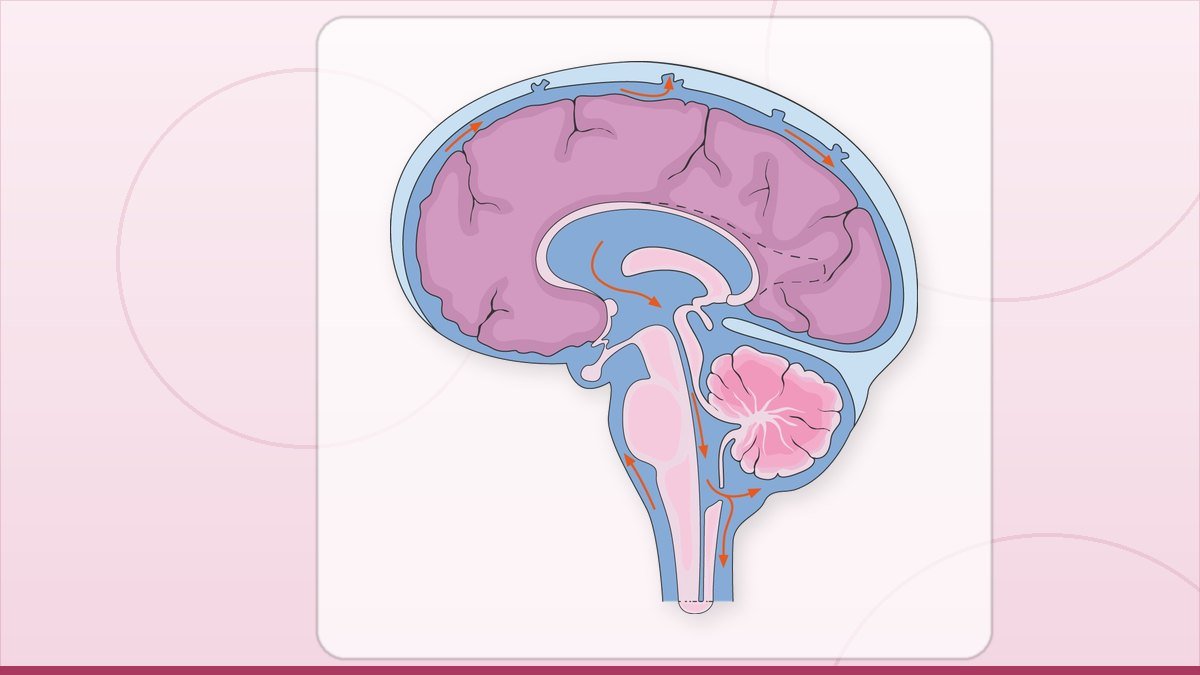
Hydrocephalus in children means extra cerebrospinal fluid builds up inside the brain and raises pressure. In babies the head grows too fast, the soft spot bulges and feeding gets poor. It does not settle with massage or medicine. Most children need a shunt or an endoscopic procedure to drain the fluid, and early treatment protects development.
What do parents usually notice first?
In most families it is not a doctor who notices first. It is the mother, or a grandmother, who says the topi has stopped fitting or the cap has to be bought a size bigger every few weeks. That feeling is worth acting on.
In a baby under about one year the skull bones are not yet joined, so the head can expand. What you may see:
- The head growing faster than the body, and caps or clothes over the head becoming tight quickly
- The soft spot on top (fontanelle) feeling full, tight or bulging even when the baby is calm and upright
- Veins standing out on the scalp
- Eyes that drift downward so white shows above the black part, called sunset eyes
- Poor feeding, frequent vomiting that is not related to milk or stomach upset
- A baby who is unusually sleepy, or unusually irritable and cries with a high sharp cry
- Head control, sitting or smiling coming later than in other children of the same age
In an older child the skull is fused, so the head does not enlarge. The pressure shows up differently: headache that is worst on waking in the morning, vomiting without fever or loose motions, double vision, poor balance, falling grades, and drowsiness. Parents often think it is exam stress or weak eyesight.
One thing matters more than any single sign. A head that is large but growing along its own steady line is very different from a head that is climbing across the lines on the growth chart. Ask for the head circumference to be measured and plotted at every visit, and keep the chart.
Is it dangerous, and will my child be normal afterwards?
Untreated hydrocephalus is dangerous, because pressure that keeps rising squeezes the developing brain. Treated hydrocephalus is a condition many children live with well, go to school with, and grow up with. The honest answer to "will my child be normal" is that it depends far more on the cause and on how much damage happened before treatment than on the operation itself.
A child whose hydrocephalus comes from a simple blockage and who is treated early often develops close to normally. A child whose hydrocephalus followed severe meningitis or a large bleed in a premature baby may have learning difficulty, weakness or seizures, because the illness itself injured the brain. The surgery relieves the pressure. It cannot undo injury that already occurred. Any surgeon who promises you a guaranteed normal child is not being straight with you.
The operation is common paediatric neurosurgery done under general anaesthesia, and it is generally safe. The real risks are worth hearing plainly: infection, bleeding, seizure, the shunt draining too much or too little, and the shunt blocking later. Blockage and infection are the two that bring children back to hospital, and infection risk is highest in the first weeks and months after the shunt is placed.
Weigh both sides. The risk of the operation is a set of problems that can usually be treated. The risk of waiting is pressure that keeps working on the brain every day. In hydrocephalus, waiting is rarely the safer choice.
Does a big head always mean hydrocephalus?
No, and this is the part that saves some families an operation. Several children referred with a large head do not have hydrocephalus at all and need nothing more than measuring and watching.
Familial large head. Some children simply inherit a big head. The way to check is simple: measure the father's and mother's head. If a parent has a large head, the child is developing normally, and the growth line is steady rather than climbing, this is usually just family build.
Benign enlargement of the fluid spaces. Some infants have slightly wide fluid spaces over the surface of the brain, with a head that grows fast in the first months and then settles. These babies feed well, smile, and reach their milestones. Most of them need follow-up and reassurance, not a shunt.
Arrested hydrocephalus. Sometimes ventricles are wide on a scan but the pressure is no longer rising, the head is growing along its line and the child is developing normally. Wide ventricles on a scan are not by themselves a reason to operate. The decision comes from the whole picture: the growth chart, the child's development, the examination, and the scan together.
So if a doctor tells you to bring the child back in four weeks for another measurement instead of booking surgery, that is not neglect. That is correct care.

What causes hydrocephalus in children here?
Cerebrospinal fluid is made inside the brain every day, flows through narrow channels, and is absorbed back into the bloodstream. Hydrocephalus happens when that flow is blocked or when absorption fails. The fluid keeps being made, so it backs up.
The common causes in children in Pakistan are:
- Congenital narrowing of the channel between the ventricles, present from before birth. Often picked up on an antenatal ultrasound or in the first months of life.
- After meningitis. This is a big one here. Bacterial meningitis and tuberculous meningitis can scar the fluid pathways. A child who recovers from meningitis and then starts vomiting, becoming drowsy or growing a large head needs an urgent scan.
- After bleeding in a premature baby. Babies born very early can bleed inside the ventricles, and the blood blocks absorption.
- Spina bifida. Most babies born with an open swelling on the back also develop hydrocephalus and need both problems treated.
- A tumour or cyst blocking the fluid pathway. Less common, but it is one reason a scan is done rather than treating on symptoms alone.
Two of these are partly preventable. Getting your child's routine vaccinations completed on time reduces meningitis risk. Folic acid taken by the mother before pregnancy and in early pregnancy reduces the risk of spina bifida in the next baby, which matters if you already have one affected child.
Which tests will my child need?
Fewer than you fear. Diagnosis usually rests on three things: the head circumference plotted on a chart over time, a clinical examination of the child, and one imaging study.
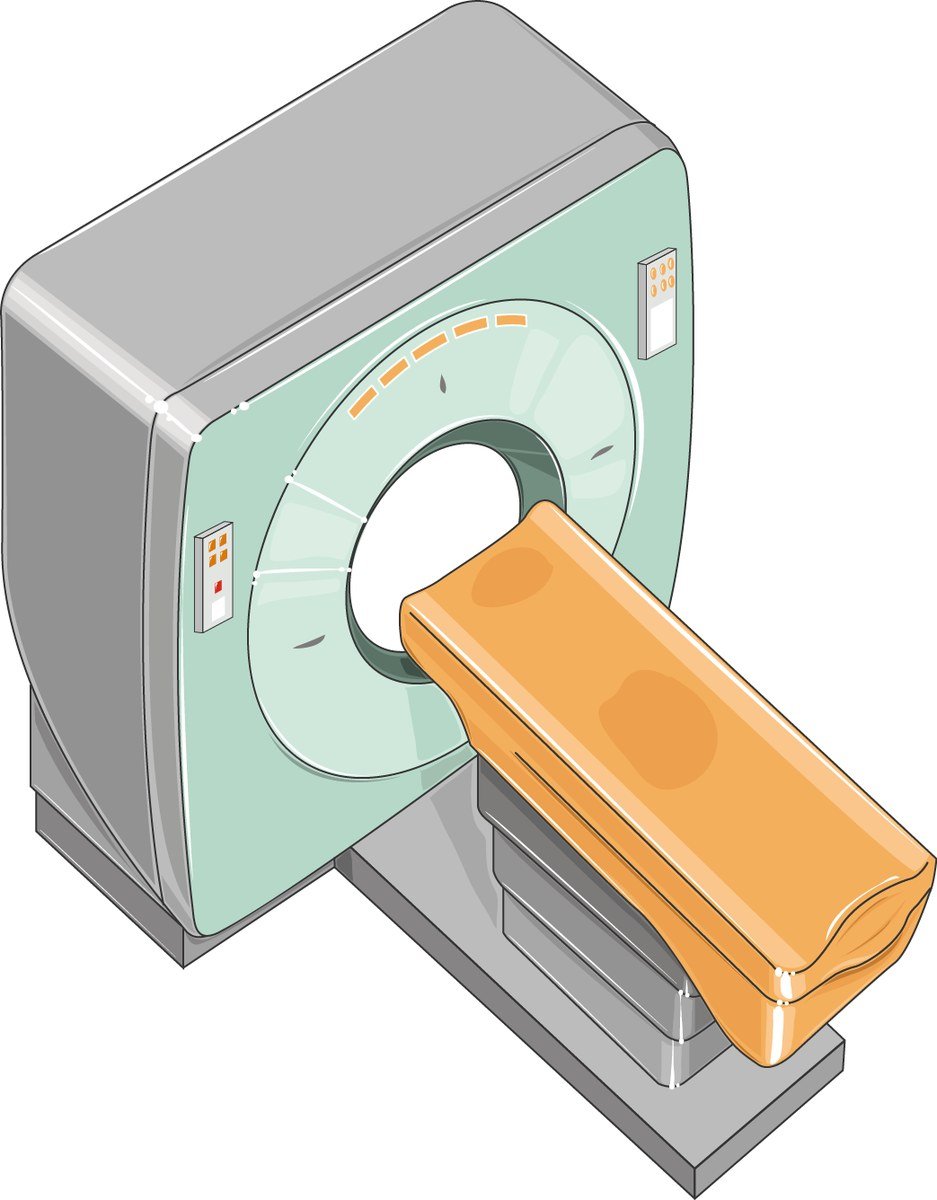
Ultrasound of the head. In a baby whose soft spot is still open, the ventricles can be seen through the fontanelle with ultrasound. No radiation, no anaesthesia, no sedation, and inexpensive. It is often the only scan a small infant needs, and it can be repeated safely to watch a trend.
MRI brain. This gives the clearest picture of where the blockage is and why, and it is what a surgeon wants before deciding between a shunt and an endoscopic procedure. Small children usually need sedation to lie still. MRI uses no radiation.
CT brain. Faster and available in most hospitals in Punjab, useful in an emergency or at night when a child is deteriorating. It does use radiation, so in a child who will need repeated imaging over years, ultrasound and MRI are preferred where possible.
Carry the actual films or the CD to your consultation, not only the report. A surgeon needs to look at the images. Also carry the vaccination card, the birth history, and any record of a previous meningitis admission.
What is a shunt and how does it work?
A shunt is a thin soft tube with a valve that carries the extra fluid from inside the brain to somewhere the body can absorb it, usually the abdomen. The full name is a ventriculoperitoneal shunt, often written VP shunt.
There are three parts. One end sits in the fluid space inside the brain. A valve just under the scalp controls how much fluid drains and stops it draining too fast. The long tube runs under the skin, behind the ear, down the neck and chest, into the abdominal cavity. The whole system is under the skin. Nothing is left outside the body.
The operation takes roughly one to two hours under general anaesthesia. Most children stay in hospital a few days if there are no complications. Extra tubing is coiled in the abdomen so the shunt keeps working as the child grows taller.
What families should know before agreeing:
- A shunt is usually for life. The child becomes dependent on it working.
- It can block or get infected, and if that happens the child needs another operation to revise it. Revisions are common over childhood and are not a sign that anything was done wrong.
- After recovery, most children live an ordinary life. School, normal food, travel, play. Contact sports and head injury risk should be discussed with the surgeon.
- Do not apply oil massage, pressure or manipulation over the valve site.
Can the surgery be done without putting a shunt in?
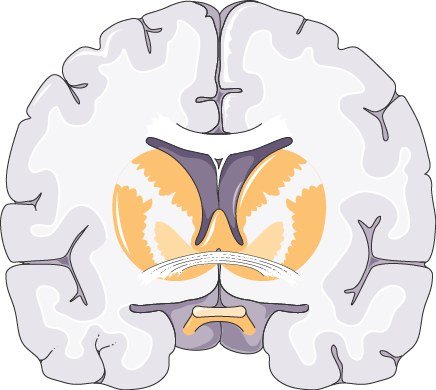
In some children, yes. The procedure is called endoscopic third ventriculostomy, usually written ETV. A fine endoscope is passed through a small opening in the skull into the ventricle, and a new opening is made in the floor of the third ventricle so the trapped fluid can escape and be absorbed normally. Nothing is left inside the body. There is no tube, no valve, and no lifelong device to block.
ETV is not right for every child. It works best when the problem is a clear blockage, such as narrowing of the channel between ventricles, and it works better in older infants and children than in newborns. It tends to work less well when the hydrocephalus followed meningitis or bleeding, because absorption itself is damaged and opening a new route does not fix that.
ETV can also close over with time, sometimes months or years later, and the pressure returns. So a child who has had an ETV still needs to be watched, and parents still need to know the warning signs.
The choice between ETV and a shunt is made from the MRI and the child's age and cause, not from preference. Ask your surgeon directly: is my child a candidate for ETV, and if not, why not. A good answer will refer to the scan and the cause.
When must we rush to the hospital?
If your child has a shunt or has had an ETV, learn these signs and teach them to everyone who looks after the child. A blocked shunt raises pressure quickly and is a genuine emergency.
Take the child to an emergency department the same hour if you see:
- Repeated vomiting, especially in the morning, without fever or diarrhoea
- Severe or persistent headache in an older child
- Becoming drowsy, hard to wake, confused or unusually quiet
- In a baby: a soft spot that is bulging and tense, irritability, a high-pitched cry, refusing feeds
- Eyes drifting downward, squint, or double vision
- A fit or seizure
- Redness, swelling, fluid leaking or skin breaking down along the line of the shunt tube
- Fever with any of the above, which can mean shunt infection
Do not wait for the morning clinic. Do not go first to a hakeem, a pir or a homeopath with these signs. Nothing taken by mouth and no massage will relieve pressure inside the skull. Every hour matters here, and the treatment is a straightforward revision operation if it is caught in time.
Keep a folder with the operation note, the type and setting of the valve, and the last scan. Take it with you. It saves the emergency team a great deal of guessing.
What will it cost, and who should we see in Faisalabad?
Cost in Pakistan varies widely with the hospital, the type of valve used, whether it is an ETV or a shunt, and how long the child stays. Because of that range, do not accept a verbal figure from anyone. Ask for a written estimate that separates the surgeon's fee, anaesthesia, the shunt hardware if one is used, operating theatre charges, hospital stay, and imaging. Ask what happens to the cost if the child needs a longer stay or a revision. Ask whether any of it is covered by a government scheme or a hospital welfare fund, because many hospitals in Punjab have one and families are often not told.
On who to trust, use plain filters. The surgeon should be a qualified neurosurgeon. They should look at your child's actual films, not only the report. They should be able to say clearly why they are recommending a shunt rather than an ETV, or why they are recommending watching rather than operating. They should tell you the risks without being asked. A second opinion before a planned operation is reasonable and no honest surgeon will be offended by it.
Dr. M. Abdur Rehman is a consultant neurosurgeon at Mujahid Hospital, Faisalabad, and sees children with hydrocephalus alongside his adult brain and spine practice. Families who reach this page while searching for the best spine surgeon in Faisalabad often have a child's scan in one hand and their own MRI in the other, and both can be reviewed in the same visit.
Bring the growth chart, the scan films or CD, the vaccination card, and any past discharge summaries. If your child currently has vomiting, drowsiness or a bulging soft spot, do not book an appointment for next week. Go to an emergency department today.
Questions patients ask about this
Can hydrocephalus be treated with medicine instead of surgery?
No. There is no medicine that reliably drains fluid from inside the brain in children. Some drugs are used briefly in premature babies as a temporary measure under specialist care, but they are not a substitute for surgery. Massage, oils and herbal treatment on the head do nothing for pressure inside the skull.
My baby has a large head but seems perfectly happy. Should I worry?
Get the head circumference measured and plotted on a growth chart, and have the parents' head size measured too. A head that is large but growing steadily along its own line, in a baby who feeds well and is meeting milestones, is often familial and needs only follow-up. A line climbing upward needs a scan.
How long does a shunt last before it needs replacing?
There is no fixed lifespan. Some shunts work for many years without trouble, while others block or get infected within the first year. Blockage is most common in the early years and after growth spurts. Revision is a common part of living with a shunt and does not mean the first operation failed.
Will my child be able to go to school and play normally?
Many children with a working shunt attend regular school, sit exams and play with other children. Learning ability depends mostly on the original cause and on how early the pressure was relieved, not on the shunt itself. Discuss contact sports and head injury risk with your surgeon rather than restricting everything.
Can hydrocephalus be detected before the baby is born?
Sometimes. Wide ventricles can be seen on an antenatal ultrasound, often in the second half of pregnancy. It does not always mean the baby will need surgery, as some cases are mild and stable. It does mean the delivery should be planned at a hospital where a neurosurgeon and a paediatrician are available.
Related articles
Stroke: the hours that decide the outcome
Stroke symptoms and treatment explained simply: the FAST signs, why the first hours decide recovery, and when…
Read this
How to choose an endoscopic spine surgeon in Faisalabad
How to choose an endoscopic spine surgeon in Faisalabad: what to ask about training, case numbers and…
Read this
What is endoscopic spine surgery, and how is it different?
Endoscopic spine surgery uses a 7 to 8 mm opening to free a trapped nerve. What it treats, what it cannot,…
Read thisAll patient questions · Spine surgery in Faisalabad · Book an appointment
Ask about your own scan. Send your MRI or X-ray on WhatsApp and get a straight answer on whether surgery is needed at all, from a consultant neurosurgeon in Faisalabad.
Dr. M. Abdur Rehman is a consultant neurosurgeon in Faisalabad. Send your scan on WhatsApp and ask what it actually shows.
Published for the practice of Dr. M. Abdur Rehman, consultant neurosurgeon, Mujahid Hospital, Faisalabad. General information only, not a substitute for examination.