
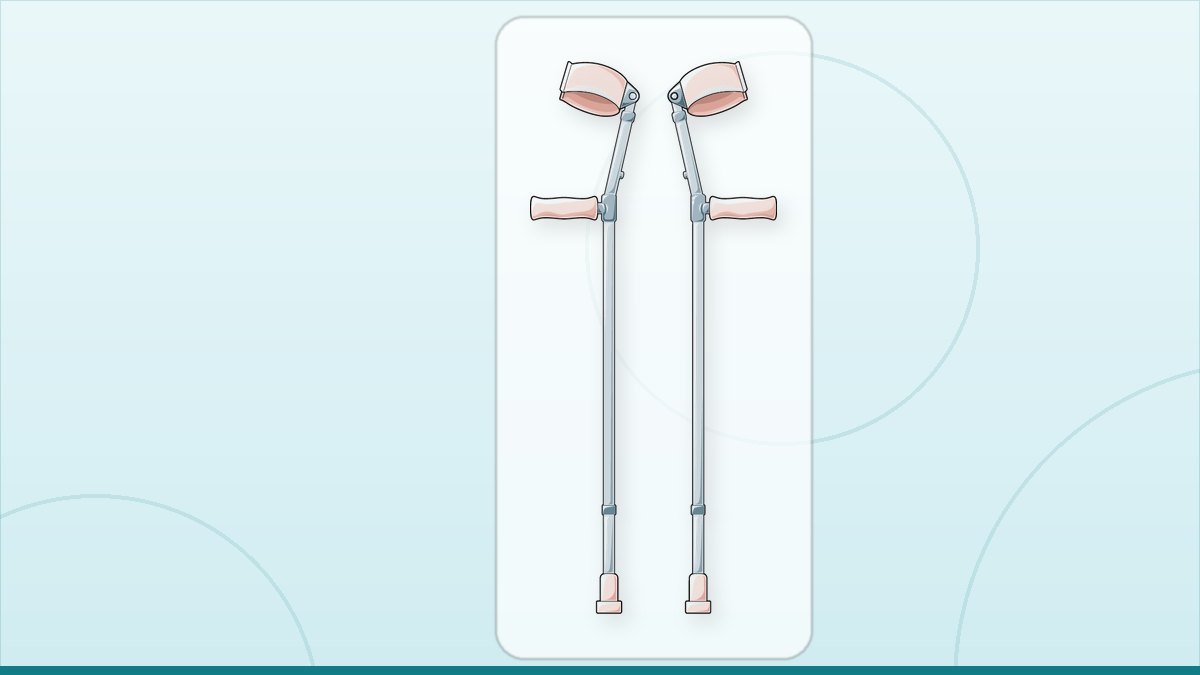
Most back pain in drivers and factory workers comes from long hours of sitting, engine vibration and repeated bending, not from a disc that needs surgery. It usually settles with movement, physiotherapy and changes to how you sit and lift. Surgery is considered only when leg pain, numbness or weakness continues despite proper treatment.
Why does driving all day make my back hurt?
Sitting is harder on your lower back than standing. When you sit slumped in a seat, the pressure inside the lumbar discs goes up and stays up for the whole shift. Add the constant shaking of a truck, tractor, rickshaw or forklift, and the muscles that hold your spine steady are working non-stop without a break.
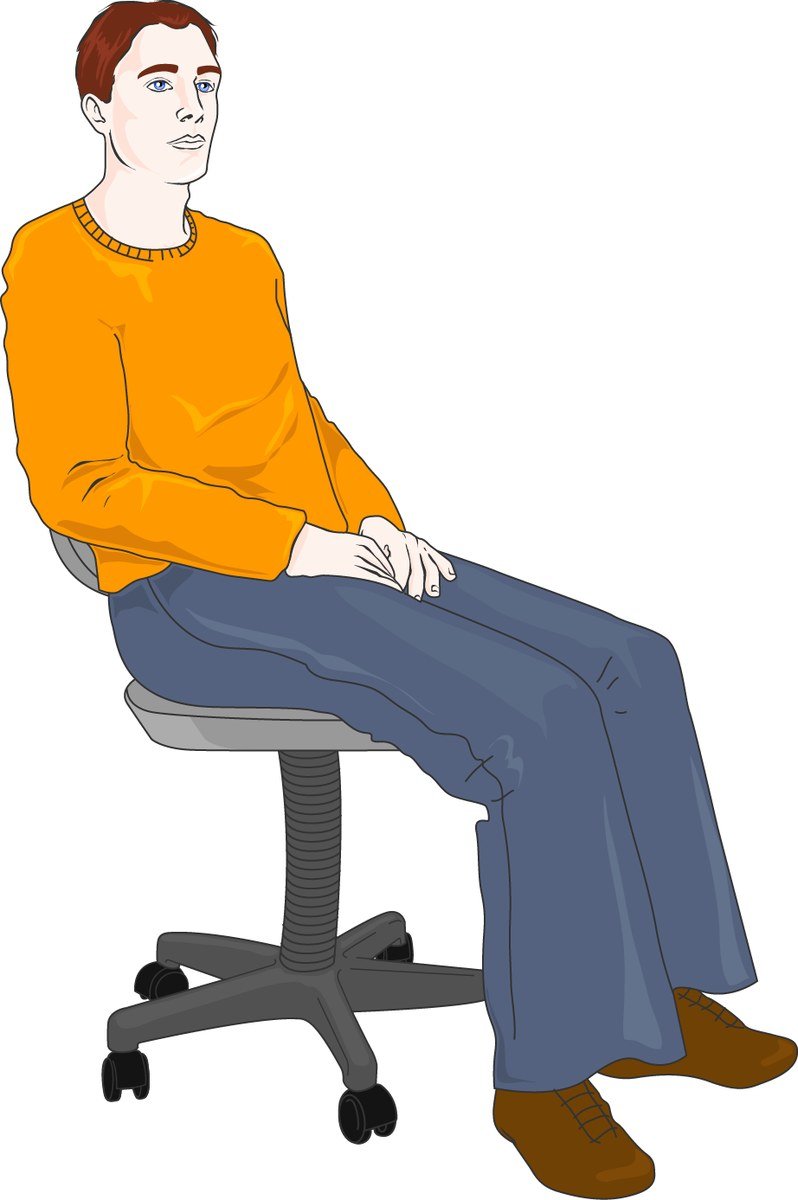
This combination has a name in occupational medicine: whole-body vibration. It is one of the better established work-related risk factors for low back pain and for early wear in the discs. Long-distance drivers, loader operators, power-loom workers and men who stand at a machine all day in Faisalabad's industrial areas are all exposed to some version of it.
The other half of the problem is what happens when you get out of the seat. You have been folded into one position for four or six hours, then you jump down and lift a heavy load with a bent back and twisted trunk. That is the moment most drivers describe when the kamar dard started.
Three separate things are usually going on together:
- Muscle fatigue and spasm in the lower back, which causes a deep, stiff ache
- Joint and ligament strain from holding one posture too long, worse on standing up
- Disc pressure, which in some people over years contributes to a bulge or a slip disc
Only the third one is ever a surgical problem, and even then, only sometimes.
Will this paralyse me? Is it safe to keep working?
For the large majority of drivers and factory workers with back pain, no, there is no risk of paralysis. Ordinary mechanical back pain, even severe back pain that stops you working, does not damage the spinal cord. The fear is understandable, because everyone has heard of a relative who had a spine operation and could not walk properly afterwards, but that story is not the usual outcome and it is not what your back pain is heading towards.
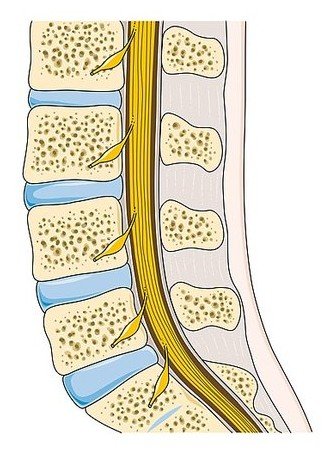
In the lower back, below roughly the level of the first lumbar vertebra, there is no spinal cord at all. There are nerve roots, which are more forgiving. A disc pressing on a nerve root causes pain, pins and needles and sometimes weakness in one leg. It does not cause the kind of paralysis people are afraid of.
There is one genuine emergency and you should know its name. If you lose control of your urine or stool, if you go numb around the private parts and inner thighs, or if both legs become weak together, that can be cauda equina syndrome and you need a hospital the same day, not the next available appointment. This is rare. But it is the one situation where waiting causes permanent harm.
Short of that, it is usually safe and actually helpful to keep moving and keep working in some form. Complete bed rest makes back pain worse, not better. What may need to change is the length of your shift, the weight you lift and how often you get out of the seat.
When is surgery not needed?
Most of the time. If your pain is in the back itself, across the belt line, and it does not travel below the knee, surgery has very little to offer you. Operating on a spine for back pain alone rarely gives the result the patient hoped for, and any honest surgeon will tell you that before an MRI is even ordered.
Surgery is also not the answer when:
- The MRI shows a bulge or degeneration but your symptoms do not match its location
- The pain is bad but it is improving week by week, even slowly
- You have not yet had a proper trial of physiotherapy and activity change
- The main problem is stiffness in the morning that loosens as you move
A disc bulge on a report is not a sentence. Scans of people with no back pain at all frequently show bulging and degenerated discs, and the proportion rises with age. The report describes your spine. It does not, by itself, describe your problem. The examination and the pattern of your symptoms matter more than the words on the film.
Most disc problems, including painful ones with sciatica, settle without an operation over a period of weeks to a few months. The body reabsorbs a large part of the herniated material on its own. Patience, with the right guidance, is a real treatment and not a way of putting you off.
What warning signs mean I should get checked quickly?
Some symptoms change the plan. If you have any of these, see a doctor rather than waiting to see whether it settles.
Same day, treat as an emergency
- Loss of bladder or bowel control, or being unable to pass urine
- Numbness around the buttocks, private parts or inner thighs
- Both legs becoming weak or numb at the same time
Within a few days
- A foot that drags or slaps when you walk, or difficulty lifting your toes
- Weakness in one leg that is getting worse rather than better
- Pain running down below the knee that is severe and not improving after several weeks of proper treatment
- Back pain with fever, unexplained weight loss, or a history of cancer or TB
- Back pain after a fall from a truck bed, a machine, or a road accident
For everything else, time and treatment come first. Around eighty percent of adults get significant back pain at some point in life and only a small fraction of them ever need an operation.
What should I try first, before I see any surgeon?
Start with the things that have the best evidence and cost the least. Keep moving. Walk daily, even when it hurts a little. Use simple pain medicine as advised by a doctor, for a limited period, so that you can stay active. Apply heat for muscle stiffness. Sleep on a firm mattress, not on the floor and not on a soft spring bed.
Then get proper physiotherapy from a qualified physiotherapist, not a general massage. A good programme for a driver focuses on core strength, hip mobility and hamstring flexibility, and it takes weeks, not one or two visits.
Now the honest part about what many families in Punjab try first. Going to a hakeem, a pehlwan or a maalish wala is normal and there is no shame in it. A skilled massage can loosen a spasm and give real short-term relief. What is dangerous is the forceful jerking manipulation, the pulling and cracking of the back and neck, sold as a cure for slip disc. In someone with a genuine nerve compression, that can make things worse. And the real cost is the months lost before anyone examines the leg weakness that was quietly progressing.
Practical changes that matter more than any medicine for a driver:
- Get out and walk for five minutes every hour or two, every trip, not just long ones
- Adjust the seat so your hips are slightly higher than your knees and your back is supported upright, not reclined
- Put a rolled towel or small cushion in the curve of your lower back
- Do not lift the load straight after a long drive. Walk a few minutes first
- Lift with bent knees and a straight back, hold the weight close, and never twist while lifting
I get neck pain too. What are the treatment options?
Neck pain is the driver's other complaint, and it comes from the same source: a head held forward for hours, mirrors checked with a twisted neck, and vibration through the seat. Loom operators and men who work bent over a machine get it for the same reason. The best treatment for neck pain of this type is not a scan and not an injection. It is posture correction, targeted exercise and rest breaks.
What actually helps, in rough order of usefulness:
- Exercise and physiotherapy. Neck and shoulder blade strengthening has the strongest support of any treatment for chronic neck pain
- Position changes. Raise the mirror and seat so you are not craning forward. Keep the phone off your shoulder
- Heat and simple analgesia for a flare, short term
- A soft collar only for a few days after an acute injury, never for weeks, because it weakens the muscles
When a nerve in the neck is pinched, the pain does not stay in the neck. It runs into the shoulder blade, down the arm, and often into specific fingers, with tingling and sometimes weakness of grip. That pattern deserves a proper neurosurgical examination. Warning signs in the neck are different from the back: clumsy hands, dropping objects, buttons becoming difficult, or an unsteady walk. Those suggest pressure on the spinal cord itself and should be assessed without delay.
If you are searching for neck pain treatment near me, look for a spine specialist who examines you before ordering an MRI, and who is willing to say your neck does not need surgery.
When does a slipped disc actually need surgery?
The decision rests on three things together: leg pain or arm pain that dominates over back pain, a clear examination finding, and an MRI that shows compression in exactly the place that explains your symptoms. If all three line up and the problem has not settled over a reasonable period of good treatment, surgery becomes a sensible option. The main reason to operate is to relieve nerve pain that will not resolve on its own.
The other reason is progressive weakness. A foot drop that is getting worse, or a hand losing grip, should not be watched for months.
Endoscopic spine surgery
Endoscopic discectomy is done through a very small opening in the skin, using a thin tube with a camera and light. The surgeon works through that tube under X-ray and camera guidance, reaching the disc fragment while pushing muscle aside rather than cutting through it. Because the muscle and bone are largely left intact, blood loss is small, most patients are mobilised the same day or the next, and the wound is very small. It suits many, though not all, lumbar disc herniations.
Microdiscectomy
Microdiscectomy is the long-established operation for the same problem, done through a slightly larger incision using an operating microscope. It has decades of published results behind it and remains the right choice for certain disc shapes, sizes and positions. It is not an inferior operation. It is a different tool.
The surgeon should be able to tell you which one fits your particular disc and why. If the answer is that every patient gets the same operation, ask more questions.
What does back surgery cost in Pakistan?
There is no single figure, and anyone who quotes you one over the phone before seeing your MRI is guessing. Cost depends on the hospital, the level operated, the implants used if any, how long you stay, and whether you go through a government hospital, a trust hospital or private care. Prices in Faisalabad, Lahore and Karachi are not the same.
Always ask for a written quote before you agree to anything. A proper quote should list, separately:
- Surgeon's fee and anaesthetist's fee
- Operation theatre charges and the expected duration
- Any implants or disposable instruments, named
- Room charges and the expected number of nights
- Pre-operative tests and post-operative MRI or X-rays if planned
- What happens to the bill if the stay runs longer than planned
Take the written quote home and discuss it with your family. Nobody should be pressured to decide in the clinic. Ask whether the hospital deals with your insurance or with a Sehat Card, and ask what the follow-up visits will cost, because those are often left out of the first number you are given.
One more thing worth saying to a family stretching to afford this. An MRI costs a fraction of what surgery costs. Getting the diagnosis right is the cheap part. Do not skip it, and do not let anyone operate without one.
Who should I see, and what should I ask?
See someone who examines your legs, tests your reflexes and power, and asks about your work before touching the MRI report. If a surgeon looks only at the film and offers an operation in the first five minutes, get another opinion. That is normal practice and no good doctor is offended by it.
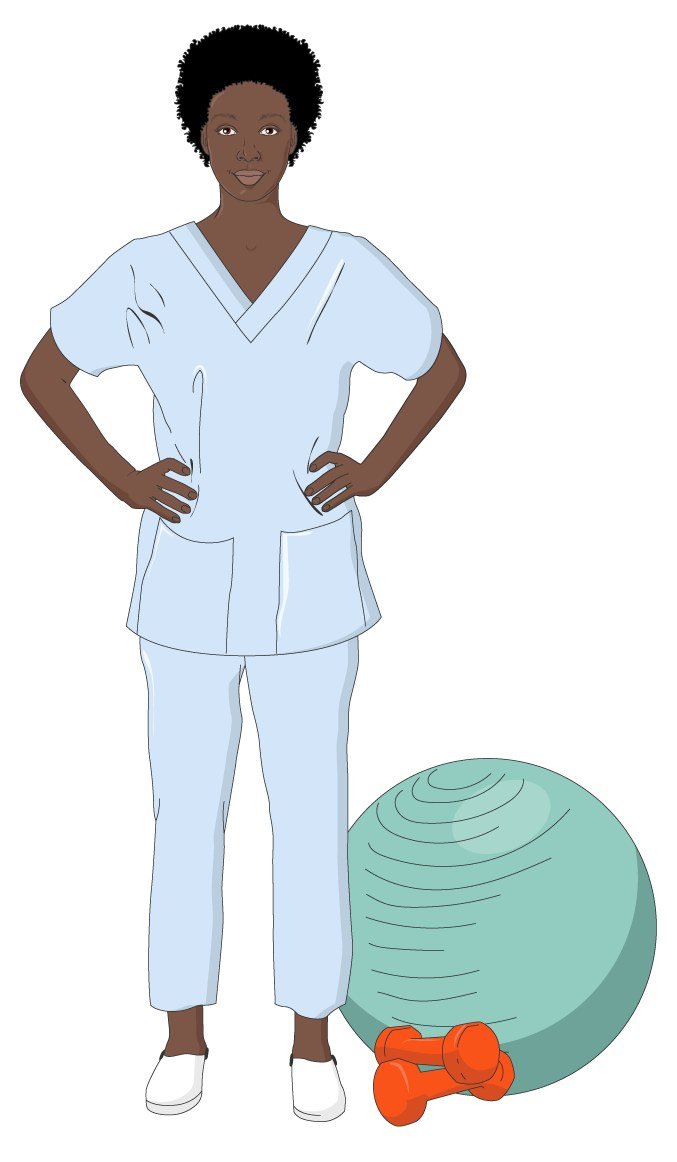
Bring with you: your MRI films and the CD, not just the printed report; a list of every medicine you have taken and for how long; a note of exactly where the pain runs and what makes it worse; and a family member, because two people remember a consultation better than one.
Questions worth asking:
- Is my pain coming from the level shown on the MRI, and how do you know?
- What happens if I do nothing for another six weeks?
- Would endoscopic surgery or microdiscectomy suit my disc, and why that one?
- How long before I can drive again, and lift again?
- Can I have the full cost in writing?
Dr. M. Abdur Rehman is a consultant neurosurgeon and spine surgeon at Mujahid Hospital, Faisalabad, seeing patients from across Punjab, many of them drivers, loom workers and men whose living depends on their back. If you are looking for the best endoscopic spine surgeon in Faisalabad, judge that by whether the surgeon is willing to tell you that you do not need an operation. Most days, for most people with kamar dard, that is the correct answer.
Questions patients ask about this
Can driving a truck really cause a slipped disc?
Long-term exposure to whole-body vibration and prolonged sitting is linked to low back pain and earlier disc wear, so driving contributes. But most drivers with back pain have muscle and joint strain, not a herniated disc. The disc usually gives way during a lift or twist, not during the drive itself.
Should I stop working while my back hurts?
Usually no. Complete rest weakens muscles and prolongs recovery. Most people do better staying at work with modified duties, lighter lifting and more frequent breaks out of the seat. Stop and seek review if you develop leg weakness, a dragging foot, or any bladder or bowel problem.
Do I need an MRI for back pain from driving?
Not for ordinary back pain in the first few weeks. An MRI is needed when pain runs down the leg or arm, when there is numbness or weakness, when symptoms are not improving after proper treatment, or when there are red flags like fever, injury or unexplained weight loss.
Is a lumbar support belt good for drivers?
A belt can help during heavy lifting or a bad flare, worn for short periods. Worn all day for months it lets the core muscles weaken, which makes the back more vulnerable. Use it as a temporary aid alongside strengthening exercise, not as a permanent replacement for it.
What is a good remedy for neck pain after a long shift?
Heat, gentle neck and shoulder blade exercises, and raising your mirrors and seat so your head is not held forward. Take short breaks to move. Avoid forceful cracking or pulling of the neck. If pain runs into your arm with tingling or grip weakness, get examined.
Related articles
Preventing a second slip disc
How to prevent disc herniation coming back after a slip disc: the first year, safe lifting, core work, and…
Read this
Brain tumour warning signs that are worth checking
Brain tumour symptoms worth checking: which headaches matter, vision changes, seizures, when to get an MRI,…
Read this
Head injury: when a CT scan is needed
When does a head injury need a CT scan? The warning signs, what to watch at home, and when surgery is needed,…
Read thisAll patient questions · Spine surgery in Faisalabad · Book an appointment
Ask about your own scan. Send your MRI or X-ray on WhatsApp and get a straight answer on whether surgery is needed at all, from a consultant neurosurgeon in Faisalabad.
Dr. M. Abdur Rehman is a consultant neurosurgeon in Faisalabad. Send your scan on WhatsApp and ask what it actually shows.
Published for the practice of Dr. M. Abdur Rehman, consultant neurosurgeon, Mujahid Hospital, Faisalabad. General information only, not a substitute for examination.