
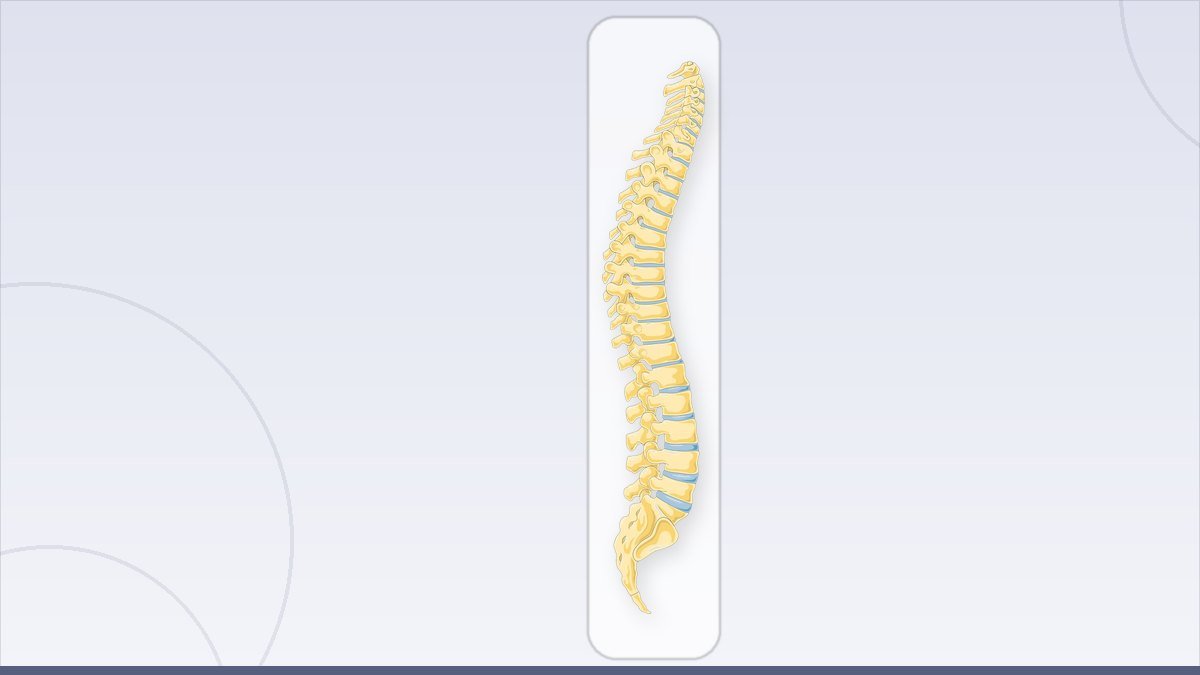
Both can work. Government hospitals in Punjab cost far less but usually mean a long wait and less choice of technique. Private hospitals give you a fixed date and options like endoscopic surgery, at a price. Choose on the surgeon and what your MRI actually shows first, then on cost. Most back pain never needs surgery.
Government hospital or private hospital, which is better for spine surgery?
Neither one is automatically better. The right choice depends on how urgent your problem is, what your MRI shows, and what your family can realistically arrange.
Government teaching hospitals in Punjab, such as the large public hospitals in Lahore, Faisalabad and Multan, have senior neurosurgeons, trainees who see a huge volume of spine work, blood bank and ICU backup. The operation itself costs very little. The trade is time and control. Elective disc cases sit behind road accidents, head injuries and tumours. Your date can move. You may be seen by a different doctor at every visit, and you rarely get to pick the technique.
A private setup gives you a date, one surgeon who stays responsible for you, and access to newer approaches like endoscopic spine surgery with same-day discharge. The trade is money, and the fact that quality varies enormously from one private hospital to another. A weak private unit is worse than a good government unit. Paying more does not by itself buy you a better spine.
A simple rule. If you have red flag symptoms, go to the nearest capable hospital tonight, government or private, and do not shop around. If your problem is a disc that has been hurting for weeks and you have time to think, then compare the two properly, using the questions further down this page.
Is spine surgery safe, or will I end up paralysed?
Paralysis from a planned lumbar disc operation is rare. In trained hands, with the right diagnosis, serious nerve injury is uncommon, and the great majority of people walk within hours to a day of surgery.
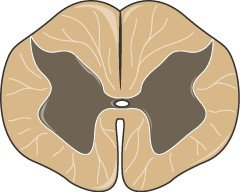
The fear is understandable. Almost every family in Punjab knows a story of someone who had a back operation and got worse. When you ask what actually happened, it is often a neglected case that came in after months of weakness, an emergency operation on a spine that was already badly damaged, or a wrong diagnosis where the pain was never coming from the disc that was removed.
The real risks of spine surgery are honest and worth hearing:
- Infection in the wound, uncommon and usually treatable
- A tear in the covering of the nerves, which the surgeon repairs during the same operation
- Bleeding, and the usual risks of anaesthesia
- The disc pushing out again at the same level later
- Pain that improves but does not disappear completely, especially if the nerve was compressed for a long time
What lowers your risk is not the hospital signboard. It is a diagnosis that matches your symptoms, a surgeon who does spine work regularly rather than occasionally, imaging you have seen and understood, and an operating theatre with proper monitoring. Ask about those things and the paralysis question mostly answers itself.
Do I actually need an operation at all?
Most people with kamar dard do not need surgery, and never will. Back pain on its own, without leg pain and without weakness, is very rarely an operative problem, whatever the MRI report says.
An MRI in an adult over thirty almost always shows something. Disc bulge, dehydration, mild narrowing. These words frighten people into theatre when the real cause of their pain is muscle, posture, weight or a job that involves lifting all day. A disc bulge on film with no matching symptom is not a reason to operate.
Surgery genuinely deserves discussion when:
- The pain is mainly taang mein dard, running down the leg below the knee, worse than the back pain itself
- The MRI shows a disc pressing exactly on the nerve that supplies the area where you feel the pain
- Six to eight weeks of proper treatment, medicines, physiotherapy and activity change, has not helped
- There is real weakness, such as a foot that drags or a leg giving way
- There are emergency signs: numbness around the private parts and inner thighs, or trouble controlling urine or stool
About the hakeem and the malish walla. Gentle massage may ease muscle spasm for a few days and is not dangerous by itself. The harm comes in two forms: forceful pulling and cracking on a spine with a large disc fragment, and months lost while a weakness quietly gets worse. Time matters once a nerve is losing power. If you have weakness or bladder symptoms, that is not the day for a herbal course.

What does spine surgery cost in Pakistan?
There is no fixed national price, and anyone who quotes you one over the phone without seeing your MRI is guessing. Cost depends on the operation, the implant if any, the city, the hospital and how many nights you stay.
In a government hospital the surgery itself is heavily subsidised, sometimes close to free. Families still spend money, so plan for it: MRI done at a private centre because the machine inside is booked, medicines and disposables you are asked to buy from outside, implants in fusion cases, travel from your district, and food and stay for the attendant during a long admission.
In private practice the order is usually predictable. Spinal fusion costs the most in PKR because of the screws, cages and longer theatre time. Endoscopic discectomy and microdiscectomy cost less, and a day-care endoscopic case saves you several nights of room charges. Beyond that, ask, do not assume.
Always ask for a written quote before you commit, and check that it names each of these:
- Surgeon fee, anaesthetist fee and operating theatre charges
- The implant, by brand, with its price shown separately
- Room rate per day and how many nights are expected
- MRI, X-rays and lab tests, and whether older reports are acceptable
- Medicines, physiotherapy and follow-up visits
- What happens to the bill if you need to stay longer than planned
- Whatever is not included
A hospital that will not put its numbers on paper is telling you something useful about how the rest of your care will go.
For the full cost breakdown, see what spine surgery costs in Pakistan.
Is laser spine surgery real, and is it effective?
The word laser is used very loosely in advertising. Before you pay extra for it, ask exactly what instrument will be used and what will actually be done to the disc.
In much of Pakistan, laser spine surgery in a brochure simply means a keyhole procedure, usually endoscopic spine surgery. There, the work is done with a camera passed through a small opening, and the surgeon sees the nerve and lifts the disc fragment off it under direct vision. A laser or radiofrequency probe may be used inside as one tool among several, to shrink tissue or seal a small bleeder.
True laser-only disc decompression, where a fibre is passed into the disc and part of it is burned without ever seeing the nerve, is a different thing. The evidence behind it is weaker than for removing the fragment under vision, and it suits only a narrow group of patients with a contained, small disc bulge.
So do not choose your operation because of the word laser. Choose it because your surgeon has explained which structure is pressing on which nerve, what will be removed, and why that particular approach fits your MRI.
How long will I wait at a government hospital in Punjab?
Nobody can honestly quote you a fixed waiting time, because it changes with the hospital, the unit and the month. What you can do is find out your own number instead of guessing.

At your OPD visit, ask three plain questions. Roughly how long is the list for elective disc cases right now. Will I get a date in writing or should I keep coming back. What symptom would move me up the list. Progressive weakness and bladder symptoms move people up everywhere, and staff will tell you so.
While you wait, do not stop treatment. Continue physiotherapy and the medicines you have been given, keep moving within limits, and keep a simple note of anything getting worse, especially power in the foot. Many people improve enough during the wait that the operation is cancelled, which is a good outcome, not a wasted trip.
Two situations override the queue. If you develop trouble passing or controlling urine, numbness in the saddle area, or a foot that suddenly will not lift, go to an emergency department immediately. That is not a waiting list problem. And if a nerve is visibly losing power week by week, say so loudly at your next visit, or get a second opinion privately, because delay costs recovery even when the surgery itself goes well.
What should I ask before I agree to surgery, in either hospital?
The same questions work in a crowded government OPD and in a private consulting room. Write them on your phone and read them out. A good surgeon will not mind.
- Show me my MRI on the screen and point out the level. Which nerve is being pressed, and does that match where I feel the pain?
- What happens if I do not have surgery at all? What is the realistic best and worst case?
- Which operation are you recommending, and why that one instead of endoscopic surgery, microdiscectomy or fusion?
- Do I need fusion, or is removing the fragment enough? What makes you say so?
- Who will actually perform the operation, and who will see me the next morning?
- How many nights, when can I sit, walk, travel back to my district and return to work?
- What are the chances I need a second operation later?
- What is the plan if there is a dural tear or the pain does not settle?
Then take the answers to a second surgeon. A second opinion is normal practice, not an insult, and it costs a fraction of the operation. If any doctor discourages you from getting one, that itself is your answer.
One warning specific to our setting. Be careful of any plan that begins with the price and the package rather than with your symptoms and your films. The order matters.
How should the family decide, and what do we do next?
In most Pakistani families this decision is made by more than one person, so bring them into the room rather than relaying half the information at home afterwards. Bring the MRI films and the CD, all previous reports, and a written list of every medicine being taken, including any hakeem preparation.
A sensible plan for most people looks like this. Get registered at a government hospital so you have a place in the queue. At the same time, take one private opinion so you know what your options and costs actually are. Then decide with real numbers in front of you instead of rumours from the neighbourhood. If your symptoms are settling, you may need neither.
If you are in or around Faisalabad, Dr. M. Abdur Rehman is a consultant neurosurgeon at Mujahid Hospital, Faisalabad, and sees patients for back and leg pain, slip disc and spinal problems, including endoscopic spine surgery and microdiscectomy. Families searching for the best endoscopic spine surgeon in Faisalabad should judge every name they find, this one included, by the questions in the section above and by whether the answers were given plainly.
And if you take only one thing from this page, take this. Most back pain gets better without an operation. The purpose of seeing a spine surgeon is to find out whether you are in that group, not to be talked into theatre.
Questions patients ask about this
Is spine surgery free in a government hospital in Punjab?
The operation itself is heavily subsidised and often costs very little. Families usually still pay for an MRI done outside, medicines, some disposables, implants in fusion cases, travel and attendant stay. Ask the ward staff exactly what you must buy. The bigger cost is usually the waiting time.
Is endoscopic spine surgery safe?
In trained hands it is a routine operation with a low risk of serious nerve injury. The camera enters through a small opening, so muscle is pushed aside rather than cut, and most patients walk the same day. Real risks remain: infection, a tear in the nerve covering, and the disc returning.
How much does spinal fusion surgery cost in Pakistan?
There is no single price. Fusion is usually the most expensive spine operation because of the implants, longer theatre time and extra nights in hospital, and rates differ widely between cities and hospitals. Ask for a written quote that names the implant, the room rate and the expected number of nights.
Can I get endoscopic spine surgery in a government hospital?
Some public teaching hospitals in Punjab do have endoscopic equipment and surgeons trained in it, but availability is not uniform and lists are long. Ask the unit directly whether they offer it and who performs it. If the answer is unclear, a well done microdiscectomy remains an excellent operation.
Should I try hakeem treatment or massage before seeing a surgeon?
Malish and herbal treatment will not repair a disc, though gentle massage may ease muscle spasm for a few days. For simple kamar dard that is reasonable. Stop and see a doctor if you have taang mein dard with weakness, numbness around the saddle area, or difficulty controlling urine.
Related articles
Physiotherapy for a slip disc: what actually helps
Physiotherapy for slip disc: which exercises and treatments actually help, which waste your money, and when a…
Read this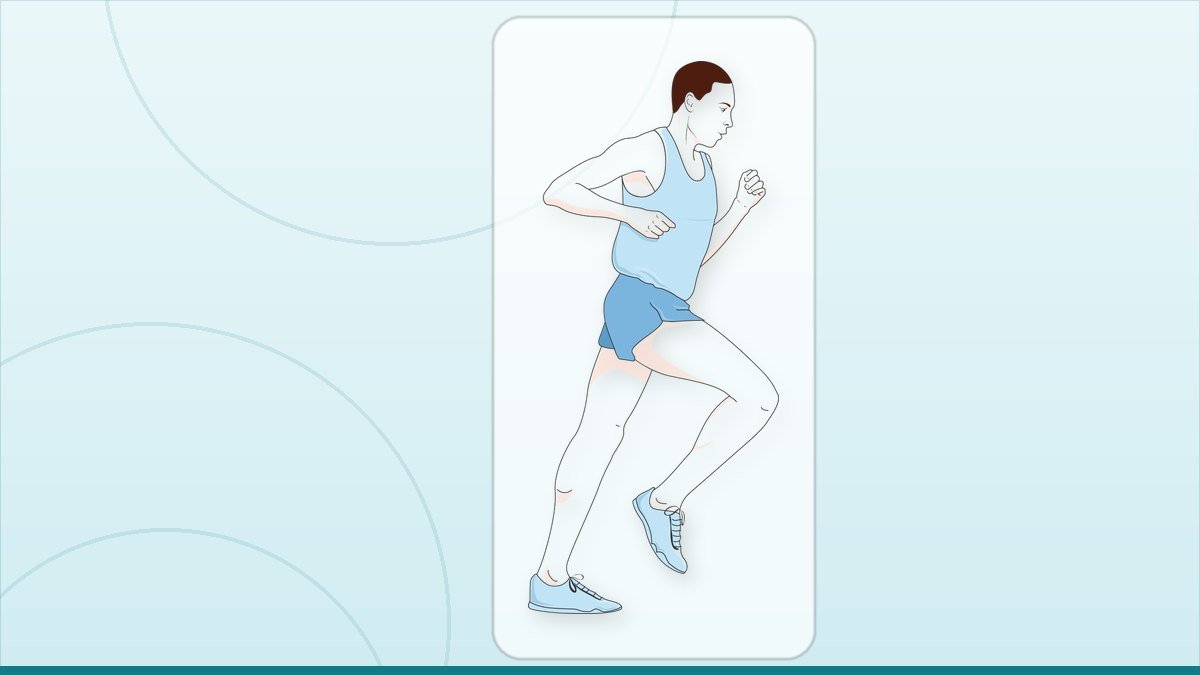
Exercises to avoid when you have a disc problem
Exercises to avoid with a herniated disc: which movements push the disc onto the nerve, what is safe instead,…
Read this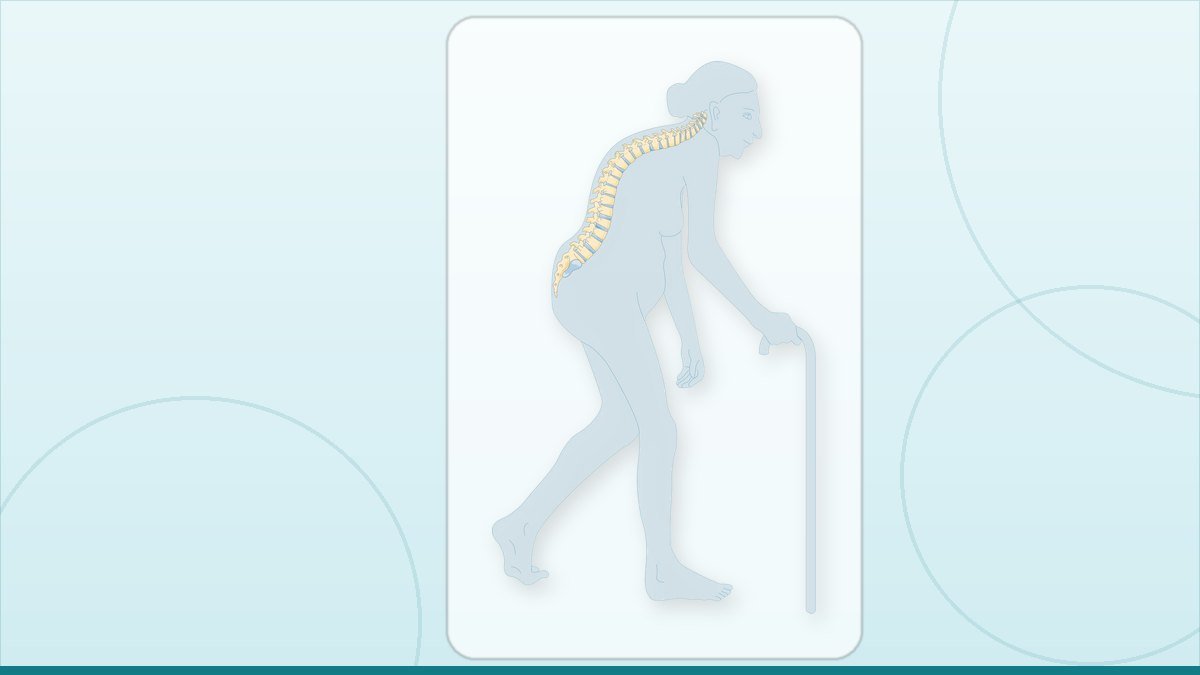
Lifting and posture that protects your back
Safe lifting technique for your back: the hip hinge, daily posture habits, and the clear signs that kamar…
Read thisAll patient questions · Spine surgery in Faisalabad · Book an appointment
Ask about your own scan. Send your MRI or X-ray on WhatsApp and get a straight answer on whether surgery is needed at all, from a consultant neurosurgeon in Faisalabad.
Dr. M. Abdur Rehman is a consultant neurosurgeon in Faisalabad. Send your scan on WhatsApp and ask what it actually shows.
Published for the practice of Dr. M. Abdur Rehman, consultant neurosurgeon, Mujahid Hospital, Faisalabad. General information only, not a substitute for examination.