
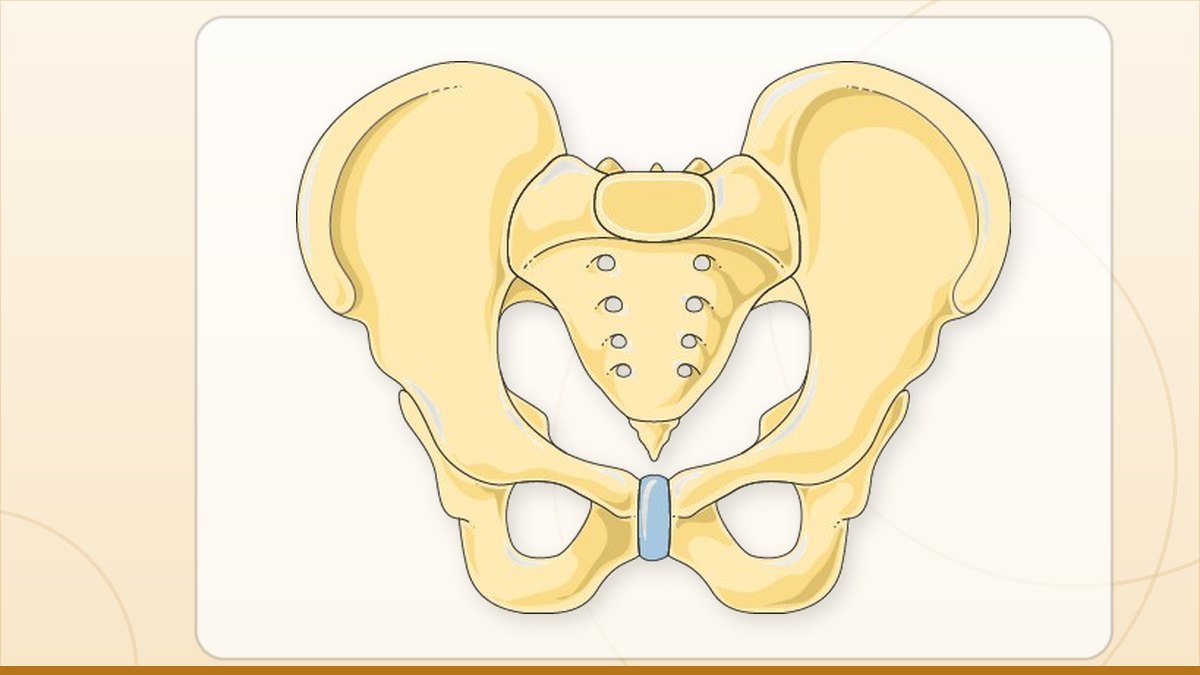
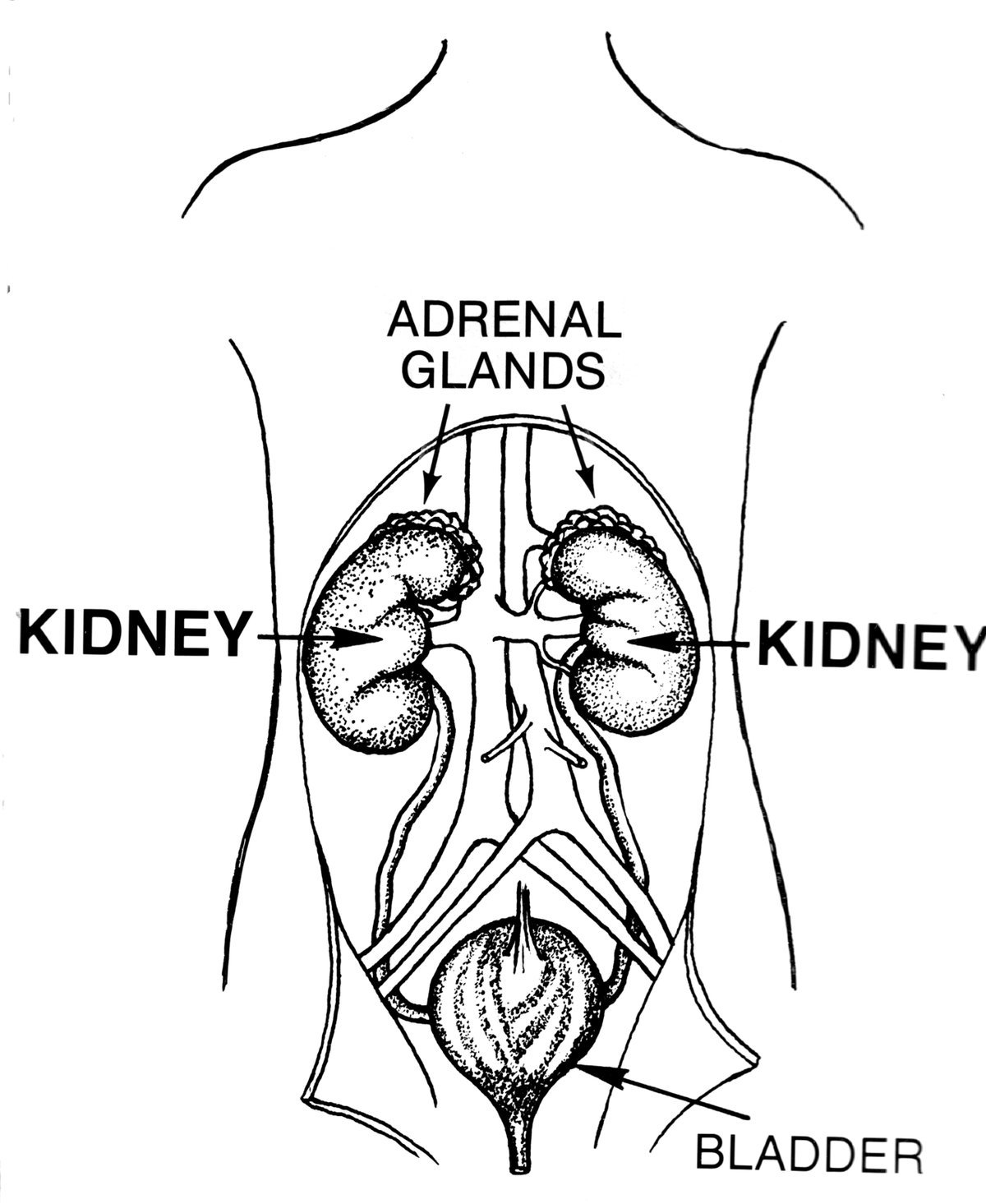
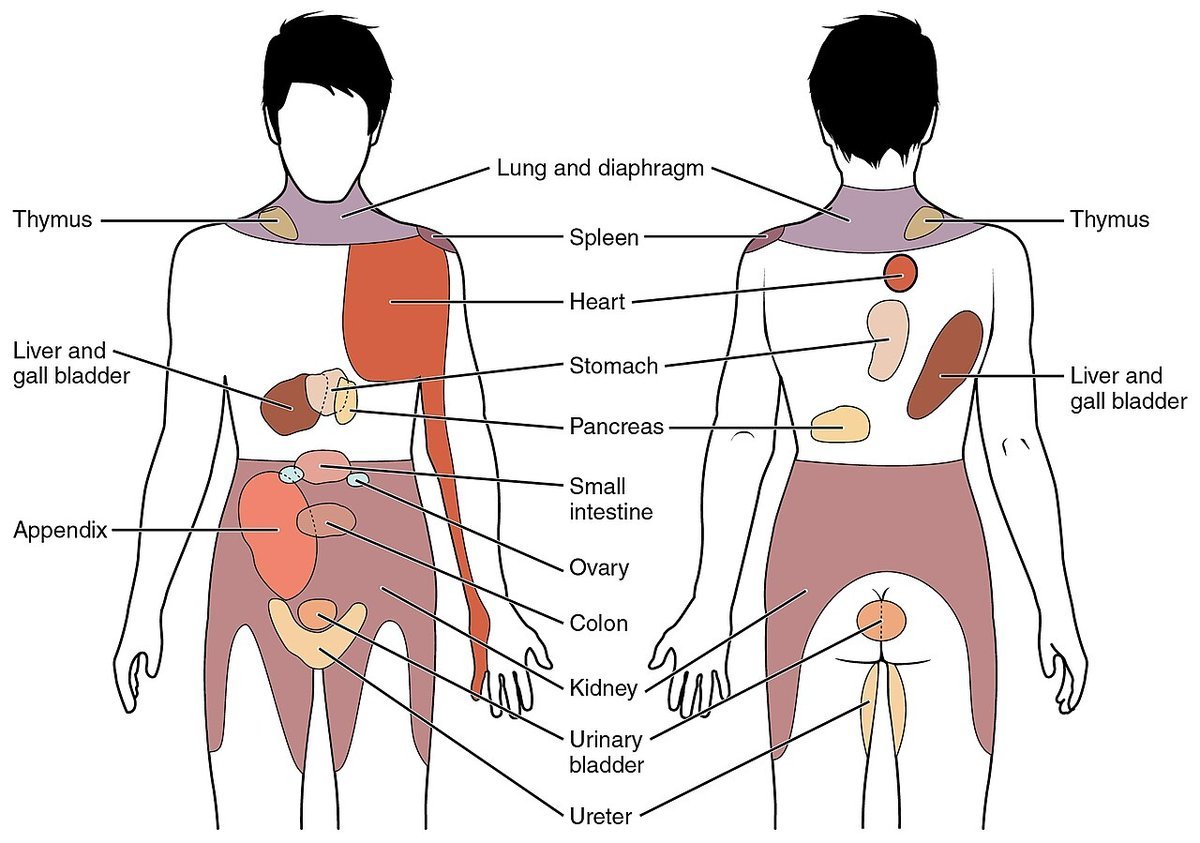
Not all back pain starts in the spine. Kidney stones, urine infection, gallbladder, a swollen aorta and gynaecological problems can all cause kamar dard. The clue is usually the pattern: pain that ignores position, comes in waves, or brings fever, burning urine or bleeding. Those need a physician or urologist, not a spine surgeon.
How do I know my kamar dard is not coming from the spine?
The simplest test is whether your position changes the pain. Spine pain usually behaves mechanically: worse on bending, sitting long, standing, or getting out of bed, and easier when you lie flat in a comfortable position. Pain that stays exactly the same whether you sit, stand, walk or lie down is asking you to look outside the spine.
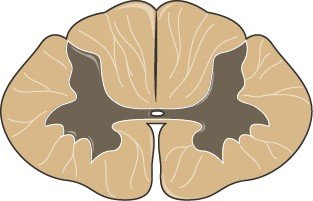
The second clue is the company the pain keeps. A disc pressing on a nerve typically sends pain down one leg, often below the knee, with numbness, pins and needles or weakness in that same leg. This is the taang mein dard patients describe. It follows a line, not a general area.
Non-spinal pain tends to come with its own signals. Fever, burning urine, blood in urine, vomiting, weight loss you did not plan, night pain that wakes you regardless of how you lie, pain that comes in waves like labour pains, or pain linked to your periods. Any of these deserve a physician's assessment first.
One honest warning: some conditions can do both. A back muscle can go into spasm because of a kidney stone, and then the back really does hurt. That is why the examination matters more than the story alone.
If it does turn out to be the spine, is surgery safe? Will I be paralysed?
Paralysis after a planned, correctly indicated lumbar disc operation is rare. The nerve is already being squeezed by the disc, and the operation takes the pressure off it. That is the honest starting point, and it is the fear almost every family in Faisalabad brings into the room first.
Rare does not mean impossible, and no surgeon should tell you the risk is zero. Real risks exist and should be named to you before you sign anything: a tear in the covering of the nerves, infection, bleeding, the disc coming out again at the same level, numbness that does not fully recover, and incomplete pain relief. Most of these are manageable. All of them are more likely if the operation was not needed in the first place.
In endoscopic spine surgery the surgeon works through a small opening with a camera and magnified view, so less muscle is cut and the nerve is seen directly. Microdiscectomy uses a microscope through a slightly larger opening and has decades of results behind it. Both are established, mainstream operations. Neither is a shortcut around a proper diagnosis.
The bigger danger is the wrong diagnosis, not the wrong instrument. If your pain is coming from a kidney stone or an ovarian cyst, no spine operation will help you. You will wake up with a scar and the same pain, and the real problem will have had more time to grow. That is why the workup comes before the theatre.
Which problems outside the spine cause back pain?
These are the ones a doctor is actively looking for when the pain does not behave like a spine problem. The list is not long, and most are easy to confirm or rule out.
- Kidney stone or kidney infection. Pain in the loin, often one side, coming in waves, travelling towards the groin. Burning urine, blood in urine, fever, vomiting. Very common in our climate, especially with low water intake.
- The aorta. A swelling of the main artery in the abdomen can cause deep back pain. This matters most in older patients, smokers, and those with high blood pressure. Sudden severe tearing back or abdominal pain is an emergency.
- Gynaecological causes. Ovarian cysts, endometriosis, pelvic infection, fibroids and pregnancy itself all cause low back pain. Pain that follows the monthly cycle or comes with abnormal bleeding or discharge belongs with a gynaecologist.
- Gallbladder, pancreas and stomach ulcers. Pain here often sits between the shoulder blades or in the upper back and is linked to meals.
- Hip joint. Hip arthritis or avascular necrosis causes pain in the groin, buttock and thigh, worse on walking. It is regularly mistaken for sciatica.
- Shingles. Burning band-like pain on one side, with a rash appearing a few days later.
- Inflammatory back pain. Morning stiffness lasting over an hour in a younger patient, better with movement and worse with rest, points to a rheumatologist rather than a surgeon.
There is also a group that is in the spine but is not a disc: spinal tuberculosis, which is still seen in Pakistan, spinal infection, and cancer that has spread to the bone. These usually announce themselves with weight loss, night sweats, fever, constant pain unrelated to position, or a known previous cancer. They are treated very differently from a slip disc, and missing them is far worse than delaying a disc operation.
How does a doctor actually tell the difference?
Mostly by listening and examining, not by scanning. A careful history and a proper physical examination sort out the large majority of back pain before any expensive test is ordered.
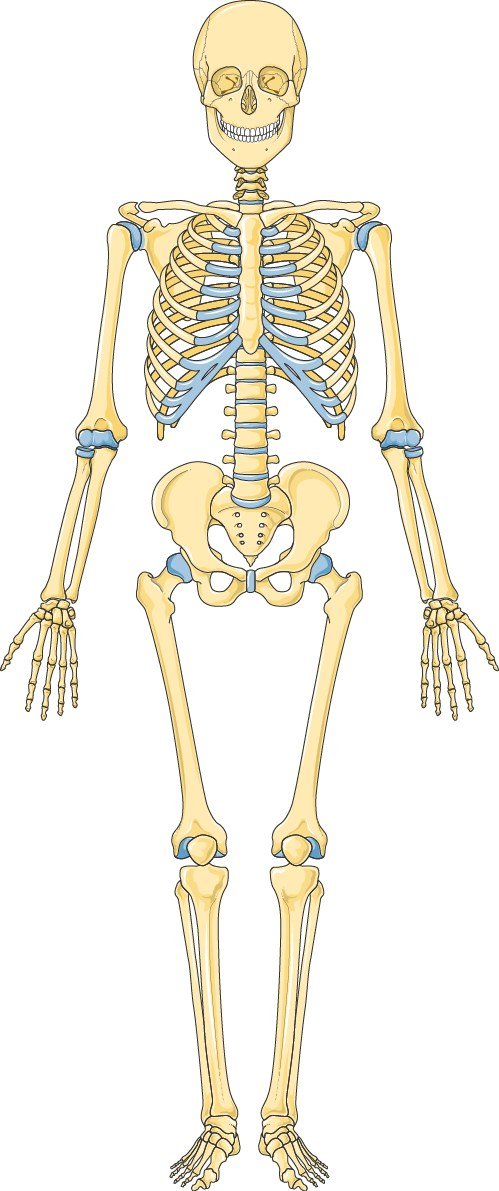
The examination checks things a report cannot: power in each muscle group, reflexes at the knee and ankle, sensation along the leg, straight leg raise, hip movement, spine tenderness, and gentle pressing on the abdomen and the kidney area. If pressing your abdomen reproduces the pain, the spine is probably not the source.
The first tests are usually simple and cheap. Urine routine examination, a basic blood count and ESR, blood sugar, and an ultrasound of the abdomen and pelvis. In women, a gynaecological assessment. These are widely available across Faisalabad and Punjab and cost a fraction of an MRI.
An MRI of the lumbar spine is ordered when the story and examination already point to the spine, or when red flags are present. Ordering it first, before anyone has examined you, is the usual reason patients end up with a scary report and no explanation.
My MRI says disc bulge. Does that mean I need an operation?
No. A disc bulge on a report is one of the most common findings in adults, including adults with no back pain at all. Discs dry out and flatten with age in the same way hair greys. The word on the film is not the diagnosis.
What makes a disc surgical is the match between the picture and the patient. The compressed nerve on the scan must correspond to the leg that hurts, the area that is numb, and the muscle that has become weak. If the MRI shows a bulge on the right and your pain is on the left, that bulge is not your problem.
This is worth saying plainly because reports frighten families more than the pain does. Words like degeneration, desiccation, annular tear and bulge sound like damage. In most cases they describe normal ageing. Ask your surgeon to point on the film to the exact nerve that explains your exact symptom. If that cannot be done clearly, you are not ready for surgery.
When is surgery genuinely needed?
Surgery is needed in a small minority of back pain patients. Most people improve over weeks with time, staying gently active, simple painkillers and physiotherapy, and they never need a surgeon at all.
Go to a hospital the same day if you have any of these:
- Difficulty passing urine, or leaking urine or stool without control
- Numbness around the private parts or inner thighs, the area that would touch a saddle
- Weakness in both legs, or weakness that is getting worse day by day
- Foot drop, where your foot slaps or drags when you walk
- Back pain with high fever, or in someone with a known cancer or TB
Outside these emergencies, the usual reason for planned surgery is severe leg pain from a nerve that is clearly compressed on MRI, matching the examination, that has not settled after roughly six weeks of proper non-surgical treatment. Not six weeks of waiting. Six weeks of actual treatment.
Pain in the back alone, without leg symptoms and without red flags, is rarely improved by a disc operation. If someone offers you surgery for pure kamar dard with a normal examination, ask for a second opinion before you agree.
What does spine surgery cost in Pakistan, and is laser surgery worth the money?
Costs vary widely between cities, hospitals and procedures, so no honest figure can be quoted without knowing your exact diagnosis. What you should insist on is a written, itemised quote in rupees before you commit to anything. That is the protection, not a number on a website.
Ask the quote to list separately: surgeon's fee, anaesthesia, operation theatre charges, implants if any are planned, room category and number of nights, medicines, MRI and lab tests, and how many follow-up visits are included. Also ask what happens to the cost if you need to stay an extra night or if a complication occurs. Endoscopic and microdiscectomy procedures without implants generally cost less than fusion surgery with screws, because implants are a large part of the bill.
On laser. Patients search for laser spine surgery cost because the word sounds precise and painless. Be clear about what it means. A laser is an energy source, not an operation. It is sometimes used as one tool inside an endoscopic procedure. The evidence supporting laser as a standalone treatment for a herniated disc is limited compared with established endoscopic and microscopic discectomy, and it should not be sold as a separate miracle technique at a premium price.
Two practical warnings. Be careful with anyone who quotes a price before examining you or reviewing your MRI. And be careful with anyone who promises a specific success percentage. Nobody can promise that, and honest surgeons do not.
Should I try hakeem, massage or a pehlwan first?
For ordinary muscular back pain with no red flags, waiting and trying gentle conservative measures is reasonable, and many people do get better. Heat, gentle massage for muscle spasm, staying moderately active rather than lying in bed for weeks, and simple painkillers advised by a doctor all have a place.
The problem is not the hakeem or the malish. The problem is the calendar. Families here often spend six months moving between treatments, and by the time they reach a doctor the foot has already dropped or the numbness has settled in permanently. Nerves recover well when they are freed early and poorly when they have been squeezed for a long time.
Forceful manipulation, pulling, cracking or someone walking on your back is genuinely risky if you already have nerve compression, osteoporosis, spinal TB or a fracture. If you have leg pain, numbness or weakness, do not let anyone twist or pull your spine until the cause is known.
A fair rule: if the pain is only in the back, is improving, and you have no red flags, give it a few weeks. If pain is going down the leg, if there is any weakness or numbness, or if any emergency sign appears, get properly examined now.
What to do next
Start with the cheapest step, not the most dramatic one. If your pain does not change with position, or comes with fever, burning urine, bleeding, vomiting or weight loss, see a physician or your family doctor first and get a urine test and an abdominal ultrasound done. That single visit prevents a lot of unnecessary spine appointments.
If your pain runs down one leg, if there is numbness or weakness, or if back pain has not improved after several weeks of proper treatment, that is the point to see a neurosurgeon or spine surgeon. Bring everything with you: previous prescriptions, X-rays, MRI films and CDs, and the list of medicines you have already tried. Bring a family member too, because most decisions here are made together and it helps when two people hear the same explanation.
At the consultation, ask four questions and expect clear answers. What exactly is causing my pain. What happens if I do nothing for another two months. Why is this operation better than continuing treatment. What is the total written cost in rupees. A surgeon who is comfortable answering all four is worth trusting more than any title.
Dr. M. Abdur Rehman is a consultant neurosurgeon at Mujahid Hospital, Faisalabad, seeing patients from across Punjab for back and leg pain. If you are searching for the best endoscopic spine surgeon in Faisalabad, judge the answer by whether the surgeon is willing to tell you that you do not need an operation. That is the more useful test.
Questions patients ask about this
Can a kidney stone feel exactly like a slip disc?
Yes, and it often does. A stone moving down the ureter causes loin pain that comes in waves and may travel to the groin, without changing when you sit or lie down. Burning urine, blood in urine, fever or vomiting point away from the spine. A urine test and ultrasound usually settle it quickly.
Is endoscopic spine surgery safe?
It is an established procedure with a safety record comparable to microdiscectomy in suitable patients. The surgeon works through a small opening with a camera, so less muscle is cut. Real risks remain, including infection, nerve irritation and the disc recurring. Safety depends far more on correct patient selection than on the instrument used.
Is laser spine surgery effective?
A laser is an energy source, not a separate operation. It is sometimes used as one tool during an endoscopic procedure. Evidence for laser as a standalone treatment for a herniated disc is limited compared with standard endoscopic and microscopic discectomy. Be cautious if it is marketed to you as a distinct premium technique.
How long should I wait before seeing a spine surgeon for back pain?
If pain is only in your back and slowly improving, several weeks of activity, physiotherapy and simple painkillers is reasonable. See a surgeon sooner if pain runs down a leg, if there is numbness or weakness, or immediately if you have bladder problems, saddle numbness or worsening leg weakness.
Which doctor should I see first for back pain in Faisalabad?
Start with a general physician or your family doctor if the pain has fever, urinary symptoms, abdominal pain or cycle-related timing. Go directly to a neurosurgeon or spine surgeon if pain travels down the leg with numbness or weakness, or if any emergency red flag is present.
If surgery is on the table
If your scan does point to the spine after all, these explain what treatment would involve.
Related articles
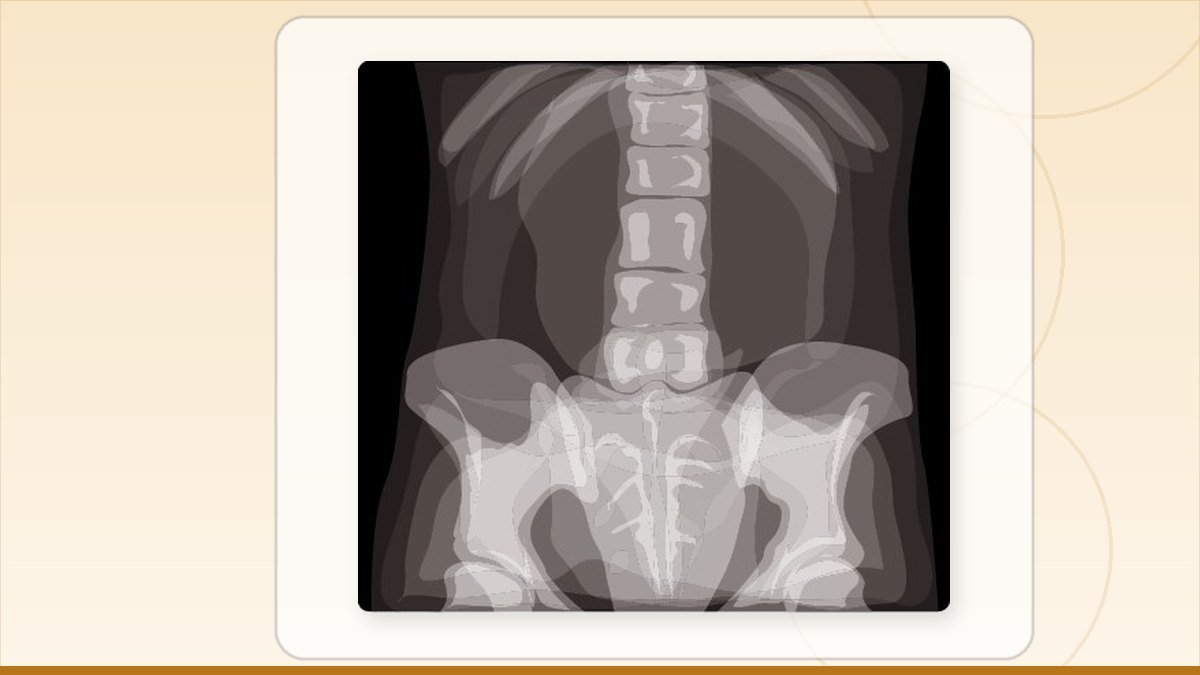
X-ray, MRI or CT for back pain: which one and when
MRI vs X-ray for back pain: X-ray shows bone, MRI shows discs and nerves. A Faisalabad spine surgeon explains…
Read this
Nerve tests (EMG and NCS) for back and leg pain
Does an EMG test for sciatica tell you if you need surgery? What EMG and NCS show, when they help, what they…
Read this
Kamar dard: causes, and when it is more than muscle pain
Kamar dard ka ilaj: what causes back pain, what to try at home first, when an MRI is needed, and the small…
Read thisAll patient questions · Spine surgery in Faisalabad · Book an appointment
Ask about your own scan. Send your MRI or X-ray on WhatsApp and get a straight answer on whether surgery is needed at all, from a consultant neurosurgeon in Faisalabad.
Dr. M. Abdur Rehman is a consultant neurosurgeon in Faisalabad. Send your scan on WhatsApp and ask what it actually shows.
Published for the practice of Dr. M. Abdur Rehman, consultant neurosurgeon, Mujahid Hospital, Faisalabad. General information only, not a substitute for examination.