
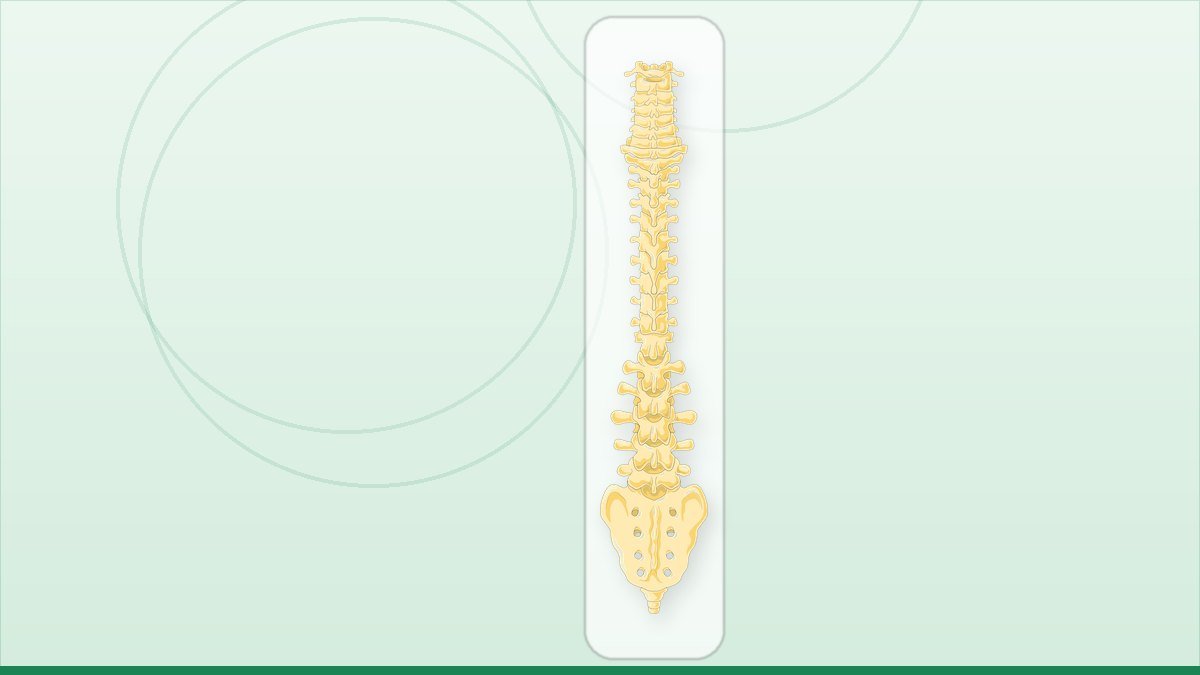
Most adults with scoliosis never need surgery. A curve you have carried since childhood rarely becomes dangerous on its own. When back pain comes with scoliosis, it usually settles with physiotherapy, exercise and time. Surgery is considered when nerve pain is disabling, walking distance keeps shrinking, or the curve is clearly getting worse.
Is my back pain actually coming from the scoliosis?
Often it is not. A curve in the spine looks alarming on an X-ray, but in adults the pain usually comes from something more ordinary sitting alongside it: worn facet joints, tired muscles working unevenly, a stiff disc, or a nerve being pinched where the curve tightens one side of the spinal canal.
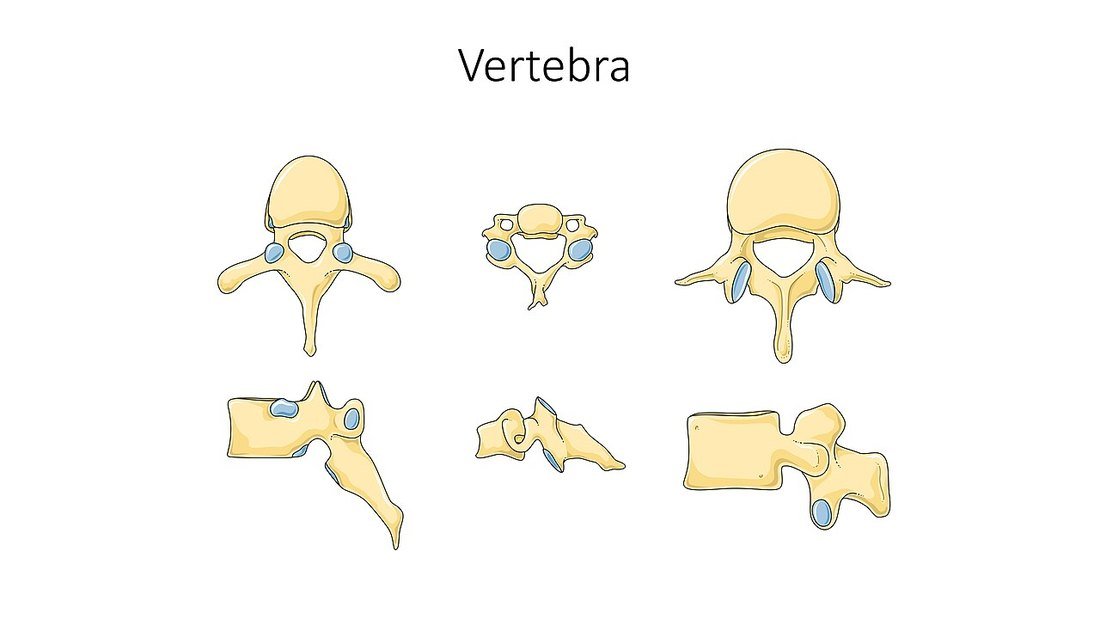
This matters because the treatment is different. If the pain is muscular and mechanical, straightening the spine is not the answer. If a single nerve is trapped and sending pain down one leg, freeing that nerve can help a great deal without touching the curve at all.
There are two common situations. Some adults have carried a curve since their teenage years and only now notice kamar dard as the discs age. Others develop a new curve in their fifties or sixties because the discs and joints wear down unevenly. The second type, degenerative scoliosis, is the one more likely to squeeze nerves and cause taang mein dard.
A useful question to ask yourself: is the pain mostly in the back, or mostly in the leg? Back-dominant pain is usually treated without surgery. Leg-dominant pain, especially with numbness or weakness, is what surgeons take more seriously.
Is scoliosis surgery safe, or will I be paralysed?
Paralysis from modern spine surgery is very rare. It is the fear almost every family in Punjab raises first, and it deserves a straight answer rather than a brush-off. Spinal nerves are not cut during these operations. The surgeon works around them, under magnification, with the aim of taking pressure off them.
The honest picture is that risk depends entirely on which operation you are having. A small decompression to free one trapped nerve is a much smaller undertaking than a long fusion to correct a large curve. Big deformity correction in an older adult is real surgery with real risks, including bleeding, infection, implant problems and a long recovery. Those operations exist for people whose lives have genuinely narrowed, not for a curve that simply looks bad on film.
What actually reduces risk is straightforward and worth insisting on: an accurate diagnosis, the smallest operation that solves the problem, an anaesthetist who has seen your medical reports, and control of blood sugar and blood pressure before the date is fixed. Many patients here come with undiagnosed diabetes. Sorting that out first is not a delay, it is part of the treatment.
Go to a hospital the same day, not next week, if you develop:
- Loss of control of urine or stool
- Numbness around the private parts or inner thighs
- A foot that drags or will not lift
- Rapidly worsening weakness in both legs
When does an adult scoliosis curve actually need surgery?
Surgery is considered for a small minority of adults. The decision is driven by symptoms and by how much your daily life has shrunk, not by the number of degrees on the X-ray.
Surgeons generally start discussing an operation when one or more of these is true:
- Walking distance keeps falling. You could walk to the mosque or the market a year ago, now you stop after a few minutes and have to sit or bend forward for relief.
- Leg pain or weakness is constant and has not improved after a proper trial of physiotherapy and medication over several weeks.
- The curve is measurably progressing on X-rays taken over time, and your trunk is visibly leaning or you are losing height and balance.
- Standing upright is no longer possible without holding on to something, because the spine has tipped forward.
Notice what is not on that list. Pain alone that comes and goes, a curve that has looked the same for twenty years, an X-ray finding with no symptoms, or a family member who thinks it looks crooked. None of those are reasons to operate.
If a surgeon recommends a big fusion at your first visit, before any conservative treatment has been tried and without repeat imaging over time, get a second opinion. That is not rudeness, it is normal practice and any honest surgeon expects it.
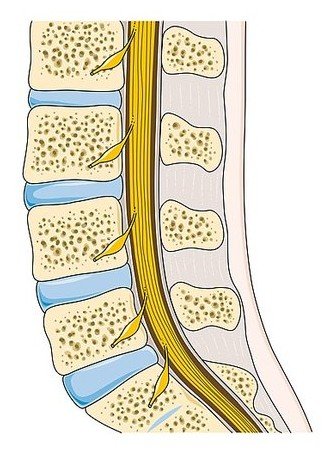
What can I do first, without an operation?
Most adults with scoliosis are managed without surgery, and it works. The goal is not to straighten the spine, which exercise cannot do in an adult. The goal is to make the muscles around the curve strong enough to carry you comfortably.
What has real evidence behind it: supervised physiotherapy focused on core and hip strength, walking every day within your tolerance, weight reduction if that applies to you, and short courses of simple painkillers or anti-inflammatories under a doctor's supervision. For nerve pain, certain nerve-specific medicines can help. For a flare that will not settle, a targeted injection under imaging guidance can buy months of relief and confirm which nerve is actually causing trouble.
A word about what many families try first. Going to a hakeem, or having someone press and pull the back, is common and understandable. Gentle massage for muscle tightness is unlikely to harm you. Forceful manipulation of a spine with a curve and worn joints is a different matter, and if you have leg weakness or numbness, avoid it entirely until someone has looked at an MRI.
Adult braces also come up. In adults, a brace does not correct a curve. It can occasionally give short-term comfort during a bad episode. It is not a treatment.
Which tests do I actually need?
Start with a standing full-length X-ray of the whole spine, front and side. This is the single most useful test in adult scoliosis, and a lying-down X-ray or a small lumbar film will not show the same thing, because a curve behaves differently when you are upright and carrying your own weight.
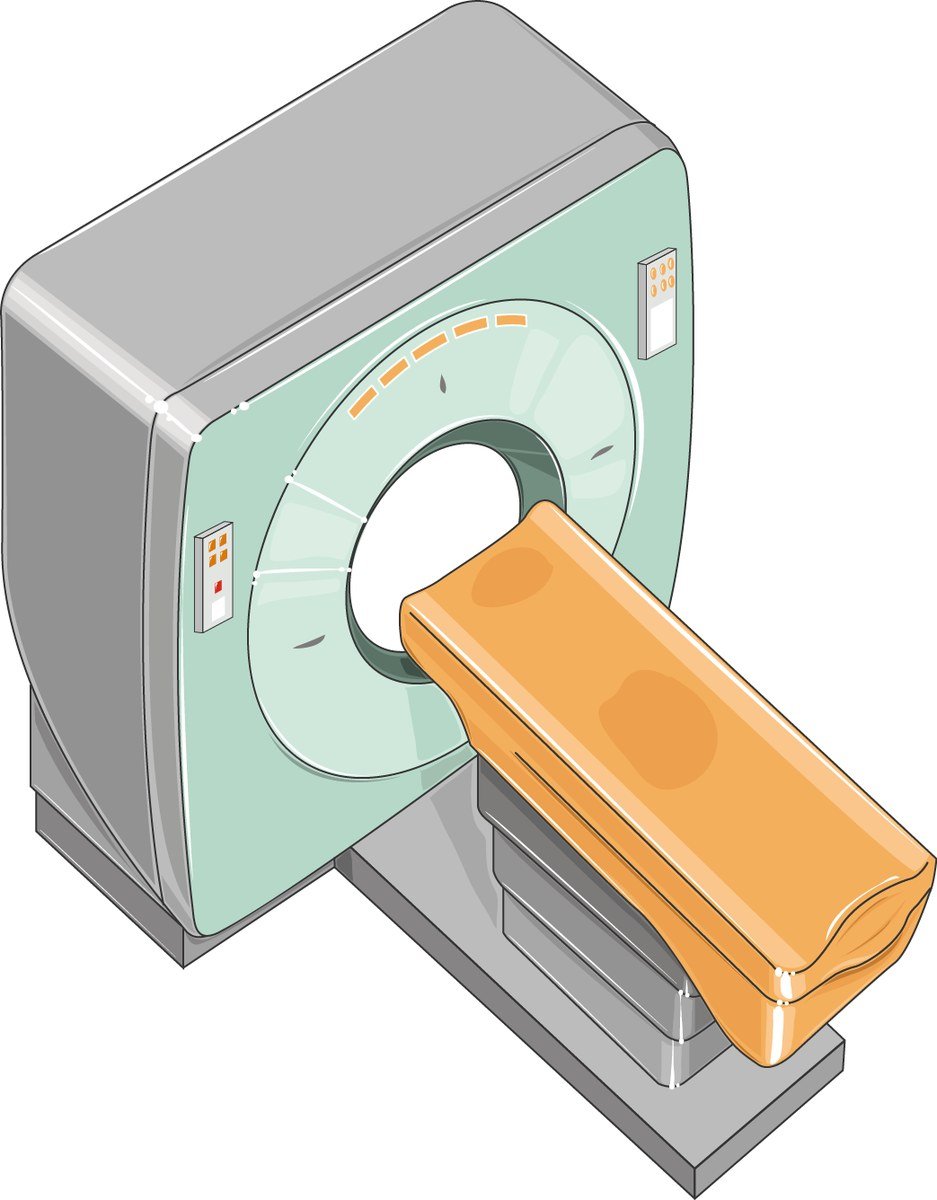
An MRI is added when there is leg pain, numbness, weakness, or when surgery is genuinely being considered. An MRI shows the nerves and discs. It does not show your balance or how the curve behaves when you stand, which is why it does not replace the X-ray.
Bring every old film you have, even ones from years ago on a CD or in a plastic bag. Comparing today's curve with an X-ray from five years ago answers the most important question in adult scoliosis: is this changing or has it been stable all along. That comparison is often worth more than a new scan.
Is there a laser treatment for spine problems?
There is no laser treatment that corrects scoliosis. Laser is sometimes used inside the spine as one energy source among several during certain disc procedures, but no laser device straightens a curve, rebuilds a worn disc or replaces a proper decompression.
Patients across Punjab ask about this constantly, usually after seeing an advertisement promising a painless laser cure. Be careful with any clinic that markets laser as a treatment for scoliosis, or that offers a single price for a procedure before it has seen your MRI. If a place is quoting treatment for a slipped disc without first examining you and reviewing imaging, that is a warning sign.
What does exist, and is genuinely less invasive, is endoscopic spine surgery. That is a camera and instruments passed through a very small opening to free a trapped nerve, usually with local or light anaesthesia and a same-day or next-day discharge. It is a real operation with real indications, not a laser cure, and it treats nerve compression rather than the curve.
What if I have scoliosis and a slipped disc together?
This is one of the most common combinations, and it is good news more often than patients expect. If a single disc is pressing on one nerve root and causing the leg pain, treating that one problem can relieve most of your symptoms even though the curve stays exactly as it is.
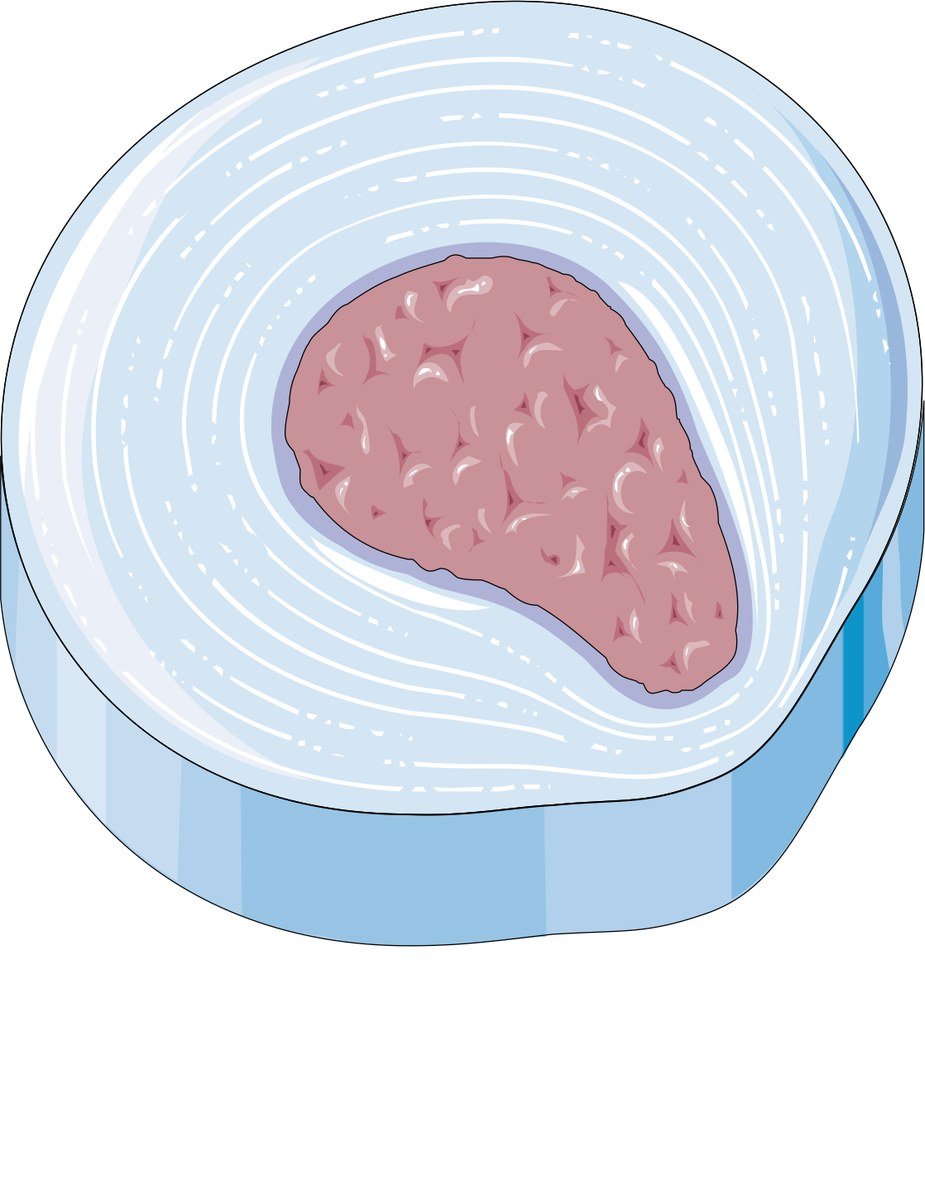
In that situation the choice is usually between an endoscopic decompression and a microdiscectomy. Both remove the pressure on the nerve through a small opening. The endoscopic approach uses a camera through a smaller entry point, with less muscle disturbance and generally a faster return to walking. Microdiscectomy uses a microscope through a slightly larger but still small incision, and remains an excellent, well-tested operation.
The key point is honest selection. Not every patient is suited to the smaller operation. If the curve itself is what is crushing the nerves along several levels, or if your trunk is leaning badly and you cannot stand upright, a small operation will not fix that and a surgeon who tells you otherwise is doing you no favour. Ask directly: is my problem one nerve, or the whole shape of my spine? The answer decides everything.
What does treatment cost in Faisalabad, and what should I ask?
Costs vary widely, and anyone quoting you a firm figure over the phone before seeing your MRI is guessing. Ask for a written quote in PKR at the hospital, itemised, before you agree to a date. Verbal estimates have a habit of growing after admission.
Make sure the written quote covers:
- Surgeon and anaesthesia fees
- Operation theatre and hospital stay, including what happens if the stay runs longer
- Any implants or screws, priced separately and by name
- Pre-operative tests and post-operative physiotherapy
- Follow-up visits, and whether they are included
The difference in cost between a small decompression and a long fusion with implants is very large, which is another reason the diagnosis has to be settled before the money conversation. Families often travel in from Jhang, Sargodha, Toba Tek Singh or Chiniot for a single opinion, so ask whether the X-ray, MRI review and consultation can be done in one day, and whether reports can be shared on WhatsApp afterwards so the family can discuss at home.
Bring the person who makes decisions in your family to the consultation. In our setting that is usually how it works, and it is far better than trying to explain an MRI to your elders second-hand that evening.
What should I do next?
If your pain is mostly in the back, has been there a while, and you can still walk your usual distance, start with a proper physiotherapy programme and give it several honest weeks. Do not rush toward an operation. Most adults with scoliosis never need one.
If the leg pain is winning, if your walking distance is shrinking month by month, or if you have any weakness or numbness, get a standing full-spine X-ray and an assessment. Take your old films with you.
When you look for the best endoscopic spine surgeon in Faisalabad, judge them on how they answer questions rather than on advertising. A surgeon who explains why you do not need surgery today is worth more than one who books you for an operation on the first visit. Dr. M. Abdur Rehman is a consultant neurosurgeon at Mujahid Hospital, Faisalabad, and consultations include reviewing your existing imaging and telling you plainly whether an operation is warranted.
Write your questions down before you go. In the room, under stress, with family around, people forget the one thing they most wanted to ask.
Questions patients ask about this
Can exercise or physiotherapy straighten adult scoliosis?
No. In an adult the bones have matured and no exercise, brace or manual therapy will correct the curve itself. What physiotherapy does very well is strengthen the muscles supporting the curve, improve balance and reduce pain. That is a worthwhile goal, and for most adults it is enough.
Will my scoliosis get worse as I get older?
Some curves progress slowly with age, particularly larger ones and those caused by disc and joint wear. Many stay stable for decades. The only reliable way to know is comparing standing X-rays taken over a period of years, which is why you should keep your old films rather than discarding them.
Can endoscopic spine surgery treat scoliosis?
Endoscopic surgery treats nerve compression, not the curve. If one trapped nerve is causing your leg pain, an endoscopic decompression can relieve it through a very small opening while the curve stays as it is. Correcting a large deformity requires a different and much bigger fusion operation.
I have been going to a hakeem for my kamar dard. Should I stop?
Gentle treatment for muscle tightness is unlikely to harm you. Stop and see a doctor if you have pain running down the leg, numbness, weakness in a foot, or any change in urine or stool control. Avoid forceful spinal manipulation until an MRI has been reviewed.
How long is recovery after spine surgery for scoliosis?
It depends entirely on the operation. After a small decompression for a trapped nerve, many patients walk the same day and return to light routine within a couple of weeks. After a long fusion with implants, recovery is measured in months and includes a structured rehabilitation programme.
Related articles
How to read your lumbar MRI report: bulge, protrusion, extrusion
Confused by your lumbar MRI report? A Faisalabad spine surgeon explains bulge, protrusion and extrusion, and…
Read this
Back pain red flags that need attention today
Back pain red flags that need attention today: bladder trouble, numb saddle area, leg weakness, fever or…
Read this
Numbness and tingling down the leg: what it means
Leg numbness causes explained: what tingling down the leg means, when it is urgent, and when surgery is truly…
Read thisAll patient questions · Spine surgery in Faisalabad · Book an appointment
Ask about your own scan. Send your MRI or X-ray on WhatsApp and get a straight answer on whether surgery is needed at all, from a consultant neurosurgeon in Faisalabad.
Dr. M. Abdur Rehman is a consultant neurosurgeon in Faisalabad. Send your scan on WhatsApp and ask what it actually shows.
Published for the practice of Dr. M. Abdur Rehman, consultant neurosurgeon, Mujahid Hospital, Faisalabad. General information only, not a substitute for examination.