
TB of the spine, or Pott disease, is treated mainly with anti-TB medicines taken for many months, not with surgery. Most patients recover well if treatment starts early and is completed. Surgery is needed only in a minority: when weakness is worsening, the spine is unstable or collapsing, or a biopsy is required to confirm the diagnosis.
What is TB of the spine, and why is it still common here?
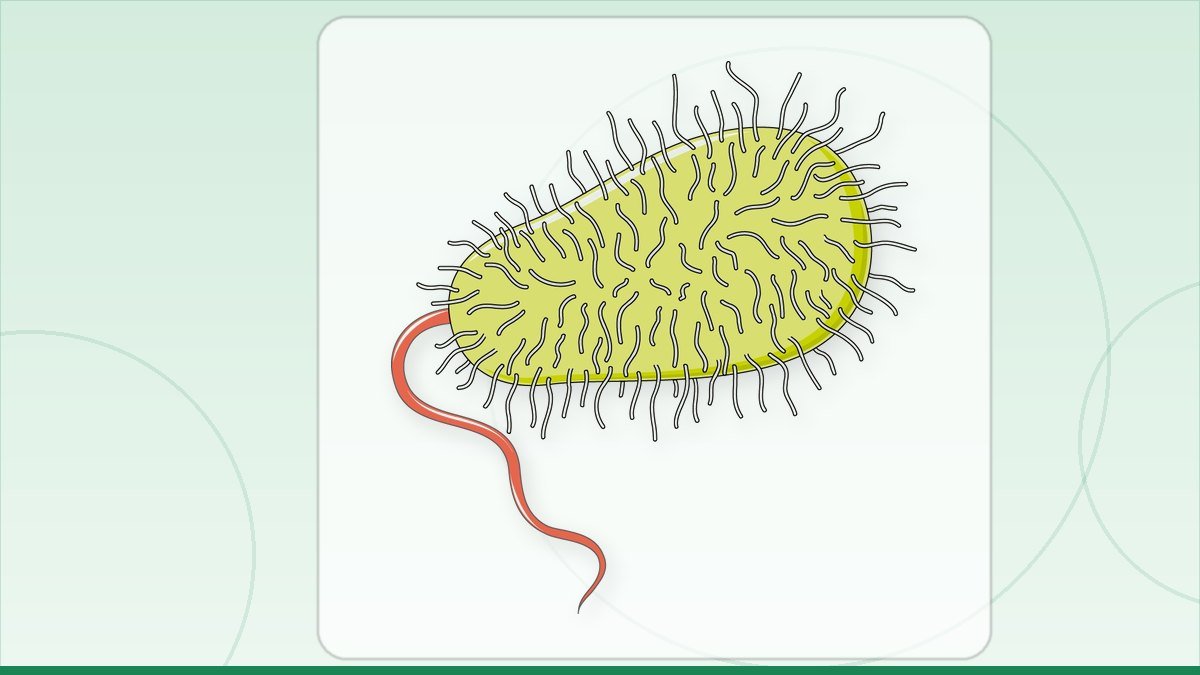
Tuberculosis usually attacks the lungs. In some people the bacteria travel through the blood and settle in a bone. The spine is the bone it settles in most often. Doctors call this spinal TB, tuberculous spondylitis, or Pott disease.
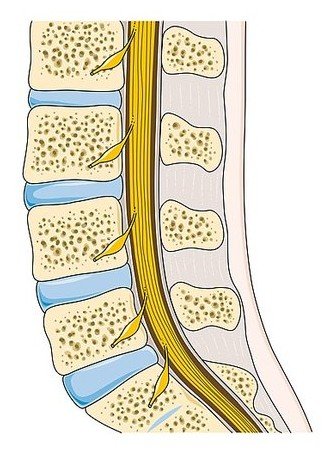
The infection slowly eats away the vertebral bodies and the disc between them. As the bone in front is destroyed, the spine can bend forward into a sharp hump, and pus can collect around the infected bone. That collection is called a cold abscess, because unlike an ordinary abscess it is not hot, red or acutely painful.
Pakistan carries one of the highest TB burdens in the world, so spinal TB is not rare here the way it is in Europe or North America. It is seen in young adults, in children, and in older people with diabetes or low immunity. Many patients in Punjab reach a spine specialist late, after months of kamar dard that was treated as an ordinary slip disc.
The warning signs that separate it from a mechanical back problem are usually these:
- Back pain that has gone on for weeks or months and is getting worse, not better
- Pain at night, and pain at rest, not only on movement
- Low grade fever, especially in the evening, and night sweats
- Weight loss and loss of appetite
- A visible bump or sharp angle in the back
- Weakness, numbness or heaviness in the legs, or trouble passing urine
Will I be paralysed? How dangerous is spinal TB?
Spinal TB can cause paralysis, but that is not the usual ending, and it is very often preventable. The great majority of people who start proper treatment before serious weakness sets in walk out of it. Even patients who arrive with weakness in the legs frequently recover, because the pressure on the spinal cord is caused by pus and inflamed tissue that shrinks once medicine takes hold, or that can be removed surgically.
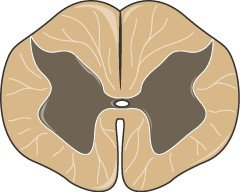
What decides the outcome is time. Weakness that has been present for days or a few weeks recovers far better than weakness that has been ignored for months. If you cannot lift your foot, if your legs feel heavy or stiff, if you are stumbling, or if you cannot control your urine, that is an emergency. Do not wait for the next appointment. Go to a hospital that has a neurosurgeon and an MRI the same day.
One warning that matters more in spinal TB than in any other back problem: do not let anyone twist, pull or press your spine. Many families here try a hakeem, a maalish wala, or a bone setter first, sometimes for months. In an ordinary muscular backache this wastes time. In spinal TB the bone is already softened and the spine may already be unstable. Forceful manipulation of an infected, weakened spine can collapse it and cause sudden paralysis. Cupping, hot iron and injections into the back also carry real risk.
If you have back pain with fever, night pain, or weight loss, get an X-ray and a doctor's opinion before any physical treatment at all.
Do I need surgery for spine TB, or will medicine cure it?
Most people with spinal TB are cured with medicine alone. That is the honest answer, and it is worth repeating because many patients arrive expecting an operation and are surprised to be sent home with tablets and a brace.
Anti-tuberculous therapy kills the bacteria. Once the bacteria are dying, the pain settles, the fever goes, the abscess dries up, and the destroyed bone heals by fusing the two vertebrae together into one solid block. That natural fusion is the body doing what a surgeon would otherwise have to do with screws.
Surgery does not cure TB. It cannot. A patient who has an operation without completing the full course of medicine will relapse. Surgery has three jobs only: get a tissue sample when the diagnosis is not certain, take pressure off the spinal cord when the nerves are in danger, and hold the spine steady when it has become unstable or is bending badly.
So the correct question to ask your surgeon is not "should I have surgery", it is "do I have any of the reasons for surgery". If the answer is no, be glad, take the medicine and be patient.
How do doctors confirm it is TB and not a slip disc or cancer?
You cannot diagnose spinal TB from symptoms alone, and you should not accept a diagnosis based only on an X-ray. The two things that matter are an MRI and a tissue sample.
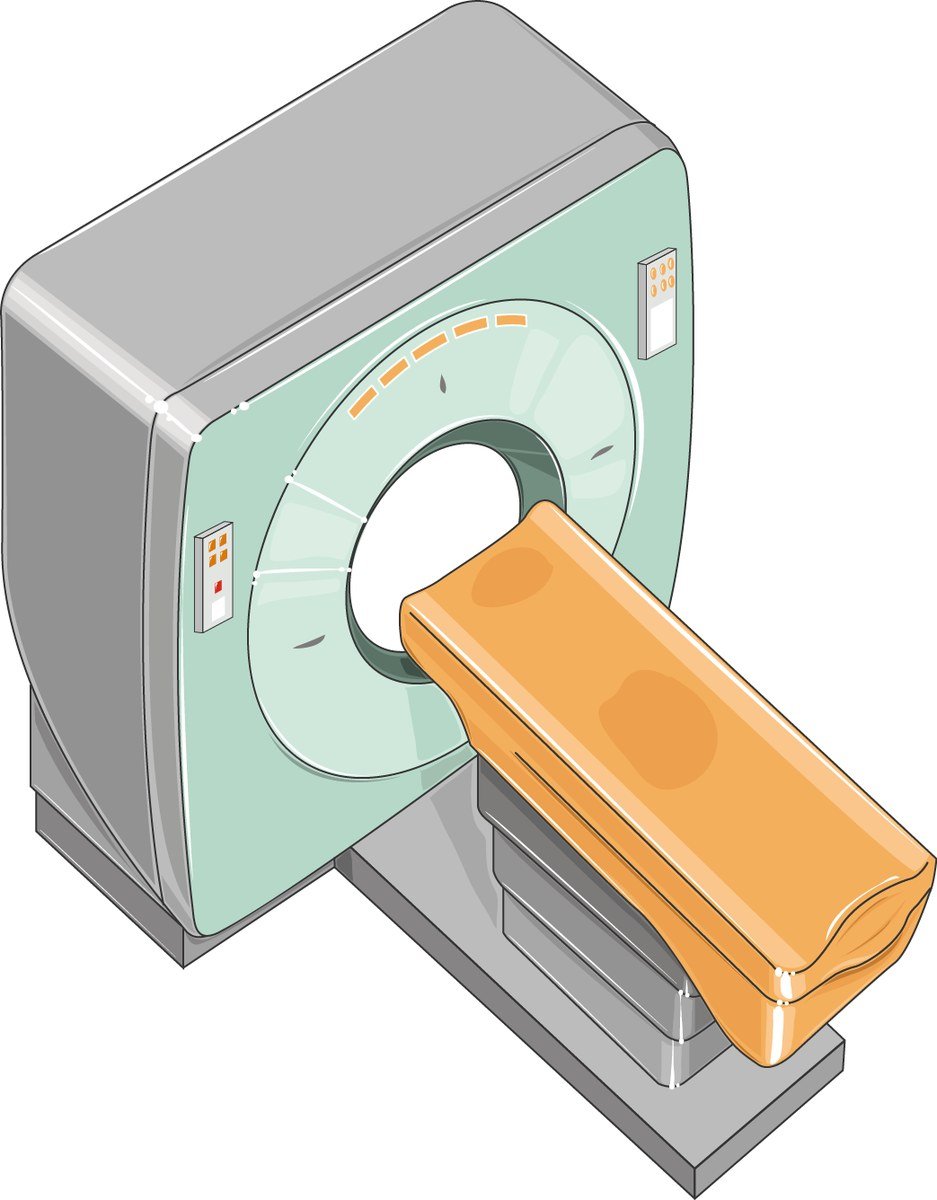
MRI with contrast is the best scan. It shows the destroyed bone, the collapsed disc space, the abscess, and exactly how much the spinal cord is being squeezed. It also shows the pattern: spinal TB typically involves two neighbouring vertebrae and the disc between them, which helps separate it from a tumour, which usually spares the disc. Ask for the whole spine to be screened, because TB sometimes sits at more than one level.
A biopsy is what proves it. A small sample of the infected tissue is taken, usually with a needle guided by CT, and sent for GeneXpert MTB/RIF, culture, and histopathology. This is the step people most often skip, and skipping it is a mistake. It confirms that the problem really is TB, and the GeneXpert and culture also tell you whether the bacteria are resistant to rifampicin and other drugs. Drug-resistant TB exists in Pakistan and is treated with a completely different regimen. Starting standard treatment blindly on a resistant infection wastes months.
Blood tests such as ESR and CRP are usually raised and are useful for following progress, but they do not diagnose anything on their own. A chest X-ray is also done, because some patients have lung TB at the same time.
How long is the treatment, and what happens if I stop early?
Treatment for spinal TB is long. Expect several months of daily tablets in a combination regimen, typically an intensive phase of four drugs followed by a longer continuation phase. Bone and spine TB is generally treated for longer than lung TB, and most patients are on medicine for somewhere between nine and eighteen months depending on how the infection responds. Your physician decides the exact duration from your clinical progress, blood markers and repeat scans, not from a fixed calendar.
Along with the drugs you may be given a brace for the back, told to rest for a period, and asked to eat well, because malnutrition slows healing. Diabetes should be brought under control.
The single biggest cause of failure in Pakistan is stopping the medicine early. Patients feel much better after two or three months, the pain has gone, the fever has gone, and the tablets are causing nausea or making them tired. So they stop. The infection then comes back, often harder to treat, and now potentially drug resistant, which turns a curable disease into a two year ordeal with injections and worse side effects.
Take every dose. If a drug is upsetting you, tell your doctor and let them adjust it. Never adjust it yourself. Get your liver function checked as advised, since these drugs can affect the liver, and report yellow eyes, dark urine, vomiting or severe itching immediately.
When is surgery needed, and what kind of operation is it?
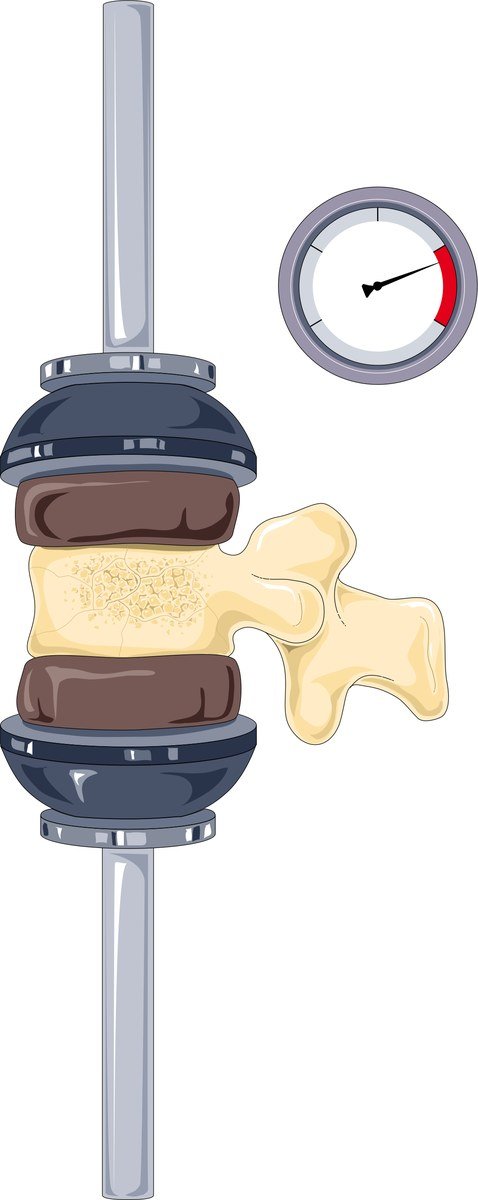
Surgery is considered when the infection has already done mechanical damage, or is about to. The accepted reasons are:
- Weakness in the legs that is getting worse, or that does not improve after a fair trial of medicine
- Loss of bladder or bowel control
- The spine is unstable, or the deformity is severe and progressing
- A large abscess compressing the spinal cord or not settling on medicine
- The diagnosis is unclear and tissue is needed
- Confirmed drug resistance with ongoing destruction
- Severe pain from a collapsed, unstable segment
The operation usually involves clearing out the infected tissue and pus, taking pressure off the spinal cord, and then stabilising the spine with screws and rods, sometimes with a bone graft or cage to rebuild the front column. It may be done from the back, from the front, or both, depending on the level and the amount of destruction. This is proper spinal reconstruction surgery, and it needs a surgeon and a hospital set up for it.
Medicine continues after surgery for the full planned course. The operation buys stability and protects the nerves. The tablets are what cure the disease.
Can endoscopic or laser spine surgery treat TB of the spine?
Not as the main treatment, and you should be careful with anyone who tells you otherwise. Endoscopic spine surgery is an excellent technique for its own set of problems: a herniated disc pressing on a nerve root, causing taang mein dard, or narrowing of the spinal canal. It is done through a small opening with a camera, and recovery is quick.
In spinal TB, an endoscopic or other minimally invasive approach does have a limited and genuine role in selected patients. It can be used to take a biopsy, to drain an abscess, or to clear infected tissue at a single level when the spine is still stable. That is useful, and it spares a patient a big operation. What it cannot do is correct a collapsing spine, rebuild destroyed vertebral bodies, or replace the anti-TB drugs. If your spine is unstable or badly deformed, a keyhole procedure is the wrong tool.
About "laser spine surgery". The phrase is used loosely in advertising across Pakistan, and often what is actually being offered is an endoscopic or percutaneous procedure. Laser is simply one energy source that can be used inside a disc. It is not a separate category of surgery, it has not been shown to be better than standard techniques for the conditions it is marketed for, and it has no role in treating an infection like TB. No laser kills tuberculosis bacteria in your spine.
If a clinic offers you "laser treatment" for spinal TB, ask three questions: what is my confirmed diagnosis, what instrument will actually be used, and how long will I be on anti-TB medicine afterwards. A straight answer to the third question tells you a great deal.
What does spine TB treatment cost in Pakistan?
The cost splits into two very different halves, and knowing this protects you from being overcharged.
The medicine. First-line anti-TB drugs are supplied free of charge through government DOTS centres under the National TB Programme, and through many partner clinics. Registration is straightforward. Confirm what is available at your nearest centre in Faisalabad or your own district. If a private clinic is charging you a large monthly sum for standard TB tablets, ask why.
Everything else. MRI with contrast, the CT-guided biopsy, GeneXpert and culture, blood tests, a brace, repeat scans, and follow-up visits all cost money in the private sector. If surgery is needed, that is a much larger figure, and it varies enormously with the number of levels involved, whether implants are used, the length of hospital stay, and the hospital itself.
Do not accept a verbal number over the phone. Ask for an itemised written quote in rupees that separates the surgeon's fee, anaesthesia, implants, operation theatre, room charges, medicines, and what happens to the bill if you need to stay longer than expected or need ICU. Ask specifically whether the biopsy and laboratory tests are included. Families travelling in from Jhang, Sargodha, Toba Tek Singh or the surrounding districts should also budget for attendants staying nearby, since follow-up over many months means repeated trips.
Zakat funds, hospital welfare committees and government schemes cover part of the cost in many cases. Ask the hospital's welfare office before you assume you cannot afford it.
What should I do next, and who should I trust?
If you have had back pain for more than a few weeks along with fever, night pain, weight loss or any weakness in the legs, do these things in order:
- Stop all massage, manipulation and bone setting immediately
- Get an MRI of the spine with contrast, and a chest X-ray
- See a spine surgeon or neurosurgeon and ask for a biopsy before treatment is finalised
- Register at a DOTS centre so your medicine supply is secure for the full course
- Bring the family member who makes the decisions to the consultation, so everyone hears the same plan
A trustworthy surgeon will tell you when you do not need an operation. That is the test. If someone looks at an MRI showing spinal TB and immediately proposes surgery without discussing a biopsy, without discussing the drug regimen, and without explaining why your particular spine needs stabilising, get a second opinion. Most patients with Pott disease should walk out with a prescription and a follow-up date, not a surgery date.
Dr. M. Abdur Rehman is a consultant neurosurgeon and spine surgeon at Mujahid Hospital, Faisalabad. If you are searching for the best endoscopic spine surgeon in Faisalabad because someone has told you your back problem needs an operation, bring your MRI films and reports to the clinic and ask for an honest assessment of whether surgery is required at all. Bring old scans too, even if they look outdated. The change over time is often the most useful information in the room.
Thoracic spine surgery in Faisalabad Read the full page on thoracic spine surgery in faisalabad, including who it suits, what recovery looks like and how to arrange a review.
Questions patients ask about this
Is spinal TB contagious to my family?
TB in the spine itself does not spread to others. TB spreads through the air from the lungs. But some patients have lung TB at the same time, which is infectious. Get a chest X-ray, and have close family members, especially children, screened as your doctor advises.
Can spinal TB come back after treatment?
Yes, mainly when the course is stopped early or doses are missed. Completing the full regimen makes relapse uncommon. Some patients develop late problems years afterwards from a healed but deformed spine, so report any new weakness, new pain or a worsening hump even long after you finish treatment.
Will the hump in my back go away?
The infection can be cured, but bone that has already been destroyed does not grow back. A mild deformity often stays as it is and causes no trouble. Severe or progressing deformity, especially in children whose spines are still growing, may need surgical correction. Early treatment is what prevents it.
How soon will I feel better after starting medicine?
Most people notice less fever and better appetite within a few weeks, with pain improving over one to three months. Nerve weakness recovers more slowly. If pain is worsening, weakness is increasing, or fever persists after two months of correct treatment, tell your doctor. That pattern needs re-evaluation, not more waiting.
Is endoscopic spine surgery safe?
For the conditions it is designed for, such as a herniated disc or canal stenosis, it is an established technique with a good safety record in trained hands. Every spine operation carries risk of nerve injury, bleeding, infection and recurrence. Ask your surgeon about their specific risks for your specific problem.
Related articles
Osteoporotic spine fracture: sudden back pain in older adults
Sudden back pain in an older adult often means a vertebral compression fracture. What it is, when it heals…
Read this
Adult scoliosis and back pain
Adult scoliosis treatment explained for Pakistani patients: when a curve needs surgery, when it does not, and…
Read this
How to read your lumbar MRI report: bulge, protrusion, extrusion
Confused by your lumbar MRI report? A Faisalabad spine surgeon explains bulge, protrusion and extrusion, and…
Read thisAll patient questions · Spine surgery in Faisalabad · Book an appointment
Ask about your own scan. Send your MRI or X-ray on WhatsApp and get a straight answer on whether surgery is needed at all, from a consultant neurosurgeon in Faisalabad.
Dr. M. Abdur Rehman is a consultant neurosurgeon in Faisalabad. Send your scan on WhatsApp and ask what it actually shows.
Published for the practice of Dr. M. Abdur Rehman, consultant neurosurgeon, Mujahid Hospital, Faisalabad. General information only, not a substitute for examination.