
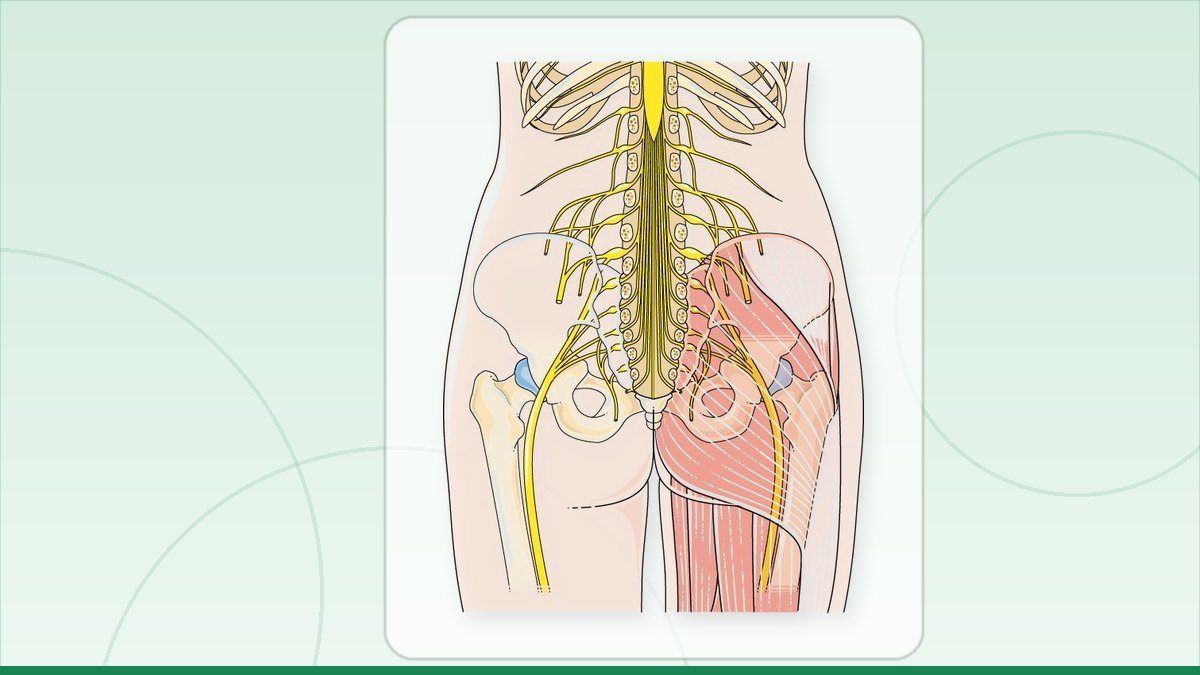
Both cause taang mein dard, but the trouble sits in different places. A slipped disc presses a nerve root inside your lower back. Piriformis syndrome irritates the sciatic nerve under a buttock muscle. Disc pain usually worsens with coughing and bending. Piriformis pain worsens with sitting and hurts on deep buttock pressure.
How do I tell piriformis syndrome from a slip disc at home?
You cannot be certain at home, but the pattern gives you a strong clue. Ask yourself where the pain starts and what makes it worse.
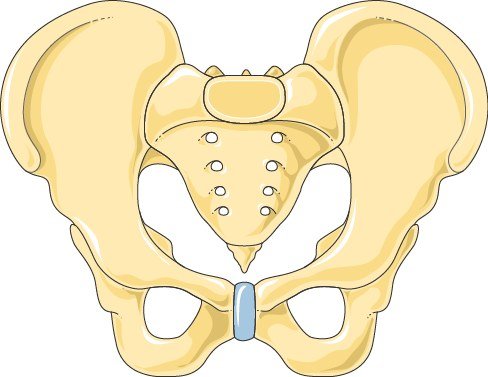
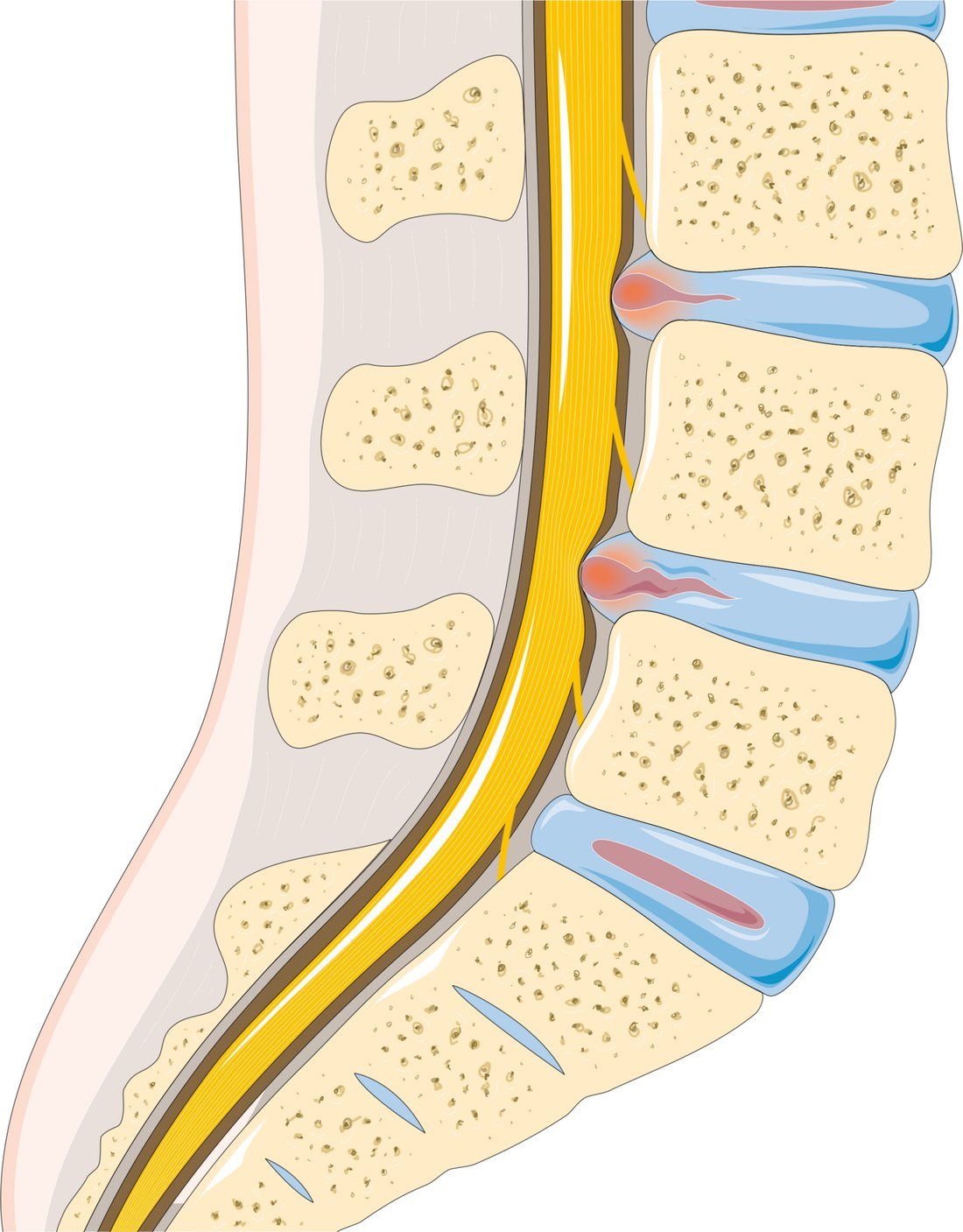
Pain that starts in the kamar, shoots down past the knee into the calf or foot, and gets sharply worse when you cough, sneeze, strain in the bathroom or bend forward is behaving like a disc. That cough test matters. Pressure inside the spine rises when you cough, and a compressed nerve root complains straight away.
Pain that sits deep in one buttock, feels like you are sitting on a stone, is tender when someone presses firmly into the middle of the buttock, and eases when you stand up and walk is behaving more like a piriformis problem. There is often little or no back pain at all. Numbness and weakness are usually absent.
Be honest with yourself about the overlap. Long sitting hurts in both. Both can radiate down the back of the thigh. A person with a disc can also have a tight, painful buttock muscle at the same time. This is exactly why the examination on the table, not the description on the phone, decides the answer.
Is this dangerous? Will I be paralysed?
Piriformis syndrome does not paralyse anyone. It is a soft tissue and nerve irritation problem outside the spine, and it does not damage the spinal cord.
The fear most families arrive with belongs to the other diagnosis, the disc. Even there, permanent paralysis from a lumbar disc is rare. The lower lumbar spine below roughly the first lumbar vertebra contains nerve roots, not spinal cord. A bad disc there causes pain, numbness and sometimes weakness in one leg. It does not typically produce the wheelchair picture people imagine.
There is one situation that is a genuine emergency, and every reader should know it. Go to a hospital the same day if you develop any of these:
- Difficulty passing urine, leaking urine, or losing control of the bowels
- Numbness around the private parts, the inner thighs or the area you sit on
- Weakness in both legs, or a foot that suddenly drops and drags
- Weakness that is getting worse day by day rather than staying the same
That combination is called cauda equina syndrome. It is uncommon, it comes from a large disc, never from a piriformis muscle, and it is treated urgently. Outside of that list, you have time to be assessed properly and to think. Nobody should rush you into an operating theatre for buttock pain.
Why does sitting hurt so much?
Because sitting squeezes the nerve from two directions and you have removed the muscles that normally protect it. This is the single most common complaint from patients with a piriformis problem.
The sciatic nerve passes out of the pelvis through a narrow gap behind the hip joint, and the piriformis muscle runs right across that gap. When you sit, especially on a hard surface, a plastic chair, a wooden bench or a motorcycle seat, your body weight presses the nerve against the underlying bone. If the piriformis is tight or in spasm, the space shrinks further.
Patients notice it most while driving, on long bus journeys to Lahore or Islamabad, during long meetings, and while sitting cross legged on the floor at gatherings. Many describe standing up in the middle of a majlis just to relieve it. Wallets in the back pocket make it worse for some people. So does a very long ride on a bike over rough roads.
Practical relief while you wait for your appointment: stand and walk every twenty to thirty minutes, sit on a cushion rather than bare wood, avoid crossing the affected leg over the other, and take the wallet out of your back pocket. None of this cures anything. It tells you whether the pain is position driven, which is useful information for the doctor.
What actually is the piriformis muscle?
The piriformis is a flat, triangular muscle deep in the buttock. It runs from the sacrum, the bone at the base of the spine, out to the top of the thigh bone. Its job is to rotate the hip outward and to steady the pelvis when you walk.
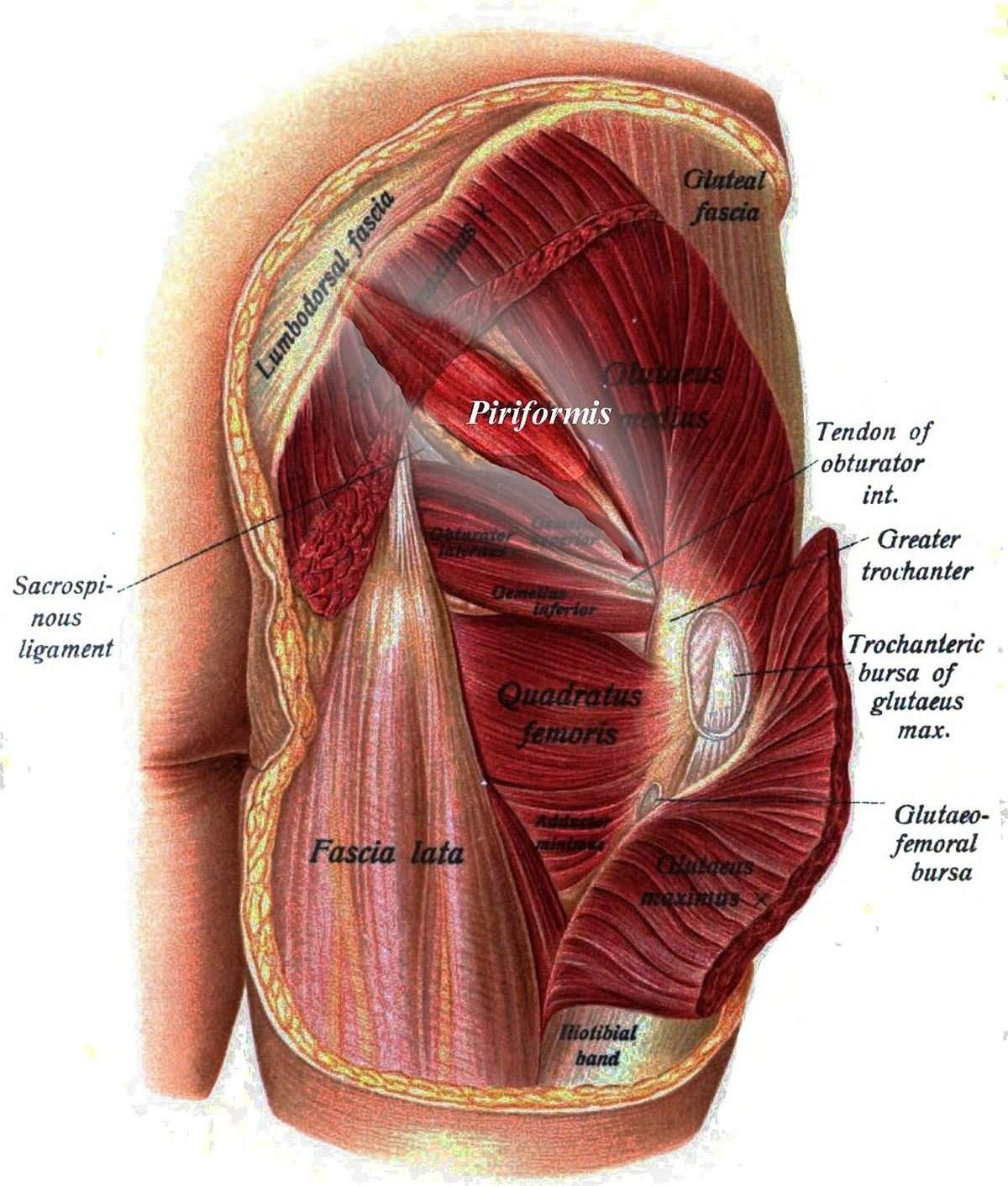
The sciatic nerve, the thickest nerve in the body, travels from the lower back down into the leg and passes directly beneath this muscle in most people. In a minority the nerve pierces the muscle or splits around it. When the muscle becomes tight, swollen or goes into spasm, it can press or rub on that nerve. The result is pain that travels down the back of the thigh and mimics sciatica from a disc.
You should know that many spine and hip specialists now use a broader term, deep gluteal syndrome, because the piriformis is not the only structure in that space that can irritate the nerve. Scar tissue, other small muscles, blood vessels and old injuries can all play a part. The label matters less than the finding that the problem lies behind the hip and not inside the spine.
Common triggers are a fall directly onto the buttock, a long period of unaccustomed sitting, sudden heavy lifting, and a big jump in walking or exercise after months of inactivity.
Do I need an MRI, and what if it comes back normal?
If your leg pain has lasted more than four to six weeks, or if there is any numbness or weakness, an MRI of the lumbar spine is reasonable. It is the test that shows a disc pressing a nerve root, and it rules out the conditions that genuinely need attention.
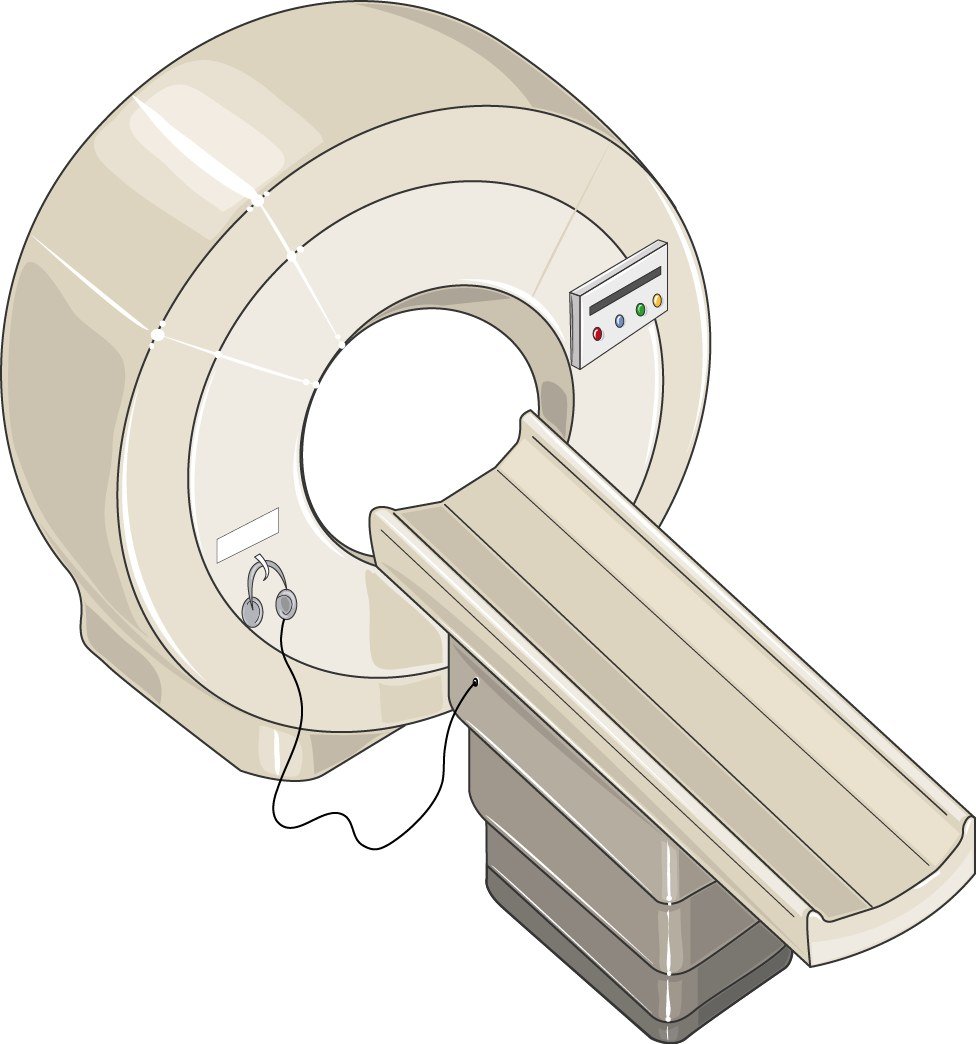
Here is the part that confuses many families. A normal lumbar MRI in someone with real, convincing leg pain does not mean the pain is imaginary and it does not mean the person is exaggerating. It often means the source is outside the spine, and piriformis syndrome is one of the main candidates. There is no scan that reliably proves piriformis syndrome. It remains a clinical diagnosis, made by history and by examination, after the spine has been cleared.
The opposite trap is more common in Pakistan. An MRI is done, it reports a bulging disc, and everyone assumes that must be the cause. Bulges and mild degeneration are extremely common in people over thirty who have no pain at all. A finding on film only counts when the level of the disc matches the exact path of your symptoms and matches what the examination shows. A surgeon who reads your report without examining your leg is not giving you a diagnosis.
Bring the actual MRI images with you, not only the printed report. Films are read again at the consultation.
Can it be treated without surgery?
Yes, and for piriformis syndrome that is the expected outcome for the large majority of patients. Surgery is not the treatment for this condition. Most people improve with a structured plan over several weeks to a few months.
What genuinely helps:
- Physiotherapy with a proper stretching programme. This is the mainstay. Targeted piriformis and hip rotator stretches, glute and core strengthening, and correction of how you sit and walk. It needs weeks of consistency, not two visits.
- Activity change. Break up long sitting, use a cushion, reduce the very activity that reproduces the pain, but keep walking. Complete bed rest makes both piriformis pain and disc pain worse.
- Simple medication. Anti inflammatory tablets and a short course of a muscle relaxant, taken as prescribed and with the stomach protected.
- An image guided injection into the muscle or around the nerve, considered when several weeks of physiotherapy have not been enough. It can settle the inflammation and also help confirm the diagnosis.
A word about what many families try first. Going to a hakeem, taking malish, or having someone walk on the back is very common here, and gentle massage over a tight buttock muscle can genuinely give short term relief in piriformis syndrome. The danger is different. Forceful manipulation of the spine, sudden jerks and pulling on the leg can worsen a real disc problem. If you have weakness in the foot, numbness in the groin, or pain that is escalating week by week, stop the massage and get examined. Time matters when a nerve is under pressure.
When is surgery actually needed, and what kind?
For piriformis syndrome, surgery is uncommon. It is considered only for a small number of patients whose pain has failed months of good physiotherapy and at least one well targeted injection, and where the examination consistently points behind the hip. If a surgeon offers you an operation for buttock pain at the first visit, get a second opinion.
For a disc that is truly compressing a nerve root, the honest picture is this. Most disc patients also do not need surgery. Many lumbar discs settle within six to twelve weeks with medication, physiotherapy and time. Surgery becomes the sensible choice in three situations: leg pain that is severe and has not settled after a reasonable trial of conservative treatment, weakness in the leg or foot that is real on examination, and the emergency signs listed earlier.
When a disc does need removing, endoscopic spine surgery is the approach Dr. M. Abdur Rehman uses most often at Mujahid Hospital, Faisalabad. A small tube carrying a camera and light is passed through an incision under a centimetre, guided to the disc fragment sitting on the nerve, and only that fragment is removed. Muscle is separated rather than cut, blood loss is minimal, and many patients walk the same day and go home within a day. It can often be done under spinal or local anaesthesia with sedation.
Microdiscectomy is the other option, done through a slightly larger incision using an operating microscope. It is a long established, reliable operation, and it remains the better choice for certain disc shapes, positions and repeat cases. Ask which one suits your specific MRI and why. A surgeon who can explain the reason for choosing one over the other is telling you they looked at your films properly.
Nothing here is a promise about your case. Any operation carries risk, including infection, bleeding, nerve irritation and the chance that a disc recurs. Those risks should be explained to you in your own language before you sign anything.
What does it cost in Faisalabad?
Ask for a written quote in PKR before you agree to anything. Say those words at the counter. A verbal figure from a helper in a corridor is not a quote.
The range is wide across Punjab. A government teaching hospital, a trust hospital and a private setup in Faisalabad, Lahore or Islamabad will quote very differently for the same procedure, and the cheapest headline number is often the one that grows the most later. What changes the total is the type of anaesthesia, how many nights you stay, the consumables used, and whether imaging and follow up are inside or outside the package.
Your written estimate should list, item by item:
- The surgeon's fee and the anaesthesia fee separately
- Operation theatre charges and disposables or consumables
- Room type and the number of nights included, and the charge per extra night
- Pre operation tests and any MRI or X ray still required
- Post operation physiotherapy and how many follow up visits are free
For a piriformis problem, the cost conversation is usually much smaller: a consultation, physiotherapy sessions over some weeks, and possibly one injection. If someone quotes you a large surgical package for buttock pain that has not yet had proper physiotherapy, that is your signal to pause and ask more questions.
What should I do next?
Do these three things, in order.
First, note the pattern for a week. Where does the pain start, how far down does it go, does coughing make it jump, does deep pressure in the buttock reproduce it, how long can you sit before you must stand. Write it on one page. This costs nothing and is more useful to a surgeon than most reports.
Second, get examined by someone who examines. Bring your MRI films if you have them, the list of medicines you have taken and for how long, and bring one family member who will remember the answers. Decisions here are made by families, and it helps when the person who will drive you and pay the bill has heard the same explanation you did.
Third, expect an honest answer about whether you need an operation at all. Many people who come to a spine clinic in Faisalabad convinced they need surgery walk out with a physiotherapy plan instead, and that is a good outcome, not a wasted visit. If you are searching for the best endoscopic spine surgeon in Faisalabad, judge them by whether they are willing to tell you that you do not need surgery.
Dr. M. Abdur Rehman is a consultant neurosurgeon practising at Mujahid Hospital, Faisalabad. Come with your films and your questions. Ask about both endoscopic surgery and microdiscectomy, ask what happens if you do nothing for three months, and do not sign a consent form the same hour you first hear the diagnosis unless it is an emergency.
Questions patients ask about this
Can piriformis syndrome and a slipped disc happen together?
Yes, and it is common. A person with an irritated nerve root often walks differently, which tightens the buttock muscles on that side. Treating only one part leaves pain behind. A proper examination separates how much of your pain comes from the spine and how much from the deep buttock.
Is massage or a hakeem safe for this pain?
Gentle massage over a tight buttock muscle can relieve piriformis pain for a while. Forceful spinal manipulation, jerking the leg or someone walking on your back can worsen a real disc. Stop all of it and get examined if you have foot weakness, numbness in the groin, or pain that keeps increasing.
My MRI is normal but my leg still hurts. What now?
A normal lumbar MRI with genuine leg pain often means the source lies outside the spine. Piriformis syndrome and other deep gluteal causes are diagnosed by examination, not by scan. It also does not mean you must live with it. Structured physiotherapy helps most of these patients within weeks.
How long before piriformis pain goes away?
Most people improve over several weeks to a few months with consistent stretching, physiotherapy and changes to how long they sit. Improvement is gradual and uneven, with good days and bad days. If there is no meaningful change after six to eight weeks of real physiotherapy, go back and be reassessed.
Does endoscopic surgery treat piriformis syndrome?
Endoscopic spine surgery treats discs pressing a nerve root inside the spine, which is a different problem. Surgery for a stubborn piriformis or deep gluteal problem exists but is uncommon and reserved for patients who have failed months of physiotherapy and injections. Most people with this condition never need an operation.
Related articles
Spinal tumours: rare, but this is how they present
Spinal tumor symptoms explained: night pain, pain at rest and weakness that keeps getting worse. When you…
Read this
TB of the spine (Pott disease) in Pakistan: what to know
Spine TB treatment in Pakistan: Pott disease is cured mostly with months of medicine. Know when surgery is…
Read this
Osteoporotic spine fracture: sudden back pain in older adults
Sudden back pain in an older adult often means a vertebral compression fracture. What it is, when it heals…
Read thisAll patient questions · Spine surgery in Faisalabad · Book an appointment
Ask about your own scan. Send your MRI or X-ray on WhatsApp and get a straight answer on whether surgery is needed at all, from a consultant neurosurgeon in Faisalabad.
Dr. M. Abdur Rehman is a consultant neurosurgeon in Faisalabad. Send your scan on WhatsApp and ask what it actually shows.
Published for the practice of Dr. M. Abdur Rehman, consultant neurosurgeon, Mujahid Hospital, Faisalabad. General information only, not a substitute for examination.