
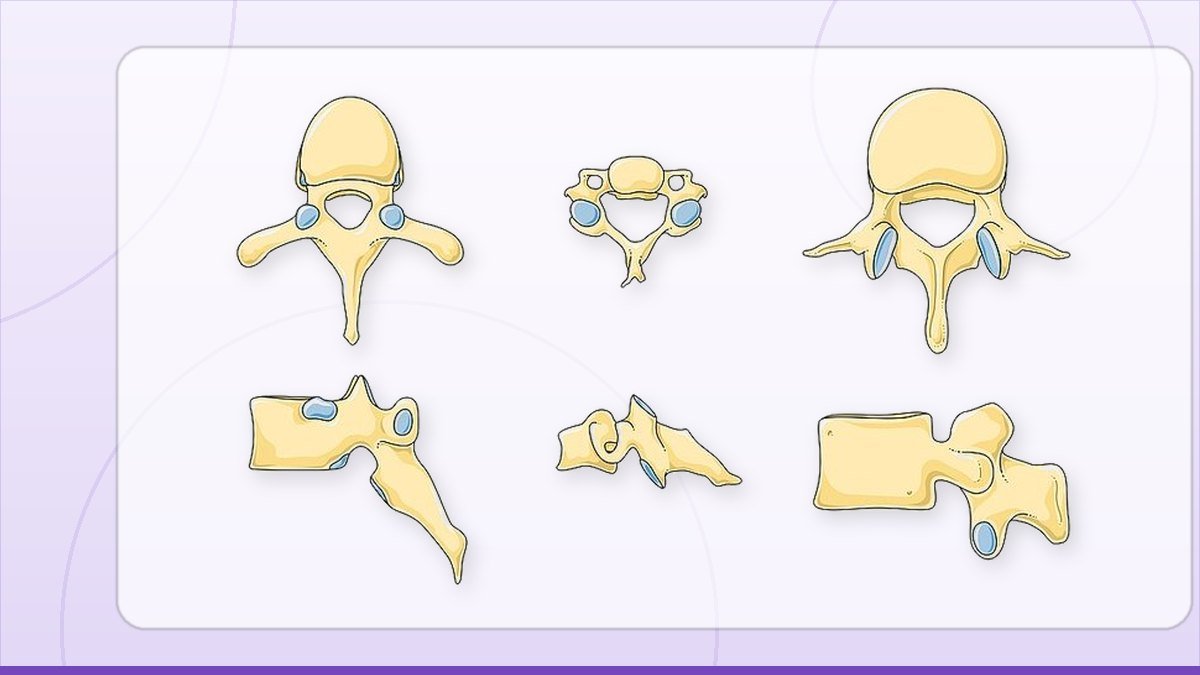
Delaying spinal fusion when it is genuinely needed is not a neutral choice. The signs worth acting on, and what waiting actually risks, matter more here than the operation itself. If cost is the reason for delay, travelling abroad for a cheaper price usually looks different once flights, an attendant’s stay and follow up are counted.
What this page covers: how to check a fusion recommendation before you agree to it.
For the rest:
Do you really need spinal fusion surgery?
This is answered in full on whether fusion is genuinely needed, so it is not repeated here.
Is spinal fusion surgery safe? Will I be paralysed?
This is answered in full on whether spinal fusion is dangerous, so it is not repeated here.
Is this fusion, or would a discectomy do?
Fusion and discectomy are different operations for different problems, and which one your scan needs is the single question worth settling before anything else. That comparison is set out in full in before you sign a spinal fusion consent form, so it is not repeated here.
Is laser spine surgery effective, and is it the same as endoscopic surgery?
This is answered in full on what laser spine surgery actually means, so it is not repeated here.
What does spinal fusion surgery cost in Pakistan?
This is answered in full on what a fusion quote should include, so it is not repeated here.
Is it worth travelling abroad, like to Egypt, for cheaper spine surgery?
Wondering whether spine surgery is actually cheaper abroad, in Egypt, Turkey or Dubai? What the advertised price usually leaves out, and the one question that matters more than the airfare, has its own page: Travelling abroad for spine surgery: is it actually cheaper?
What are the signs your back or leg pain actually needs a surgeon?
Most kamar dard settles with rest, physiotherapy, and time, and does not need a surgeon at all. A few signs mean it is time to get an MRI and a proper opinion rather than trying another round of hakeem or massage.
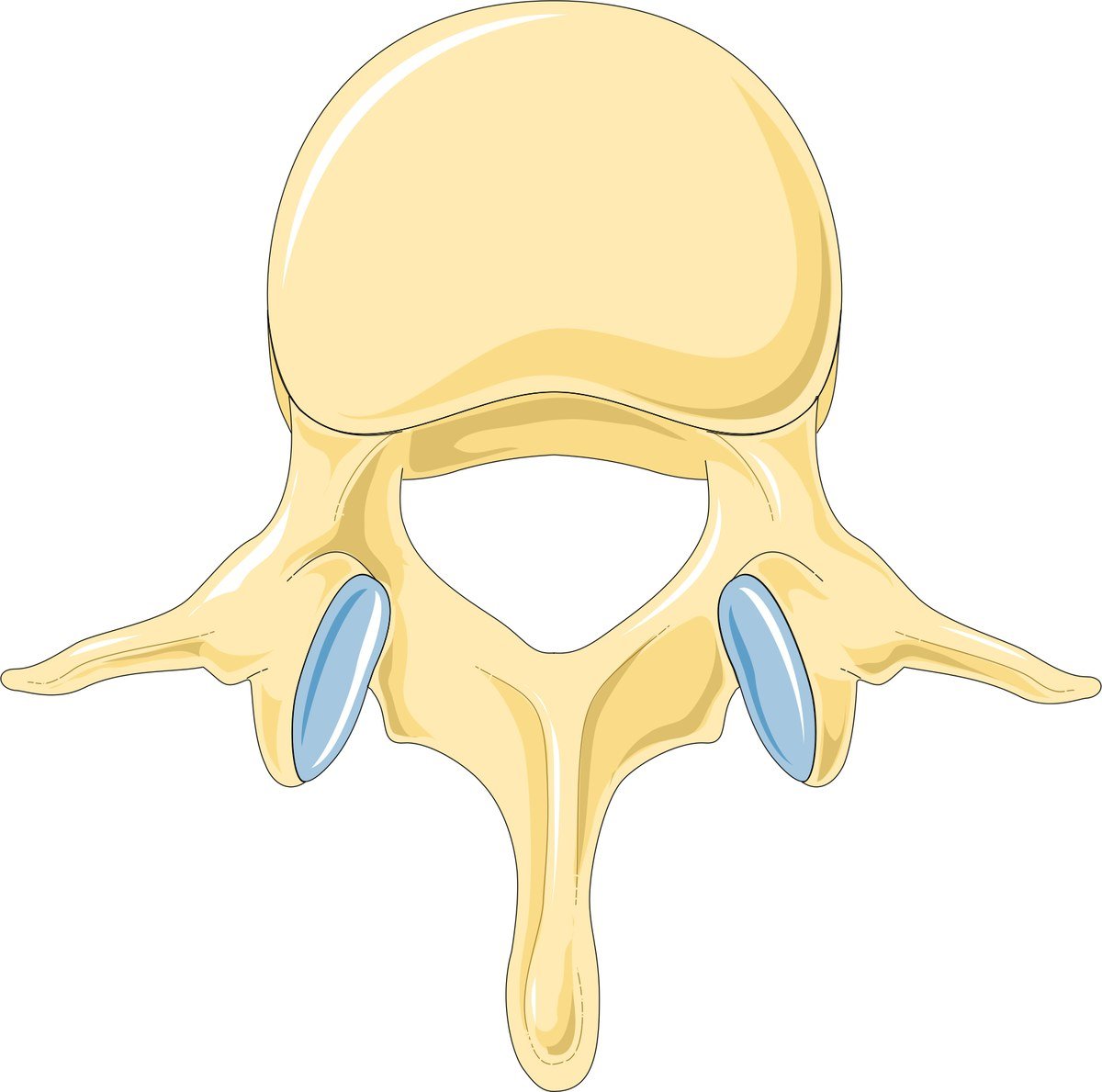
- Leg pain (taang mein dard) that is now worse than the back pain, especially if it runs below the knee
- Numbness, tingling, or weakness in the foot or leg, such as difficulty lifting the front of the foot
- New difficulty controlling the bladder or bowel, or numbness around the saddle area, which needs urgent same-day assessment
- Pain that has not improved after several weeks of proper conservative treatment
- A known fracture, infection, cancer history, or a spine that visibly looks curved or shifted
Even then, most of these situations are treated with a disc operation, not fusion. Fusion is considered separately, once imaging shows the spine itself is unstable rather than just a nerve being pinched.
What happens if fusion is genuinely needed but you delay it?
When fusion is recommended because of real instability, such as a worsening slip, a fracture, or a spine losing its shape, delay lets the underlying problem progress rather than stay the same. The vertebra can slip further, nerves can become more compressed, and the operation needed later is often bigger than the one that would have been needed earlier.
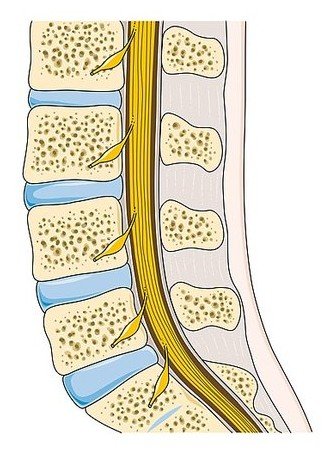
This is different from ordinary back pain, where waiting and trying conservative treatment first is usually the right and safe choice. The distinction is instability versus pain, and it is made on an MRI or CT scan and a careful clinical examination, not on how bad the pain feels on a given day.
If a surgeon tells you fusion is needed, ask to see the actual imaging finding that shows instability, in plain language, so the decision makes sense to you and your family rather than being taken on trust alone.
What should you do next?
Get an MRI if you have not already, and get a second opinion before agreeing to any operation described as fusion, especially if no one has shown you the actual instability on the scan. A second opinion is a normal, expected step for a decision this size, not an insult to the first surgeon.
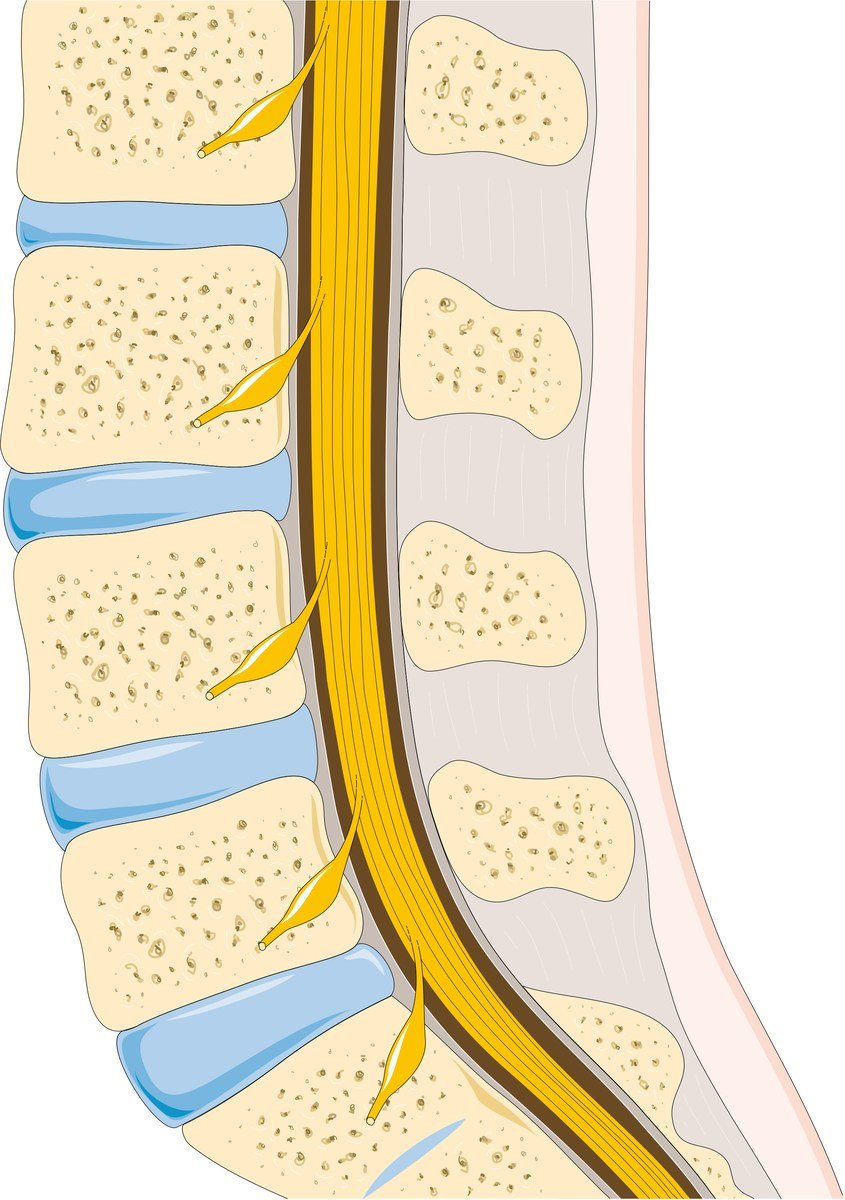
Bring the MRI films or disc, not just the report, so the second opinion is based on the same images. Ask for a written quote from any hospital being considered, listing the surgeon's fee, hospital stay, and implants separately if fusion is being discussed.
Dr. M. Abdur Rehman is a consultant neurosurgeon and spine surgeon practising at Mujahid Hospital, Faisalabad, with a particular focus on endoscopic spine surgery for patients whose problem turns out to be a disc or nerve rather than an unstable spine. If you are trying to work out whether your case needs fusion, a smaller endoscopic operation, or no surgery at all, book a consultation for a plain-language read of your MRI before deciding. For patients weighing their options, finding the best spine surgeon in Faisalabad starts with getting more than one opinion and seeing your own scan explained clearly.
Spinal fusion surgery in Faisalabad Read the full page on spinal fusion surgery in faisalabad, including who it suits, what recovery looks like and how to arrange a review.
Questions patients ask about this
Is laser spine surgery the same as endoscopic spine surgery?
Not quite. Endoscopic spine surgery is the camera-guided technique that reaches the disc through a small tube. A laser is sometimes used as one tool within that technique to shrink tissue, but it is not a separate operation. What matters more than the word laser is whether your MRI actually fits this approach.
Can a slipped disc be treated without spinal fusion?
Yes, in the great majority of cases. A slipped disc pressing on a nerve is usually treated by removing the piece of disc through a microdiscectomy or endoscopic discectomy, which leaves the spine moving normally. Fusion is only added when the disc problem comes with genuine instability at that level, which is uncommon.
How long is recovery after spinal fusion compared to endoscopic discectomy?
Endoscopic discectomy usually allows walking the same day and a return to light activity within a few weeks. Spinal fusion needs longer in hospital and several months for the bone to fuse solidly around the implants, with activity built up gradually under the surgeon's guidance during that time.
Should I get a second opinion before agreeing to spinal fusion?
Yes. Fusion is a bigger, harder-to-reverse operation than a disc procedure, so a second opinion is a reasonable and normal step, not a sign of distrust. Bring your MRI films to the second surgeon so they are reading the same images, not just the first report.
Related articles
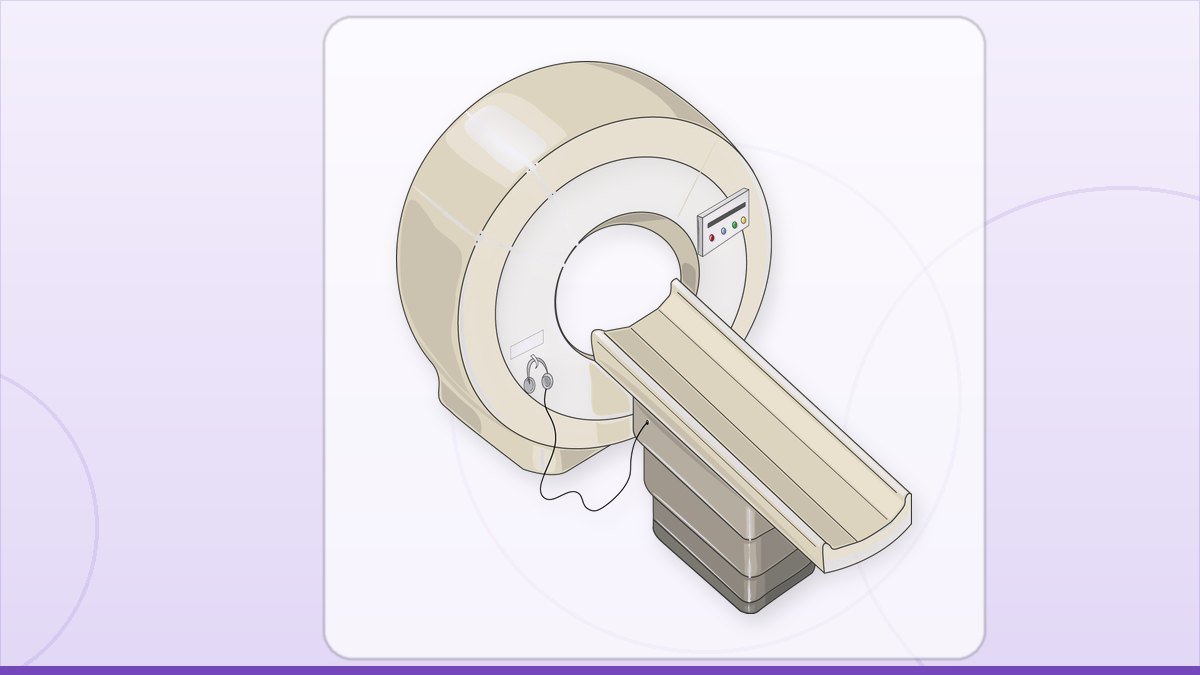
The metal in your back: implants, MRI scans and airport gates
Spine implants after surgery: are they MRI-safe, will they trigger airport metal detectors, and do you…
Read this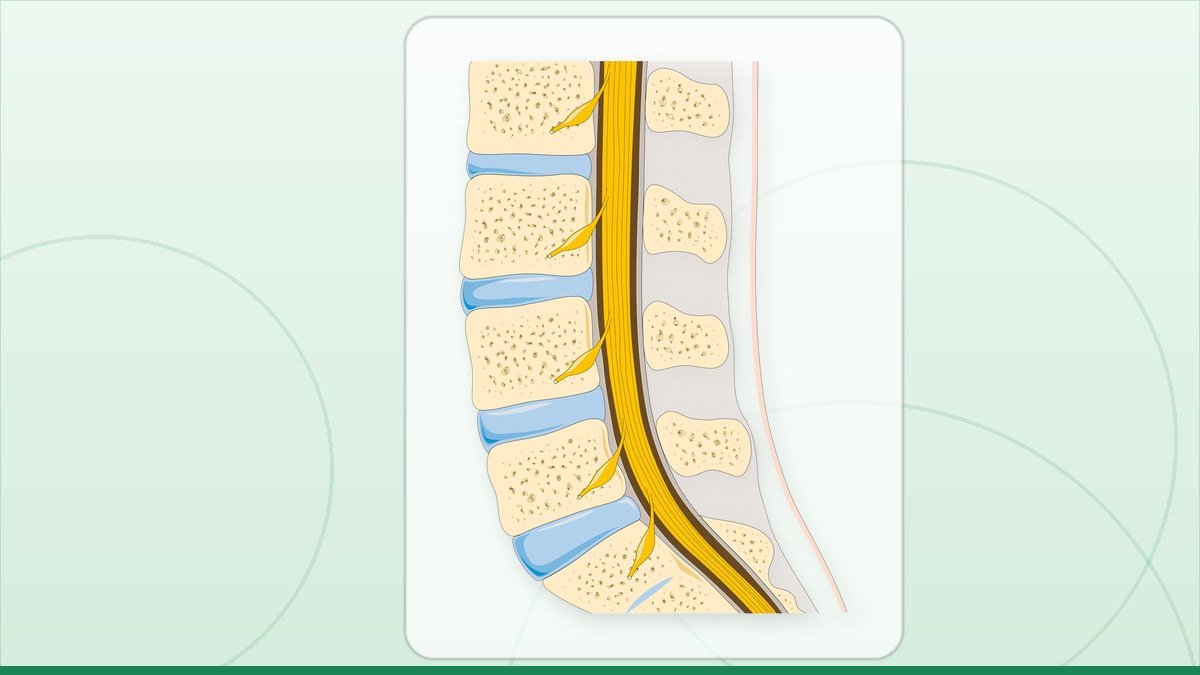
Lumbar spine: the five discs that cause most back pain
Most lumbar spine problems start at the L4-L5 or L5-S1 disc. Learn the causes, when surgery is needed, and…
Read this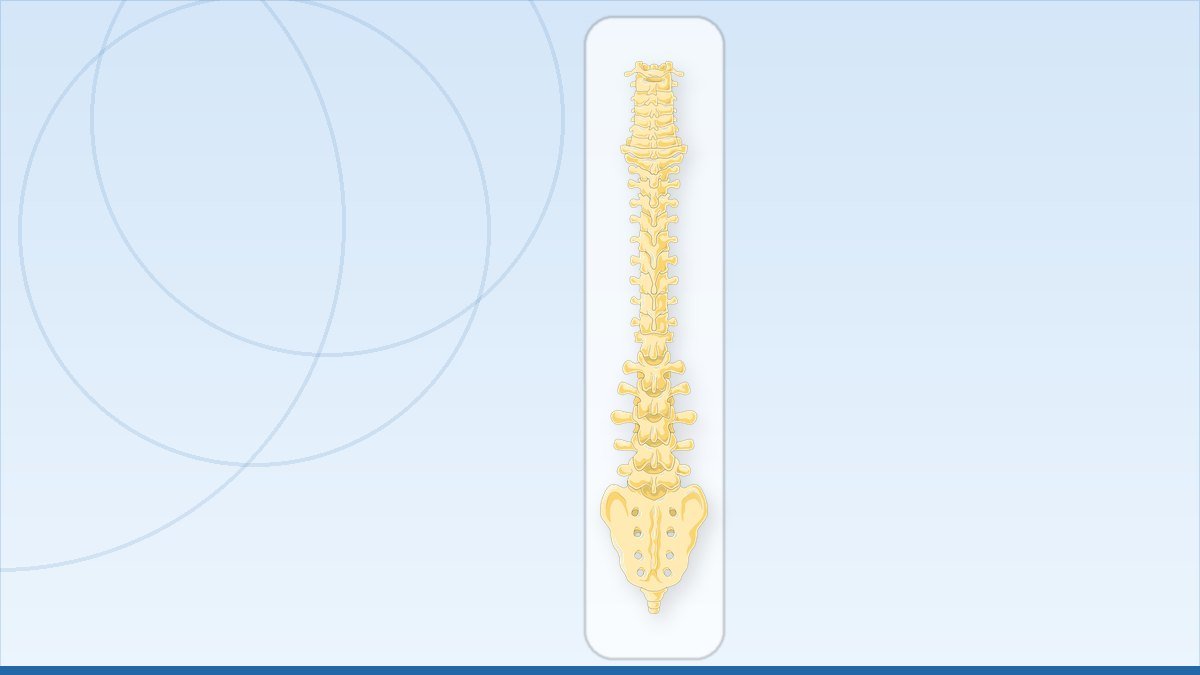
L4-L5 and L5-S1: why these two levels break first
Why do L4-L5 and L5-S1 break first? What an l4 l5 disc problem means, whether you need surgery, and how…
Read thisAll patient questions · Spine surgery in Faisalabad · Book an appointment
Ask about your own scan. Send your MRI or X-ray on WhatsApp and get a straight answer on whether surgery is needed at all, from a consultant neurosurgeon in Faisalabad.
Dr. M. Abdur Rehman is a consultant neurosurgeon in Faisalabad. Send your scan on WhatsApp and ask what it actually shows.
Published for the practice of Dr. M. Abdur Rehman, consultant neurosurgeon, Mujahid Hospital, Faisalabad. General information only, not a substitute for examination.