
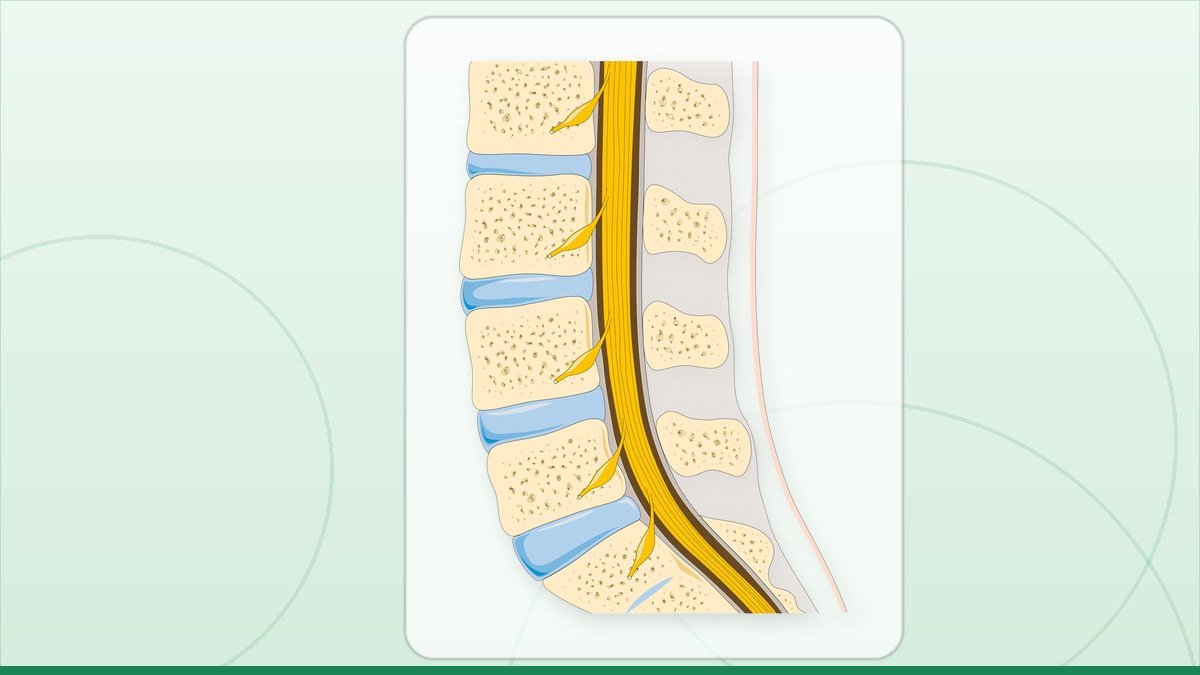
Most lumbar spine problems come from the two lowest discs, L4-L5 and L5-S1, because they carry the most load and bend the most. Wear, bulging, or herniation here causes kamar dard and taang mein dard (sciatica). Most cases improve with rest, physiotherapy, and medicine; only a minority need surgery.
Which lumbar discs cause most back pain and lumbar spine problems?
The lumbar spine has five discs, from L1-L2 down to L5-S1. The lowest two, L4-L5 and L5-S1, carry the most weight and bend the most every time a person sits, bends, or lifts, so they wear out first and herniate more often than the discs above them.
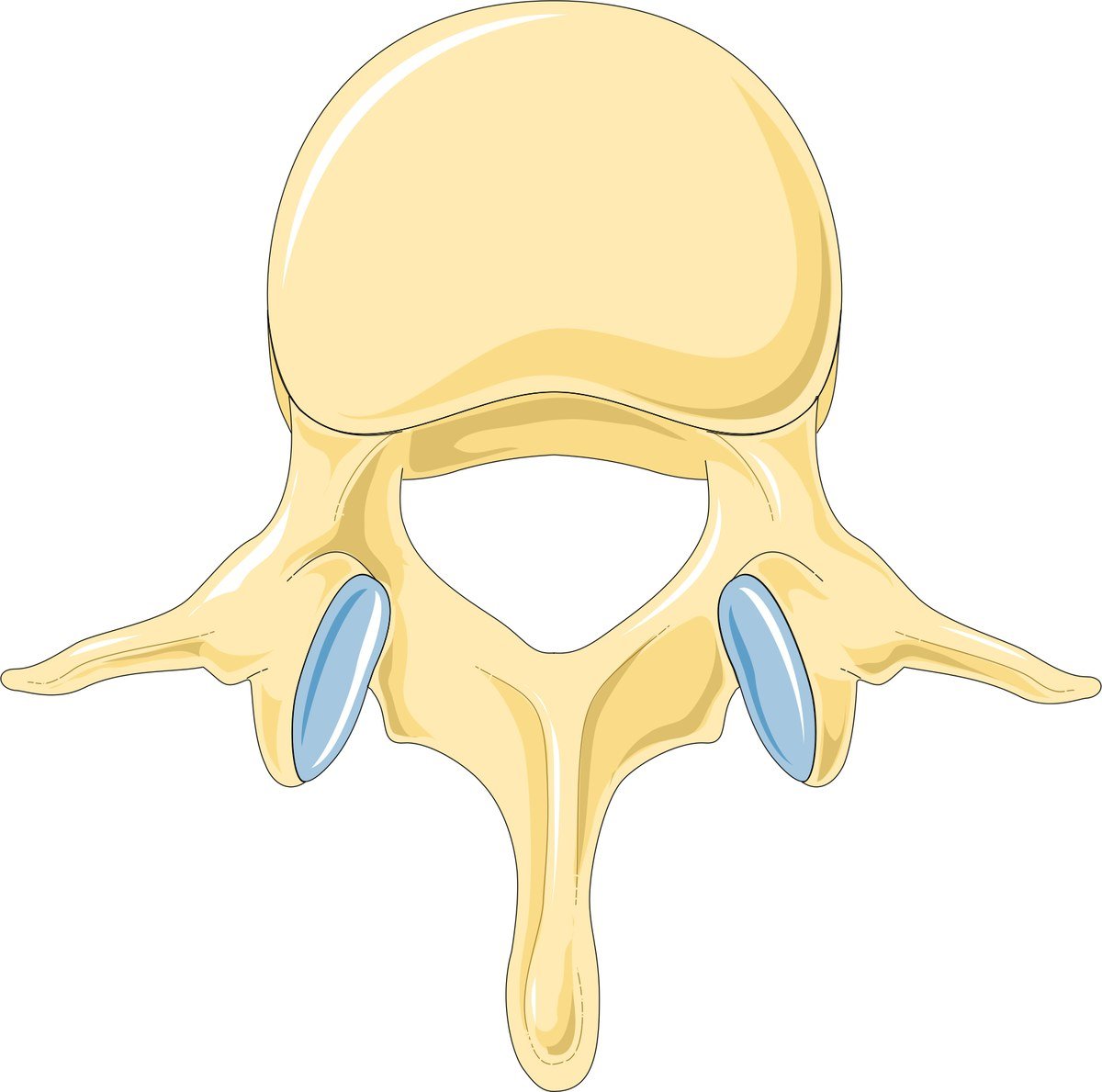
Most lumbar spine problems, the kamar dard that travels into one leg (taang mein dard), start at one of these two levels. Problems at L1-L2 or L2-L3 are far less common, and when they do occur they are more likely to need a wider work-up because the pattern is less typical.
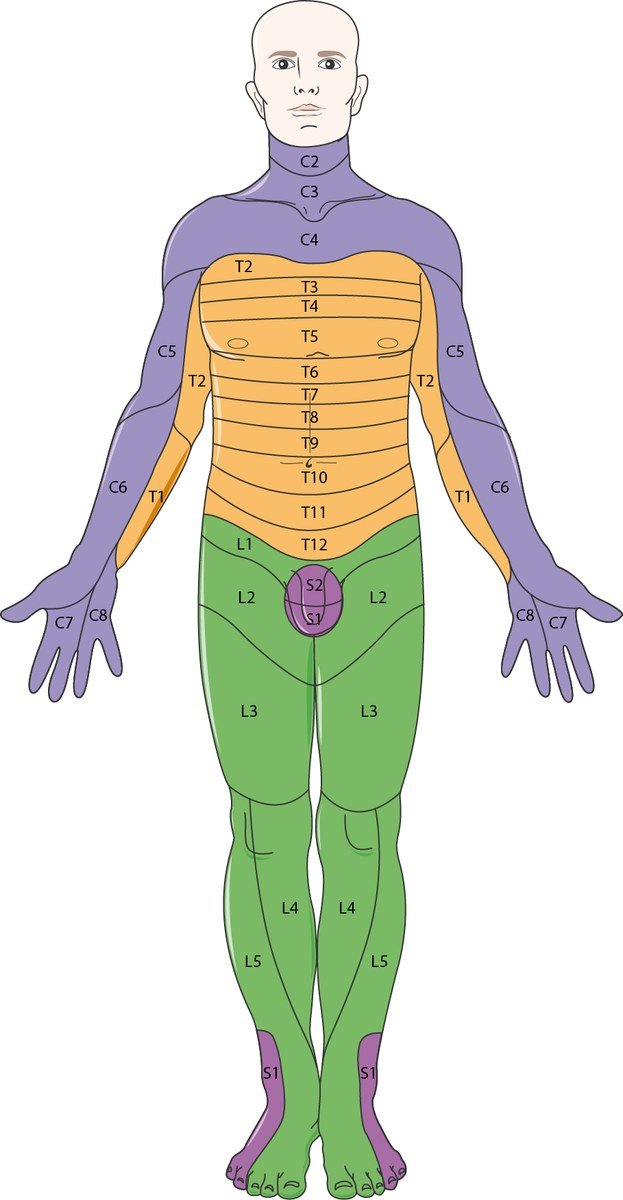
Knowing which disc is involved matters because it decides which nerve is affected, and which leg, thigh, or foot the pain, numbness, or weakness will follow.
Is endoscopic spine surgery safe, will I be paralysed?
Paralysis from a herniated lumbar disc, or from surgery to treat one, is rare. The spinal cord itself ends higher up in the back, around L1, so a slipped disc lower down presses on a single nerve root, not the spinal cord, which is why the usual result is leg pain or numbness rather than paralysis.
Endoscopic spine surgery removes the piece of disc pressing on that nerve through a small tube, under continuous camera view, with the surgeon able to see the nerve throughout the procedure. As with any operation there are risks, infection, nerve irritation, a small tear in the covering around the nerves, or the disc herniating again later.
Serious permanent nerve damage is uncommon. The useful question for a family to ask is not whether surgery carries zero risk, no surgery does, but how the surgeon plans to reduce those specific risks, and what the plan is if something does not go smoothly.
When should I worry, red flags that need same-day attention?
Most back and leg pain can safely wait a few weeks for treatment to work. A small number of symptoms cannot.
- Loss of control over the bladder or bowels
- Numbness in the saddle area, between the legs, as if sitting on a bicycle seat
- A leg that is getting weaker day by day, not just painful
These can point to cauda equina syndrome, a rare but urgent compression of the nerve bundle at the base of the spine, which needs surgery within hours, not weeks. Go to a hospital emergency department the same day if any of these appear.
Ordinary sciatica pain, however severe, is not by itself an emergency. It is the loss of bladder, bowel, or motor control that changes the timeline.
Do I need surgery for kamar dard and taang mein dard?
Most lumbar spine problems do not need surgery. A bulging or herniated disc often shrinks on its own over some weeks as the body reabsorbs the leaked material, and pain settles with rest from aggravating positions, physiotherapy, anti-inflammatory medicine, and time.
Many families try a hakeem, cupping, or massage first. For ordinary muscular back pain that can bring some relief, but for a true disc problem with leg pain it usually only delays proper treatment.
Surgery is usually considered when pain and leg symptoms have not improved after six to eight weeks of correctly followed conservative treatment, when the pain is disabling enough to stop work or sleep, or when a nerve is visibly weakening on examination rather than just painful.
An MRI finding on its own is not a reason for surgery. The scan has to match what the patient is actually feeling and how the examination looks.
What does an MRI actually show, and do I need one?
An MRI of the lumbar spine shows the discs, nerves, and spinal canal in detail, without radiation. It confirms which disc is involved, whether it is bulging or herniated, and whether it is pressing on a nerve root.
It is usually ordered after a course of conservative treatment has failed, or sooner if there are red flag symptoms or significant leg weakness.
It helps to know that disc bulges show up on the MRI scans of many people who have no pain at all, especially after the age of thirty. Because of this, an MRI report should always be read alongside the patient's actual symptoms and physical examination, not treated as a stand-alone verdict.
What is endoscopic spine surgery, and how is it different from microdiscectomy?
Endoscopic spine surgery removes the herniated part of a disc through a single small incision, usually under a centimetre, using a thin tube fitted with a camera and instruments. The surgeon works under continuous camera view, often with the patient awake or lightly sedated, watching for how the nerve responds during the procedure.
Microdiscectomy aims at the same target, removing the disc fragment pressing on the nerve, through a slightly larger open incision viewed through an operating microscope. It is a well established, effective operation in its own right.
Both are proven approaches to the same problem. The practical differences are incision size, how much surrounding tissue is disturbed, and typically how quickly a patient is back on their feet and out of hospital.
Is laser spine surgery effective, and is it different from endoscopic surgery?
"Laser spine surgery" is largely a marketing term rather than a distinct operation. In practice, a laser probe is sometimes used as one tool inside an endoscopic procedure, to shrink or vaporise a small amount of disc tissue, it is not a stand-alone surgery on its own.
Advertisements that describe a separate, faster, or scarless "laser surgery" are usually overstating what the laser itself does. What actually determines the outcome is whether the disc fragment pressing on the nerve has been properly removed and the nerve decompressed, not which instrument was used to do it.
Patients comparing options are better off asking what technique is actually being used and why, rather than choosing based on the word laser alone.
What does endoscopic spine surgery cost in Pakistan?
Cost varies by hospital, the surgeon's fee, the disc level involved, anaesthesia, and length of hospital stay, so there is no single figure that applies to every patient.
Treatment within Punjab typically costs a fraction of the same operation abroad, and it avoids the visa, flight, and accommodation expenses that come with travelling overseas for surgery.
Before agreeing to any date, ask the hospital and the surgeon's office for a written quote that itemises the surgeon's fee, hospital charges, any implants, and the expected length of stay. This lets a family compare it against other centres and plan finances without surprises afterward.
For the full cost breakdown, see what endoscopic spine surgery costs in Pakistan.
What should I do next?
Start with a proper clinical examination and, if needed, an MRI, rather than deciding from an X-ray or a scan report alone.
If conservative treatment has genuinely failed after six to eight weeks, or if any red flag symptoms appear, ask for an assessment from a spine specialist before committing to any surgery date. Bring the MRI disc and reports to the consultation, and write down questions beforehand so nothing gets missed.
For families in Faisalabad and nearby districts, the practical next step is a clinic visit with a consultant neurosurgeon who treats lumbar spine problems regularly, not a quick decision to operate. Dr. M. Abdur Rehman at Mujahid Hospital, Faisalabad treats these conditions with both endoscopic spine surgery and microdiscectomy, and is a reasonable place to start if you are searching for the best endoscopic spine surgeon in Faisalabad.
Lumbar spine surgery in Faisalabad Read the full page on lumbar spine surgery in faisalabad, including who it suits, what recovery looks like and how to arrange a review.
Questions patients ask about this
Can a slipped disc heal without surgery?
Yes, in most cases. A bulging or herniated disc often shrinks over some weeks as the body reabsorbs the leaked material, and pain and leg symptoms improve with rest, physiotherapy, and anti-inflammatory medicine. Surgery becomes a real option mainly if this does not happen after six to eight weeks, or if a nerve is genuinely weakening.
How long does recovery take after endoscopic spine surgery?
Many patients are up and walking the same day or the next, and many go home within a day or two. Return to light daily activity is often within one to two weeks, with heavier lifting and strenuous work usually avoided for around six weeks, depending on the surgeon's advice and the disc level treated.
Is endoscopic spine surgery safe, will I be paralysed?
Serious permanent nerve damage is uncommon with endoscopic spine surgery, since the surgeon works under direct camera view and watches the nerve throughout the procedure. As with any operation there are risks, infection, nerve irritation, or recurrence, and these should be discussed clearly with the surgeon before deciding.
What is the difference between endoscopic surgery and microdiscectomy?
Both remove the disc fragment pressing on a nerve and aim at the same result. Endoscopic surgery uses a smaller incision and a camera-guided tube, usually with less tissue disturbance and a quicker return to activity. Microdiscectomy uses a slightly larger incision under a microscope and is an equally established, effective procedure.
How much does spine surgery cost in Pakistan compared to going abroad?
Costs vary by hospital, surgeon, and disc level, so always ask for a written, itemised quote before deciding. Treatment within Pakistan, including in Punjab, generally avoids the visa, travel, and accommodation costs of going abroad, and lets family stay close during recovery, which matters for aftercare and follow-up visits.
Related articles
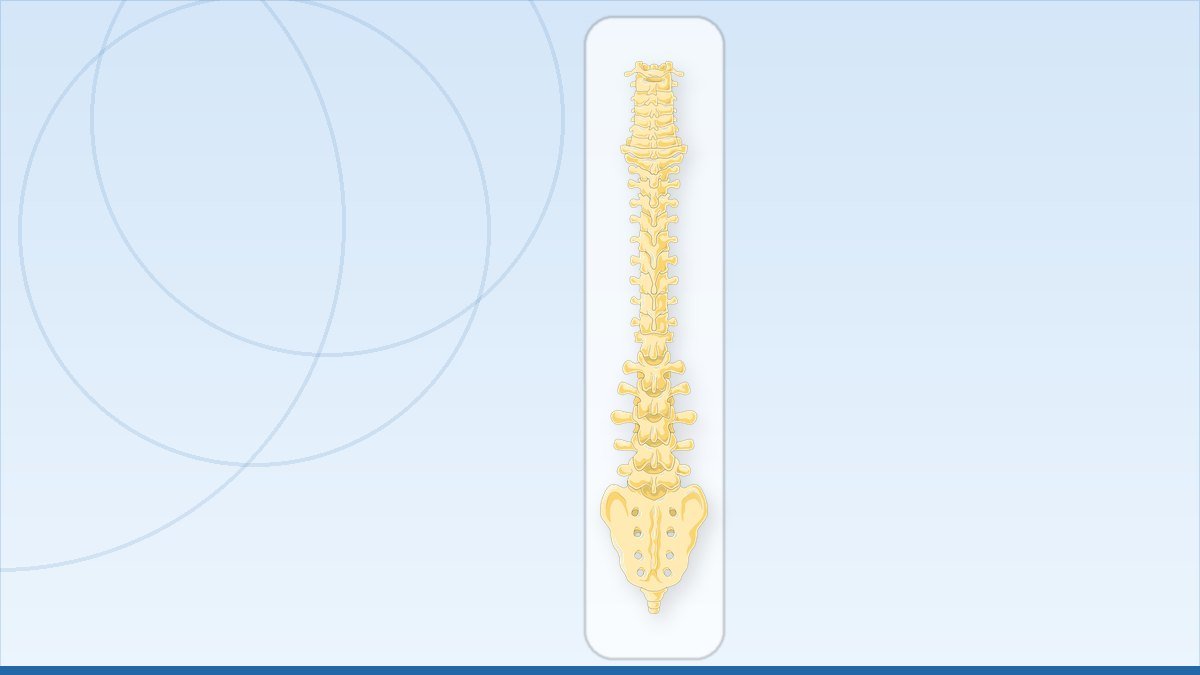
L4-L5 and L5-S1: why these two levels break first
Why do L4-L5 and L5-S1 break first? What an l4 l5 disc problem means, whether you need surgery, and how it's…
Read this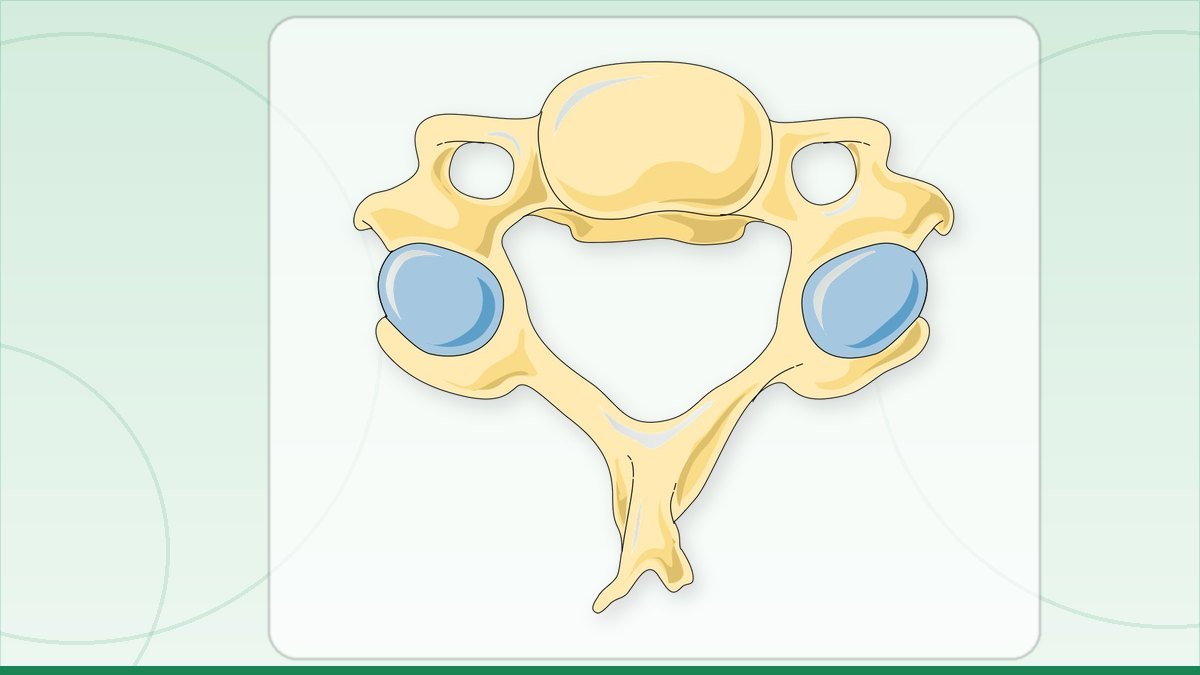
Cervical spine: neck pain, arm pain and the nerves in between
Neck pain, arm pain, or numbness? Learn what causes cervical spine problems, when cervical spine treatment…
Read this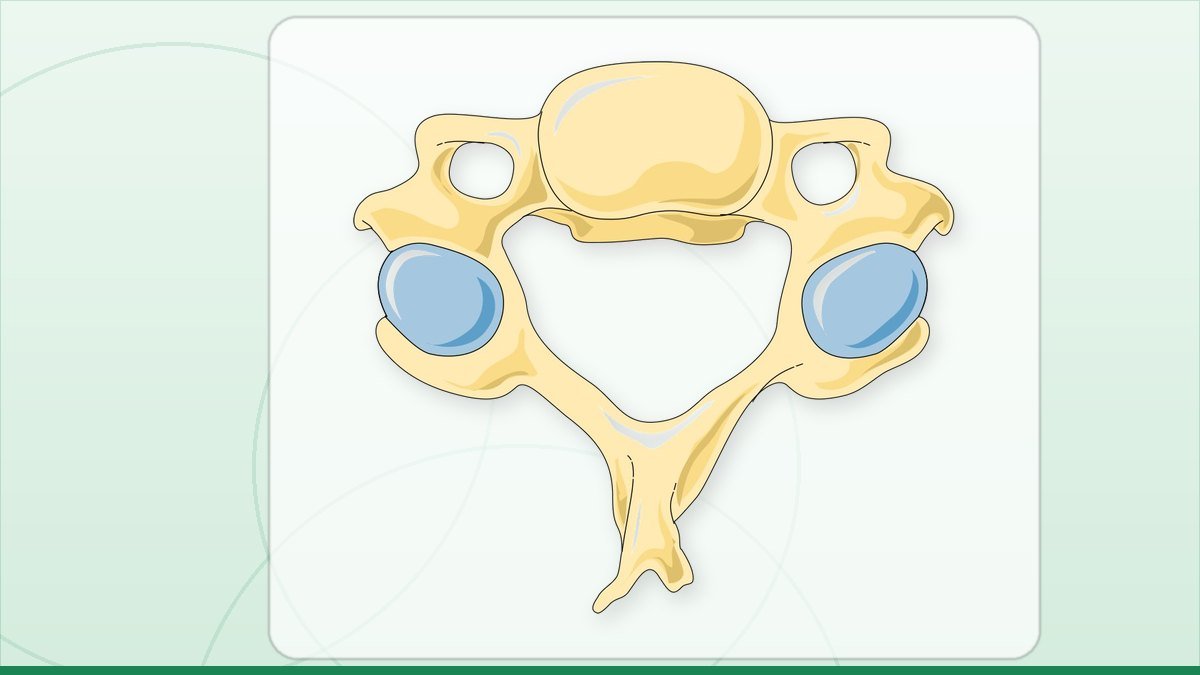
Neck disc surgery: what is removed and what replaces it
Cervical disc surgery explained: what's removed, what replaces it, whether you need it, safety, recovery and…
Read thisAll patient questions · Spine surgery in Faisalabad · Book an appointment
Ask about your own scan. Send your MRI or X-ray on WhatsApp and get a straight answer on whether surgery is needed at all, from a consultant neurosurgeon in Faisalabad.
Dr. M. Abdur Rehman is a consultant neurosurgeon in Faisalabad. Send your scan on WhatsApp and ask what it actually shows.
Published for the practice of Dr. M. Abdur Rehman, consultant neurosurgeon, Mujahid Hospital, Faisalabad. General information only, not a substitute for examination.