
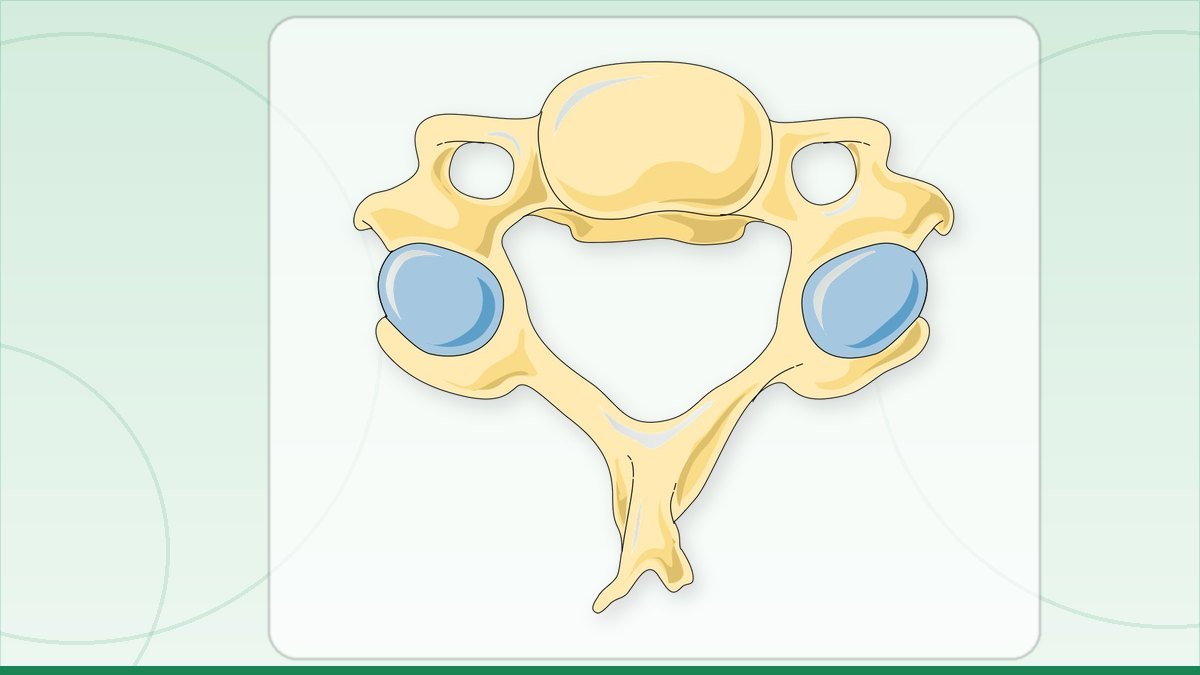
Cervical spine treatment ranges from rest, physiotherapy, and medicines for mild neck pain, to injections or surgery when a disc or bone spur presses on a nerve or the spinal cord. Most neck pain settles without surgery. Surgery is considered only when there is nerve compression causing weakness, numbness, or pain that has not responded to weeks of proper non-surgical care.
What is cervical spine treatment and when do I need it
The cervical spine is the neck part of the backbone, seven small bones (vertebrae) stacked with discs between them, and nerves running down into both arms. Cervical spine treatment simply means whatever is needed to fix a problem in this area, and for most people that is not surgery at all.
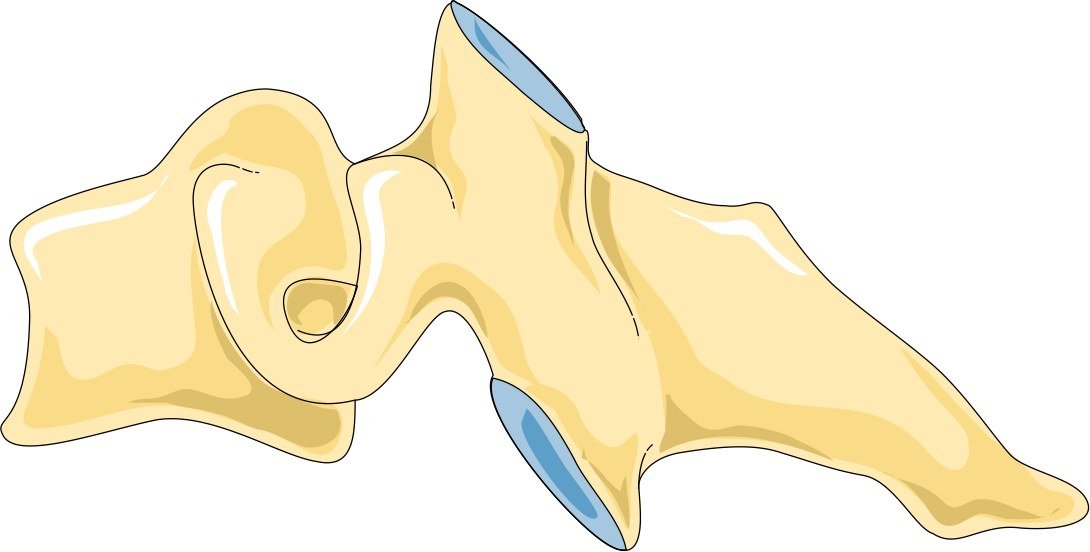
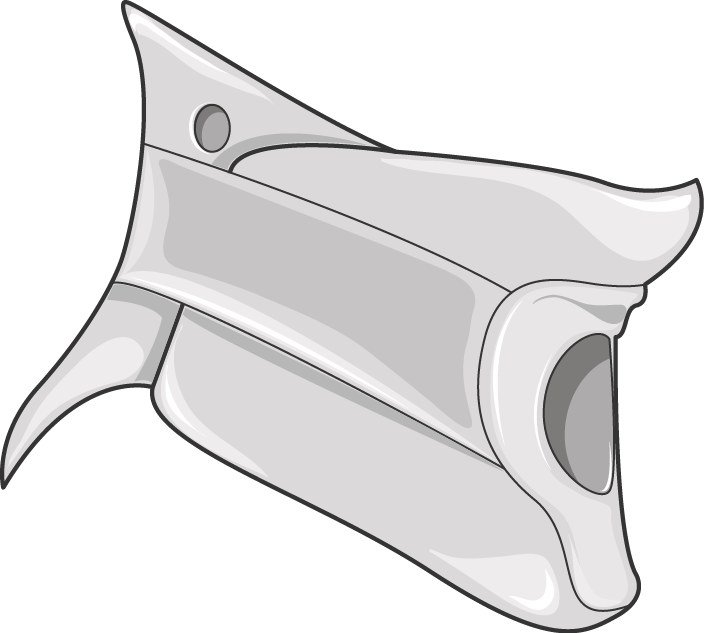
If the pain is only in the neck and shoulders, if it moves around with posture or a bad night's sleep, and if there is no numbness or weakness in the hand or arm, this is very often muscular strain, a stiff joint, or a mild disc bulge. It responds to rest, gentle physiotherapy, and time.
Treatment moves toward investigation and possibly surgery when pain travels down one arm past the elbow, when there is numbness or tingling in specific fingers, or when grip or arm strength is getting weaker. That pattern points to a nerve being pinched, usually by a disc or a bone spur (cervical spondylosis), and it needs an MRI to confirm.
Is neck or spine surgery safe, will I be paralysed
Modern cervical spine surgery, done for the right reason by a trained neurosurgeon, is safe, and permanent paralysis from it is rare. The fear is understandable, most Pakistani families have heard a story about someone who "never walked again after an operation on the rerh ki haddi (backbone)", but those stories are almost always about surgery done for the wrong reason, done late, or done without proper imaging.
Every operation carries some risk, including infection, bleeding, or the problem not fully resolving. What keeps that risk low is a clear indication for surgery in the first place, an MRI that matches the patient's symptoms, and a surgeon experienced in that specific procedure. Surgery is not offered to everyone who has neck pain or even everyone who has a disc bulge on a scan. It is offered when a nerve or the spinal cord itself is being compressed enough to cause real neurological symptoms.
A frightened family should ask directly: what happens if we wait, and what happens if we do this operation. A neurosurgeon who is confident in the diagnosis will answer both questions plainly.
Do I need surgery for my neck pain, or will rest and physiotherapy fix it
Most neck pain does not need surgery. If there is no arm weakness, no numbness following a specific nerve pattern, and no loss of bladder or bowel control, the first step is always conservative: rest from aggravating positions, physiotherapy for neck and shoulder muscles, anti-inflammatory medicine, and sometimes a short course of a muscle relaxant.
Many patients in Pakistan try a hakeem, a masseur, or a local bone-setter before seeing a doctor. There is no harm in gentle massage for simple muscular neck pain, but it should be stopped immediately if it causes tingling or shooting pain down an arm, since that can mean a nerve is already irritated and rough manipulation of the neck can make it worse.
Give proper non-surgical treatment 6 to 12 weeks before deciding it has failed, unless there are warning signs, in which case see a neurosurgeon sooner:
- Weakness in the hand or arm, or dropping things
- Numbness that is getting worse, not better
- Difficulty with balance or walking
- Loss of bladder or bowel control, this needs urgent same-day evaluation
What causes neck pain and arm pain (cervical radiculopathy and myelopathy)
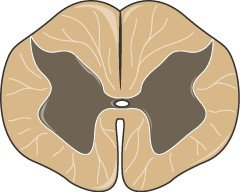
Two patterns matter most. Cervical radiculopathy is a pinched nerve root, usually from a disc bulge or bone spur pressing on a single nerve as it exits the spine. It causes pain, numbness, or weakness that follows a fairly specific path down one arm, often into particular fingers.
Cervical myelopathy is different and more serious, it means the spinal cord itself, not just one nerve root, is being compressed, usually from long-standing wear and narrowing (spinal stenosis) in the neck. It tends to cause clumsiness in both hands, unsteady walking, and sometimes trouble with fine tasks like buttoning a shirt. Myelopathy is watched more closely and surgery is recommended more readily, because the spinal cord does not recover as well as a single nerve root if compression continues.
An MRI of the cervical spine is how these are told apart from simple muscular neck pain, and it is the single most useful test before any decision about treatment.
What surgical options exist for the cervical spine
When surgery is needed, the goal is always the same: take pressure off the compressed nerve or spinal cord. The two most established approaches are:
- Anterior cervical discectomy and fusion (ACDF): the surgeon approaches from the front of the neck, removes the damaged disc, and often fuses the two adjacent vertebrae with a small spacer. This is the most established and widely performed cervical spine operation worldwide for nerve or cord compression.
- Posterior cervical foraminotomy or laminectomy: approached from the back of the neck, this widens the space around a nerve or the spinal cord without necessarily fusing bones, and is used for particular patterns of compression.
Endoscopic techniques, using a small camera and instruments through a narrow tube, are more established for the lower back (lumbar spine) than for the neck. In the cervical spine, endoscopic posterior foraminotomy is used in selected cases of a pinched nerve root, but it is not suitable for every cervical problem, particularly not for myelopathy from spinal cord compression. Which approach fits a given patient depends on the MRI findings, the exact pattern of compression, and the surgeon's assessment, not on which technique sounds most modern.
Is laser spine surgery effective, and is it the same as endoscopic surgery
"Laser spine surgery" is a marketing term more than a distinct medical procedure. In most cases advertised this way, the actual surgery is still a standard microdiscectomy or endoscopic discectomy, and a laser probe is used only as one small tool during part of the operation, not as the whole treatment. There is no strong evidence that adding a laser makes outcomes better than a well-performed standard procedure.
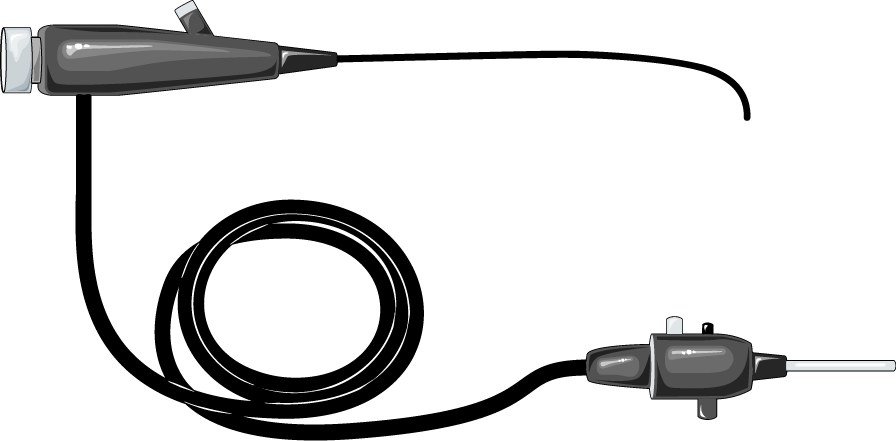
Endoscopic spine surgery is a genuine, well-established minimally invasive technique, done through a small tube and camera, most established for lumbar (lower back) disc problems and increasingly used for selected neck conditions. It is not interchangeable with "laser spine surgery" as the term is often used in advertising, and patients should ask exactly what technique and what instruments will be used, rather than going by the name alone.
What does cervical spine treatment or surgery cost in Pakistan
Cost depends heavily on the specific procedure (physiotherapy alone, an injection, ACDF, or an endoscopic procedure), the hospital, the implants used if fusion is needed, and the length of stay. There is no single honest figure that applies to every patient, and anyone quoting an exact number before seeing your MRI and examining you is guessing.
What to do instead: get the clinical assessment and MRI review done first, then ask the hospital and surgeon's office for a written quote in PKR covering the surgeon's fee, hospital charges, any implants, and expected room stay. A written quote protects the family from surprise costs and lets you compare fairly if you are seeing more than one surgeon. It is reasonable to ask this even for surgery abroad, patients sometimes compare costs against options like spine surgery in Egypt or other countries, but travel, follow-up, and physiotherapy after returning home also have to be factored in, not just the operation fee.
How do I choose the right spine surgeon
Look for a consultant neurosurgeon or spine surgeon, ask specifically what procedure they are recommending and why, and ask what would happen if you chose to wait or try physiotherapy first. A surgeon confident in the diagnosis will explain this without pressure.
It also helps to ask how many times a year they perform the specific procedure being recommended, whether they will personally review your MRI (not just a report), and what the plan is if the first approach does not fully resolve your symptoms. Patients researching online sometimes come across searches for a spine surgeon in Faridabad or similar cities while comparing options, if you are being treated in Pakistan, it is more useful to compare surgeons and hospitals in Punjab where your follow-up visits and physiotherapy will actually happen.
If your MRI and symptoms point toward nerve or spinal cord compression in the neck, Dr. M. Abdur Rehman, consultant neurosurgeon and spine surgeon at Mujahid Hospital, Faisalabad, can review your scans and explain in plain terms whether surgery is needed and which approach fits your case. Many families search for the best spine surgeon in Faisalabad while trying to make this decision, the more useful step is bringing your MRI to a clinical review so the recommendation is based on your actual findings, not general advice.
Cervical spine surgery in Faisalabad Read the full page on cervical spine surgery in faisalabad, including who it suits, what recovery looks like and how to arrange a review.
Questions patients ask about this
Is endoscopic spine surgery safe for the neck?
Endoscopic surgery is a well-established minimally invasive technique, but it is used more widely and with more evidence in the lower back than the neck. For selected cervical nerve compression it can be an option, though not for every neck problem, especially spinal cord compression (myelopathy).
Can slip disc in the neck heal without surgery?
Yes, in many cases. A disc bulge without significant nerve or spinal cord compression often improves with rest, physiotherapy, and medicine over several weeks. Surgery is considered mainly when there is ongoing nerve compression causing weakness or worsening numbness.
Is laser spine surgery cost lower than standard surgery in Pakistan?
Not necessarily, and "laser" often just describes one tool used within a standard microdiscectomy or endoscopic procedure rather than a separate treatment. Compare cost based on the actual procedure being performed, and always ask for a written quote.
What warning signs mean I should see a neurosurgeon urgently rather than wait?
Weakness in the hand or arm, worsening numbness, unsteady walking, or any loss of bladder or bowel control need urgent same-day evaluation. These can signal spinal cord compression, which is assessed differently from ordinary neck pain.
How is neck pain different from a serious spine problem?
Ordinary neck pain usually stays local, changes with posture, and improves with rest. A serious problem tends to send pain, numbness, or weakness down an arm, or affects both hands and walking, and needs MRI evaluation rather than home remedies alone.
Related articles
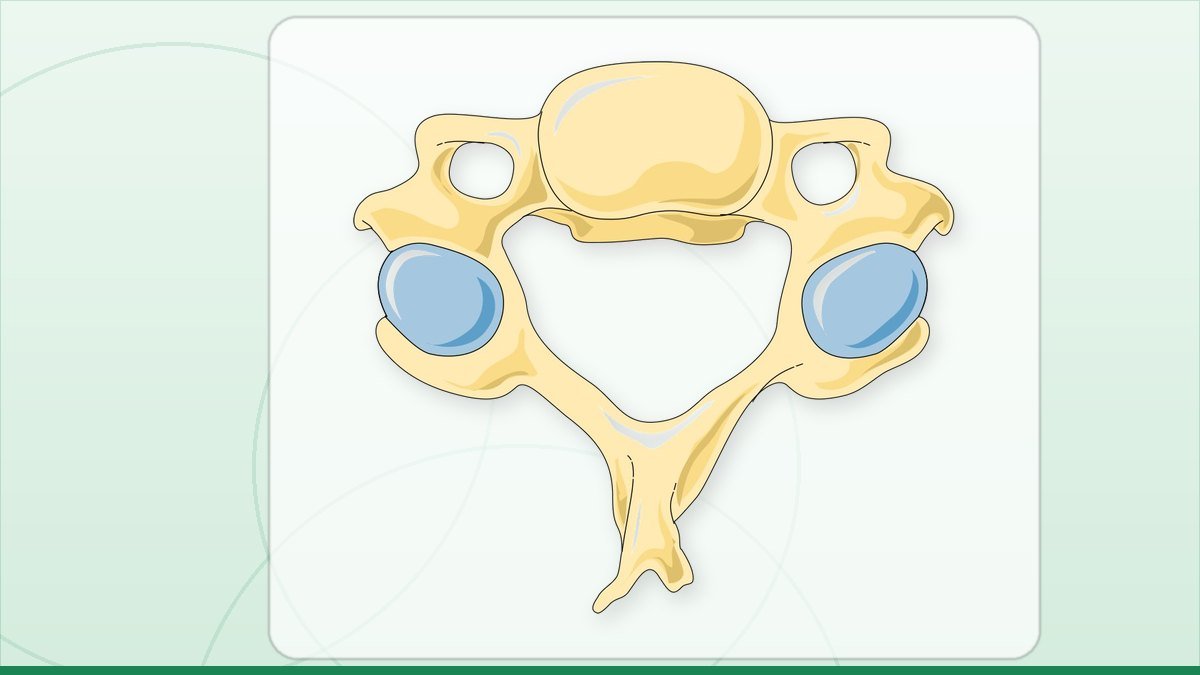
Neck disc surgery: what is removed and what replaces it
Cervical disc surgery explained: what's removed, what replaces it, whether you need it, safety, recovery…
Read this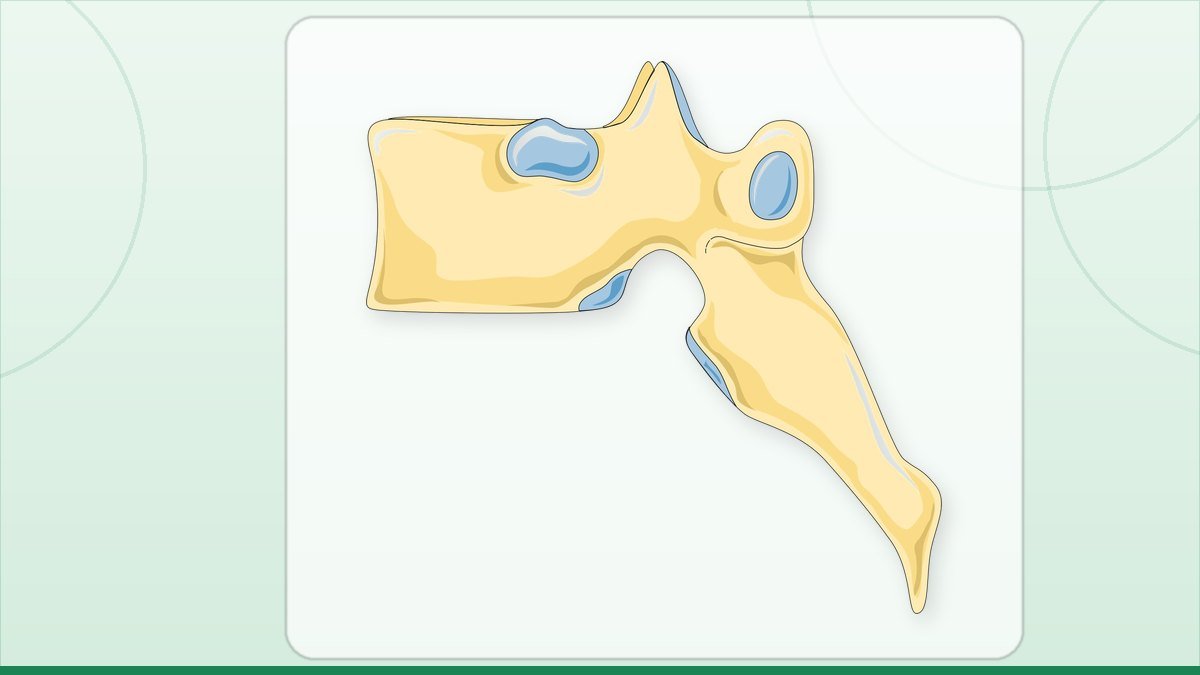
Thoracic spine: the mid-back problems that get missed
Thoracic spine pain in the mid-back is often missed. Learn the real causes, red flags, and when surgery is…
Read this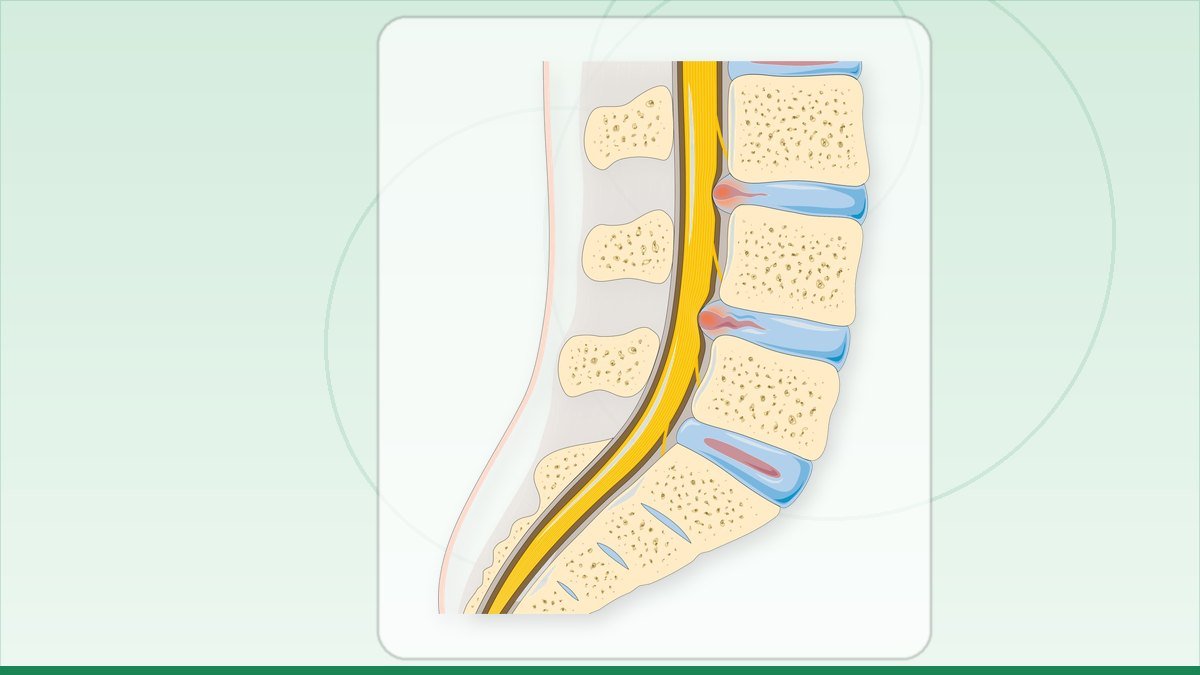
Disc prolapse, bulge, protrusion: the same disc at four stages
Disc prolapse treatment explained: bulge, protrusion, extrusion, when surgery is needed, is it safe, and what…
Read thisAll patient questions · Spine surgery in Faisalabad · Book an appointment
Ask about your own scan. Send your MRI or X-ray on WhatsApp and get a straight answer on whether surgery is needed at all, from a consultant neurosurgeon in Faisalabad.
Dr. M. Abdur Rehman is a consultant neurosurgeon in Faisalabad. Send your scan on WhatsApp and ask what it actually shows.
Published for the practice of Dr. M. Abdur Rehman, consultant neurosurgeon, Mujahid Hospital, Faisalabad. General information only, not a substitute for examination.