
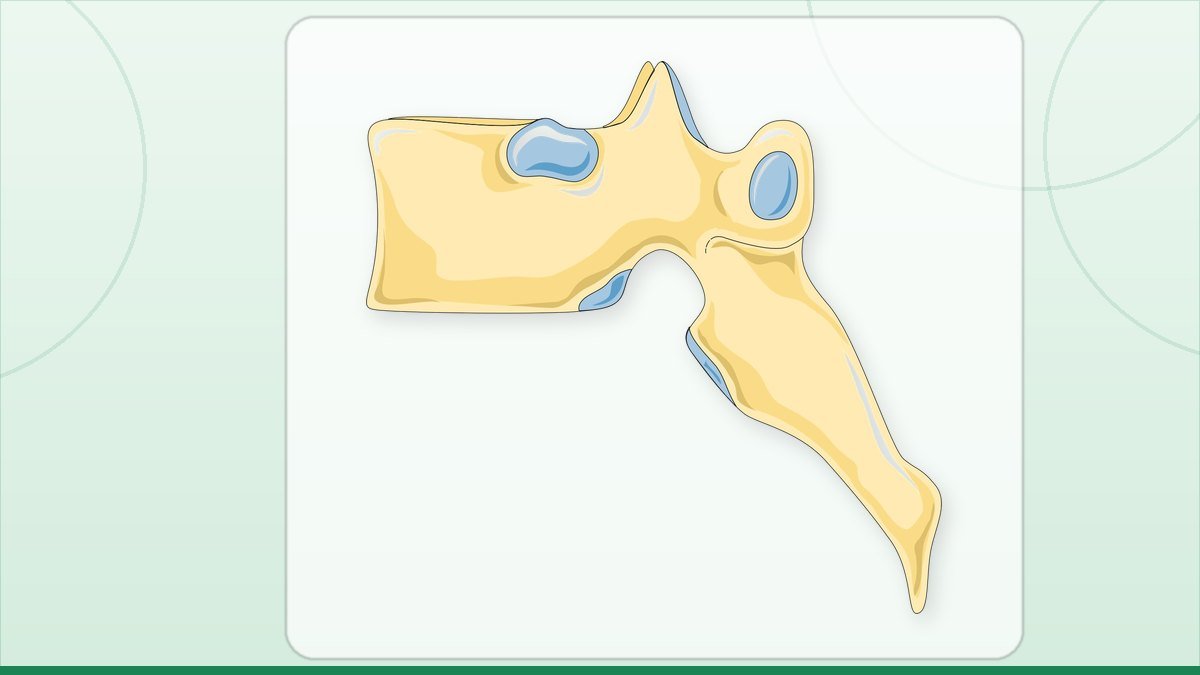
Thoracic spine pain is pain in the mid-back, between the shoulder blades, from the twelve vertebrae T1 to T12. It is usually muscular, postural, or arthritic rather than disc-related, since the ribcage limits movement here. It rarely needs surgery, but sudden weakness, numbness, or bladder change means see a neurosurgeon urgently.
Why does thoracic spine pain get missed or misdiagnosed?
Thoracic spine pain sits between the shoulder blades, in the middle third of the back, and it gets missed because doctors and patients both think of it last. Neck pain and lower back pain are common enough that most clinics see them daily. Pain in the twelve vertebrae from T1 to T12 is rarer, so it does not always get the same quick attention.
There is a second reason it gets missed. The thoracic spine sits close to the heart, lungs, and gallbladder, and pain from any of these organs can feel like it is coming from the mid-back. A patient with gallstone pain or a mild cardiac issue may be sent for an ECG or an ultrasound before anyone looks closely at the spine itself. That workup is usually correct and necessary, but it means spine causes can take longer to reach.
The ribcage also plays a role. It locks the thoracic vertebrae in place more than the neck or lower back does, which is why thoracic disc problems are less common than cervical or lumbar ones. Doctors trained to expect disc trouble in the neck and lower back sometimes do not think of the thoracic spine first, even when a patient describes a band-like pain wrapping around the ribs.
Is thoracic spine surgery safe? Will I be paralysed?
For most people with thoracic spine pain, surgery never comes up, because the pain is muscular or arthritic and settles with rest, physiotherapy, and time. When surgery is genuinely needed, it is done routinely in properly equipped hospitals, but it is treated with more caution than lumbar surgery, and the fear of paralysis deserves a straight answer, not just reassurance.
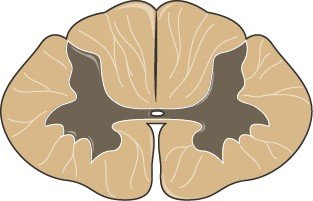
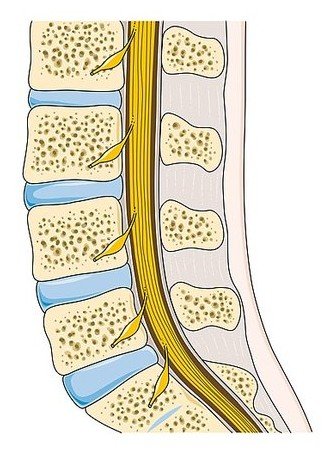
The reason for the extra caution is anatomy. In the lower back, the spinal cord has already ended and the canal carries nerve roots, which have some room to move and some tolerance for handling. In the thoracic spine, the actual spinal cord is still present and the canal around it is narrower. Any procedure near it is planned carefully, often with MRI beforehand and sometimes nerve monitoring during surgery, precisely because there is less margin for error.
This is also why a neurosurgeon will only recommend surgery here when there is a clear, imaged reason: a disc pressing on the cord and causing weakness or a change in how you walk, an unstable fracture, a tumour, or an infection. If your mid-back pain is not accompanied by leg weakness, numbness, or a bladder problem, surgery is very unlikely to be discussed at all.
What actually causes mid-back pain, kamar ke upar dard?
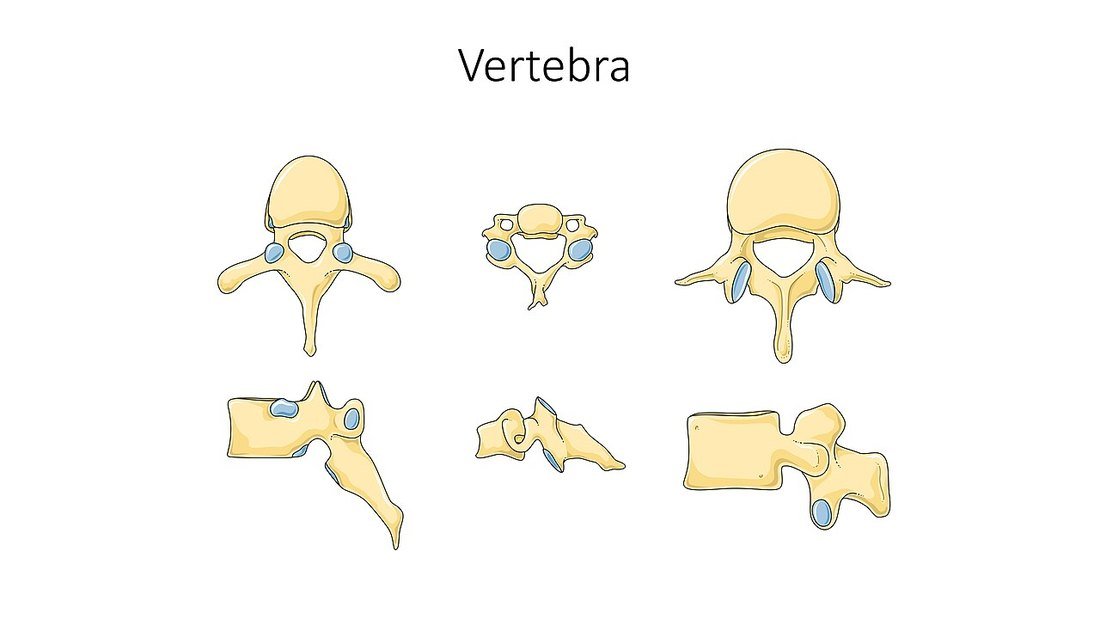
Most thoracic spine pain is not a disc problem. The joints that wear out most often here are the facet joints between vertebrae and the costovertebral joints, where each rib meets the spine. Wear in either can cause a deep, aching pain that worsens with twisting or long sitting, the kind many patients describe as kamar ke upar dard rather than kamar dard.
- Muscle strain from heavy lifting, carrying children, or long hours hunched over a phone or desk.
- Postural pain that builds up over months from a slouched sitting position, common in students and office workers.
- Facet or rib joint osteoarthritis, more likely with age.
- Osteoporotic compression fracture, where a weakened vertebra collapses slightly, often in older women or anyone with low vitamin D and calcium intake, sometimes after a minor fall.
- Scheuermann's disease, a curvature seen in teenagers and young adults that causes mid-back pain with a rounded posture.
- Thoracic disc herniation, the least common disc problem in the spine, because the ribcage limits how much these discs can move and bulge.
Because the causes are so varied, a single phrase like mid-back pain can mean very different things in a 20-year-old student and a 65-year-old woman with osteoporosis. That is why it needs an actual examination rather than a guess based on location alone.
What are the red-flag symptoms that mean don't wait?
Most thoracic pain can safely wait a week or two of rest and physiotherapy before you need a specialist. A smaller set of symptoms means you should see a neurosurgeon within days, not weeks.
- Weakness, heaviness, or dragging in one or both legs
- A change in how you walk or a new problem with balance
- Numbness or tingling spreading from the mid-back down into the legs
- Loss of bladder or bowel control, or difficulty starting urination
- Pain that wakes you at night and does not settle when you lie still
- Fever along with back pain
- Unexplained weight loss, or a history of cancer
- Severe pain after a fall, especially in an older patient or anyone on long-term steroids
Any one of these on its own is a reason for an urgent MRI, not a reason to try massage or a hakeem's dawai first. The rest of this page assumes none of these apply to you, because if they do, the next step is a same-day consultation, not more reading.
Do I need surgery for thoracic spine pain?
In most cases, no. Muscle strain, postural pain, and mild facet or rib joint arthritis usually improve with rest, targeted physiotherapy, correcting how you sit and lift, and simple pain relief. A stable osteoporotic compression fracture is often managed with a brace and pain control rather than an operation, once a scan confirms it is stable.
It is common in Punjab for a patient to try a hakeem, a masseur, or a few weeks of home remedies before seeing a doctor at all. For ordinary muscular pain that is a reasonable first step and often helps. The problem is when it delays care for pain that actually needed earlier attention, particularly if any of the red-flag symptoms above are present.
Surgery is the right answer only in specific situations: a disc or bone fragment pressing on the spinal cord and causing weakness or a gait change, an unstable fracture, a tumour, or an infection collecting near the spine. In those cases, surgery is not about the pain itself but about protecting the spinal cord from lasting damage, and delaying it carries its own risk.
How is thoracic spine pain diagnosed?
Diagnosis starts with a history and a physical exam, including a check of strength, reflexes, and sensation in the legs, since that tells a doctor whether the spinal cord is involved. Because thoracic pain can mimic heart, lung, or gallbladder problems, an ECG, chest X-ray, or abdominal ultrasound is sometimes done first to rule those out, which is appropriate and not a sign that the spine diagnosis was missed.
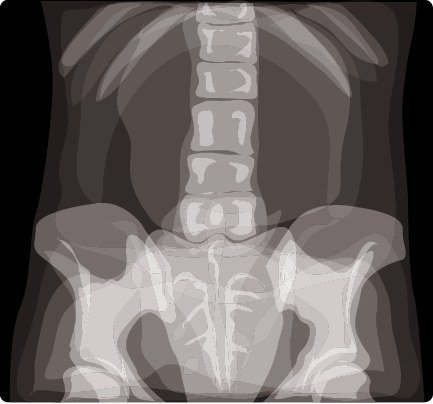
Once the spine is the focus, a plain X-ray shows alignment and can pick up a compression fracture. An MRI is the scan that actually shows the discs, the spinal cord, and any tumour or infection, and it is what a neurosurgeon needs before discussing surgery of any kind. A CT scan is sometimes added when bone detail matters, such as planning around a fracture.
Blood tests are added if infection or an inflammatory cause is suspected. None of this needs to happen in one visit. A staged workup, starting with the simplest tests and moving to MRI only when needed, is normal and does not mean anyone is behind schedule.
What is endoscopic spine surgery, and is it used for thoracic problems?
Endoscopic spine surgery uses a thin camera and small instruments passed through an incision usually less than a centimetre, so the surgeon works through a tube instead of opening the back widely. It is used most often in the lumbar spine, but the same keyhole approach is increasingly applied to selected thoracic disc herniations pressing on the cord, chosen carefully on MRI.
Is endoscopic spine surgery safe? For the right patient, yes. It carries the same general risks as any spine operation, including anaesthesia risk and a small chance of nerve or cord irritation, but it causes less muscle and tissue disruption than open surgery, which usually means a shorter hospital stay and a faster return to daily activity. In the thoracic spine specifically, minimising disruption matters more, because open surgery there is technically demanding and works closer to the ribs and chest cavity.
You may also come across the term laser spine surgery in adverts or search results. It is not a separate operation. A laser or radiofrequency probe is sometimes one tool used inside an endoscopic procedure to shrink or vaporise disc tissue, but whether it is effective depends on properly decompressing the nerve or cord, not on the word laser. If a clinic advertises laser spine surgery as something different from endoscopic surgery, ask exactly what technique they mean before agreeing to anything.
How much does spine surgery cost in Pakistan?
This is answered in full on what spine surgery costs in Pakistan, so it is not repeated here.
Who should treat thoracic spine pain, and how do I choose a spine surgeon?
Thoracic spine pain should be seen by a consultant neurosurgeon or spine surgeon, not managed indefinitely with painkillers as a mystery pain. Some patients search for a spine surgeon in Faridabad when they mean Faisalabad; the two names look and sound alike in a hurried search. If you are in Faisalabad or nearby in Punjab, confirm you are booking with a qualified consultant neurosurgeon with spine experience, not a general physician managing back pain long-term.
A good first consultation should include a real physical exam, a clear explanation of what your MRI or X-ray shows, and an honest answer about whether surgery is even being considered. If it is not, the surgeon should say so plainly, and if it is, the surgeon should explain why non-surgical treatment will not work for your specific finding.
For mid-back pain that comes with leg weakness, numbness, or any of the red-flag symptoms above, book an appointment rather than waiting to see if it improves on its own. Dr. M. Abdur Rehman, a consultant neurosurgeon and spine surgeon at Mujahid Hospital, Faisalabad, is a reasonable place to start if you are looking for the best endoscopic spine surgeon in Faisalabad and want a straight opinion on whether your thoracic spine pain needs surgery at all.
Thoracic spine surgery in Faisalabad Read the full page on thoracic spine surgery in faisalabad, including who it suits, what recovery looks like and how to arrange a review.
Questions patients ask about this
Can thoracic spine pain actually be from the heart or stomach?
Yes. The thoracic spine sits close to the heart, lungs, and gallbladder, so pain from any of these can feel like it is coming from the mid-back. Doctors often rule out cardiac or abdominal causes with an ECG or ultrasound before focusing on the spine, which is a normal and safe order of testing.
What is the difference between thoracic and lumbar spine pain?
Thoracic pain sits between the shoulder blades, in the twelve vertebrae locked in place by the ribcage, and is usually muscular or arthritic. Lumbar pain, in the lower back, moves more freely and is far more often linked to disc herniation, which is why lumbar surgery is much more common than thoracic surgery.
Is laser spine surgery different from endoscopic spine surgery?
No, laser spine surgery is not a separate procedure. A laser or radiofrequency probe is sometimes one tool used inside an endoscopic operation. The outcome depends on properly decompressing the nerve or spinal cord, not on the specific tool, so ask a surgeon what technique they actually mean.
How much does endoscopic spine surgery cost in Pakistan?
Cost varies by hospital, technique, implants, and room category, so there is no fixed figure that applies everywhere. Ask any hospital for a written quote covering the surgeon's fee, hospital charges, implants if needed, and follow-up visits before agreeing to surgery.
Can thoracic spine pain cause weakness in the legs?
It can, if a disc, fracture, tumour, or infection is pressing on the spinal cord itself, since the cord runs through the thoracic canal, unlike the lower back. Leg weakness, a change in walking, or numbness spreading downward is a red flag that needs an urgent MRI, not a wait-and-see approach.
Related articles
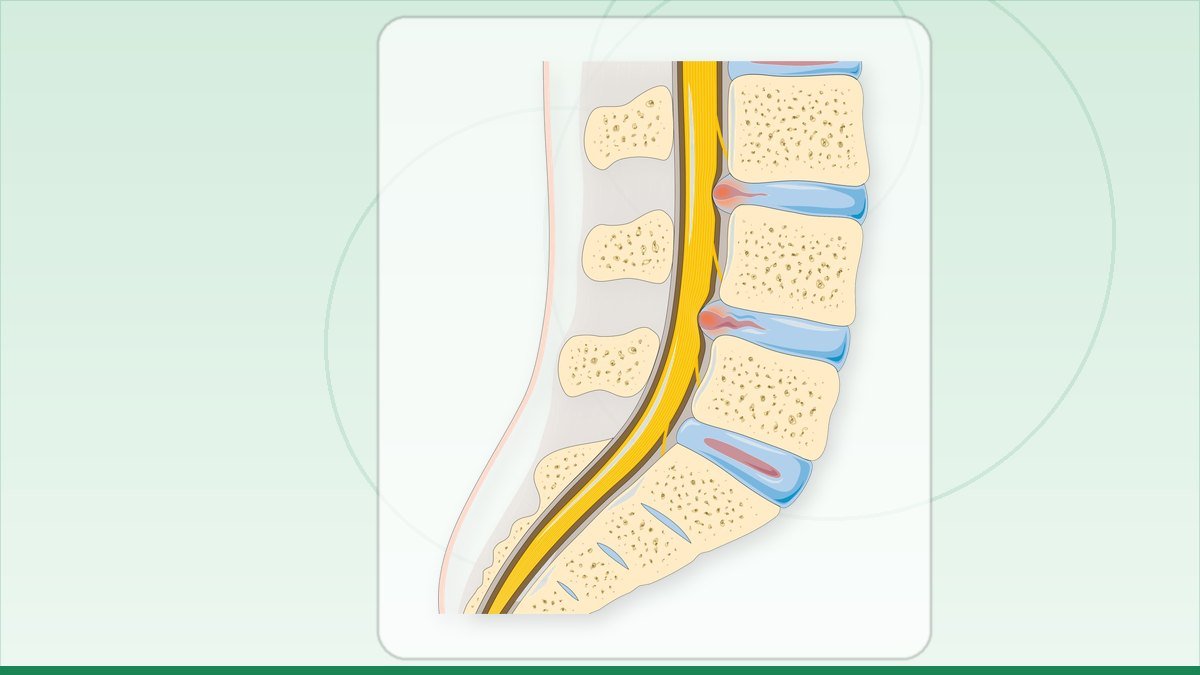
Disc prolapse, bulge, protrusion: the same disc at four stages
Disc prolapse treatment explained: bulge, protrusion, extrusion, when surgery is needed, is it safe, and what…
Read this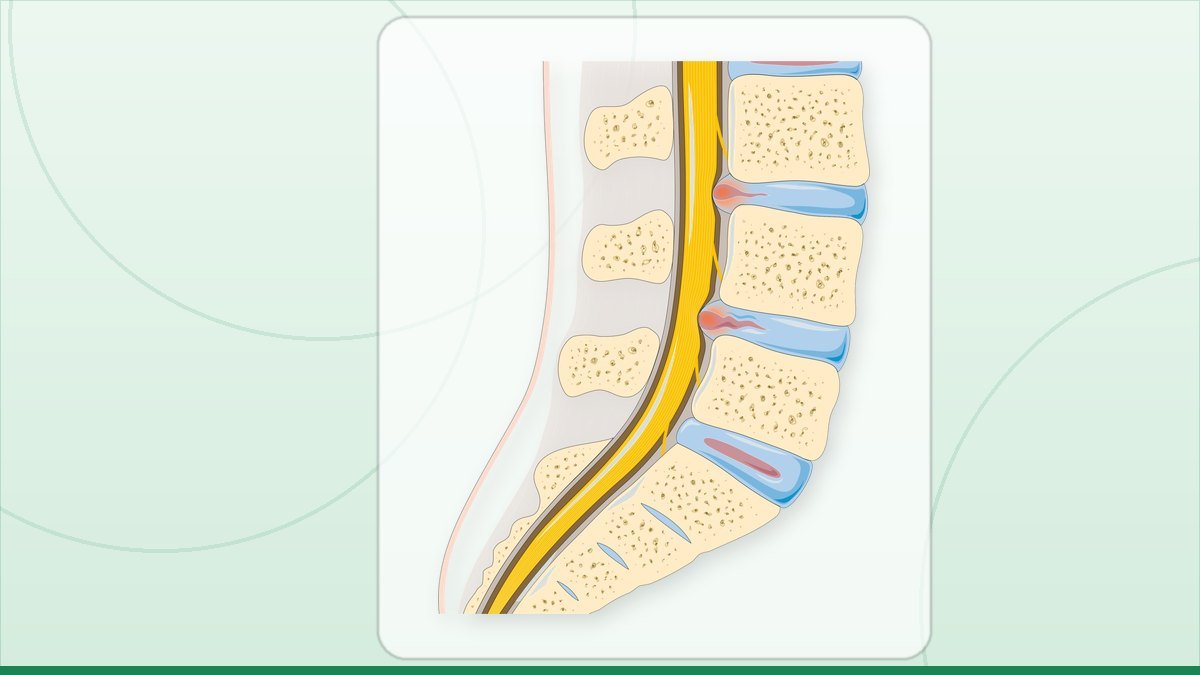
You have been told you have a disc problem. What now?
Told you have a disc problem? Learn what a disc problem treatment actually involves, when surgery is needed,…
Read this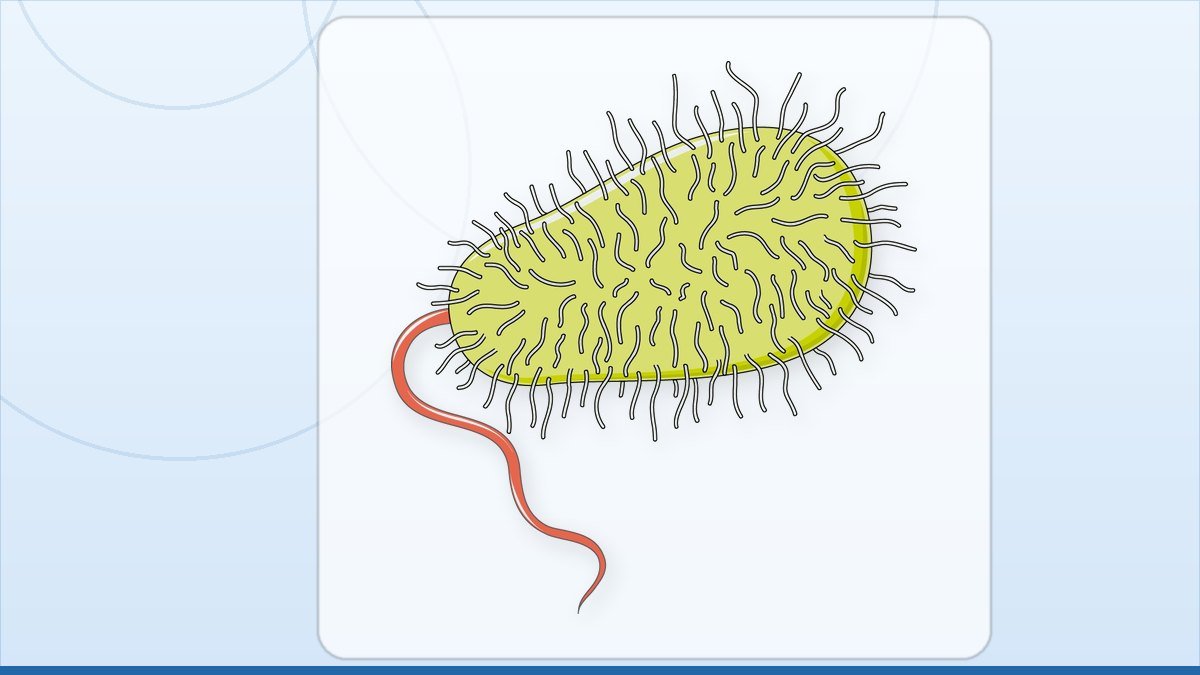
Spinal TB in Pakistan: the medicine, the months, and the surgery
Spinal TB treatment in Pakistan usually means 6-12 months of medicine, not surgery. Learn the warning signs,…
Read thisAll patient questions · Spine surgery in Faisalabad · Book an appointment
Ask about your own scan. Send your MRI or X-ray on WhatsApp and get a straight answer on whether surgery is needed at all, from a consultant neurosurgeon in Faisalabad.
Dr. M. Abdur Rehman is a consultant neurosurgeon in Faisalabad. Send your scan on WhatsApp and ask what it actually shows.
Published for the practice of Dr. M. Abdur Rehman, consultant neurosurgeon, Mujahid Hospital, Faisalabad. General information only, not a substitute for examination.