
Spinal TB (Pott's disease) is treated mainly with 6 to 12 months of anti-tuberculosis medicine, not surgery. Most patients recover fully on medicine, rest, and monitoring alone. Surgery is only needed if there is nerve or spinal cord compression, worsening deformity, a large abscess, or the disease does not respond to medicine after a fair trial.
What is spinal TB and how is it different from a normal slip disc?
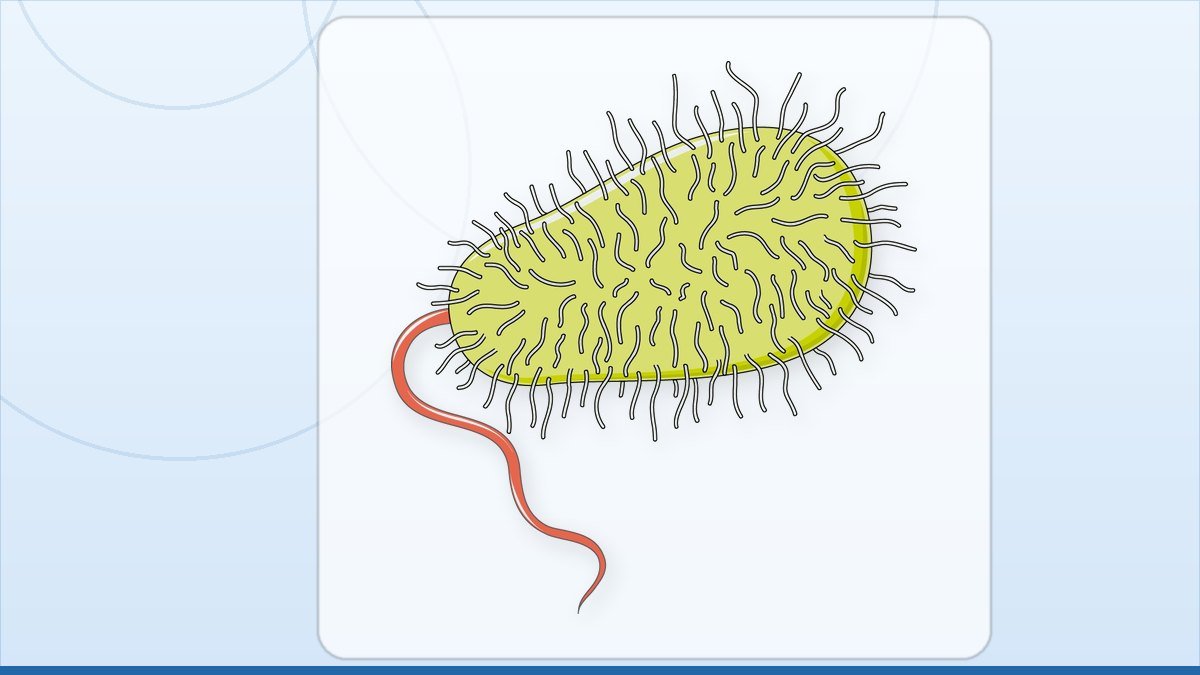
Spinal TB, also called Pott's disease, is a bacterial infection that reaches a vertebra through the bloodstream, usually from a TB infection in the lungs. It slowly damages the bone and disc at that level, which is very different from a slip disc, which is a mechanical wear-and-tear problem, not an infection.
The pain of spinal TB tends to build up over several weeks without any injury or heavy lifting. It comes with a low-grade fever, night sweats, loss of appetite, and weight loss. Some patients also notice a soft, painless swelling near the spine, in the flank, or in the groin, known as a cold abscess.
Kamar dard from a slip disc usually starts after lifting something heavy or a sudden twist, and often shoots down one leg (taang mein dard) in a clear pattern. Spinal TB pain is duller, more constant, and does not fit that pattern. If back pain is accompanied by fever or unexplained weight loss, it needs to be checked as a possible infection, not just treated as an ordinary backache.
Can spinal TB cause paralysis, and how do I know if it is happening to me?
Yes, spinal TB left untreated can press on the spinal cord and cause weakness or paralysis in the legs, a condition doctors call Pott's paraplegia. This usually develops gradually rather than suddenly, and it is treatable if it is caught in time, so it is a reason to see a doctor quickly rather than a reason to lose hope.
Watch for a change in how your legs feel or move: increasing weakness or stiffness when walking, stumbling, numbness or tingling, or any change in bladder or bowel control. These are signs the infection or the swelling around it may be pressing on the nerves or spinal cord.
With prompt anti-TB medicine, and surgery in the cases that need it, weakness often improves and paralysis can often be prevented or reversed. The single biggest factor in outcome is how early the problem is recognised, not whether surgery is eventually required.
How is spinal TB diagnosed?
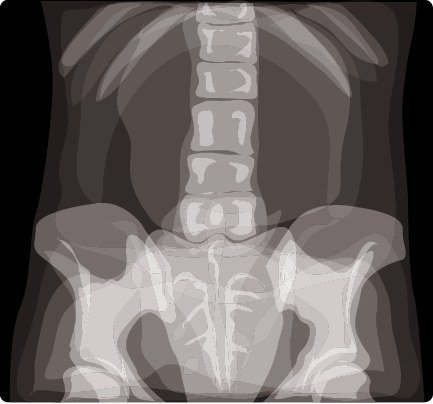
An MRI of the spine is the most useful single test. It shows the pattern of bone destruction, disc collapse, and any abscess or spinal cord compression that is typical of TB, before an X-ray would show much at all.
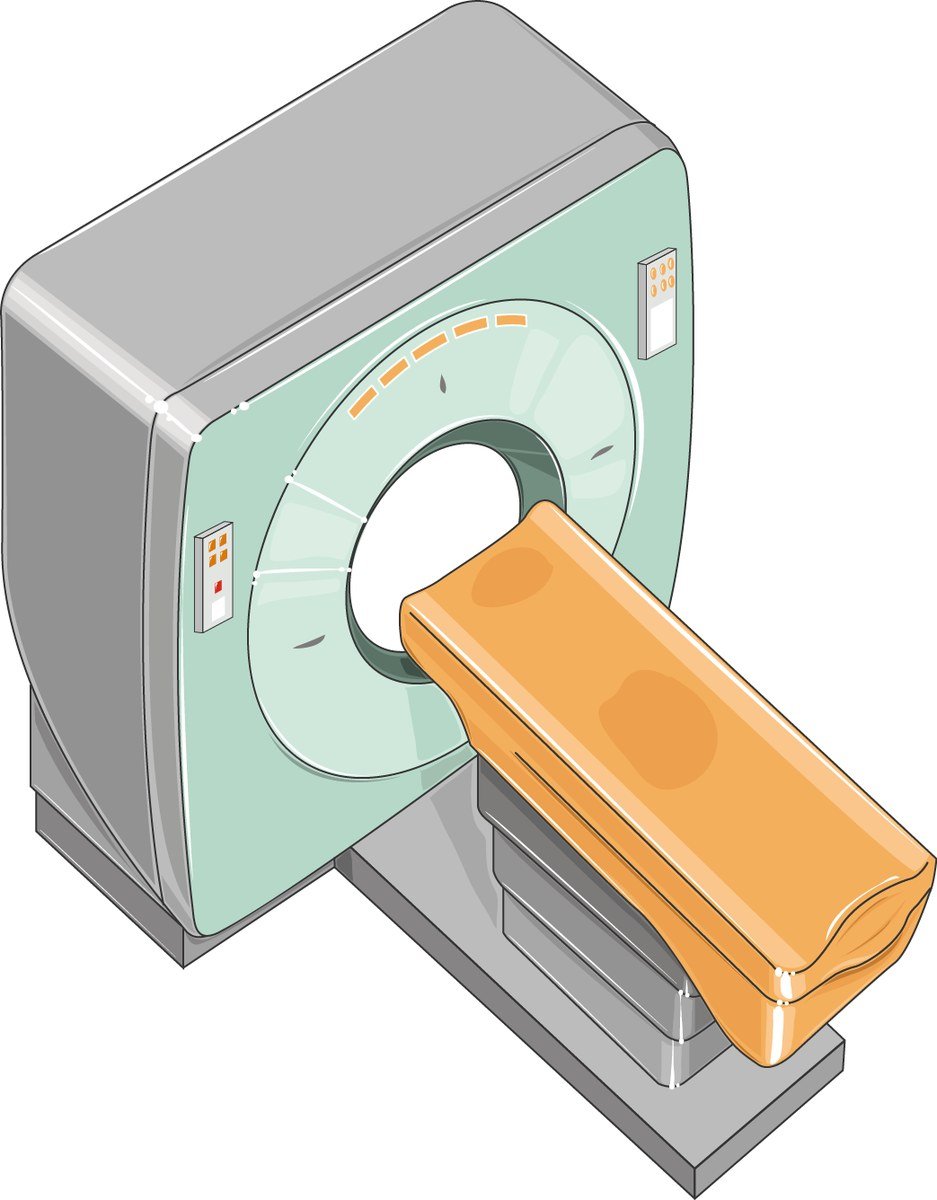
Blood tests such as ESR and CRP support the picture but do not confirm TB on their own. A confirmed diagnosis usually needs a tissue sample, taken by a needle biopsy guided by CT scan or, less often, during surgery. This sample is tested for TB bacteria, including rapid molecular tests like GeneXpert, and is also checked to rule out other causes such as bacterial infection or cancer, since the treatment for each is different.
A chest X-ray is often done as well, since spinal TB frequently starts as a lung infection that has spread through the blood.

What is the standard spinal TB treatment and how many months does it take?
The standard spinal TB treatment is a combination of anti-tuberculosis medicines, known as ATT. Most regimens start with four drugs together for the first two months, then continue with two of them for a longer period. Total treatment for spinal TB is usually 6 to 12 months, longer than the minimum used for lung TB, because bone heals more slowly and the drugs reach infected bone less easily than infected lung tissue.
Alongside the medicine, doctors often recommend rest, a supportive brace for a period, and physiotherapy once the acute pain settles, to help the spine heal in a good position.
Taking every dose for the full course matters. Stopping ATT early because the pain has improved is one of the main reasons infections come back or become resistant to treatment, which is harder and slower to treat the second time.
In Pakistan, first-line ATT medicines are supplied free of cost through government TB centres under the National TB Control Programme, which is worth asking about even if you are also seeing a private specialist.
When is surgery needed for spinal TB?
Most patients with spinal TB do not need surgery. Medicine alone, given for the full course, cures the infection and allows the bone to heal in the majority of cases.
Surgery becomes necessary in a smaller group of patients, generally when one or more of these is present:
- Weakness or numbness in the legs that is worsening, or not improving after a fair trial of medicine
- A large abscess pressing on the spinal cord or nerves that is not shrinking with ATT
- The spine has become unstable or is developing a worsening forward curve (kyphosis)
- The diagnosis remains uncertain and an open tissue sample is needed
This decision is made by reviewing repeat MRI scans and a careful neurological examination over the early weeks of treatment, not on the first visit alone.
What does spinal TB surgery involve, and is endoscopic surgery an option?
When surgery is needed, the goals are to drain any abscess, remove dead and infected bone and disc material, take pressure off the spinal cord or nerves, and, where the spine has become unstable, add support with a fusion using screws and rods.
For abscess drainage or a focused decompression, a minimally invasive or endoscopic approach can sometimes reach the affected area through a small incision, which generally means less muscle disturbance and an easier early recovery than a large open operation.
Where there is extensive bone destruction or significant spinal deformity, a more traditional open decompression and instrumented fusion is usually the safer and more thorough option. Which approach fits a particular patient depends on the extent of disease on imaging and is best worked out in discussion with the treating surgeon after reviewing the MRI.
How much does spinal TB treatment cost in Pakistan?
The ATT medicine itself is inexpensive, and first-line drugs are provided free through government TB centres. The bulk of the cost, when there is one, comes from MRI scans, blood tests, biopsy, hospital admission, and surgery if it becomes necessary.
If surgery is recommended, ask the hospital for a written quote covering the surgeon's fee, any implants, operation theatre charges, ward or ICU stay, and expected follow-up imaging, so the family can plan around a clear PKR figure rather than an estimate.
Patients travel from across Punjab for spine care, and it is reasonable to get a second opinion before committing to surgery, particularly since most spinal TB is managed successfully without an operation.
What happens if I try hakeem or massage first instead of proper treatment?
Delaying diagnosis while trying a hakeem, oil massage, or heat pads gives the infection more time to destroy bone, and increases the risk of permanent spinal deformity or weakness in the legs.
This is an understandable instinct. Most back pain in Pakistan, as everywhere, is ordinary muscular strain that does settle with rest and time. But back pain that comes with fever, night sweats, unexplained weight loss, or that keeps building for weeks without an injury, is a different situation and needs proper investigation rather than home remedies.
If you or a family member has this pattern, an MRI and a specialist review, done early, is what protects against the complications spinal TB can cause.
What should I do next?
If back pain lasts more than two to three weeks and comes with fever, weight loss, or any weakness in the legs, get an MRI of the spine and have it reviewed by a spine specialist rather than continuing to wait it out.
Bring the MRI, any blood test results, and a clear timeline of symptoms to the consultation, since this is what allows a quick, confident decision on whether medicine alone is enough or whether surgery needs to be considered. It is reasonable to involve the family in this decision and to ask for a written quote before agreeing to any procedure.
Families across Punjab searching for the best endoscopic spine surgeon in Faisalabad can book a consultation with Dr. M. Abdur Rehman, consultant neurosurgeon and spine surgeon at Mujahid Hospital, Faisalabad, for an MRI review and a clear treatment plan.
Questions patients ask about this
Is spinal TB contagious like lung TB?
Spinal TB itself is usually not contagious, because the bacteria are inside the bone rather than the airways. However, if the original TB infection is still active in the lungs, that form can spread through coughing, so a chest check is a normal part of the workup.
Can spinal TB be cured completely?
Yes. With a full course of ATT taken exactly as prescribed, most patients are cured and return to normal daily life. Stopping the medicine early is the main reason infections come back or become resistant, so completing every month matters.
Does every patient with spinal TB need surgery?
No. Most patients recover with medicine, brace support, and rest alone. Surgery is reserved for those with worsening weakness, spinal instability, a large abscess pressing on the cord, or when the diagnosis needs confirming through a tissue sample.
How is spinal TB pain different from a slipped disc?
Slipped disc pain usually follows lifting or a sudden movement and often runs down one leg. Spinal TB pain builds gradually over weeks without injury and comes with fever, night sweats, or weight loss, which a slipped disc does not cause.
Related articles
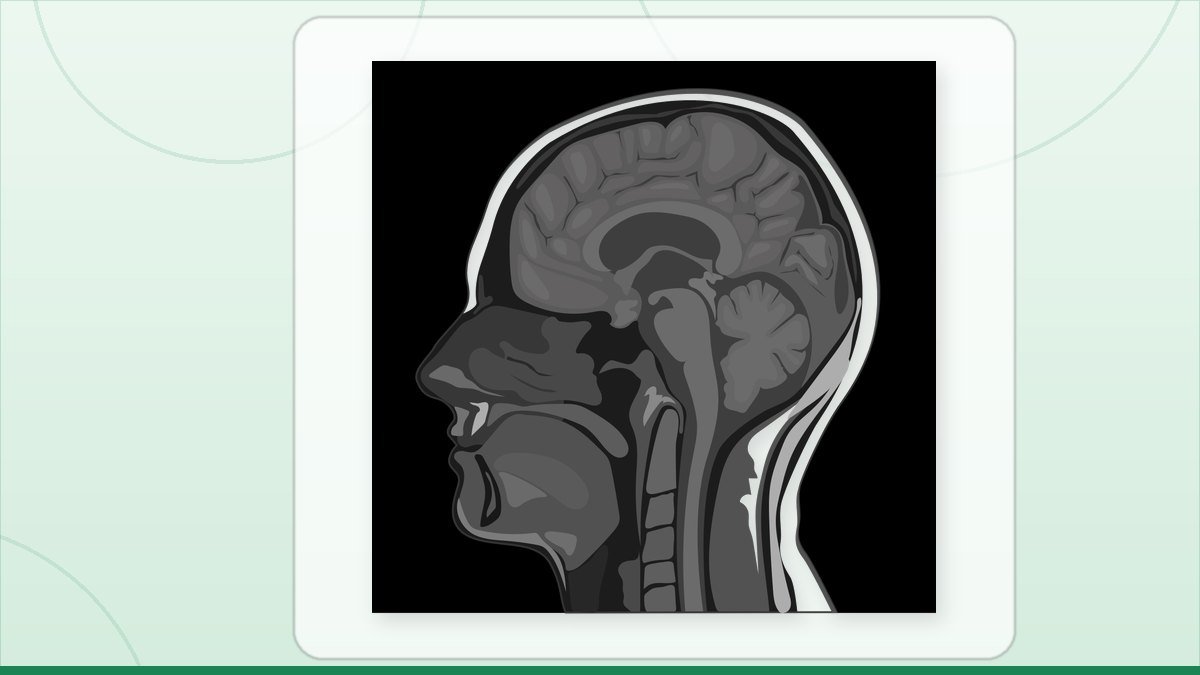
Spinal infection: when fever and back pain together need a scan
Spinal infection symptoms: fever with worsening back pain, night pain and weight loss. Why this combination…
Read this
Spinal tumour: the symptoms that separate it from ordinary back pain
Spinal tumor symptoms vs ordinary kamar dard: night pain, weight loss, weakness and when an MRI, not rest, is…
Read this
Neurosurgeon or neurologist: which one do you actually need?
Not sure if you need a neurosurgeon or neurologist? A plain guide to what each treats, when medicine is…
Read thisAll patient questions · Spine surgery in Faisalabad · Book an appointment
Ask about your own scan. Send your MRI or X-ray on WhatsApp and get a straight answer on whether surgery is needed at all, from a consultant neurosurgeon in Faisalabad.
Dr. M. Abdur Rehman is a consultant neurosurgeon in Faisalabad. Send your scan on WhatsApp and ask what it actually shows.
Published for the practice of Dr. M. Abdur Rehman, consultant neurosurgeon, Mujahid Hospital, Faisalabad. General information only, not a substitute for examination.