
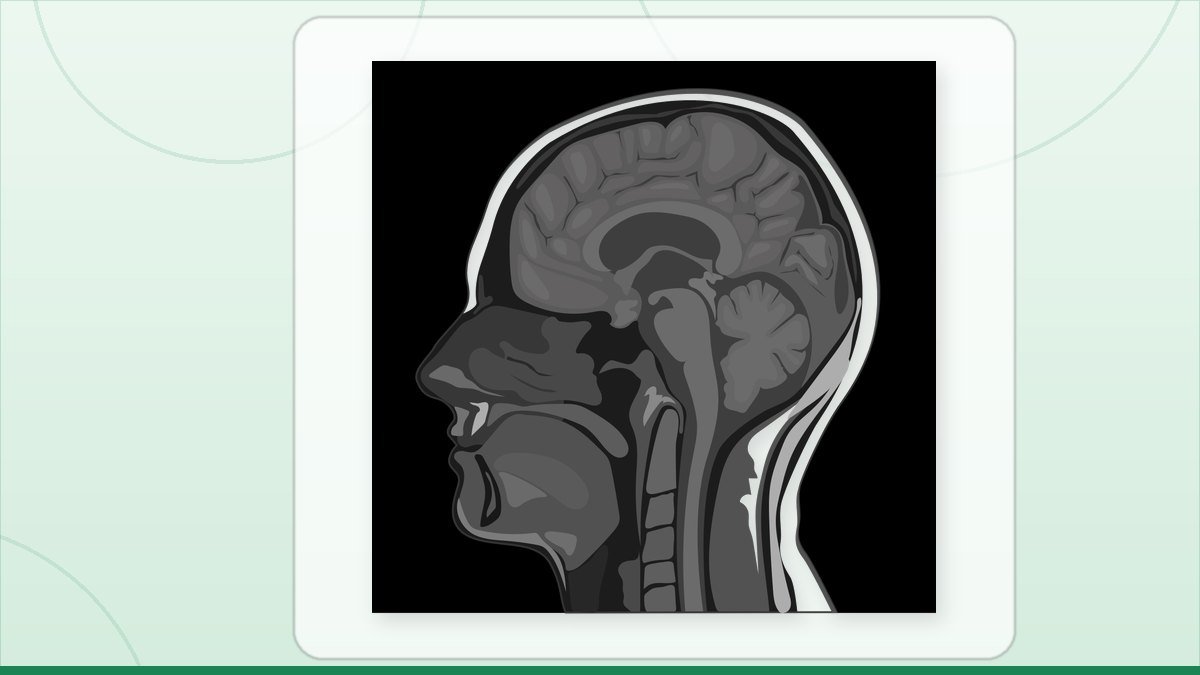
Spinal infection symptoms are a fever combined with steady, worsening back pain that does not ease with rest, especially pain that wakes you at night. Other signs include unexplained weight loss, night sweats, and new weakness or numbness in the legs. This combination needs an MRI and blood tests, not painkillers or a hakeem's massage.
What symptoms point to a spinal infection?
A spinal infection usually announces itself as back pain that behaves differently from ordinary kamar dard. It does not ease when you lie down, it is often worse at night, and it comes with a low-grade fever that will not go away.
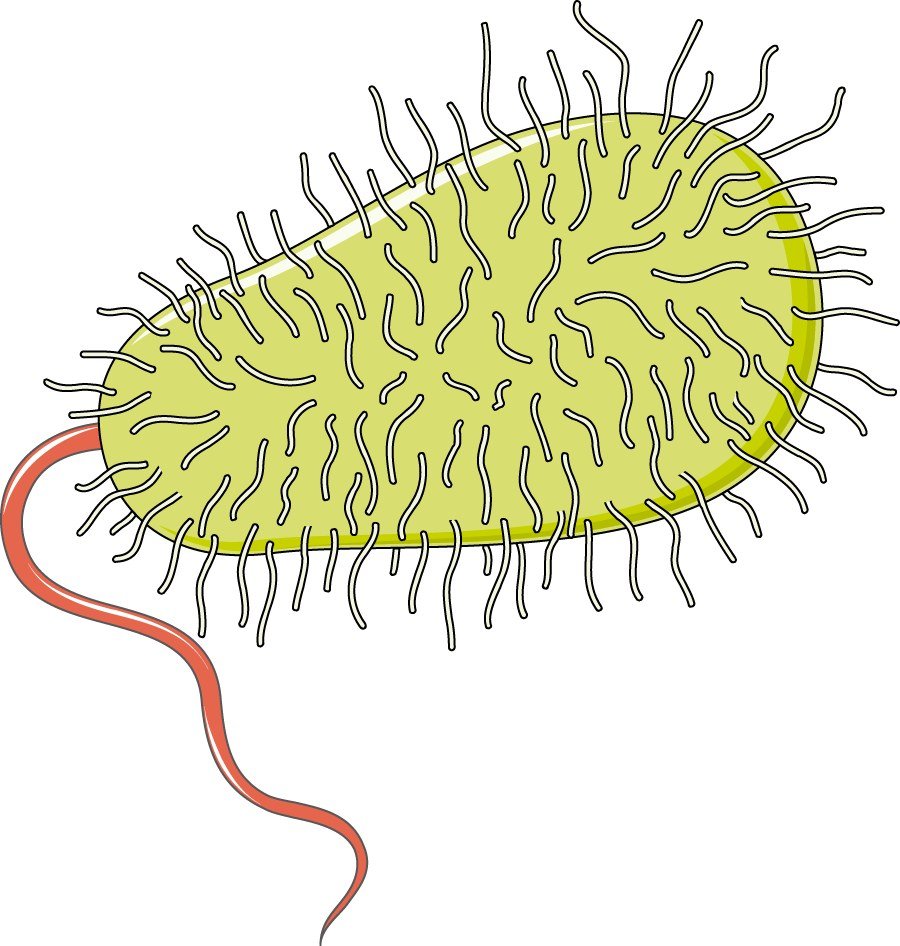
Along with the pain and fever, watch for chills, night sweats, unexplained weight loss, and a general feeling of being unwell that lasts for weeks rather than days. Some patients also notice loss of appetite.
In more advanced cases, the infection can press on nearby nerves or the spinal cord, causing taang mein dard, numbness, weakness in the legs, or difficulty controlling the bladder or bowel. These are urgent signs, not something to wait out.
The key difference from ordinary mechanical back pain or a slip disc is the fever. Mechanical back pain, from muscle strain or a bulging disc, does not usually come with fever, chills, or weight loss.
Is a spinal infection dangerous, could it cause paralysis?
Yes, a spinal infection can be dangerous if it is left untreated, and in rare cases it can cause weakness or paralysis. This happens when infected tissue or an abscess builds up enough pressure on the spinal cord or the nerves running through the spine.
The important reassurance is that this outcome is the exception, not the rule, when the infection is caught and treated early. Most patients who start antibiotics promptly recover full function without ever needing surgery.
The risk rises the longer the infection goes untreated, which is why a fever with worsening back pain should prompt an MRI and blood tests within days, not after weeks of trying rest, painkillers, or a hakeem.
What causes a spinal infection in the spine?
Most spinal infections start when bacteria travel through the bloodstream from an infection somewhere else in the body, such as the skin, urinary tract, or teeth, and settle in a disc or vertebra.
Tuberculosis of the spine, known as Pott's disease, is still seen in Pakistan and can look similar in its early stages, though it tends to develop more slowly and needs a different course of treatment.
Infection can also follow a previous spine surgery, an epidural injection, or a procedure elsewhere in the body. People with diabetes, weakened immunity, or a history of intravenous drug use carry a higher risk.
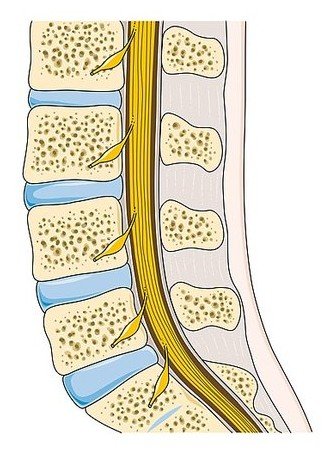
How is a spinal infection diagnosed?
An MRI scan with contrast dye is the main tool for confirming a spinal infection, since it shows changes in the disc and bone that a plain X-ray often misses in the early stages.
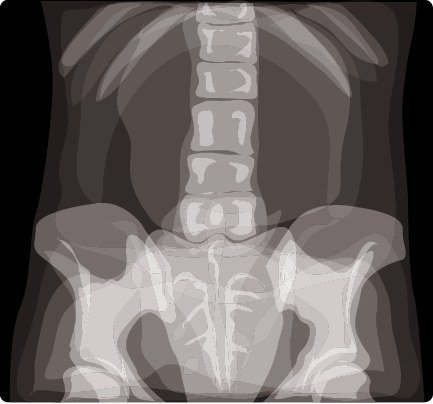
Blood tests looking at inflammation markers, ESR and CRP, are usually raised and help track whether treatment is working over time. A full blood count and blood cultures may also be taken to look for the responsible organism.
In some cases a CT-guided needle biopsy is needed to identify the exact bacteria or confirm tuberculosis, because bacterial infection and spinal TB are treated differently.
Is this the same as a slip disc or spinal stenosis?
No. A slip disc or spinal stenosis is a mechanical or degenerative problem, not an infection, and the two are managed very differently.
Mechanical back pain and stenosis usually get worse with standing or walking and ease with rest, and they do not come with fever or weight loss. Spinal stenosis is a narrowing of the space around the nerves that develops gradually with age, and it cannot be reversed without surgery.
That said, can severe spinal stenosis be cured without surgery? Not in the sense of undoing the narrowing, but many patients, even with significant narrowing, get lasting relief from physiotherapy, medication, weight management, and epidural injections, and can recover a normal daily routine without an operation. Surgery, including endoscopic spine surgery for spinal stenosis, is kept for those whose leg pain or weakness does not settle with these measures, or who develop progressive weakness.
A disc bulge is treated on a similar ladder: rest and physiotherapy first, then medication or an injection, with surgery such as microdiscectomy reserved for persistent leg pain or a neurological deficit that is not improving.
How is a spinal infection treated, will I need surgery?
Spinal infection is treated mainly with medicine, not surgery. Once the organism is identified, patients usually receive several weeks of antibiotics, starting intravenously in hospital and often continuing by mouth at home, alongside a period of rest or a brace to protect the spine while it heals.
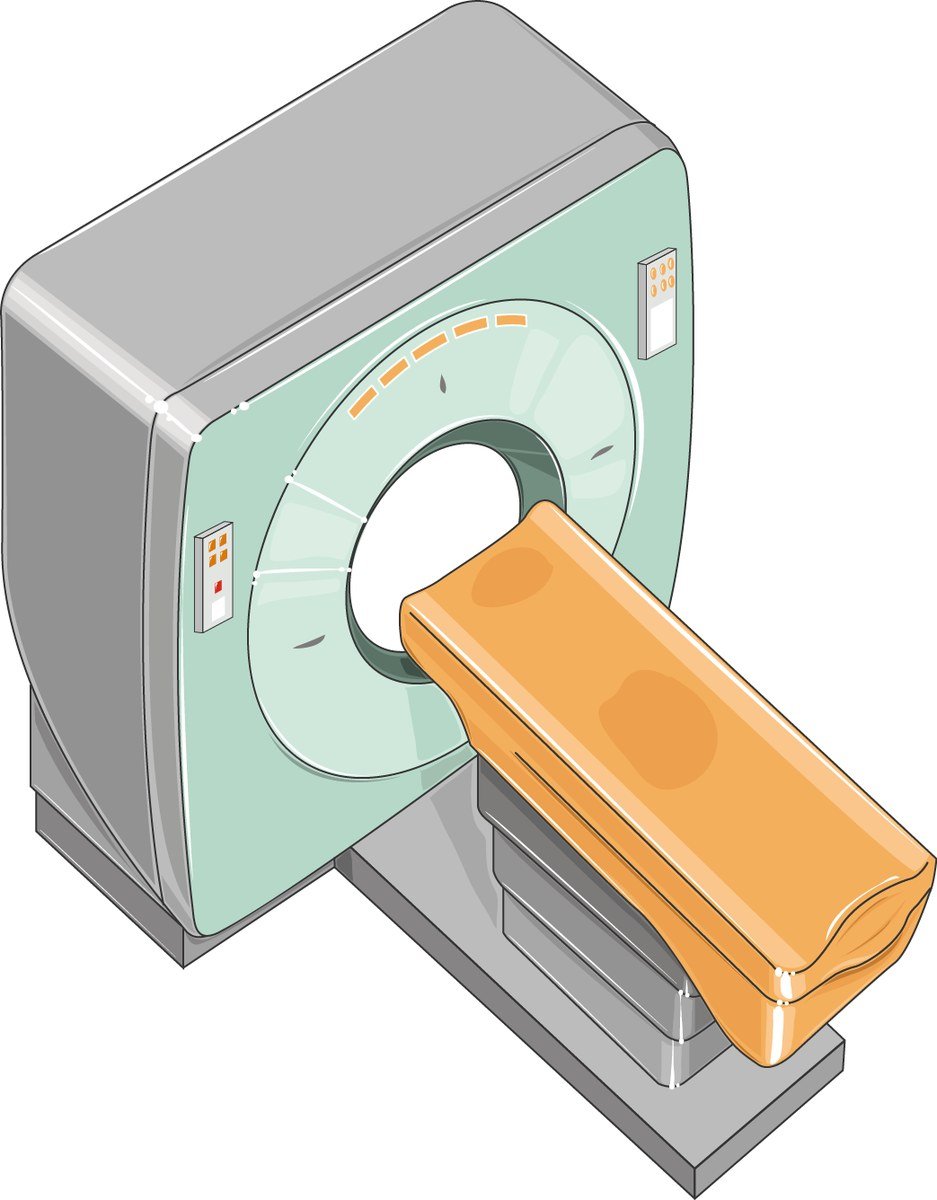
If the infection is tuberculosis, the treatment is a longer course of anti-TB therapy rather than standard antibiotics.
Surgery becomes necessary only in specific situations: an abscess that needs to be drained, a spine that has become unstable from bone destruction, or nerve compression causing worsening weakness. In these cases the operation may involve cleaning out infected tissue and, if the spine is unstable, a spinal fusion to hold it steady while it heals.
What does treatment cost in Pakistan?
Because most spinal infections are treated with medicine rather than surgery, the main cost is the hospital stay for intravenous antibiotics, monitoring, and follow-up blood tests, and this varies by hospital and how long the course of treatment takes.
If surgery, including spinal fusion, does become necessary, the cost depends on the implants used, the length of the hospital stay, and whether intensive care is needed, so there is no single fixed spinal fusion surgery cost in Pakistan that applies to every patient.
Before agreeing to any admission, ask the hospital for a written quote that breaks down the room charges, medicine, surgeon and anaesthesia fees, and implant cost if surgery is involved. This protects the family from surprises partway through treatment.
When should I go to the hospital immediately?
Some symptoms mean you should go to the hospital the same day rather than waiting for a routine appointment.
- Sudden or worsening weakness in one or both legs
- New numbness in the legs, groin, or saddle area
- Loss of bladder or bowel control
- High fever with severe, worsening back pain
- Inability to stand or walk that was not there before
These signs can mean the infection or its swelling is pressing on the spinal cord or nerves. Do not try a hakeem, a massage, or a few more days of painkillers first, go to a hospital with imaging and neurosurgical care available.
Who should I see, and what should I do next?
If you or a family member has fever with back pain that is not settling, start with a consultation and an MRI, not painkillers bought from a pharmacy on advice from a neighbour.
Dr. M. Abdur Rehman, consultant neurosurgeon and spine surgeon, practises at Mujahid Hospital, Faisalabad, and sees patients travelling in from across Punjab, including Lahore, Multan, Sargodha, and Jhang, for spine assessment and treatment closer to home than the bigger cities.
Most spinal infections are settled with antibiotics and time, and most stenosis and disc problems are settled without surgery too. When surgery is the right answer, ask specifically about the surgeon's experience with your condition, and when choosing the best endoscopic spine surgeon in Faisalabad for a minimally invasive option, ask direct questions about technique and recovery time rather than relying on general reputation.
Questions patients ask about this
Can a spinal infection be treated without surgery?
Yes, most spinal infections respond to weeks of targeted antibiotics and monitoring without any operation. Surgery is reserved for an abscess that needs draining, an unstable spine, or worsening nerve damage. Your surgeon will track blood markers and imaging to confirm the infection is settling before stopping treatment.
Can spinal stenosis be cured without surgery?
Spinal stenosis is a narrowing that cannot be reversed without surgery, but many patients control symptoms long-term with physiotherapy, medication, and activity changes. Surgery becomes the better option when leg pain or weakness is severe, worsening, or not responding to non-surgical care after several months.
What does spinal fusion surgery cost in Pakistan?
Cost varies by hospital, implants used, and length of stay, so there is no single fixed figure. It typically includes surgeon and anaesthesia fees, implant cost, OT charges, and post-operative stay. Always ask the hospital for a written, itemised quote before deciding.
Is endoscopic spine surgery used to treat spinal infection?
Not usually. Endoscopic spine surgery is mainly used for problems like disc herniation and spinal stenosis, where a small camera-guided approach removes pressure on a nerve. Spinal infection is treated mainly with antibiotics, and open surgery, not the endoscopic technique, is used in the rare cases needing drainage or stabilisation.
Is a disc bulge the same as a spinal infection?
No. A disc bulge is a mechanical, degenerative problem that usually causes pain worse with movement and better with rest, with no fever. Treatment usually starts with physiotherapy, medication, or an epidural injection, moving to surgery like microdiscectomy only if leg pain or weakness persists.
Related articles
Spinal tumour: the symptoms that separate it from ordinary back pain
Spinal tumor symptoms vs ordinary kamar dard: night pain, weight loss, weakness and when an MRI, not rest, is…
Read this
Neurosurgeon or neurologist: which one do you actually need?
Not sure if you need a neurosurgeon or neurologist? A plain guide to what each treats, when medicine is…
Read this
How to choose a spine surgeon in Pakistan
How to choose a spine surgeon in Pakistan: qualifications to check, questions to ask, and when spine surgery…
Read thisAll patient questions · Spine surgery in Faisalabad · Book an appointment
Ask about your own scan. Send your MRI or X-ray on WhatsApp and get a straight answer on whether surgery is needed at all, from a consultant neurosurgeon in Faisalabad.
Dr. M. Abdur Rehman is a consultant neurosurgeon in Faisalabad. Send your scan on WhatsApp and ask what it actually shows.
Published for the practice of Dr. M. Abdur Rehman, consultant neurosurgeon, Mujahid Hospital, Faisalabad. General information only, not a substitute for examination.