
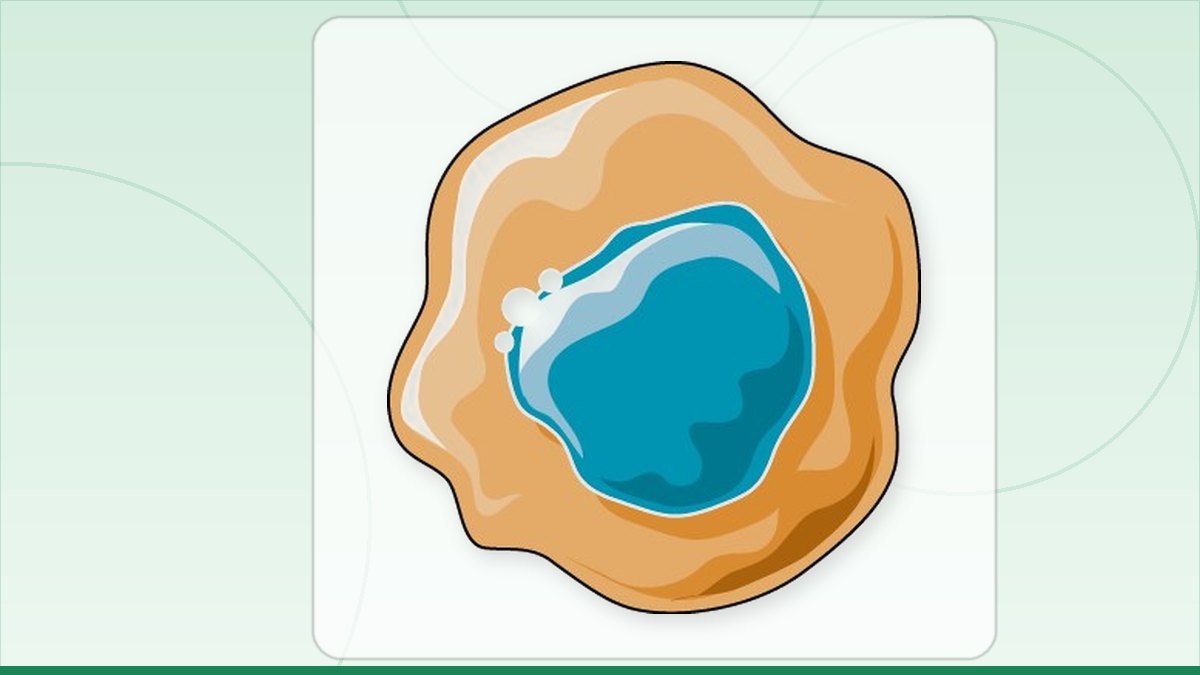
Ordinary back pain usually eases with rest and improves within weeks. A spinal tumour is more likely if pain wakes you at night, keeps getting worse instead of better, comes with unexplained weight loss, or is followed by numbness, weakness, or bladder or bowel changes. These symptoms need an MRI, not more rest or massage.
What are the symptoms of a spinal tumour?
A spinal tumour rarely announces itself the way a slipped disc does. There is usually no single injury, no bending-and-twisting moment you can point to. Instead the pain builds slowly, sits deep in the back or neck, and does not follow the usual pattern of getting better with rest.
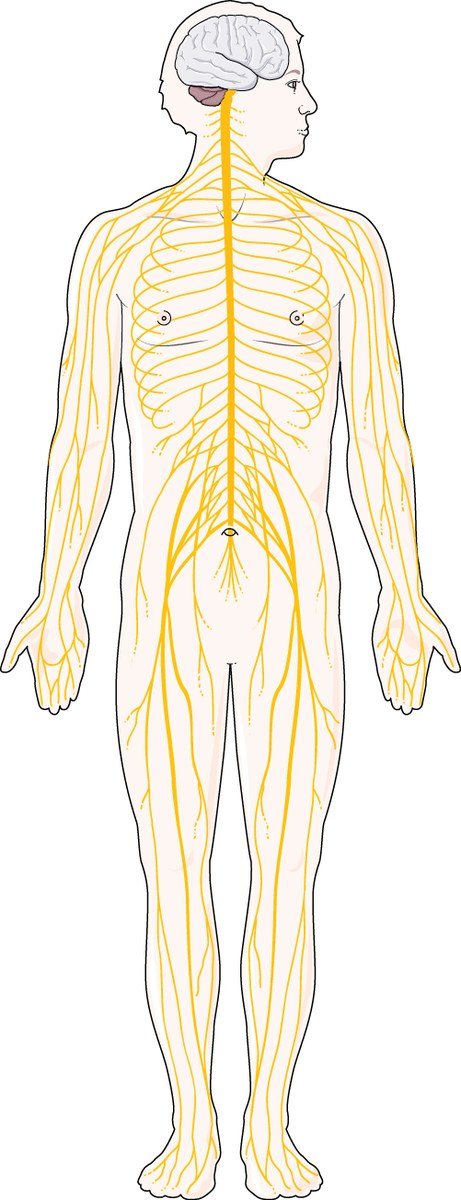
The symptoms that raise real concern are:
- Pain that wakes you from sleep or is worse lying flat
- Pain that keeps getting worse over weeks instead of settling
- Weight loss you cannot explain
- Fever or night sweats alongside back pain
- New weakness in an arm or leg, or a limb that feels clumsy
- Numbness that spreads, or loss of bladder or bowel control
- A known history of cancer elsewhere in the body
One or two of these on their own do not mean cancer. Most people with back pain have none of them. But if several are present together, or the pain has kept worsening for more than a few weeks despite rest, physiotherapy, or a hakeem's massage, it is worth an MRI rather than waiting longer.
Is spinal tumour surgery safe, will I be paralysed?
Spinal tumour surgery carries real risk, but for most patients the operation is done to protect the spinal cord and nerves, not to endanger them. Paralysis is a recognised risk with any spine or spinal cord surgery, but it is not the expected outcome, and in many cases delay is what allows a tumour to press on the cord long enough to cause the very weakness families fear.
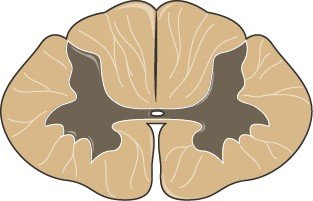
The risk depends heavily on where the tumour sits. A tumour outside the spinal cord, in the bone or in the covering membranes, generally carries lower risk to remove than one growing inside the cord itself. Before any surgery, your neurosurgeon should explain the specific risk for your tumour's type and location, not a generic percentage.
Monitoring during surgery, modern imaging, and a team that includes anaesthesia and sometimes oncology all reduce risk further. Ask directly what the risk of worsening weakness is for this specific tumour, and what happens if you wait.
How is pain from a tumour different from ordinary kamar dard?
Ordinary kamar dard from muscle strain, poor posture, or a mild disc bulge usually improves within two to six weeks with rest, physiotherapy, and simple painkillers. Pain from a tumour tends to move the opposite way: it gets worse over that same period instead of better.
Ordinary back pain is usually mechanical: it changes with movement, sitting, or standing. Tumour-related pain is often described as a deep, constant ache that does not fully settle even lying still, and is frequently worse at night.
Age matters too. Back pain with no injury in someone under 20, or a first serious episode after 50, especially alongside any of the red flag symptoms above, deserves imaging rather than a wait-and-see approach.
Can spinal stenosis be cured without surgery?
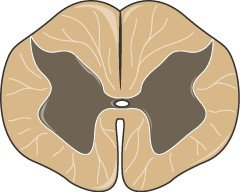
Yes, in many cases. Spinal stenosis, a narrowing of the canal that squeezes the nerves, usually from age-related wear rather than a tumour, often responds to physiotherapy, weight management, activity changes, and epidural injections, especially when symptoms are mild to moderate.
Surgery becomes the better option when taang mein dard and heaviness limit walking distance significantly, when numbness or weakness appears, or when months of non-surgical treatment have not helped. Even severe spinal stenosis can sometimes be managed without surgery for a while, but if walking distance keeps shrinking or weakness develops, further delay usually makes recovery slower rather than safer.
When surgery is needed, endoscopic spine surgery for spinal stenosis is one option in appropriately selected patients. It decompresses the narrowed canal through a small keyhole incision, which generally means less muscle disruption and a shorter hospital stay than open surgery. It is not the right choice for every stenosis case, and it is a separate decision from tumour surgery, which needs its own imaging and its own plan.
How is a spinal tumour diagnosed?
An MRI scan with contrast dye is the key test. It shows the tumour's size, exact location, and its relationship to the spinal cord and nerves in a way an X-ray or plain CT scan cannot.
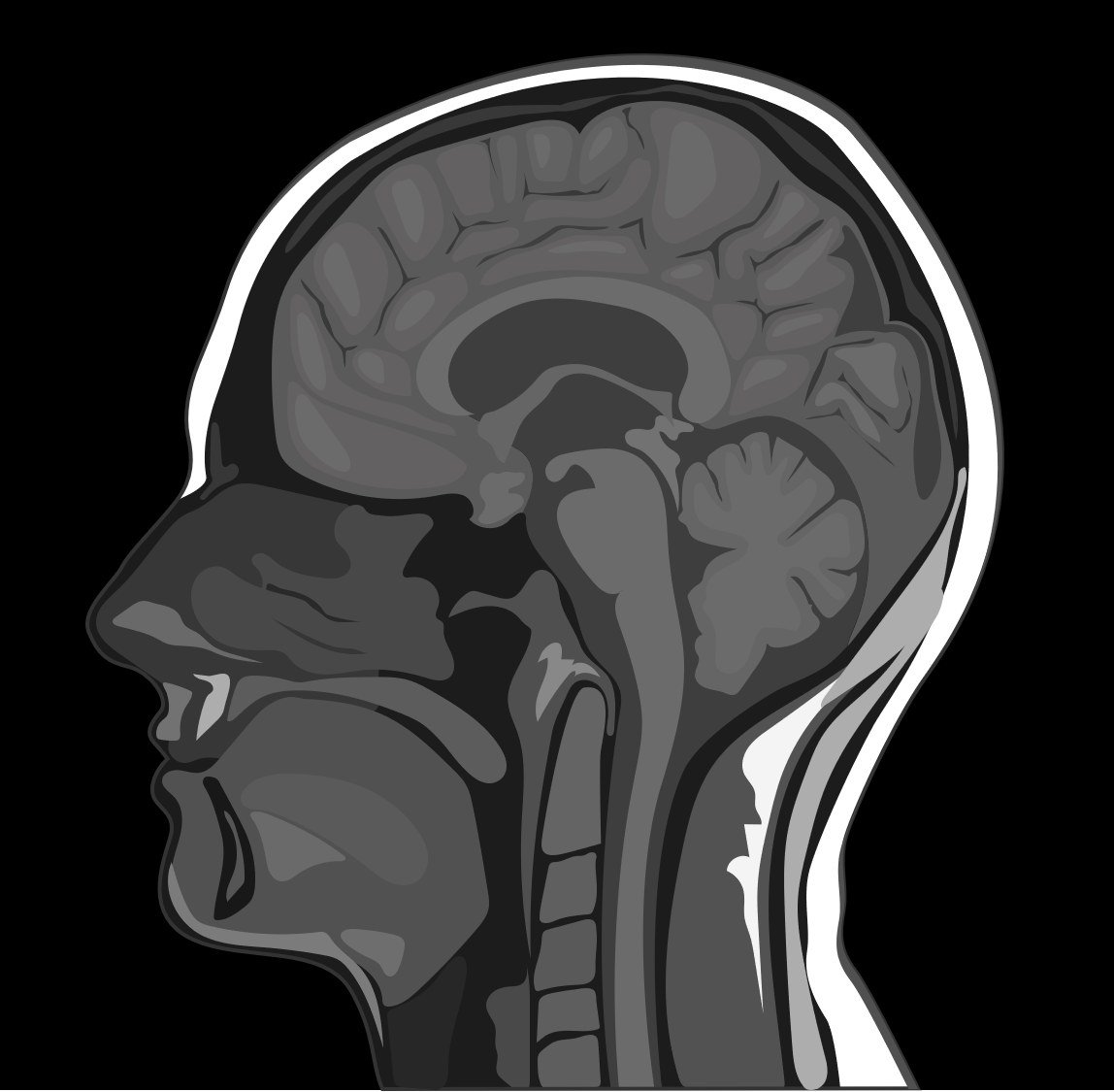
Depending on what the MRI shows, your doctor may add blood tests, a CT scan of the chest and abdomen to check for a tumour elsewhere in the body, or a biopsy to identify the exact tissue type before deciding on treatment. Many spinal tumours found in adults are metastases, meaning they have spread from a cancer elsewhere, such as the breast, lung, prostate, kidney, or thyroid, rather than starting in the spine itself.
Not every tumour needs a biopsy before surgery. If a tumour is pressing on the spinal cord and needs urgent removal regardless of exact type, surgery and diagnosis can happen together.
What treatment options exist for a spinal tumour?
Treatment depends on whether the tumour is benign or malignant, where it sits, and whether it is pressing on the spinal cord or nerves. There is no single answer that fits every case.
Benign tumours that are growing, causing pain, or pressing on nerves are usually removed surgically, often with a good chance of full resolution once removed. Malignant tumours, and tumours that have spread from cancer elsewhere, are usually managed with a combination of surgery to relieve pressure and stabilise the spine, radiotherapy, and ongoing care from an oncologist. Chemotherapy or targeted drug treatment may also be part of the plan depending on the original cancer type.
Endoscopic and other minimally invasive techniques have a role for selected small tumours in accessible locations, where the goal is to remove or biopsy the tumour with less disruption to surrounding muscle. Larger tumours, or those wrapped closely around the spinal cord, are more often removed through standard open microsurgery, because it gives the fullest possible view and control.
How much does spinal tumour surgery cost in Pakistan?
Cost varies widely and depends on the type of tumour, the surgical approach, whether spinal fusion or instrumentation is needed, the hospital, and length of stay. There is no single published figure that applies to every patient, and anyone quoting an exact number without seeing your MRI is guessing.
The same is true of related questions patients search, such as spinal fusion surgery cost in Pakistan or how much brain tumor surgery cost in Pakistan. The honest answer is always that it depends, because implants, ICU days, and imaging add up differently for every case. Families travelling from other cities in Punjab to Faisalabad for treatment should ask the hospital and surgeon for a written quote before booking, itemising the surgeon's fee, hospital charges, implants if needed, and expected length of stay.
Also ask what happens if something unexpected is found during surgery, and whether that changes the cost. A written quote protects the family from surprises partway through treatment.
What is recovery like, and are success rates reliable?
Recovery depends on the tumour type, its location, and how much weakness or nerve involvement existed before surgery. Many patients who had good nerve function before surgery keep it afterward, since preventing further nerve damage, and reversing it where possible, is the main goal of most spinal tumour surgery.
Questions like brain tumor surgery success rate in Pakistan do not have one honest single-number answer, because outcome depends heavily on tumour type, grade, size, and how early it was caught, not on which country the surgery happens in. A neurosurgeon reviewing your specific scans and pathology can give a realistic sense of what to expect for your case. A generic percentage quoted without seeing your reports is not something to rely on.
Physiotherapy after surgery, particularly if there was weakness beforehand, plays a large part in how much function returns. Most patients are mobilised within a day or two after surgery unless the case involves fusion or a fragile spine.
What should I do next?
Most back pain is not caused by a tumour and does not need surgery at all. If your pain has been improving with rest and simple treatment, that is reassuring, not something to worry through.
But if you recognise the red flag pattern: pain that is getting worse instead of better, night pain, weight loss, weakness, numbness, or bladder or bowel changes, do not wait for the pain to become unbearable. Ask your family doctor for an MRI referral, or book directly with a neurosurgeon who can review the scan and explain, in plain language, what is going on and what the options are.
For families in Faisalabad and nearby districts trying to work out whether this is ordinary kamar dard or something that needs urgent attention, the best first step is a clear conversation and an MRI in hand, not a guess. Dr. M. Abdur Rehman, consultant neurosurgeon and spine surgeon at Mujahid Hospital, is a reasonable place to seek that second opinion if you are looking for the best endoscopic spine surgeon in Faisalabad to review your case and explain the honest picture, tumour or not.
Questions patients ask about this
Can spinal stenosis be cured without surgery?
Mild to moderate stenosis often improves with physiotherapy, weight control, and epidural injections, and some patients avoid surgery for years. Surgery becomes the better option when leg pain limits walking distance, when weakness develops, or when months of non-surgical treatment have not helped enough.
What is the difference between spinal stenosis and a spinal tumour?
Stenosis is narrowing of the spinal canal from age-related wear, usually causing taang mein dard that worsens with walking and eases with rest. A tumour causes pain that keeps worsening regardless of position, often with night pain or weight loss. Both need an MRI to tell them apart.
Is a spinal disc bulge the same as a tumour?
No. A disc bulge is a common, usually non-cancerous cause of back and leg pain from wear on the spine, while a tumour is abnormal tissue growth. Disc bulge treatment ranges from physiotherapy to, in some cases, microdiscectomy or endoscopic discectomy, and it is far more common than a tumour.
How much does brain tumor surgery cost in Pakistan?
Cost depends on the tumour's size, location, surgical approach, ICU days, and hospital charges, so there is no single fixed figure. Ask the treating hospital and surgeon for a written quote covering the surgeon's fee, hospital stay, and any implants before agreeing to a date.
Can a spinal tumour be benign?
Yes. Many spinal tumours, such as meningiomas or schwannomas, are non-cancerous and do not spread to other organs. They can still cause serious pain or weakness by pressing on the spinal cord or nerves, and often need surgical removal even though they are not cancer.
Related articles
Neurosurgeon or neurologist: which one do you actually need?
Not sure if you need a neurosurgeon or neurologist? A plain guide to what each treats, when medicine is…
Read this
How to choose a spine surgeon in Pakistan
How to choose a spine surgeon in Pakistan: qualifications to check, questions to ask, and when spine surgery…
Read this
What a spine surgeon actually does all day
What does a spine surgeon actually do all day, and how do they decide if you need surgery? A plain guide for…
Read thisAll patient questions · Spine surgery in Faisalabad · Book an appointment
Ask about your own scan. Send your MRI or X-ray on WhatsApp and get a straight answer on whether surgery is needed at all, from a consultant neurosurgeon in Faisalabad.
Dr. M. Abdur Rehman is a consultant neurosurgeon in Faisalabad. Send your scan on WhatsApp and ask what it actually shows.
Published for the practice of Dr. M. Abdur Rehman, consultant neurosurgeon, Mujahid Hospital, Faisalabad. General information only, not a substitute for examination.