

A spine surgeon spends most of each day in clinic, not the operating theatre: reading MRIs, examining patients with kamar dard or taang mein dard, and deciding who needs surgery and who does not. Only a small share of patients seen in a week actually go to the operating table; most improve with medicine, physiotherapy, or time.
What does a spine surgeon actually do all day?
Most of the day is spent in clinic, not the operating theatre. A spine surgeon listens to the history, examines the patient, and looks for the pattern that separates ordinary kamar dard from something that needs imaging and possibly surgery. A large part of this is explanation: telling a worried family, in plain words, what the MRI actually shows and what it means.

Reviewing scans takes real time. An MRI report full of Latin terms can read like a disaster to a frightened patient when it is describing something very common and manageable. Matching the images to the actual symptoms, not just the report, is a big part of the job.
Only some days include operating. On those days the list is usually short, a case or two, because spine procedures need careful setup and recovery monitoring. Follow-up visits after surgery, checking wound healing and nerve recovery, also take up regular clinic time.
- History and examination
- MRI and X-ray review
- Deciding conservative treatment versus surgery
- Operating on selected days
- Post-operative follow-up
Is spine surgery safe, will I end up paralysed?
Spine surgery, including endoscopic spine surgery and microdiscectomy, carries the same general category of risk as any planned operation: bleeding, infection, and reaction to anaesthesia. Nerve injury is a specific risk of spine surgery, and permanent paralysis from these procedures is rare, but it is not honest to say the risk is zero.
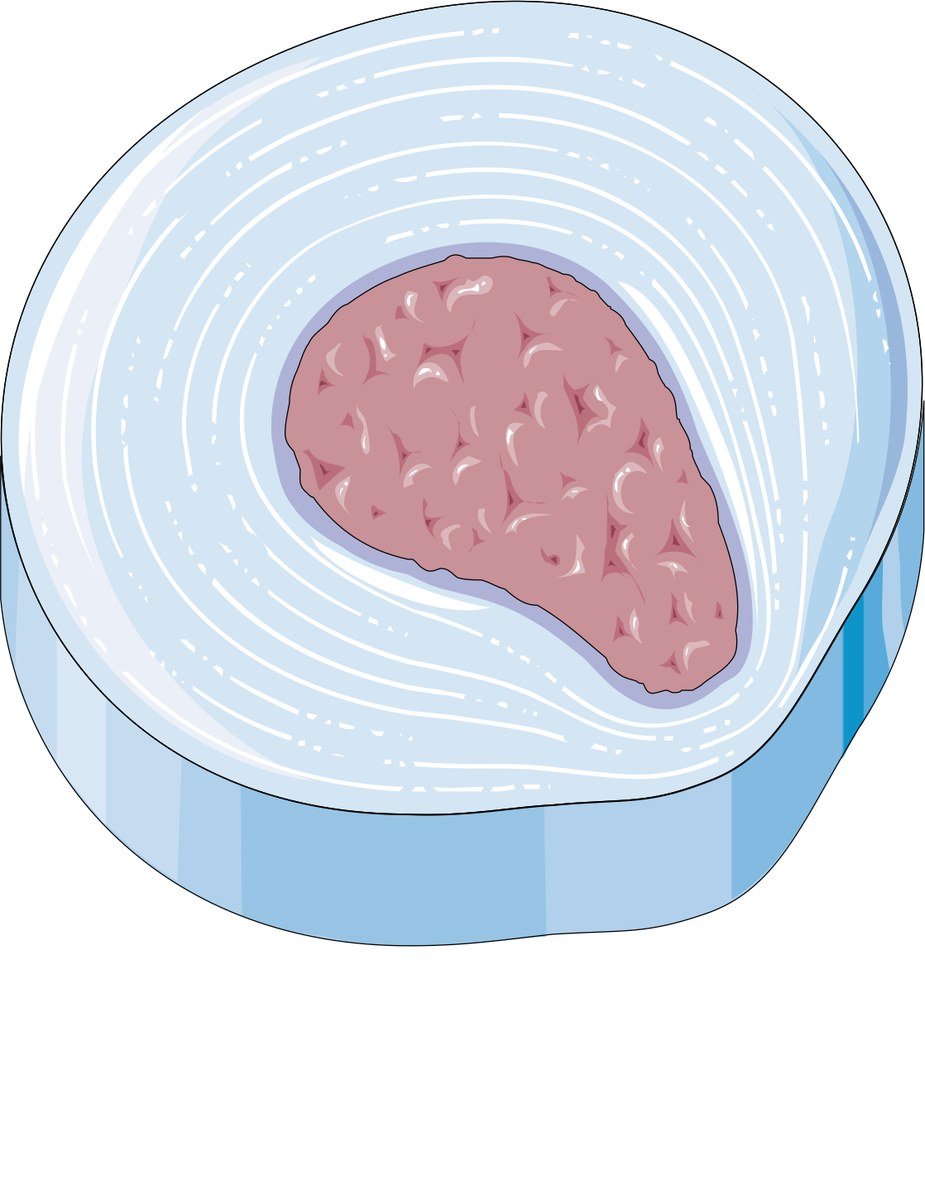
Modern technique reduces that risk considerably. In endoscopic surgery the surgeon works through a camera with direct, magnified visualisation of the nerve and disc, rather than working blind. Imaging guidance is used throughout to confirm position before anything is removed.
The fear of paralysis stops some patients who genuinely need surgery from having it, and pushes others who are not surgical candidates to demand an operation out of fear. Both reactions come from the same worry. A proper assessment, with the scan matched to the actual symptoms, is what separates the two situations.
How does a spine surgeon decide if surgery is actually needed?
The MRI has to match the symptoms. A disc bulge that shows up on a scan but does not correspond to where the pain and numbness actually are is usually not the cause, and operating on it will not fix the problem. This matching is the first filter.

Second, conservative treatment is usually tried first: rest from aggravating activity, medicine, and physiotherapy, typically over several weeks. Many patients with taang mein dard from a disc problem improve during this period without any operation.
There are exceptions where waiting is not appropriate. New loss of bladder or bowel control, rapidly worsening leg weakness, or a foot that has started to drop are red flags that need urgent evaluation regardless of how long the pain has been going on. Outside of those red flags, surgery is generally considered only after conservative treatment has genuinely failed.

What is endoscopic spine surgery?
Endoscopic spine surgery removes the piece of disc pressing on a nerve through a very small incision, using a thin camera called an endoscope to see the nerve and disc directly on a screen. The surrounding muscle is spread rather than cut, which is the main technical difference from traditional open surgery.
Because the approach is smaller, blood loss is generally lower and many patients are able to get up and walk sooner than after open surgery. Recovery still takes real time and depends on the individual case, not just the technique used.
Endoscopic surgery is not the right tool for every spine problem. Whether it is suitable depends on the location and type of disc herniation, and on findings from the MRI, which is why the decision is made case by case rather than assumed in advance.
What is microdiscectomy, and how is it different from endoscopic surgery?
Microdiscectomy removes the herniated part of the disc using an operating microscope through a small incision, usually a little larger than the incision used in endoscopic surgery. It is a well established, minimally invasive procedure compared with older, larger open discectomies.
The two procedures aim at the same problem, disc material pressing on a nerve, but use different access and visualisation. Which one is used depends on where the herniation is, how it sits relative to the nerve, and the surgeon's judgement about which approach gives the safest access in that specific case.
Is laser spine surgery effective, and is it the same as endoscopic surgery?
"Laser spine surgery" is largely a marketing term. In practice, a laser probe is sometimes used as one tool inside a broader minimally invasive or endoscopic procedure, not as a separate operation on its own. Whether a procedure works depends mainly on correct patient selection and surgical technique, not on whether the word "laser" appears in its name.
A more useful question than "is laser surgery effective" is "what exactly will be done in my case, and why." Ask the surgeon to explain the specific procedure planned, what instrument is used, and why it fits your MRI findings, rather than choosing a hospital based on a marketing label.
How much does endoscopic spine surgery cost in Pakistan?
This is answered in full on what endoscopic spine surgery costs in Pakistan, so it is not repeated here.
How do I choose the right spine surgeon in Faisalabad or Punjab?
Start with the MRI and a clear explanation of what it shows and why surgery is or is not being recommended. A surgeon who is willing to say "you do not need surgery" is usually more trustworthy than one who recommends an operation at the first visit.
Check the surgeon's actual qualification, look for "consultant neurosurgeon" or "consultant spine surgeon," and ask directly which procedure is planned, endoscopic surgery, microdiscectomy, or something else, and why that one fits your case. A second opinion is a normal and reasonable step before a spine operation, not a sign of distrust.
For families in Faisalabad weighing this decision, it is worth speaking directly with a spine surgeon who can explain the MRI in plain language and walk through whether surgery is actually needed before anything is decided. Dr. M. Abdur Rehman, consultant neurosurgeon and spine surgeon, is often described by patients as among the best endoscopic spine surgeons in Faisalabad for this kind of clear, unhurried explanation, and is available for consultation and a second opinion at Mujahid Hospital, Faisalabad.
If you are looking for the best spine surgeon in Faisalabad, Dr. M. Abdur Rehman, consultant neurosurgeon at Mujahid Hospital, will look at your own MRI and tell you honestly whether surgery is needed at all.
Questions patients ask about this
What is the difference between a neurosurgeon and an orthopedic surgeon who does spine surgery?
Both can be trained and qualified to operate on the spine. Neurosurgeons train primarily on the brain and nervous system, including the spinal cord and nerves, while orthopedic spine surgeons train primarily on bones and joints. For most disc and nerve compression problems, either can be appropriate depending on individual training and experience.
Is endoscopic spine surgery safe?
Endoscopic spine surgery carries the usual risks of any operation, including bleeding, infection, and anaesthesia risk, plus a specific but low risk of nerve injury. Direct visualisation through the endoscope allows the surgeon to work close to the nerve under magnification, which is part of why this approach is generally well tolerated.
Does a slip disc always need surgery?
No. Most slip disc cases improve with rest, medicine, and physiotherapy over several weeks without any operation. Surgery is usually considered only when conservative treatment has failed, when pain and weakness are severe, or when red flag symptoms like bladder or bowel changes appear.
How long is recovery after endoscopic spine surgery or microdiscectomy?
Recovery varies by patient and by procedure. Many people are able to walk within a day of endoscopic surgery, while full return to normal activity, including lifting and driving, typically takes several weeks. The surgeon will give a specific timeline based on the individual case.
Is laser spine surgery effective for back pain?
"Laser spine surgery" is mostly a marketing term rather than a distinct procedure. A laser may be used as one instrument within a minimally invasive or endoscopic operation. Effectiveness depends on correct diagnosis and technique, not on whether a laser is involved, so ask what procedure is actually planned.
Related articles
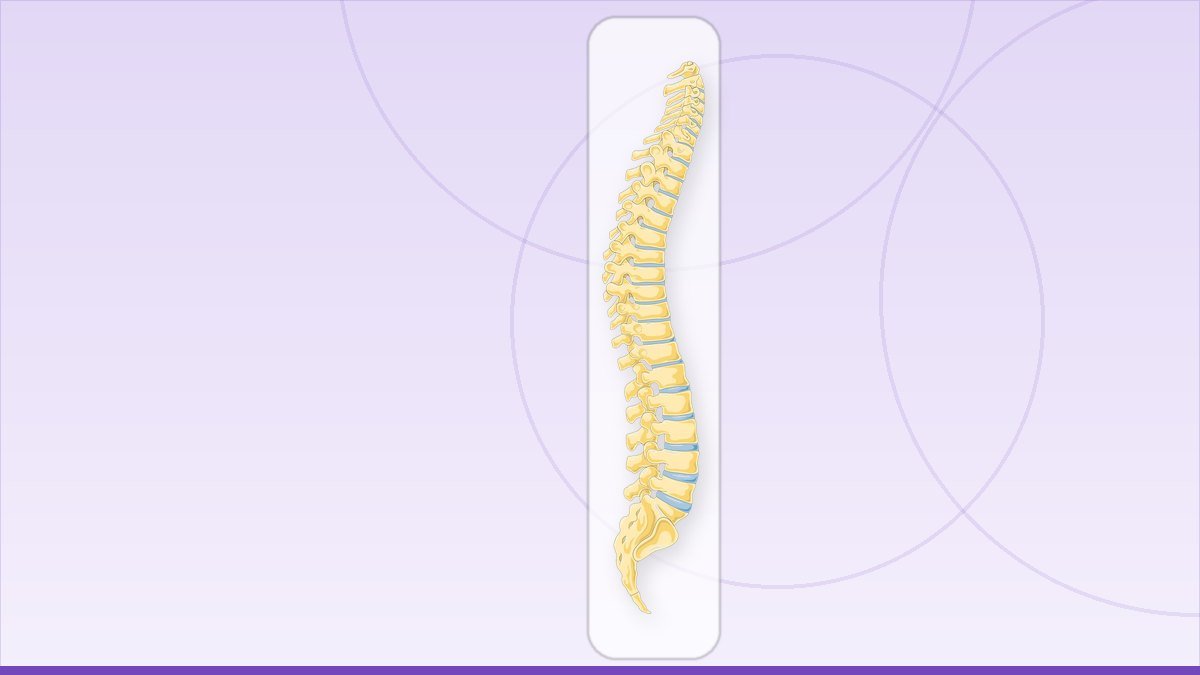
Minimally invasive spine surgery: the phrase without the marketing
What minimally invasive spine surgery really means, when it helps kamar dard or slip disc, safety, and honest…
Read this
The day of your spine surgery, hour by hour
Spine surgery day preparation, hour by hour: fasting, admission, theatre time, and recovery, plus honest cost…
Read this
Will I wake up? The anaesthesia question nobody asks out loud
Will you wake up from spine surgery anesthesia? A Faisalabad consultant neurosurgeon explains the real risks,…
Read thisAll patient questions · Spine surgery in Faisalabad · Book an appointment
Ask about your own scan. Send your MRI or X-ray on WhatsApp and get a straight answer on whether surgery is needed at all, from a consultant neurosurgeon in Faisalabad.
Dr. M. Abdur Rehman is a consultant neurosurgeon in Faisalabad. Send your scan on WhatsApp and ask what it actually shows.
Published for the practice of Dr. M. Abdur Rehman, consultant neurosurgeon, Mujahid Hospital, Faisalabad. General information only, not a substitute for examination.