

Yes. Modern spine surgery anaesthesia is designed so you wake up as soon as the operation ends. An anaesthetist stays with you throughout, monitoring your heart, breathing, and oxygen every second. Waking up mid-surgery or not waking up at all is extremely rare with today's monitoring and drugs, whether the procedure is endoscopic, microdiscectomy, or fusion.
Will I wake up from the anaesthesia?
Yes, almost certainly. Modern general anaesthesia is designed to bring you back the moment the operation is finished, and an anaesthetist stays with you the entire time, watching your heart rate, oxygen level, and blood pressure without a break. This fear is one of the most common reasons families delay a needed operation, more than the fear of the surgery itself.
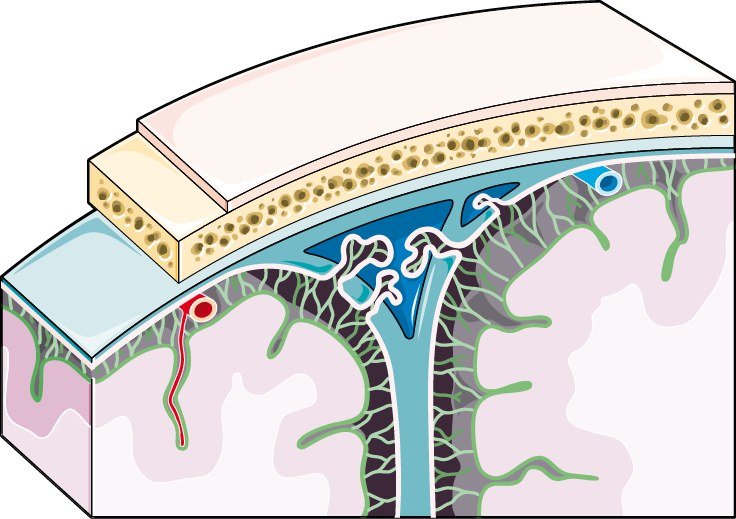
Before any spine procedure, whether endoscopic surgery or microdiscectomy, an anaesthetist reviews your general health: blood pressure, sugar level, heart and lung history, and any medicines you take. This is called a fitness-for-anaesthesia check. If something needs correcting first, such as uncontrolled blood pressure or sugar, it is dealt with before the date is fixed, not on the operating table.
Once you are asleep, a breathing tube or mask keeps oxygen going in and carbon dioxide going out, and machines track your vital signs continuously. At the end of the procedure the anaesthetist reverses the drugs and you wake up in the recovery area, usually within minutes.
Is spine surgery safe, will I be paralysed?
The honest answer is that permanent paralysis from a routine lumbar disc operation is rare, but it is not zero, and any surgeon who tells you it is impossible is not being straight with you. What keeps the risk low is imaging: your MRI is studied in detail before surgery so the team knows exactly where the disc, bone, or nerve problem sits.
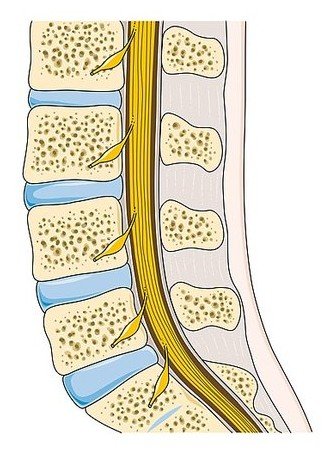
During endoscopic spine surgery or microdiscectomy, the surgeon works through a small opening under magnified view, moving around the nerve rather than through it. The spinal cord itself is not touched in standard lumbar procedures; the nerves at that level are more like a bundle of separate roots than a single cord, which is part of why this kind of surgery has a long safety record.
Ask your surgeon directly what could go wrong in your specific case, and what happens if something needs to change mid-operation, for example converting from endoscopic to a slightly open approach. A surgeon willing to answer that plainly is telling you something about how they practise.
Do I actually need surgery, or is this just kamar dard?
Most kamar dard, and even pain that runs down the leg (taang mein dard, often called sciatica), settles on its own within a few weeks with rest, physiotherapy, and medication. Surgery is not the first step for the majority of people who come in worried about a "slip disc."
Surgery is usually only considered when leg pain or weakness has not improved after several weeks of proper conservative treatment, when weakness in the leg or foot is getting worse, or when the MRI findings clearly match the pattern of symptoms you are describing.
There is one exception that cannot wait: numbness around the groin or saddle area, or new loss of control over urination or bowel movements, needs emergency assessment the same day, not a course of hakeem medicine or massage first. This combination is called cauda equina syndrome, and delay can cause permanent damage.
Trying a hakeem, a masseur, or a few weeks of rest before seeing a surgeon is common in Pakistan and often reasonable for ordinary back pain. It becomes a problem only when it delays care for the red-flag symptoms above.
What does spine surgery cost in Pakistan?
This is answered in full on what spine surgery costs in Pakistan, so it is not repeated here.
Is laser spine surgery effective, and is it different from endoscopic surgery?
"Laser spine surgery" is more of a marketing phrase than a precise medical one, and it is worth asking exactly what technique is being offered before you decide anything based on the word "laser" alone. In most keyhole spine procedures done today, the main tool is a small camera and fine instruments, not a laser beam cutting the disc.
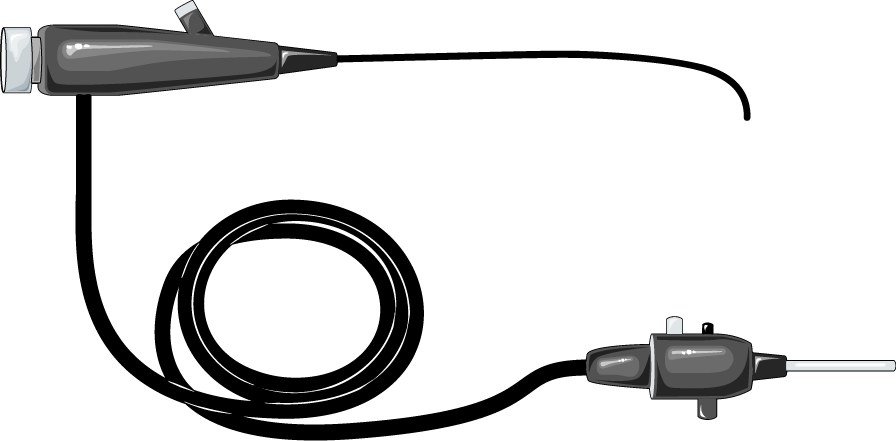
A laser is sometimes used as one instrument among several during endoscopic disc surgery, to shrink or seal small areas of disc tissue, but it is not the whole operation, and it is not automatically better or safer than standard endoscopic technique. What matters more is the surgeon's experience with the approach and how well the MRI findings match your symptoms.
If a clinic advertises "laser spine surgery" as if it were a separate, superior category of operation, it is reasonable to ask them directly what instrument does the actual work of removing the disc material pressing on the nerve.
What is endoscopic spine surgery, and how is it different from open surgery?
Endoscopic spine surgery is done through a single small opening, often less than a centimetre, through which a thin camera and instruments are passed to reach the disc or bone pressing on a nerve. The back muscles are pushed aside rather than cut, which is the main reason recovery tends to be quicker than with older open techniques.
Microdiscectomy, the other common option, uses a slightly larger incision and a surgical microscope instead of an endoscope, but shares the same muscle-sparing principle. Both are well established techniques for a herniated or "slipped" disc pressing on a nerve, and the choice between them depends on the exact location and type of the problem on your MRI, not on which sounds more advanced.
Both are usually done as day procedures or with a short hospital stay of one to two nights, compared with the longer stay traditionally associated with open spine surgery.
What kind of anaesthesia is used, general or spinal block?
Most endoscopic spine procedures and microdiscectomies are done under general anaesthesia, meaning you are fully asleep and unaware throughout, with your breathing supported by the anaesthesia team. This keeps you completely still, which matters when the surgeon is working close to a nerve through a small opening.
In some cases, particularly for patients with certain lung conditions where general anaesthesia carries extra risk, a spinal or regional anaesthetic that numbs the lower body while you stay awake or lightly sedated may be discussed instead. This decision is made by the anaesthetist after reviewing your health, not by personal preference alone.
Before the day of surgery, tell the anaesthetist about every medicine you take, especially blood thinners, diabetes medicines, and any herbal or hakeem preparations, since some of these need to be stopped or adjusted beforehand. Fasting instructions, usually no food or water for a set number of hours before surgery, must also be followed exactly.
How do I choose the right spine surgeon and hospital in Faisalabad?
Start with the surgeon's qualifications: look for a consultant neurosurgeon who explains your MRI findings in plain language and is willing to say clearly whether surgery is even needed in your case. A surgeon who recommends surgery for every patient who walks in is a warning sign, not a reassurance.

Ask to see how your specific MRI relates to your symptoms, ask for a written cost quote, and ask what the plan is if the endoscopic approach needs to change during the operation. Bring the family member who will be making decisions with you to this conversation, since decisions here are usually made together, not alone.
When people search online for the best endoscopic spine surgeon in Faisalabad, what they actually need is someone who will answer these questions honestly and tell them when surgery is not the answer. That conversation matters more than any single word in a clinic's advertisement.
Questions patients ask about this
Is laparoscopic surgery the same as endoscopic spine surgery?
No. Laparoscopic surgery is a camera-based technique used for abdominal organs like the gallbladder or appendix. Endoscopic spine surgery uses a similar camera principle but is a completely separate technique, used through the back to reach a disc or bone pressing on a spinal nerve.
How long will I be under anaesthesia for endoscopic spine surgery?
Most endoscopic disc procedures take roughly one to two hours of operating time, with additional time before and after for anaesthesia induction and recovery. The exact duration depends on the specific problem, its location, and whether anything unexpected is found during surgery.
Can I ask for spinal anaesthesia instead of general anaesthesia?
You can raise it with your anaesthetist, but the final decision depends on your health, the specific procedure, and how long the surgery is expected to take. Some patients are not suitable candidates for regional anaesthesia, and the anaesthetist will explain why if that applies to you.
Does a fusion surgery cost more than endoscopic disc surgery in Pakistan?
Usually yes, mainly because fusion involves implants such as screws, rods, or cages, along with a longer hospital stay in many cases. The only reliable way to compare is a written quote for your specific case after your MRI has been reviewed.
What should I bring to my first consultation?
Bring your MRI films and report, a list of current medicines, and details of any other health conditions such as diabetes or heart disease. Bringing a family member who will be part of the decision is also useful, since these decisions are rarely made alone.
Related articles
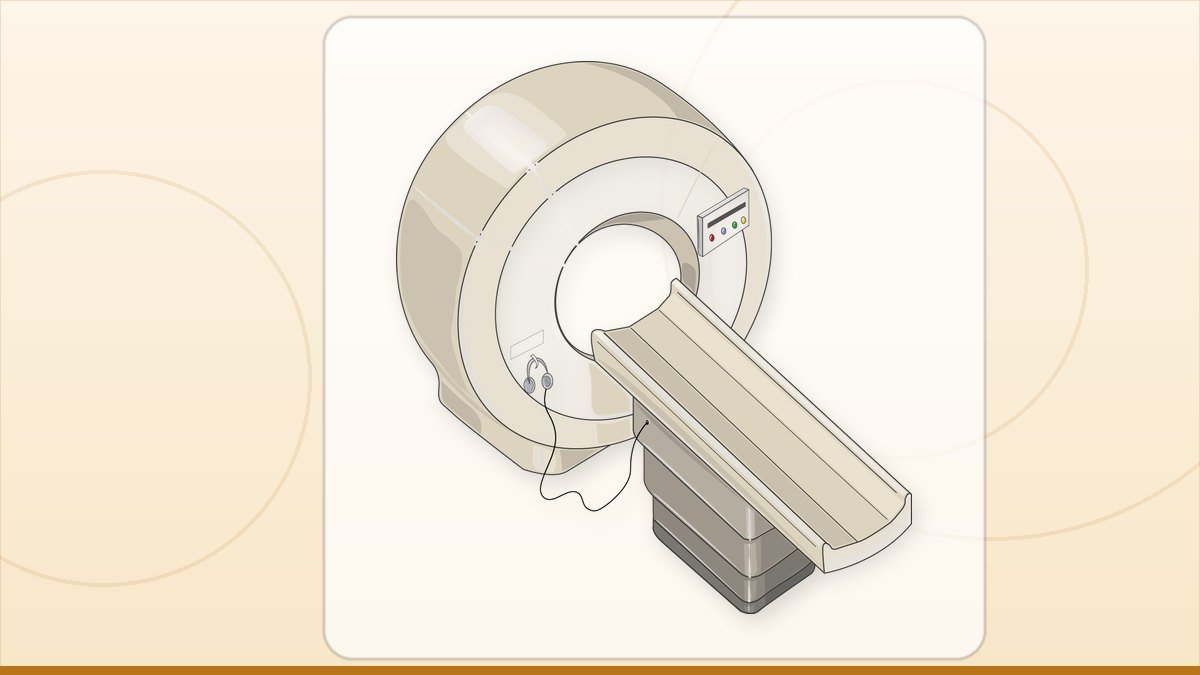
The MRI your surgeon needs, and the one that wastes your money
A lumbar MRI for back pain should match your symptoms, not just show a disc bulge. What to check before…
Read this
Back pain: when physiotherapy is enough and when you need a surgeon
Not all back pain needs a doctor. Here's when to see a spine surgeon versus a physiotherapist, with…
Read this
Diabetes and blood pressure before spine surgery
Diabetic or on BP tablets and facing an operation? What control is really needed for diabetes before spine…
Read thisAll patient questions · Spine surgery in Faisalabad · Book an appointment
Ask about your own scan. Send your MRI or X-ray on WhatsApp and get a straight answer on whether surgery is needed at all, from a consultant neurosurgeon in Faisalabad.
Dr. M. Abdur Rehman is a consultant neurosurgeon in Faisalabad. Send your scan on WhatsApp and ask what it actually shows.
Published for the practice of Dr. M. Abdur Rehman, consultant neurosurgeon, Mujahid Hospital, Faisalabad. General information only, not a substitute for examination.