
Diabetes and blood pressure do not rule out spine surgery. They need to be controlled first. Most surgeons want sugar reasonably steady and blood pressure settled before operating, because uncontrolled sugar slows healing and raises infection risk. With a physician's help this usually takes a few weeks, not months. Endoscopic surgery, through a small opening, suits many diabetic patients.
Can I have spine surgery if I am diabetic?
Yes. Diabetes is a reason to prepare carefully, not a reason to refuse surgery. Thousands of diabetic patients have spine operations safely every year. What matters is whether your sugar is under reasonable control in the weeks before and after the operation.
The concern is not the disc or the nerve. It is healing. High blood sugar weakens the body's defence against infection, slows wound closure, and makes the body slower to recover from any stress. A patient with an HbA1c of 12 and a patient with an HbA1c of 7 are not facing the same operation, even if the MRI looks identical.
Blood pressure matters in a different way. Very high or very unstable pressure makes anaesthesia riskier and raises the chance of bleeding during surgery. Most of the time, a physician can settle this with a change of tablets in a few weeks.
So the honest answer is that your diabetes and BP change the timing and the preparation, not the possibility.
Is it safe? Will I be paralysed because of my diabetes?
No, diabetes does not cause paralysis after spine surgery. This is the fear almost every family in Faisalabad brings into the consultation room, and it needs answering straight away. Paralysis after a routine disc operation is very rare, and sugar level is not what causes it.
The real risks that diabetes adds are different and smaller: wound infection, slow healing of the skin, and a chest or urine infection after anaesthesia. These are managed, not catastrophic. Good sugar control before surgery, a clean technique, and careful wound care afterwards bring these risks close to those of a non-diabetic patient.
There is one thing you should not wait on. If you already have loss of bladder or bowel control, numbness in the saddle area between the legs, or weakness in a foot that is getting worse day by day, that is an emergency. In that situation the surgery cannot wait for weeks of sugar control. The team will control the sugar in hospital, with insulin, and operate.
Everything else is a planned operation. Planned means there is time to do it properly.
Do I actually need surgery, or is this something else?
Most back pain is not surgical. That is true for diabetic patients as much as anyone. Simple kamar dard, with no leg pain and no weakness, almost never needs an operation. It needs time, movement, weight control, and physiotherapy.
There is a second question that is specific to diabetes, and it is often missed. Long-standing diabetes damages the small nerves in the feet. This is called diabetic neuropathy, and it can feel very much like a slip disc. The difference is usually in the pattern:
- Disc pressing a nerve is usually one leg. The taang mein dard follows a line, from the back or hip down the leg. It worsens with sitting, coughing or bending.
- Diabetic neuropathy is usually both feet. It burns or tingles, it is worse at night, and it starts at the toes and creeps upward. It is not worse when you cough.
An operation will not fix neuropathy. If a surgeon looks at your MRI, sees a bulging disc, and offers surgery without examining your feet and asking about this pattern, get a second opinion. Many people have a disc bulge on MRI and no pain from it at all.
Before any of this, most families here have already tried a hakeem, oil massage or a chiropractor. There is no shame in that. Just know that massage will not move a disc, and forceful manipulation on a weak nerve can make things worse. If you have had leg pain with weakness for more than six weeks despite proper treatment, that is the point to get a surgical opinion.
What sugar and blood pressure numbers does the surgeon want?
There is no single legal cut-off, and any surgeon who gives you an exact number as if it were a rule is simplifying. But there are commonly used guides.
For HbA1c, many teams are comfortable proceeding with planned spine surgery when it is under about 8 percent. Above that, most will ask a physician to improve control first, because the infection risk climbs. Above 9 or 10, almost every careful surgeon will postpone a non-urgent operation.
For daily sugars, the aim is steadiness rather than perfection. Wild swings, with readings of 350 one day and 70 the next, are more dangerous around surgery than a consistently moderate level. On the day of surgery and in hospital, the team usually aims to hold the blood glucose in a moderate range with insulin, not to chase a normal number.
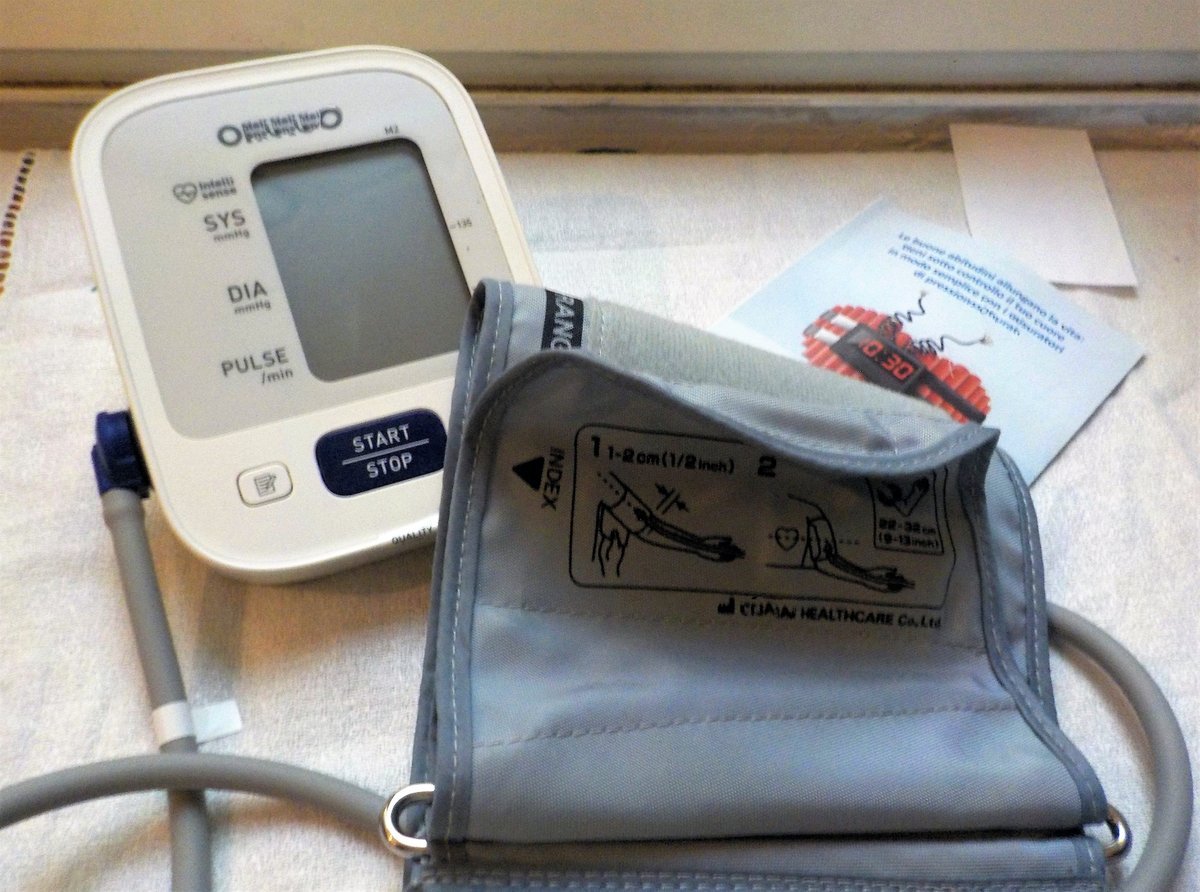
For blood pressure, planned surgery is generally deferred if readings keep sitting above roughly 160/100 in spite of medicine. If your BP is high only in the clinic because you are frightened, say so. Home readings over a week, written on a paper, are far more useful than one reading taken five minutes after you climbed the hospital stairs.
What tests are done for diabetes before spine surgery?
The workup for diabetes before spine surgery is not complicated, and most of it can be done in one day in Faisalabad. Expect roughly this list:
- HbA1c, plus fasting and random blood sugar
- Kidney function, urea, creatinine and electrolytes, because long-standing diabetes affects the kidneys and this changes which painkillers are safe afterwards
- Complete blood count, and a urine test to rule out a silent urine infection, which is common in diabetics and a real reason to postpone
- ECG, and an echocardiogram if you have chest symptoms, are older, or have had diabetes many years
- Chest X-ray
- A physician's written fitness note, and an anaesthetist's review
Bring your old reports. Bring the actual medicine boxes or a clear list with doses. Families often say "sugar ki goli" without knowing which one, and the dose matters more than the name.
If you are travelling in from Jhang, Sargodha, Chiniot or Toba Tek Singh, ask the clinic to arrange the labs, the physician review and the surgical consultation on the same day. There is no reason to make that journey three times.
Should I stop my diabetes and BP medicines before the operation?
Only on instruction. Never stop or change a dose yourself, and do not let a relative decide it for you. Some medicines are held before surgery and some must be continued, and getting it backwards is dangerous.
As a general pattern, and your own doctor's instruction always overrides this:
- Metformin is usually stopped on the morning of surgery, sometimes a day before.
- Newer sugar medicines that make you pass sugar in urine (the SGLT2 group, names ending in -flozin) are usually stopped several days before, because they can cause a serious acid build-up around surgery. Tell your surgeon if you take one.
- Insulin is usually reduced, not stopped. The long-acting night dose is often given at a lower amount, and the morning dose held, since you will be fasting.
- Blood pressure medicines are mostly continued, but the ACE inhibitor or ARB group is often held on the morning of surgery to protect the pressure during anaesthesia.
- Blood thinners, including aspirin and clopidogrel, must be declared. These are stopped only with the advice of the doctor who started them, usually a cardiologist.
Write your instructions down at the clinic. Have the family member who manages your medicines present when they are given, so the plan does not change on the way home.
Is endoscopic surgery better for a diabetic patient?
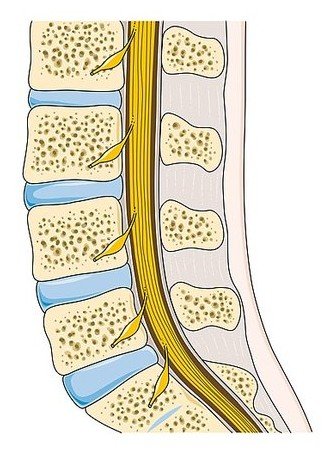
For many diabetic patients it is a good fit, for a clear reason. Endoscopic spine surgery reaches the disc through an opening of roughly a centimetre, using a camera and fine instruments. Less muscle is cut, there is less blood loss, and the wound is small.
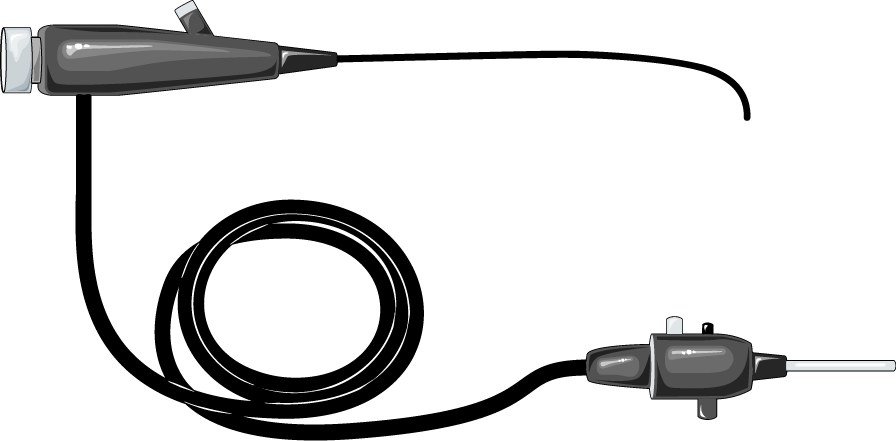
A small wound in a diabetic patient is a genuine advantage, because the skin and tissue are the parts that heal slowly. Many endoscopic cases can be done under spinal or local anaesthesia with sedation instead of full general anaesthesia, which is easier on the heart and lungs. Most patients walk the same day and go home within a day. Less bed rest means less risk of chest infection and clots, which matters more when you are diabetic.
It is not the right answer for everyone. Endoscopic surgery is suited to a contained disc prolapse pressing a nerve, and to certain types of canal narrowing. Severe instability, a slipped vertebra, or a badly collapsed spine may still need open surgery or fusion. A surgeon who says the endoscope is right for every single spine is selling, not advising.
On the subject of "laser spine surgery": be careful with this phrase. It is used loosely in advertising, and in many clinics it just means an endoscopic procedure where a laser is one of several tools. Laser alone is not a proven substitute for removing the disc fragment that is pressing your nerve. Ask exactly what will be done, not what it is branded.
What will it cost, and what should I do next?
Cost in Pakistan varies a great deal by city, by hospital and by what your spine actually needs. Endoscopic discectomy, open microdiscectomy and spinal fusion are three different price levels, with fusion the highest because of the implants. Anyone quoting you a single figure over the phone, before seeing your MRI, is guessing.
Ask for a written quote in PKR before you commit, and make sure it states:
- Surgeon's fee, anaesthesia and theatre charges
- Cost of any implants or screws, itemised separately
- Room charge per day and the expected number of days
- Whether pre-operative labs, physician clearance and the first follow-up are included
- What happens to the bill if your stay is extended for sugar control
For a diabetic patient, that last line is worth asking about, because an extra day or two in hospital is not unusual.
Next step is simple. Get your MRI, a recent HbA1c, a week of home BP readings, and your medicine list. Take them to a consultant neurosurgeon and ask three questions: what is actually pressing on the nerve, what happens if I do not operate, and what sugar level do you want before you take me to theatre. Whether you are comparing surgeons in Lahore or looking for the best endoscopic spine surgeon in Faisalabad, the surgeon worth trusting is the one who answers all three plainly, and who tells you honestly when you do not need an operation at all. Dr. M. Abdur Rehman, consultant neurosurgeon, sees spine patients at Mujahid Hospital, Faisalabad.
Questions patients ask about this
My HbA1c is 10. Will they refuse to operate?
For a planned operation, most surgeons will postpone rather than refuse. You would be sent to a physician to bring the level down over several weeks, often with insulin. If you have severe nerve compression with worsening weakness or bladder problems, the surgery goes ahead and the sugar is controlled in hospital.
Will the wound heal properly if I am diabetic?
Usually yes, but slower. Keep the dressing dry, keep sugars controlled after surgery, and report any redness, swelling, discharge or fever immediately rather than waiting for the follow-up date. A small endoscopic wound has less surface to heal than an open incision, which is one reason it suits diabetic patients.
My feet burn at night in both legs. Is that a slip disc?
More likely diabetic neuropathy than a disc. Disc pain usually affects one leg, follows a line down the limb, and worsens with coughing or sitting. Burning in both feet, worse at night, starting at the toes, points to nerve damage from diabetes. Surgery will not relieve that pattern.
Can I take my BP tablet on the morning of surgery?
Follow the written instruction from your anaesthetist. Most blood pressure medicines are continued with a sip of water, but the ACE inhibitor and ARB group is often held that morning to protect your pressure under anaesthesia. Never decide this yourself, and never skip a dose because you are fasting.
Is laser spine surgery effective for a diabetic patient?
The word laser is mostly marketing. In practice it is one tool that may be used during an endoscopic procedure, not a separate treatment. What relieves your leg pain is removing the disc fragment pressing the nerve. Ask exactly which procedure is planned and what will be removed.
Related articles
Back pain in women: pregnancy, osteoporosis and what gets dismissed
Back pain in women: why pregnancy, osteoporosis and hormones change the picture, what gets dismissed, and…
Read this
Spine surgery after 60: is age really the problem?
Is spine surgery for elderly patients safe, or does age alone rule it out? What really decides fitness for…
Read this
Will I need a second operation?
Will you need a second operation? Learn why repeat spine surgery happens, how endoscopic surgery may lower…
Read thisAll patient questions · Spine surgery in Faisalabad · Book an appointment
Ask about your own scan. Send your MRI or X-ray on WhatsApp and get a straight answer on whether surgery is needed at all, from a consultant neurosurgeon in Faisalabad.
Dr. M. Abdur Rehman is a consultant neurosurgeon in Faisalabad. Send your scan on WhatsApp and ask what it actually shows.
Published for the practice of Dr. M. Abdur Rehman, consultant neurosurgeon, Mujahid Hospital, Faisalabad. General information only, not a substitute for examination.