
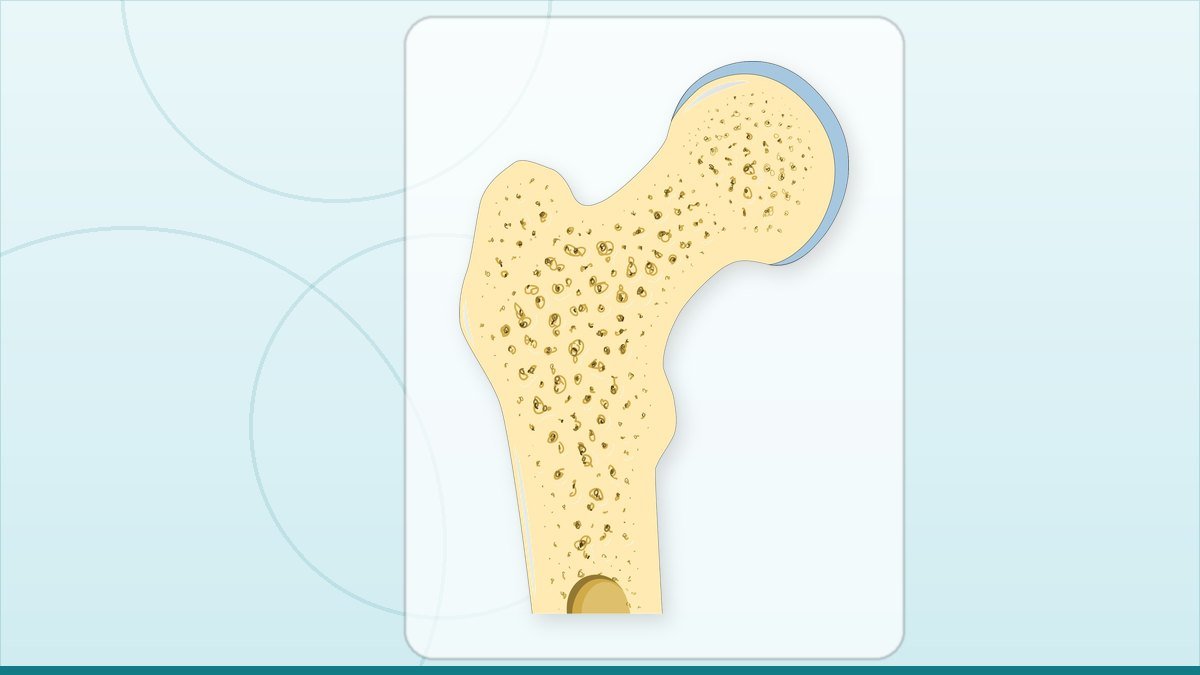
Back pain in women is often missed by doctors because the causes differ from men: pregnancy loosens spinal ligaments, menopause and osteoporosis weaken bone, and period-related pain gets dismissed as normal. Most back pain is not surgical. Persistent pain, leg weakness, or bone fragility need a proper spine evaluation, not guesswork.
What causes back pain in women that often gets missed?
Back pain in women often gets brushed aside as "normal", but the causes can differ from what doctors expect in men. Hormonal shifts during the menstrual cycle, pregnancy, and menopause all affect the muscles, ligaments and bones of the spine in ways that plain mechanical strain does not explain.
A young woman with kamar dard before her period is usually dealing with hormone-driven muscle tension, not a disc problem. A woman in her fifties with new back pain may be in the early stages of osteoporosis, where the bone itself has weakened. Both are often told to rest and let it pass, when the underlying cause is different each time.
The pattern worth watching is not the pain itself but what comes with it: pain that wakes you at night, pain that does not ease with rest, or pain that spreads down a leg. That combination deserves an actual examination, not another round of totkas.
Is back surgery safe, could I end up paralysed?
For the large majority of women with back pain, surgery is never discussed, and even when it is, the risk of serious nerve injury from a properly planned spine operation is low. Surgeons take specific steps, correct imaging, careful planning, sometimes nerve monitoring, to keep that risk down.
Surgery is recommended for a small proportion of people with back or leg pain: generally those with a confirmed disc or nerve problem on MRI that has not improved after weeks of proper conservative treatment, or those with weakness, numbness, or loss of bladder or bowel control, which signals a nerve is under real pressure.
Endoscopic spine surgery, done through a small incision with a camera, is designed to limit disruption to the surrounding muscle and bone compared with older open techniques, which is part of why recovery tends to be quicker. It does not remove risk entirely, no surgery does, but it is a well established option when surgery is genuinely needed.
Is back pain during pregnancy normal, or should I worry?
Yes, some back pain in pregnancy is normal and usually settles after delivery. The hormone relaxin loosens the ligaments around the pelvis and spine to prepare the body for childbirth, and the growing weight of the uterus shifts posture and adds strain to the lower back. Most of this is mechanical, not a disc or nerve problem.
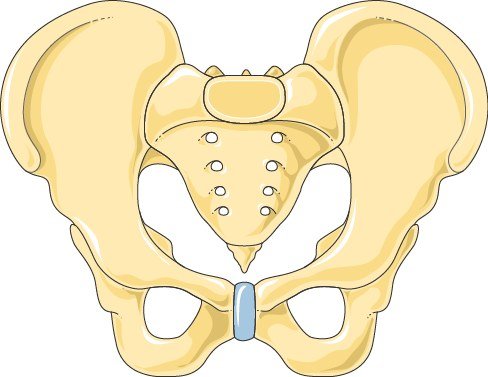
What is not normal: sudden severe pain, pain with fever, pain with leg weakness, or numbness around the groin or loss of bladder control. These need same-day medical attention regardless of how far along the pregnancy is.
For ordinary pregnancy back pain, gentle movement, supportive footwear, a pregnancy support belt, and physiotherapy help more than strict bed rest. Surgery during pregnancy is reserved for the rare case of a significant disc herniation with real nerve compromise, and even then it is a joint decision with the obstetric team.
Does osteoporosis cause back pain, and how do I know if I have it?
Osteoporosis can cause back pain, most often when a weakened vertebra develops a small compression fracture, sometimes from nothing more than bending or a minor fall. This is far more common in women after menopause, when oestrogen levels drop and bone density falls faster than most people expect.
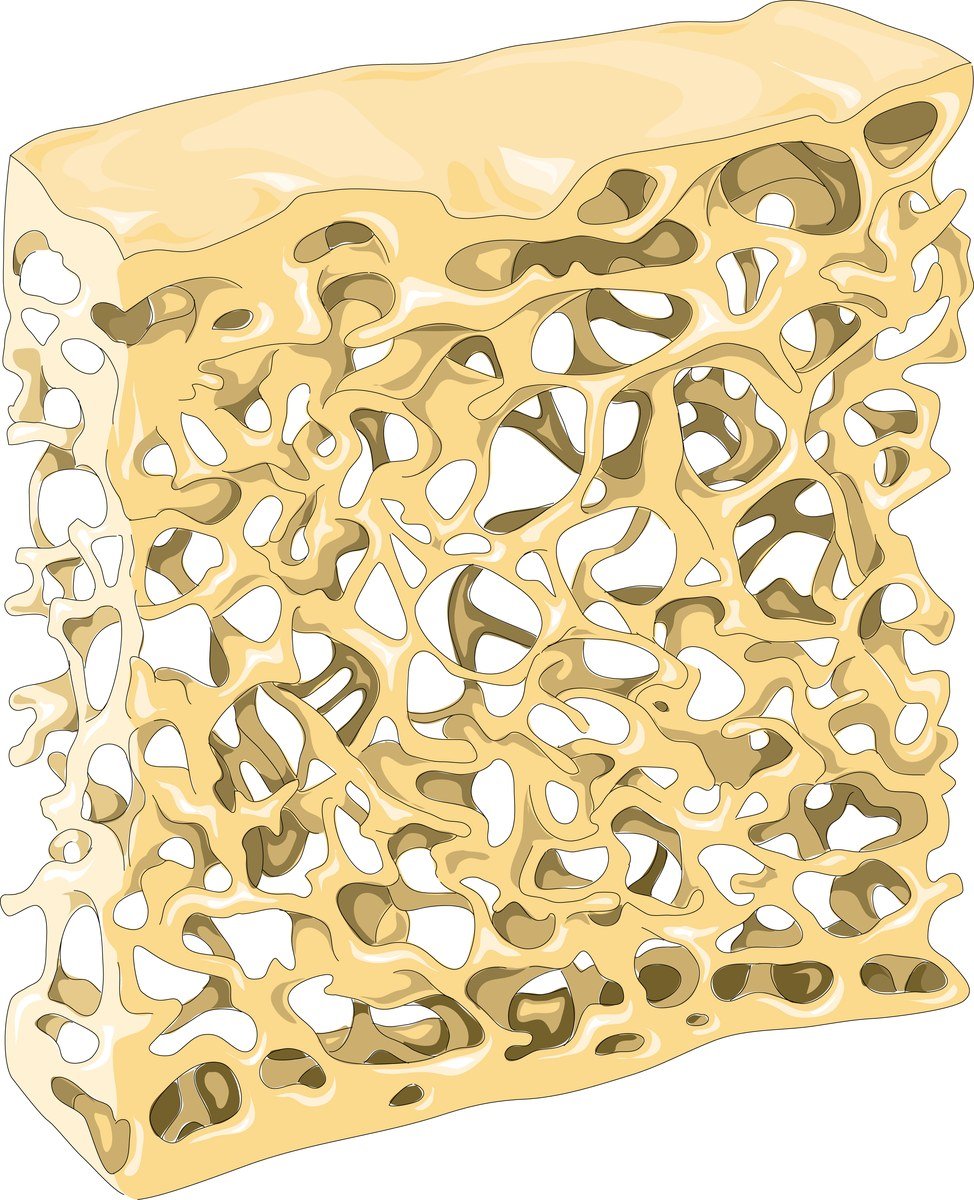
Warning signs include a sudden new episode of sharp back pain, a gradual loss of height over the years, or a stooped posture developing without an obvious cause. A bone density scan, DEXA, is how it gets confirmed, not an MRI alone.
Most osteoporotic back pain is treated with pain control, bone-strengthening medication, calcium and vitamin D, and physiotherapy, not surgery. Surgery is considered only for specific fracture patterns that are unstable or causing ongoing nerve pressure.
What is a slipped disc, and does it need surgery?
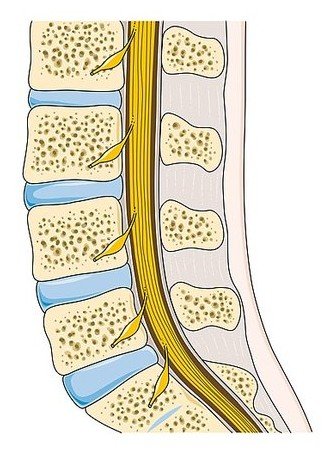
A slipped disc, more accurately a herniated or prolapsed disc, is when the soft cushion between two spinal bones bulges out and presses on a nearby nerve. In the lower back this often shows up as taang mein dard, pain running from the back down one leg, sometimes with numbness or tingling.
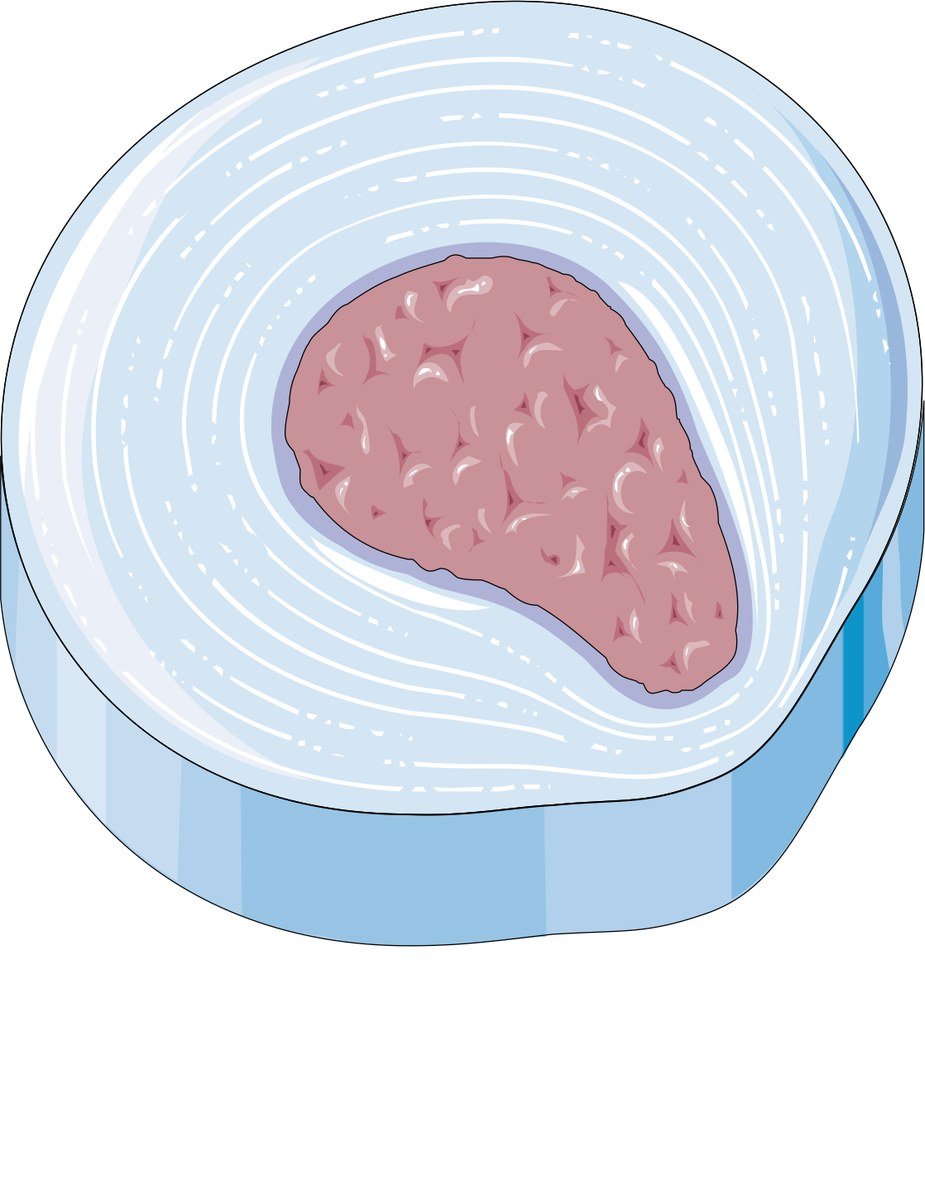
Most slipped discs improve within about six weeks with rest from aggravating activity, physiotherapy, anti-inflammatory medication, and time. The disc does not need to be "put back"; the body reabsorbs much of the bulging material on its own in many cases.
Surgery, microdiscectomy or endoscopic discectomy, is considered when leg pain remains disabling after a genuine trial of conservative treatment, when there is progressive leg weakness, or when pain control is not working well enough for daily life. It is a decision made with MRI evidence in hand, not on the basis of pain alone.
What are the best treatment options for neck pain?
Neck pain, gardan dard, usually responds to the same step-by-step approach regardless of cause: posture correction, gentle stretching, short-term anti-inflammatory medication, and physiotherapy. Long stretches looking down at a phone, sleeping with poor neck support, and old desk setups are common contributors.
When neck pain comes with pain or numbness running down an arm, or a change in hand grip and fine movements, that points toward a cervical disc problem pressing on a nerve, and it is worth an examination rather than more time waiting it out.
Surgery for neck pain is uncommon and reserved for confirmed nerve or spinal cord compression that has not settled with conservative care, or for signs the spinal cord itself is affected, such as unsteady walking or clumsy hands. That is assessed with a clinical exam plus MRI, not guesswork.
How much does back surgery cost in Pakistan?
Back and spine surgery costs in Pakistan vary widely depending on the procedure, the hospital, whether implants are used, and the length of stay. A day-case procedure without implants costs far less than a fusion surgery involving screws and rods, and prices differ between hospitals even in the same city.
Before agreeing to anything, ask the hospital or surgeon's office for a written quote in PKR that itemises the surgeon's fee, hospital stay, anaesthesia, any implants, and follow-up visits. A written quote protects the family from surprise charges partway through treatment.
It is also worth asking directly whether surgery is even the recommended option before cost enters the conversation. A large share of back and neck pain never needs an operation, so that question should come first.
When should I see a spine surgeon instead of trying home remedies first?
Trying rest, heat, gentle stretching, and over-the-counter pain relief for a couple of weeks is a reasonable first step for ordinary back or neck pain, and many families in Punjab also try a hakeem or massage before seeing a doctor. That is not unreasonable on its own for mild, short-lived pain.
The problem is delay when warning signs are present. See a doctor promptly, rather than trying more home remedies, if there is leg or arm weakness, numbness in the groin or inner thighs, loss of bladder or bowel control, fever with back pain, unexplained weight loss, or pain following a fall in an older woman.
If pain has already lasted more than four to six weeks despite rest and basic treatment, or keeps coming back, that is also a reasonable point to get an actual examination rather than trying yet another remedy.
What should I do next?
If back or neck pain in a woman in your family has lasted more than a few weeks, keeps you up at night, or comes with any of the warning signs above, the next step is a proper clinical examination, not another round of guesswork. Bring any prior X-rays or MRI scans to the appointment; they save time and repeat testing.
Dr. M. Abdur Rehman is a consultant neurosurgeon and spine surgeon practising at Mujahid Hospital, Faisalabad, with a focus on endoscopic spine surgery and microdiscectomy for the minority of cases that do need an operation. For families searching for the best spine surgeon in Faisalabad, the right first step is simply a consultation to find out what is actually causing the pain, and whether surgery has any place in the conversation at all.
Questions patients ask about this
What is a good remedy for neck pain?
Good home remedies for neck pain include gentle stretching, correcting posture at a desk or with your phone, applying heat or cold, and short-term over-the-counter pain relief. If pain spreads into an arm, causes numbness, or does not ease within one to two weeks, see a doctor instead of continuing home treatment.
How do I find neck pain treatment near me in Faisalabad?
Start with your GP or a physiotherapist for straightforward neck pain. If pain radiates down an arm, comes with numbness or weakness in the hand, or has lasted several weeks without improvement, ask for a referral to a spine surgeon in Faisalabad for a proper examination and, if needed, an MRI.
What is the treatment for severe back pain that will not go away?
Severe back pain that does not settle needs a proper work-up: a clinical examination, imaging such as an X-ray or MRI, and blood tests if infection or fracture is suspected. Treatment then ranges from physiotherapy, medication and targeted injections to surgery, which is needed in only a minority of cases.
What pain management treatments help with neck pain?
Pain management for neck pain usually starts with physiotherapy and targeted exercises, short courses of anti-inflammatory medication, and posture changes. For pain that keeps returning, a doctor may suggest a nerve block or steroid injection. Surgery is considered only when conservative treatment fails and there is clear nerve compression on imaging.
Related articles
Spine surgery after 60: is age really the problem?
Is spine surgery for elderly patients safe, or does age alone rule it out? What really decides fitness for…
Read this
Will I need a second operation?
Will you need a second operation? Learn why repeat spine surgery happens, how endoscopic surgery may lower…
Read this
Physiotherapy after spine surgery: what helps and when to start
When physiotherapy after spine surgery should start, what it involves, and how it differs after endoscopic…
Read thisAll patient questions · Spine surgery in Faisalabad · Book an appointment
Ask about your own scan. Send your MRI or X-ray on WhatsApp and get a straight answer on whether surgery is needed at all, from a consultant neurosurgeon in Faisalabad.
Dr. M. Abdur Rehman is a consultant neurosurgeon in Faisalabad. Send your scan on WhatsApp and ask what it actually shows.
Published for the practice of Dr. M. Abdur Rehman, consultant neurosurgeon, Mujahid Hospital, Faisalabad. General information only, not a substitute for examination.