
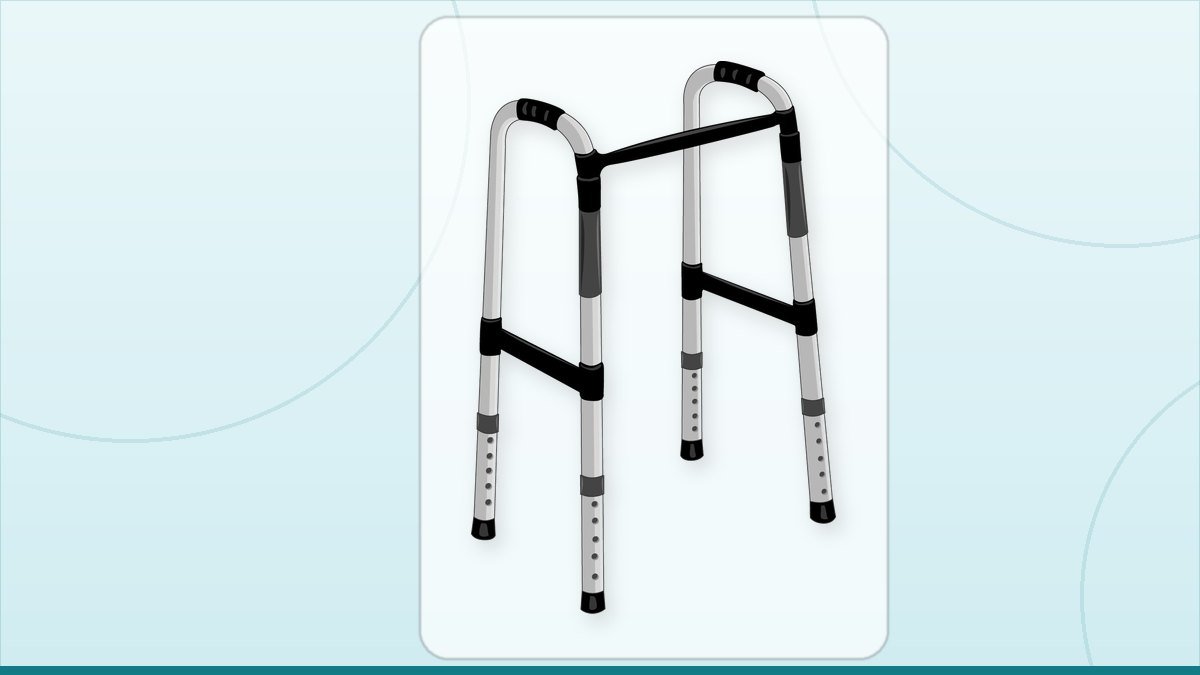
Physiotherapy after spine surgery usually starts with gentle walking within a day of endoscopic surgery or microdiscectomy, moving to structured exercises over the following weeks. It helps rebuild core strength, restore movement and reduce the chance of the same disc causing trouble again. Timing and intensity depend on which procedure you had and how you are healing.
Is physiotherapy safe after spine surgery, will it cause paralysis or damage the repair?
Yes, physiotherapy after spine surgery is safe when it is timed and paced correctly. The exercises used in the early weeks are gentle and controlled, built around what has actually healed, not generic gym routines. They do not put the nerve or the repaired disc at risk when done as advised.
The fear most families carry into this stage is that movement will undo the surgery or cause paralysis (faalij). That fear is understandable but not supported by how spine surgery actually works. Once pressure on the nerve has been relieved, whether through endoscopic surgery or microdiscectomy, controlled movement helps the area heal stronger, not weaker. Complete bed rest for weeks is outdated advice and can slow recovery by weakening the muscles that support the spine.
What genuinely needs caution is doing too much too soon: heavy lifting, twisting, or exercises picked without guidance. This is why physiotherapy after spine surgery should be supervised, at least in the first few weeks, by someone who knows which movements are appropriate for your specific procedure and stage of healing.
When should physiotherapy start after microdiscectomy or endoscopic spine surgery?
Most patients start walking on the same day or within 24 to 48 hours of endoscopic spine surgery or microdiscectomy. Structured physiotherapy, meaning specific exercises rather than just walking, usually begins a few weeks later once the surgical site has settled and incision pain has eased.

Endoscopic spine surgery uses a small keyhole incision and disturbs less muscle than open surgery, so many patients progress through these early stages faster. Microdiscectomy also involves a small incision and generally allows an earlier return to light activity than larger open procedures like spinal fusion, where physiotherapy is usually introduced more gradually because more tissue, and sometimes hardware, needs to settle first.
The exact timeline is set by the surgeon based on what was done, how the surgery went, and how the patient is healing. Two patients with the same diagnosis can be given different timelines, and that difference is normal, not a sign that something went wrong.
What does physiotherapy after spine surgery actually involve?
Physiotherapy after spine surgery moves through stages: gentle walking and posture correction first, then core and back muscle strengthening, then a gradual return to normal activity and, where relevant, work. It is not one fixed set of exercises but a plan that changes as healing progresses.
In the early stage, the focus is on walking short distances, sitting and standing correctly, and avoiding positions that strain the lower back, such as bending forward from the waist or twisting while lifting. As healing progresses, physiotherapists introduce exercises that strengthen the deep core and back muscles, since these act as natural support for the spine and reduce the chance of the same disc level causing trouble again.
Later stages may include stretching for flexibility and, for patients returning to physical work or long hours of sitting, exercises specific to those demands. Throughout, the physiotherapist checks for warning signs such as new numbness, weakness, or pain that does not improve, and reports these back to the surgeon.
Do I need surgery at all, or will physiotherapy alone fix a slip disc?
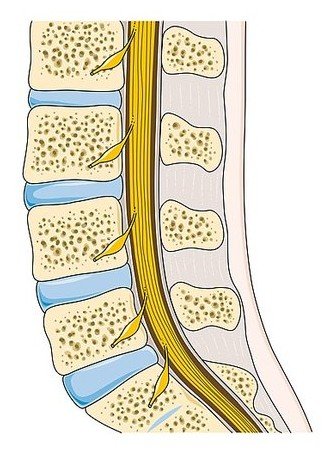
Most back pain and even most cases of a slipped disc (slip disc, kamar dard, taang mein dard) improve with rest, medication, and physiotherapy alone, without surgery. Surgery is usually considered only when pain down the leg is severe, has not responded to weeks of proper treatment, or when there are signs of nerve damage such as weakness or loss of bladder or bowel control.

This is worth saying plainly because many families reach a surgeon's clinic after months of trying a hakeem, a masseur, or home remedies, and arrive frightened that surgery is now their only option. In reality, physiotherapy and conservative treatment remain the first choice for the large majority of patients, and a proper assessment, ideally with MRI, is what tells the difference between a disc that needs surgery and one that will settle on its own.
Where physiotherapy is used before any decision on surgery, the goals are similar to post-surgery physiotherapy: gentle movement, core strengthening, and correcting postures and habits that load the lower back, such as sitting cross-legged for long hours or lifting incorrectly.
How much does physiotherapy and spine surgery cost in Pakistan?
Physiotherapy sessions and spine surgery costs in Pakistan vary by hospital, surgeon, and city, so there is no single reliable figure to quote. What matters is asking for a written quote before committing to either the surgery or the physiotherapy course that follows it.
Endoscopic spine surgery cost, microdiscectomy cost, and spinal fusion surgery cost in Pakistan differ from each other because the procedures differ in complexity, equipment used, and hospital stay required. Spinal fusion, which involves implants and often a longer stay, generally costs more than microdiscectomy or endoscopic surgery, which use smaller incisions and shorter admissions. Physiotherapy is usually billed separately, either per session or as a package for a set number of weeks.
A written quote should break down the surgeon's fee, hospital charges, implants if any, and an estimate of the physiotherapy course to follow. This lets a family compare options properly and plan finances in advance, rather than facing unclear bills after the fact.
Is laser spine surgery effective, and how is it different from endoscopic spine surgery?
"Laser spine surgery" is often used loosely to mean minimally invasive spine surgery in general, but strictly it refers to using a laser to shrink or vaporise disc tissue, usually as one tool alongside other instruments rather than the entire procedure. Endoscopic spine surgery is a distinct technique that uses a small camera and instruments through a keyhole incision to directly see and remove the tissue pressing on a nerve.
Whether "laser spine surgery" is effective depends heavily on the specific case and how it is marketed. For a well-selected patient, a minimally invasive approach, with or without a laser as one of the tools, can relieve nerve pressure effectively with a small incision and a faster early recovery than open surgery. The technique matters less than correct patient selection: the right diagnosis, the right disc level, and the right timing.
Patients researching "laser spine surgery cost" should ask their surgeon directly what technique is actually being used and why, rather than assuming the word laser alone means a superior or different result.
What if pain comes back even after physiotherapy?
Some pain and stiffness in the first weeks after spine surgery is normal and usually eases as physiotherapy progresses. If pain that had improved comes back, worsens, or is joined by new numbness, weakness, or fever, that needs a call to the surgeon rather than waiting it out.
A small number of patients develop a new disc herniation at the same level or an adjacent one, which can cause pain to return even after physiotherapy has been going well. This is not common, but it is one reason physiotherapy after spine surgery works best when it stays connected to the surgical team, so a change in symptoms is reviewed quickly rather than assumed to be part of normal recovery.
Persistent pain does not automatically mean another surgery is needed. Often it means adjusting the physiotherapy plan, checking posture and daily habits, or simply allowing more time. A fresh assessment, sometimes with repeat imaging, is what determines the actual cause.
How do I choose the right surgeon and physiotherapist for this?
Choose a surgeon and a physiotherapist who work together, not separately. A surgeon who explains what was done during surgery, and a physiotherapist who tailors the plan to that specific procedure, gives a much better recovery than treating the two as unconnected steps.
In Faisalabad and across Punjab, ask direct questions before committing: what technique was used, what physiotherapy timeline to expect, and get a written quote covering surgery and the physiotherapy course together. Bring family into the discussion early, since decisions about surgery and recovery are rarely made by one person alone.
Dr. M. Abdur Rehman, consultant neurosurgeon and spine surgeon at Mujahid Hospital, Faisalabad, sees patients for exactly these questions, from an initial MRI review through to planning physiotherapy after surgery. If you are searching for the best endoscopic spine surgeon in Faisalabad, start with a clear conversation about your specific scan and symptoms rather than the label on the procedure.
Questions patients ask about this
Can physiotherapy alone fix a slip disc without surgery?
In most cases, yes. Rest, medication, and a structured physiotherapy programme resolve the majority of slip disc cases without surgery. Surgery is usually reserved for severe leg pain that does not improve after weeks of proper treatment, or for signs of nerve damage such as weakness or loss of bladder control.
How long does physiotherapy continue after endoscopic spine surgery?
There is no fixed number of weeks that applies to everyone. Many patients follow structured physiotherapy for several weeks, with lighter home exercises continuing for months to keep the back and core strong. Your surgeon and physiotherapist will set a specific timeline based on your recovery.
Is laser spine surgery the same as endoscopic spine surgery?
Not exactly. Endoscopic spine surgery means operating through a small camera and instruments via a keyhole incision. Laser spine surgery usually describes using a laser as one tool within a minimally invasive procedure, sometimes an endoscopic one. Ask your surgeon which technique they actually use.
How does spinal fusion surgery cost compare to endoscopic spine surgery in Pakistan?
Spinal fusion typically costs more than endoscopic spine surgery or microdiscectomy because it involves implants, a longer hospital stay, and more extensive surgery. Exact costs vary widely between hospitals and surgeons in Pakistan, so always request a detailed written quote before deciding rather than comparing rough figures.
Can I do spine surgery physiotherapy exercises at home instead of visiting a clinic?
Some exercises can be done at home once your physiotherapist has taught them correctly and confirmed you are doing them safely. Early sessions are usually best done in person so technique and progress can be checked, after which a home programme with occasional check-ins is common.
Related articles

Eight things people in Pakistan believe about back pain that are wrong
Eight common back pain myths in Pakistan, from bed rest to paralysis fears, explained plainly by a consultant…
Read this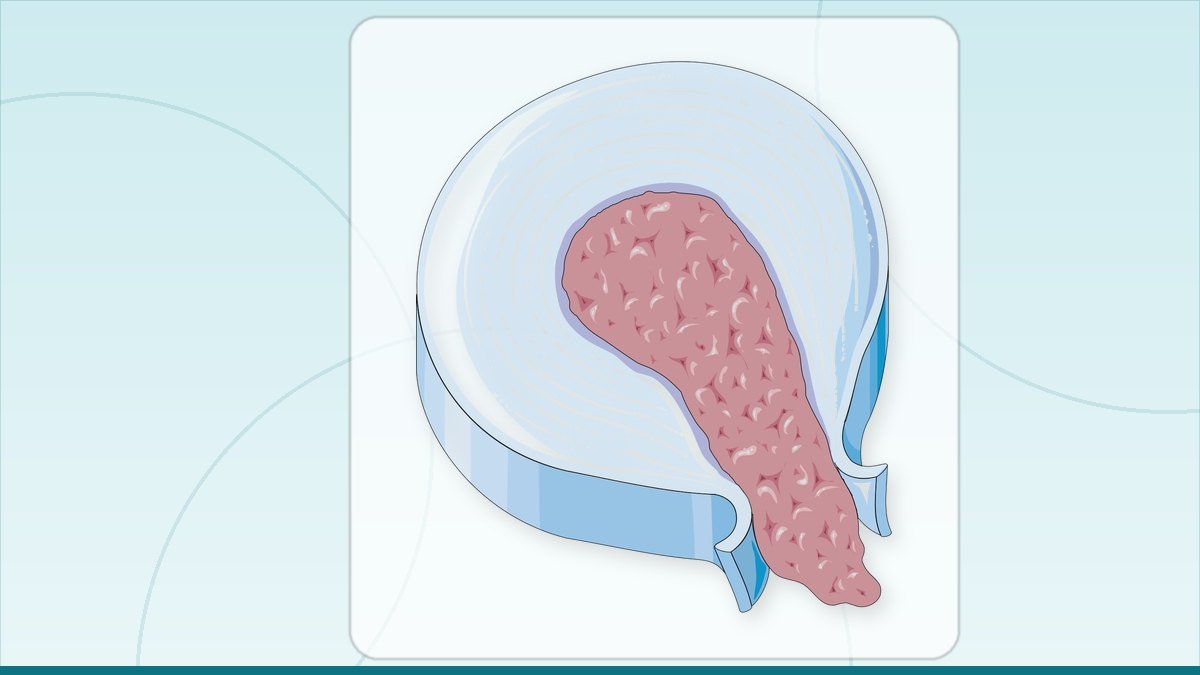
Endoscopic disc surgery: what actually happens, step by step
What happens during endoscopic disc surgery, step by step: is it safe, who needs it, and what it costs in…
Read this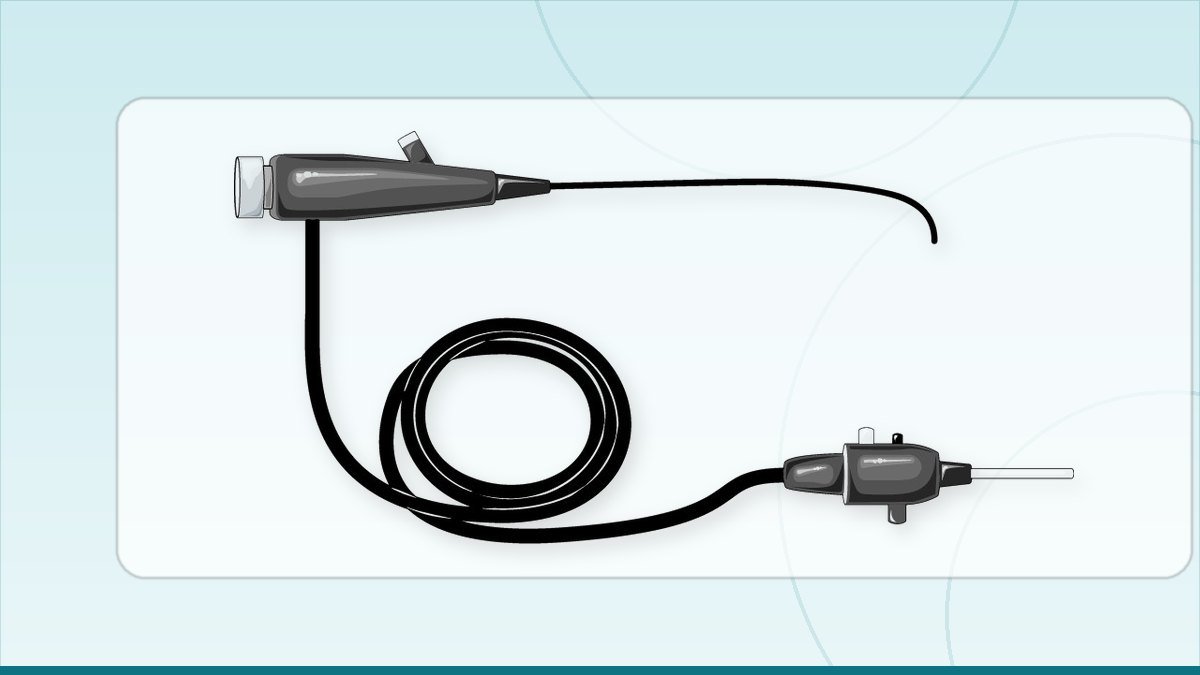
Endoscopic disc surgery cost in Pakistan: what the quote includes
Endoscopic disc surgery cost in Pakistan: what drives the price, what a written quote must list, and how to…
Read thisAll patient questions · Spine surgery in Faisalabad · Book an appointment
Ask about your own scan. Send your MRI or X-ray on WhatsApp and get a straight answer on whether surgery is needed at all, from a consultant neurosurgeon in Faisalabad.
Dr. M. Abdur Rehman is a consultant neurosurgeon in Faisalabad. Send your scan on WhatsApp and ask what it actually shows.
Published for the practice of Dr. M. Abdur Rehman, consultant neurosurgeon, Mujahid Hospital, Faisalabad. General information only, not a substitute for examination.