
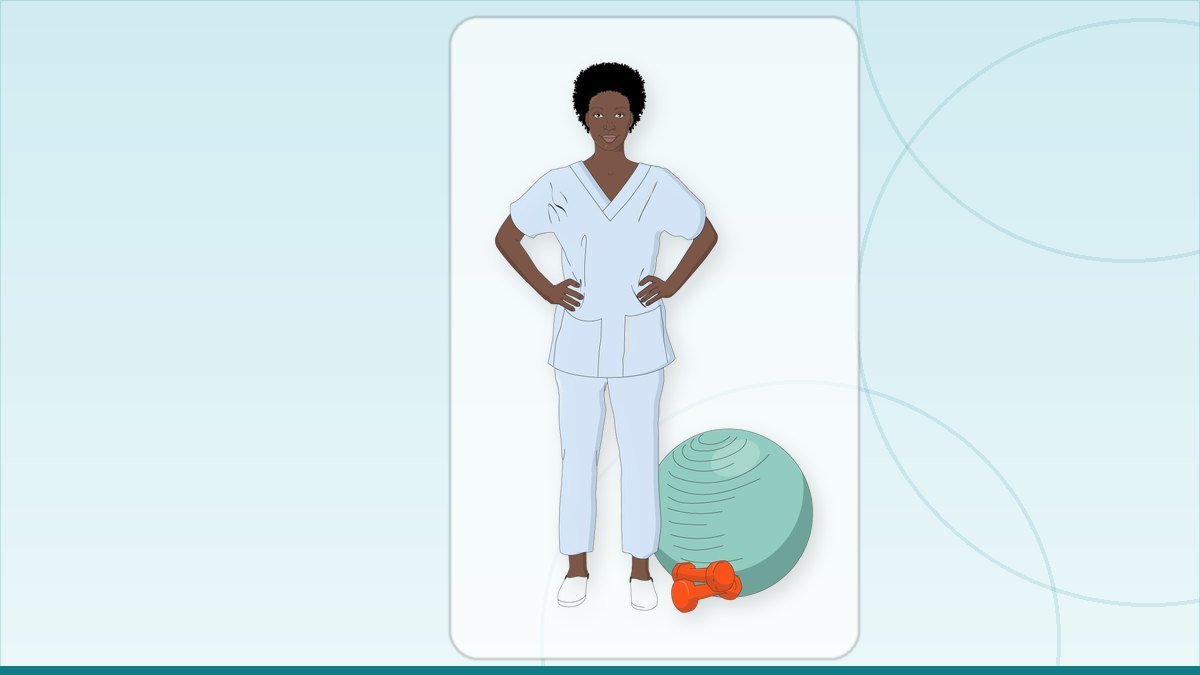
In Pakistan, common beliefs about kamar dard and gardan dard are often wrong: that bed rest cures a slipped disc, that pain always means serious damage, that spine surgery causes paralysis, that only a hakeem or masseur can fix it, and that surgery is unaffordable or a lifetime sentence. Believing these can delay proper treatment or lead to unnecessary surgery.
Myth: Bed rest is the best treatment for severe back pain
No. For severe back pain, staying in bed for more than a day or two usually does more harm than good. Muscles weaken quickly when they are not used, and stiffness sets in, which can make the pain last longer, not shorter.
The better approach for most acute back and neck pain is to stay as active as the pain allows. This usually means short periods of rest combined with gentle movement, short walks, and avoiding heavy lifting or bending for a few days. Pain relief medication, prescribed by a doctor, helps most people move without aggravating the injury.
If pain is severe enough that you cannot stand, walk, or sleep, that itself is a reason to see a doctor promptly rather than wait it out at home.
Myth: Back or neck pain always means a slipped disc has caused serious damage
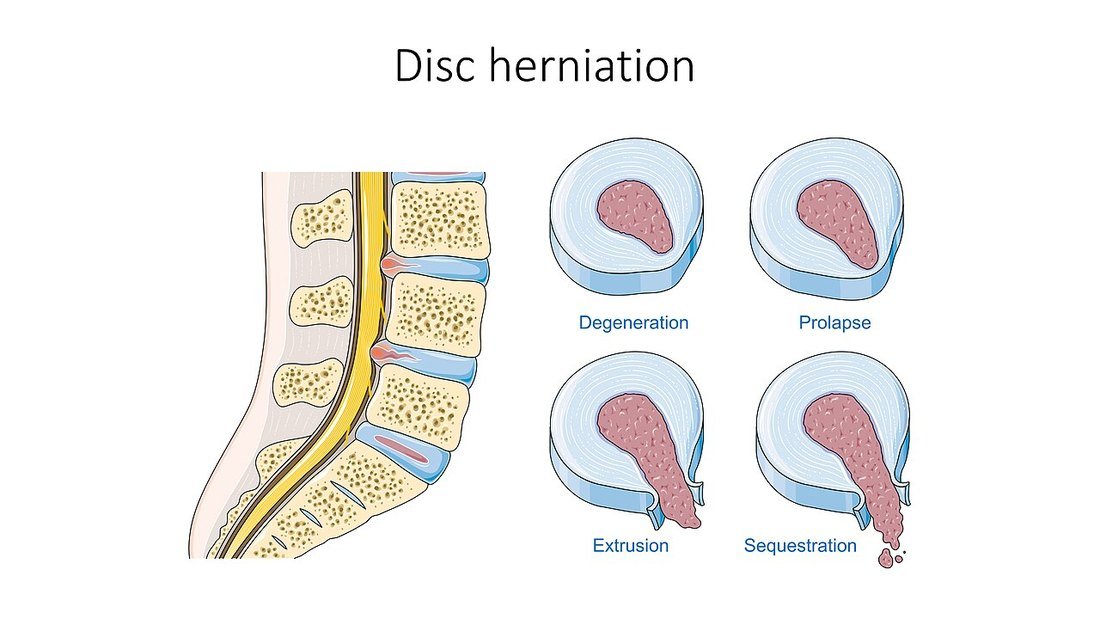
No. Most kamar dard and gardan dard come from strained muscles, irritated joints, or minor disc bulges that settle on their own. A slipped disc is one possible cause, but it is not automatically dangerous, and how much something hurts does not tell you how serious it is.
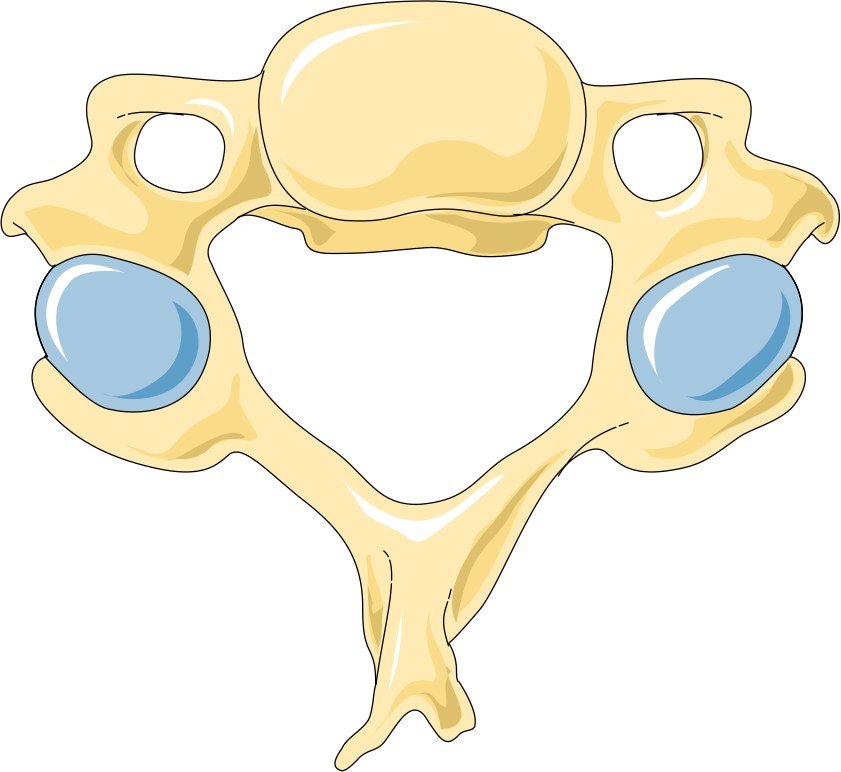
A true slipped disc happens when the soft cushion between two spinal bones pushes out and presses on a nearby nerve. This can cause pain running down a leg or arm, numbness, or tingling. Even then, most cases improve with rest from heavy activity, medication, and physiotherapy over several weeks.
Surgery for a slipped disc is usually considered only when pain and nerve symptoms do not improve after a proper trial of non-surgical treatment, or when there are specific warning signs such as worsening leg weakness or loss of bladder control.
Myth: Spine surgery will leave you paralysed
No. Paralysis is a recognised but rare risk of spine surgery, not an expected outcome. Modern techniques, including endoscopic spine surgery and microdiscectomy, are designed to work through small openings, disturbing less muscle and bone than older open operations.
The fear usually comes from stories about old-style, large-incision back operations, or from cases where surgery was delayed too long, after nerve damage had already set in. A qualified spine surgeon will explain your specific risk, based on your scan and general health, before you agree to anything.
It is reasonable, and never a problem, to ask a surgeon directly what the risk of nerve injury or paralysis is in your case, and to get a second opinion if you are unsure.
Myth: An MRI alone tells you whether you need surgery
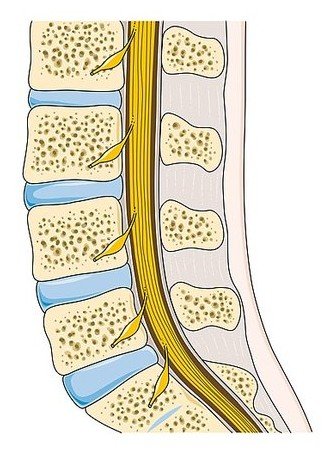
No. An MRI shows the shape and structure of the spine, but a scan alone does not decide whether you need surgery. Studies of people with no back pain at all commonly show disc bulges, mild wear and tear, or other findings that sound worse on paper than they are in practice.
This matters because a frightening MRI report is not the same as a frightening problem. A doctor has to match what the scan shows with your actual symptoms, examination findings, and how you respond to initial treatment, before recommending surgery.
An MRI becomes genuinely important when there are red-flag symptoms such as progressive weakness, numbness in the saddle area, or pain that has not improved despite weeks of proper treatment.
Myth: A hakeem, chiropractor, or masseur can cure a slipped disc
No. Manipulation, deep massage, cupping, or herbal remedies do not repair a herniated disc or reverse nerve compression. Gentle massage or heat can ease muscle tension and offer real, temporary relief, but that is not the same as treating the underlying problem.
In Pakistan it is common to try a hakeem or masseur before seeing a doctor, often for weeks or months. This is understandable, but it becomes a problem when there is leg or arm weakness, numbness, or pain that is getting worse, because forceful manipulation in that situation can occasionally make nerve compression worse.
A reasonable rule: gentle, non-forceful relief measures are fine to try alongside seeing a doctor, not instead of it, especially once pain has lasted more than two to three weeks.
What is the best treatment for neck pain?
For most neck pain, the best treatment is not surgery. It is a combination of pain relief medication, physiotherapy, posture correction, and specific neck exercises, continued consistently for several weeks.
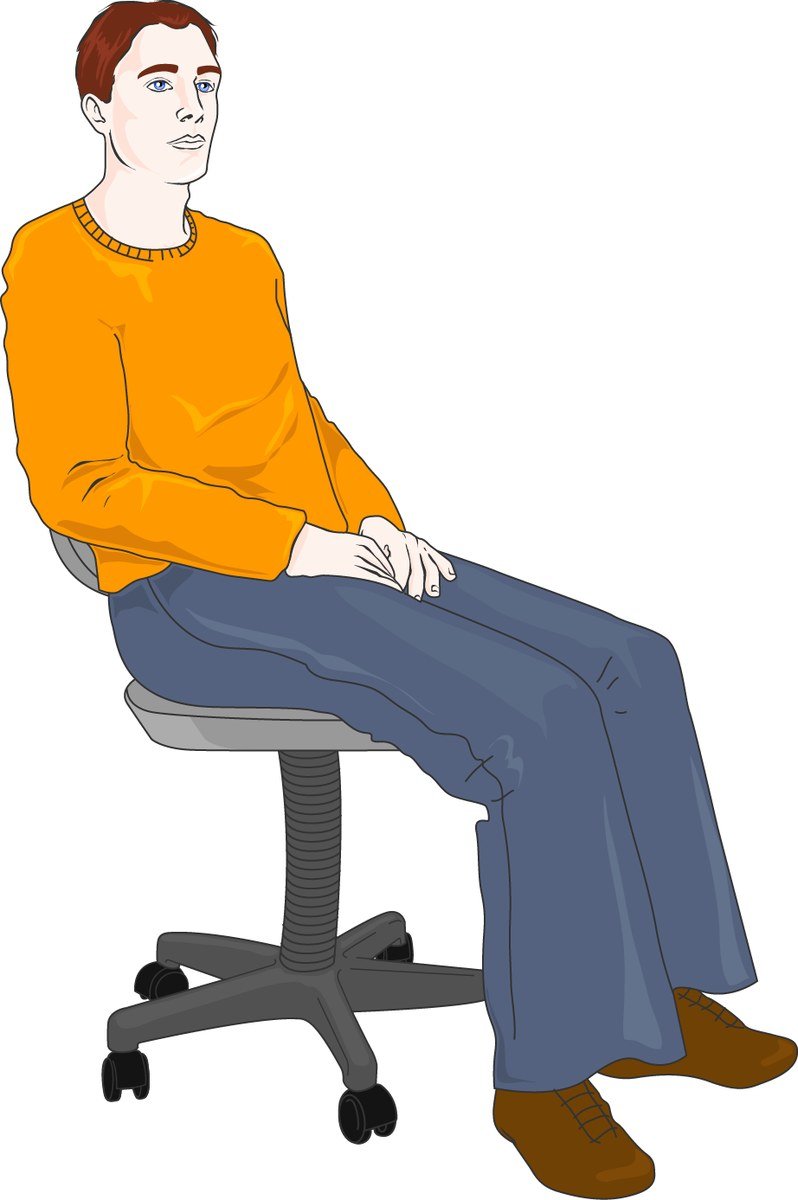
A good remedy for ordinary gardan ka dard, from sitting at a desk or looking down at a phone for long hours, usually includes correcting posture and screen height, taking regular breaks from fixed positions, gentle stretching, and short-term anti-inflammatory medication if needed.
Neck pain treatment options escalate only when there are nerve symptoms, such as arm weakness, numbness, or tingling running down an arm, or when pain has not responded to a proper course of conservative pain management. At that point, imaging and a specialist opinion become worthwhile, not before.
How much does back or spine surgery cost in Pakistan?
There is no single fixed figure for back or spine surgery cost in Pakistan. It depends on the type of procedure, endoscopic spine surgery, microdiscectomy, or a larger fusion, along with the hospital, the city, whether implants are needed, and the length of hospital stay.
Costs typically include the surgeon's fee, hospital and operating theatre charges, anaesthesia, any implants, and follow-up visits. These add up differently for every patient, which is why any figure quoted without seeing your scan and history should be treated with caution.
The only reliable way to know your actual cost is to ask the hospital and surgeon directly for a written quote once your diagnosis and recommended procedure are clear, and to ask what it does and does not include.
Myth: Once you have back pain, it will always come back
No. Most people who have an episode of back pain recover fully and go on to live without ongoing pain. Having had back pain once does not mean it is permanent or that it will definitely return.
The risk of another episode is real, but it is influenced by things you can act on: body weight, posture, how you lift and carry, how much you move during the day, and the strength of your back and core muscles. Addressing these lowers the chance of recurrence.
Fear that back pain is a life sentence sometimes pushes people to either give up on activity altogether, which weakens the back further, or to seek surgery for pain that would have settled with time and the right conservative care.
So what should you actually do about kamar dard or gardan dard?
Start by getting an honest opinion, not a scan or a surgery date. Most people who search for slip disc treatment, severe back pain treatment, or neck pain treatment near me do not end up needing an operation; they need a correct diagnosis and a proper course of conservative treatment first.
If a doctor does recommend surgery, ask why conservative treatment was not tried or did not work, what the specific risks are in your case, and get a written cost quote before deciding anything. A second opinion is a normal, reasonable step, not an insult to the first doctor.
If surgery does turn out to be necessary, look for a consultant neurosurgeon experienced in current, minimally invasive techniques, who is willing to explain the reasoning in plain language. Dr. M. Abdur Rehman, consultant neurosurgeon and spine surgeon at Mujahid Hospital, Faisalabad, sees patients for exactly this kind of second opinion, for those searching for the best endoscopic spine surgeon in Faisalabad or simply wanting clarity before deciding anything.
Questions patients ask about this
Is a slipped disc the same thing as back pain?
No. Back pain has many causes, including muscle strain, joint irritation, and poor posture; a slipped disc is just one of them. A true slipped disc presses on a nerve and usually causes pain, numbness, or tingling running into a leg or arm, not just pain in the back itself.
Can neck pain be treated without surgery?
Yes, and this is true for the vast majority of neck pain. Medication, physiotherapy, posture correction, and targeted exercises resolve most cases over several weeks. Surgery is considered only when there is significant nerve compression causing arm weakness or numbness that does not improve with proper conservative treatment.
What is endoscopic spine surgery?
It is a minimally invasive technique where the surgeon operates through a small opening using a camera and fine instruments, rather than a large incision. It is commonly used for a slipped disc and some other spinal conditions, and generally involves less disturbance to surrounding muscle than open surgery.
When should back or neck pain be treated as an emergency?
Seek urgent medical attention for sudden leg or arm weakness, numbness around the groin or inner thighs, loss of bladder or bowel control, or pain following a significant injury or fall. These are red-flag signs that need same-day assessment, not a wait-and-see approach.
Related articles
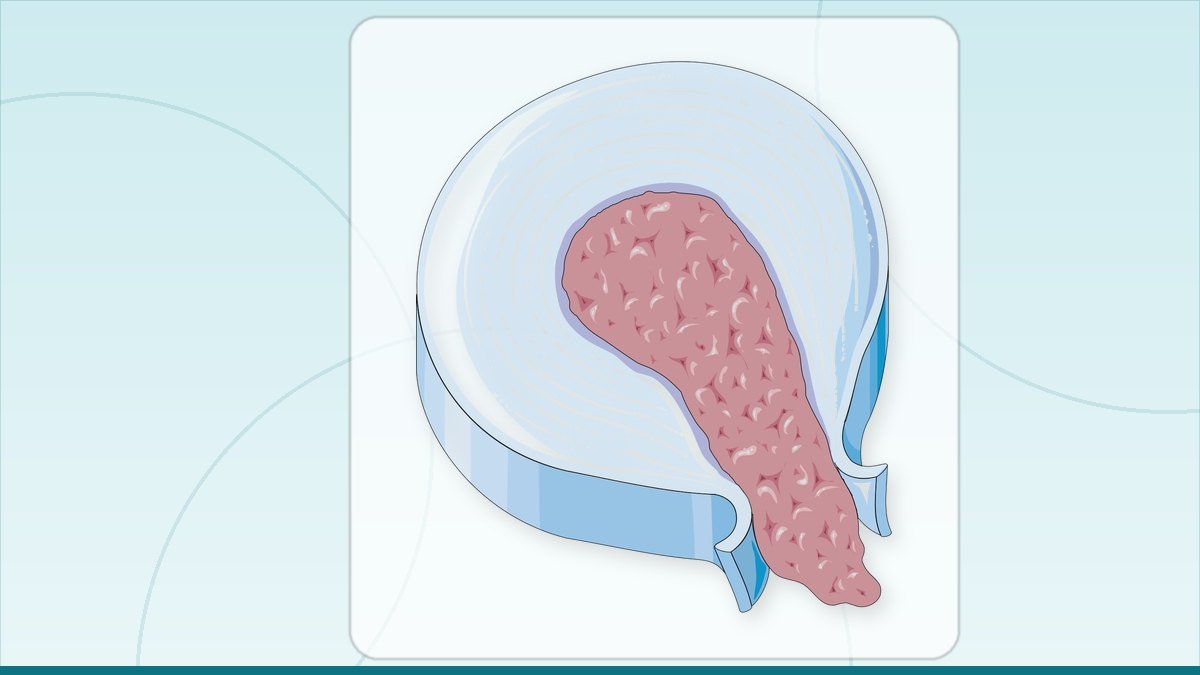
Endoscopic disc surgery: what actually happens, step by step
What happens during endoscopic disc surgery, step by step: is it safe, who needs it, and what it costs in…
Read this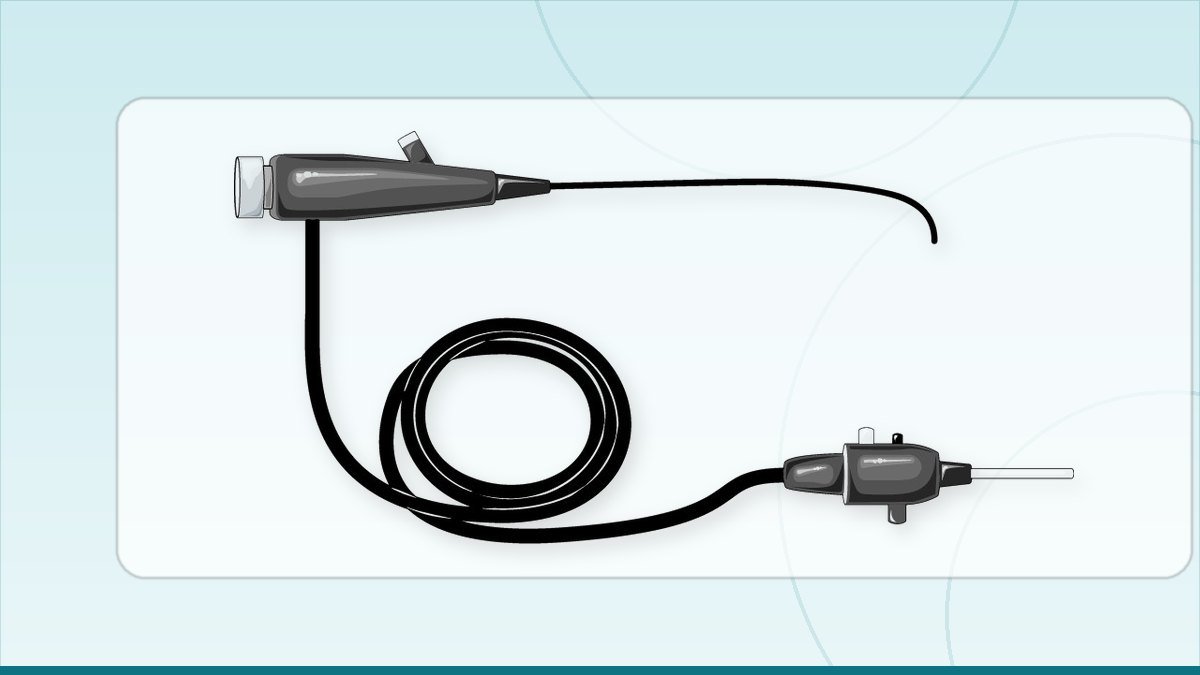
Endoscopic disc surgery cost in Pakistan: what the quote includes
Endoscopic disc surgery cost in Pakistan: what drives the price, what a written quote must list, and how to…
Read this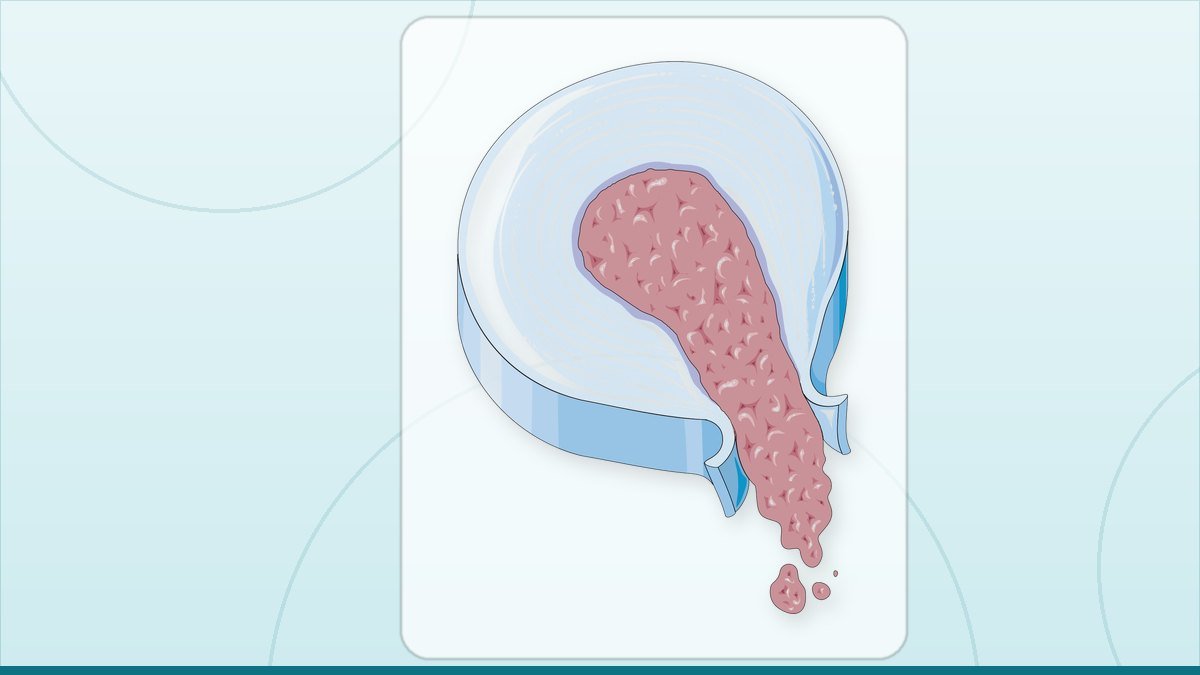
Endoscopic disc surgery versus open disc surgery
Endoscopic vs open disc surgery: what really differs, which is safer, recovery times and honest cost guidance…
Read thisAll patient questions · Spine surgery in Faisalabad · Book an appointment
Ask about your own scan. Send your MRI or X-ray on WhatsApp and get a straight answer on whether surgery is needed at all, from a consultant neurosurgeon in Faisalabad.
Dr. M. Abdur Rehman is a consultant neurosurgeon in Faisalabad. Send your scan on WhatsApp and ask what it actually shows.
Published for the practice of Dr. M. Abdur Rehman, consultant neurosurgeon, Mujahid Hospital, Faisalabad. General information only, not a substitute for examination.