
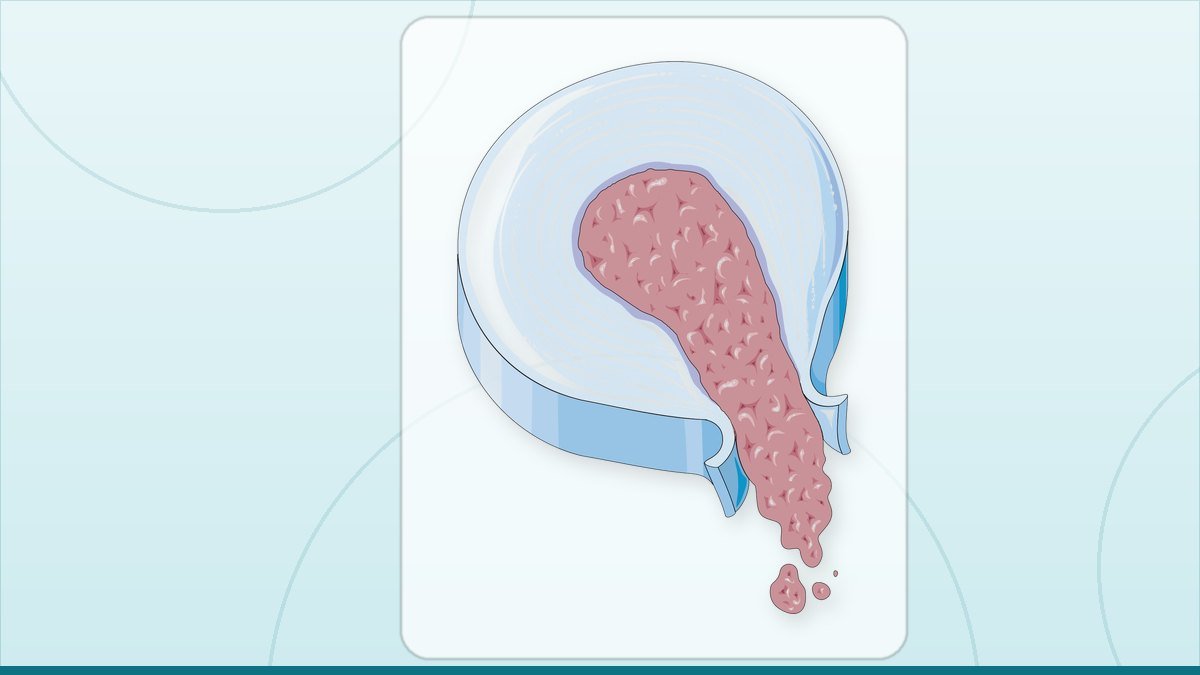
Endoscopic disc surgery removes the disc fragment through a tube about 8 millimetres wide, guided by a camera. Open disc surgery, usually a microdiscectomy, uses a small cut and a microscope. Both relieve leg pain well. Endoscopic surgery cuts less muscle and usually means a faster return home. Open surgery still suits some complex cases better.
What is the actual difference between endoscopic and open disc surgery?
The difference is how the surgeon reaches the disc, not what is removed. In both operations the aim is the same: take out the piece of disc that is pressing on the nerve and leave the nerve free. The bulge itself is not the enemy. The pressure on the nerve is.
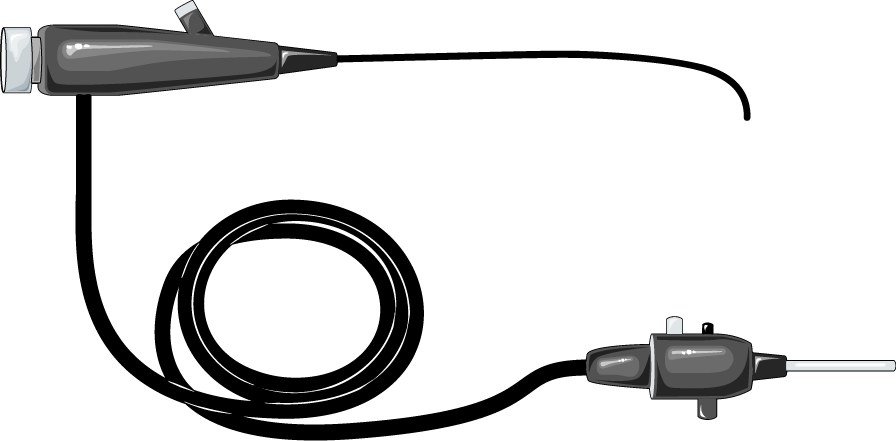
In endoscopic disc surgery, a tube roughly the width of a pencil is passed down to the disc through a cut of about 8 millimetres. A camera inside the tube sends a magnified picture to a screen. The muscle is pushed aside rather than stripped off the bone. Much of the time it can be done under local or spinal anaesthesia, so you are awake and can tell the surgeon what you feel.
In open disc surgery, almost always a microdiscectomy today, the cut is around 2 to 3 centimetres. A small amount of muscle is lifted off the bone, a retractor holds it open, and the surgeon works through an operating microscope. This is not the old wide operation your uncle may have had in the 1990s. Modern microdiscectomy is itself a small, well tested procedure.
So the honest summary of endoscopic vs open disc surgery is this: same goal, same nerve, less tissue disturbed on the way in with the endoscope, and a longer track record with the microscope.
Is endoscopic spine surgery safe, or will I be paralysed?
Paralysis is not what normally happens, and it is not the expected risk of either operation. Disc surgery for a slip disc is done in the lower back, below the level where the spinal cord ends. Below that point there are nerve roots, not cord, and the surgeon works beside them under direct magnified vision.
That said, no operation is zero risk, and you deserve the real list rather than a comforting one. The recognised risks of both endoscopic and open disc surgery include a tear in the covering of the nerves, infection, bleeding, numbness or weakness in the leg, incomplete relief of pain, and the disc coming out again at the same level later. Nerve injury serious enough to cause lasting weakness is uncommon. It is not impossible, and any surgeon who tells you it is impossible is selling, not counselling.
There is a more useful thing to be frightened of. If you have numbness in the saddle area, difficulty passing urine or holding it, leaking of stool, or fast worsening weakness in both legs, that is cauda equina syndrome. Go to a hospital the same day. That condition causes permanent damage through delay, not through surgery.
One practical safety point in favour of the endoscopic route: because it can often be done awake under local or spinal anaesthesia, it is sometimes an option for older patients or those with heart or chest disease who are poor candidates for general anaesthesia. Discuss this honestly with your anaesthetist.
Do I even need surgery, or will my kamar dard settle on its own?
Most back pain never needs an operation. If your main problem is kamar dard, stiffness in the morning, pain that moves around the lower back and eases when you walk about, surgery is very unlikely to be the answer, and neither endoscopic nor open disc surgery is designed to fix that.
Disc surgery is an operation for leg pain. Taang mein dard that runs from the buttock down the back or side of the leg, sometimes to the foot, often with pins and needles or numbness. That is the pain caused by a nerve being squeezed, and that is the pain that surgery reliably improves.
Even then, time is on your side more often than people expect. A large share of sciatica from a slipped disc settles over weeks to a couple of months with sensible treatment: staying active rather than bed rest, proper pain medication taken on schedule, and physiotherapy from a trained physiotherapist. It is entirely reasonable to give this six weeks or so if you are coping and there is no weakness.
Where people lose ground is the months spent on maalish, hakeem ka ilaj, cupping, and the pehlwan at the corner who pulls the leg and claims to put the disc back. None of these put a disc back, because a disc cannot be pushed back in. Try them if you wish, but do not let them eat six months while a foot drop develops. Surgery is worth discussing when leg pain has not settled after about six weeks of honest conservative treatment, when the pain is severe enough to stop you working or sleeping, or when there is real weakness in the leg or foot.
What must the MRI show before either operation is offered?
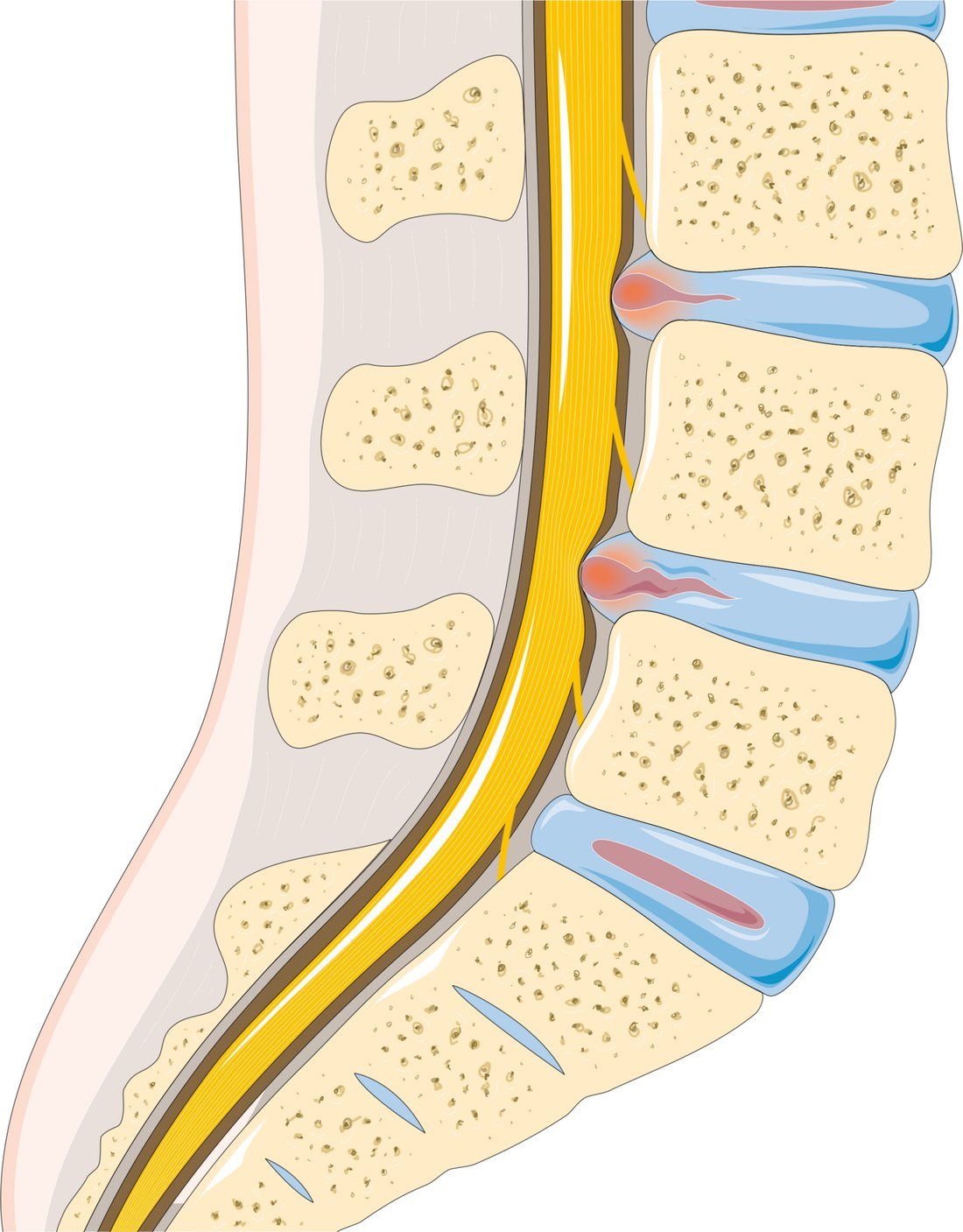
The MRI must match your symptoms. That is the whole test. A disc bulge on film with no matching leg pain is not a reason to operate, and a great many people walk around perfectly well with bulging discs they never knew about.

Before offering endoscopic or open disc surgery, the surgeon is looking for a disc protrusion or extrusion that is pressing on a specific nerve root, and for that same nerve root to be the one producing your pain pattern on examination. If the MRI shows an L5 root compressed but your pain and numbness follow the S1 pattern, something does not add up and more thought is needed.
Bring the films, not just the report. A radiologist's report describes anatomy. A spine surgeon needs to see the images alongside your examination. Also bring anything older you have, because comparing an MRI from last year with one from this month tells a story that either alone cannot.
A few findings push the decision towards open surgery rather than endoscopic: a very large migrated fragment sitting far from the disc space, significant bony stenosis needing more decompression, instability where the vertebra is slipping, or a previously operated level with scar tissue. These are surgeon judgement calls, and it is fair to ask why yours was made.
Which is better for me, endoscopic or open?
For a straightforward single level slip disc with leg pain, both work, and published comparisons generally show similar relief of leg pain at one to two years. The difference shows up in the first few weeks, not the final result.
Endoscopic disc surgery tends to suit you if:
- You have a single level disc herniation pressing a nerve root
- You want the shortest possible time off your feet and away from work
- You are a poor candidate for general anaesthesia
- You are a labourer or driver whose back muscles matter to your living
Open microdiscectomy tends to suit you if:
- The fragment has migrated far up or down from the disc space
- There is bony narrowing that needs wider decompression
- It is a revision at a level already operated, with scar tissue present
- The anatomy is unusual or the level is difficult to reach with a tube
Two honest points people rarely hear. First, the endoscopic technique has a real learning curve, and a microdiscectomy done well by an experienced surgeon beats an endoscopic procedure done hesitantly. Ask how often your surgeon does each. Second, no technique prevents the disc from herniating again. Recurrence happens after both, in a small minority of patients, and is usually treatable.
Is laser spine surgery effective, and is it the same thing?
Laser is a tool, not an operation, and the evidence behind laser disc procedures is weaker than the evidence behind endoscopic and open discectomy. If a clinic is advertising "laser spine surgery" as a category of its own, ask exactly what is being done, because the word is used very loosely in advertising.
In some percutaneous procedures a laser or radiofrequency probe is used to shrink or ablate a small amount of disc material through a needle. That is a different operation from removing the offending fragment under direct vision, and it is best suited to a narrow group of patients with a contained bulge. It does not reliably deal with a large extruded fragment sitting on a nerve.
Many centres in Pakistan use "laser" as a marketing word for endoscopic spine surgery, which often uses no laser at all. This is worth clearing up before you pay anything. A fair question to ask: "Will the fragment pressing my nerve be removed and shown to me, or is this a shrinking procedure?"
Related confusion worth settling: laparoscopic surgery is not spine surgery. Laparoscopy is keyhole surgery inside the abdomen, for the gallbladder, appendix and similar. If you have searched laparoscopic surgery cost in Pakistan while researching your back, you were looking at prices for a completely different operation.
What does endoscopic spine surgery cost in Pakistan?
There is no single honest figure, and anyone quoting one over the phone without seeing your MRI is guessing. Cost depends on the hospital, the theatre time, the type of anaesthesia, how long you stay, and above all whether any implant is used. What you should insist on is a written quote in PKR before you commit.
Some broad guidance on how the costs rank in most Pakistani private hospitals. A single level endoscopic discectomy and a single level open microdiscectomy usually sit in a similar range, with the endoscopic case sometimes a little higher because of equipment and disposables. Spinal fusion costs substantially more than either, because screws, rods and cages are expensive and the theatre time is longer. That price gap is also a reason to ask carefully whether fusion is genuinely needed in your case, or whether a simple decompression would do.
Ask for the quote to list these separately:
- Surgeon's fee and assistant's fee
- Anaesthesia and theatre charges
- Implants, if any, by name and number
- Room category and per night charge
- What happens to the bill if you need to stay two extra nights
- Whether follow up visits, dressings and stitch removal are included
On travelling abroad: people compare spine surgery cost in Egypt, India, Turkey and Iran, and the headline surgical price can look attractive. Add flights for you and an attendant, hotel, visa, a translator, and then consider what happens if you develop a wound problem in week three back in Faisalabad. A single level disc operation is routine surgery that is done well in Punjab. Travelling for it rarely makes sense once the true total is counted. Keep the option in mind for genuinely complex deformity work, not for a slip disc.
For the full cost breakdown, see what endoscopic spine surgery costs in Pakistan.
How long does recovery take after each operation?
Most people walk the same day after both operations. The difference is in the first two to four weeks, when the endoscopic patient generally has less wound and muscle soreness and returns to light activity sooner.
A typical pattern after endoscopic discectomy: home the same day or the next morning, walking immediately, driving short distances within a week or two, desk work within one to two weeks, and heavier work over roughly four to six weeks with your surgeon's clearance. After open microdiscectomy: often one to two nights in hospital, similar walking from day one, desk work within two to four weeks, and heavier work usually around six weeks.
These are ranges, not promises. Age, how long the nerve was compressed, diabetes, weight and smoking all shift the timeline. Smoking in particular slows healing, and stopping before surgery is one of the few things entirely in your own hands.
One expectation to set now: leg pain usually goes quickly, sometimes the same day. Numbness and weakness recover more slowly, over weeks to months, because a nerve heals at its own pace. And a squeezed nerve that was compressed for a year may not recover fully at all. That is the real cost of waiting, and it is the main argument against another six months of maalish.
How should our family decide, and who should we consult?
Decisions in our families are made together, so bring the people who will actually be involved. The person who will drive you to follow up, the son or daughter paying the bill, and the one who will insist on a second opinion anyway. Better they hear the surgeon directly than a summary through three relatives.
Take this list into the consultation:
- Is my leg pain coming from the disc the MRI shows, and how do you know?
- What happens if I wait another six weeks?
- Do you recommend endoscopic or open in my case, and why mine specifically?
- How often do you do this operation?
- What are the chances I still have some pain afterwards?
- Do I need fusion, and if yes, what happens if I decline it?
- May I have the full cost in writing?
A surgeon who is comfortable with those questions is a surgeon worth trusting. Be cautious with anyone who promises a complete cure, quotes a success percentage with no source, or pushes you to decide today. Be equally cautious of the opposite error, which is delaying a clearly indicated operation until the nerve is permanently damaged.
If you are in Faisalabad or travelling in from Jhang, Sargodha, Toba Tek Singh or Chiniot, and you are trying to work out whether you need surgery at all, bring your MRI films and your reports for an honest assessment. Dr. M. Abdur Rehman is a consultant neurosurgeon at Mujahid Hospital, Faisalabad, and patients searching for the best endoscopic spine surgeon in Faisalabad are welcome to come with their films and their questions. If your problem does not need an operation, you will be told that plainly.
Endoscopic spine surgery in Faisalabad Read the full page on endoscopic spine surgery in faisalabad, including who it suits, what recovery looks like and how to arrange a review.
Questions patients ask about this
Is endoscopic disc surgery better than open microdiscectomy?
Neither is better for every patient. For a single level slip disc, both relieve leg pain similarly by one to two years. Endoscopic surgery disturbs less muscle and usually means a quicker early recovery. Open microdiscectomy handles migrated fragments, bony narrowing and revision cases more easily. Your MRI and examination decide.
Will I be paralysed by disc surgery?
Paralysis is not the expected outcome of either operation. Lower back disc surgery is done below the level where the spinal cord ends. Real risks include dural tear, infection, numbness, incomplete pain relief and recurrence. Serious lasting weakness is uncommon. Delay in cauda equina syndrome causes more permanent damage than surgery does.
How much does endoscopic spine surgery cost in Pakistan?
There is no fixed price. Cost depends on hospital, theatre time, anaesthesia, length of stay and whether implants are used. Endoscopic and open discectomy usually sit in a similar range, while spinal fusion costs considerably more. Always ask for an itemised written quote in PKR before agreeing to anything.
Is laser spine surgery effective for a slipped disc?
Evidence for laser disc procedures is weaker than for endoscopic or open discectomy. Laser shrinks disc material through a needle rather than removing the fragment pressing your nerve, so it suits only a narrow group. Many clinics also use "laser" loosely to advertise endoscopic surgery. Ask exactly what will be done.
Can I avoid surgery with physiotherapy or a hakeem?
Often yes for physiotherapy. Many cases of sciatica settle in weeks with staying active, proper pain medication and trained physiotherapy. Maalish, cupping and leg pulling cannot push a disc back, and months spent on them can let nerve damage become permanent. Seek review sooner if you develop leg or foot weakness.
Related articles
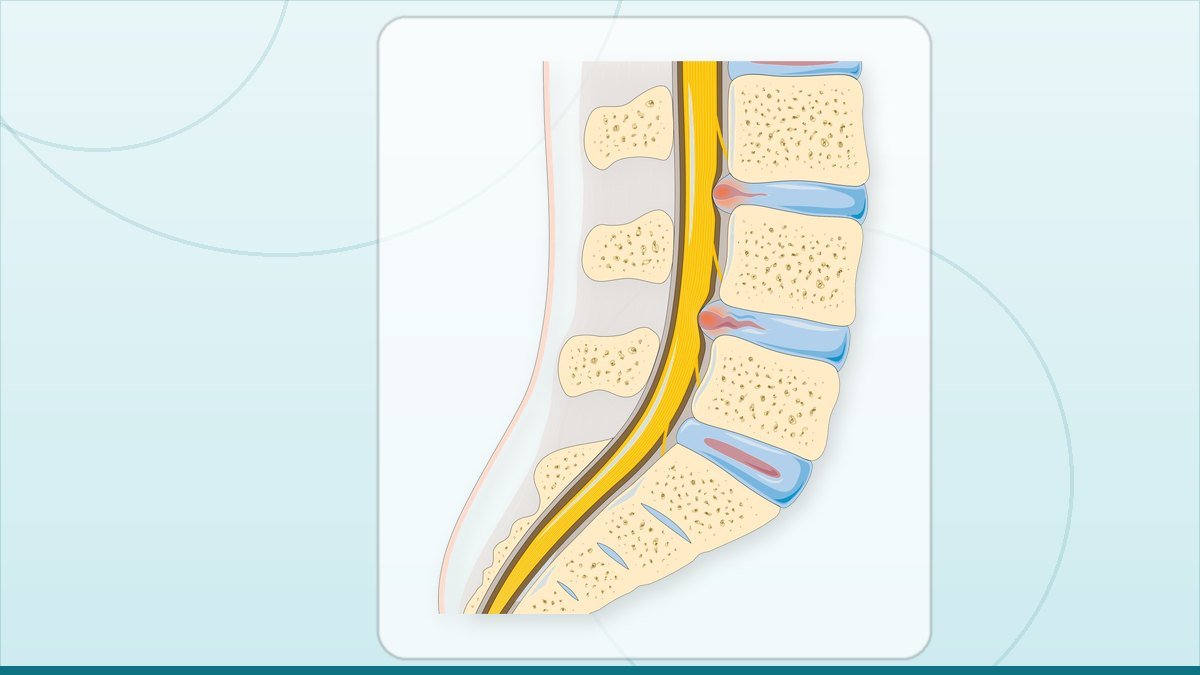
Is endoscopic disc surgery safe? The honest answer
Is endoscopic disc surgery safe? A Faisalabad neurosurgeon explains the real risks, when surgery is actually…
Read this
Microscopic disc surgery: what the microscope changes
Microscopic disc surgery explained in plain language: what the microscope changes, is it safe, do you need…
Read this
Microscopic or endoscopic disc surgery: which one for which disc
Microscopic vs endoscopic disc surgery: what each removes, which disc problems suit which technique, and…
Read thisAll patient questions · Spine surgery in Faisalabad · Book an appointment
Ask about your own scan. Send your MRI or X-ray on WhatsApp and get a straight answer on whether surgery is needed at all, from a consultant neurosurgeon in Faisalabad.
Dr. M. Abdur Rehman is a consultant neurosurgeon in Faisalabad. Send your scan on WhatsApp and ask what it actually shows.
Published for the practice of Dr. M. Abdur Rehman, consultant neurosurgeon, Mujahid Hospital, Faisalabad. General information only, not a substitute for examination.