
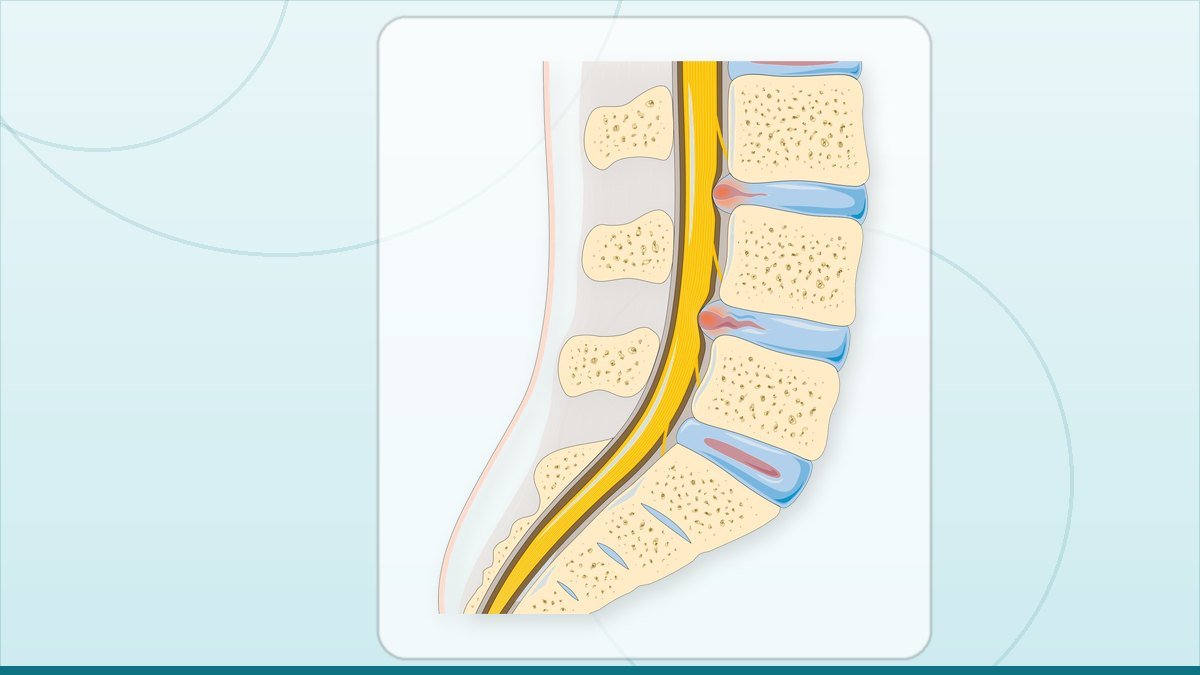
Yes, endoscopic disc surgery is safe for correctly selected patients. It is done under local or spinal anaesthesia through a needle-sized opening, so muscle and bone are barely disturbed. The risk of major nerve injury is low and broadly similar to standard microdiscectomy. Safety depends far more on correct diagnosis and a suitable spine than on the technique itself.
Is endoscopic disc surgery safe?
For a patient who genuinely needs surgery and whose MRI matches their symptoms, endoscopic disc surgery is a safe procedure. It is done through a tube about the width of a pencil, with a camera and instruments passed through it, so the surrounding muscle is pushed aside rather than cut. Most patients are awake or lightly sedated, and many go home the same day or the next morning.
Safe does not mean risk-free. No spine surgery is. What it means is that the chance of a serious complication, such as major nerve damage, is low and is broadly similar to standard microdiscectomy, the other well-established option. The technique itself is not the main variable in safety. Correct diagnosis, correct level, and correct patient selection matter more than which instrument is used.
The honest answer is that the surgery is only as safe as the decision to do it. A well-performed operation on the wrong patient, or on the wrong disc level, is not a safe outcome even if nothing goes technically wrong in the operating theatre.
Will I be paralysed, or left worse than before?
This is usually the real question underneath "is it safe", and it deserves a direct answer. Permanent paralysis from disc surgery, endoscopic or open, is rare. The nerve is identified and worked around, not through. The more common risks are smaller: temporary numbness or tingling, a small tear in the covering of the nerve that leaks fluid and needs a stitch or a day of extra rest, infection, or the disc material pressing again later.
Families often worry that avoiding surgery is the safer choice. That is not always true. If a nerve is under heavy pressure for a long time, or if there are warning signs like worsening leg weakness, difficulty controlling the bladder or bowel, or numbness around the saddle area, delaying surgery is what risks permanent damage, not the operation itself. In that specific situation, surgery done promptly protects the nerve rather than endangering it.
Outside of those red-flag situations, there is time to think, get a second opinion, and decide without panic.
Do I actually need surgery for my kamar dard or taang mein dard?
Most back pain does not need surgery. Plain kamar dard from muscle strain, poor posture, or a mild disc bulge usually settles over some weeks with rest, physiotherapy, and medication. Many patients try a hakeem, a masseur, or a local bone-setter first, and for ordinary muscular pain that time is not wasted, provided there is no worsening weakness or numbness during it.
Surgery becomes a reasonable option when leg pain (sciatica, or taang mein dard going below the knee) has not meaningfully improved after a proper trial of conservative treatment, and an MRI shows a disc pressing on the exact nerve that matches the pain pattern. If the MRI findings and the symptoms do not line up, surgery is not the answer, no matter how abnormal the scan looks. A second opinion is worth getting if a surgery is suggested quickly, before other options have been tried.
Urgent surgery is a different situation: sudden severe leg weakness, or loss of bladder or bowel control, should be treated as an emergency and assessed the same day, not scheduled for later in the week.
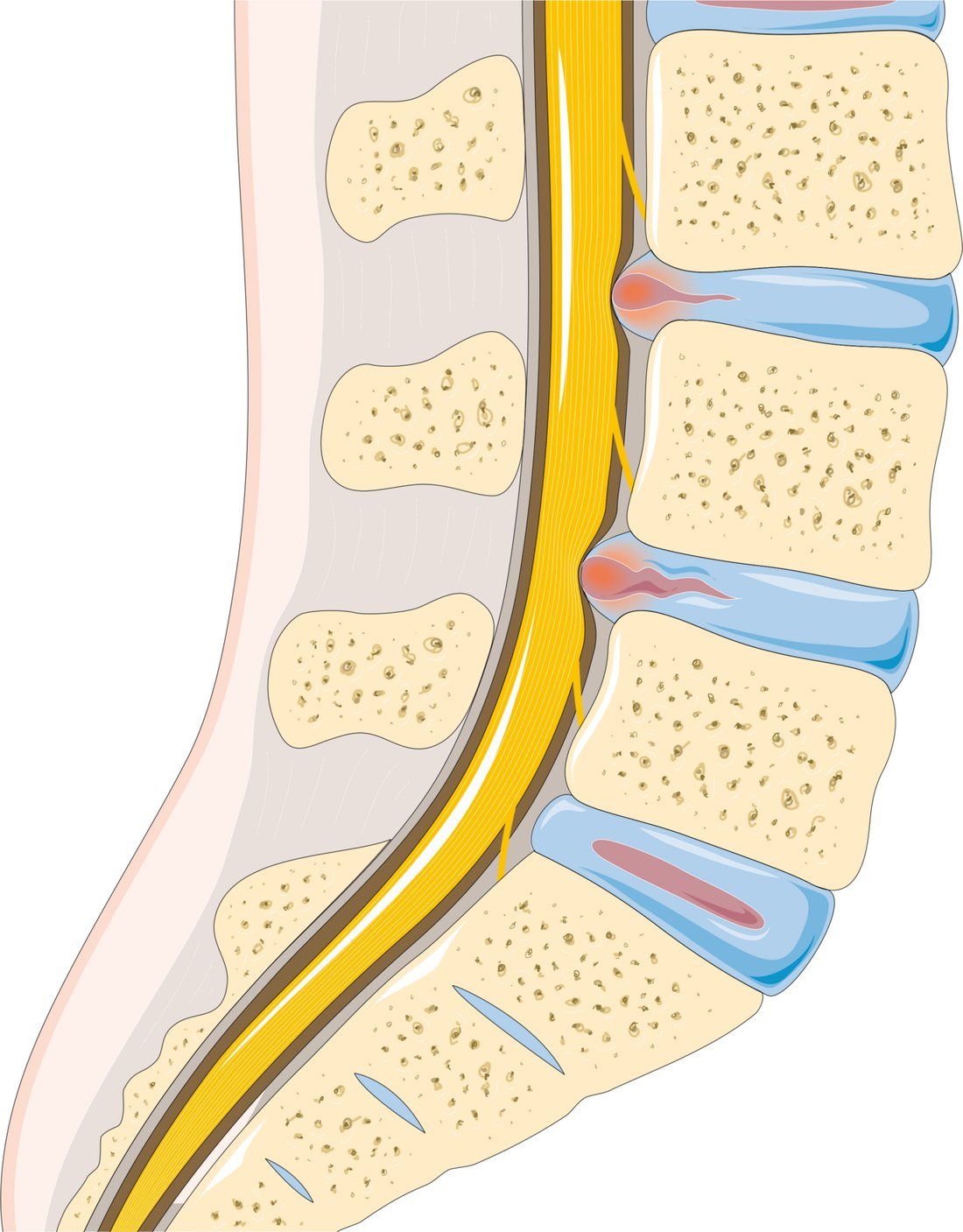
What is endoscopic disc surgery, and how is it different from microdiscectomy or open surgery?
Endoscopic discectomy removes the piece of disc pressing on a nerve using a thin endoscope with a camera and a working channel, passed through a small tube. The surgeon watches the procedure on a screen and removes the offending fragment while leaving the surrounding muscle and bone largely undisturbed.
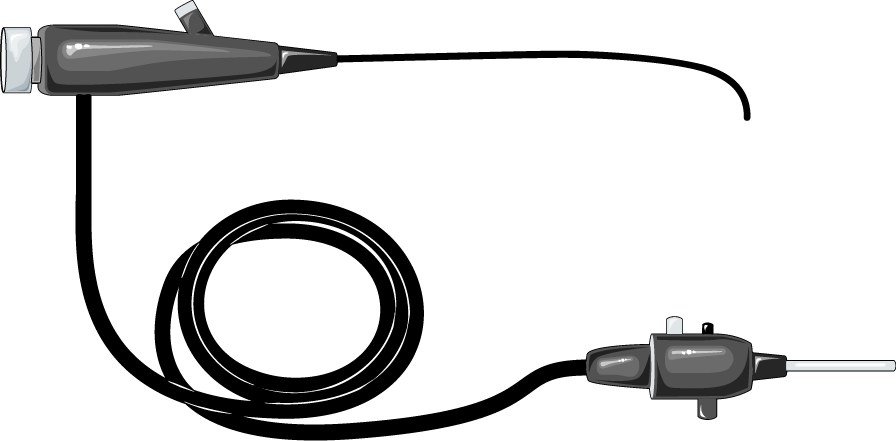
Microdiscectomy, the more established second option, uses a slightly larger incision and an operating microscope instead of an endoscope. It still removes the same disc fragment through a much smaller cut than old-style open surgery, and it has decades of evidence behind it. Neither technique is automatically "better" for every patient. The disc's exact position, the shape of the spinal canal, and whether there has been prior surgery at that level all influence which approach suits a given spine.
Open surgery, involving a longer incision and more muscle stripping, is now reserved for more complex situations, such as significant instability or multi-level disease requiring fusion.
How much does endoscopic spine surgery cost in Pakistan?
This is answered in full on what endoscopic spine surgery costs in Pakistan, so it is not repeated here.
Is laser spine surgery the same as endoscopic surgery, and is it effective?
Not quite. "Laser spine surgery" is often used as a marketing term, and it sometimes describes very different things at different clinics. In some endoscopic procedures, a laser is used as one tool among several, to shrink or vaporise a small amount of disc tissue under direct camera view, alongside mechanical removal of the herniated fragment.
Where the term becomes a concern is when "laser surgery" means a laser used alone, without direct visualisation of the nerve and without physically removing the compressing disc fragment. The evidence for that stand-alone approach is weaker and more mixed than for endoscopic or microdiscectomy procedures that directly see and remove the problem material.
If a clinic offers "laser spine surgery", it is reasonable to ask directly what technique is actually being used, whether the nerve is being visualised during the procedure, and what happens to the disc fragment itself.
What are the possible risks and complications?
Uncommon but worth naming plainly, so there are no surprises: infection at the incision, bleeding, a small tear in the covering of the nerve (dural tear) that may need a stitch or extra rest, temporary numbness or weakness, incomplete relief of leg pain, and recurrence of disc herniation at the same level requiring further treatment later.
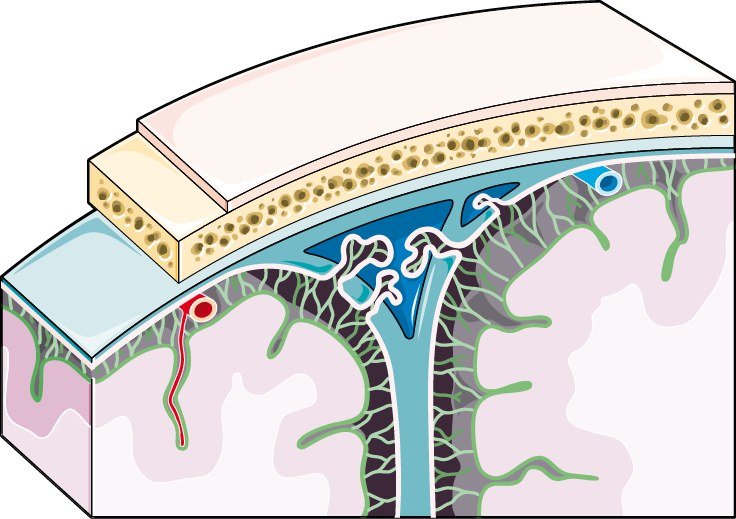
Major nerve damage leading to permanent paralysis is rare in properly selected patients. General anaesthesia, when used, carries its own separate small risks that an anaesthetist should discuss beforehand. None of these risks disappear because a procedure is minimally invasive, but they are generally comparable to, and in some respects lower than, open surgery for the same problem.
How do I know if I am a good candidate for endoscopic surgery?
Candidacy is decided from the combination of a physical examination and an MRI that shows a disc fragment matching the exact nerve causing the pain, not from the MRI report alone and not from symptoms alone. Patients who have had adequate conservative treatment without improvement, and whose leg pain follows a clear nerve pattern, are the typical candidates.
Not every spine suits the endoscopic approach. A very narrow spinal canal, a disc fragment in an awkward position, significant instability, or previous surgery at the same level can make microdiscectomy or another approach more appropriate. This is a judgement made case by case after reviewing the actual imaging, not something to decide from a search result.
What should I do next?
Start with a clear diagnosis: a proper examination and an MRI that matches your symptoms, not just a report that mentions a bulging or herniated disc, since many people over the age of thirty have some disc changes on a scan without needing surgery. If surgery is genuinely being considered, get a written quote covering surgeon's fee, hospital stay, and any implants, and ask directly which technique is being offered and why.
For an honest opinion on whether your case needs surgery at all, and which technique fits your specific spine, consult Dr. M. Abdur Rehman, consultant neurosurgeon and best endoscopic spine surgeon in Faisalabad, practising at Mujahid Hospital. Bringing your MRI to the first visit makes that conversation far more useful than describing symptoms alone.
Endoscopic spine surgery in Faisalabad Read the full page on endoscopic spine surgery in faisalabad, including who it suits, what recovery looks like and how to arrange a review.
Questions patients ask about this
Is laser spine surgery effective?
It depends what is meant by it. Used as one tool within an endoscopic procedure, alongside direct removal of the disc fragment, results are comparable to standard endoscopic discectomy. Used alone, without visualising and removing the compressing material, evidence is weaker. Ask exactly what technique is being offered before agreeing.
Is laparoscopic surgery the same as endoscopic spine surgery?
No. Laparoscopic surgery refers to keyhole operations inside the abdomen, done by general surgeons, and is unrelated to the spine. Endoscopic spine surgery is a separate technique, done by a neurosurgeon or spine surgeon, working through a small tube near the spine itself, not the abdomen.
Is it cheaper to have spine surgery in Egypt than in Pakistan?
Not usually once travel, accommodation, and follow-up visits are counted. A spine needs monitoring after surgery, and follow-up close to home is safer and simpler than managing it from abroad. Get a written quote from a local hospital first before assuming travel will save money.
How does spinal fusion cost compare with endoscopic surgery in Pakistan?
Fusion generally costs more than endoscopic discectomy because it requires metal implants such as screws, rods, or cages, in addition to surgeon and hospital fees. The two procedures also treat different problems, so cost comparison only matters once your surgeon has told you which one your spine actually needs.
Related articles
Microscopic disc surgery: what the microscope changes
Microscopic disc surgery explained in plain language: what the microscope changes, is it safe, do you need…
Read this
Microscopic or endoscopic disc surgery: which one for which disc
Microscopic vs endoscopic disc surgery: what each removes, which disc problems suit which technique, and…
Read this
Recovery after microscopic disc surgery
Microscopic disc surgery recovery, week by week: when you walk, sit, and return to work, plus whether you…
Read thisAll patient questions · Spine surgery in Faisalabad · Book an appointment
Ask about your own scan. Send your MRI or X-ray on WhatsApp and get a straight answer on whether surgery is needed at all, from a consultant neurosurgeon in Faisalabad.
Dr. M. Abdur Rehman is a consultant neurosurgeon in Faisalabad. Send your scan on WhatsApp and ask what it actually shows.
Published for the practice of Dr. M. Abdur Rehman, consultant neurosurgeon, Mujahid Hospital, Faisalabad. General information only, not a substitute for examination.