
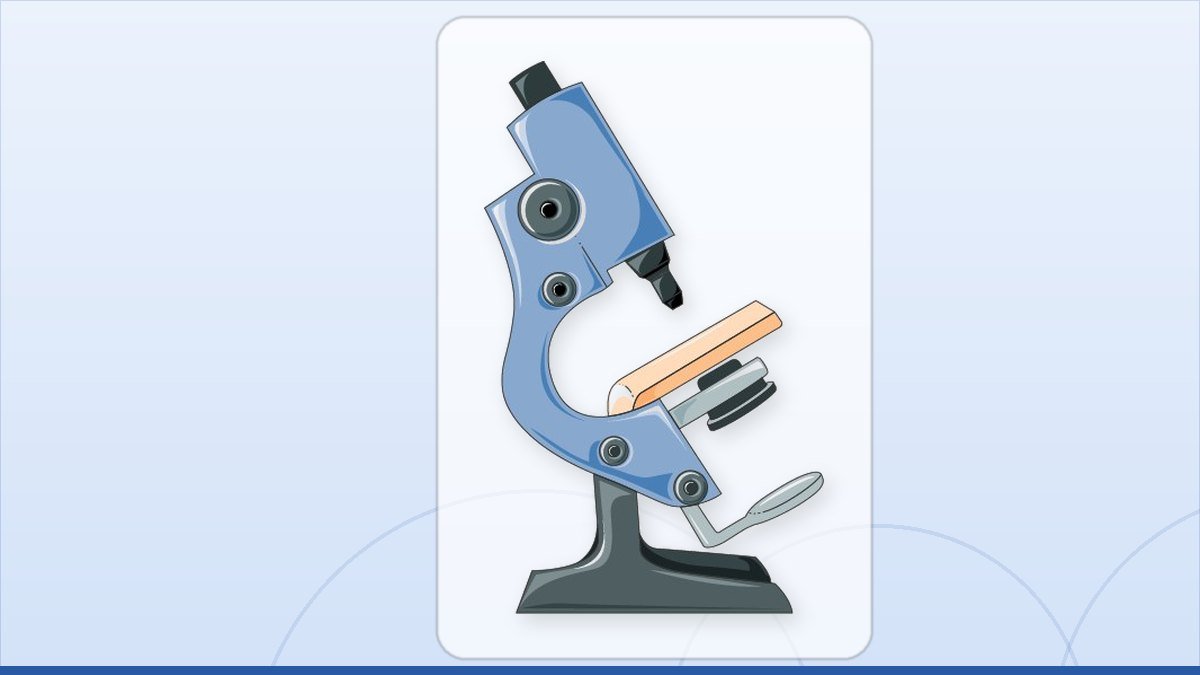
Microscopic disc surgery, or microdiscectomy, uses an operating microscope so the surgeon can see the nerve and disc clearly through a small incision instead of a large open cut. The microscope changes visibility and incision size, not the goal, which stays the same: removing the disc fragment pressing on the nerve.
What is microscopic disc surgery, and what does the microscope actually change?
Microscopic disc surgery, or microdiscectomy, is surgery done through a small incision while the surgeon looks through an operating microscope instead of with the naked eye. The microscope does not change the goal of the operation. It changes how well the surgeon sees the nerve and the herniated disc fragment while removing it.
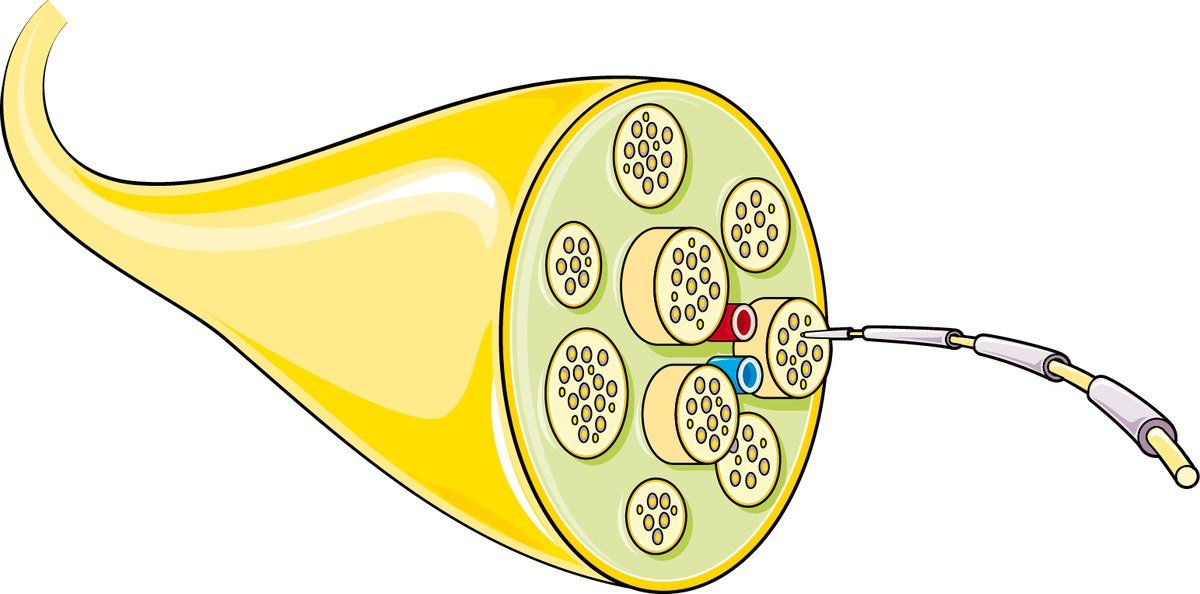
Before the microscope became standard, disc surgery meant a longer incision and more retraction of the back muscles simply so the surgeon could see well enough to work safely. Under magnification and focused light, the same job can be done through a cut of roughly two to three centimetres, with less muscle disturbed to reach the nerve.
Less muscle disturbance generally means less pain after surgery and a faster return to walking than older open techniques. It does not mean the operation itself is smaller in importance. The surgeon is still working millimetres from the spinal nerve, and precision matters as much as ever.
Endoscopic spine surgery takes this a step further, using a narrow tube and a camera instead of a microscope, so the incision can be smaller still. Which approach suits a particular disc depends on where it has herniated and the patient's own anatomy on MRI, not on which technique sounds newer.
Is microscopic disc surgery safe? Will I be paralysed?
Paralysis from microscopic disc surgery is very rare. In the lower back, where most disc surgery is done, the spinal cord itself ends higher up the spine, so the surgeon is working around individual nerve roots in the space around them, not the spinal cord.
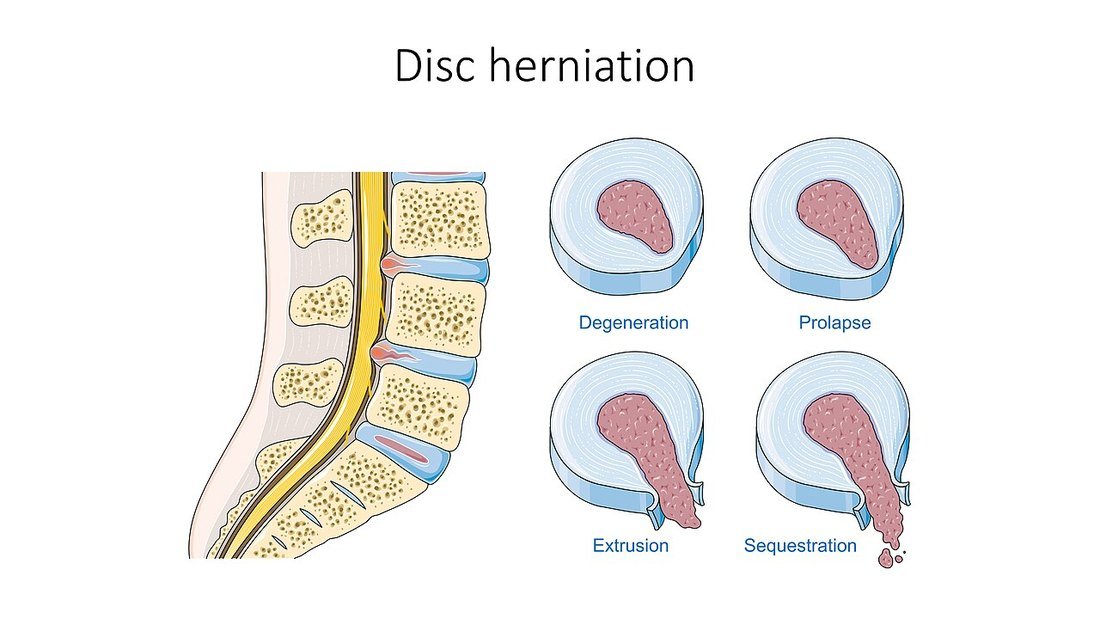
That does not mean the operation is risk-free. Real risks include infection, bleeding, a small tear in the covering of the nerve, temporary numbness or weakness, and, in a minority of patients, the disc herniating again at the same level later. General anaesthesia carries its own separate small risk, which is why a proper pre-operative check-up matters.
The fear of a knife near the spine is understandable and common in Faisalabad, and families often ask this question before anything else. A frank conversation with your surgeon about your specific MRI, and what could go wrong in your case, is reasonable to ask for before agreeing to a date.
Do I actually need surgery, or will this heal on its own?
Most back pain, and even most cases of kamar dard with taang mein dard (leg pain), improve without surgery within six to twelve weeks using rest, physiotherapy, and medication. Surgery is usually considered only after a genuine trial of non-surgical treatment has failed, or when specific warning signs appear.
Those warning signs are what move a case from wait and see to see a surgeon now: progressive weakness in the leg or foot, numbness spreading in the groin or inner thighs, or new difficulty controlling the bladder or bowel. That last combination, called cauda equina syndrome, is a surgical emergency and needs same-day assessment, not a course of tablets.
It is common here to try a hakeem, heat, or massage first, and for milder pain that is not unreasonable. The problem is delaying evaluation when the warning signs above are present, because a nerve compressed for too long does not always fully recover even after successful surgery.
If your MRI shows a disc bulge but your pain is mostly in the back, not the leg, and there is no weakness, surgery is often not the right next step at all. That is worth hearing plainly before anyone recommends an operation.
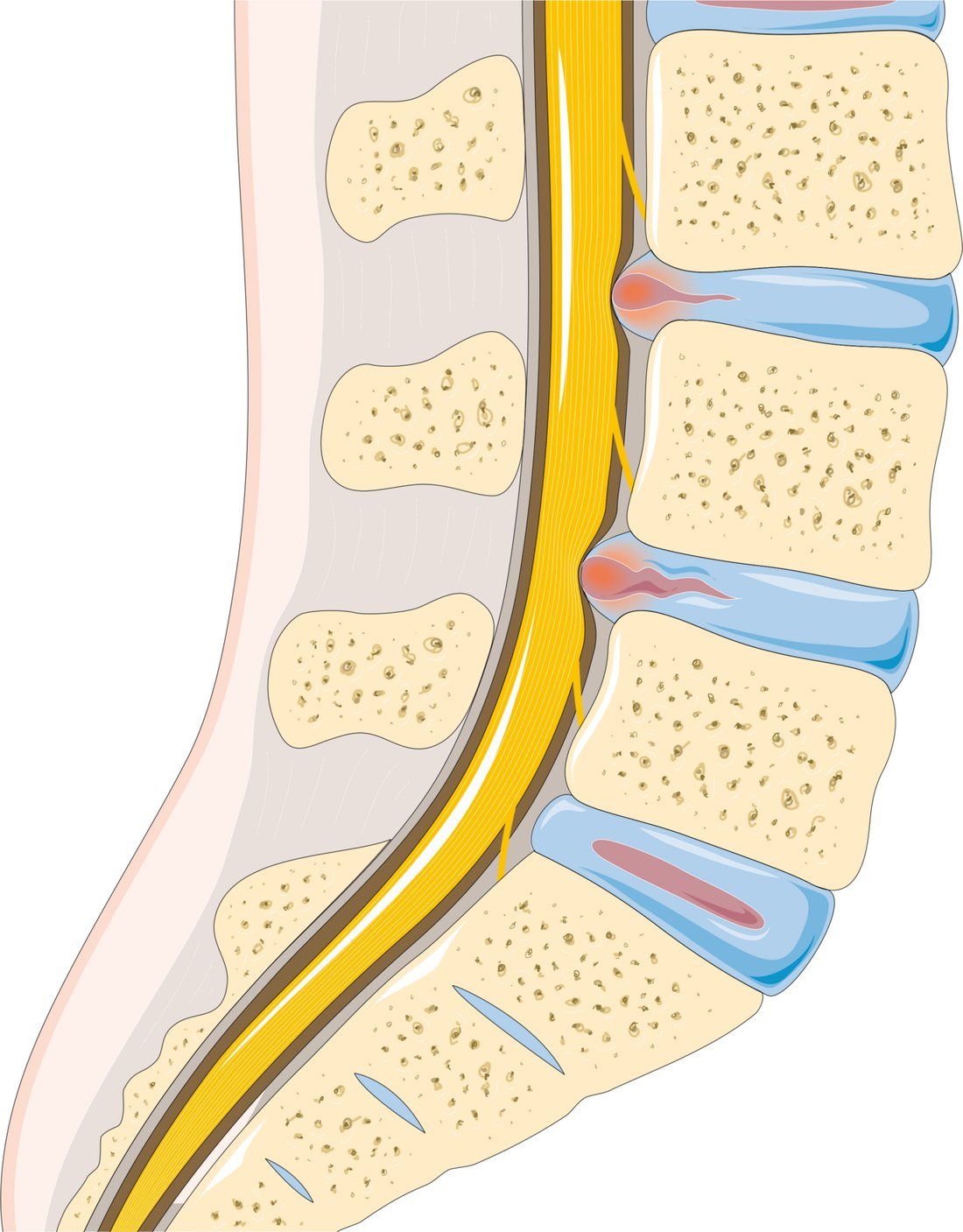
Microscope, endoscope, or laser: what actually differs between them?
All three aim to remove the same thing, the piece of disc pressing on a nerve. What differs is the size of the incision and the tool used to see inside. Microscopic surgery uses an external microscope through a small open incision. Endoscopic surgery uses a thin tube with a camera on its tip, usually through an incision smaller than a centimetre, often done as a day case.
"Laser spine surgery" is more often a marketing term than a distinct technique. A laser can be used as one tool within an endoscopic procedure to shrink or vaporise a small amount of disc tissue, but it is not a separate operation that replaces removing the compressing fragment. Packages advertised purely as laser surgery are worth asking hard questions about, specifically what technique is actually being used and why.
Is endoscopic spine surgery safe? For well-selected patients, yes, it is an established technique with a safety profile broadly similar to microscopic surgery, carried out through a smaller incision. Not every disc is suited to it, though. The decision should follow from your MRI findings, not from which term sounds most modern.
What does microscopic or endoscopic spine surgery cost in Pakistan?
Costs vary by city, hospital, and exactly what the surgery involves, so treat any figure as a rough starting point, not a promise. A straightforward microdiscectomy typically costs a few lakh rupees in Pakistan; endoscopic day-care procedures are often priced somewhat higher because of the specialised equipment involved, even though the hospital stay is shorter.
Spinal fusion surgery, which adds screws and rods to stabilise the spine, costs noticeably more than a simple discectomy because of the implants themselves, and is a different operation done for different reasons, not a bigger version of the same thing. If anyone recommends fusion for a routine disc herniation, ask why plain discectomy is not enough.
Whatever the technique, always ask the hospital for a written quote before admission, itemising surgeon's fee, hospital stay, implants if any, and follow-up visits. Verbal estimates in Pakistan have a way of growing once the bill arrives.
Is it worth travelling abroad, for example to Egypt, for spine surgery?
Wondering whether spine surgery is actually cheaper abroad, in Egypt, Turkey or Dubai? What the advertised price usually leaves out, and the one question that matters more than the airfare, has its own page: Travelling abroad for spine surgery: is it actually cheaper?
Is spine surgery the same as laparoscopic surgery?
No, they are different operations on different parts of the body. Laparoscopic surgery is keyhole surgery inside the abdomen, used for things like gallbladder removal, not the spine. People searching for laparoscopic surgery cost in Pakistan while looking into back problems have usually mixed up the term with endoscopic spine surgery, which is the keyhole equivalent for the spine.
The confusion is understandable, since both involve small incisions and a camera. If a hospital or agent describes back surgery as laparoscopic, ask them to clarify, since the correct terms are microscopic discectomy or endoscopic spine surgery.
What does recovery look like after microscopic disc surgery?
Most patients are walking the same day or the next morning after microscopic discectomy, and hospital stay is usually one to two days, sometimes less for endoscopic cases done as day surgery. Leg pain that was there before surgery often improves noticeably within days, though back soreness from the incision itself takes longer to settle.
For the first four to six weeks, avoid heavy lifting, prolonged bending, and twisting movements, since the tissue around the nerve is still healing even though the incision looks small from outside. Physiotherapy, started once your surgeon confirms you are ready, helps rebuild strength around the spine and lowers the chance of the same problem recurring.
Return to a desk job is often possible within two to three weeks; physically demanding work usually needs longer, and your surgeon should give you a timeline specific to your job, not a generic number.
How do I choose who does this operation?
Start with your MRI, not with a hospital's marketing. A surgeon worth trusting will explain what your MRI actually shows, why surgery is or is not needed, and which technique, microscopic or endoscopic, fits your specific disc, in language your family can follow.
Ask about the surgeon's training and how they manage cases similar to yours, ask for a written cost quote before committing to a date, and bring a family member to the consultation, since decisions about surgery are rarely made by one person alone in a Pakistani household.
If you are trying to find the best endoscopic spine surgeon in Faisalabad, use these questions as your filter: a clear explanation of your MRI, an honest answer about whether you need surgery at all, and a written quote you can compare before you decide.
Microdiscectomy in Faisalabad Read the full page on microdiscectomy in faisalabad, including who it suits, what recovery looks like and how to arrange a review.
Questions patients ask about this
What is the difference between microscopic and endoscopic disc surgery?
Both remove the same herniated disc fragment pressing on a nerve. Microscopic surgery uses an external microscope through a small open incision; endoscopic surgery uses a thin camera-tipped tube through an even smaller incision, often as day surgery. Which suits you depends on your MRI, not on which sounds newer.
How long does microscopic disc surgery take?
Operating time is usually well under two hours for a straightforward single-level microdiscectomy, though total time in the operating room, including anaesthesia and positioning, runs longer. Your surgeon can give a more specific estimate once they have reviewed your MRI.
Can the disc herniate again after surgery?
Yes, a disc can herniate again at the same level in a minority of patients, sometimes months or years later. Most people with this recurrence do not need repeat surgery, though some do. Maintaining core strength and avoiding heavy strain afterward lowers the risk.
Is general anaesthesia required for microscopic disc surgery?
Microscopic discectomy is usually done under general anaesthesia, though some surgeons use spinal anaesthesia for suitable patients. Your anaesthetist assesses which is safer for you based on your overall health before the operation.
Will I need physiotherapy after surgery?
Physiotherapy is often recommended once your surgeon confirms the incision has healed, usually a few weeks after surgery. It helps rebuild strength around the spine and supports a full return to normal activity, though it is not always started immediately after discharge.
Related articles
Microscopic or endoscopic disc surgery: which one for which disc
Microscopic vs endoscopic disc surgery: what each removes, which disc problems suit which technique, and…
Read this
Recovery after microscopic disc surgery
Microscopic disc surgery recovery, week by week: when you walk, sit, and return to work, plus whether you…
Read thisLaser spine surgery in Pakistan: what it actually means
Read thisAll patient questions · Spine surgery in Faisalabad · Book an appointment
Ask about your own scan. Send your MRI or X-ray on WhatsApp and get a straight answer on whether surgery is needed at all, from a consultant neurosurgeon in Faisalabad.
Dr. M. Abdur Rehman is a consultant neurosurgeon in Faisalabad. Send your scan on WhatsApp and ask what it actually shows.
Published for the practice of Dr. M. Abdur Rehman, consultant neurosurgeon, Mujahid Hospital, Faisalabad. General information only, not a substitute for examination.