
Microscopic and endoscopic disc surgery remove the same herniated disc material and give similar long-term relief for taang mein dard. The choice depends on where the disc has slipped, how large the fragment is, and whether bone narrowing (stenosis) sits alongside it. Straightforward single-level herniations usually suit endoscopic surgery; larger or more complex cases sometimes need the microscopic approach.
Microscopic or endoscopic disc surgery: which one is right for my disc?
Both microdiscectomy (the microscopic approach) and endoscopic discectomy are done to remove the same thing: a piece of disc that has slipped out and is pressing on a nerve, causing kamar dard or taang mein dard. Neither is automatically better. The right one for you depends on where the disc problem sits, how big the fragment is, and whether there is extra narrowing of the spinal canal alongside it.
A surgeon makes this call after looking at your MRI and examining you, not before. Some disc herniations are straightforward and sit in a place the endoscope reaches easily. Others are large, fragmented, sitting in a difficult spot, or come with significant stenosis that needs a wider decompression than a keyhole endoscope allows. In those cases the microscopic approach may be the more thorough choice.
If a surgeon offers you only one option without explaining why, it is reasonable to ask what the MRI shows and why that particular technique fits your case.
Is endoscopic spine surgery safe, will I be paralysed?
Both microscopic and endoscopic disc surgery are considered safe procedures when done by a trained spine surgeon on a well-selected patient. Permanent paralysis from disc surgery is rare and is not something either technique causes more than the other; it relates mostly to how carefully the nerve is handled during the operation, not to whether the surgeon used a microscope or an endoscope.
Both techniques carry the standard risks of any spine operation: infection, bleeding, nerve irritation, a small tear in the covering of the nerves (dural leak), and a chance the disc herniates again at the same level. A good surgeon explains these to you in the clinic rather than rushing past them before you sign consent.
The fear of paralysis is common among Pakistani families considering any spine surgery, and it is a reasonable question to ask directly rather than carry silently. Ask your surgeon what specifically could go wrong in your case and what they would do if it happened.
Do I even need surgery for kamar dard or taang mein dard?
Most back pain, including many cases of slip disc, does not need surgery. Many people improve within six to eight weeks with rest from aggravating activity, physiotherapy, anti-inflammatory medication, and time. Trying a hakeem, massage, or heat first is common in Pakistan and is not harmful for ordinary mechanical back pain, as long as it does not delay care when warning signs appear.
Surgery becomes a reasonable option when leg pain or weakness has not improved despite several weeks of proper conservative treatment, or when weakness in the leg or foot is present and getting worse. Some situations need urgent attention rather than a wait-and-see approach: sudden loss of bladder or bowel control, numbness around the groin or inner thighs, or rapidly worsening weakness in one or both legs. These can point to a rare but serious condition called cauda equina syndrome and need same-day assessment.
If none of these red flags are present, there is no urgency to decide between microscopic and endoscopic surgery. The first decision is whether surgery is needed at all.
What is the actual difference between microdiscectomy and endoscopic discectomy?
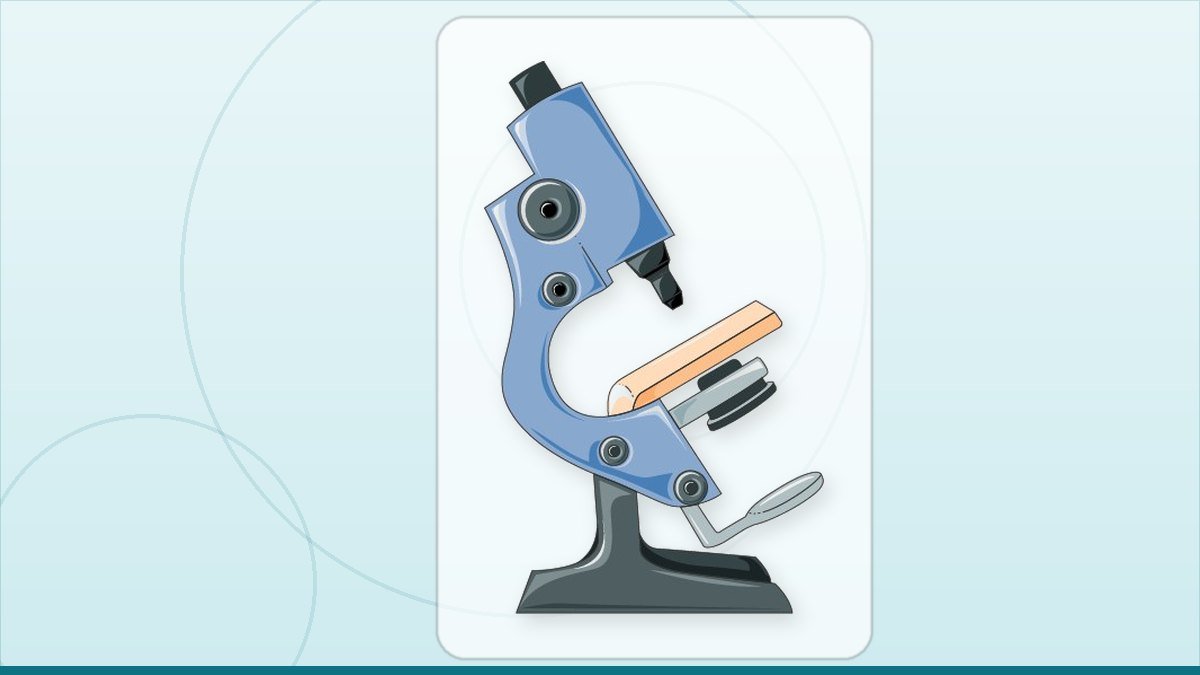
Microdiscectomy has been the standard surgical treatment for a herniated disc for decades. The surgeon works through a small incision, usually around 2 to 3cm, using an operating microscope for magnification and light. It is normally done under general anaesthesia, with some muscle gently moved aside to reach the disc and remove the fragment pressing on the nerve.
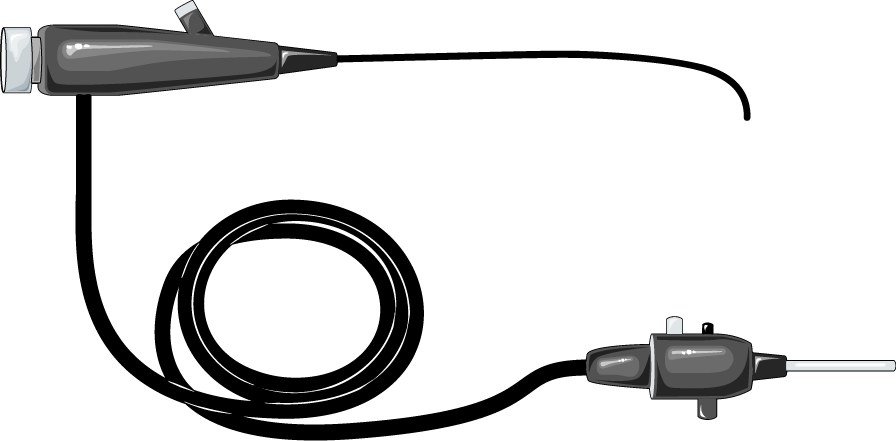
Endoscopic discectomy removes the same fragment through a much smaller opening, often around 8 to 10mm, using a thin tube fitted with a camera and small instruments. Because the tube is so narrow, there is less disruption to the surrounding muscle. It can often be done under local or spinal anaesthesia with the patient awake, and many patients go home the same day or after one night.
The end goal of both operations is identical: take the pressure off the nerve. The difference is in how the surgeon gets there and how much surrounding tissue is disturbed on the way.
Which type of disc problem suits endoscopic surgery, and which needs microscopic surgery?
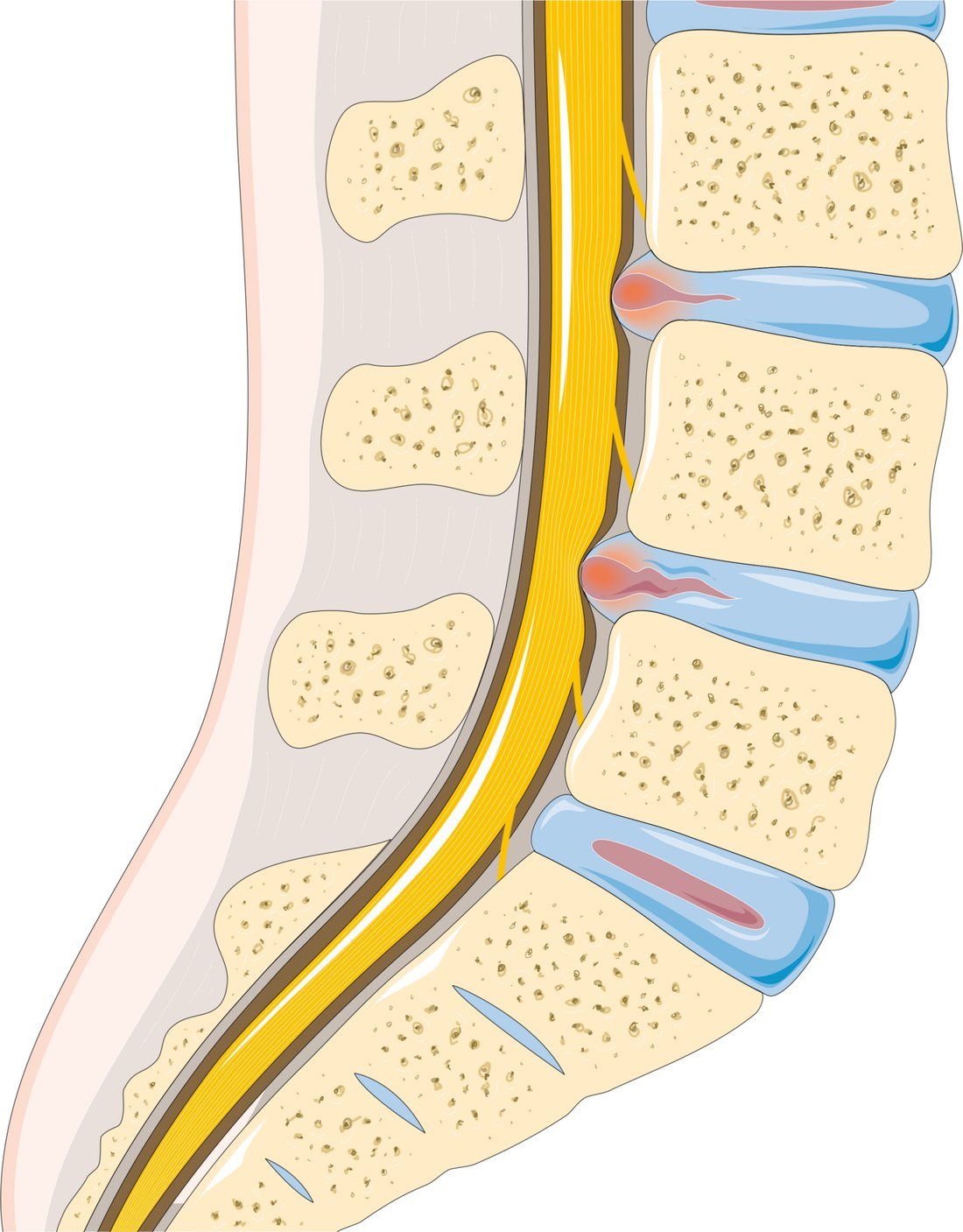
As a general pattern, straightforward single-level disc herniations, especially at the lower lumbar levels (L4-L5, L5-S1), and herniations sitting off to the side near the nerve exit (foraminal herniations), are often well suited to the endoscopic approach.
- Often suited to endoscopic surgery: a single contained or moderately sized herniation, foraminal or far-lateral herniations, and patients who want a shorter stay or cannot tolerate general anaesthesia well.
- Often suited to microscopic surgery: very large or fragmented (sequestered) disc material, significant bony stenosis needing wider decompression alongside the disc removal, multi-level disease, and revision surgery after a previous open operation where scar tissue makes endoscopic access harder.
These are patterns, not fixed rules. Two patients with what sounds like the same slip disc on a report can need different operations once the MRI is examined level by level. This is why the decision is made in the clinic, with your films in front of the surgeon, not from a general description of symptoms alone.
What does endoscopic spine surgery cost in Pakistan?
Cost for either endoscopic spine surgery or microdiscectomy in Pakistan depends on the hospital, the surgeon's fee, the length of stay, and whether any implants are needed. Endoscopic surgery, done under local anaesthesia with a shorter stay, sometimes brings down the hospital-stay portion of the bill compared with an open procedure, but this varies hospital to hospital and is not guaranteed.
Spinal fusion, which involves implants such as screws and rods and is a separate procedure from a straightforward discectomy, generally costs more because of the implant cost alone, regardless of whether it is done through a microscope or endoscopically.
Rather than relying on a figure seen online, including searches for laser spine surgery cost that often mix up different procedures, ask the hospital or surgeon's office for a written quote before deciding. A written quote should list the surgeon's fee, hospital and OT charges, implant cost if any, and what is covered if you need extra days of stay.
For the full cost breakdown, see what endoscopic spine surgery costs in Pakistan.
Is laser spine surgery the same as endoscopic surgery, and does it work?
Laser spine surgery is not a separate surgical technique. In most cases it is endoscopic disc surgery where a laser probe is used as one tool among several, sometimes to shrink a small amount of disc tissue, alongside the usual instruments passed through the endoscope. The word laser is often used in marketing because it sounds advanced, not because it describes a fundamentally different operation.
Whether it is called laser spine surgery or endoscopic discectomy, how well it works depends on the same things: correct diagnosis, the disc fragment actually matching the patient's symptoms on MRI, and proper patient selection. A technique with the right name but the wrong patient behind it will not give a good result, and a plainly named endoscopic discectomy on the right patient works as well as one marketed as laser.
What about spinal fusion, or travelling abroad for surgery, like Egypt?
Wondering whether spine surgery is actually cheaper abroad, in Egypt, Turkey or Dubai? What the advertised price usually leaves out, and the one question that matters more than the airfare, has its own page: Travelling abroad for spine surgery: is it actually cheaper?
How do I choose the right surgeon, and what should I do next?
Before agreeing to either technique, bring your MRI films, not just the written report, to the consultation. Ask the surgeon to point out exactly which level and which type of herniation you have, and why they are recommending microscopic or endoscopic surgery for it rather than the other. Ask what happens if the plan changes once they are inside, and get a written quote covering the surgeon's fee, hospital charges, and any implant cost before you commit.
Family involvement in this decision is normal in Pakistan, and a good surgeon takes the time to answer questions from parents, spouses, or children, not just the patient. If you are looking for the best endoscopic spine surgeon in Faisalabad to discuss whether microscopic or endoscopic surgery fits your MRI, bring your films to a consultation with Dr. M. Abdur Rehman at Mujahid Hospital, Faisalabad, and ask him to walk you through both options for your specific disc.
Microdiscectomy in Faisalabad Read the full page on microdiscectomy in faisalabad, including who it suits, what recovery looks like and how to arrange a review.
Questions patients ask about this
What is the difference between endoscopic and laparoscopic spine surgery?
They are different words for related ideas; laparoscopic refers to abdominal keyhole surgery and is not the correct term for the spine. For the back, the correct term is endoscopic spine surgery, done through a small tube in the back, not the abdomen.
How long is recovery after microscopic vs endoscopic disc surgery?
Both usually allow walking within a day, endoscopic often the same day. Full return to normal activity generally takes several weeks for either technique, with heavier work needing longer; your surgeon will give a timeline based on your job and disc level.
Can a slip disc heal without surgery?
Yes, many disc herniations improve on their own or with physiotherapy, rest, and medication over weeks. Surgery is considered only if pain and weakness persist despite conservative treatment, or if there are warning signs like worsening leg weakness or loss of bladder control.
Is spinal fusion always needed alongside disc surgery?
No. Most disc herniations only need the herniated fragment removed, not fusion. Fusion is reserved for spinal instability, such as a vertebra slipping forward on another (spondylolisthesis), or after repeated surgery at the same level, not for a straightforward slipped disc pressing on a nerve.
Does laser spine surgery cost more than endoscopic surgery?
Laser spine surgery is usually just endoscopic surgery marketed under a different name, sometimes using a laser probe as one tool among several. Cost depends on the hospital and surgeon, not the word laser, so always ask for a written quote.
Related articles
Recovery after microscopic disc surgery
Microscopic disc surgery recovery, week by week: when you walk, sit, and return to work, plus whether you…
Read thisLaser spine surgery in Pakistan: what it actually means
Read this
What your MRI must show before laser or endoscopic surgery makes sense
Before laser or endoscopic surgery for a slipped disc, your MRI has to match your symptoms exactly. What the…
Read thisAll patient questions · Spine surgery in Faisalabad · Book an appointment
Ask about your own scan. Send your MRI or X-ray on WhatsApp and get a straight answer on whether surgery is needed at all, from a consultant neurosurgeon in Faisalabad.
Dr. M. Abdur Rehman is a consultant neurosurgeon in Faisalabad. Send your scan on WhatsApp and ask what it actually shows.
Published for the practice of Dr. M. Abdur Rehman, consultant neurosurgeon, Mujahid Hospital, Faisalabad. General information only, not a substitute for examination.