
Most patients walk within hours of microscopic disc surgery (microdiscectomy) and go home within one to two days. Bending, lifting and long sitting are avoided for four to six weeks. Most people return to a desk job in two to three weeks and to full activity, including manual work, by six to twelve weeks.
How long does microscopic disc surgery recovery take?
Recovery after microscopic disc surgery (microdiscectomy) happens faster than most patients expect. Walking usually starts within hours of the operation, and most people go home after one or two nights in hospital. The leg pain that brought you to surgery, the taang mein dard running down from the back, is often noticeably better within days, though the back itself may still feel sore and stiff for several weeks while the muscles and the small incision heal.
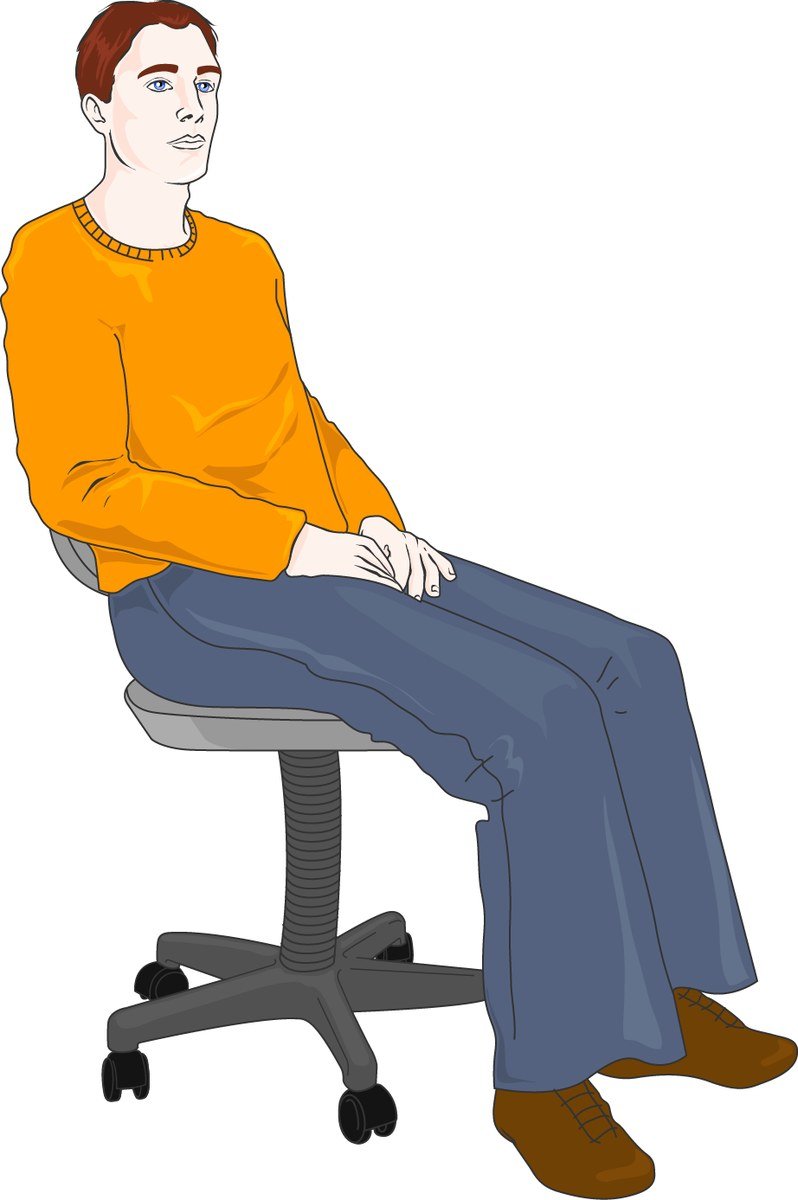
How fast someone gets back to normal life depends on a few things: how long the nerve had been compressed before surgery, whether there was any weakness beforehand, general fitness, and the physical demands of the job. A desk-based office worker in Faisalabad or Lahore is often back at a laptop within two to three weeks. Someone whose work involves heavy lifting, long driving, or standing for hours usually needs closer to two to three months before returning to full duty.
The overall pattern is the same for almost everyone: fast early relief of leg pain, gradual settling of back soreness, and a cautious, stepwise return to normal activity over six to twelve weeks, guided by the surgeon rather than by how good the pain feels on any single day.
Is microscopic disc surgery safe? Will I be paralysed?
Microscopic disc surgery is considered a safe, well established operation, and permanent paralysis from it is rare. The disc being operated on in the lower back sits well below the level where the spinal cord ends, so the surgery works around nerve roots, not the spinal cord itself, which is one reason serious neurological injury is uncommon.
This is usually the first question every family asks, often before anything about the procedure itself, because the fear of ending up on a wheelchair is real and understandable. The operation removes only the small piece of disc pressing on the nerve, through a small incision, using a microscope for magnification. The nerve itself is protected and gently moved aside, not cut.
Like any operation, there are risks: infection, bleeding, a small tear in the covering of the nerve (dural tear), or the disc problem recurring at the same level later. These are recognised, uncommon complications that your surgeon should explain before the operation, along with how they are managed if they happen. What microscopic disc surgery does not routinely cause is paralysis, and this should be discussed openly with your surgeon before you sign any consent form, not assumed from what a relative or neighbour once said happened to someone else.
What does recovery look like week by week?
Recovery is gradual and follows a fairly predictable pattern, though the exact pace varies by person and by how physical the job is.
- Day 0 to 1: Walking short distances with help, usually the same day or the next morning. Most patients go home within 24 to 48 hours.
- Week 1: Short walks at home, increasing gradually. Sitting is kept short, 20 to 30 minutes at a time, and bending, twisting, and lifting anything heavier than a few kilos is avoided. The wound is kept clean and dry until reviewed.
- Week 2 to 4: Walking distance keeps increasing. Many people with desk jobs return to work part-time or full-time within this window, often with a supportive chair and regular breaks to stand.
- Week 4 to 6: Physiotherapy or a structured home exercise programme usually starts around here, focused on core and back strengthening once the wound and disc space have settled.
- Week 6 to 12: Return to driving, gym, more physical hobbies, and for many patients, physically demanding work, is considered once the surgeon has reviewed progress and is satisfied with strength and healing.
These timeframes are typical, not a promise. Two patients with the same operation can heal at different speeds, and your surgeon's assessment at follow-up matters more than any generic timeline, including this one.
Do I actually need surgery, or should I try rest and physiotherapy first?
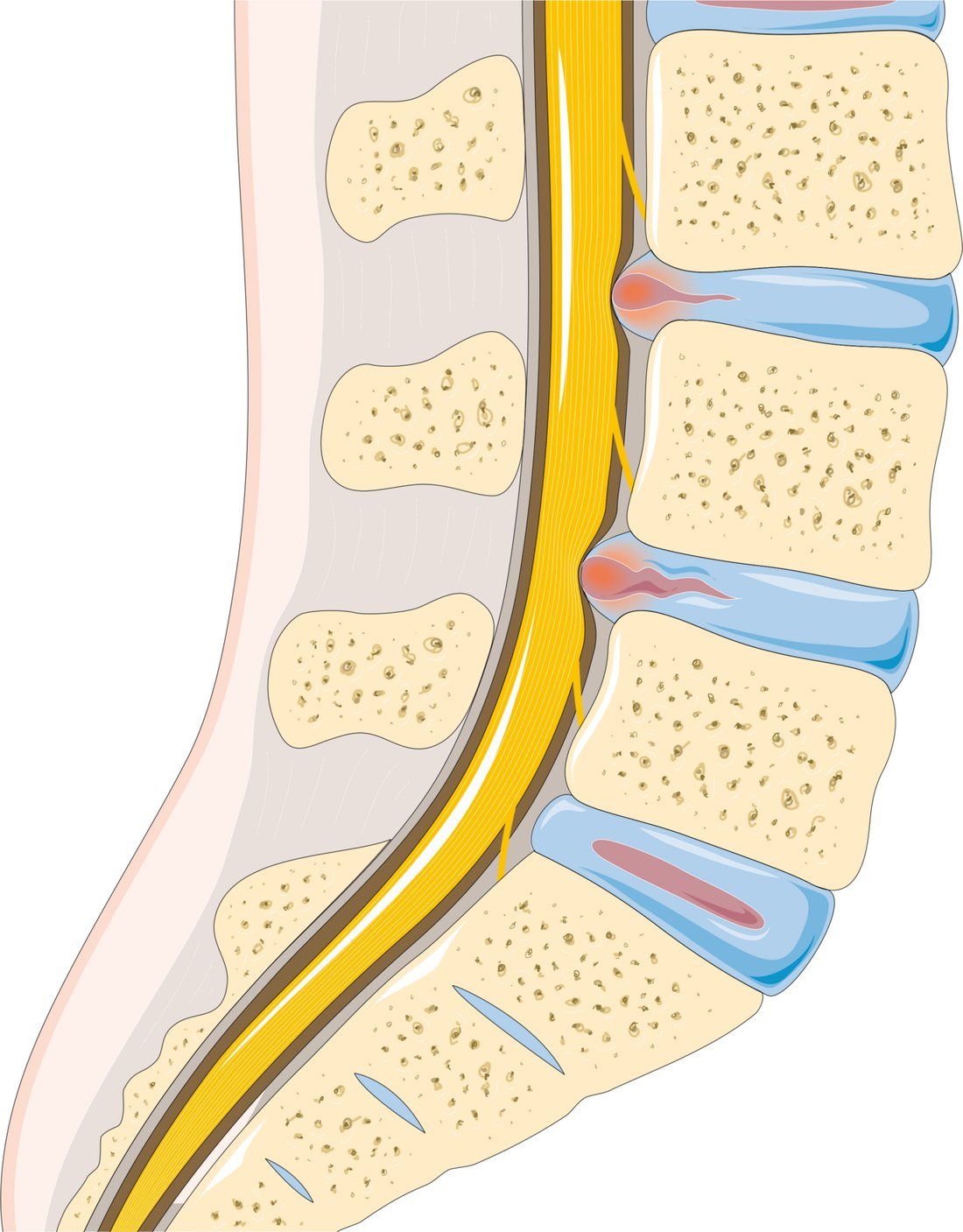
Most back pain does not need surgery, and this includes many cases of kamar dard with some pain going down the leg. The first line of treatment for a new slip disc is almost always conservative: rest from heavy activity for a short period, physiotherapy, anti-inflammatory medicine, and time. A large proportion of people improve within six weeks without ever needing an operation.
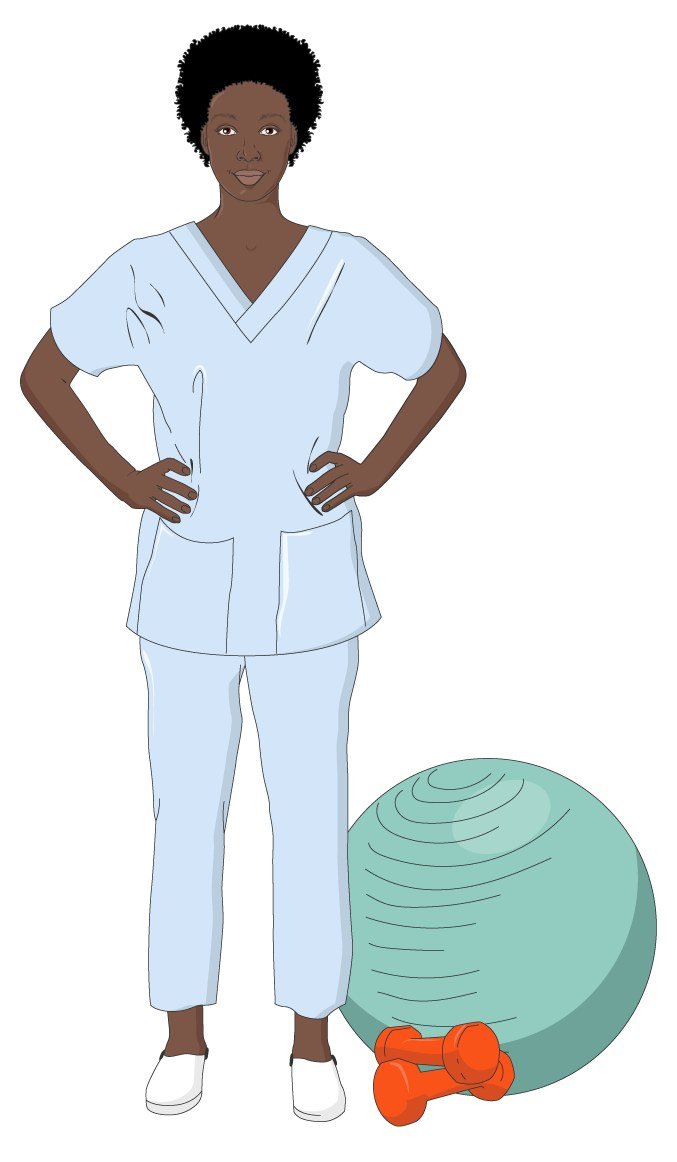
It is common in Pakistan to try a hakeem, a masseur, or home remedies before seeing a spine specialist, and for ordinary mechanical back pain this delay rarely causes harm. What changes the picture is severe leg pain that is not improving after a genuine trial of conservative treatment, muscle weakness in the leg or foot, or numbness that is getting worse rather than better. In these situations, continuing to wait and try more of the same treatment is not the safest path, and a proper assessment with an MRI becomes appropriate.
Surgery, whether microdiscectomy or endoscopic discectomy, is considered when symptoms are significant, have not responded to weeks of proper conservative treatment, and the MRI findings match the symptoms. It is not the automatic next step just because a scan shows a disc bulge.
How is microscopic disc surgery different from endoscopic spine surgery?
Both operations do the same basic job: removing the piece of disc pressing on a nerve so the leg pain and pressure settle. The difference is mainly in how the surgeon reaches the disc.
Microscopic disc surgery (microdiscectomy) uses an operating microscope for magnification and works through a small incision, typically two to three centimetres, with a limited amount of muscle moved aside to reach the disc. Endoscopic spine surgery uses a thin tube with a camera and instruments, worked through an incision usually under one centimetre, viewed on a screen rather than through a microscope. It generally involves less disruption to the surrounding muscle.
In practice, many patients recover well with either technique, and both are mainstream, widely used approaches to a herniated disc. Which one is more suitable depends on where exactly the disc is herniated, the shape of the spinal canal at that level, and the surgeon's assessment of the MRI, not on which one sounds more modern. A good surgeon explains which approach fits the specific disc problem and why, rather than offering only one option regardless of the case.
What does spine surgery cost in Pakistan?
This is answered in full on what spine surgery costs in Pakistan, so it is not repeated here.
Is laser spine surgery effective for a slip disc?
'Laser spine surgery' is mostly a marketing term rather than a distinct surgical technique. In most disc operations, including microdiscectomy and endoscopic discectomy, the piece of disc pressing on the nerve is removed mechanically, with fine instruments, under direct vision through a microscope or endoscope. A laser or radiofrequency probe is sometimes used as one tool within an endoscopic procedure, for example to shrink or cauterise tissue, but it is not, on its own, what makes the surgery effective.
Effectiveness comes from properly identifying the exact disc fragment causing the problem on MRI, and removing or decompressing it under clear vision. A clinic advertising 'laser surgery' as though it is a separate, superior category of operation is often describing a marketing angle more than a different level of safety or outcome. When comparing options, ask what technique is actually being used to reach and treat the disc, rather than focusing on whether the word 'laser' appears in the name of the procedure.
What can go wrong, and when should I call the doctor after surgery?
Most recoveries are uneventful, but it helps to know what is normal soreness and what is a genuine warning sign. Mild pain at the incision, some back stiffness, and gradually improving leg symptoms over the first days and weeks are expected.
Contact your surgeon promptly, or go to the emergency department, if you notice any of the following:
- Fever, or redness, warmth, swelling, or discharge from the wound
- New or worsening weakness in the leg or foot, rather than just soreness
- New numbness, especially around the saddle area, or loss of bladder or bowel control
- Severe pain that is not controlled by the medicine you were prescribed
- Leg pain that had improved after surgery and then clearly returns or worsens
These signs do not mean something has definitely gone wrong, but they need to be assessed rather than waited out at home. Keep your surgeon's contact details and the hospital's emergency number saved and accessible during the recovery period, and do not hesitate to call with a concern that seems minor. It is far better to make an unnecessary call than to delay a genuine one.
How do I choose the right surgeon and hospital for spine surgery?
Before agreeing to any operation, whether microdiscectomy, endoscopic discectomy, or fusion, ask the surgeon three things directly: what non-surgical treatment has already been tried, whether the MRI findings actually match the symptoms, and what happens if the family chooses to wait a little longer. A surgeon confident in the recommendation should be comfortable answering all three without pressure or urgency.
It also helps to involve the family in the decision, as most Pakistani households naturally do, since someone will need to help with the first days at home, transport, and follow-up visits. Ask for a written quote before admission, check what the hospital's facility for spine surgery actually includes, and get a second opinion if anything about the recommendation feels unclear or rushed.
Dr. M. Abdur Rehman is a consultant neurosurgeon and spine surgeon practising at Mujahid Hospital, Faisalabad, with a particular focus on endoscopic spine surgery and microdiscectomy. If you are looking for the best spine surgeon in Faisalabad for a slip disc problem, the most useful first step is a proper clinical assessment and an honest conversation about whether surgery is needed at all, before any discussion of which technique or which hospital.
Microdiscectomy in Faisalabad Read the full page on microdiscectomy in faisalabad, including who it suits, what recovery looks like and how to arrange a review.
Questions patients ask about this
How soon can I sit, ride in a car, or travel after microscopic disc surgery?
Short car journeys are usually fine within the first week if you can get up and change position every 20 to 30 minutes. Long journeys, prolonged sitting, and travel by bus or on rough roads are best avoided for the first two to four weeks, until your surgeon confirms healing is on track.
Is endoscopic spine surgery safer than microscopic (open) microdiscectomy?
Both are mainstream, safe operations, and neither is inherently safer in terms of avoiding paralysis. Endoscopic surgery generally uses a smaller incision and disturbs less muscle, which can mean less soreness early on, but the underlying nerve-related risks are similar. Suitability depends on your specific disc problem, not on which sounds more advanced.
Is laser spine surgery effective for a slip disc?
Laser is often a marketing term rather than a separate technique. Most effective disc operations, including microdiscectomy and endoscopic surgery, remove the disc fragment mechanically under direct vision. A laser or radiofrequency probe may be one tool used within the procedure, but it is not what determines whether the surgery works.
Will I need spinal fusion after a microdiscectomy?
Most people who have a straightforward microdiscectomy for a single herniated disc do not need spinal fusion afterward. Fusion is usually considered separately, for problems like spinal instability, significant slippage of a vertebra, or a disc that has already required more than one operation at the same level, not as a routine next step.
Is it worth travelling abroad, like to Egypt, for cheaper spine surgery?
Advertised prices abroad can look lower, but travel, accommodation for a companion, time off work, and the difficulty of managing any complication or follow-up from another country often close the gap. Getting a full assessment and a written quote locally first gives you a real cost to compare against, rather than a headline figure.
Related articles
All patient questions · Spine surgery in Faisalabad · Book an appointment
Ask about your own scan. Send your MRI or X-ray on WhatsApp and get a straight answer on whether surgery is needed at all, from a consultant neurosurgeon in Faisalabad.
Dr. M. Abdur Rehman is a consultant neurosurgeon in Faisalabad. Send your scan on WhatsApp and ask what it actually shows.
Published for the practice of Dr. M. Abdur Rehman, consultant neurosurgeon, Mujahid Hospital, Faisalabad. General information only, not a substitute for examination.