

Most patients who have spine surgery do not need a second operation. Repeat spine surgery happens in a minority of cases, usually when the same disc herniates again, scar tissue forms, or a nearby level wears out years later. The risk is generally lower with minimally invasive techniques such as endoscopic spine surgery.
Will I need a second operation?
For most patients, one operation solves the problem for good. Repeat spine surgery is uncommon, but it does happen, most often because the same disc herniates again, scar tissue builds up around the nerve, or a disc at the level next to the one that was treated starts to wear out years later.
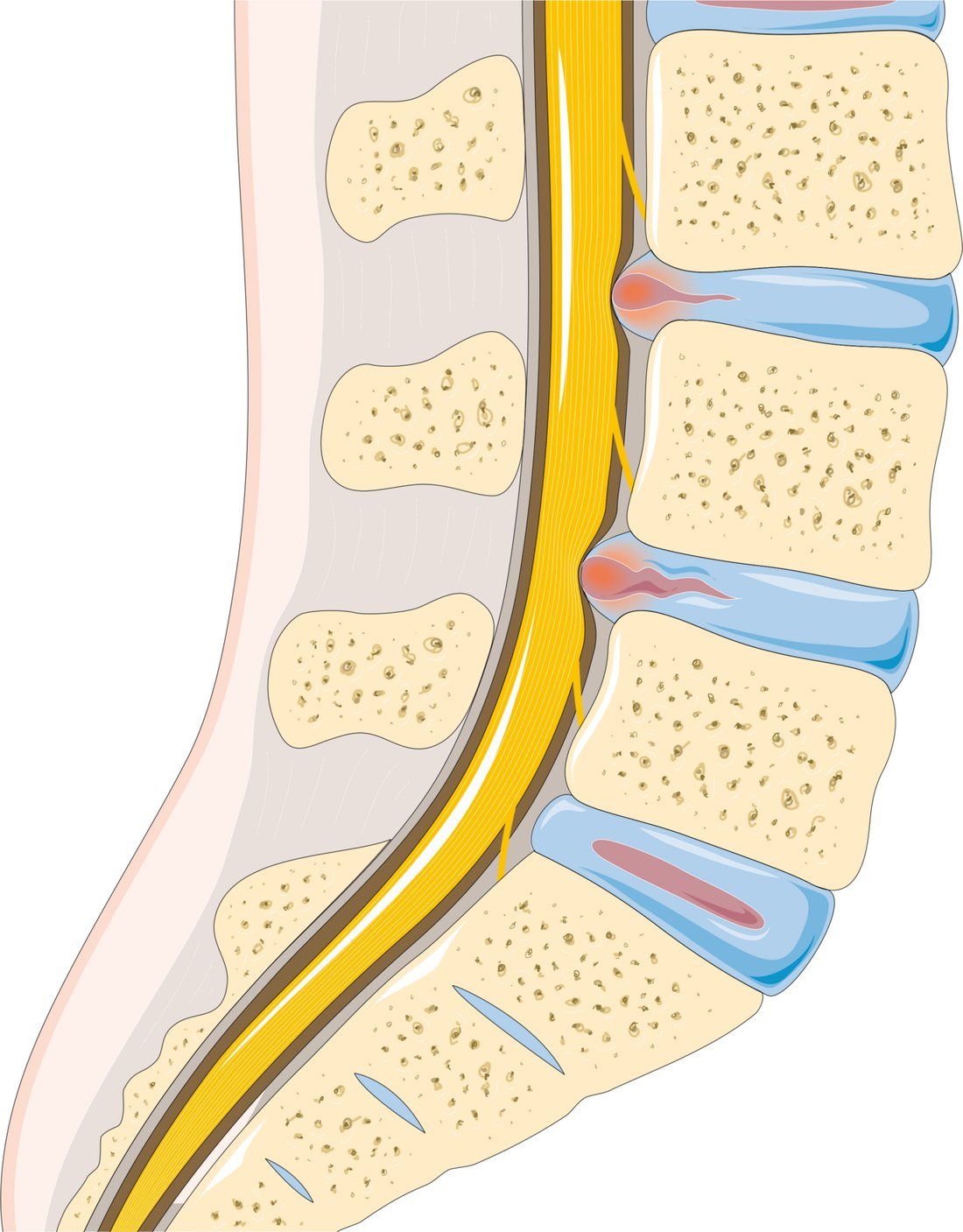
What raises or lowers this chance is less about luck and more about the surgery itself. A disc herniation removed through a small endoscopic approach leaves more of the disc, the bone, and the surrounding ligaments intact than a larger open operation. That tends to put less stress on the rest of the spine, though it does not make repeat surgery impossible.
If pain has returned after a previous operation, that alone does not mean you need surgery again. It means it is time for a fresh MRI and an honest conversation about what has actually changed since the first surgery.
Is repeat spine surgery safe, or could it leave me paralysed?
Repeat spine surgery is generally safe, and paralysis is a rare complication of spine surgery, first or second time. The main added risk in a repeat operation is scar tissue, which can stick to the nerve and make it harder for the surgeon to see and move around it safely.
To manage this, surgeons doing a second operation usually work more slowly, use magnification or an endoscope for a clearer view, and sometimes approach the spine from a slightly different angle to avoid cutting straight through old scar tissue. None of this removes risk completely, but it is how the risk is kept low.
The fear of paralysis is one of the biggest reasons families in Pakistan delay surgery, sometimes for months, while trying hakeem treatment or heavy massage first. That fear is understandable, but it should be discussed openly with your surgeon rather than left to guesswork or advice from relatives.
Why do some patients need a second spine surgery?
There are a few common reasons, and none of them mean the first operation was done badly.
- Same disc herniates again. The disc that was operated on pushes out a new fragment at the same level.
- Scar tissue (epidural fibrosis). Healing tissue forms around the nerve root and can cause pain months or years later.
- Adjacent segment wear. The disc or joint next to the treated level takes on extra load over time and degenerates.
- A missed fragment. A small piece of disc material is left behind and causes ongoing nerve irritation.
- The original diagnosis was incomplete. A second problem, such as a narrow spinal canal, was present alongside the disc but not fully addressed.
Knowing which of these applies to you is the whole point of a repeat MRI before anyone talks about another operation.
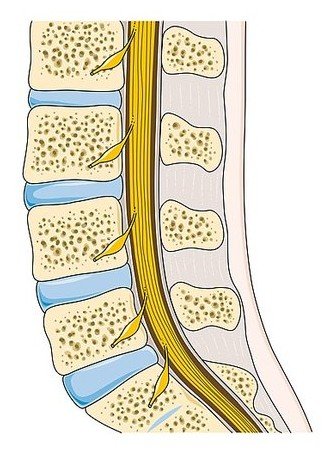
Does endoscopic spine surgery lower the chance of repeat surgery?
Endoscopic spine surgery does not remove the chance of repeat surgery, but it changes some of the reasons behind it. Because the procedure works through a small tube rather than an open incision, it disturbs less muscle, bone, and ligament around the spine.
This matters for two of the common causes of repeat surgery. Less disturbance to the surrounding tissue generally means less scar tissue forms around the nerve. Preserving more of the natural joints and ligaments also puts less extra strain on the disc at the next level, which is one of the drivers of adjacent segment wear after fusion surgery in particular.
The chance of the same disc herniating again is not necessarily lower with endoscopic surgery than with microdiscectomy, since both techniques remove the damaged part of the disc rather than the whole disc. What endoscopic surgery mainly changes is the collateral effect of getting there.
What if the pain comes back after a microdiscectomy or endoscopic discectomy?
Do not assume you need another operation. Some soreness, and even some taang mein dard (leg pain), in the first weeks after surgery is normal as the nerve settles down, and it usually improves with rest, walking, and physiotherapy rather than more surgery.
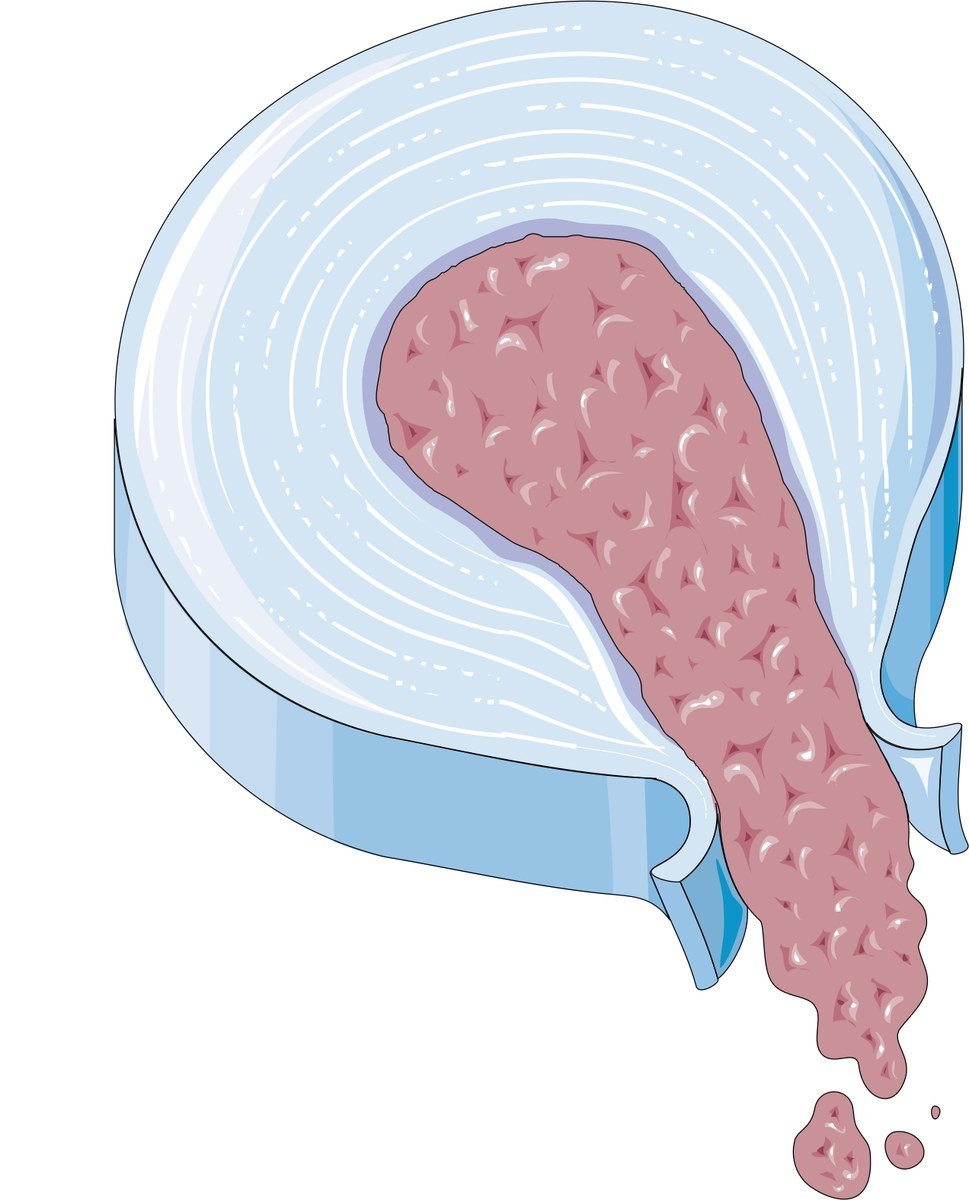
If pain that had gone away comes back sharply after a period of feeling well, especially with numbness, weakness, or pain running down the leg the same way it did before surgery, that pattern is worth investigating with a fresh MRI. It can point to a new disc fragment at the same level, which is treated the same way as the first herniation, often endoscopically.
Pain that stays low-grade, changes character, or feels more like stiffness than nerve pain is more often scar tissue or muscle deconditioning, which is managed with physiotherapy, not a second operation.
How much does a repeat operation cost compared to other spine surgery in Pakistan?
Cost depends on the technique, the hospital, whether an implant is used, and how many days you stay. As a rough guide in words: endoscopic spine surgery and microdiscectomy for a straightforward disc problem sit in a lower cost bracket, spinal fusion with screws and cages costs considerably more because of implant charges, and a repeat operation can cost more than the first if it needs longer operating time or extra equipment for working around scar tissue.
Terms like "laser spine surgery" are marketing language rather than a separate procedure. Some endoscopic techniques use a laser probe to control bleeding or shrink tissue during the operation, but the operation itself is still an endoscopic discectomy, and its effectiveness depends on correct patient selection, not on the word "laser" in the name.
Always ask for a written quote from the hospital before deciding, covering the surgeon's fee, the hospital's OT and stay charges, and implant cost if fusion is involved. Figures you see online for spine surgery cost in Egypt, the Gulf, or elsewhere are not a reliable guide to what you will pay in Pakistan, since currency, hospital standards, and included services differ.
Should I try a hakeem or massage before agreeing to a second surgery?
For most back and leg pain, including pain after a previous surgery, trying rest, physiotherapy, and time first is reasonable, and many patients improve without any further operation. This applies whether the pain is a new slip disc problem or a recurrence after surgery.
Heavy massage and forceful manipulation on an already-operated spine carry more risk than they do on a spine that has never been operated on, because the tissue around the nerve is less predictable. If you want to try hakeem treatment or massage, it is reasonable to do so gently and briefly while watching for warning signs, rather than persisting for months while symptoms worsen.
The warning signs that should stop any wait-and-see approach are new weakness in the leg or foot, loss of bladder or bowel control, or numbness around the saddle area. These need same-day medical assessment, not more massage.
What should I do next?
Bring your old MRI, your operation notes if you had previous surgery, and a clear timeline of when the pain changed. A fresh clinical examination and, usually, a new MRI are what actually decide whether you need surgery again, not how the pain feels described over the phone.

Dr. M. Abdur Rehman is a consultant neurosurgeon and spine surgeon at Mujahid Hospital, Faisalabad, with a focus on endoscopic spine surgery and microdiscectomy, including revision cases after a previous operation elsewhere. If you are searching for the best spine surgeon in Faisalabad to review a recurring problem, bring your records to a clinic visit before agreeing to any second operation.
Questions patients ask about this
Is laser spine surgery the same as endoscopic spine surgery?
Not really. "Laser spine surgery" is mostly a marketing term. Some endoscopic techniques use a laser probe for bleeding control, but the underlying operation is an endoscopic discectomy. Effectiveness depends on correct patient selection and surgical skill, not on the presence of a laser.
How soon can repeat spine surgery happen after the first operation?
It can happen anytime from a few weeks to many years later. Early recurrence usually means a new disc fragment at the same level. Recurrence after several years is more often adjacent segment wear or normal spine aging, not a failure of the first surgery.
Does having one spine surgery mean I will eventually need more?
No. Most patients who have a disc problem treated once do not need further spine surgery. Ongoing back stiffness or occasional flare-ups are common with normal spine aging and do not by themselves mean another operation is coming.
Is spinal fusion more likely to need a repeat operation than endoscopic discectomy?
Fusion and simple discectomy carry different risks rather than one being clearly "more likely". Fusion can stress the disc above or below it over time, while discectomy carries a chance of the same disc herniating again. Your surgeon should explain which risk applies to your problem.
Related articles
Physiotherapy after spine surgery: what helps and when to start
When physiotherapy after spine surgery should start, what it involves, and how it differs after endoscopic…
Read this
Eight things people in Pakistan believe about back pain that are wrong
Eight common back pain myths in Pakistan, from bed rest to paralysis fears, explained plainly by a consultant…
Read this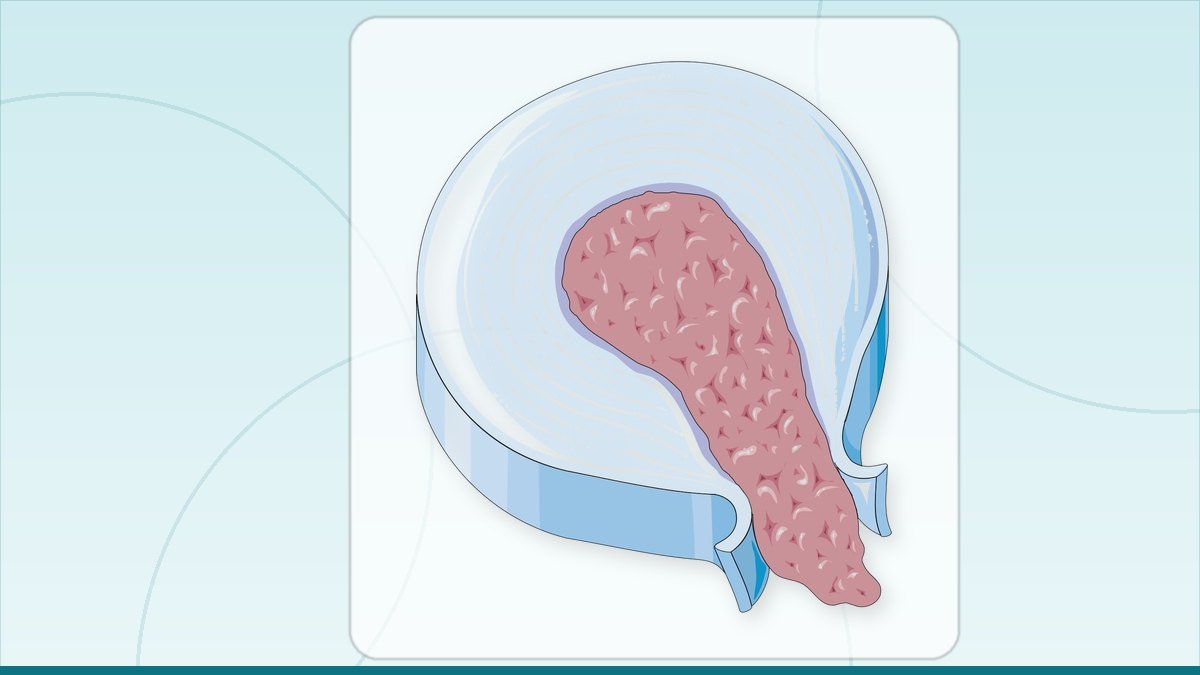
Endoscopic disc surgery: what actually happens, step by step
What happens during endoscopic disc surgery, step by step: is it safe, who needs it, and what it costs in…
Read thisAll patient questions · Spine surgery in Faisalabad · Book an appointment
Ask about your own scan. Send your MRI or X-ray on WhatsApp and get a straight answer on whether surgery is needed at all, from a consultant neurosurgeon in Faisalabad.
Dr. M. Abdur Rehman is a consultant neurosurgeon in Faisalabad. Send your scan on WhatsApp and ask what it actually shows.
Published for the practice of Dr. M. Abdur Rehman, consultant neurosurgeon, Mujahid Hospital, Faisalabad. General information only, not a substitute for examination.