

Age alone is not the reason surgery is refused or recommended. What decides is the patient's heart, lungs, kidneys, bone strength, and how well controlled conditions like diabetes and blood pressure are. Many patients in their 70s and 80s safely have endoscopic spine surgery for a slipped disc or spinal stenosis, once these checks are done.
Spine surgery after 60: is age really the problem?
Age by itself is rarely the deciding factor in whether an elderly patient can have spine surgery. Surgeons look at biological fitness, not the number on the ID card.
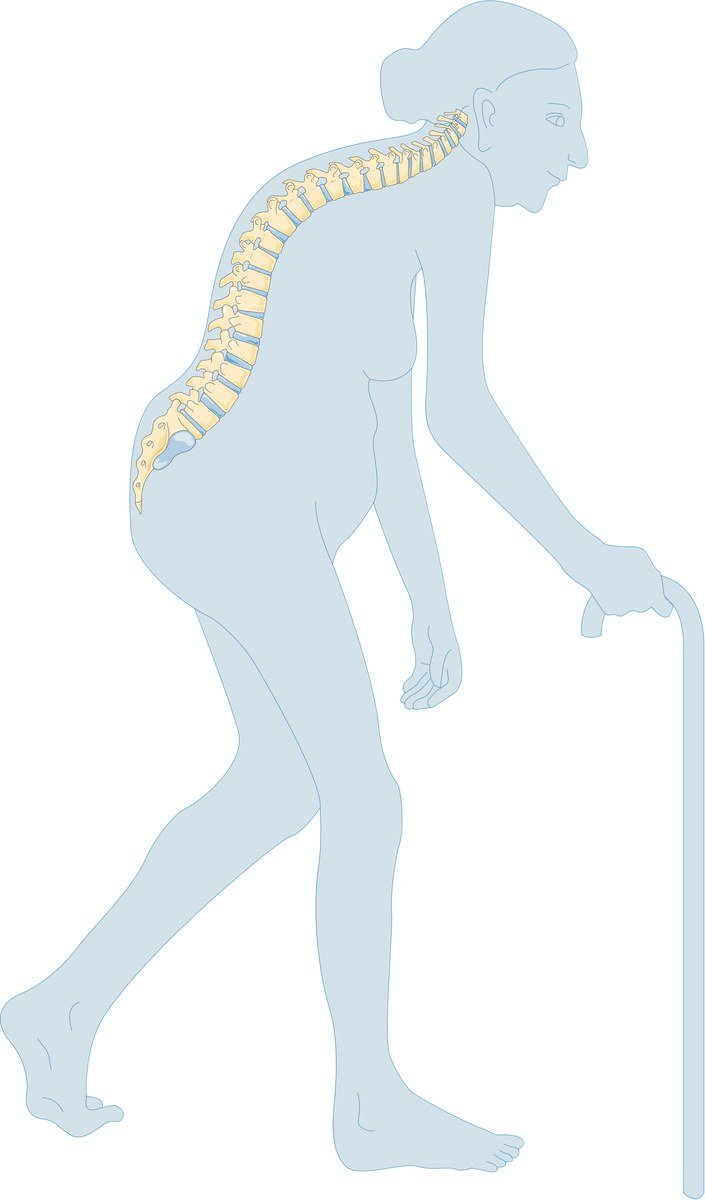
A 65 year old with uncontrolled diabetes, weak bones from osteoporosis, and a heart condition may carry more surgical risk than an active 78 year old who walks daily and has normal blood tests. What actually matters is heart function, lung capacity, kidney health, bone density, and whether blood thinners or other medicines need to be adjusted before the operation.
In practice, this means every older patient gets a proper pre-anaesthesia and cardiac work-up before a decision is made, not a blanket refusal because of age.
Is it safe for an elderly parent, or could it cause paralysis?
Serious complications, including paralysis, are rare in spine surgery at any age, and the risk in a fit elderly patient is not dramatically different from a younger one once proper screening is done. The bigger real risks in older patients are slower wound healing, a longer stay for mobilisation, or reactions to anaesthesia, not nerve damage.
Minimally invasive options such as endoscopic spine surgery are often preferred in this age group precisely because they use a small incision, less blood loss, and can sometimes be done under local anaesthesia with sedation rather than a full general anaesthetic. This matters more for a patient with a weaker heart or lungs.
No surgeon can promise zero risk. What a responsible surgeon will do is explain the specific risks for that patient's own heart, lungs, and bone quality, and give an honest opinion on whether the benefit outweighs them.
How do I know if it is really the spine causing the pain?
Not all kamar dard or taang mein dard in an older person comes from the spine. Hip arthritis, poor blood circulation in the legs, diabetic nerve damage, and even kidney problems can all mimic spinal pain.

A few signs point more clearly to the spine: pain that runs down one leg past the knee, numbness or tingling in a specific area of the foot, weakness lifting the foot, or pain that worsens with walking and eases with sitting or bending forward, a pattern called neurogenic claudication.
An MRI is the main tool used to confirm whether a disc, bone spur, or narrowed spinal canal is pressing on a nerve. Blood tests, and sometimes nerve conduction studies, rule out other causes before surgery is even discussed.
Do I need surgery, or can this be treated without an operation?
Most back and leg pain in older adults, even with a disc bulge visible on MRI, improves with physiotherapy, medicines, weight control, and time. Surgery is considered only when there is a clear match between the MRI finding and the patient's symptoms, and conservative treatment has failed for six or more weeks, or there is progressive weakness or loss of bladder or bowel control.
It is common in Punjab for families to try a hakeem, massage, or bed rest for weeks before seeing a spine specialist. A short trial of rest and physiotherapy is reasonable for ordinary kamar dard. What should not be delayed is any sudden weakness in a leg, or loss of bladder or bowel control, since that needs urgent assessment.
If a surgeon recommends surgery for mild, non-specific back pain with a normal neurological exam, it is reasonable to ask for a second opinion.
What does endoscopic spine surgery involve, and why is it used more in elderly patients?
Endoscopic spine surgery removes the disc material or bone pressing on a nerve through a small tube, usually less than a centimetre wide, using a camera and fine instruments. The muscles around the spine are pushed aside rather than cut, which is one reason recovery tends to be faster than with open surgery.
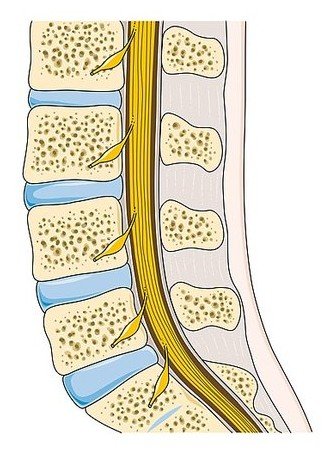
For an older patient, the practical benefits are less blood loss, a shorter hospital stay, and often the ability to walk within a day. This lowers the risk of complications linked to prolonged bed rest, such as chest infections, blood clots, or pressure sores, which are a real concern in elderly patients after major surgery.
Endoscopic surgery is not suitable for every spinal problem. Extensive instability, some multi-level fusions, or certain deformities still need open surgery. The MRI and clinical exam decide which approach fits.
What does spine surgery cost in Pakistan?
This is answered in full on what spine surgery costs in Pakistan, so it is not repeated here.
Is laser spine surgery effective, and is it different from endoscopic surgery?
Laser spine surgery is mostly a marketing term. In practice, a laser is sometimes used as one tool inside an endoscopic or minimally invasive procedure to shrink or vaporise a small part of disc material, but it does not replace the surgeon's judgement, the camera, or the instruments that do the actual decompression.
Its effectiveness depends entirely on correct patient selection, meaning a small, contained disc bulge without severe nerve compression. It is not a stronger or newer alternative to standard endoscopic discectomy, and it is not suitable for spinal stenosis, instability, or large disc herniations.
Ask directly what technique will actually be used and why, rather than deciding based on the word laser alone.
Should I consider going abroad, like Egypt, for spine surgery?
Wondering whether spine surgery is actually cheaper abroad, in Egypt, Turkey or Dubai? What the advertised price usually leaves out, and the one question that matters more than the airfare, has its own page: Travelling abroad for spine surgery: is it actually cheaper?
What should the family do next?
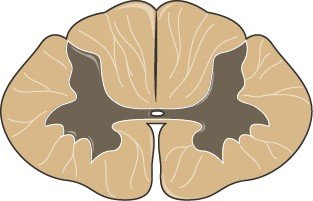
Start with a clear diagnosis: an MRI, a proper neurological examination, and blood work to rule out other causes of pain. Bring the elderly patient's full medical history, including heart, diabetes, and kidney status, to the first consultation, since this affects the treatment plan as much as the MRI does.
Ask the surgeon plainly whether surgery is necessary now, what happens if it is delayed, and what the specific risks are for this patient's age and health, not risks in general. A surgeon who explains this clearly, and who is honest when surgery is not needed, is worth more than one who pushes an operation on the first visit.
For families in Faisalabad weighing these decisions, it is reasonable to look for the best spine surgeon in Faisalabad who takes time to explain the MRI, the risks specific to an older patient, and the non-surgical options before recommending an operation.
Questions patients ask about this
Is there an age limit for spine surgery in Pakistan?
There is no fixed age limit. Fitness for anaesthesia and healing matters more than age itself. Surgeons assess heart, lung, kidney function, and bone quality before deciding. Many patients in their 70s and beyond have safe endoscopic spine surgery once these checks are cleared and the MRI clearly matches their symptoms.
What are the warning signs that need urgent attention, not just rest?
Sudden weakness in a leg or foot, numbness around the groin or inner thighs, or new difficulty controlling urine or bowel movements need same-day medical attention. These can signal significant nerve compression. Ordinary kamar dard without these signs can usually be observed with rest and physiotherapy for some weeks first.
Does diabetes or heart disease rule out spine surgery in an elderly patient?
Not usually, but both need to be well controlled first. Blood sugar and blood pressure are optimised before surgery, and a cardiac opinion is taken when needed. Endoscopic techniques, done under lighter anaesthesia with less blood loss, are often chosen specifically because they are gentler on patients with these conditions.
How long is recovery after spine surgery for an elderly patient?
Recovery is usually a little slower than in younger patients but follows the same pattern. With endoscopic surgery, most patients walk within a day and manage daily activities within two to four weeks. Full recovery and return to normal walking stamina can take six to eight weeks, sometimes longer with other health conditions.
Related articles

Will I need a second operation?
Will you need a second operation? Learn why repeat spine surgery happens, how endoscopic surgery may lower…
Read this
Physiotherapy after spine surgery: what helps and when to start
When physiotherapy after spine surgery should start, what it involves, and how it differs after endoscopic…
Read this
Eight things people in Pakistan believe about back pain that are wrong
Eight common back pain myths in Pakistan, from bed rest to paralysis fears, explained plainly by a consultant…
Read thisAll patient questions · Spine surgery in Faisalabad · Book an appointment
Ask about your own scan. Send your MRI or X-ray on WhatsApp and get a straight answer on whether surgery is needed at all, from a consultant neurosurgeon in Faisalabad.
Dr. M. Abdur Rehman is a consultant neurosurgeon in Faisalabad. Send your scan on WhatsApp and ask what it actually shows.
Published for the practice of Dr. M. Abdur Rehman, consultant neurosurgeon, Mujahid Hospital, Faisalabad. General information only, not a substitute for examination.