
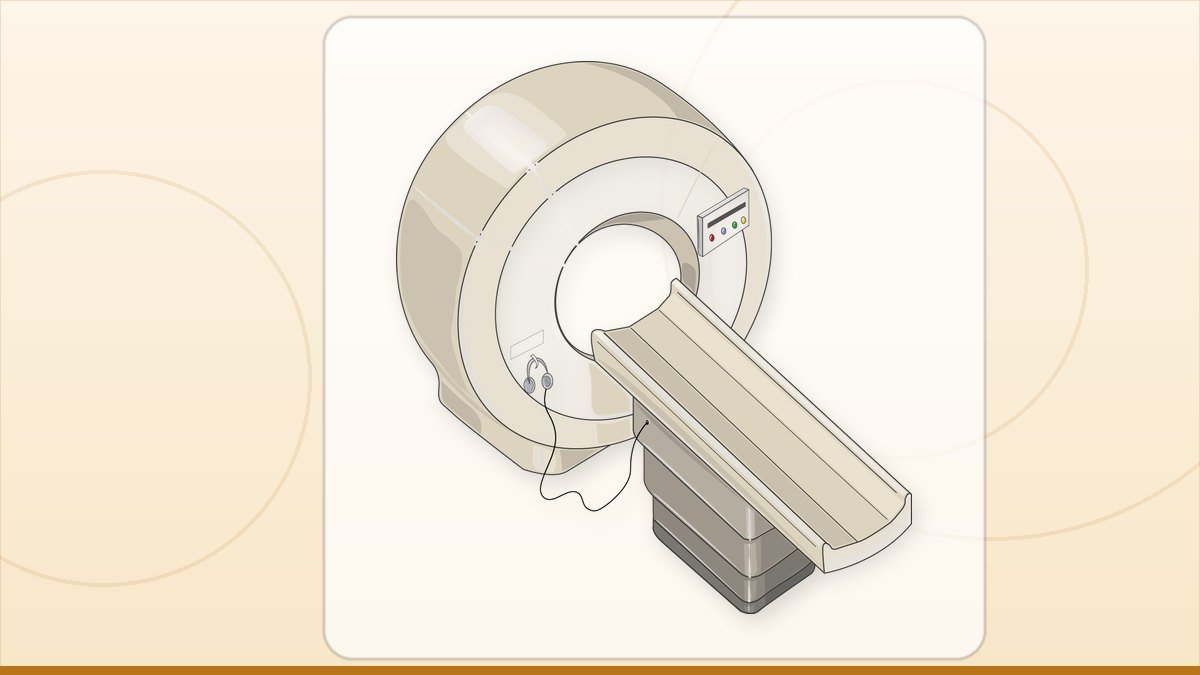
The right MRI for back pain is a recent, dedicated lumbar spine MRI that shows a disc or bone problem matching your leg or hip symptoms, not just pain. An old film, a whole-spine screening scan, or a report never checked against your exam by a doctor wastes money and cannot tell you if you need surgery.
What is the right lumbar MRI for back pain?
The right lumbar MRI for back pain is a focused scan of the lower spine, from L1 down to S1, done recently enough to reflect how you feel now, and read by a doctor who has also examined you. A picture alone, without an exam, does not tell you what to do next.
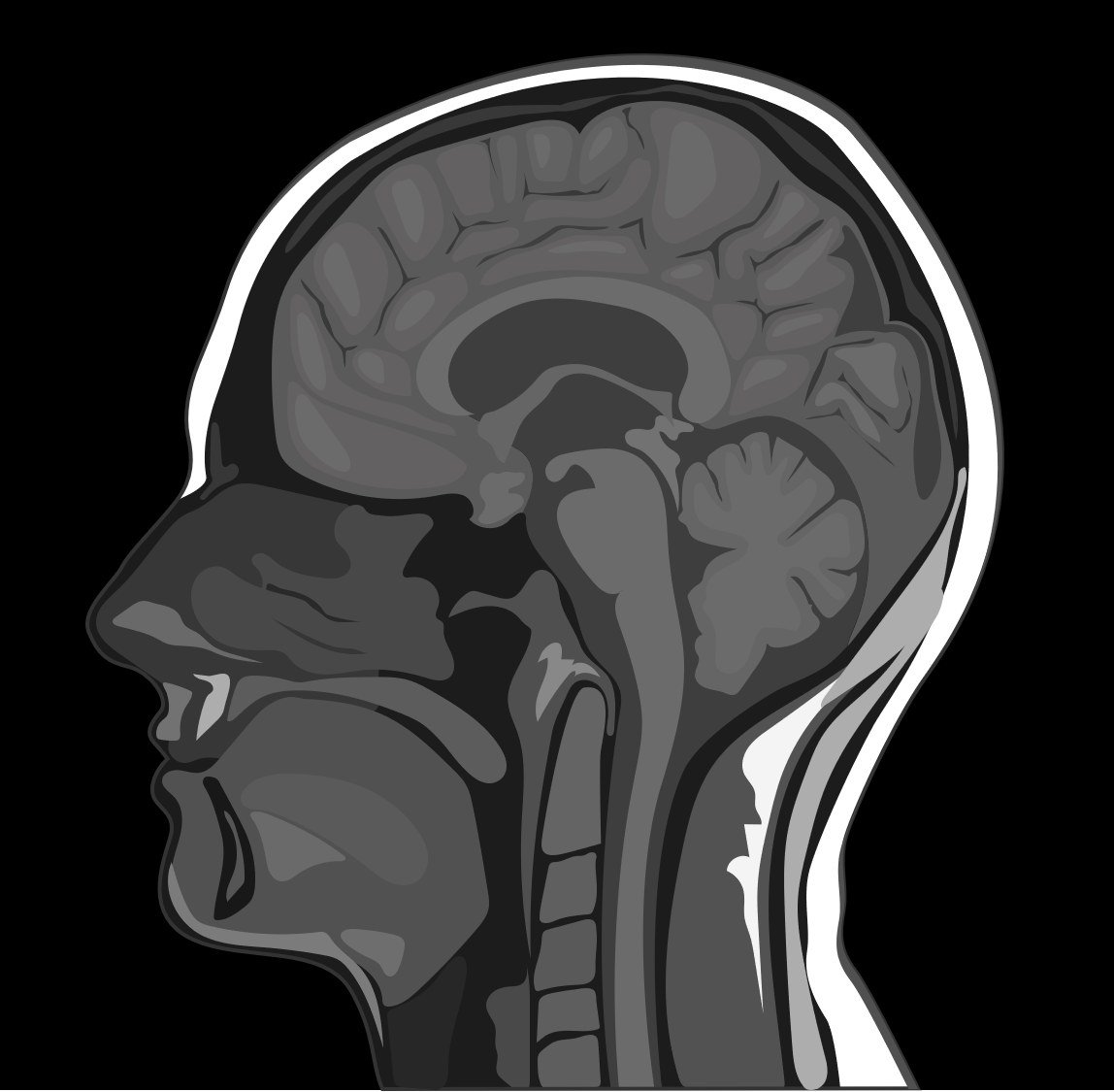
In Faisalabad and across Punjab, it is common to be sent for "an MRI" without anyone specifying which one. A lumbar spine MRI is different from a cervical MRI for the neck, and different from a whole-spine screening scan, which trades detail for coverage and can blur the exact level causing your kamar dard or taang mein dard.
Age of the scan matters too. An MRI done two or three years ago, before your current pain started, usually needs to be repeated. Discs and nerves change over time, and old films cannot show what is happening in your spine today.
Does an abnormal MRI mean I need surgery?
No. A disc bulge, mild disc degeneration, or a small herniation on MRI is common after the age of thirty and often causes no symptoms at all. Seeing something on the report is not the same as needing an operation for it.
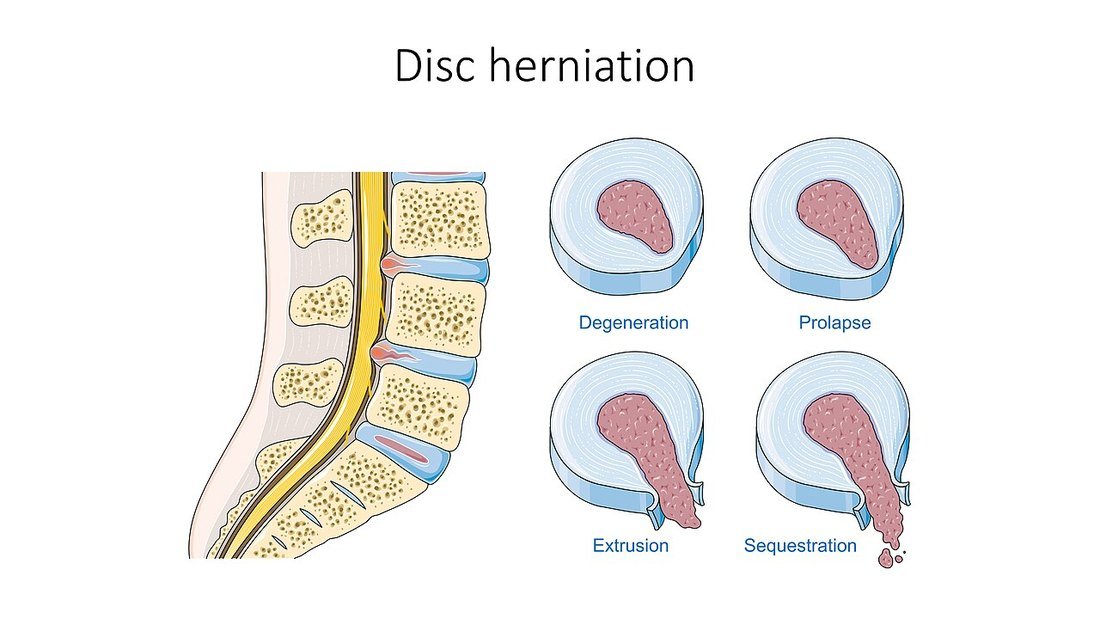
Surgery is usually only discussed for a slipped disc in back treatment when three things are true together: pain running down the leg or arm rather than just in the back or neck, an MRI finding at the matching nerve level, and either several weeks of proper physiotherapy and medication that has not helped, or warning signs such as new weakness, numbness, or loss of bladder or bowel control.
Most people with a slip disc improve with rest, physiotherapy, and time. Surgery is one option among several, used when the nerve is under real pressure and conservative treatment has had a fair trial.
Is spine surgery safe, will I be paralysed?
Serious complications such as paralysis from lumbar disc surgery are uncommon. In the lower back, the spinal cord itself ends well above the disc levels that usually cause sciatica, so the structures at risk during surgery are individual nerve roots, not the cord.
That does not mean there is no risk. Any spine operation carries the general risks of surgery and anaesthesia, plus specific risks such as infection, nerve irritation, or the disc herniating again. A frank conversation with your surgeon about your own risk, based on your MRI, your age, and your general health, matters more than any general reassurance.
Endoscopic lumbar spine surgery uses a smaller incision and less muscle disruption than open surgery, which for suitable cases can mean less bleeding and a faster return to normal movement. It does not remove risk altogether, and it is not right for every disc problem.
What is endoscopic lumbar discectomy?
Endoscopic lumbar discectomy is keyhole surgery for a herniated disc. A thin tube with a camera and small instruments is passed through an incision of about a centimetre to reach the disc fragment pressing on the nerve, which is then removed under direct vision on a screen.
It differs from open or microdiscectomy mainly in how much muscle and tissue is disturbed to get there, not in the underlying goal, which is the same in both: take pressure off the compressed nerve root.
You will sometimes see "laser lumbar spine surgery" advertised as a separate, gentler technique. In practice, a laser probe is occasionally used as one tool inside an endoscopic procedure, for shrinking disc tissue or controlling bleeding, but it is not a stand-alone treatment that replaces removing the disc fragment causing your symptoms. Ask any clinic offering "laser spine surgery" to explain exactly what technique they mean.
What if my MRI looks normal but the pain is still there?
A normal lumbar MRI does not mean the pain is imaginary. Back and leg pain can come from muscles, ligaments, facet joints, or the sacroiliac joint, none of which always show up clearly on a standard MRI.
In this situation, surgery is not the answer, because there is nothing for a surgeon to correct. The right path is usually a proper physiotherapy program, attention to posture and daily activity, and treating the pain directly, rather than searching for a second or third MRI in the hope of a different answer.
If pain persists despite a normal scan and appropriate treatment, ask for a fresh clinical examination rather than another imaging test. Sometimes the problem is at a spinal level the first MRI did not cover well, and sometimes it genuinely is not a spinal problem at all.
How much does lumbar spine surgery cost in Pakistan?
Lumbar spine surgery cost in Pakistan depends heavily on the type of operation. Endoscopic discectomy and microdiscectomy for a single herniated disc are generally less expensive than fusion surgery, which involves implants such as screws and cages and a longer hospital stay.
Back surgery cost in Pakistan also varies by hospital, the surgeon's fee, anaesthesia, implants where used, and whether you choose a general ward or a private room. There is no single fair price to quote here, because these components differ between Lahore, Faisalabad, Islamabad, and smaller cities.
Before committing to any procedure, ask the hospital and the surgeon's office for a written quote that itemises the surgeon's fee, hospital charges, implants if any, and the expected length of stay. A written quote protects you from surprise bills after discharge.
What are the best treatment options for neck pain?
Most neck pain, including pain that spreads into the shoulder or arm, improves with time, physiotherapy, activity modification, and medication for pain and muscle spasm. Neck pain treatment options rarely start with surgery.
A cervical spine MRI, separate from a lumbar MRI, is used when arm pain, numbness, or weakness suggests a pinched nerve in the neck, or when there are warning signs such as difficulty with hand coordination or walking. As with the lower back, the MRI finding needs to match your actual symptoms before it changes the treatment plan.
When it comes to the best treatment for neck pain, surgery, including minimally invasive or endoscopic techniques, is reserved for cases with clear nerve or spinal cord compression that has not responded to a proper course of conservative treatment, or for specific warning signs that need urgent attention.
I have tried hakeem, massage, and physiotherapy. Now what?
Trying a hakeem, a masseur, or home remedies first is common and understandable, and for many cases of ordinary back or neck pain it is a reasonable first step. The problem is knowing when to stop trying and get a proper diagnosis.
A rough guide: if the pain has lasted more than four to six weeks despite rest and simple treatment, if it is spreading down the leg or arm rather than staying in the back or neck, or if there is numbness, weakness, or difficulty controlling the bladder or bowel, it is time to see a doctor and get imaging rather than trying another remedy.
Families often want to be involved in this decision, and that is reasonable for something this significant. Bring whoever will be helping with recovery to the consultation, so questions about the MRI, the treatment options, and the cost can be answered together in one sitting.
How do I choose who reads my MRI and decides on treatment?
Choose a consultant neurosurgeon or spine surgeon who explains your MRI finding in terms of your actual symptoms, not just what the film shows. A good explanation should make sense to you, not just to another doctor.
Ask specifically whether your case needs surgery at all, and if it does, whether an endoscopic approach is suitable for your disc level and type of herniation. A surgeon who is comfortable saying "you do not need an operation" when that is true is worth more than one who is not.
If you are looking for the best spine surgeon in Faisalabad to help you interpret a confusing lumbar MRI, start with a consultation that includes a hands-on examination, a clear opinion on whether surgery is needed, and a written quote if surgery is recommended.
Questions patients ask about this
Do I need a doctor's referral to get a lumbar MRI in Pakistan?
Most private imaging centres in Pakistan will scan you without a referral, but a referral from a neurosurgeon or orthopaedic doctor is still useful. It ensures the right region is scanned, with the right protocol, and that someone will actually correlate the images with your symptoms afterward.
How long does recovery take after endoscopic lumbar discectomy?
Many patients walk within hours of endoscopic lumbar discectomy and go home the same day or the next, because the incision is small. Full recovery, including a gradual return to bending, lifting, and normal activity, generally takes several weeks and depends on your job and overall health.
Is laser spine surgery the same as endoscopic spine surgery?
Not exactly. Endoscopic spine surgery is keyhole surgery using a camera and instruments to remove the disc fragment pressing on a nerve. A laser is sometimes used as one tool within that procedure, but laser spine surgery marketed as a stand-alone treatment is not a recognised separate technique.
Can neck pain be treated without surgery?
Yes, most neck pain is treated without surgery, using physiotherapy, medication, posture correction, and time. Surgery is considered only when there is clear nerve or spinal cord compression on a cervical MRI that matches your symptoms and has not improved with proper conservative treatment.
What if my MRI shows a bulging disc but I have no leg pain?
A bulging disc with no leg or arm pain, and no weakness, usually does not need surgery. Many people have similar findings on MRI without any symptoms. Treatment in this situation is generally physiotherapy and activity management, with surgery kept in reserve if symptoms change.
Related articles

Back pain: when physiotherapy is enough and when you need a surgeon
Not all back pain needs a doctor. Here's when to see a spine surgeon versus a physiotherapist, with honest…
Read this
Diabetes and blood pressure before spine surgery
Diabetic or on BP tablets and facing an operation? What control is really needed for diabetes before spine…
Read this
Back pain in women: pregnancy, osteoporosis and what gets dismissed
Back pain in women: why pregnancy, osteoporosis and hormones change the picture, what gets dismissed, and…
Read thisAll patient questions · Spine surgery in Faisalabad · Book an appointment
Ask about your own scan. Send your MRI or X-ray on WhatsApp and get a straight answer on whether surgery is needed at all, from a consultant neurosurgeon in Faisalabad.
Dr. M. Abdur Rehman is a consultant neurosurgeon in Faisalabad. Send your scan on WhatsApp and ask what it actually shows.
Published for the practice of Dr. M. Abdur Rehman, consultant neurosurgeon, Mujahid Hospital, Faisalabad. General information only, not a substitute for examination.