
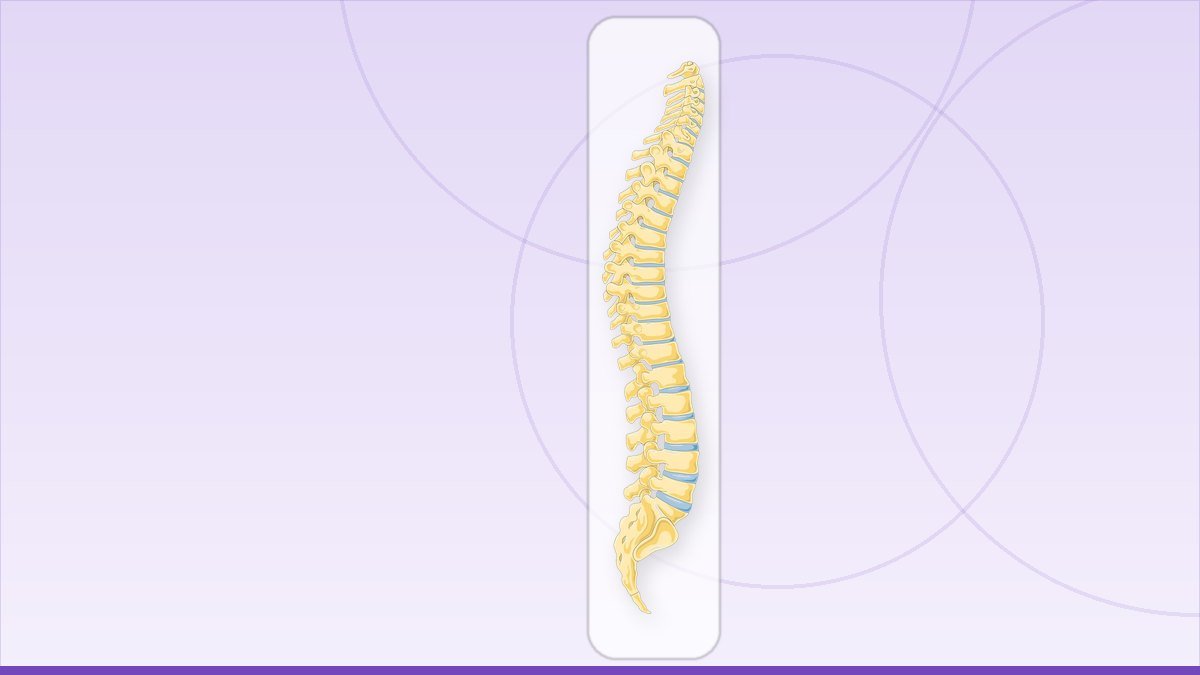
Minimally invasive spine surgery means operating through small openings, usually with a microscope or a thin camera-guided tube, instead of a long open cut through the back muscles. It covers different techniques, including endoscopic discectomy and microdiscectomy, each with its own incision size and recovery time. It is not one single technique, and it is not simply "laser surgery".
What does "minimally invasive spine surgery" actually mean?
Minimally invasive spine surgery is not one operation. It describes how an operation is done: through small openings, using a microscope, a thin camera-guided tube (endoscope), or narrow tubes that gently push muscle aside instead of cutting through it. The goal in every version is the same, to reach the damaged disc or bone with as little disturbance to healthy tissue as possible.
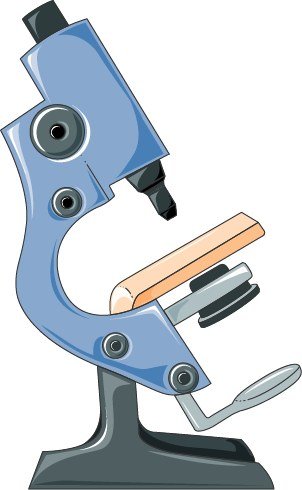
The two techniques used at this practice are endoscopic spine surgery and microdiscectomy. Endoscopic surgery works through an opening of about 8mm, using a camera and instruments passed down a tube. Microdiscectomy uses an operating microscope through a small incision, usually 2 to 3 cm. Both aim to remove the piece of disc pressing on a nerve, without the muscle stripping that older open operations required.
The phrase gets used loosely in advertising, sometimes attached to procedures that are not truly minimally invasive at all. If a clinic cannot explain which specific technique they mean, and why it suits your MRI findings, it is fair to ask.
Is minimally invasive spine surgery safe? Could I end up paralysed?
Serious nerve injury during minimally invasive spine surgery is rare. The nerve being worked around is visualised throughout the operation with a camera or microscope, which is part of why these techniques exist, to see clearly while disturbing less tissue.
That said, no spine operation is risk-free. Possible complications include infection, bleeding, nerve irritation, a dural tear (a small leak in the fluid sac around the nerves), and, in a small number of cases, the disc problem coming back. General or spinal anaesthesia carries its own separate risks, which your anaesthetist will discuss with you beforehand.
Permanent paralysis after a routine discectomy for a slip disc is an outcome patients understandably fear, and it is genuinely rare. It becomes more relevant in operations for major instability, tumours, or severe spinal cord compression in the neck, which need a different level of discussion altogether. Ask your surgeon directly what the risk is for your specific problem, not for spine surgery in general.
What lowers risk in practice: an experienced surgical team, a hospital with proper monitoring and backup if something unexpected happens, and a surgeon who is honest about whether your MRI actually matches your symptoms before operating at all.
Do I really need surgery for kamar dard or taang mein dard?
Most of the time, no. The large majority of low back pain, and even most sciatica (pain running down the leg, taang mein dard), settles on its own within six to twelve weeks with rest, physiotherapy, and medication. Surgery is considered only when this window has passed without enough improvement, or when certain danger signs are present from the start.
See a doctor urgently, not on a waiting-list basis, if you notice loss of control over bladder or bowel, numbness around the groin or inner thighs (saddle numbness), rapidly worsening leg weakness, or a foot that has started to drop. These can point to a nerve or the spinal cord being seriously compressed, and are treated as emergencies.
Outside of those red flags, a reasonable approach is a proper course of conservative treatment first, guided by a doctor, with an MRI arranged if pain or numbness is not improving. Surgery is a tool for when conservative treatment has failed or there is a clear structural cause matching your symptoms, not a shortcut for pain that has not been given time to settle.
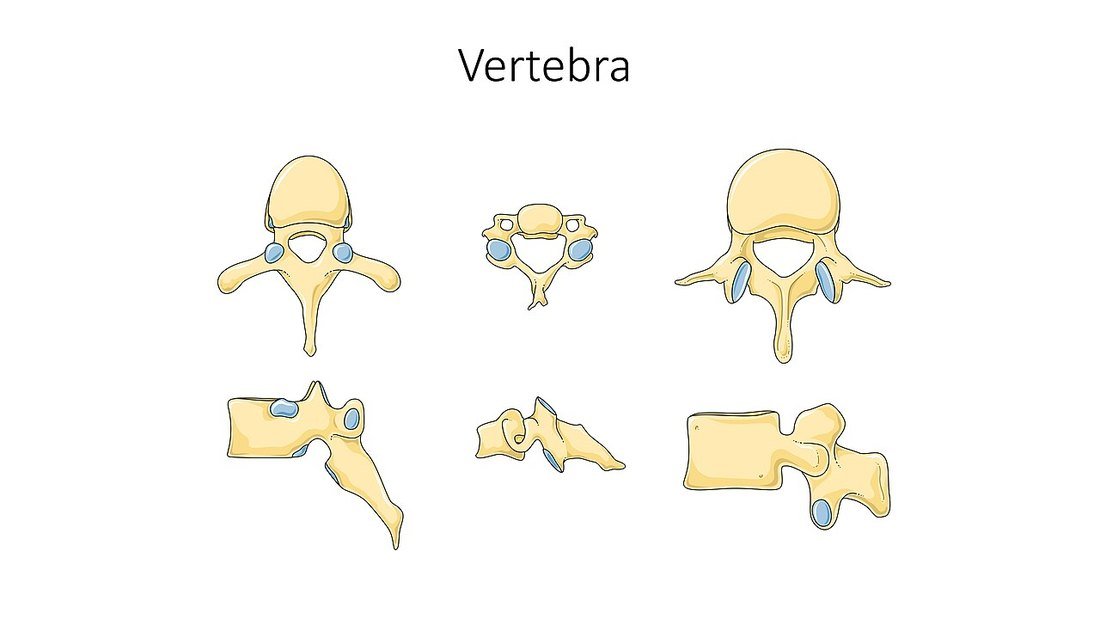
What is the difference between endoscopic spine surgery and microdiscectomy?
Both are forms of minimally invasive spine surgery aimed mainly at a herniated or slipped disc pressing on a nerve. The difference is mostly in the tools and the size of the opening, not the underlying problem being treated.
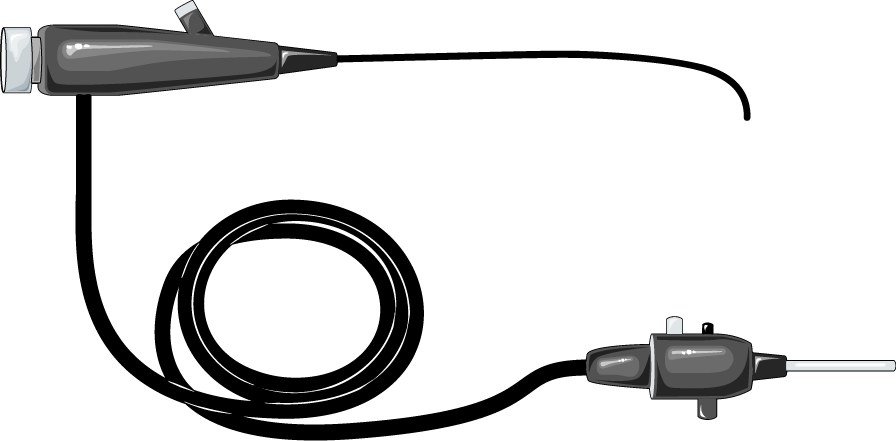
Endoscopic spine surgery uses a thin tube, a small camera, and fine instruments through an opening of about 8mm. It can sometimes be done under local anaesthesia with sedation rather than general anaesthesia, and many patients are up and walking the same day.
Microdiscectomy uses an operating microscope for magnification and light, through an incision of roughly 2 to 3 cm, usually under general anaesthesia. It is a well-established, widely practised technique with a long track record.
Neither is automatically better for every patient. The right choice depends on the size and position of the disc herniation on your MRI, whether there is associated bone narrowing, and what the surgeon has the equipment and experience to do well.
Is "laser spine surgery" the same as minimally invasive spine surgery? Is it effective?
Not quite, and "laser spine surgery" is often more of a marketing phrase than a description of a distinct operation. In some endoscopic procedures, a laser is used as one tool among several, to shrink or vaporise a small amount of disc tissue or to control bleeding. It does not replace the surgeon's job of correctly identifying and decompressing the nerve.
Whether it works depends far more on patient selection and surgical skill than on the laser itself. A disc herniation matched correctly to the procedure, done by an experienced surgeon, tends to do well whether or not a laser was part of the toolkit. The same procedure done on the wrong patient, for example someone whose real problem is spinal instability rather than a simple disc herniation, will not work well no matter what device is used.
Be cautious of any clinic that advertises laser surgery as a cure for spinal stenosis, instability, or long-standing degenerative disease without discussing your MRI in detail. For a straightforward slip disc, a laser can be a genuine part of a minimally invasive technique. It is not a separate miracle procedure.
What does minimally invasive spine surgery cost in Pakistan?
There is no single number, because cost depends on the hospital, the city, the exact procedure, the ward class chosen, whether an implant is used, and the anaesthesia team. Endoscopic spine surgery and microdiscectomy for a simple disc herniation are generally less expensive than spinal fusion, because fusion involves implants such as screws, rods, or cages, and a longer hospital stay.
Spinal fusion surgery cost in Pakistan is higher than discectomy largely because of implant cost, which varies by brand and by how many spinal levels are involved. Laser spine surgery cost, where a laser is used within an endoscopic procedure, is usually similar to standard endoscopic pricing at the same hospital, since the laser is one tool, not a separate billing category everywhere.
Always ask for a written quote before admission, itemised for the surgeon's fee, hospital stay, anaesthesia, implants if any, and any pre-op tests or scans. Get this in writing from more than one hospital in Punjab if you are unsure, so you are comparing like with like.
A separate note on terminology: laparoscopic surgery cost in Pakistan usually refers to keyhole surgery of the abdomen, for the gallbladder, appendix, or hernia. That is a different specialty from spine surgery, done by general surgeons, so if that is what you actually need, you are looking for a different kind of surgeon.
Some families also compare spine surgery cost in Egypt, Turkey, or India against local options. Travelling abroad can look cheaper on paper, but it adds the cost and strain of flying soon after spine surgery, the difficulty of getting urgent follow-up if a complication arises, and gaps in medical records across borders. If you do consider it, get a written quote from a Pakistani hospital first, so you have a real number to compare against, not a guess.
Is spinal fusion "minimally invasive" too?
It can be, but it is a bigger operation than a discectomy, minimally invasive or not. Fusion joins two or more vertebrae together, usually with screws and rods, to stop abnormal movement between them.
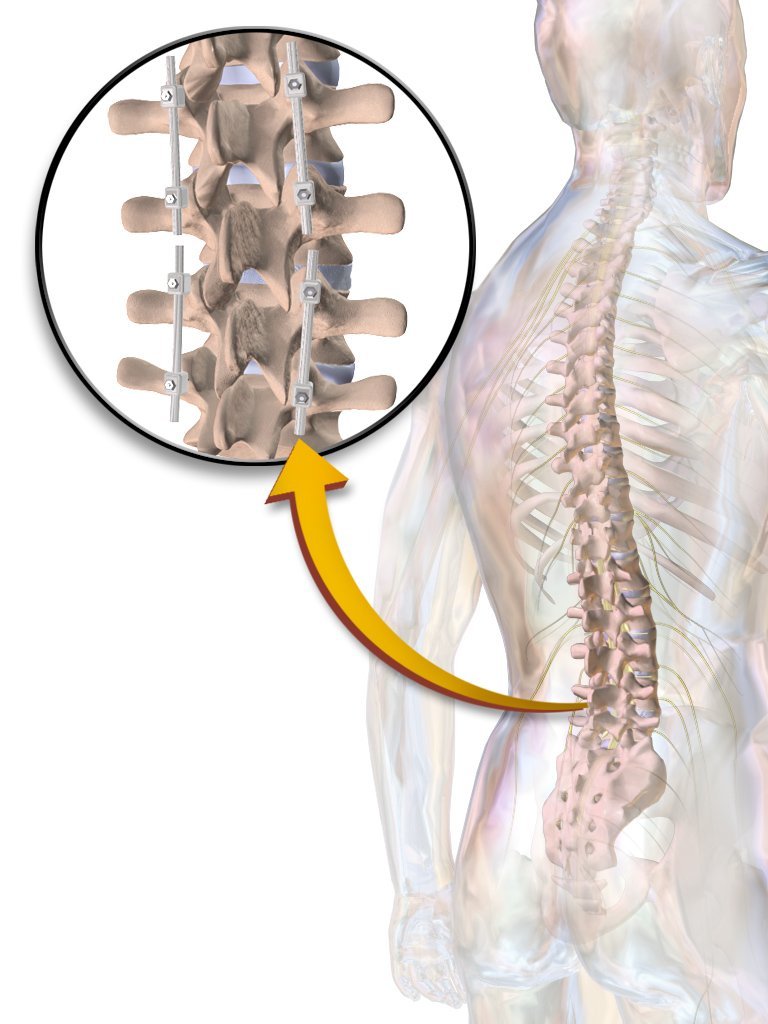
Minimally invasive fusion techniques exist, placing screws through small incisions guided by X-ray rather than one long open cut. This reduces muscle damage and blood loss compared to older open fusion, but recovery is still longer than after a discectomy, because bone needs time to actually fuse, typically several months.
Fusion is usually considered for spinal instability, spondylolisthesis (one vertebra slipping forward on another), or disc disease that keeps recurring at the same level, not for a first-time straightforward slip disc. If a clinic recommends fusion very early, before conservative treatment or a less invasive option has been tried, it is reasonable to ask why and to get a second opinion.
Should I try hakeem, massage, or physiotherapy before considering surgery?
For ordinary back pain without danger signs, giving it time along with rest, appropriate medication, and guided physiotherapy is often reasonable, and many people improve this way without ever needing a surgeon. The mistake is not trying conservative treatment, it is trying the wrong kind, or trying it for months without any reassessment.
Be careful with forceful spinal manipulation, aggressive massage, or pulling and twisting techniques on a back that already has a confirmed disc herniation on MRI, especially if there is leg pain or numbness. In some cases this can worsen the nerve compression rather than help it. A hakeem or masseur is generally not in a position to know what your MRI shows, because they usually have not seen one.
A sensible order is: see a doctor to rule out red-flag symptoms, get an MRI if pain or leg symptoms persist beyond a few weeks, try guided conservative treatment for six to twelve weeks unless red flags are present, and only then discuss surgery if things have not improved.
How do I choose the right surgeon for minimally invasive spine surgery in Faisalabad?
Start with your MRI report and film, not just the report, and ask the surgeon to explain in plain language what it shows and why it does or does not match your symptoms. A surgeon who takes time to do this is worth more than one who moves straight to booking an operating date.
Ask specifically which technique is being proposed, endoscopic, microdiscectomy, or fusion, and why that one fits your case rather than another. Ask about the hospital's facilities, including whether there is proper monitoring and backup for any complication. Ask for a written cost quote before you commit, covering the surgeon's fee, hospital stay, anaesthesia, and any implant.
A second opinion is a normal, reasonable step before spine surgery, not a sign of distrust, and a confident surgeon will not discourage it. When people search for the best endoscopic spine surgeon in Faisalabad, what they are usually looking for is exactly this: someone who explains the MRI honestly, tells them plainly if surgery is not needed, and is clear about cost and risk before anything is decided. Dr. M. Abdur Rehman, consultant neurosurgeon and spine surgeon at Mujahid Hospital, Faisalabad, sees patients for exactly this kind of evaluation, including a second opinion on an MRI you already have.
Questions patients ask about this
Does "minimally invasive" mean there is no risk of paralysis?
No. It means less tissue disturbance and usually faster recovery, not zero risk. Serious nerve injury is rare in routine discectomy for a slip disc, but no spine operation, minimally invasive or open, removes risk completely. Ask your surgeon about the risk for your specific case.
How long does recovery take after endoscopic spine surgery?
Many patients walk the same day or the next day and go home within a day or two. Return to light activity often happens within one to two weeks, and full recovery, including heavier work, usually takes several weeks, depending on the job and what was found at surgery.
Can a slip disc heal without surgery?
Yes, in most cases. A herniated disc can shrink and stop pressing on the nerve over weeks to months, especially with rest, physiotherapy, and medication. Surgery becomes relevant mainly when this window passes without enough improvement, or when there are danger signs like bladder problems or worsening leg weakness.
Is endoscopic spine surgery cheaper than open spine surgery in Pakistan?
Not always. Endoscopic equipment and disposable instruments can add cost, sometimes offsetting savings from a shorter hospital stay. The total depends on the hospital and city. Always ask for a written, itemised quote for both options before deciding, rather than assuming one is automatically cheaper.
Is laser spine surgery effective for a slip disc?
It can be, when the laser is used as one tool within a properly matched endoscopic procedure for a genuine disc herniation. Effectiveness depends mainly on correct patient selection and surgical skill, not the laser itself, so it works best on straightforward cases, not advanced spinal degeneration.
Related articles
The day of your spine surgery, hour by hour
Spine surgery day preparation, hour by hour: fasting, admission, theatre time, and recovery, plus honest cost…
Read this
Will I wake up? The anaesthesia question nobody asks out loud
Will you wake up from spine surgery anesthesia? A Faisalabad consultant neurosurgeon explains the real risks,…
Read this
The MRI your surgeon needs, and the one that wastes your money
A lumbar MRI for back pain should match your symptoms, not just show a disc bulge. What to check before…
Read thisAll patient questions · Spine surgery in Faisalabad · Book an appointment
Ask about your own scan. Send your MRI or X-ray on WhatsApp and get a straight answer on whether surgery is needed at all, from a consultant neurosurgeon in Faisalabad.
Dr. M. Abdur Rehman is a consultant neurosurgeon in Faisalabad. Send your scan on WhatsApp and ask what it actually shows.
Published for the practice of Dr. M. Abdur Rehman, consultant neurosurgeon, Mujahid Hospital, Faisalabad. General information only, not a substitute for examination.