
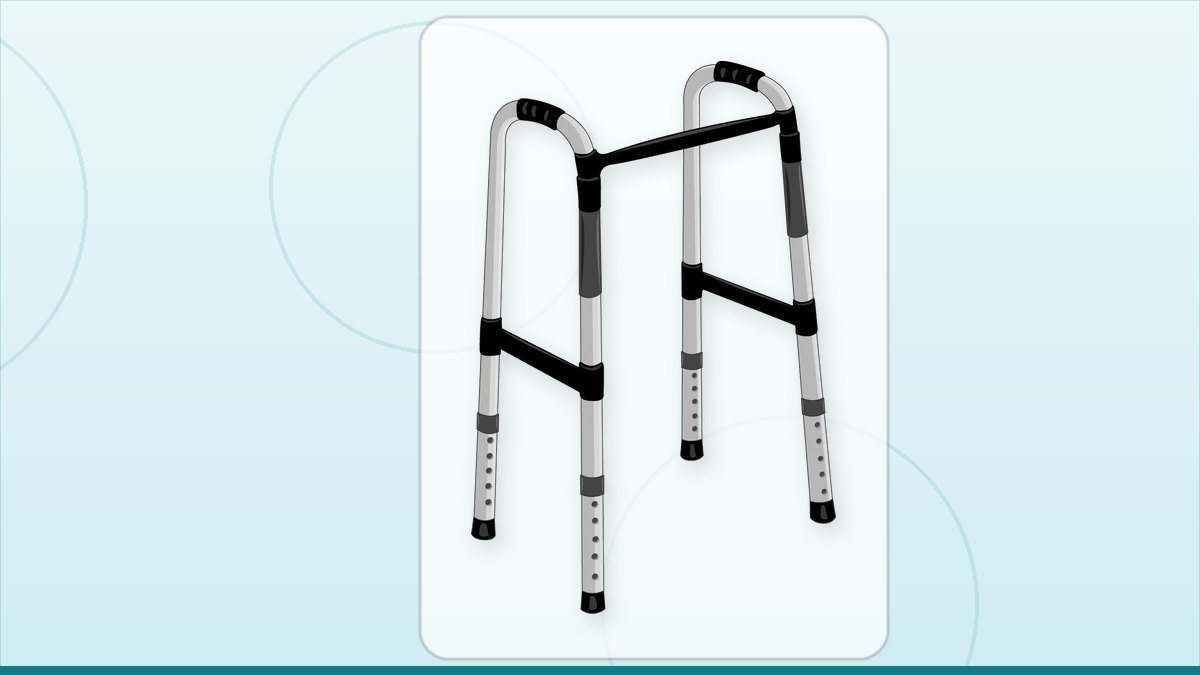
On surgery day you arrive fasting, change into a gown, and meet the anaesthetist and Dr Rehman for a final check before going to theatre. Endoscopic discectomy usually takes under an hour; you wake in recovery, are watched for a few hours, and many patients walk and go home the same evening or the next morning.
What actually happens, hour by hour, on the day of spine surgery?
Good spine surgery day preparation starts the evening before, not the morning of. Most patients are asked to reach the hospital a few hours before surgery, having fasted since midnight or for at least six hours. The exact timeline varies by hospital, but a typical day looks like this.

- Admission (early morning): you check in, change into a hospital gown, and a nurse records your blood pressure, pulse, and weight.
- Pre-op checks: the anaesthetist reviews your fitness for anaesthesia, and Dr Rehman confirms the side and level of the disc with you against your MRI.
- Theatre: you go in, anaesthesia is given, and the surgery itself is often under an hour for a routine endoscopic discectomy, longer for spinal fusion.
- Recovery room: you wake up, and nurses check movement and sensation in your legs while pain is controlled with medicine.
- Back on the ward: once you are alert, you are moved to a room, and most endoscopic patients are helped to sit up or take a few steps within hours.
- Evening or next morning: if there are no problems, many endoscopic and microdiscectomy patients go home the same evening or the following morning. Fusion surgery usually needs a longer stay.
Ask the hospital in advance for the exact fasting time and reporting time, since this differs slightly between hospitals in Faisalabad.
Is it safe, will I be paralysed?
No, paralysis is not a normal outcome of elective spine surgery. For the common operations done for slip disc, sciatica, or spinal stenosis, such as microdiscectomy and endoscopic discectomy, the nerve causing your pain is already under pressure, and the surgeon works around it under magnification with the specific aim of protecting it.
Every operation carries some risk. The recognised risks with disc surgery include infection, bleeding, a small tear in the covering of the nerves, and a small chance the disc herniates again later. Genuine new nerve damage from the operation itself is uncommon. The fear of paralysis in Pakistani families is often shaped by stories of surgery done for the wrong reasons, or surgery done too late in an emergency, not by the routine outcome of planned surgery.
What actually causes permanent weakness or loss of bladder control is usually delay: ignoring worsening leg weakness, numbness around the groin, or loss of bladder and bowel control for days or weeks before seeing a surgeon. That combination is a surgical emergency and needs same-day assessment, not a waiting period.
How much does endoscopic spine surgery cost in Pakistan?
This is answered in full on what endoscopic spine surgery costs in Pakistan, so it is not repeated here.
Is laser spine surgery real, and is it actually effective?
Laser spine surgery is mostly a marketing term, not a distinct technique with its own proven results. What is actually done in almost every case sold under that name is a standard microdiscectomy or endoscopic discectomy, sometimes with a laser used briefly to shrink disc tissue as one small step within the operation, not to replace the surgeon's instruments.
There isn't good evidence that adding a laser step makes the outcome better than a well-done endoscopic discectomy or microdiscectomy without one. If you are being quoted laser spine surgery as if it is a separate, superior option, ask exactly what technique will be used, whether it is endoscopic or open, and what instruments are involved. The name matters less than who is doing the operation and how it is done.
Do I actually need surgery, or should I try hakeem, massage, or physiotherapy first?
Most back pain, and even most slip disc pain, settles without surgery. If your main symptom is kamar dard or taang mein dard without weakness, and there is no loss of bladder or bowel control, a trial of rest, physiotherapy, and medicine for four to six weeks is reasonable first, alongside an MRI so you know what you are dealing with.
Hakeem treatment, oil massage, and spiritual healing are common first steps for many patients here, and mild pain often improves during that time regardless of what was tried, which is why they get credit. The problem is when they delay a patient with true nerve compression, causing weakness, numbness, or worsening symptoms for months, since delayed nerve pressure recovers less completely than pressure treated in good time.
Surgery becomes the more sensible option when pain has not responded to a genuine trial of conservative treatment, when there is measurable weakness in the leg or foot, or when bladder or bowel control is affected. In that last case, surgery is urgent, not something to plan around convenience.
What should I bring to hospital, and who should come with me?
Bring your original MRI or CT films and report, not just a phone photo, your CNIC, any previous X-rays, and a written list of your current medicines, including anything for blood pressure, diabetes, or blood thinning, since some of these need to be stopped a few days before surgery on the anaesthetist's advice.
Have at least one family member stay at the hospital on the day of surgery. They will be the point of contact while you are in theatre, can ask the surgical team questions on your behalf afterwards, and will be needed to help you home and manage the first few days, since you should not drive yourself.
Searching for a spine surgeon in Faridabad, or looking near Faisalabad?
If you searched for a spine surgeon in Faridabad, note that Faridabad is a city in Haryana, India, not in Pakistan. Dr M. Abdur Rehman practises in Faisalabad, Punjab, Pakistan, at Mujahid Hospital, and does not see patients in India. Check the spelling and city before travelling for an appointment.
Patients travelling from across Punjab, including Sargodha, Jhang, Toba Tek Singh, and Sahiwal, commonly come to Faisalabad for spine consultations. If distance is the concern, ask the clinic about appointment timing so you can plan the trip and stay in one visit where possible.
What happens in the first 24 hours after surgery, and when do I go home?
After an endoscopic discectomy or microdiscectomy, most patients are helped to sit up and take a few steps within a few hours of waking, once the anaesthetic wears off and pain is controlled. Walking early is encouraged, not avoided, since it helps recovery and lowers the risk of clots.
You will be watched for movement, sensation, and bladder function in the legs before discharge is even considered. Wound care instructions, pain medicine, and a follow-up appointment date are given before you leave, usually the same evening or the next morning for endoscopic and microdiscectomy patients, with fusion patients staying longer depending on the extent of surgery.
Avoid bending, lifting, or twisting the spine in the first few weeks, and keep the follow-up appointment even if you feel well, since it is when the wound and your progress are actually checked.
What should I do before deciding on surgery?
Get a clear MRI-based diagnosis before agreeing to any operation, ask for a written cost quote broken down by item, and get a second opinion if anything about the plan feels rushed. A frightened family making this decision under pressure is exactly when mistakes happen.
The best endoscopic spine surgeon in Faisalabad is one who explains the MRI in plain language, tells you honestly if surgery is not needed yet, and answers your questions before booking a date. If you want that kind of assessment, book a consultation with Dr M. Abdur Rehman at Mujahid Hospital, Faisalabad.
Questions patients ask about this
How long does endoscopic spine surgery take on the day?
The operation itself is usually under an hour for a straightforward disc herniation, though you should budget the whole day for admission, anaesthesia preparation, recovery, and observation. Fusion surgery, which involves screws or a cage, takes longer, often two to four hours, depending on how many spinal levels are involved.
Can I eat or drink before spine surgery?
No. You will be told to fast, usually no food for six to eight hours and no water for two hours before surgery, to keep the airway safe under anaesthesia. Follow the exact instructions your hospital gives you, since timing can differ slightly between hospitals in Faisalabad.
Will I need physiotherapy after surgery?
Often, yes, especially after fusion or if you had weakness before surgery. After a straightforward endoscopic discectomy, walking and gentle movement are usually enough in the early weeks, with structured physiotherapy added later if strength or mobility is not returning as expected. Your surgeon will tell you what your case needs.
Is spinal fusion more expensive than endoscopic discectomy in Pakistan?
Yes, generally. Fusion involves implants such as screws, rods, or a cage, plus a longer hospital stay, which raises the total cost compared with endoscopic discectomy or microdiscectomy, which need no permanent hardware. Ask for a written, itemised quote from the hospital so you can compare exact costs rather than estimates.
Is it better to have spine surgery abroad, such as in Egypt or Turkey?
Not usually, for routine disc surgery. Travel adds cost, visa hassle, and distance from your surgeon during recovery, when quick follow-up matters most if something feels wrong. For standard endoscopic discectomy or microdiscectomy, treatment near home with proper follow-up is usually more practical.
Related articles
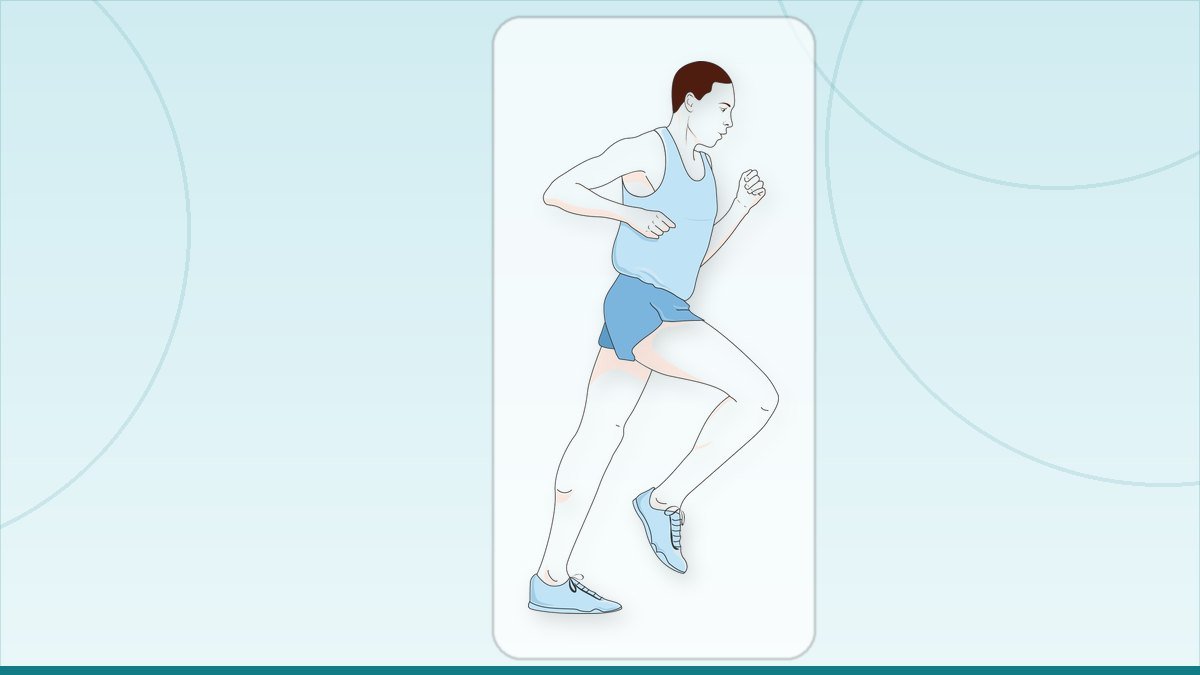
Will I wake up? The anaesthesia question nobody asks out loud
Will you wake up from spine surgery anesthesia? A Faisalabad consultant neurosurgeon explains the real risks,…
Read this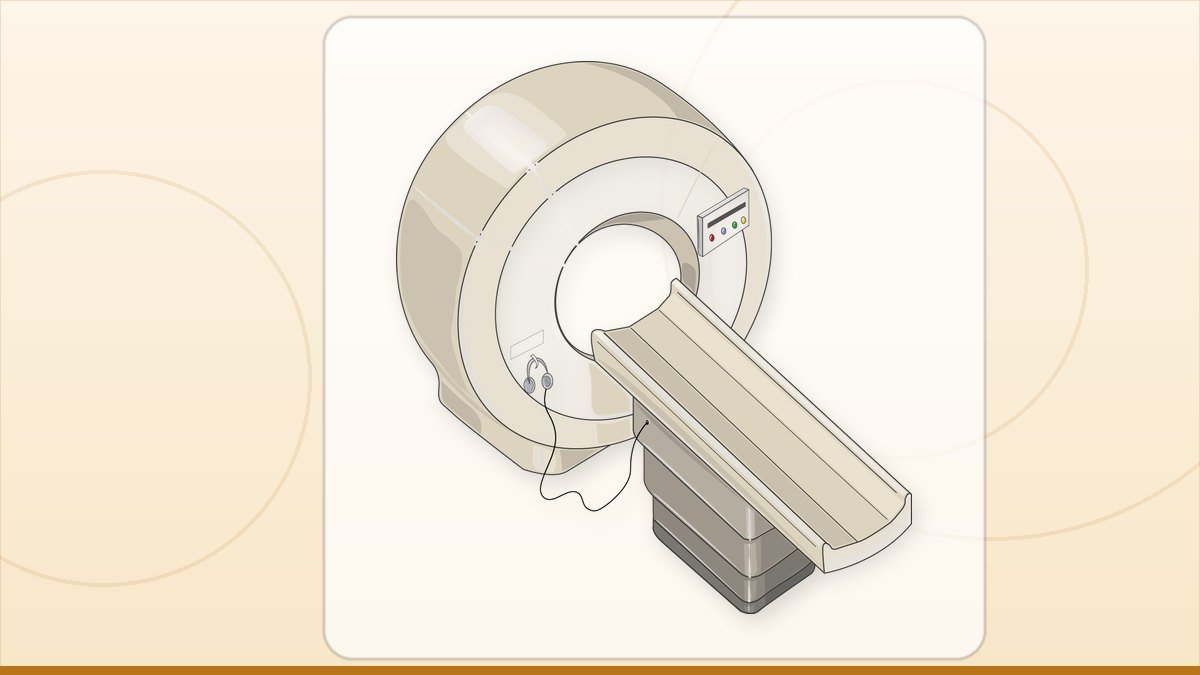
The MRI your surgeon needs, and the one that wastes your money
A lumbar MRI for back pain should match your symptoms, not just show a disc bulge. What to check before…
Read this
Back pain: when physiotherapy is enough and when you need a surgeon
Not all back pain needs a doctor. Here's when to see a spine surgeon versus a physiotherapist, with…
Read thisAll patient questions · Spine surgery in Faisalabad · Book an appointment
Ask about your own scan. Send your MRI or X-ray on WhatsApp and get a straight answer on whether surgery is needed at all, from a consultant neurosurgeon in Faisalabad.
Dr. M. Abdur Rehman is a consultant neurosurgeon in Faisalabad. Send your scan on WhatsApp and ask what it actually shows.
Published for the practice of Dr. M. Abdur Rehman, consultant neurosurgeon, Mujahid Hospital, Faisalabad. General information only, not a substitute for examination.