

A neurologist diagnoses and manages nerve and brain conditions with medicine, tests and rehabilitation. A neurosurgeon, or spine surgeon, is trained to operate when surgery is needed, for problems like a herniated disc pressing a nerve, spinal cord compression or a brain tumour. Most patients start with a neurologist or physician; surgery is a later step, not a first one.
Neuro surgeon or neurologist: what is the actual difference?
A neurologist is a physician who diagnoses and manages problems in the brain, spinal cord and nerves using medicine, injections, physiotherapy referral and time. They handle conditions like migraine, epilepsy, stroke, Parkinson's disease and most cases of numbness or tingling where nothing needs to be cut or repaired.
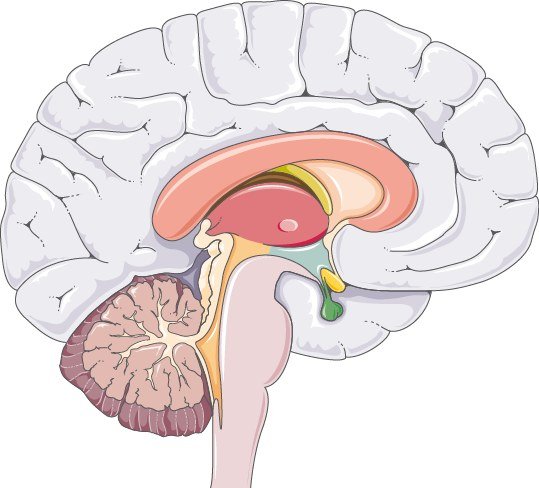
A neurosurgeon is a surgeon. Their job starts where medicine reaches its limit, when a structural problem, like a disc pressing on a nerve, a tumour, or a fracture, needs to be physically corrected. A spine surgeon is either a neurosurgeon or an orthopedic surgeon who has focused specifically on the spine, including the neck and lower back.
In everyday terms: the neurologist works out what is wrong and treats it if medicine can fix it. The neurosurgeon or spine surgeon steps in when the answer is surgery, or when the case needs a surgical opinion even if surgery is not the final decision.
Is spine surgery safe, will I be paralysed?
Paralysis from spine surgery is a genuine but uncommon risk, and it is the fear almost every patient carries into the consultation. Modern spine surgery, including endoscopic spine surgery done through a small keyhole incision, is designed specifically to reduce the handling of nerves and the surrounding muscle, which lowers the chance of nerve injury compared with older open techniques.
No operation near the spinal cord and nerves is zero risk. General anaesthesia carries its own small risks, and any surgery can cause bleeding, infection, or in rare cases nerve irritation that causes new or worsening weakness or numbness. These are discussed before surgery, not hidden after it.
What lowers the risk further is not operating unless there is a clear reason to. If your scans and examination do not point to a structural problem that surgery can fix, a competent neurosurgeon will say so and send you back to conservative treatment rather than operate.
How do I know if I need a neurologist or a neurosurgeon?
Start with a neurologist, or your GP, if your main complaints are:
- Headache or migraine without a known cause
- Seizures, fainting, or unexplained loss of consciousness
- Memory problems, confusion, or tremor
- Widespread tingling or weakness without a clear back or neck injury
Move toward a neurosurgeon or spine surgeon sooner if you have:
- Kamar dard with taang mein dard, pain running down one or both legs, especially if it is getting worse
- Weakness in a foot or hand, not just pain
- Loss of control over bladder or bowel, or numbness around the saddle area, which is an emergency and needs same-day assessment
- An MRI already showing a herniated disc, spinal cord compression, or a spinal tumour
These lists overlap in practice. Many patients with kamar dard or gardan ka dard see a neurologist first for medicine, and are referred onward only if the pain does not respond or red-flag symptoms appear.

Kamar dard ya taang mein dard: do I need surgery, or just rest and medicine?
In most cases, back pain and leg pain from a slipped disc improve on their own over several weeks with rest from heavy activity, physiotherapy, anti-inflammatory medicine and time. Surgery is usually considered only after a reasonable trial of this conservative treatment has failed, generally measured in weeks, not days.
It is common in Pakistan to try a hakeem, oil massage, or a bone-setter before seeing a doctor. That delay is usually harmless for ordinary back pain, but it becomes risky if there are red-flag symptoms, weakness, loss of bladder or bowel control, or pain that keeps getting worse instead of settling. Those symptoms need a doctor, not more massage.
Surgery is not a shortcut and it is not automatically the next step after medicine fails once. The decision should be based on your MRI findings matching your symptoms, and on how much the pain is limiting your daily life and work.
What tests decide who I actually need to see?
A clinical examination comes first, whichever doctor you see. It checks reflexes, muscle strength, sensation, and specific signs like straight-leg-raise for sciatica.
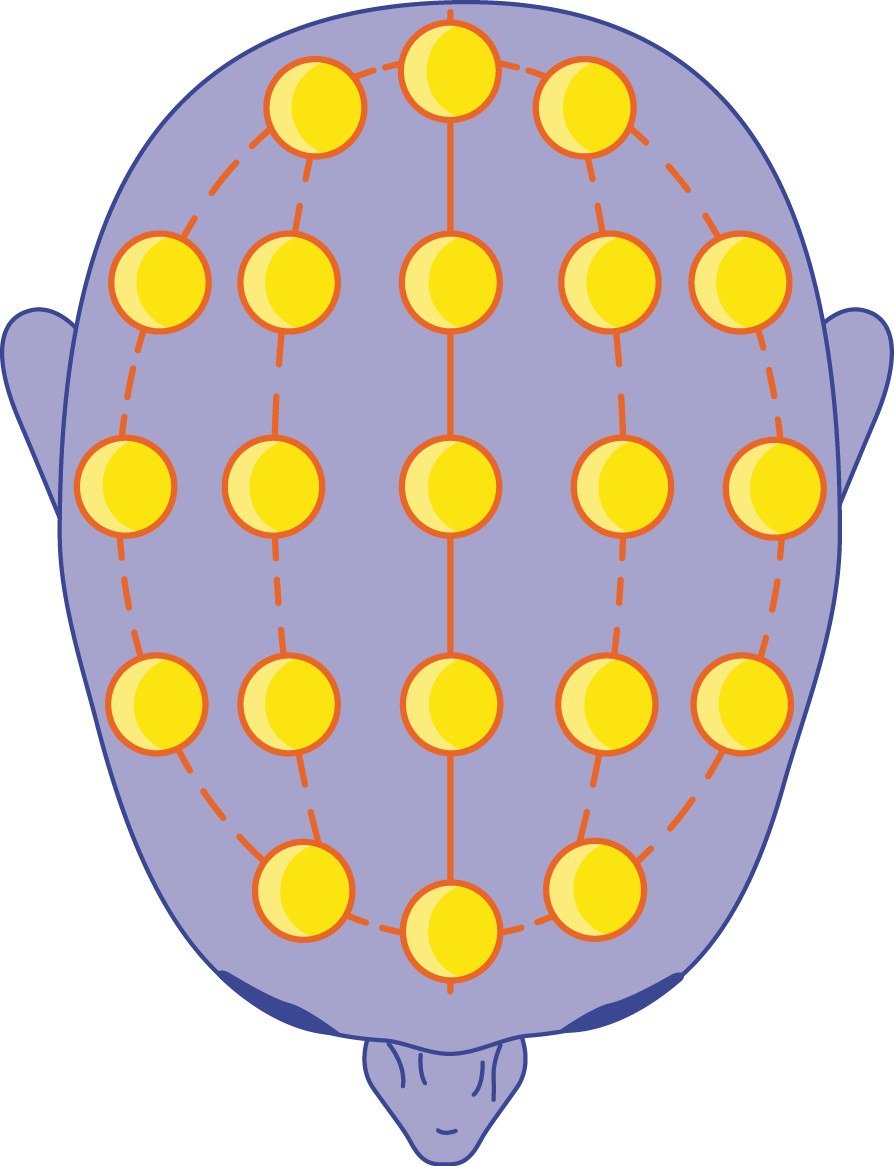
An MRI is the main test for a suspected slipped disc, spinal cord compression, or spinal tumour, and it is what a neurosurgeon needs before advising surgery. A neurologist may instead order a nerve conduction study or EMG when the question is about nerve or muscle disease rather than a structural spine problem, or an EEG if seizures are suspected.
You do not need to work out which test to order yourself. Bring your symptoms and any old reports to either specialist, and they will tell you what is missing.
What does a spine surgeon actually do, and how is it different from microdiscectomy or endoscopic surgery?
A spine surgeon treats problems specific to the neck and back, most often a slipped or herniated disc pressing on a nerve, spinal stenosis, or instability after injury. The two techniques patients hear about most are microdiscectomy, an established open technique using a small incision and a microscope to remove the part of the disc pressing on the nerve, and endoscopic spine surgery, a keyhole approach that uses a narrow camera and instruments through an even smaller opening.
Both aim to relieve pressure on the nerve. Endoscopic surgery generally involves less cutting of muscle, which for suitable cases can mean a shorter hospital stay and faster return to normal movement, though not every case is suitable for it. Which technique fits depends on the exact location and type of disc problem on your MRI, and that is decided case by case, not by preference alone.
How much does it cost to see a neurologist or neurosurgeon in Faisalabad?
Consultation fees for a neurologist or neurosurgeon in Faisalabad vary between clinics and hospitals. If an MRI, nerve conduction study, or surgery is needed, those costs add on and also vary depending on the hospital and the complexity of the case.
Before agreeing to any test or procedure, ask the hospital or clinic for a written quote in PKR that covers the consultation, the scan, and, if surgery becomes necessary, the estimated hospital and surgeon charges. This protects you from surprise billing later and lets the family compare options honestly.
What should I do next?
If your main problem is pain, with or without tingling, and no weakness or loss of bladder or bowel control, a reasonable first step is a neurologist or physician, combined with physiotherapy and medicine, given a few weeks to work.
If you already have an MRI showing a herniated disc or nerve compression, or if you have leg weakness, foot drop, or loss of bladder or bowel control, go straight to a spine surgeon for assessment, the last symptom especially should not wait.
Bring your reports and old prescriptions to the first appointment so nothing is repeated unnecessarily. For patients in Faisalabad searching for a neurosurgeon or spine surgeon near me, Dr. M. Abdur Rehman is a consultant neurosurgeon at Mujahid Hospital, Faisalabad, with a practice focused on endoscopic spine surgery and microdiscectomy; if you are trying to find the best endoscopic spine surgeon in Faisalabad, start with a consultation and an honest opinion on whether you need surgery at all.
Questions patients ask about this
Can a neurologist perform spine surgery?
No. Neurologists diagnose and manage nerve and brain conditions with medicine, injections and rehabilitation. They do not operate. If your case needs surgery, a neurologist will refer you to a neurosurgeon or spine surgeon.
Is a spine surgeon the same as a neurosurgeon?
Not always. Some spine surgeons are neurosurgeons who focus on the spine, others are orthopedic surgeons with the same focus. Both are trained to operate on the neck and back; ask about their specific spine experience.
Which symptoms mean I should not wait to see a neurosurgeon?
Loss of bladder or bowel control, numbness around the saddle area, or rapidly worsening leg weakness are emergency signs of nerve compression. These need same-day assessment, not a scheduled appointment next week.
Should I try a hakeem or massage before seeing a doctor for kamar dard?
For ordinary back pain without red-flag symptoms, this delay is usually harmless. If you have leg weakness, worsening pain, or loss of bladder or bowel control, see a doctor first rather than trying massage or a hakeem.
How do I choose between a neurologist and a neurosurgeon in Faisalabad for my case?
It depends on your diagnosis, not on titles alone. Start with either specialist, describe your symptoms honestly, and they will refer you onward if the other type of doctor is actually who you need.
Related articles
How to choose a spine surgeon in Pakistan
How to choose a spine surgeon in Pakistan: qualifications to check, questions to ask, and when spine surgery…
Read this
What a spine surgeon actually does all day
What does a spine surgeon actually do all day, and how do they decide if you need surgery? A plain guide for…
Read this
Minimally invasive spine surgery: the phrase without the marketing
What minimally invasive spine surgery really means, when it helps kamar dard or slip disc, safety, and honest…
Read thisAll patient questions · Spine surgery in Faisalabad · Book an appointment
Ask about your own scan. Send your MRI or X-ray on WhatsApp and get a straight answer on whether surgery is needed at all, from a consultant neurosurgeon in Faisalabad.
Dr. M. Abdur Rehman is a consultant neurosurgeon in Faisalabad. Send your scan on WhatsApp and ask what it actually shows.
Published for the practice of Dr. M. Abdur Rehman, consultant neurosurgeon, Mujahid Hospital, Faisalabad. General information only, not a substitute for examination.