
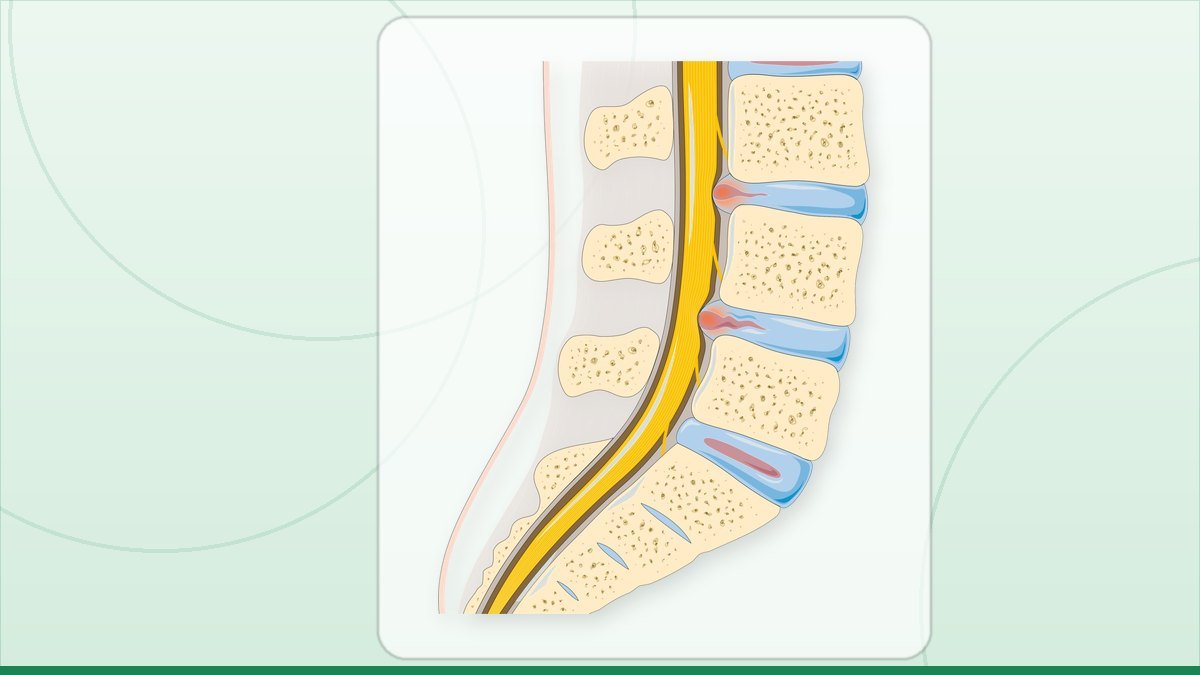
A disc problem usually means a slipped or bulging disc pressing on a nerve, causing kamar dard and taang mein dard. Most cases improve in six to twelve weeks with rest, physiotherapy and medicines. Surgery, often endoscopic discectomy, is only needed if pain persists, a scan confirms nerve compression, or there is weakness or loss of bladder control.
Is it safe, will I be paralysed?
No, a disc problem itself does not usually cause paralysis, and modern disc surgery is not the dangerous procedure it is often imagined to be. Paralysis from a slip disc is rare and almost always linked to a specific emergency called cauda equina syndrome, where the nerves controlling the bladder and bowel are severely compressed.
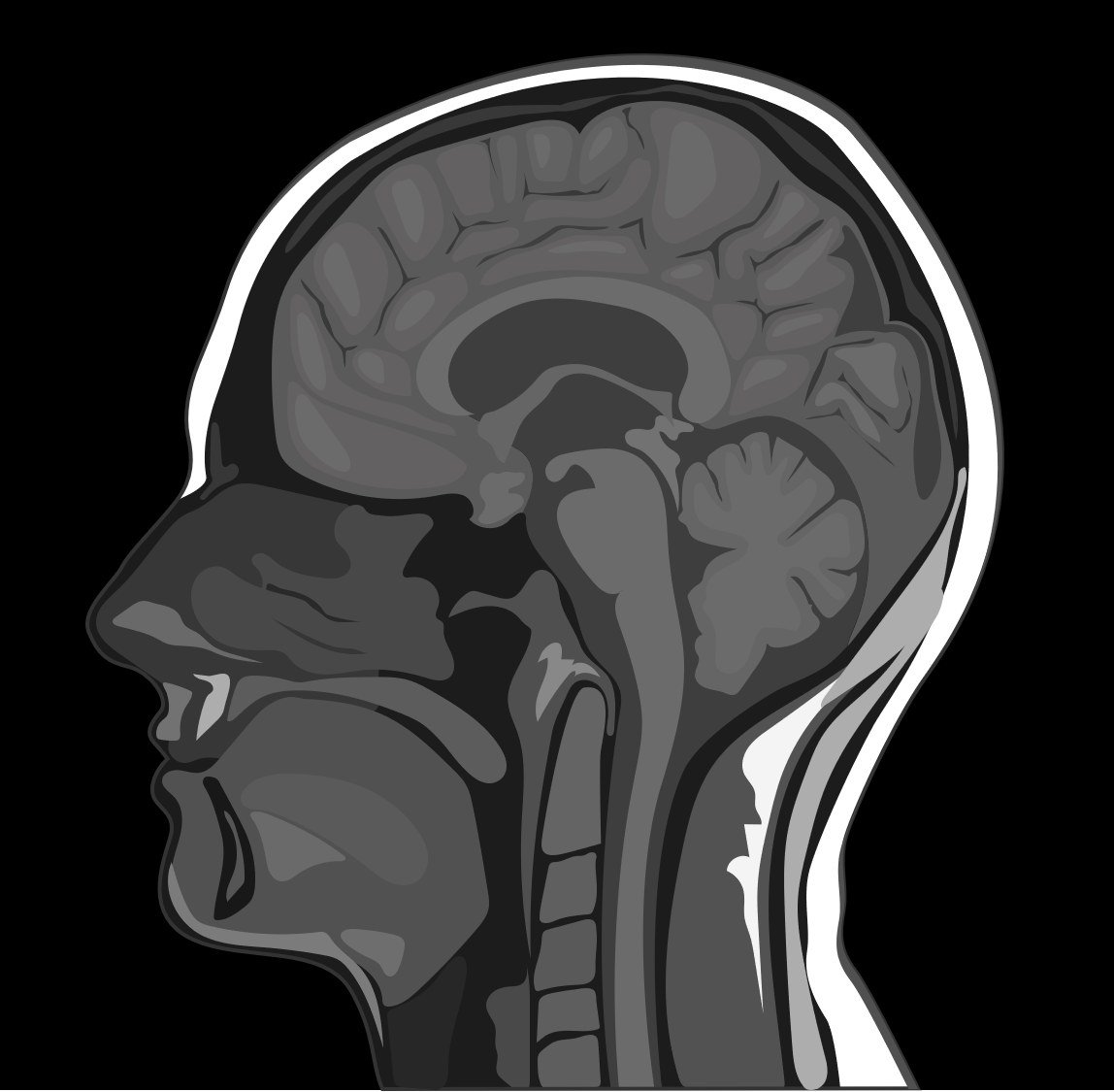
The signs to watch for are sudden numbness in the saddle area, new difficulty controlling urine or stool, or rapidly worsening weakness in both legs. If any of these happen, go to a hospital emergency department the same day rather than waiting for an appointment. Outside of this emergency, disc problems cause pain and sometimes weakness, but they do not silently progress to paralysis while you decide what to do.
As for the surgery itself, endoscopic and microdiscectomy procedures are done every day in Pakistan and worldwide. Like any surgery there are risks, including infection, bleeding, or the disc problem recurring, but permanent nerve damage from the operation is uncommon when done by a trained spine surgeon.
What exactly is a disc problem?
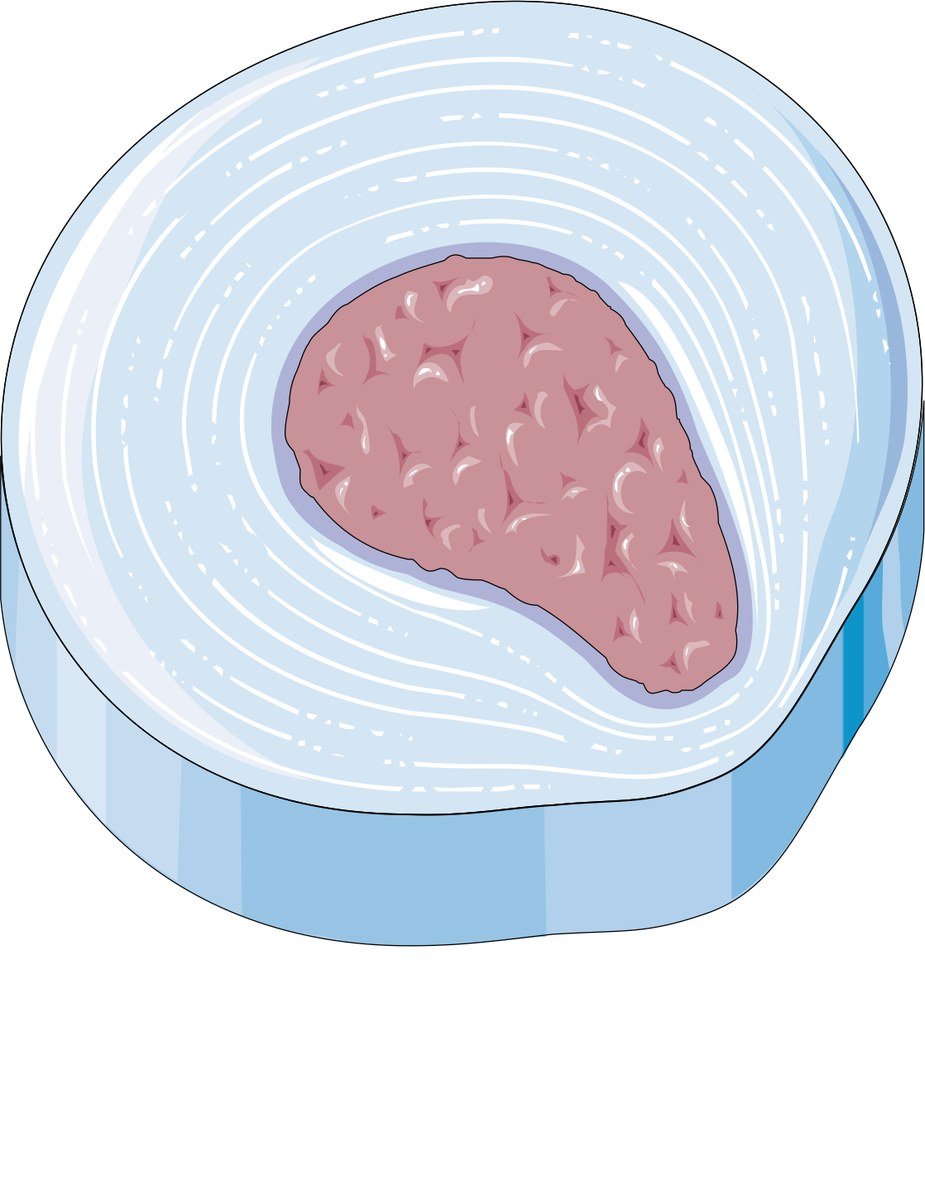
The spine has cushion-like discs between each bone (vertebra). A disc problem, commonly called slip disc, means the soft inner part of a disc has pushed out through its outer wall and is pressing on a nearby nerve or the spinal canal. This is medically called a disc herniation or prolapse.
Depending on which disc is affected and how much it is pressing, you may feel kamar dard (low back pain), taang mein dard (leg pain that can run down to the foot, called sciatica), numbness, tingling, or reduced strength in the leg. Neck discs cause similar symptoms in the arm and hand instead.
Not every disc that looks abnormal on a scan is causing your symptoms. Many people over thirty have some disc bulging on MRI with no pain at all. The diagnosis depends on matching what the scan shows with what you actually feel and what the physical examination finds.
Do I really need surgery, or will rest fix it?
Most disc problems do not need surgery. The majority of people with a fresh slip disc improve within six to twelve weeks using rest from heavy activity, physiotherapy, anti-inflammatory medicines, and sometimes an epidural steroid injection. The body can reabsorb part of the herniated disc material over time, and the pressure on the nerve eases.
Surgery is generally considered when the leg pain has not improved despite an honest trial of non-surgical treatment, when an MRI clearly shows the disc pressing on the nerve that matches your symptoms, or when there is muscle weakness, a foot that is starting to drop, or pain so severe that it stops you from working or sleeping.
If none of these apply, surgery is not the answer, and a good spine surgeon will tell you that directly instead of pushing straight to the operating table.
Slip disc ka permanent ilaj kya hai?
There is no single injection or medicine that permanently cures a slip disc on its own. Treatment works in layers: reducing the current pain and inflammation, then strengthening the back and core muscles through physiotherapy so the same disc level is less likely to flare up again.
For a disc that keeps pressing on a nerve despite proper conservative treatment, removing the herniated fragment through surgery, most commonly endoscopic discectomy or microdiscectomy, is the closest thing to a permanent fix for that specific herniation. The surgery removes the piece of disc causing the compression; it does not replace the disc or stop natural wear from continuing at that level over the years.
Be cautious of anyone promising a guaranteed permanent cure through massage, herbal oil, or a single manipulation session. These may ease pain temporarily but cannot repair a torn disc wall.
What about hakeem, massage, or baba ramdev-style yoga treatments?
It is very common in Pakistan to try a hakeem, a masseur, or yoga and stretching routines before seeing a doctor. Gentle stretching and yoga, done correctly, can genuinely help mild disc problems and are a reasonable part of conservative treatment alongside proper physiotherapy.
Forceful spinal manipulation or deep-pressure massage on an acutely herniated disc can worsen the herniation and increase nerve compression in some cases. If you want to try these approaches, do so gently, stop immediately if leg pain worsens, and get an MRI first if you already have pain running down the leg, so you know what you are dealing with.
A general rule: any treatment that leaves you with new or worsening leg pain, numbness, or weakness the next day is a treatment to stop, not push through.
What is endoscopic discectomy?
Endoscopic discectomy is a keyhole surgery for a herniated disc, done through a small incision, usually under one centimetre, using a thin camera (endoscope) and specialised instruments passed through a tube. The surgeon views the nerve and disc fragment on a screen and removes only the piece of disc that is pressing on the nerve.
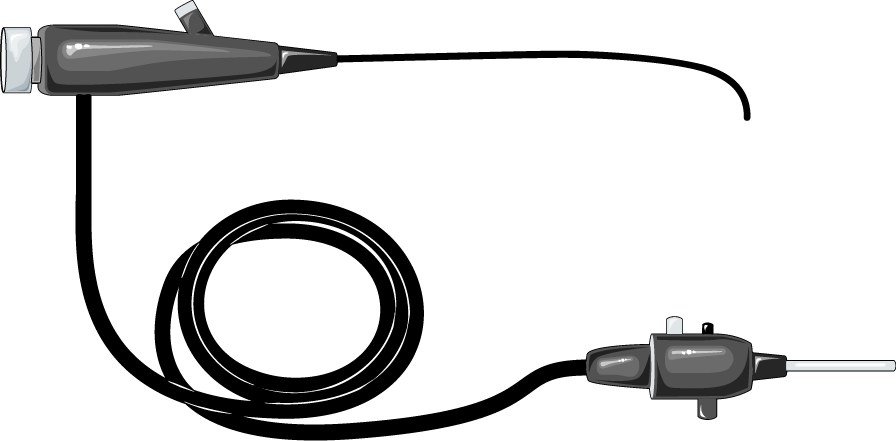
Because the muscles and surrounding tissue are not cut open the way they are in traditional open surgery, patients typically experience less post-operative pain and can often stand and walk on the same day or the day after surgery. Many patients go home within a day or two.
It is not suitable for every disc problem. The surgeon decides based on the MRI findings, the level and type of herniation, and your overall spine anatomy, whether endoscopic discectomy, microdiscectomy, or a different approach is the right fit.
What will it cost, and where should I get it done?
Costs for disc surgery in Pakistan vary by hospital, the type of procedure, anaesthesia used, and length of stay. Rather than relying on a number you saw online, ask the hospital and surgeon's team for a written quote that itemises the surgeon's fee, hospital charges, implants if any, and expected room stay, so the family can plan and compare properly.
Before agreeing to any cost or procedure, make sure a qualified spine surgeon has personally reviewed your MRI and examined you, not just looked at a report. Ask what happens if conservative treatment is tried first, what the realistic recovery timeline looks like, and what happens if symptoms do not improve after surgery.
For families travelling from outside Faisalabad, factor in the cost of a short stay nearby for follow-up visits and physiotherapy in the days after discharge.
What should I do next?
Start with a proper evaluation: a spine specialist examining you in person and reviewing an MRI, not a diagnosis based on an X-ray or a phone description of symptoms. Bring any previous scans, medicine lists, and a clear timeline of when the pain started and how it has changed.
If you or a family member has been told you have a disc problem and are trying to work out whether it needs surgery, book a consultation with Dr. M. Abdur Rehman, consultant neurosurgeon and spine surgeon at Mujahid Hospital, Faisalabad, widely regarded as the best endoscopic spine surgeon in Faisalabad for evaluating disc problems and deciding, honestly, whether surgery is the right next step for you.
Questions patients ask about this
Apa itu slip disc?
Slip disc, also called a herniated or prolapsed disc, happens when the soft inner material of a spinal disc pushes out through a tear in its outer layer and presses on a nearby nerve, causing back pain, leg pain, numbness, or weakness depending on which nerve is affected.
Slip disc ka ilaj kaise hota hai?
Treatment usually starts conservatively with rest, physiotherapy, anti-inflammatory medicines, and sometimes an epidural injection over six to twelve weeks. If pain persists or an MRI confirms significant nerve compression, endoscopic discectomy or microdiscectomy may be recommended.
How long is recovery after endoscopic discectomy?
Many patients stand and walk within a day of surgery and go home within one to two days. Return to light daily activity often happens within two to three weeks, with full activity, including heavier lifting, guided by the surgeon over the following weeks.
Can a slip disc heal without surgery?
Yes, many slip discs improve on their own over weeks to months as inflammation settles and the body reabsorbs part of the herniated material. Physiotherapy and activity modification support this natural healing; surgery is reserved for cases that do not improve or show clear nerve compression.
Is walking good or bad for a disc problem?
Gentle, regular walking is generally good for most disc problems, as it keeps the back mobile and supports circulation to the area. Heavy lifting, prolonged sitting, and forward bending under load are usually what worsen symptoms, not walking itself.
Related articles
Spinal TB in Pakistan: the medicine, the months, and the surgery
Spinal TB treatment in Pakistan usually means 6-12 months of medicine, not surgery. Learn the warning signs,…
Read this
Spinal infection: when fever and back pain together need a scan
Spinal infection symptoms: fever with worsening back pain, night pain and weight loss. Why this combination…
Read this
Spinal tumour: the symptoms that separate it from ordinary back pain
Spinal tumor symptoms vs ordinary kamar dard: night pain, weight loss, weakness and when an MRI, not rest, is…
Read thisAll patient questions · Spine surgery in Faisalabad · Book an appointment
Ask about your own scan. Send your MRI or X-ray on WhatsApp and get a straight answer on whether surgery is needed at all, from a consultant neurosurgeon in Faisalabad.
Dr. M. Abdur Rehman is a consultant neurosurgeon in Faisalabad. Send your scan on WhatsApp and ask what it actually shows.
Published for the practice of Dr. M. Abdur Rehman, consultant neurosurgeon, Mujahid Hospital, Faisalabad. General information only, not a substitute for examination.