
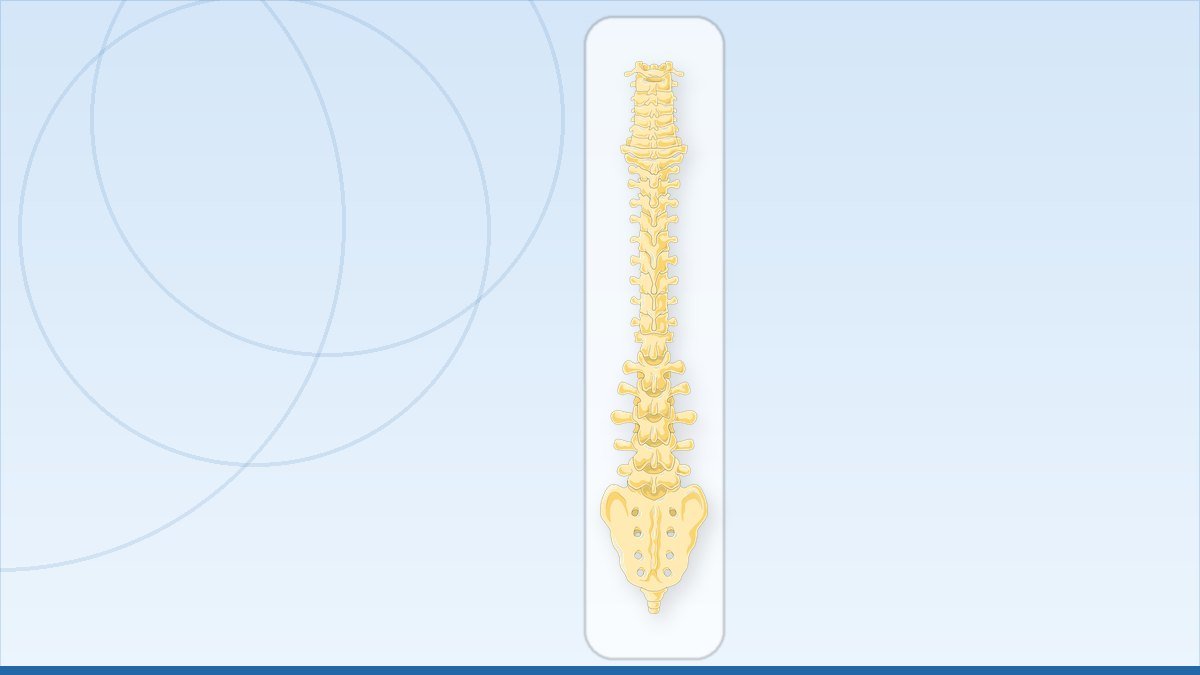
L4-L5 and L5-S1 sit at the base of the spine, where the lower back carries most of the body's weight and does most of its bending and twisting. This constant load wears these two discs down faster than any other level, which is why most slip disc and sciatica cases start here.
Why do L4-L5 and L5-S1 disc problems happen first?
L4-L5 and L5-S1 are the two lowest joints in the spine, right where the lower back meets the pelvis. They carry more of the body's weight than any level above them, and they bend and twist the most every time you sit down, bend forward, or lift something. Over years, this wear adds up faster here than anywhere else in the back.
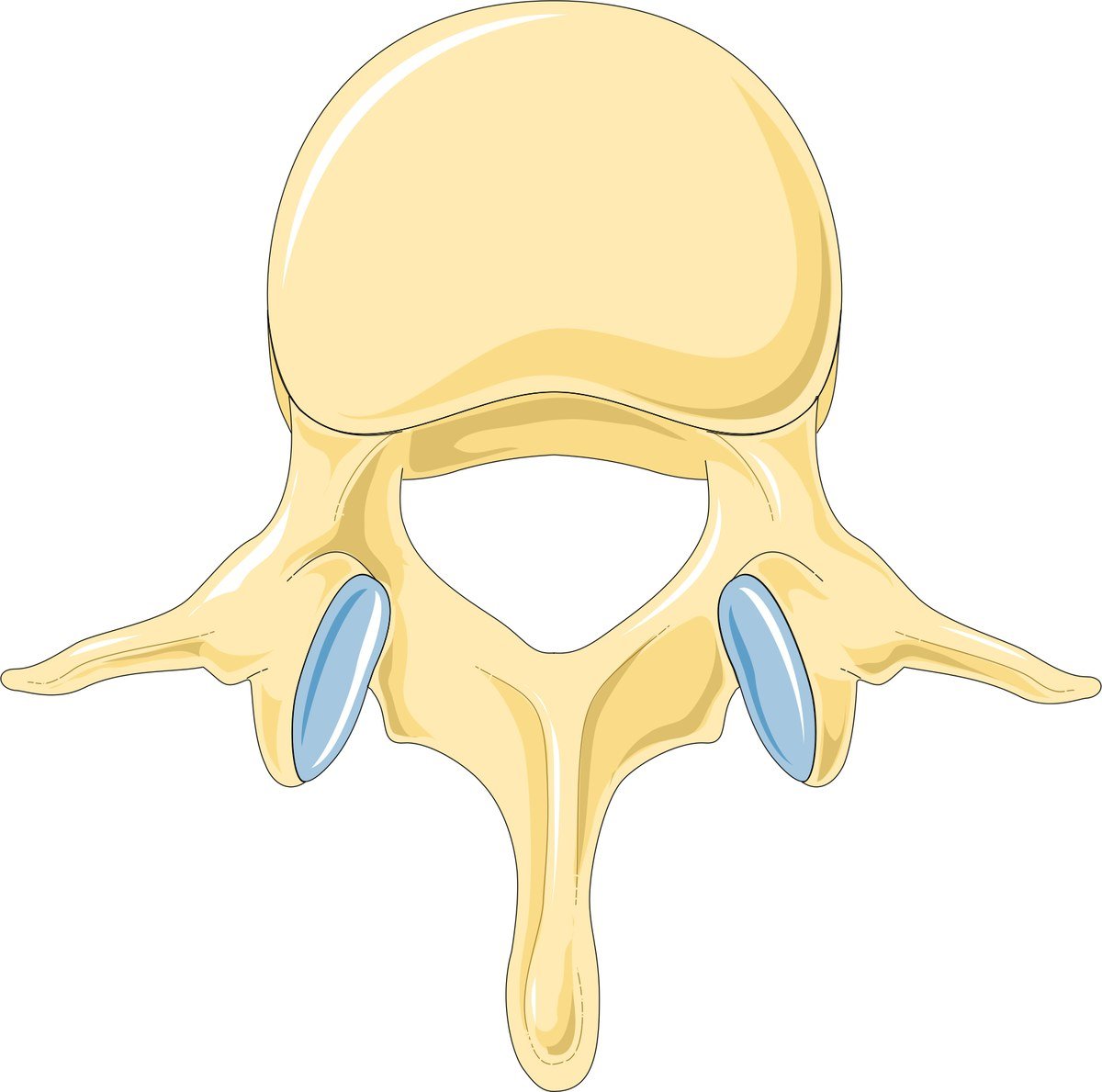
That is why an l4 l5 disc problem is the most common reason people in Pakistan end up with kamar dard that runs down into the leg. L5-S1, one level lower, is almost as common. Together these two levels account for most of the disc problems a spine surgeon sees.
Is an L4-L5 or L5-S1 disc problem dangerous? Will I be paralysed?
For almost everyone, no. A disc problem at these levels usually pinches one nerve root on one side, which causes pain, numbness, or weakness in one leg, not paralysis of the whole body. Real paralysis from a slipped disc is rare.
There is one situation that is a genuine emergency: if you lose control of your bladder or bowel, or you feel numbness around the groin and inner thighs (saddle area), or both legs suddenly go weak, go to a hospital emergency department the same day. This is called cauda equina syndrome, and it needs surgery within hours to protect nerve function. Outside of this pattern, an L4-L5 or L5-S1 disc problem is painful and frightening, but it is not something that quietly turns into paralysis if you take a few weeks to decide on treatment.
What is a slip disc (apa itu slip disc) and how do I know I have one?
A slip disc, medically a disc herniation or disc bulge, is when the soft cushion between two spine bones pushes out of place and presses on a nearby nerve. It does not slip out of the spine the way the name suggests; the outer wall of the disc tears a little and the inner gel bulges through it.
The classic pattern is kamar dard that spreads into one leg, often below the knee, sometimes down to the foot or toes. This leg pain (sciatica) is often worse than the back pain itself. An L5-S1 problem tends to affect the outer foot and calf and can dull the ankle reflex. An L4-L5 problem tends to affect the top of the foot and big toe, and can weaken the muscle that lifts the foot upward. Your surgeon uses this pattern, plus an MRI, to work out which level and which side is affected.
Tingling, pins and needles, and a leg that tires quickly on walking are common. Fever, unexplained weight loss, or pain that is completely unaffected by position are not typical of a disc problem and should be checked separately.

Do I need surgery for an L4-L5 or L5-S1 disc problem?
Most people do not. The majority of disc problems at these levels settle down with rest from aggravating activity, physiotherapy, anti-inflammatory medicine, and time, usually over some weeks. The body can also reabsorb part of a herniated disc on its own.
Surgery is usually considered when:
- Leg pain or numbness has not meaningfully improved after a proper trial of conservative treatment, generally six to eight weeks
- There is measurable weakness in the leg or foot, not just pain
- The pain is severe enough to stop you from working, sleeping, or walking, and nothing else is helping
- The red-flag pattern above (bladder, bowel, saddle numbness) is present, which needs urgent surgery, not a trial period
If none of these apply, it is reasonable, and often correct, to keep treating it without an operation.
Slip disc ka permanent ilaj: is there a cure without surgery?
There is no herbal oil, massage, or spiritual remedy that shrinks a herniated disc back into place. What actually helps a disc heal on its own is time, controlled movement through physiotherapy, and avoiding positions that keep irritating the nerve.
Many patients in Faisalabad try a hakeem, home massage, or programs promoted online, including baba ramdev style yoga, before seeing a surgeon. Gentle yoga and stretching can genuinely help some mild cases as part of physiotherapy. The problem is delay: weeks spent on remedies that are not working, while a nerve stays compressed, can let temporary weakness become permanent. If pain and numbness are not improving after a few weeks of real rest and physiotherapy, or if weakness is present from the start, see a spine specialist rather than extending a home trial further.
What is endoscopic discectomy and how does it treat L4-L5 or L5-S1 problems?
Endoscopic discectomy is keyhole spine surgery. A narrow tube, less than a centimetre wide, is guided to the exact spot in the disc that is pressing on the nerve, using a camera and X-ray guidance. The surgeon removes only the fragment of disc causing the compression and leaves the rest of the disc, the surrounding muscle, and the bone largely undisturbed.
Because the incision is small and the muscle is not cut or stripped away as in open surgery, it is often done under local anaesthesia with sedation, and many patients go home the same day or the next. Microdiscectomy, a slightly larger keyhole operation done through a small tube and a microscope, is the other option and is sometimes preferred depending on the exact shape and location of the herniation. Your surgeon will tell you which one fits your MRI.
What happens if I ignore the pain or wait too long?
For most disc problems, a few weeks of proper treatment is safe. Nerves tolerate short-term pressure without lasting damage in the majority of cases. But that safety margin is not unlimited.
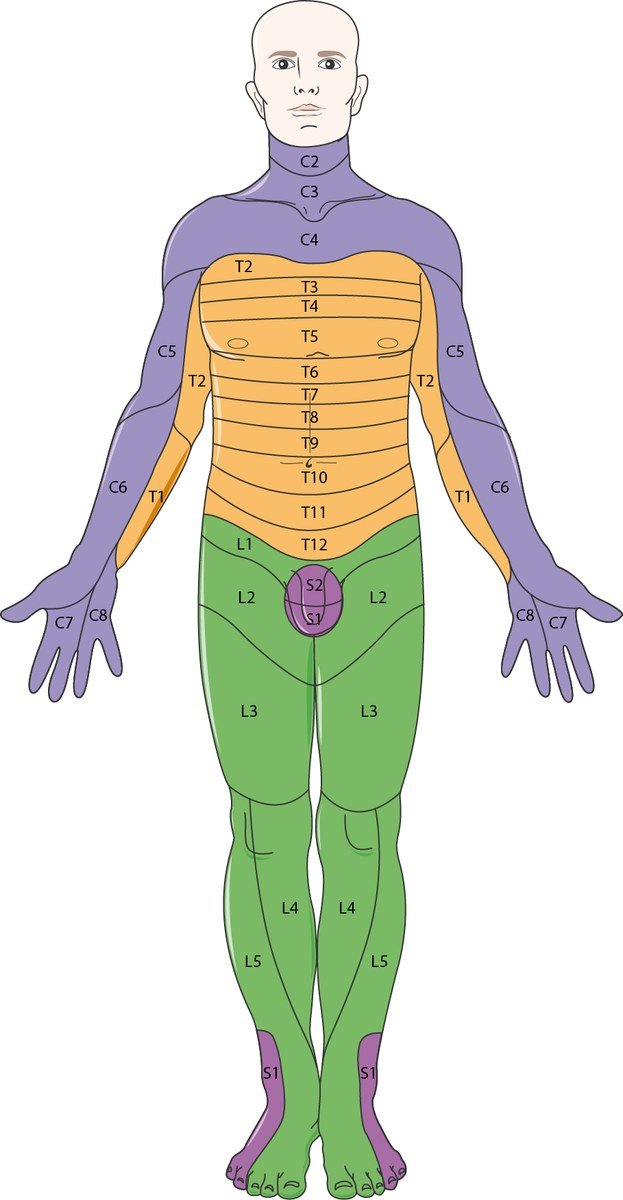
Watch for a foot that starts dragging or a weak grip when trying to stand on your toes or heel, since this points to ongoing nerve damage rather than just pain. Treat the red-flag pattern, bladder or bowel changes with saddle numbness, as a same-day emergency regardless of how long you have already been waiting. Outside these signs, taking time to get a proper opinion, rather than rushing into surgery out of fear, is a reasonable and common approach.
How much does L4-L5 or slip disc surgery cost in Pakistan?
Cost depends on the hospital, the technique (endoscopic, microdiscectomy, or open), the length of stay, and whether any implant is needed. There is no single fixed figure across Punjab, and prices vary between hospitals in Faisalabad, Lahore, and elsewhere.
Before agreeing to surgery, ask the hospital for a written quote that itemises the surgeon's fee, hospital stay and room charges, operating theatre and anaesthesia charges, and any implant cost separately. This lets you compare across hospitals and avoid surprises on discharge day, and it is a normal, expected request that any reputable hospital will provide.
What should I do next?
Start with an MRI of the lumbar spine if you have not already had one, and get a clear opinion on which level, L4-L5, L5-S1, or both, is involved and whether it fits a surgical or non-surgical picture. Bring a family member to the consultation; these decisions are usually made together in Pakistani households, and a second set of ears helps.
Ask directly whether surgery is actually necessary, or whether a further trial of physiotherapy and medicine is reasonable first. If you are searching for the best endoscopic spine surgeon in Faisalabad for an L4-L5 or L5-S1 problem, look for a consultant neurosurgeon with specific experience in endoscopic technique, not just general spine surgery. Dr. M. Abdur Rehman practises as a consultant neurosurgeon and spine surgeon at Mujahid Hospital, Faisalabad, with endoscopic spine surgery as his main procedure. Bring your MRI to the first visit and ask for a written treatment plan before deciding anything.
Lumbar spine surgery in Faisalabad Read the full page on lumbar spine surgery in faisalabad, including who it suits, what recovery looks like and how to arrange a review.
Questions patients ask about this
Slip disc ka ilaj kaise hota hai?
Treatment usually starts with rest from aggravating activity, physiotherapy, and anti-inflammatory medicine for several weeks. If leg pain, numbness, or weakness does not improve, or if there is significant weakness from the start, a spine surgeon may recommend endoscopic discectomy or microdiscectomy to remove the part of the disc pressing on the nerve.
Does baba ramdev's yoga or a hakeem's ilaj cure a slip disc?
No remedy, herbal or spiritual, shrinks a herniated disc directly. Gentle yoga and stretching can help as part of physiotherapy in mild cases, but relying on these alone while symptoms worsen can delay proper treatment and let nerve damage become harder to reverse. If pain or numbness persists past a few weeks, see a spine specialist.
What is the difference between an L4-L5 and L5-S1 disc problem?
Both cause kamar dard with leg pain, but the pattern differs. L4-L5 typically affects the top of the foot and big toe and can weaken the muscle that lifts the foot. L5-S1 typically affects the outer foot and calf and can dull the ankle reflex. An MRI confirms exactly which level and nerve root is involved.
How much does slip disc surgery cost in Pakistan?
Cost varies by hospital, technique, and length of stay, and there is no single fixed price across Punjab. Ask the hospital for a written quote that separately lists the surgeon's fee, hospital stay, theatre charges, and any implant cost, so you can compare hospitals before deciding.
Can an L4-L5 disc problem heal without surgery?
Yes, in most people it does. The body can reabsorb part of a herniated disc over weeks, and pain and numbness often settle with rest, physiotherapy, and medicine. Surgery becomes the better option when symptoms do not improve after a proper trial of conservative treatment, or when there is significant weakness.
Related articles
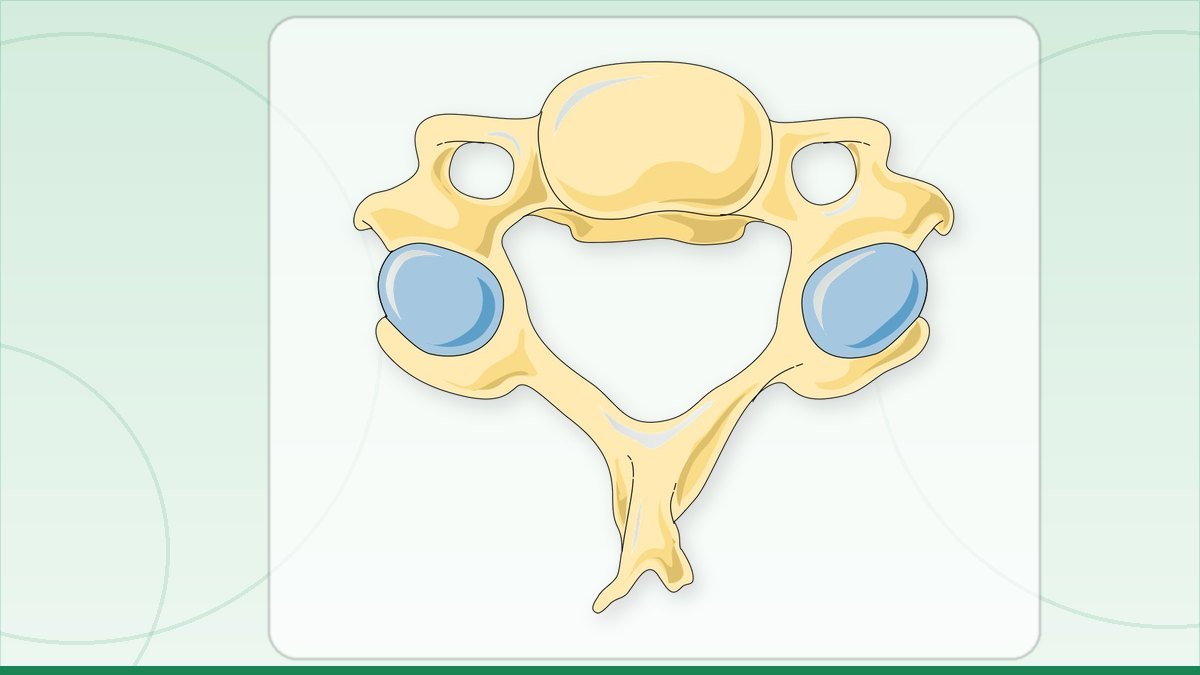
Cervical spine: neck pain, arm pain and the nerves in between
Neck pain, arm pain, or numbness? Learn what causes cervical spine problems, when cervical spine treatment…
Read this
Neck disc surgery: what is removed and what replaces it
Cervical disc surgery explained: what's removed, what replaces it, whether you need it, safety, recovery and…
Read this
Thoracic spine: the mid-back problems that get missed
Thoracic spine pain in the mid-back is often missed. Learn the real causes, red flags, and when surgery is…
Read thisAll patient questions · Spine surgery in Faisalabad · Book an appointment
Ask about your own scan. Send your MRI or X-ray on WhatsApp and get a straight answer on whether surgery is needed at all, from a consultant neurosurgeon in Faisalabad.
Dr. M. Abdur Rehman is a consultant neurosurgeon in Faisalabad. Send your scan on WhatsApp and ask what it actually shows.
Published for the practice of Dr. M. Abdur Rehman, consultant neurosurgeon, Mujahid Hospital, Faisalabad. General information only, not a substitute for examination.