
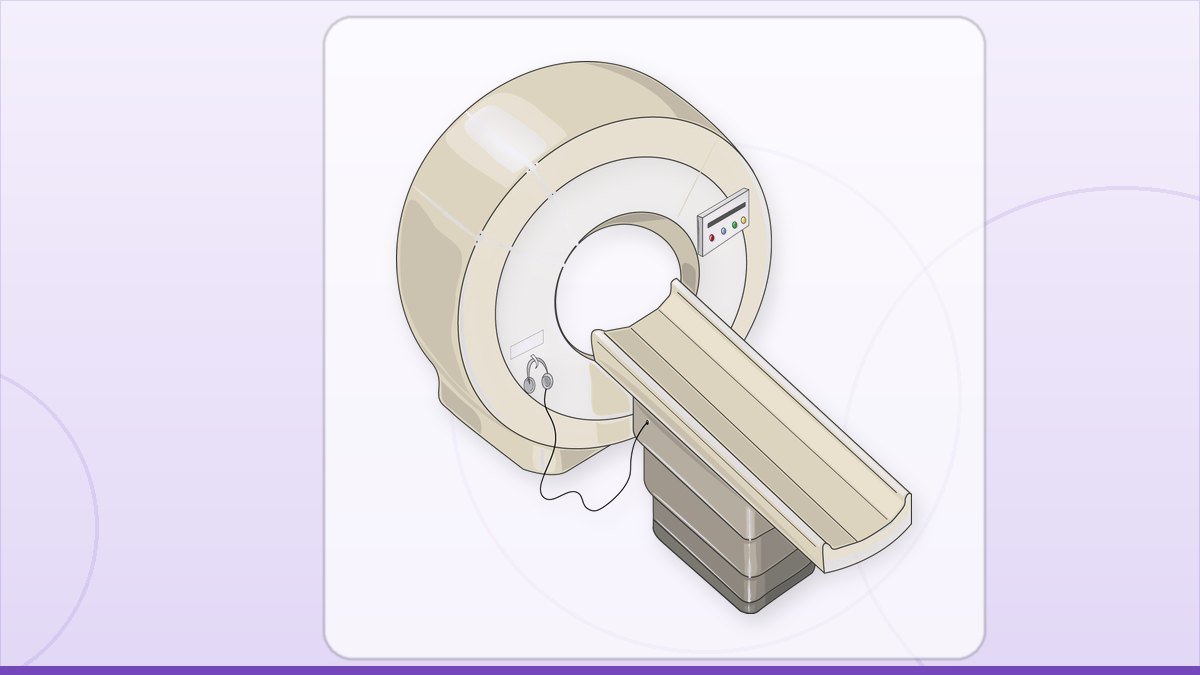
Most spine implants used today, screws, rods, cages, are titanium, which is MRI-safe and rarely triggers airport metal detectors. After endoscopic spine surgery no implant is left at all in most cases. If fusion hardware was placed, carry a discharge summary; scanners occasionally flag it and staff can pat you down.
Will I have metal left in my back after spine surgery?
It depends on which operation you have. Endoscopic discectomy and microdiscectomy for a slipped disc (herniated disc) usually leave no metal behind at all. Spinal fusion, done when a spine segment is unstable, uses titanium screws, rods, and sometimes a cage, and this hardware normally stays in place for life.
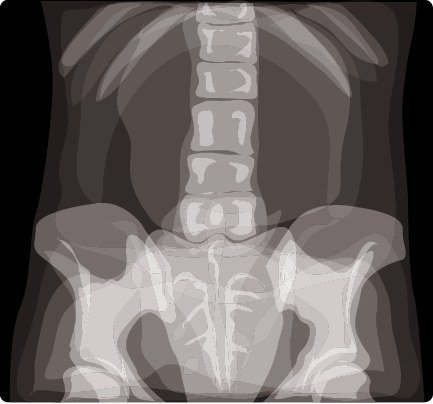
In endoscopic surgery, the surgeon removes only the piece of disc material pressing on the nerve, working through a tube about the width of a pencil. Nothing is implanted, because nothing needs to be held together; the disc itself is not replaced.
Fusion is a different operation, used for problems like spondylolisthesis (one vertebra slipping forward on another), significant spinal instability, or when a disc has to be removed along with the bone around it. Most people who come in with kamar dard or taang mein dard from a slipped disc do not need fusion. It is reserved for a smaller group of patients where decompression alone will not make the spine stable.
Can the screws or rods move, break, or cause paralysis?
Properly placed titanium screws and rods are strong, and permanent paralysis from spine implant surgery is rare. Most complications related to hardware are minor, such as local irritation, not loss of movement.
Once fusion hardware is placed, bone grows around the screws over the following months and locks the segment in place. Until that happens, the metal itself is doing the work of holding the spine still. Loosening or breaking of hardware is uncommon, and is more likely in people with weak or osteoporotic bone, in smokers, or when a fusion is not given enough time to heal before returning to heavy activity.
The fear of paralysis is understandable, especially when a family is deciding together whether to go ahead with surgery. Spinal nerves sit close to any implant, so every fusion carries some risk to the nerves, and this should be explained clearly before you consent. Endoscopic and microdiscectomy surgery, which do not usually involve implants at all, carry a lower overall risk profile because less of the spine is disturbed.
Is it safe to get an MRI scan with spinal implants?
Yes. The titanium and titanium-alloy implants used in spine surgery today are MRI-safe. They do not heat up, move, or get pulled by the magnet inside the scanner.
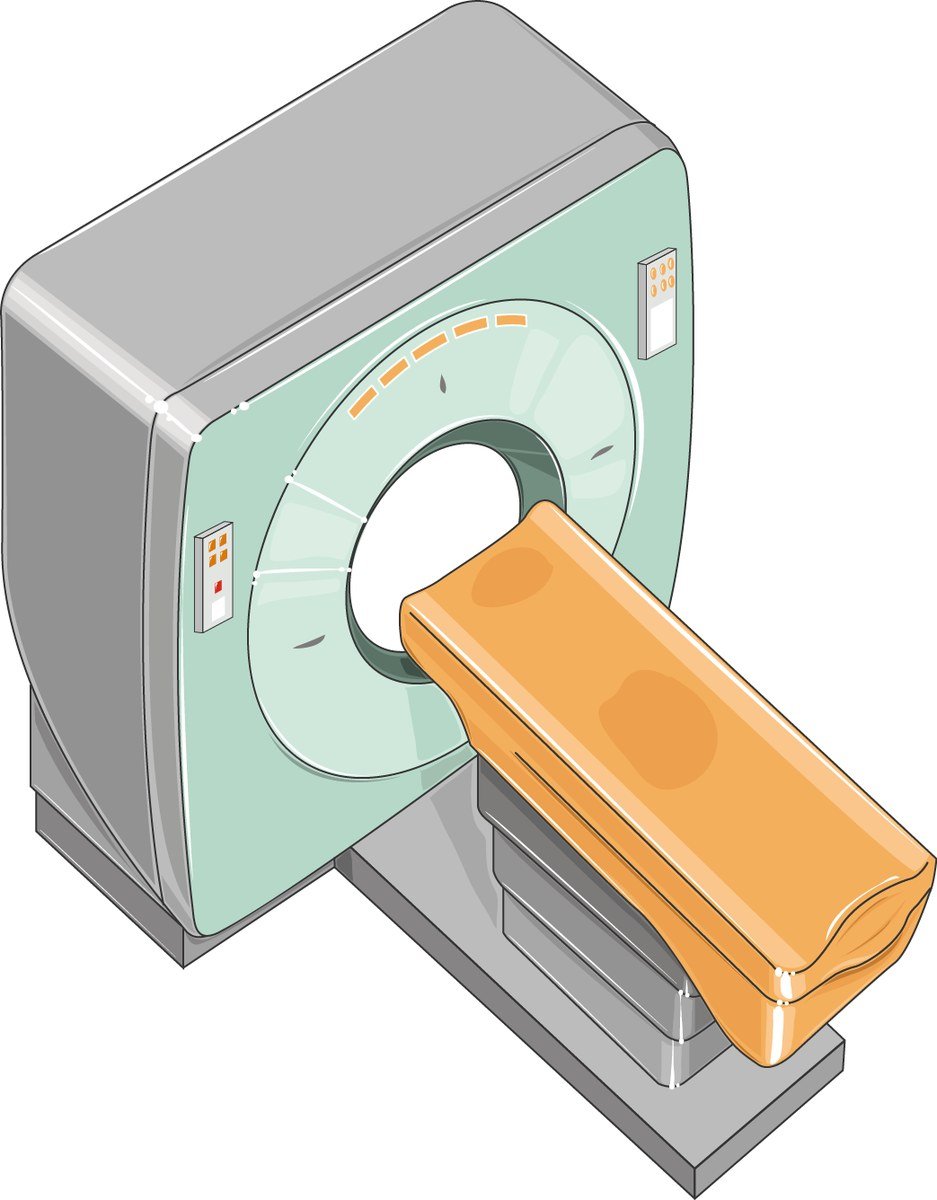
Older implant materials, such as certain stainless steel devices used decades ago, could sometimes interact with strong magnetic fields. Modern spinal screws, rods, and cages are almost always titanium, precisely because it is non-magnetic and MRI-compatible.
Even so, always tell the radiology staff that you have spinal implants before an MRI, and bring your discharge summary or implant card if you have one. The scan will still work, though you may see a small area of blurring, called artifact, directly around the metal.
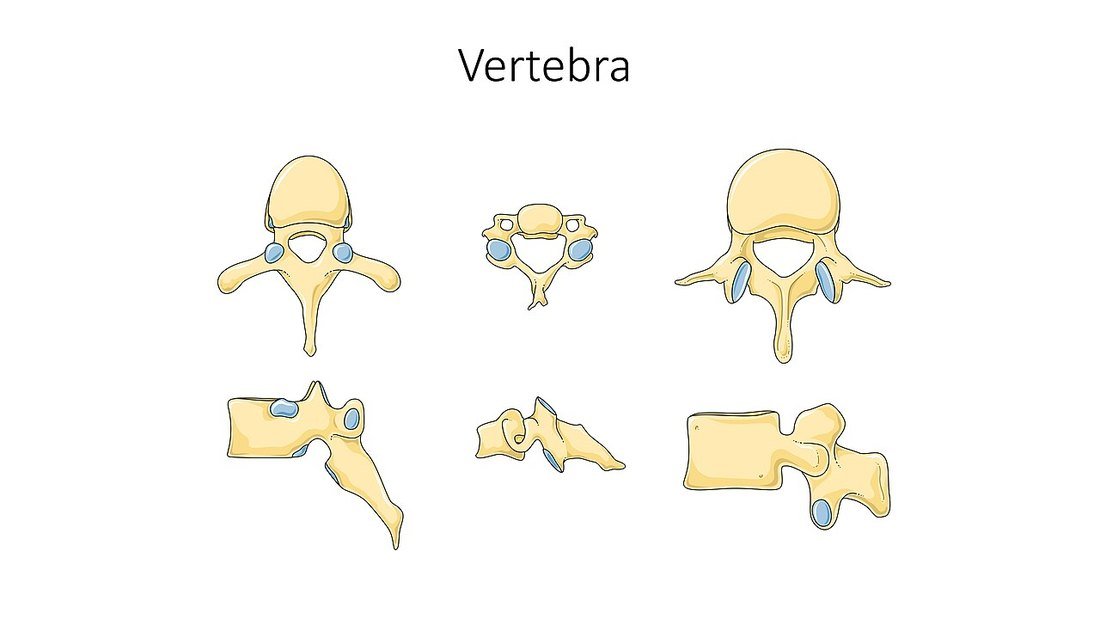
Will spine implants set off the metal detector at the airport?
Usually not. The amount of titanium in spinal screws and rods is small, and most walk-through metal detectors will not react to it.
Occasionally a scanner does flag it, particularly with multi-level fusion hardware or at more sensitive checkpoints. If that happens, tell the staff you have had spine surgery, and show your discharge letter if you are carrying it. You will likely be asked for a quick pat-down, and then you can continue. It is a minor inconvenience, not a medical risk.
How much does spinal fusion or endoscopic surgery cost in Pakistan?
Endoscopic discectomy, microdiscectomy, and spinal fusion are priced differently because they use different amounts of equipment, operating time, and hospital stay. As a rule, endoscopic surgery is a day-case or overnight procedure with no implant cost, while fusion involves the price of the screws, rods, and sometimes a cage, plus a longer hospital stay.
Costs across hospitals in Punjab vary with the surgeon, the hospital, the implant brand used, and whether one spinal level or several are involved. Rather than rely on a figure you find online, ask the hospital for a written quote in PKR that itemises the surgeon's fee, hospital stay, implant cost if any, and anaesthesia, before you decide.
Numbers found under searches for laser spine surgery cost often do not match what is actually offered in Pakistan, because the phrase itself is used loosely, see below. Compare written quotes for the actual procedure your surgeon recommends, not for a marketing term.
Is laser spine surgery the same as endoscopic surgery, and is it effective?
Not quite. Laser spine surgery is largely a marketing phrase. No mainstream spine operation is performed using a laser alone to remove a disc; the minimally invasive technique used by most spine surgeons, including for a slipped disc, is endoscopic spine surgery, done with a small camera and fine instruments through a narrow tube.
Some endoscopic setups use a laser as one tool among several, mainly to shrink or seal tissue, but the operation relies on direct visualisation and mechanical removal of the disc fragment, not on the laser doing the work by itself. Effectiveness comes from correctly identifying and removing the piece of disc pressing on the nerve, whichever instruments are used to do it.
If you are comparing options, ask directly what technique is being offered, endoscopic, microdiscectomy, or open surgery, rather than going by the word laser in an advert.
Do I need to travel abroad, like Egypt, for spine surgery?
Wondering whether spine surgery is actually cheaper abroad, in Egypt, Turkey or Dubai? What the advertised price usually leaves out, and the one question that matters more than the airfare, has its own page: Travelling abroad for spine surgery: is it actually cheaper?
How do I know if I actually need surgery, or can kamar dard be treated without one?
Most back pain, and even most cases of a slipped disc, do not need surgery. Rest, physiotherapy, anti-inflammatory medicine, and sometimes an injection settle the majority of cases within a few weeks.
Many patients try a hakeem, massage, or heat therapy first, and for ordinary kamar dard without leg pain or weakness, that is a reasonable place to start, alongside seeing a doctor to rule out anything serious. Surgery is usually considered when leg pain, sciatica, has not improved after several weeks of proper conservative treatment, when there is muscle weakness or numbness that is getting worse, or when pain is severe enough to stop you from working or sleeping.
A small number of presentations are emergencies and should not wait: sudden loss of bladder or bowel control, numbness in the saddle area, or rapidly worsening weakness in both legs. These need same-day assessment, not a trial of rest at home.
What should I do next if I have back or leg pain?
Start with a clear MRI and an honest conversation about whether your case needs surgery at all. If it does, ask exactly which operation is being recommended, endoscopic, microdiscectomy, or fusion, and why, and get a written quote before you commit.
Bring your MRI films or disc, not just the report, to your first consultation. If surgery is recommended, ask what will and will not be left inside your spine, and whether any MRI or travel precautions apply afterward.
Dr. M. Abdur Rehman, a consultant neurosurgeon and spine surgeon at Mujahid Hospital, Faisalabad, sees patients for exactly this decision, whether endoscopic surgery, microdiscectomy, or fusion is the right course, and for many families searching for the best endoscopic spine surgeon in Faisalabad, that honest first conversation is the most useful next step.
Spinal fusion surgery in Faisalabad Read the full page on spinal fusion surgery in faisalabad, including who it suits, what recovery looks like and how to arrange a review.
Questions patients ask about this
Do all spine surgeries leave implants in the body?
No. Most endoscopic discectomies and microdiscectomies remove only disc material and leave no hardware behind. Implants like screws and rods are mainly used for spinal fusion, when the spine needs to be stabilised, not for a simple slipped disc.
How long do spinal implants last once placed?
Titanium screws and rods used in fusion are designed to stay for life once bone has fused around them. They are not usually removed unless there is infection, persistent irritation, or a specific problem with the hardware.
Is laser spine surgery better than endoscopic surgery?
Not exactly. Laser spine surgery is largely a marketing phrase. The actual minimally invasive technique used by most spine surgeons, including for a slipped disc, is endoscopic surgery, performed with a camera and fine instruments, not a laser alone.
Can I go through airport security after spine surgery?
Yes. Titanium implants rarely trigger detectors, and even if one does, explaining you have had spine surgery and showing your discharge summary or implant card usually resolves it within a minute or two.
Do I need to travel abroad, such as to Egypt, for spine surgery?
Not necessarily. Endoscopic and fusion spine surgery are both available within Punjab. Travelling abroad adds cost, language difficulties, and harder follow-up, so it is worth getting a written quote locally first.
Related articles
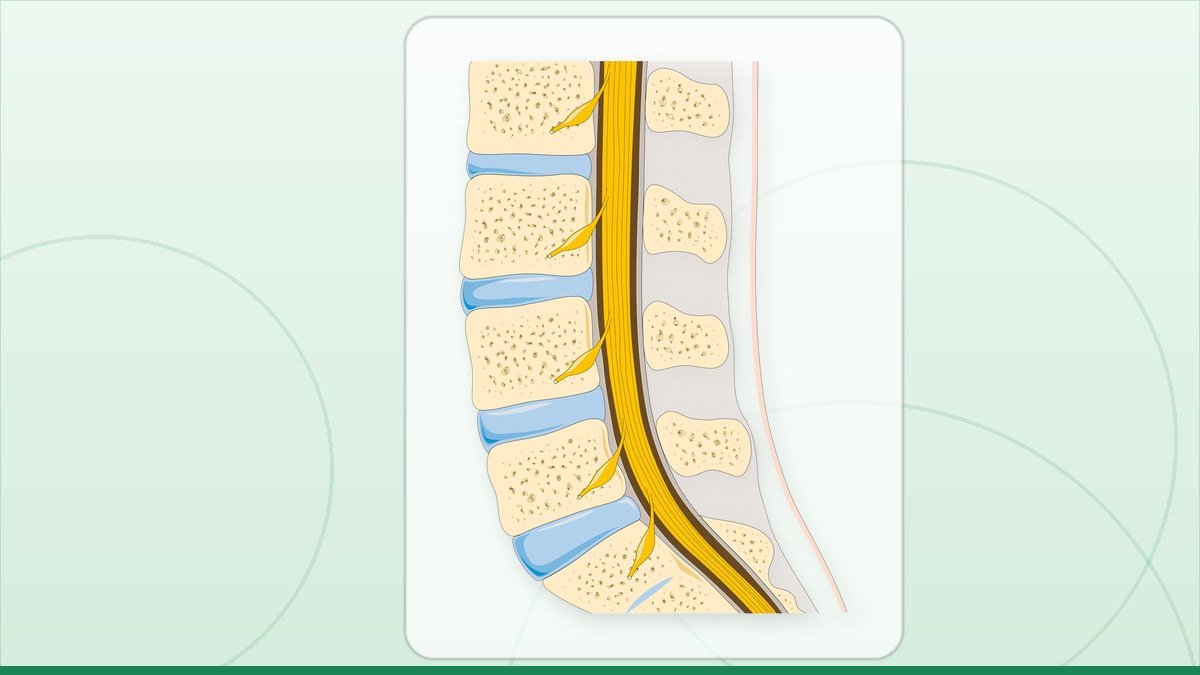
Lumbar spine: the five discs that cause most back pain
Most lumbar spine problems start at the L4-L5 or L5-S1 disc. Learn the causes, when surgery is needed, and…
Read this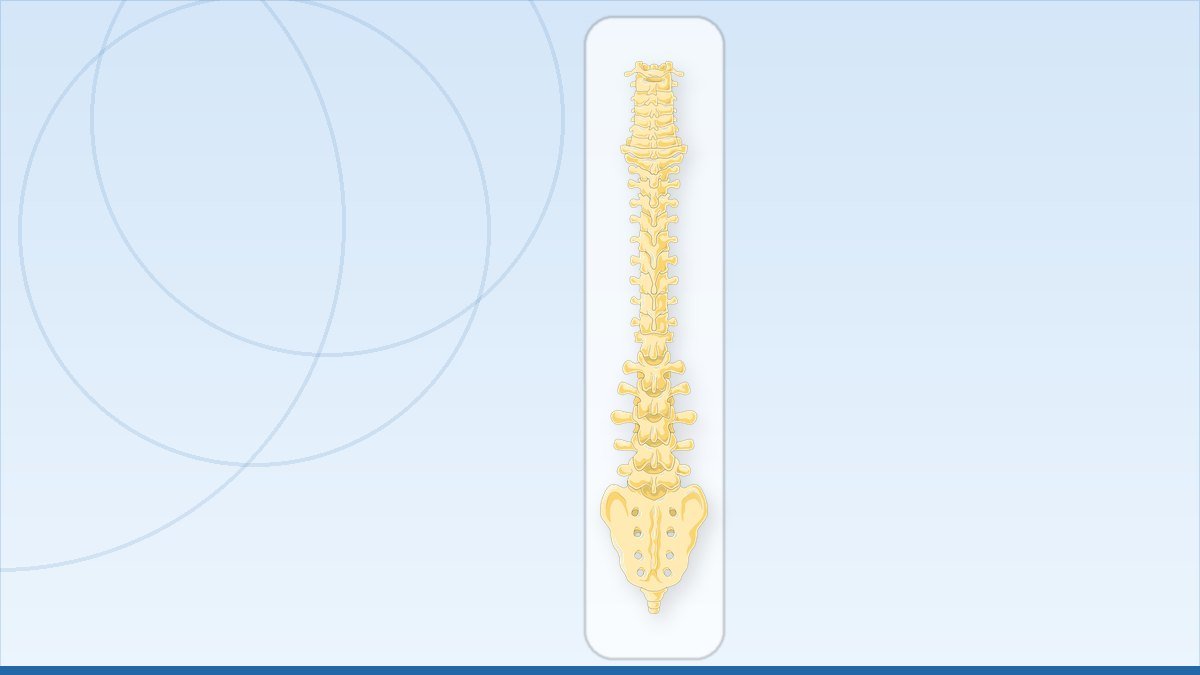
L4-L5 and L5-S1: why these two levels break first
Why do L4-L5 and L5-S1 break first? What an l4 l5 disc problem means, whether you need surgery, and how…
Read this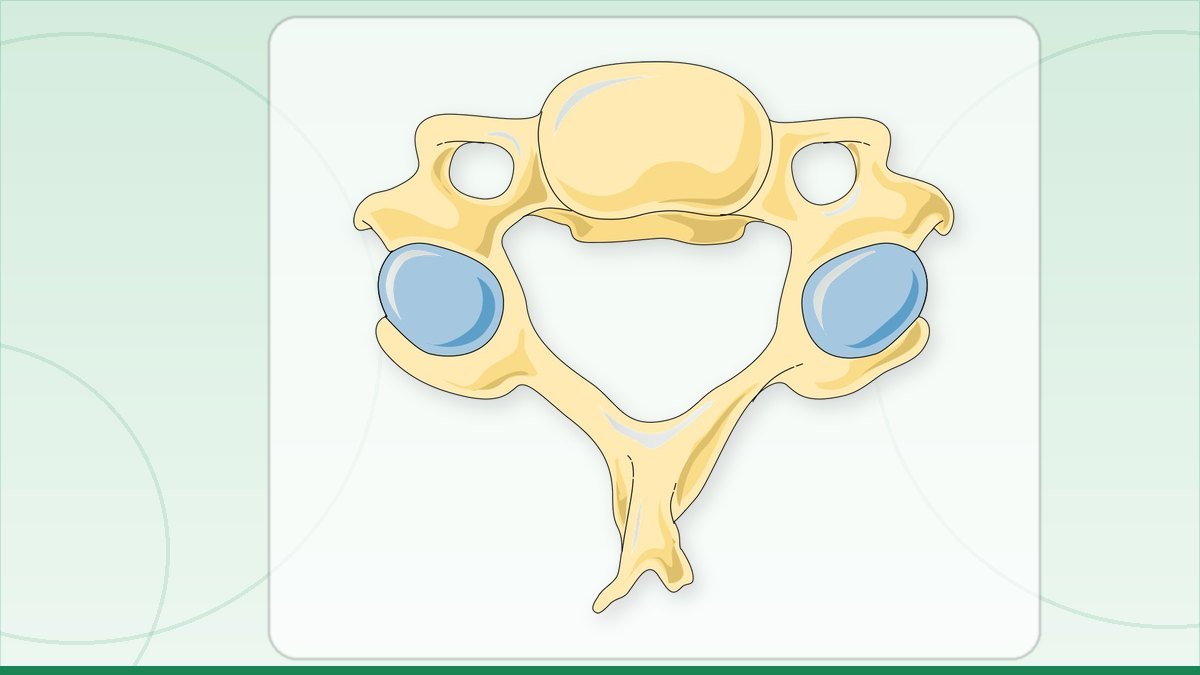
Cervical spine: neck pain, arm pain and the nerves in between
Neck pain, arm pain, or numbness? Learn what causes cervical spine problems, when cervical spine treatment…
Read thisAll patient questions · Spine surgery in Faisalabad · Book an appointment
Ask about your own scan. Send your MRI or X-ray on WhatsApp and get a straight answer on whether surgery is needed at all, from a consultant neurosurgeon in Faisalabad.
Dr. M. Abdur Rehman is a consultant neurosurgeon in Faisalabad. Send your scan on WhatsApp and ask what it actually shows.
Published for the practice of Dr. M. Abdur Rehman, consultant neurosurgeon, Mujahid Hospital, Faisalabad. General information only, not a substitute for examination.