

Spinal fusion recovery is longer than a straightforward disc operation, because two vertebrae are healing together, not just a nerve being freed. What matters most before you agree to it: understanding what the consent form actually covers, knowing whether a second opinion changes the plan, and knowing what recovery genuinely looks like week by week.
What this page covers: what the operation is and the conditions that genuinely need it.
For the rest:
What is spinal fusion, and what does it actually do?
This is answered in full on what spinal fusion is and what the screws and rods do, so it is not repeated here.
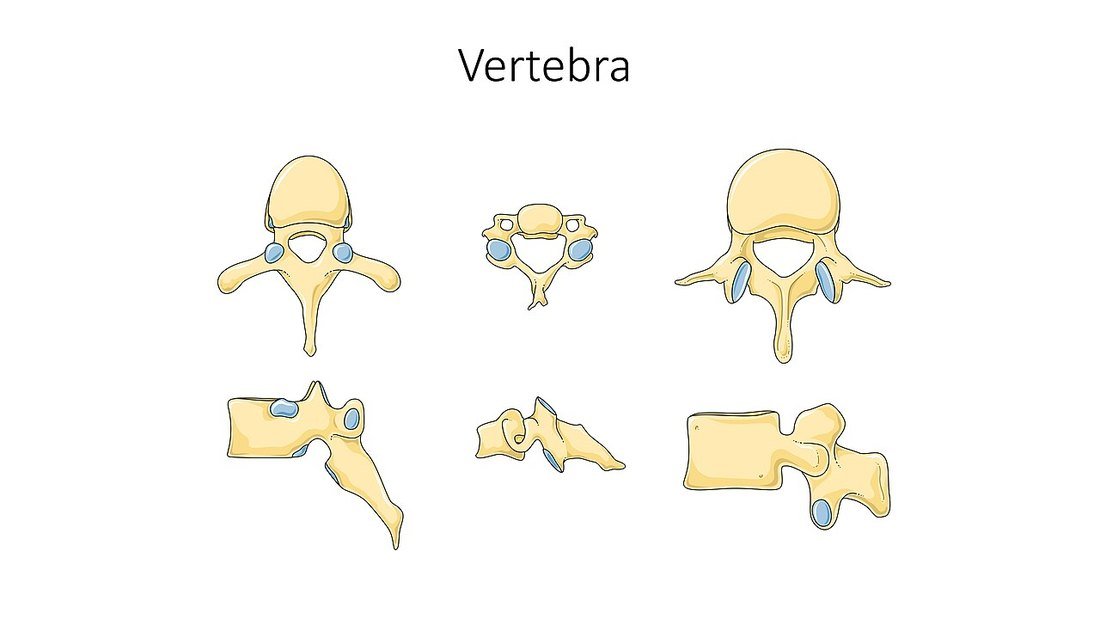
Is spinal fusion dangerous? Will I be paralysed?
This is answered in full on whether spinal fusion is dangerous, so it is not repeated here.
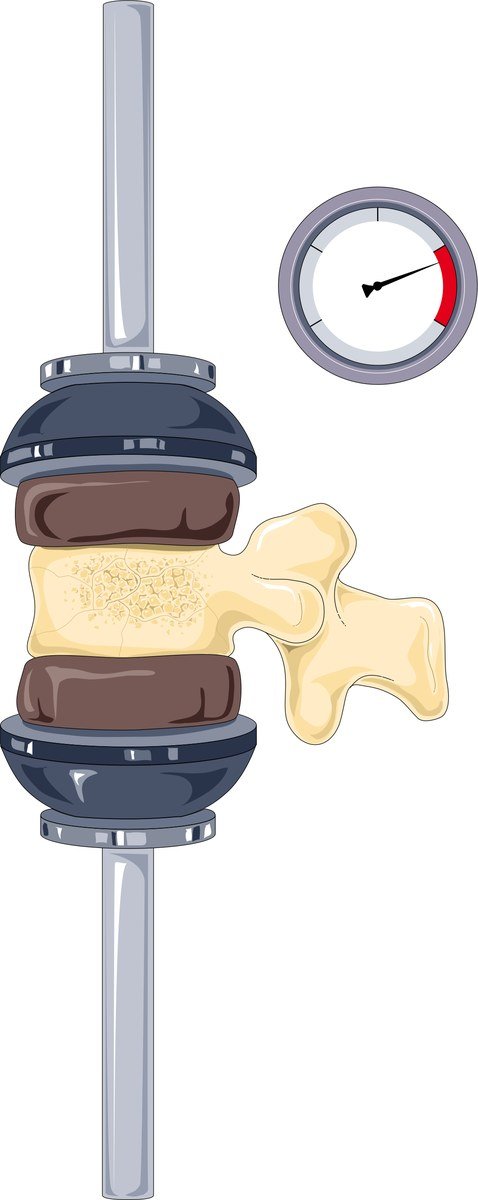
When is spinal fusion really needed?
This is answered in full on when fusion is genuinely needed, so it is not repeated here.
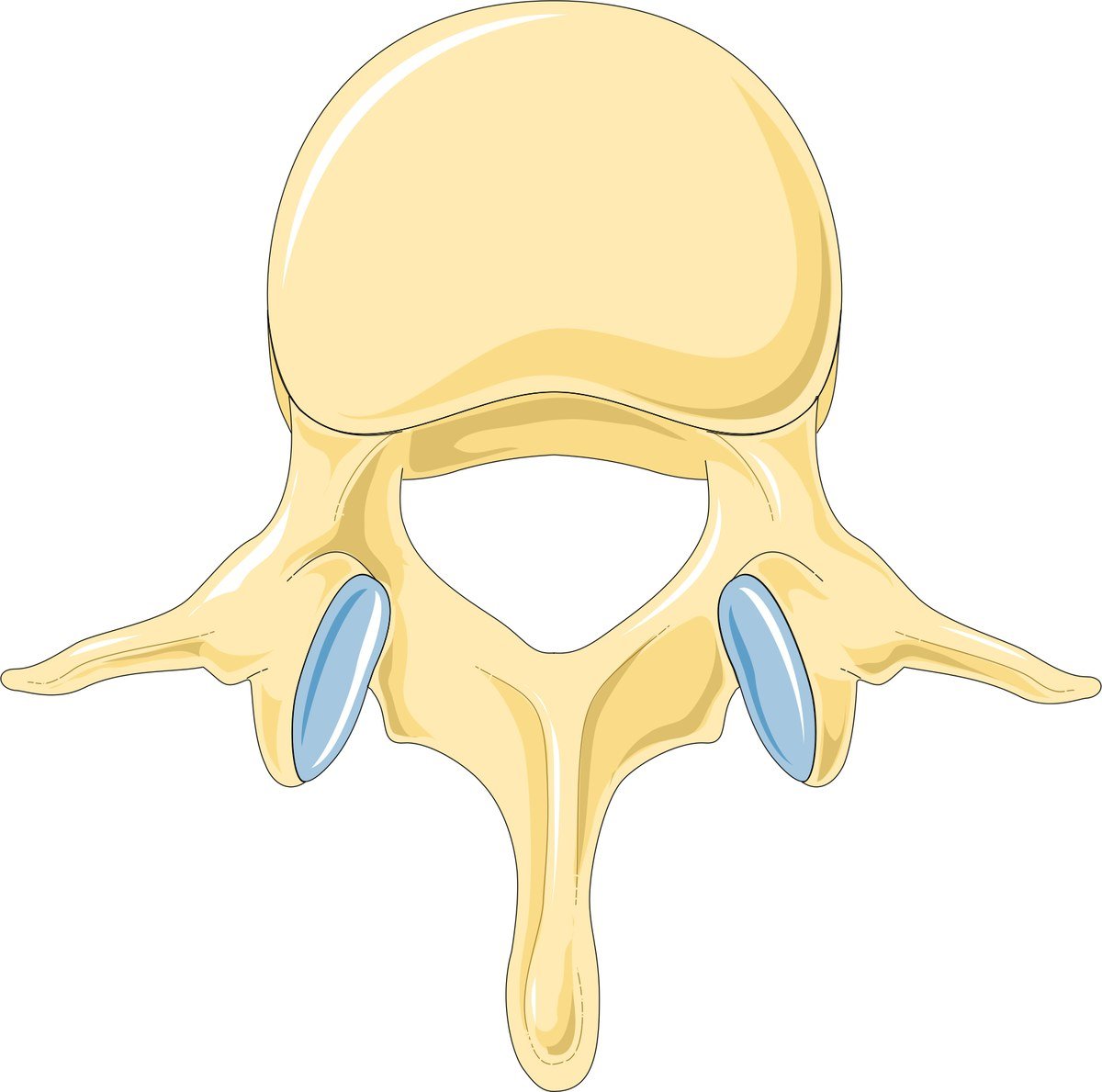
When is fusion not needed, and who is being over-treated?
This is answered in full on what delaying fusion actually risks, so it is not repeated here.
Fusion or discectomy: which one do I actually need?
They solve different problems. A discectomy removes the piece of disc that is pressing on the nerve and leaves the joint able to move. A fusion locks the joint. If your problem is a nerve being squeezed by a disc fragment, the first one is usually enough.
For a straightforward disc prolapse with leg pain that has not settled with medicine and physiotherapy, the options are:
- Endoscopic spine surgery: the disc fragment is removed through a small tube using a camera, with a very small skin cut, minimal muscle damage and usually a same-day or next-day discharge. No screws, no fusion, the level keeps moving.
- Microdiscectomy: a small open cut under a microscope. Also motion preserving, a very well established operation, with a short hospital stay.
Fusion enters the conversation only when the level is unstable, when the vertebra has slipped, when a large amount of bone must be removed, or when the same disc has failed repeatedly and the segment is now loose. It is a bigger operation with a longer recovery and higher cost, so it should be justified by a specific finding on your films, not by the severity of your pain.
A fair question to ask your surgeon: show me on my MRI or X-ray exactly what is unstable. If the answer is vague, keep asking.
How long is recovery after spinal fusion?
Expect a few days in hospital and several months before the bone is truly solid. Walking usually starts within a day or two with help, and most patients go home within two to four days if there are no complications.
A realistic timeline, keeping in mind that it varies with your age, your health and how many levels were fused:
- First two weeks: short, frequent walks. Wound care. Pain controlled with tablets. No bending, lifting or twisting.
- Two to six weeks: walking distance increases. A brace may be advised for some patients. Light household activity resumes.
- Six weeks to three months: desk work, teaching and light shop work are often possible. Structured physiotherapy usually begins in this window.
- Three to six months: heavier work, farm work, long driving and load carrying, once your surgeon is satisfied with the follow-up X-rays.
- Six to twelve months: the fusion continues to mature and consolidate.
Two things you control matter more than anything the surgeon does afterwards. Smoking and naswar significantly reduce the chance of bone fusing, so stopping is not optional advice. Uncontrolled sugar raises infection risk and slows healing, so bring your HbA1c down before surgery if the operation can wait.
Also plan the practical side early. Who will help at home for the first two weeks, who will take you for follow-up, and can your bed and bathroom be managed without deep bending.
What does spinal fusion cost in Pakistan?
This is answered in full on What a spinal fusion quote in Pakistan should actually include, so it is not repeated here.
What should I ask before I sign the consent form?
Ask questions that force a specific answer about your spine, not general reassurance. A surgeon who is confident in the plan will not mind being questioned, and the family should hear the answers together.
Take this list with you:
- What exactly is unstable, and which film shows it? Can you point to it?
- Have flexion and extension X-rays been done, or only an MRI lying down?
- Can decompression alone fix my problem without fusion?
- Is endoscopic spine surgery or microdiscectomy an option in my case?
- How many levels are you fusing, and why that number?
- What happens if I wait three to six months and try physiotherapy properly?
- What is the plan if the bone does not fuse?
- What will my leg pain and my back pain each look like after surgery? These often improve differently.
- Who will supervise my physiotherapy, and when does it start?
If the answer to the first question is only that your MRI shows degeneration, that is not instability. Pause and take another opinion.
Getting a second opinion in Faisalabad
A second opinion on fusion is normal, not an insult. It is a permanent operation with a permanent implant, and you are entitled to be sure before you agree.
Bring the actual films, not only the typed report. Carry your MRI on CD or on plates, any X-rays including standing and bending views, a list of the medicines you have taken and for how long, your sugar and blood pressure records, and one family member who will remember what was said. If you have been to a hakeem or had manipulation done, mention it plainly. Nobody will scold you, and it is useful history.
When you search for the best endoscopic spine surgeon in Faisalabad, judge the consultation rather than the title. The right sign is a doctor who examines your legs, tests your power and reflexes, looks at your films with you, and is willing to say you do not need surgery when you do not.
Dr M. Abdur Rehman is a consultant neurosurgeon practising at Mujahid Hospital, Faisalabad, with a focus on endoscopic spine surgery and microdiscectomy for disc problems, and fusion reserved for spines that are genuinely unstable. If your films show a stable disc prolapse, you will be told that, and treated the smaller way.
Spinal fusion surgery in Faisalabad Read the full page on spinal fusion surgery in faisalabad, including who it suits, what recovery looks like and how to arrange a review.
Questions patients ask about this
Is spinal fusion a major operation?
Yes. It is bigger than a discectomy. It usually needs general anaesthesia, screws and bone graft, a few days in hospital, and months before the bone fully sets. That is exactly why it should only be done when there is instability, deformity, fracture, infection or a tumour, and not for ordinary back pain.
Can a slip disc be treated without fusion?
In most cases, yes. A simple disc prolapse pressing on a nerve is usually treated with rest, medicine and physiotherapy first, and if that fails, with endoscopic spine surgery or microdiscectomy. Both remove only the fragment pressing on the nerve and keep the joint moving. Fusion is added only when the level is unstable.
How long before I can go back to work after fusion?
It depends on your job. Desk work, teaching and shop counter work often restart around four to six weeks, sometimes with restrictions. Heavy lifting, farm work, driving a rickshaw all day or carrying loads usually waits three to six months, until your surgeon confirms on X-ray that the bone is healing.
Will the screws have to be removed later?
Usually not. Titanium implants are designed to stay in the body for life and most patients never have them taken out. They do not set off problems in daily life and they do not rust. Removal is considered only if a screw loosens, breaks, causes pain, or if there is an infection.
Can I have an MRI after spinal fusion?
Yes. Titanium implants are MRI safe, so you can still have scans later. The metal does create some blur around the screws, which can make images near that level harder to read. Tell the radiologist you have spinal implants, and carry your operation notes and old films to every appointment.
Related articles
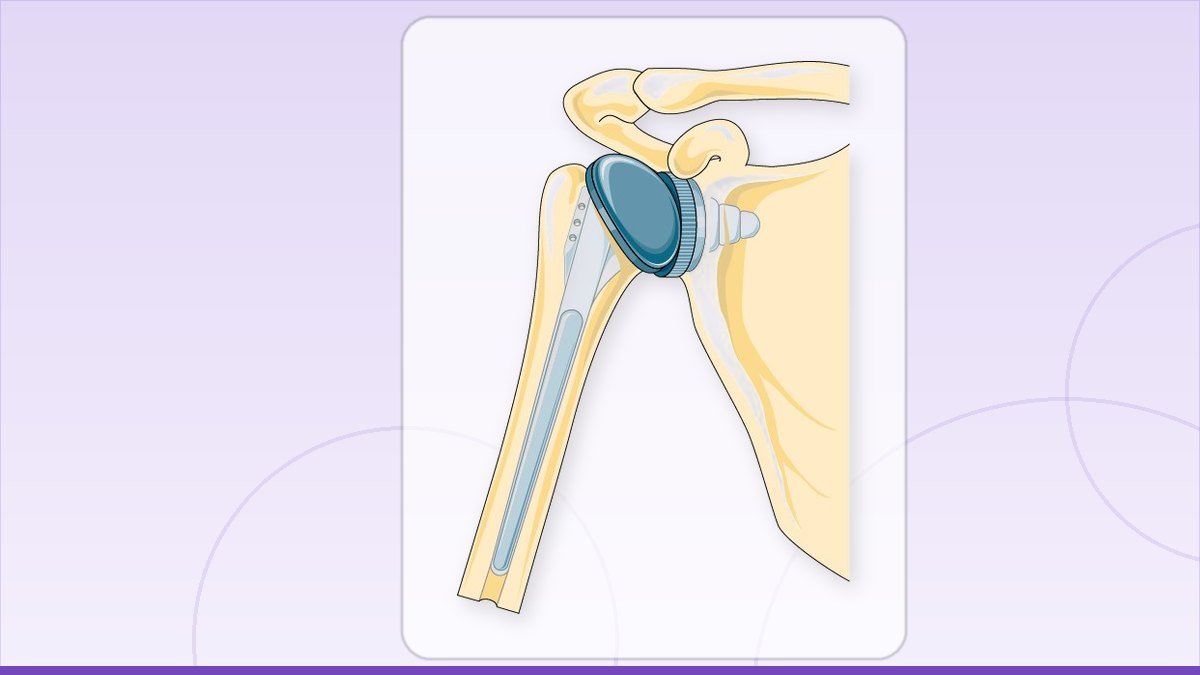
What a spinal fusion quote in Pakistan should actually include
Spinal fusion cost in Pakistan varies by hospital, so what matters is the quote: what should be itemised, and…
Read this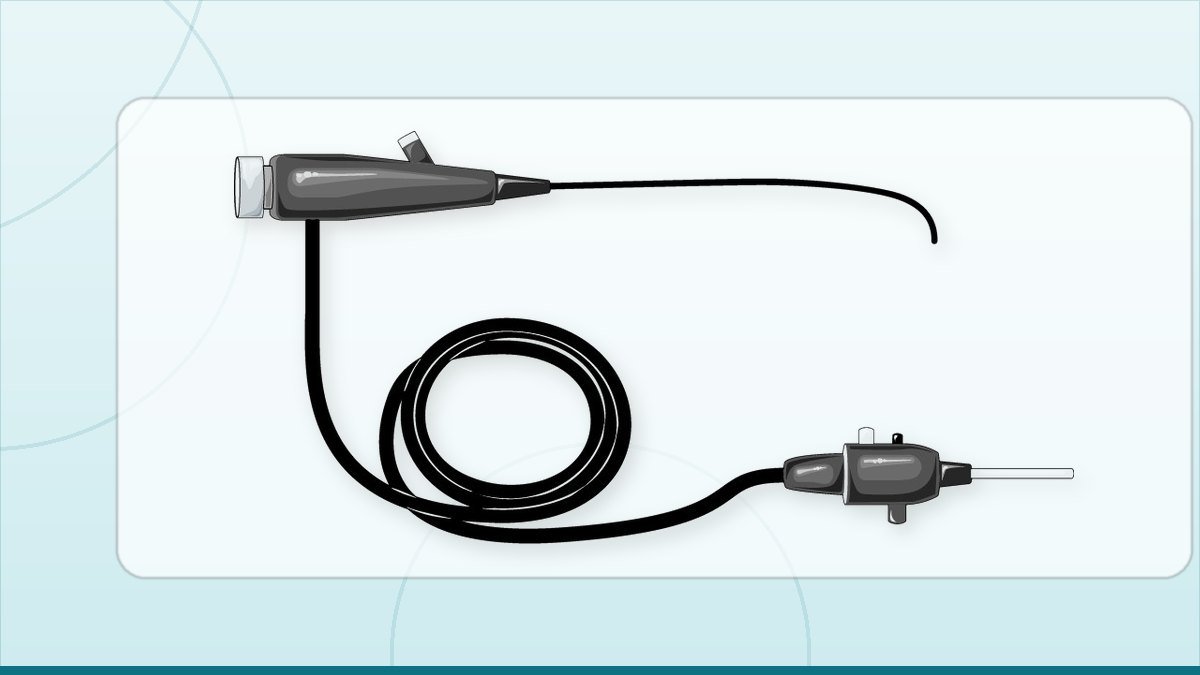
What is endoscopic spine surgery, and how is it different?
Endoscopic spine surgery uses a 7 to 8 mm opening to free a trapped nerve. What it treats, what it cannot,…
Read this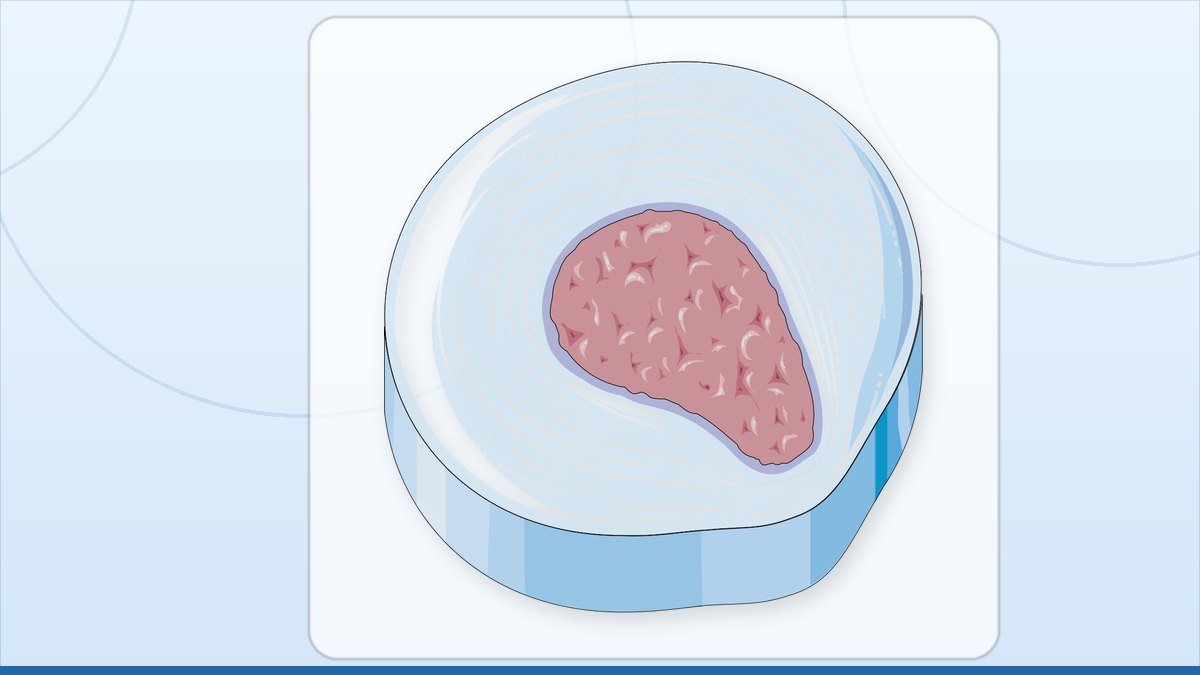
Disc surgery or wait: when conservative treatment is the better call
Most slip discs improve without an operation. A Faisalabad neurosurgeon explains slip disc treatment without…
Read thisAll patient questions · Spine surgery in Faisalabad · Book an appointment
Ask about your own scan. Send your MRI or X-ray on WhatsApp and get a straight answer on whether surgery is needed at all, from a consultant neurosurgeon in Faisalabad.
Dr. M. Abdur Rehman is a consultant neurosurgeon in Faisalabad. Send your scan on WhatsApp and ask what it actually shows.
Published for the practice of Dr. M. Abdur Rehman, consultant neurosurgeon, Mujahid Hospital, Faisalabad. General information only, not a substitute for examination.