
Microdiscectomy is considered a low-risk spine operation. Serious complications such as nerve damage or paralysis are rare. The common risks are infection, a tear in the dural covering, bleeding, and the disc herniating again later. For a patient with true nerve compression and leg pain, the risk of leaving it untreated is often higher.
How dangerous is microdiscectomy, honestly?
Microdiscectomy sits at the safer end of spine surgery. The surgeon removes only the piece of disc pressing on the nerve. The bone, the joints and the rest of the disc are left alone. Nothing is fused, no screws or rods go in, and most patients walk the same day or the next morning.
That does not mean it is risk free. No operation is. But when a patient asks whether a microdiscectomy is dangerous, the honest answer is that the danger is small and mostly manageable, and it should be weighed against what an untreated compressed nerve is already doing.
The bigger danger in Pakistan is not the operation. It is the wrong operation, done on the wrong patient, by someone who did not read the MRI properly against the symptoms. A microdiscectomy done for kamar dard alone, without leg pain and without a matching disc on MRI, will fail no matter how well the surgery goes.
Can microdiscectomy cause paralysis?
Paralysis after a microdiscectomy is very rare. In thousands of these operations done worldwide every day, it is not a common outcome, and it is not what most patients should be planning their decision around.
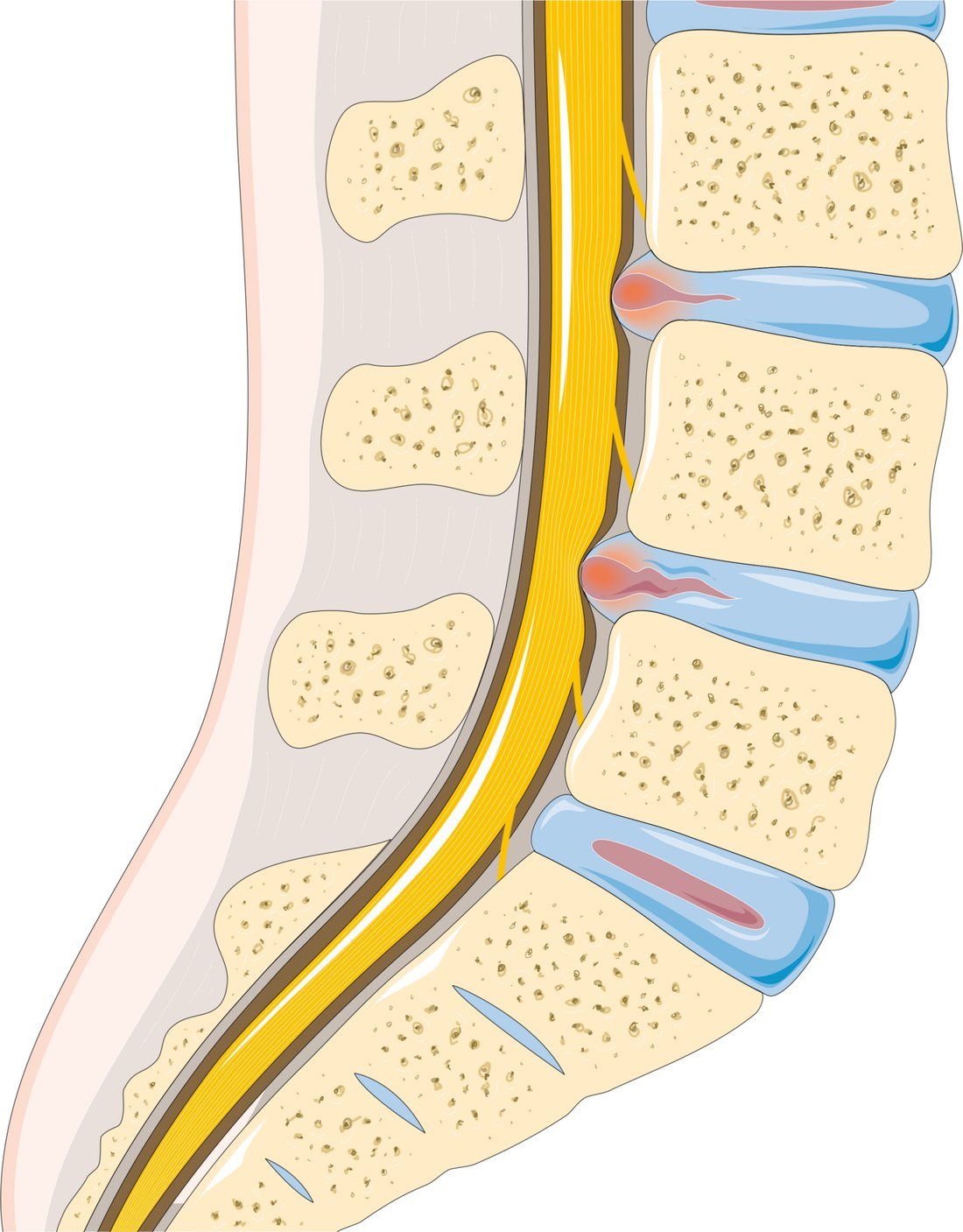
Here is what frightens people and why it is misplaced. Most disc herniations that need this surgery are in the lower back, at L4-L5 or L5-S1. At that level the spinal cord has already ended. What sits there is a bundle of nerve roots. Damage to a single root causes weakness or numbness in part of one leg, not paralysis of both legs.
The situation that genuinely threatens the legs is the opposite of surgery. A very large disc that squashes the whole nerve bundle causes cauda equina syndrome: numbness around the private parts and inner thighs, loss of bladder or bowel control, and rapid weakness in both legs. That is an emergency. Delay there causes permanent damage. Surgery is the treatment, not the threat.
If you have foot drop, if your foot is slapping the floor when you walk, or if you cannot pass urine properly, do not wait for the next hakeem appointment. Get to a hospital that same day.
What are the actual risks and side effects?
These are the things a surgeon should list for you before you sign consent. If nobody has gone through them with you, ask.
- Dural tear. A small tear in the thin covering around the nerves. This is the most common thing that happens during the operation. It is usually repaired there and then, and often means a day or two of lying flat afterwards. Most patients recover normally.
- Infection. Uncommon with a small incision and a single dose of antibiotic at the start, but possible. Fever, spreading redness, or discharge from the wound after you go home needs to be reported the same day.
- Recurrent disc herniation. The same disc can herniate again through the same weak spot, most often in the first year or two. It is a small minority of patients, but it is the most common reason a second operation is needed.
- Nerve irritation. Numbness, tingling or a burning patch in the leg that lingers for weeks or months. The nerve was squashed for a long time before surgery and takes time to settle.
- Bleeding, blood clots, anaesthesia risks. Small, and lower in younger and fitter patients. Diabetes, smoking and obesity raise them.
- Continuing back pain. This is the one patients are least prepared for. Microdiscectomy is an operation for leg pain. If you also had kamar dard before, some of it may stay.
Is it more dangerous to wait than to operate?
Sometimes yes, most of the time no. That distinction matters more than any complication list.
For most people with a slip disc and taang mein dard, waiting is safe. Many disc herniations shrink on their own over weeks to a few months. Nothing bad happens to the nerve while you wait, and if the pain settles, you have avoided an operation entirely. This is why a good surgeon will tell you to wait first.
Waiting becomes dangerous in three situations: bladder or bowel changes, weakness that is getting worse rather than staying the same, and pain so severe that you cannot function despite proper medication. In those cases, the nerve is being damaged while you wait. Every week of waiting makes full recovery less likely.
The common pattern here is months of massage, hakeem treatment, oil, cupping and pain injections, then arriving at the surgeon after the muscle has already wasted. The treatments themselves are usually harmless. The lost time is not.
Do I even need surgery for a slip disc?
Most people do not. This is the part that gets left out of clinic conversations.
Back pain alone is almost never a surgical problem. If your pain sits in the kamar and does not travel down the leg, a microdiscectomy is very unlikely to help you, even if your MRI report uses words like disc bulge, degeneration or desiccation. Those words appear on the MRI of large numbers of people with no pain at all. An MRI finding is not a diagnosis.
A microdiscectomy is worth considering when all of these line up:
- The pain runs down one leg below the knee, worse than the back pain
- An MRI shows a disc pressing on exactly the nerve that matches where your leg hurts
- Six weeks or more of proper treatment has not helped, or you have weakness or bladder symptoms that cannot wait
If any of those three is missing, ask the surgeon directly why he is still recommending surgery. A good answer exists in some cases. If you do not get one, get a second opinion before you agree to anything.
Is endoscopic spine surgery safer than microdiscectomy?
Both are safe operations aimed at the same problem. The difference is how much tissue is disturbed to reach the disc.
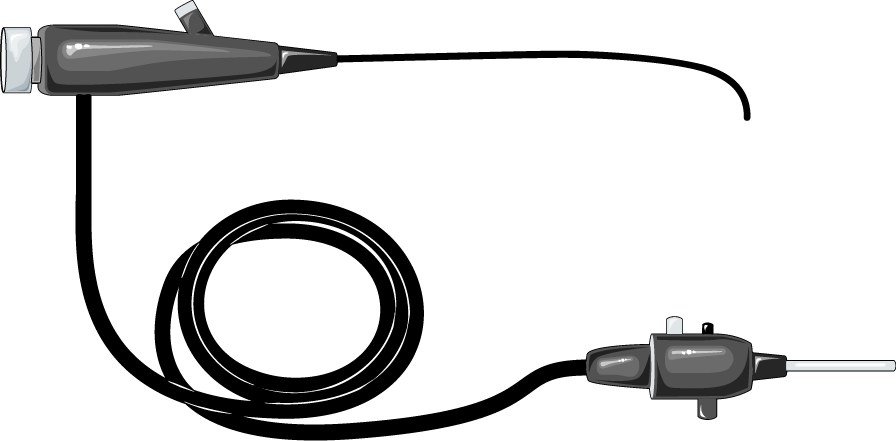
In endoscopic spine surgery, a camera and instruments pass through a tube roughly the width of a pen. The muscle is spread rather than stripped. The wound is very small, blood loss is minimal, and most patients go home the same day, often under local or spinal anaesthesia. For patients who are elderly, diabetic, or anxious about general anaesthesia, that matters.
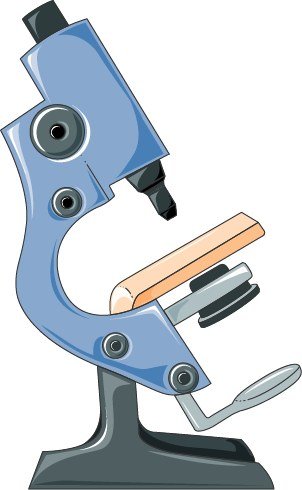
Microdiscectomy uses a slightly larger incision and an operating microscope. It has decades of track record behind it and remains the right choice for certain disc positions, for very large fragments, and for anatomy that does not suit an endoscopic approach.
Neither one is automatically safer for you personally. The safer operation is the one that matches your MRI, your level, and your surgeon's experience. Be cautious of anyone who says one technique is right for every patient.
How do I judge whether the surgeon and hospital are safe?
Ask questions out loud in the clinic. In Pakistan patients often stay quiet out of respect. Do not. A surgeon who is comfortable with his work will not mind.
- Which nerve level are you operating on, and where should my pain be if that is the right level?
- What happens if my pain does not improve after this?
- Who is doing the operation, and who else will be in the theatre?
- What are the chances I need a second surgery later?
- Will you show me my own MRI images, not just the report?
Bring a family member who will remember the answers. Decisions here are family decisions and that is fine, but make sure the person deciding has actually heard the surgeon speak.
On cost, always ask for a written itemised quote in PKR before admission. It should separate the surgeon's fee, theatre, anaesthesia, implants if any, room, and how many days are included. Ask what happens to the bill if you need an extra night. Rates vary widely between hospitals in Faisalabad and Lahore, and a verbal figure has a habit of growing.
What should I do next?
If your pain is only in your back, give it time, keep moving, and see a spine specialist if it has not settled in six weeks. Do not chase an MRI on day three.
If the pain runs down your leg, get assessed properly. If you have weakness, foot drop, or any change in bladder or bowel control, go to a hospital today.
Bring your MRI films and the CD, not only the report, and bring the list of everything you have already tried. Dr. M. Abdur Rehman is a consultant neurosurgeon at Mujahid Hospital, Faisalabad, and patients across Punjab looking for the best endoscopic spine surgeon in Faisalabad are usually looking for the same thing: someone who will tell them honestly when they do not need an operation. Ask for that answer first.
Microdiscectomy in Faisalabad Read the full page on microdiscectomy in faisalabad, including who it suits, what recovery looks like and how to arrange a review.
Questions patients ask about this
How long does it take to recover from a microdiscectomy?
Most patients walk within hours and go home within a day or two. Leg pain often improves immediately. Desk work is usually possible in two to four weeks, physical or manual labour in six to twelve. Avoid heavy lifting, bending and long travel until your surgeon clears you.
Can the disc slip again after surgery?
Yes. The disc is repaired by the body, not replaced, so the same weak spot can give way again. It happens to a small minority of patients, usually within the first year or two. Weight control, stopping smoking and correct lifting technique lower the chance considerably.
Will I still have back pain after microdiscectomy?
Possibly. Microdiscectomy is designed to relieve leg pain caused by a pinched nerve, not general kamar dard. Leg pain usually improves quickly. Background back pain may partly remain, especially if it was present for years before. Your surgeon should tell you this before surgery, not after.
Is spinal anaesthesia safer than general anaesthesia for this operation?
Both are safe in a properly equipped theatre. Spinal or local anaesthesia avoids a breathing tube and suits many endoscopic cases, elderly patients, and people with chest or heart problems. The anaesthetist decides based on your health, not on preference. Ask to meet them before the day of surgery.
Should I try hakeem treatment, cupping or massage first?
Gentle treatments rarely cause harm and many people feel temporary relief. The danger is time. If you have leg weakness, a dropping foot, or any bladder or bowel change, stop and see a spine specialist the same day. Nerve damage from delay may not fully reverse.
Related articles
What is a microdiscectomy?
A microdiscectomy removes the slipped disc fragment pressing on a nerve. What it treats, whether it is safe,…
Read this
Risks and complications of endoscopic spine surgery, honestly
An honest look at endoscopic spine surgery risks: nerve irritation, disc recurrence, conversion to open…
Read this
Microdiscectomy recovery: driving, sitting and going back to work
Microdiscectomy recovery explained: when you can drive, sit comfortably and return to work, plus honest…
Read thisAll patient questions · Spine surgery in Faisalabad · Book an appointment
Ask about your own scan. Send your MRI or X-ray on WhatsApp and get a straight answer on whether surgery is needed at all, from a consultant neurosurgeon in Faisalabad.
Dr. M. Abdur Rehman is a consultant neurosurgeon in Faisalabad. Send your scan on WhatsApp and ask what it actually shows.
Published for the practice of Dr. M. Abdur Rehman, consultant neurosurgeon, Mujahid Hospital, Faisalabad. General information only, not a substitute for examination.