
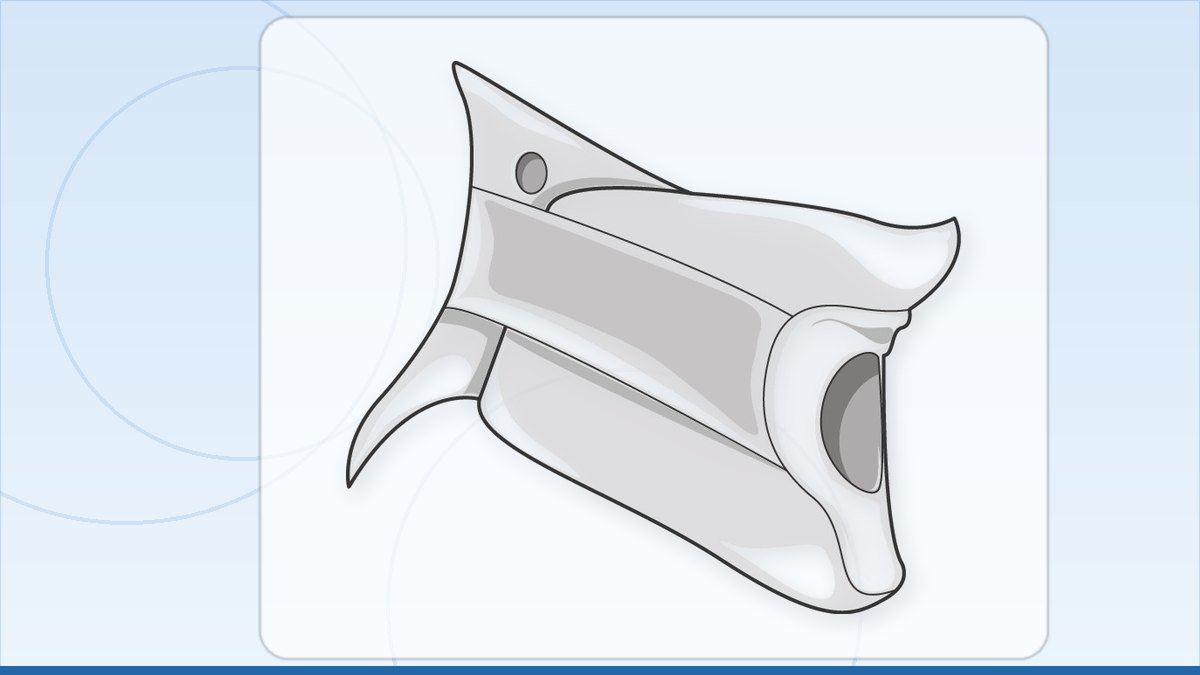
Most spinal fractures from a fall or road accident are stable compression fractures that heal in eight to twelve weeks in a brace, with rest and pain control. Surgery is needed when the fracture is unstable, when bone fragments press on the spinal cord or nerves, or when there is new weakness, numbness, or loss of bladder control.
Spinal fracture treatment: how do I know if mine needs surgery?
Spinal fracture treatment depends mainly on two things: whether the broken bone is stable enough to hold its position on its own, and whether it is pressing on the spinal cord or the nerves coming out of it. A stable fracture with no nerve involvement usually heals in a brace. An unstable fracture, or one causing pressure on the cord or nerves, usually needs surgery.
"Stable" does not mean painless. Even a stable compression fracture can be very painful for the first few weeks. It means the spine is not at risk of shifting further and damaging the nerves as it heals. Your surgeon judges stability from the X-ray, CT scan, and sometimes MRI, not from pain alone.
The cause matters too. A fracture from a fall from height or a road accident in a young person behaves differently to a fracture in an older person with weak, osteoporotic bone who fell from standing height. Both need proper imaging before anyone decides brace or surgery.
Is it safe to wait? Could I end up paralysed?
Waiting a day or two to get proper imaging and a specialist opinion is safe for most spinal fractures, as long as there is no new weakness, numbness, or loss of bladder or bowel control. Those three symptoms are the ones that change waiting into an emergency.
Paralysis after a spinal fracture happens when the spinal cord or the nerve bundle is injured at the time of the fall or accident, or when an unstable fracture is allowed to shift further because it was not recognised in time. This is why every fracture from a significant fall or road accident needs urgent imaging, even if the patient can still walk.
If you or a family member has any of the red flag symptoms above after a fall or accident, go to an emergency department the same day. Do not wait to see if it settles, and do not let anyone manipulate or massage the back before it has been imaged.
Which spinal fractures heal in a brace, without surgery?
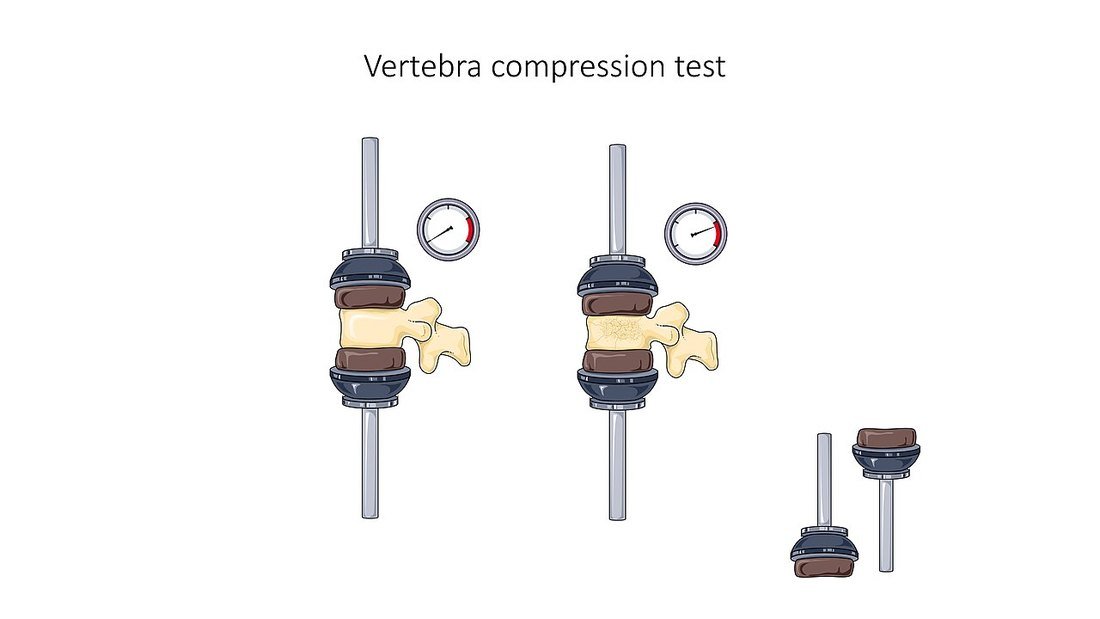
Most compression fractures, especially the low-energy osteoporotic ones seen in older patients after a minor fall, heal without surgery. The bone loses some height but the fracture is stable, the spinal canal is not narrowed, and there is no nerve pressure.
Treatment is a rigid back brace, usually worn for 8 to 12 weeks, along with pain control, short periods of rest early on, and gradual return to walking. Bed rest for weeks at a time is not recommended, because prolonged immobility carries its own risks, particularly in older patients.
- Pain medication to allow movement and physiotherapy
- A fitted brace, worn as instructed, including when getting up
- Repeat X-rays at intervals to confirm the fracture is not collapsing further
- Treatment of osteoporosis if that is the underlying cause, to protect against future fractures
Your surgeon should recheck the X-ray a few weeks into brace treatment. If the fracture is worsening instead of settling, the plan changes.
Which spinal fractures need surgery?
Surgery is considered when the fracture is unstable, meaning the bone or ligament damage is severe enough that the spine could shift and injure the cord or nerves. It is also considered when there is already pressure on the cord or nerves, when there is significant or worsening deformity, or when the fracture is part of a fracture-dislocation from major trauma.
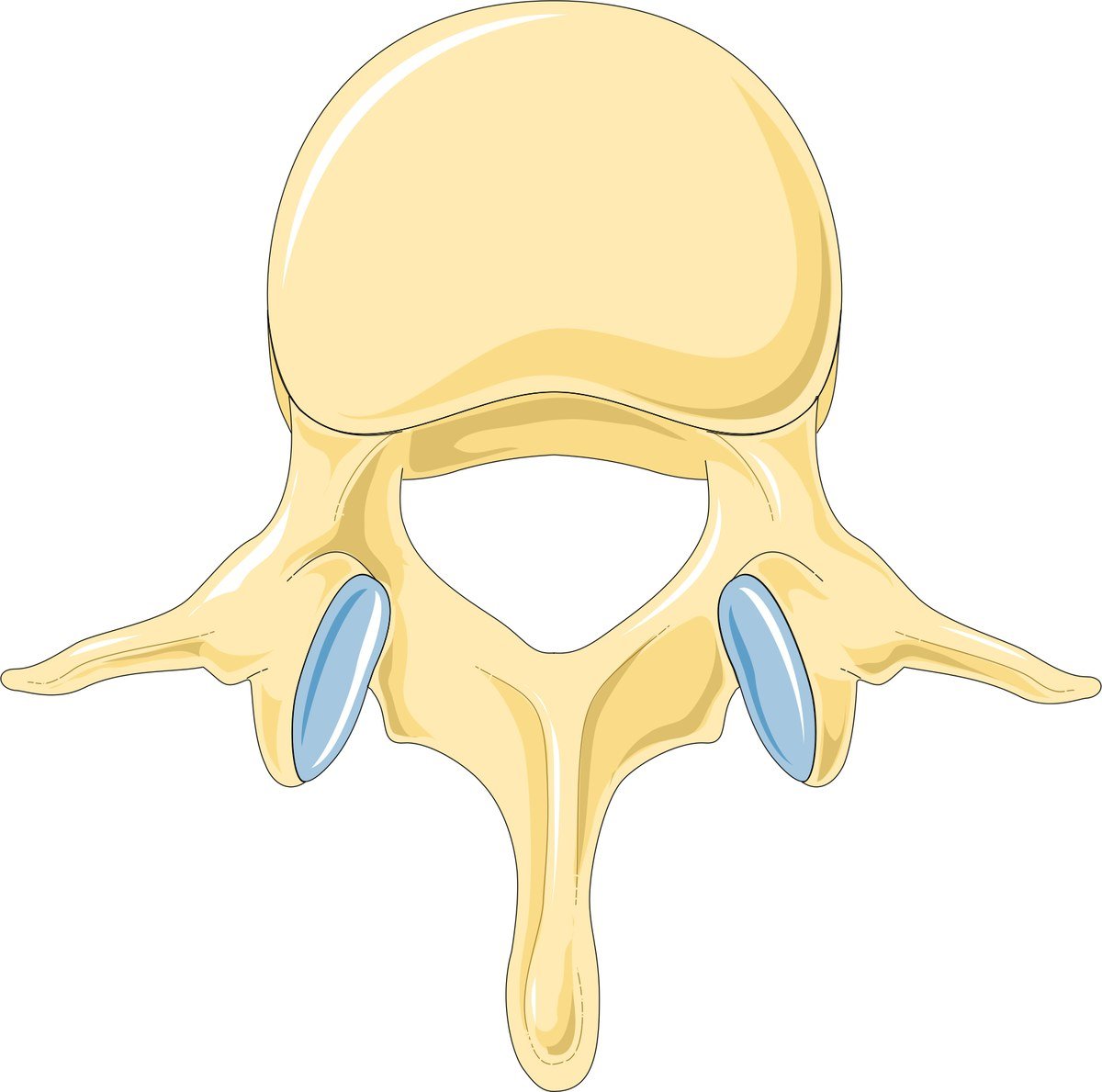
Burst fractures, where the vertebral body shatters and fragments can push into the spinal canal, are a common reason for surgery, particularly after road accidents and high falls. Fracture-dislocations, where the spine has come out of alignment, almost always need surgery to restore and hold the alignment.
The usual operation is fixation with screws and rods above and below the fractured level, sometimes combined with removing bone fragments pressing on the nerves. In carefully selected osteoporotic compression fractures that are painful but stable, a cement procedure called vertebroplasty or kyphoplasty is sometimes used instead of screw fixation, injected through a needle rather than open surgery.
What tests decide the treatment: X-ray, CT, or MRI?
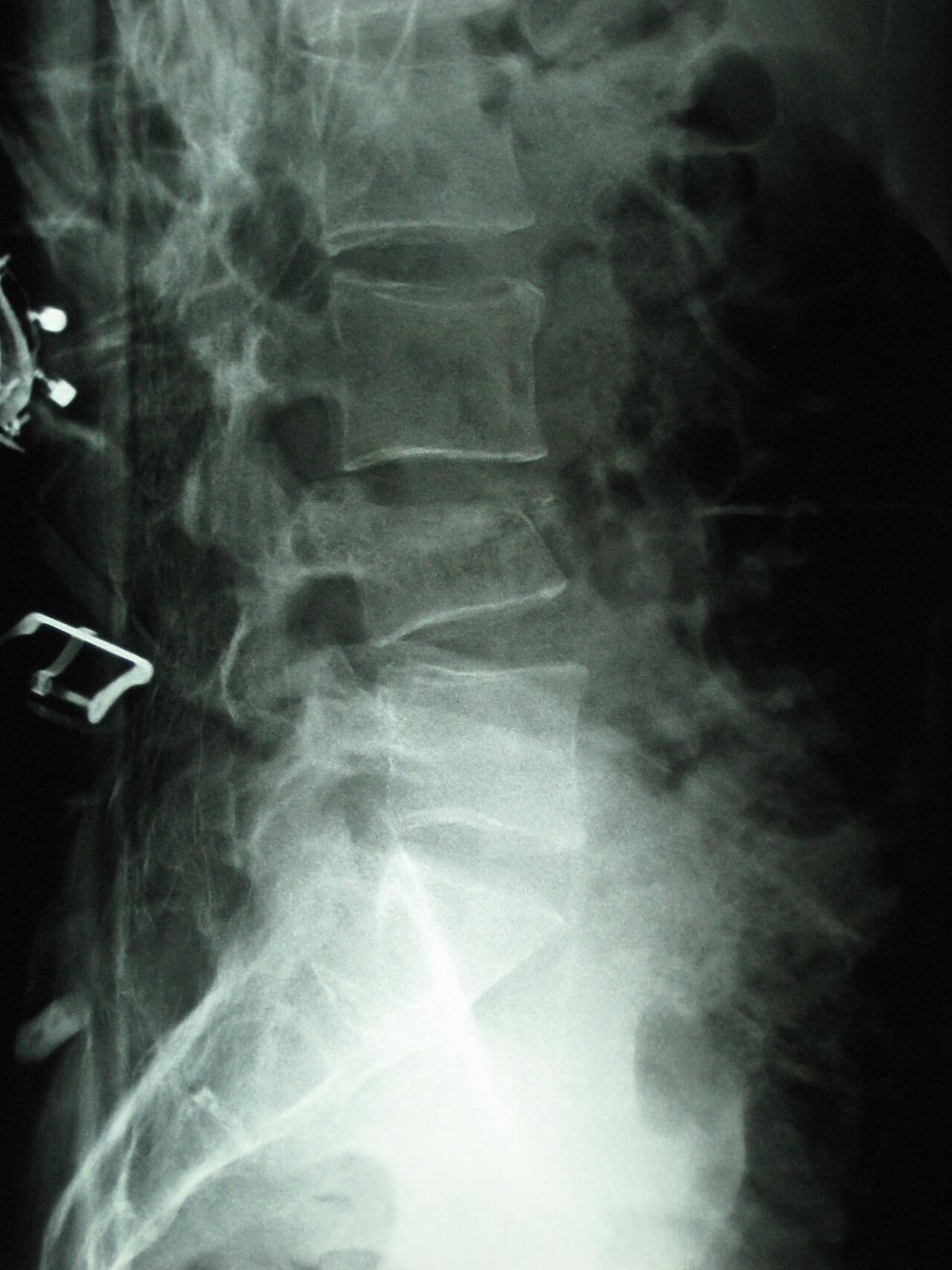
X-ray is usually the first test and shows the shape and height loss of the fractured vertebra. CT scan gives a much more detailed picture of the bone, including whether fragments have entered the spinal canal, and is often needed to judge stability accurately.
MRI is added when there is concern about the spinal cord, the nerves, or the surrounding ligaments, especially if there is any weakness, numbness, or the pain pattern suggests nerve involvement. MRI also helps tell a fresh fracture from an old, already-healed one, which matters in older patients with osteoporosis who may have had a fracture without knowing it.
Most patients with a significant fall or accident will end up having both a CT and an MRI. This is normal and is not a sign that something worse has been found.
Is a spinal fracture the same as a slip disc?
No. A spinal fracture is a break in the bone of the vertebra, usually from trauma or weak bone. A slip disc, more accurately a herniated or prolapsed disc, is the soft cushion between two vertebrae bulging or tearing and pressing on a nerve, usually without any bone injury. Kamar dard and taang mein dard can come from either, which is why the two get confused.
Slip disc treatment and spinal fracture treatment are different processes. Slip disc treatment usually starts conservatively, and when surgery is needed, it is often endoscopic spine surgery, a keyhole procedure using a small camera and instruments to remove the piece of disc pressing on the nerve, done through a small incision without cutting muscle. Endoscopic spine surgery is also used for spinal stenosis, where the spinal canal has narrowed and is pressing on multiple nerves, commonly from wear and tear over the years.
Endoscopic technique is not usually the operation used for a fresh spinal fracture, because a broken vertebra generally needs its structure rebuilt and held with screws and rods, or in select cases, cement, rather than a piece of disc removed. If a healed old fracture later causes stenosis, the stenosis part of that problem can sometimes be approached endoscopically.
What does treatment actually involve, from brace to surgery?
For a brace-only fracture, treatment is mostly about following instructions patiently: wearing the brace correctly, taking pain medication as prescribed, avoiding bending and twisting the back, and attending follow-up visits with repeat X-rays. Physiotherapy is usually added once the acute pain settles, to rebuild strength and confidence in moving.
For surgery, the typical stay in hospital is several days, depending on the extent of the fixation and whether there was nerve injury. Screws and rods are placed to hold the fractured level stable while the bone heals around them, usually done under general anaesthesia. Patients are generally helped to sit and stand within a day or two after surgery, since early mobilisation is part of recovery.
Recovery from surgery for a spinal fracture is measured in weeks to a few months for return to normal daily activity, and longer for heavy physical work, with the exact timeline depending on the fracture, the surgery performed, and whether there was any nerve involvement.
How much does spinal fracture treatment cost in Pakistan?
Cost depends heavily on whether the fracture needs only a brace and follow-up, or surgery with implants, and if surgery, how many levels are fixed and what type of implants are used. Hospital stay length, ICU care if needed after major trauma, and any additional injuries from the same accident all add to the total.
Prices for spinal fusion surgery, screws and rods, and hospital stay vary between hospitals in Punjab and change over time, so any number quoted here would be out of date quickly. The right approach is to ask the hospital and the surgeon's team for a written quote in PKR before admission, covering surgeon's fee, implant cost, hospital stay, and anaesthesia, so the family knows the full picture in advance.
If cost is a genuine barrier, ask specifically about brace-based treatment where it is medically appropriate, since not every fracture requires implants, and ask whether the hospital offers any payment plan or package pricing for spine surgery.
What should I do right now if I have had a fall or accident?
Do not let the patient be lifted, twisted, or massaged before the spine has been imaged. If there is severe back pain after a fall or road accident, go to an emergency department the same day, particularly if there is any leg weakness, numbness, or difficulty passing urine.
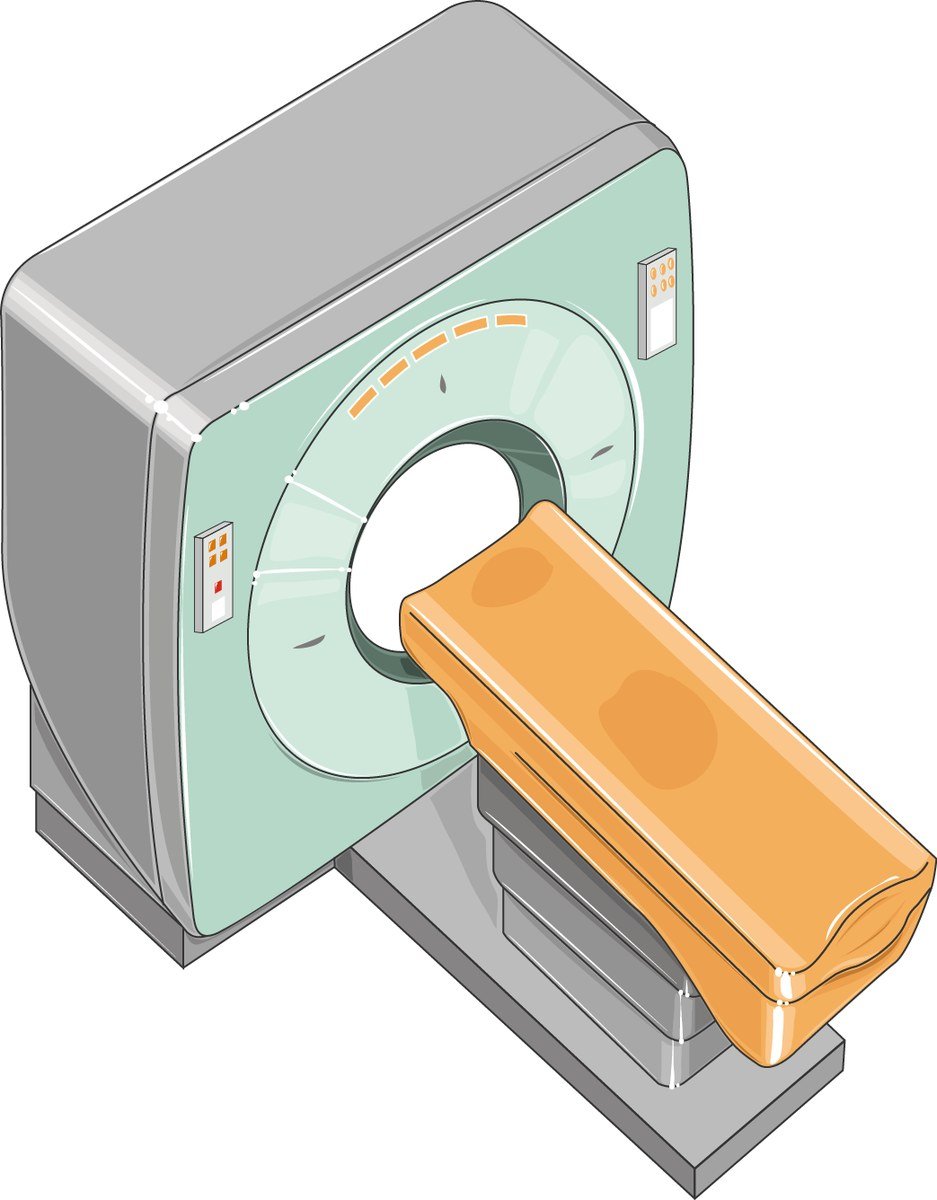
Once imaging is done, ask for the results to be explained in plain terms: is the fracture stable or unstable, is anything pressing on the nerves, and does it need a brace or surgery. Do not feel pressured to decide about surgery in a rush unless the team says it is urgent; for most stable fractures there is time to get a second opinion if you want one.
For a proper assessment of a spinal fracture, or ongoing kamar dard and taang mein dard that has not responded to rest and basic treatment, Dr. M. Abdur Rehman, endoscopic and microscopic spine surgeon, sees patients at Mujahid Hospital, Faisalabad, for both fracture management and endoscopic spine surgery. Bring your X-ray, CT, or MRI films to the first visit so the discussion can be specific to your scan, not general advice.
If you are looking for the best spine surgeon in Faisalabad for a spinal fracture, Dr. M. Abdur Rehman, consultant neurosurgeon at Mujahid Hospital, will review your own X-ray or CT and tell you plainly whether the fracture needs an operation or a brace.
Questions patients ask about this
How long does a spinal compression fracture take to heal in a brace?
Most stable compression fractures take about 8 to 12 weeks to heal well enough to stop wearing the brace full time, though some pain can continue longer. Your surgeon confirms healing with repeat X-rays rather than by pain alone, since pain and bone healing do not always match exactly.
Can I walk with a spinal fracture?
With a stable fracture and no nerve involvement, short supervised walking is usually encouraged early, often in the brace, since prolonged bed rest carries its own risks. With an unstable fracture, walking before it is fixed or braced properly can be dangerous, so this decision should come from your surgeon, not guesswork.
Is slip disc treatment the same as spinal fracture treatment?
No. A slip disc is soft tissue pressing on a nerve and is often treated with rest, physiotherapy, or endoscopic spine surgery if it fails to improve. A spinal fracture is a broken bone, treated with a brace or, if unstable, with screws and rods to rebuild the spine's structure.
Does every spinal fracture need spinal fusion surgery?
No. Many spinal fractures, particularly stable osteoporotic compression fractures, heal fully with a brace and do not need fusion surgery. Fusion with screws and rods is reserved for fractures that are unstable, causing nerve pressure, or significantly deformed.
What happens if a spinal fracture is left untreated?
An untreated unstable fracture can shift further, increasing the risk of new or worsening pressure on the spinal cord or nerves, sometimes leading to permanent weakness or numbness. Even a stable fracture left without a brace or proper rest can collapse further and heal in a more deformed position, so any suspected spinal fracture should be assessed and imaged promptly.
Related articles
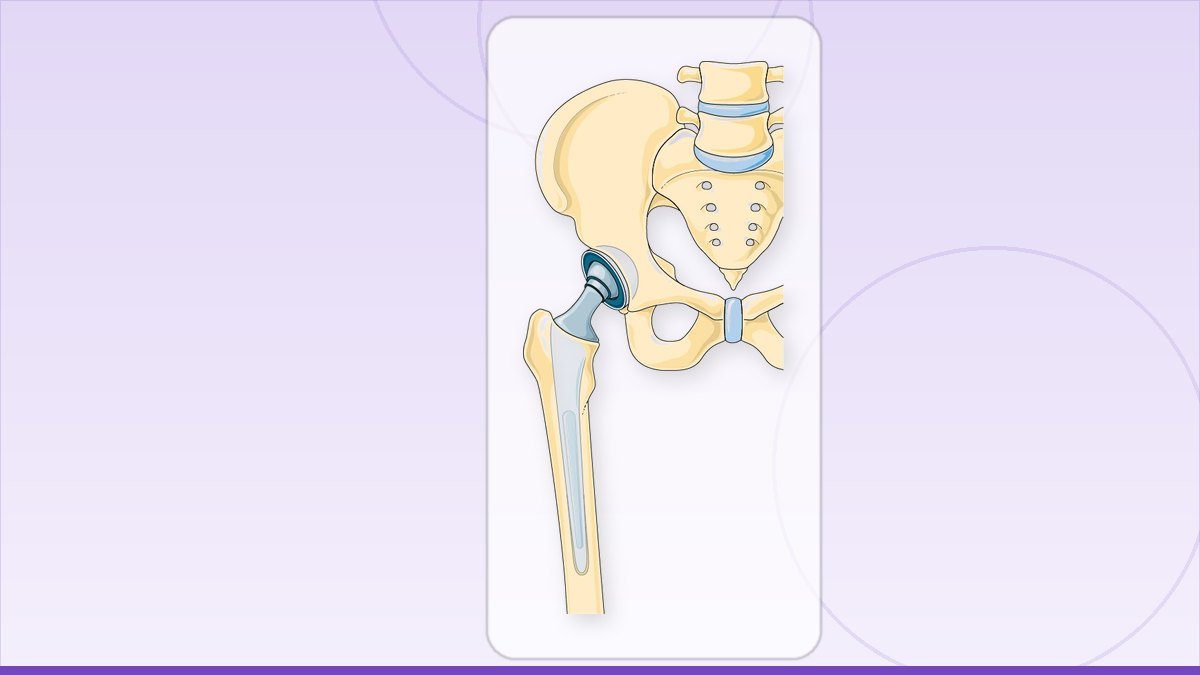
Spinal fixation: screws, rods and when the spine needs holding
Spinal fixation surgery: what it treats, when it's really needed, whether it's safe, and what it…
Read this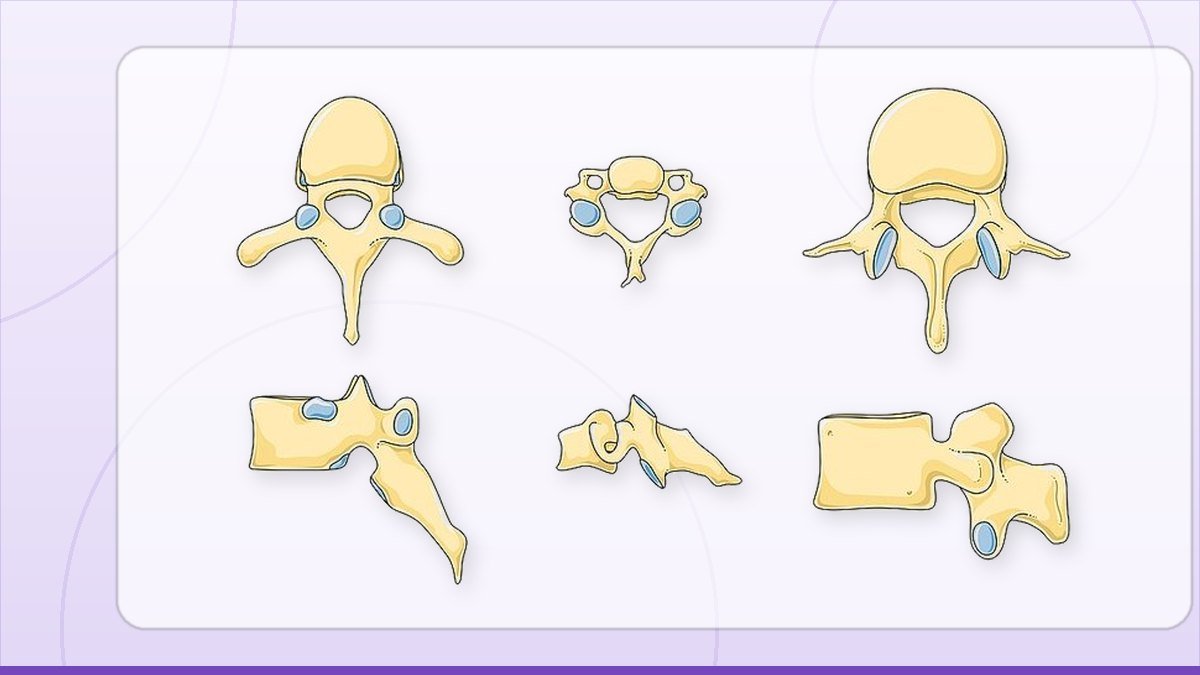
What happens if you delay spinal fusion, and is it cheaper abroad?
If spinal fusion is genuinely needed, what delaying it risks, the signs it is time to see a surgeon, and…
Read this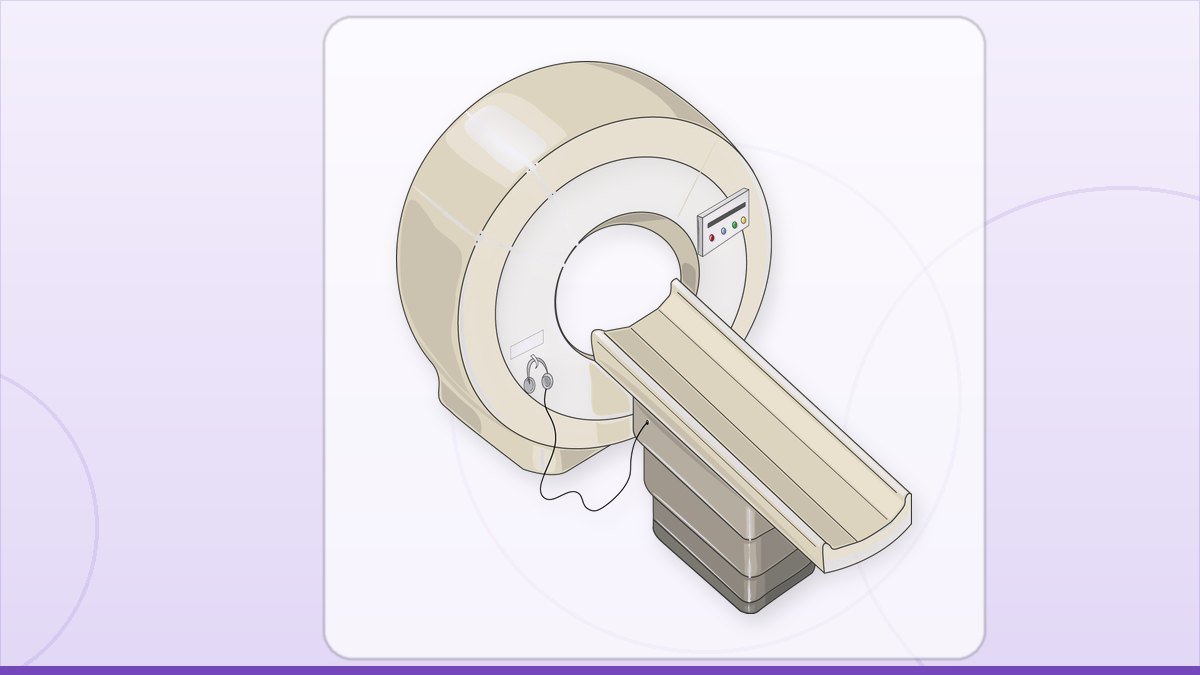
The metal in your back: implants, MRI scans and airport gates
Spine implants after surgery: are they MRI-safe, will they trigger airport metal detectors, and do you…
Read thisAll patient questions · Spine surgery in Faisalabad · Book an appointment
Ask about your own scan. Send your MRI or X-ray on WhatsApp and get a straight answer on whether surgery is needed at all, from a consultant neurosurgeon in Faisalabad.
Dr. M. Abdur Rehman is a consultant neurosurgeon in Faisalabad. Send your scan on WhatsApp and ask what it actually shows.
Published for the practice of Dr. M. Abdur Rehman, consultant neurosurgeon, Mujahid Hospital, Faisalabad. General information only, not a substitute for examination.