
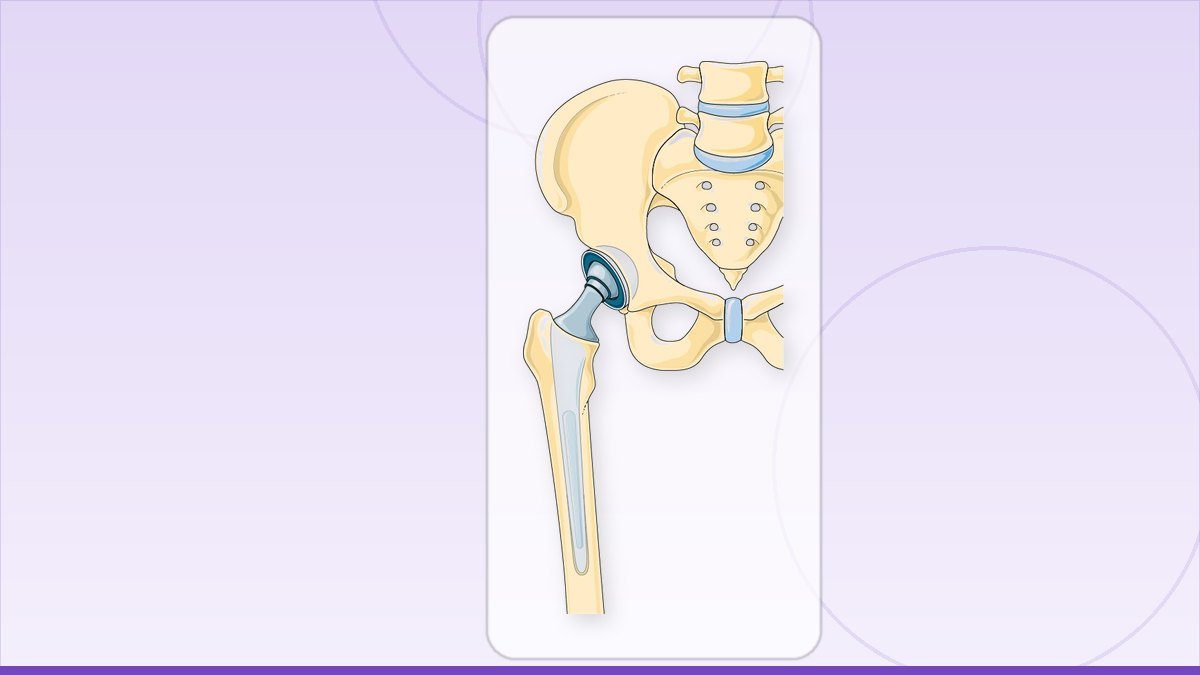
Spinal fixation surgery uses screws and rods to hold two or more vertebrae still so a damaged or unstable spine can heal in the right position. It is used for fractures, severe slipped vertebrae, spinal instability, infection or tumour, not for ordinary kamar dard. Most back pain never needs it.
What is spinal fixation surgery?
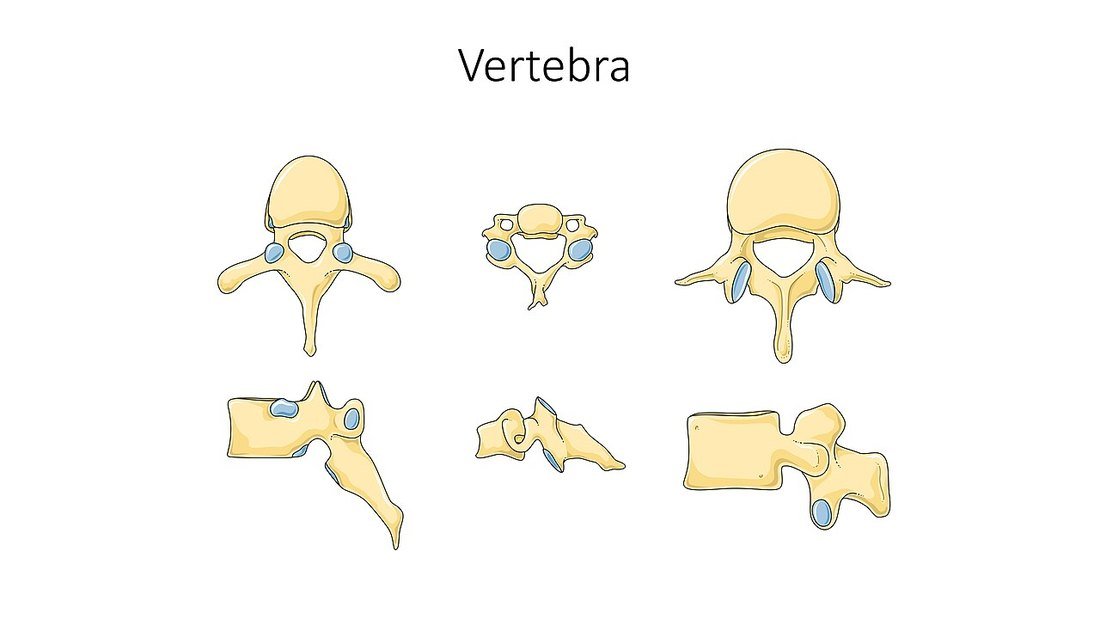
Spinal fixation surgery is an operation that uses metal screws and rods to hold two or more vertebrae together so they cannot move against each other. The screws go into the pedicles, the strong part of each vertebra, and the rods connect them like a scaffold while the bone heals or fuses.
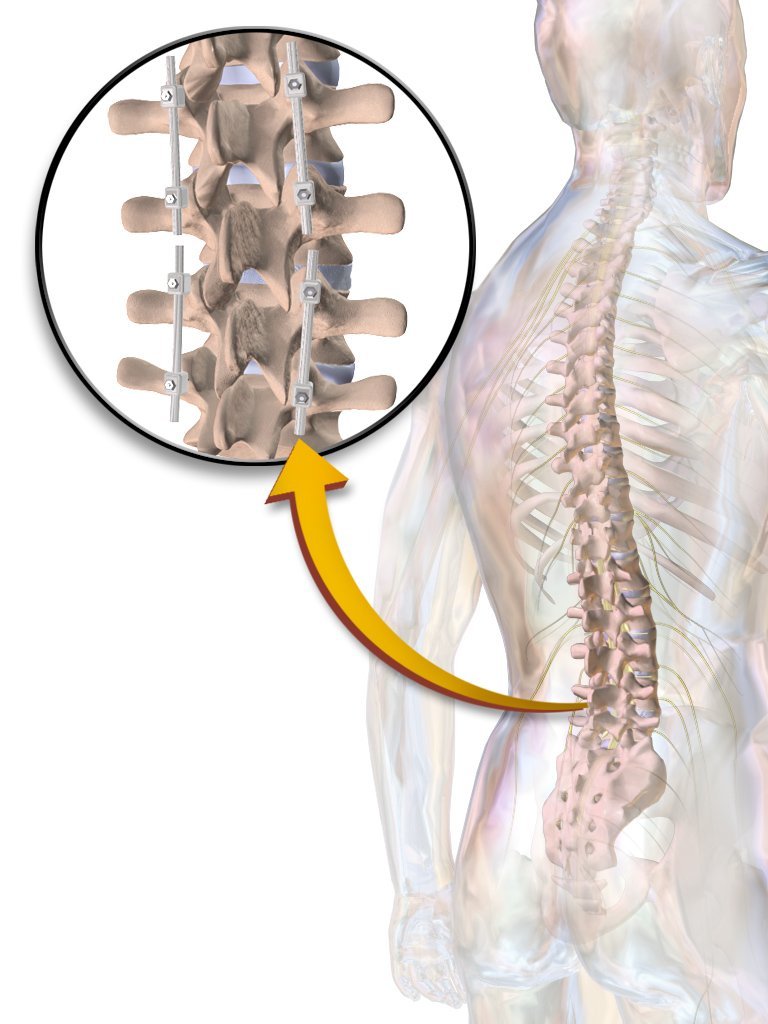
It is different from microdiscectomy or endoscopic discectomy, which remove the piece of disc pressing on a nerve without adding any hardware. Fixation is used when the spine itself is unstable or has lost its structural support, not simply when a disc has slipped.
Fixation is usually paired with fusion. The screws and rods hold the segment still in the weeks after surgery, and over the following months new bone grows across the joint so the hold becomes permanent, sometimes with a small bone graft or cage to help that process along.
Is spinal fixation surgery safe, will I be paralysed?
Spinal fixation surgery is generally safe when done for the right reason, in a properly equipped hospital, by a surgeon experienced in placing screws close to the spinal cord and nerves. Paralysis is a recognised risk of any spine operation, but it is rare, and your surgeon should explain the specific risk for your case before you sign consent.
Screw placement is checked with X-ray imaging during surgery, and in many cases nerve monitoring is used so the team can see if a nerve is being irritated before any damage happens. Other risks include infection, bleeding, and screw or rod loosening, and, rarely, a screw needing to be repositioned.
The honest answer to "will I be paralysed" is that the risk is real but small, and it is usually far smaller than the risk of leaving a genuinely unstable spine untreated. Ask your surgeon directly what the specific risk is for your diagnosis, not for spine surgery in general.
When does the spine actually need screws and rods?
The spine needs screws and rods when it has lost its own ability to hold itself steady, not simply because a disc is pressing on a nerve. Common reasons include a fracture from trauma or a fall, spondylolisthesis where one vertebra has slipped forward on the one below it, and instability caused by infection or a tumour eating away at bone.
Fixation is also used after surgery that removes a large amount of bone or disc, for example in some cases of severe spinal stenosis or tumour removal, where taking away that much structure would otherwise leave the spine unsupported. It is used in scoliosis and other deformity correction, and sometimes after a previous surgery has failed and the segment above or below has become unstable.
Ordinary slip disc, kamar dard, or taang mein dard from a herniated disc almost never needs fixation. Those cases are usually treated first with rest, physiotherapy and medicine, and if surgery becomes necessary it is usually a microdiscectomy or endoscopic discectomy, not fixation.
Do I need fixation, or is a smaller keyhole surgery enough?
Most patients with a slipped disc need a smaller keyhole operation, not fixation. If the MRI shows a herniated disc pressing on a nerve but the spine itself is stable, an endoscopic discectomy or microdiscectomy can remove the fragment through a small incision without any screws or rods.
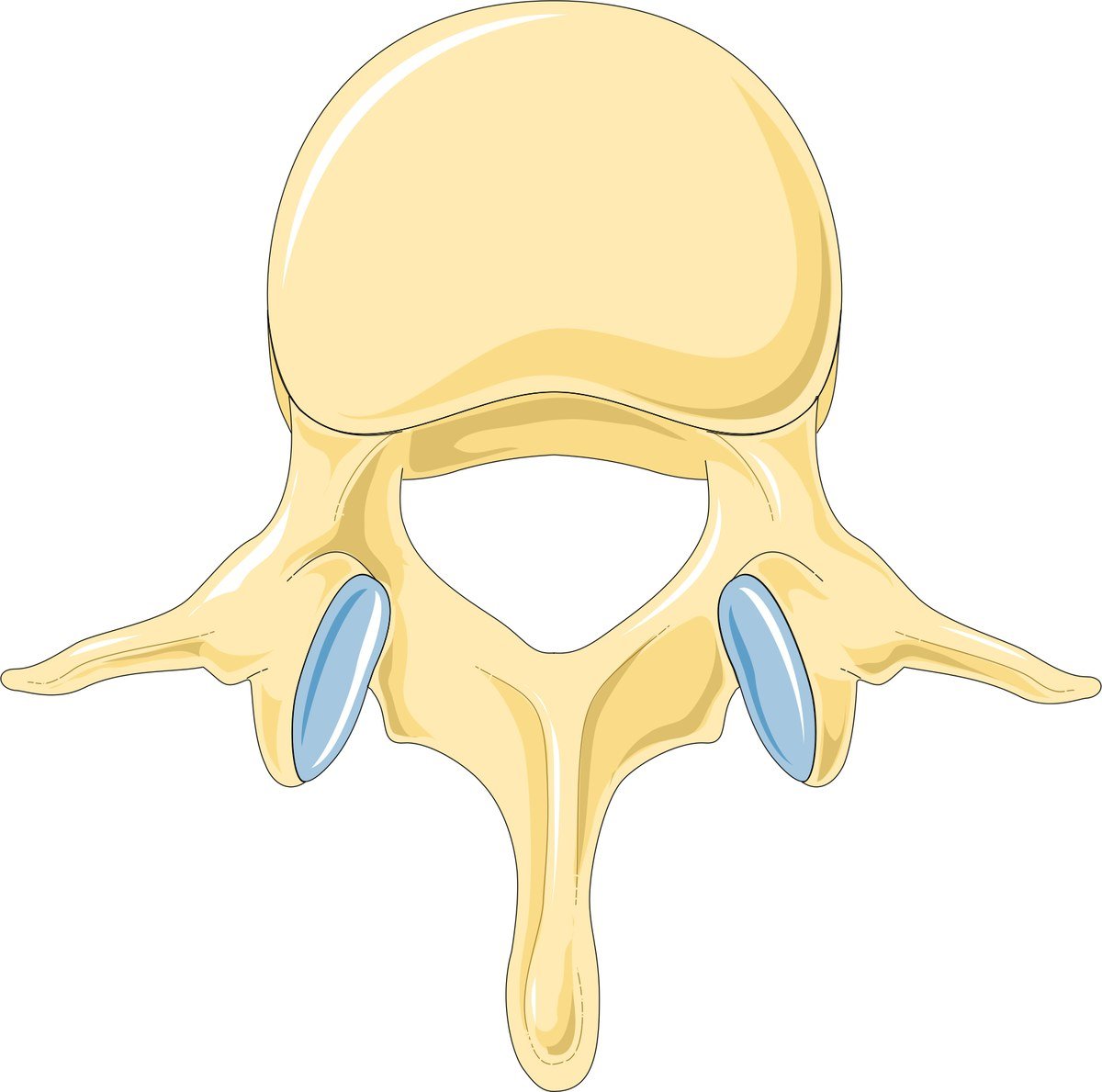
Fixation becomes necessary when the MRI or CT also shows the vertebrae moving out of line, a fracture, or bone destroyed by infection or tumour. The decision is made from imaging, not from how bad the pain feels, so ask your surgeon to show you on the MRI exactly what is unstable and why a smaller operation would not be enough.
If a surgeon recommends fixation for a straightforward slip disc without any sign of instability on imaging, it is reasonable to ask why, and reasonable to get a second opinion before agreeing to permanent hardware.
Is laser spine surgery effective, and is it the same as fixation?
"Laser spine surgery" is mostly a marketing term, not a distinct type of operation, and it is not the same thing as endoscopic surgery or fixation. Some minimally invasive procedures use a laser probe to shrink or vaporise a small amount of disc tissue, but the evidence that this works better than standard endoscopic or open techniques is limited.
Endoscopic spine surgery uses a small camera and fine instruments through a keyhole incision, and is well established for removing a herniated disc or decompressing a pinched nerve. It is not interchangeable with laser treatment, and it does not replace fixation when the actual problem is spinal instability.
Be cautious of any clinic that advertises "laser spine surgery" as a cure for every kind of back pain, including cases that clearly need fixation. The right operation depends on what the MRI shows, not on which tool is used to perform it.
What does spinal fixation surgery cost in Pakistan?
Spinal fixation surgery in Pakistan usually costs more than a straightforward endoscopic discectomy or microdiscectomy, because it involves implants, longer operating time, and often a longer hospital stay. The final figure depends on the number of screws and levels involved, the type of implant, the hospital, and whether you need a private room.
Always ask the hospital and your surgeon for a written quote before you commit, covering the surgeon's fee, hospital charges, implant cost, and anaesthesia separately, so there are no surprises at discharge. This applies whether you are comparing an endoscopic discectomy, a spinal fusion, or any other spine procedure.
Some families look at spine surgery cost in Egypt or other countries abroad, hoping for a lower price. In practice, travel, accommodation, and the difficulty of attending follow-up visits or dealing with a complication far from home often outweigh any saving, and equivalent surgery is available within Punjab with easier follow-up.
Note that "laparoscopic surgery" is a different field altogether, used for operations inside the abdomen, not the spine. If you searched for laparoscopic surgery cost while looking into back surgery, you are likely looking for endoscopic spine surgery, which is the keyhole approach used for the spine.
What happens during surgery and how long is recovery?
Spinal fixation surgery is done under general anaesthesia, through one or more incisions in the back, with screws placed into the vertebrae under X-ray guidance and connected by rods. Most patients stay in hospital for several days afterward, and are helped to sit up and walk with support within a day or two.
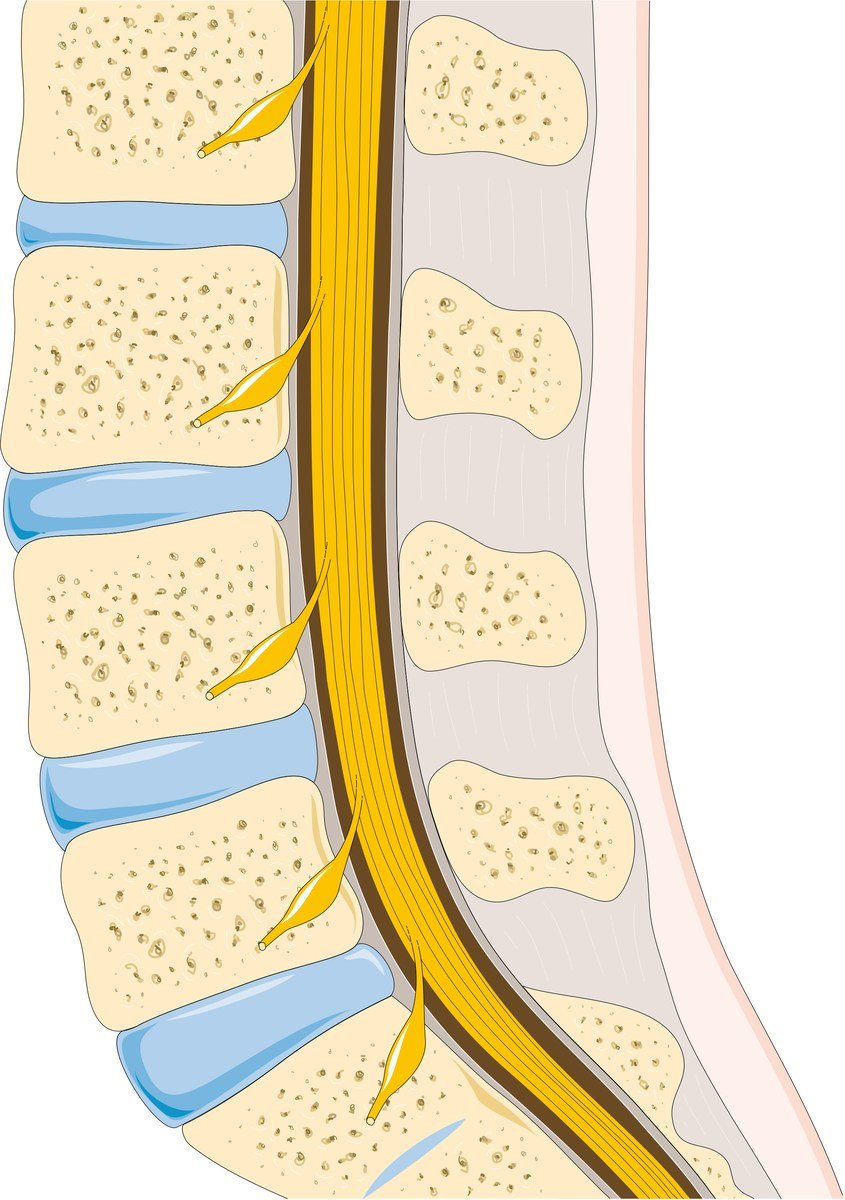
A brace may be used for some weeks to support the spine while it settles, and physiotherapy usually starts soon after surgery to rebuild strength and movement safely. Light activity is often possible within a few weeks, while heavier work, driving, and full activity typically wait until the fusion has had months to consolidate, as advised by your surgeon.
What if I've been trying hakeem, massage or physiotherapy first?
If your back pain has no warning signs, trying rest, physiotherapy, and medicine first is a reasonable and standard approach, and it is what most patients need. Many people in Punjab try a hakeem or massage before seeing a surgeon, and for ordinary kamar dard without nerve symptoms, conservative treatment often works.
The warning signs that should not wait are progressive weakness in a leg, numbness in the saddle area, loss of bladder or bowel control, or pain following a significant fall or accident. These can mean a fracture, severe nerve compression, or spinal instability, and delaying assessment in these situations can make the outcome worse.
How do I choose a surgeon and get a fair opinion?
Before agreeing to spinal fixation surgery, ask to see your own MRI or CT images and have the surgeon point out exactly what is unstable and why screws and rods are needed rather than a smaller operation. A second opinion is a normal part of this decision, not a sign of distrust.
Ask for the diagnosis in plain words, the alternative options considered, and a written cost quote before you decide. Dr. M. Abdur Rehman is a consultant neurosurgeon and spine surgeon at Mujahid Hospital, Faisalabad, and offers endoscopic spine surgery and microdiscectomy for cases that do not need fixation, alongside fixation and fusion for cases that do.
If you are searching for the best endoscopic spine surgeon in Faisalabad or want a clear opinion on whether your spine needs fixation at all, book a consultation and bring your MRI so the discussion can start from your actual scan rather than guesswork.
Spinal fusion surgery in Faisalabad Read the full page on spinal fusion surgery in faisalabad, including who it suits, what recovery looks like and how to arrange a review.
Questions patients ask about this
Is spinal fixation the same as spinal fusion?
Not exactly. Fixation refers to the screws and rods holding the spine still, while fusion refers to the bone actually growing solid across the segment over the following months. In practice, surgeons use fixation to allow fusion to happen, so the two terms are usually used together.
Can I walk after spinal fixation surgery?
Most patients are helped to sit up and walk with support within a day or two of surgery. Full recovery, including return to normal activity, usually takes several weeks to a few months, depending on how many levels were fixed and your overall health.
Do the screws and rods stay in permanently?
In most cases yes, the implants stay in for life once the bone has fused and there is no need to remove them. Removal is only considered if the hardware causes pain, irritation, or a specific mechanical problem, which is uncommon.
Is endoscopic spine surgery safe?
Endoscopic spine surgery is generally safe for appropriately selected cases, usually a herniated disc without spinal instability, when performed by a trained surgeon with proper imaging guidance. It is not the right choice for a spine that needs fixation, so the MRI decides which approach applies.
What is the difference between endoscopic and laser spine surgery?
Endoscopic surgery uses a small camera and instruments through a keyhole incision to remove disc material pressing on a nerve. "Laser spine surgery" is largely a marketing term for procedures that may use a laser probe on disc tissue, with less established evidence, and is not the same as fixation or fusion.
Related articles
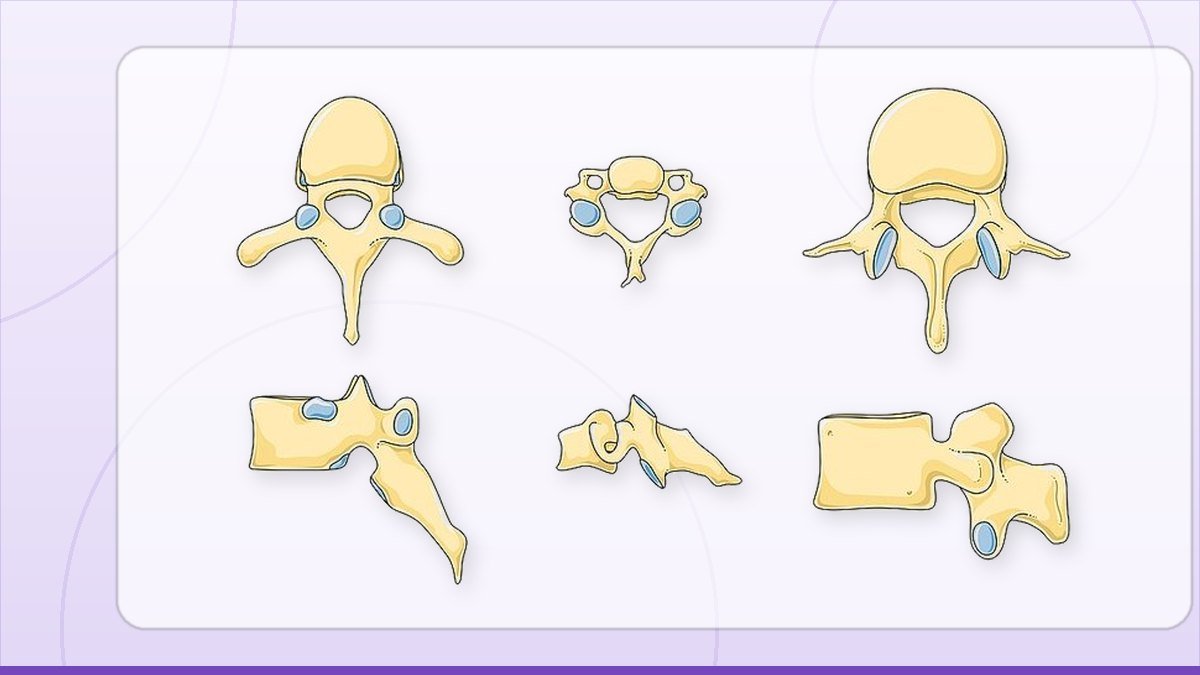
What happens if you delay spinal fusion, and is it cheaper abroad?
If spinal fusion is genuinely needed, what delaying it risks, the signs it is time to see a surgeon, and…
Read this
The metal in your back: implants, MRI scans and airport gates
Spine implants after surgery: are they MRI-safe, will they trigger airport metal detectors, and do you…
Read this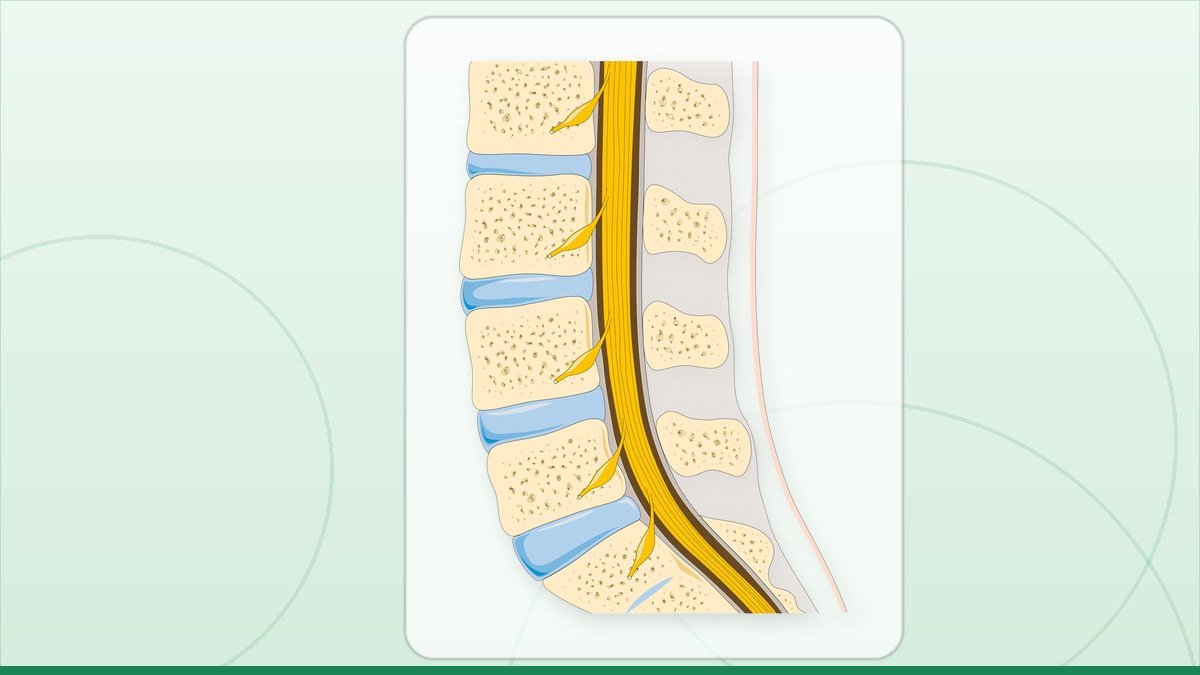
Lumbar spine: the five discs that cause most back pain
Most lumbar spine problems start at the L4-L5 or L5-S1 disc. Learn the causes, when surgery is needed, and…
Read thisAll patient questions · Spine surgery in Faisalabad · Book an appointment
Ask about your own scan. Send your MRI or X-ray on WhatsApp and get a straight answer on whether surgery is needed at all, from a consultant neurosurgeon in Faisalabad.
Dr. M. Abdur Rehman is a consultant neurosurgeon in Faisalabad. Send your scan on WhatsApp and ask what it actually shows.
Published for the practice of Dr. M. Abdur Rehman, consultant neurosurgeon, Mujahid Hospital, Faisalabad. General information only, not a substitute for examination.