
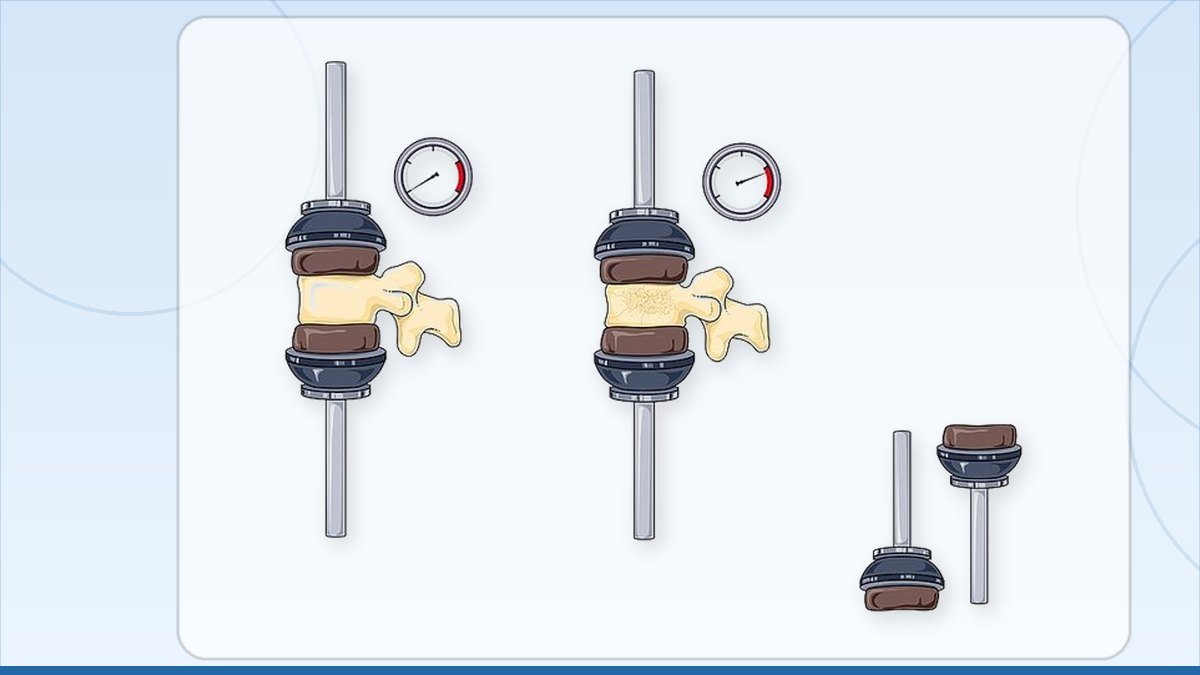
After a spinal injury, treatment moves through five stages: emergency stabilisation and immobilisation, scans to see the damage, a decision on surgery versus bracing, the operation if needed, and rehabilitation. Not every spinal injury needs surgery; many stable fractures heal with a brace and physiotherapy. Speed in the first hours matters most for nerve recovery.
What happens from the accident to the operating theatre?
The first hour after a spinal injury is about protecting the spine from further damage, not diagnosing it. Paramedics or family carrying the patient should keep the neck and back straight, using a hard board if one is available, and get to the nearest hospital that has a CT scanner.
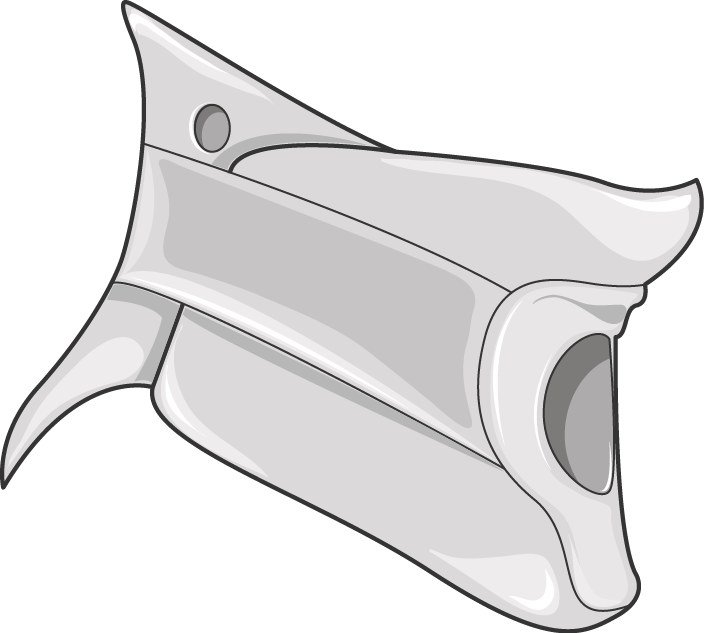
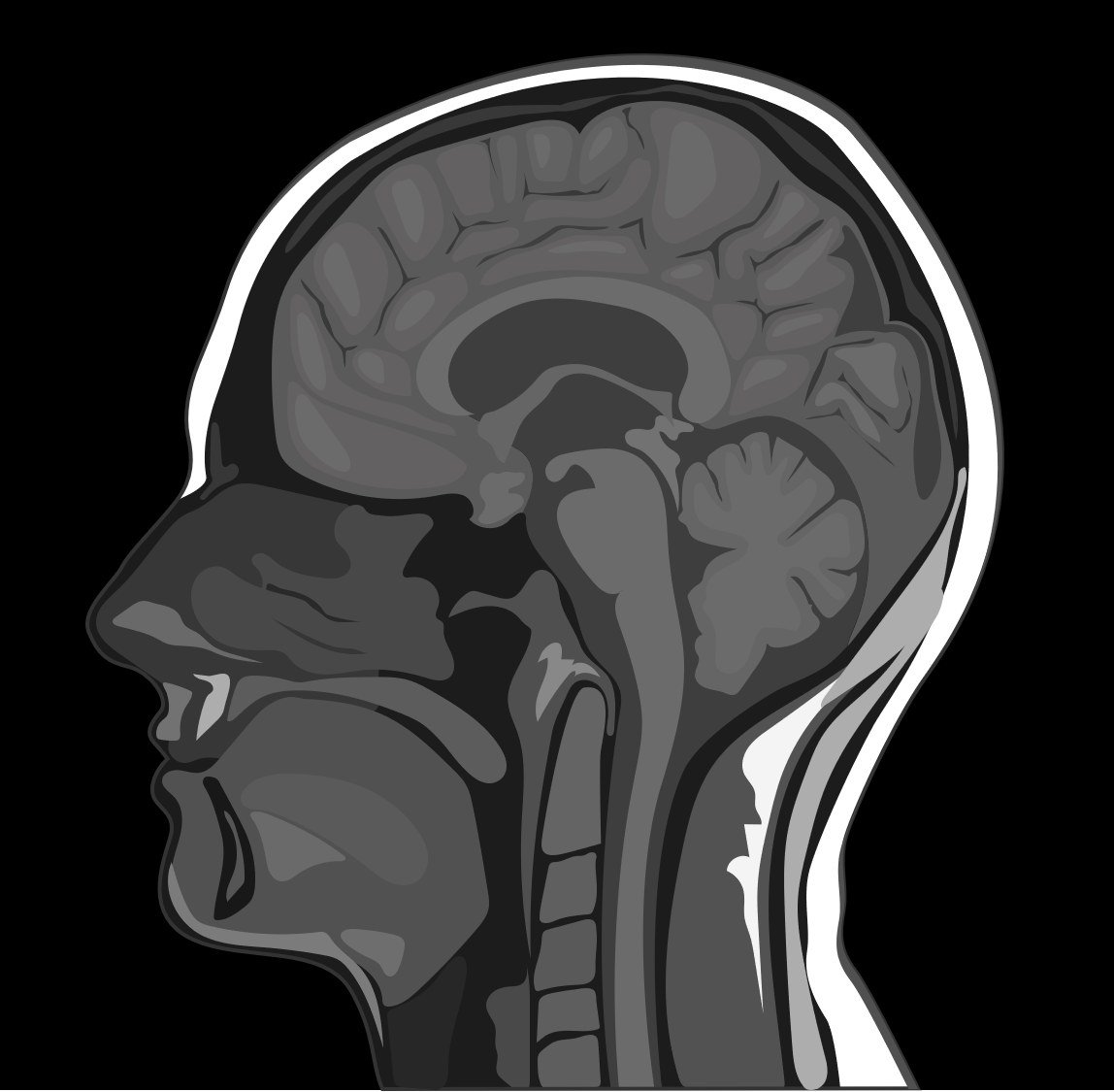
At the emergency department, the priority is airway, breathing, and circulation first, spine second. Once the patient is stable, a CT scan shows whether a bone is broken and whether that fracture is stable or unstable. If there is weakness, numbness, or loss of bladder control, an MRI is usually added to check the spinal cord and discs, not just the bone.
Only after these scans does a neurosurgeon decide whether the injury needs an operation, a rigid brace, or rest with monitoring. Many spinal fractures after a fall or road accident are stable and heal in a brace over eight to twelve weeks. Surgery is reserved for fractures that are unstable, that press on the spinal cord or nerves, or that are already causing weakness.
Will spinal trauma make me paralysed? Is the surgery safe?
Paralysis after spinal trauma is caused by damage to the spinal cord or nerves at the moment of injury, or by ongoing pressure afterward, not by the surgery meant to treat it. Surgery, when it is genuinely needed, is done to stop pressure from getting worse or to stabilise a broken spine so the patient can move safely again.
The real danger period is between the accident and the operation, if an unstable spine is moved carelessly or if treatment is delayed while a nerve stays compressed. This is why correct handling in the first hours, more than which hospital eventually operates, protects the nerves.
Every operation on the spine carries some risk, and a consultant should explain that risk honestly before the family agrees to it. But in trauma cases that genuinely need surgery, the bigger risk is usually doing nothing while a nerve remains under pressure.
How do doctors decide if I need spinal fusion surgery or just a brace?
The decision rests on three questions: is the fracture stable, is anything pressing on the spinal cord or nerves, and is the patient already showing weakness or numbness. If the answer to the second and third questions is no, most patients do well in a brace without surgery.
Spinal fusion surgery joins two or more vertebrae together with screws and rods so an unstable segment cannot move and injure the spinal cord further. It is used when the bone or ligaments holding the spine together are damaged enough that the spine cannot support itself even in a brace.
Imaging drives this decision, not guesswork. A CT scan shows the bone, an MRI shows the disc, ligaments, and spinal cord. Families are usually told either that an operation is needed or that a brace alone will be enough, based on these two scans read together, not one alone.

What are the slip disc treatment options besides surgery?
Most slip disc pain, including kamar dard that spreads down into taang mein dard, gets better without surgery. The usual first approach is a short period of rest, anti-inflammatory medicine, physiotherapy, and a gradual return to normal movement over four to six weeks.
A hakeem's oil massage or manipulation may ease muscle spasm for some people, but neither can shrink a genuinely herniated disc or relieve pressure on a trapped nerve. If pain worsens under manipulation, or if there is any weakness in the leg or foot, stop and see a spine specialist rather than continuing.
Surgery for a slip disc is considered only when pain has not responded to six or more weeks of proper non-surgical treatment, or sooner if there is significant leg weakness, foot drop, or loss of bladder or bowel control. That last group is an emergency, not something to wait out at home.
Does laser treatment for spine problems actually work?
Laser is a marketing term more than a proven surgical method for most spine problems. It is sometimes used as one tool inside a minimally invasive procedure, but a laser does not remove a herniated disc fragment or relieve nerve compression on its own the way it is often advertised.
Be cautious of any clinic that promises a laser cure for slip disc without explaining what the scan showed or what is actually being done to the disc or the trapped nerve. Ask directly what technique is being used, whether it is endoscopic surgery, microdiscectomy, or something else, and ask to see the MRI report.
Is endoscopic spine surgery an option for spinal stenosis or a fractured disc after trauma?
Endoscopic spine surgery is a minimally invasive way to remove a herniated disc fragment or free a nerve narrowed by spinal stenosis, done through an entry point about the width of a pencil rather than a long open cut. It is well established for degenerative problems such as slip disc and stenosis.
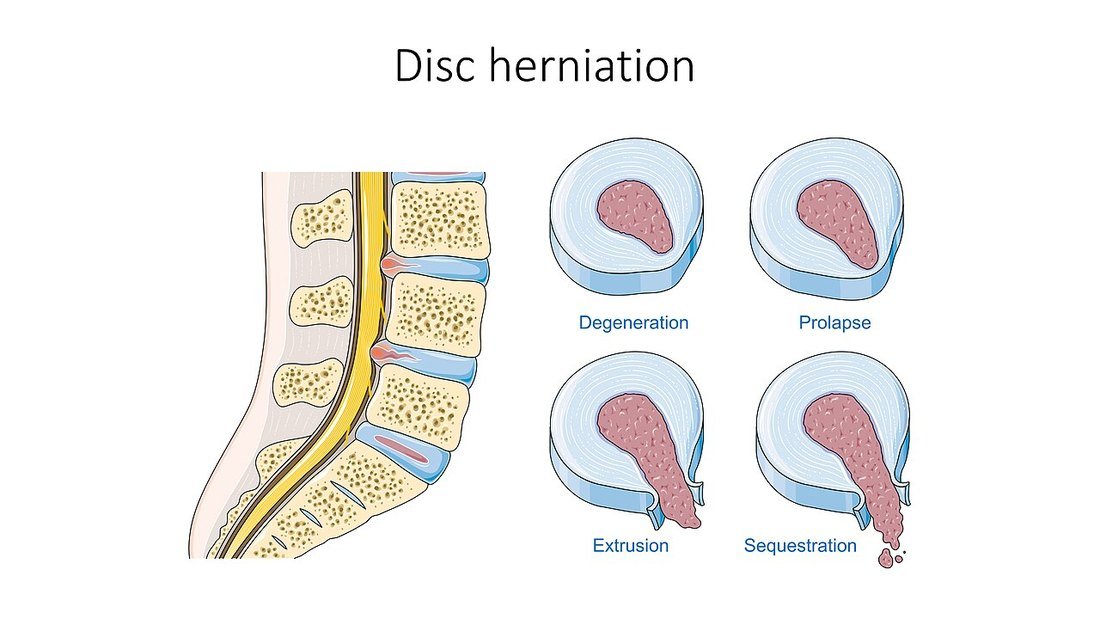
In spinal trauma its role is narrower. It can sometimes be used for a disc fragment pressing on a nerve after an injury, but an unstable fracture that needs screws and rods for stability usually needs open fusion surgery instead. Which one applies depends entirely on what the CT and MRI show.
For spinal stenosis, whether from age-related wear or an old injury that narrowed the canal over time, endoscopic decompression can relieve leg pain and improve walking distance with a shorter recovery than open surgery, in patients who are suitable candidates.
What does spinal fusion surgery cost in Pakistan?
Cost varies with the number of levels fused, the implants used, the hospital, and whether the case is urgent trauma or planned degenerative surgery. There is no single fixed figure that applies to every patient, and anyone quoting one number over the phone without seeing your scans is guessing.
Before agreeing to any spine operation in Faisalabad or elsewhere in Punjab, ask the hospital and surgeon for a written quote that separates the surgeon's fee, hospital stay, implants, and anaesthesia. This protects the family from surprise bills partway through admission and lets you compare hospitals fairly.
Endoscopic surgery and microdiscectomy for a slip disc are generally less expensive than fusion surgery for trauma, since they need fewer implants and a shorter hospital stay, but the exact difference should still be confirmed in writing for your specific case.
For the full cost breakdown, see what a spinal fusion quote should include.
Where should I go for slip disc treatment or spinal trauma care near me?
Go to the nearest hospital with a CT scanner immediately after any accident involving the back or neck, even if the pain does not seem severe at first. For non-emergency slip disc or stenosis pain, start with an assessment from a neurosurgeon or spine specialist who can order an MRI and explain, plainly, whether you fall into the group that needs surgery or the larger group that does not.
Dr. M. Abdur Rehman is a consultant neurosurgeon and spine surgeon practising at Mujahid Hospital, Faisalabad, with a particular focus on endoscopic spine surgery and microdiscectomy for slip disc and spinal stenosis, alongside management of spinal trauma. If you are searching for the best endoscopic spine surgeon in Faisalabad, the first useful step is simply getting your scans reviewed by someone who will tell you honestly whether you need an operation at all.
Questions patients ask about this
Can a slipped disc heal without surgery?
Yes, most slipped discs improve over four to six weeks with rest, anti-inflammatory medicine, and physiotherapy, as the disc fragment shrinks and inflammation settles. Surgery is considered only if pain persists beyond this period despite proper treatment, or sooner if there is significant leg weakness, foot drop, or loss of bladder control.
How long is recovery after spinal fusion surgery for trauma?
Recovery depends on the fracture and how many levels were fused, but most patients spend a few days in hospital, wear a brace for several weeks, and return to light activity within two to three months. Heavier work and driving usually wait until the surgeon confirms the fusion has healed on follow-up imaging.
What is the difference between endoscopic spine surgery and microdiscectomy?
Both remove a herniated disc fragment pressing on a nerve. Microdiscectomy uses a small incision and a microscope; endoscopic surgery uses an even smaller entry point, about the width of a pencil, and a camera on a thin tube. Both are established techniques; suitability depends on your specific scan findings, not preference alone.
Is spinal fusion surgery cost in Pakistan covered by insurance?
Some private health insurance policies in Pakistan cover part of spinal fusion surgery, but coverage limits, pre-approval requirements, and excluded implants vary widely between insurers. Confirm your policy's specific spine surgery coverage with the insurer in writing before admission, and still ask the hospital for a full written quote as backup.
Related articles
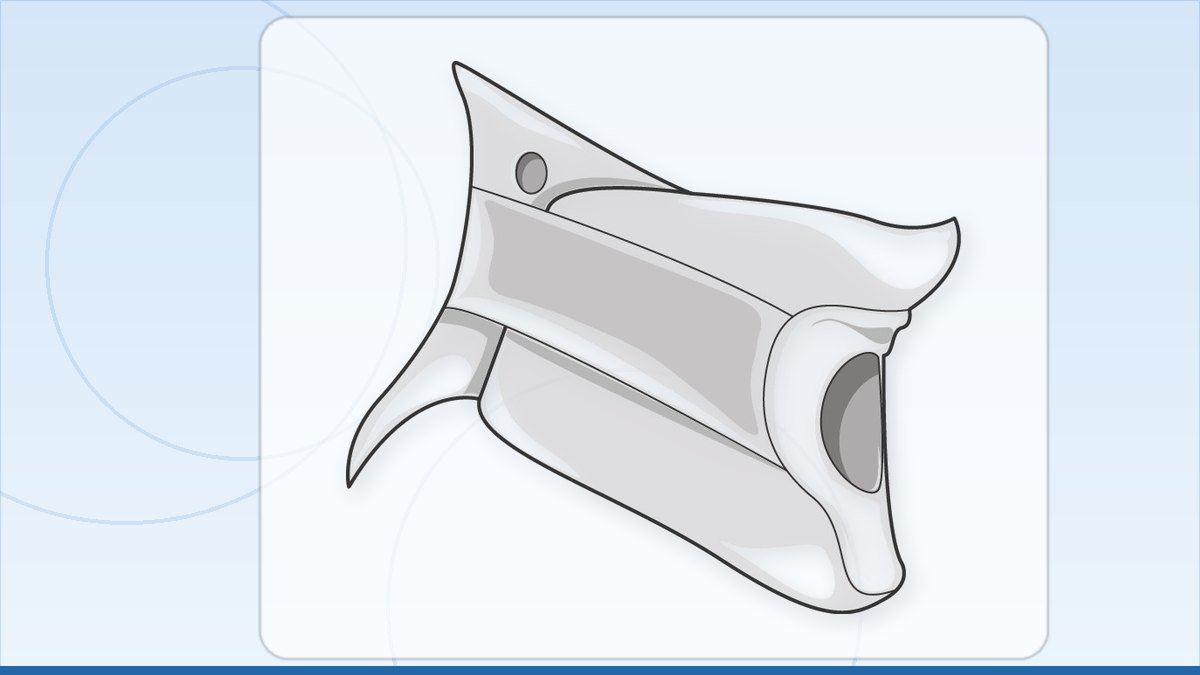
Spinal fracture: which ones need surgery and which heal in a brace
Spinal fracture treatment in Pakistan: which fractures heal in a brace and which need surgery, explained…
Read this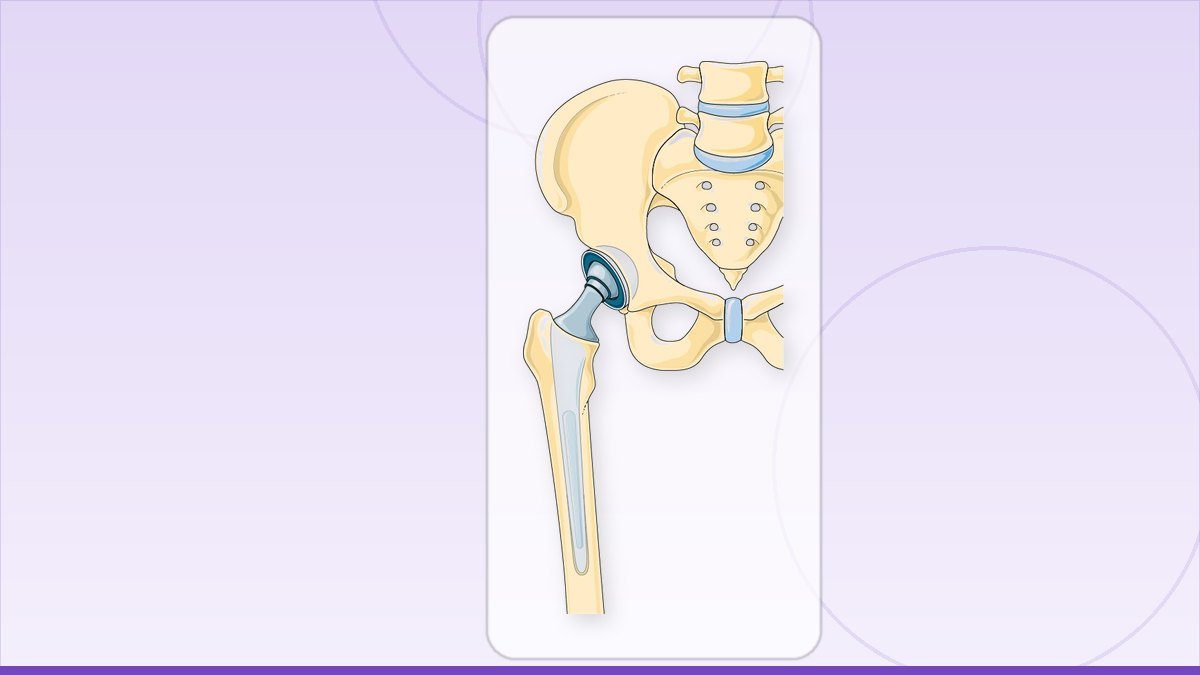
Spinal fixation: screws, rods and when the spine needs holding
Spinal fixation surgery: what it treats, when it's really needed, whether it's safe, and what it…
Read this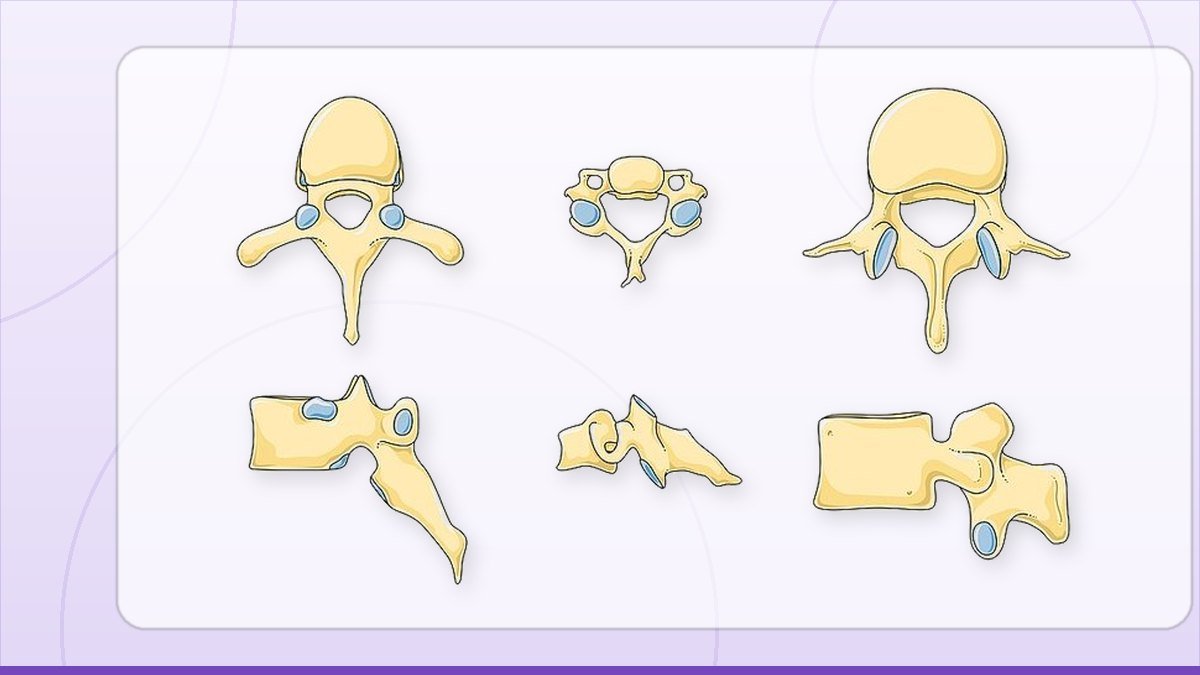
What happens if you delay spinal fusion, and is it cheaper abroad?
If spinal fusion is genuinely needed, what delaying it risks, the signs it is time to see a surgeon, and…
Read thisAll patient questions · Spine surgery in Faisalabad · Book an appointment
Ask about your own scan. Send your MRI or X-ray on WhatsApp and get a straight answer on whether surgery is needed at all, from a consultant neurosurgeon in Faisalabad.
Dr. M. Abdur Rehman is a consultant neurosurgeon in Faisalabad. Send your scan on WhatsApp and ask what it actually shows.
Published for the practice of Dr. M. Abdur Rehman, consultant neurosurgeon, Mujahid Hospital, Faisalabad. General information only, not a substitute for examination.