You have been told you have a disc problem. What now?
A disc problem usually means a slipped or bulging disc pressing on a nerve, causing kamar dard and taang mein dard. Most cases improve in six to twelve weeks with rest, physiothera…


Spine and brain conditions explained without jargon — slip disc, sciatica, stenosis, scoliosis, myelopathy and more — so you know what you are dealing with before your appointment. From degenerative disc disease and disc prolapse to cervical myelopathy, spinal stenosis and cauda equina syndrome, these articles name what is actually happening on your scan or in your symptoms. 25 articles in this section, written for the practice of Dr. M. Abdur Rehman, consultant neurosurgeon, Faisalabad.
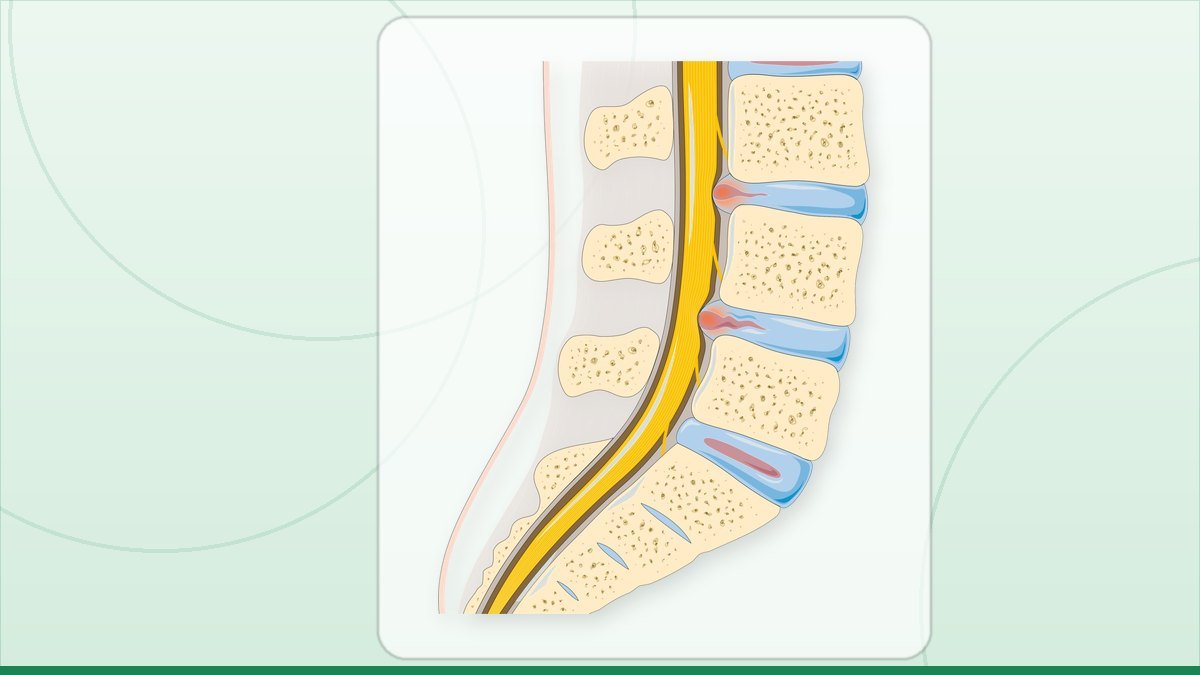
A disc problem usually means a slipped or bulging disc pressing on a nerve, causing kamar dard and taang mein dard. Most cases improve in six to twelve weeks with rest, physiothera…
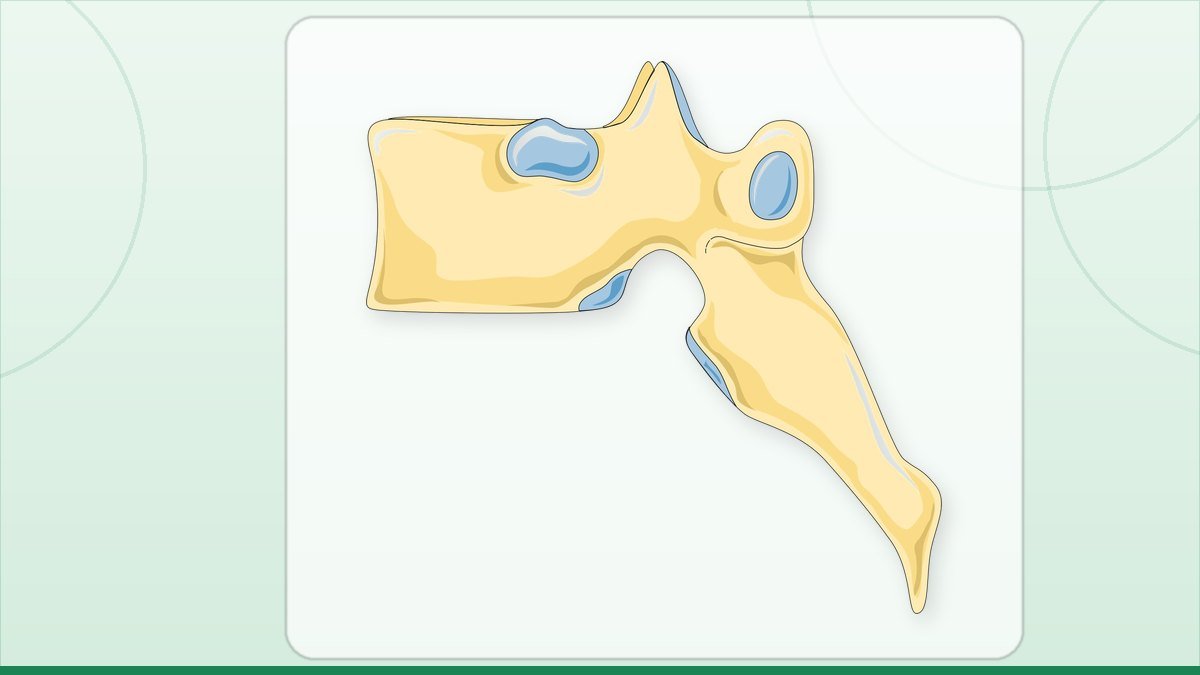
Thoracic spine pain is pain in the mid-back, between the shoulder blades, from the twelve vertebrae T1 to T12. It is usually muscular, postural, or arthritic rather than disc-relat…
Ordinary back pain usually eases with rest and improves within weeks. A spinal tumour is more likely if pain wakes you at night, keeps getting worse instead of better, comes with u…
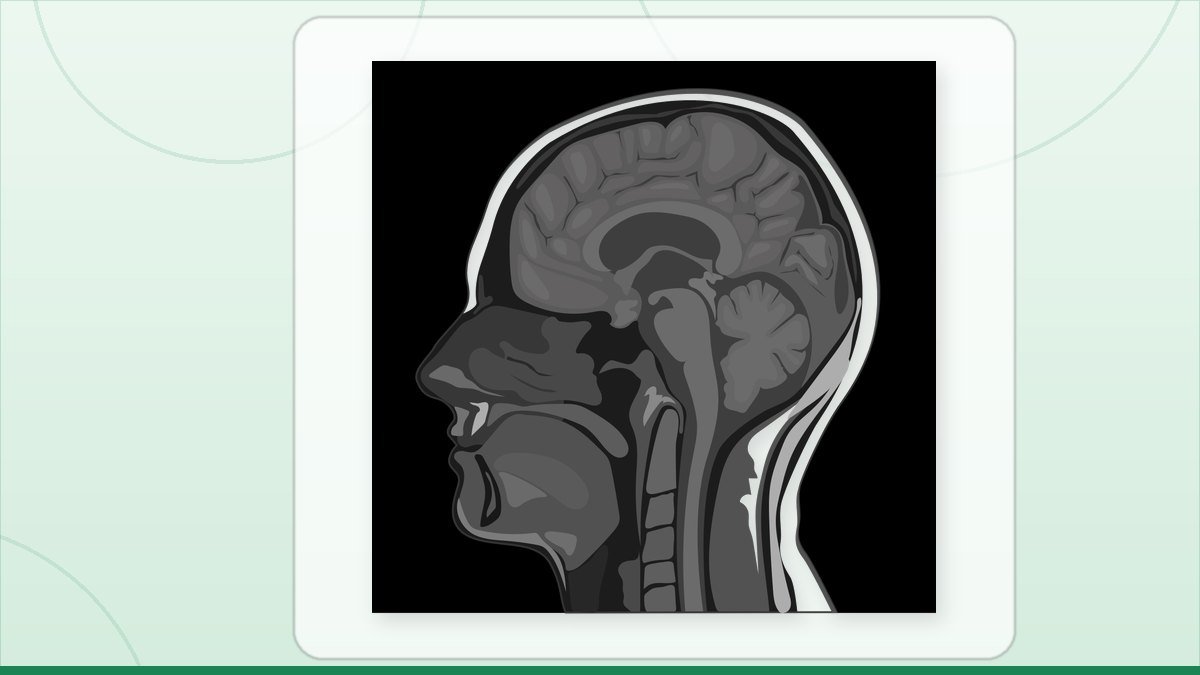
Spinal infection symptoms are a fever combined with steady, worsening back pain that does not ease with rest, especially pain that wakes you at night. Other signs include unexplain…
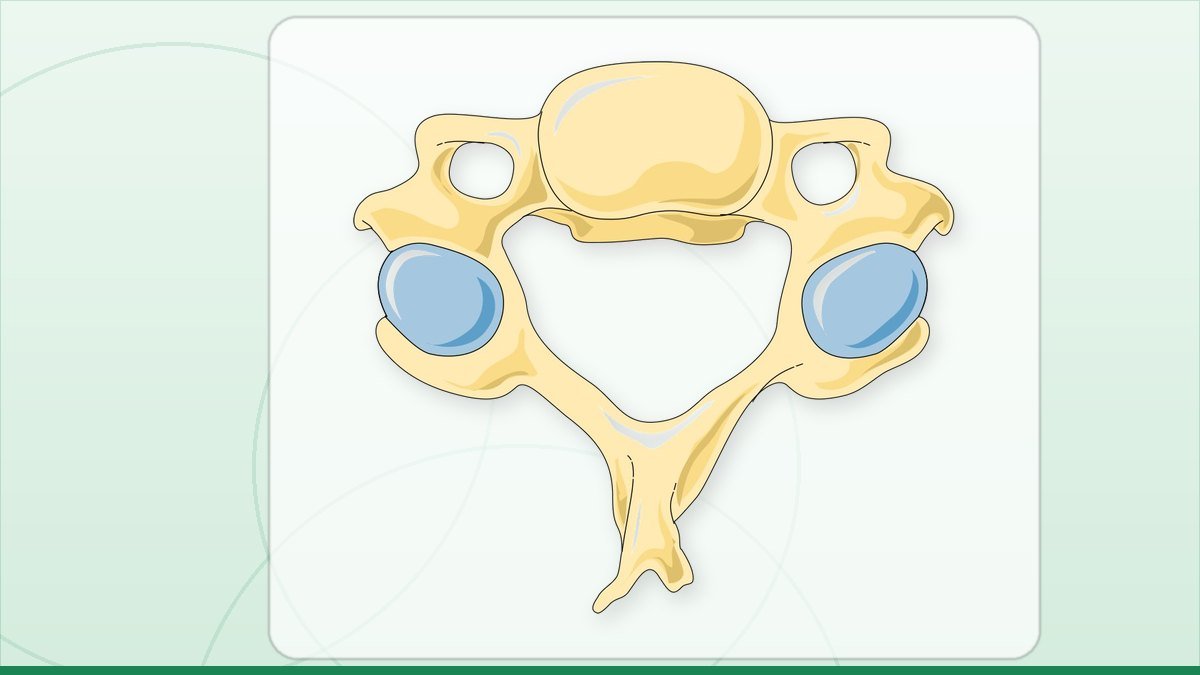
In cervical disc surgery, the surgeon removes the damaged part of the disc that is pressing on a nerve or the spinal cord, working through the front or back of the neck. What repla…
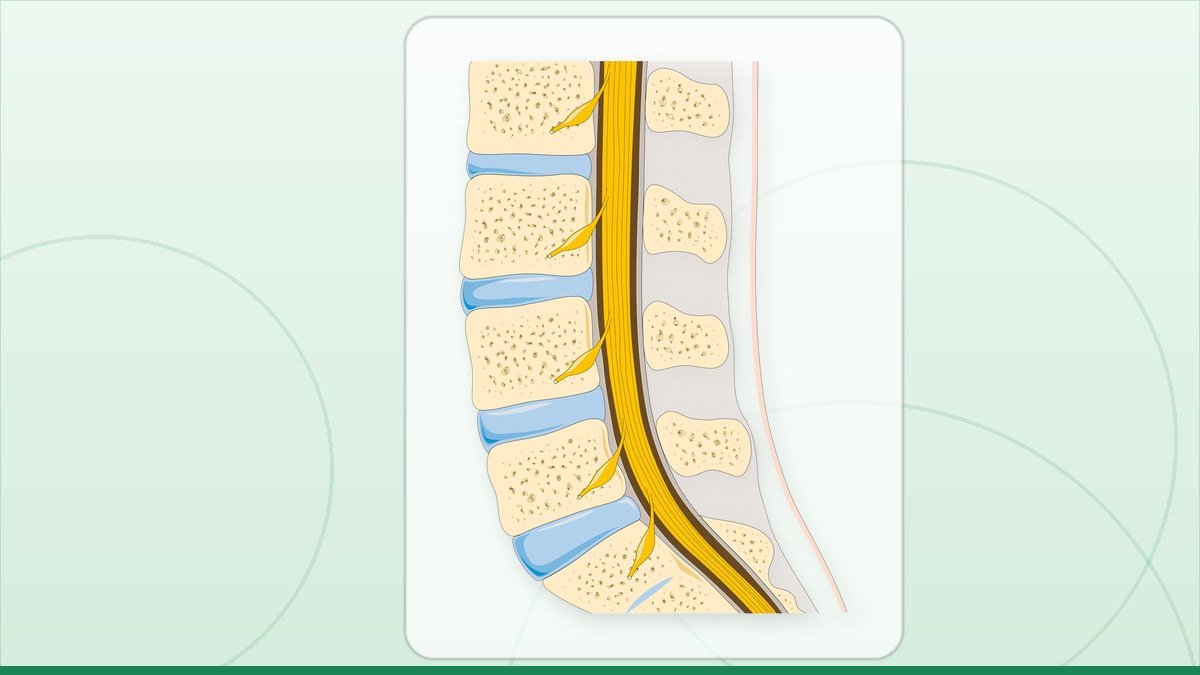
Most lumbar spine problems come from the two lowest discs, L4-L5 and L5-S1, because they carry the most load and bend the most. Wear, bulging, or herniation here causes kamar dard …
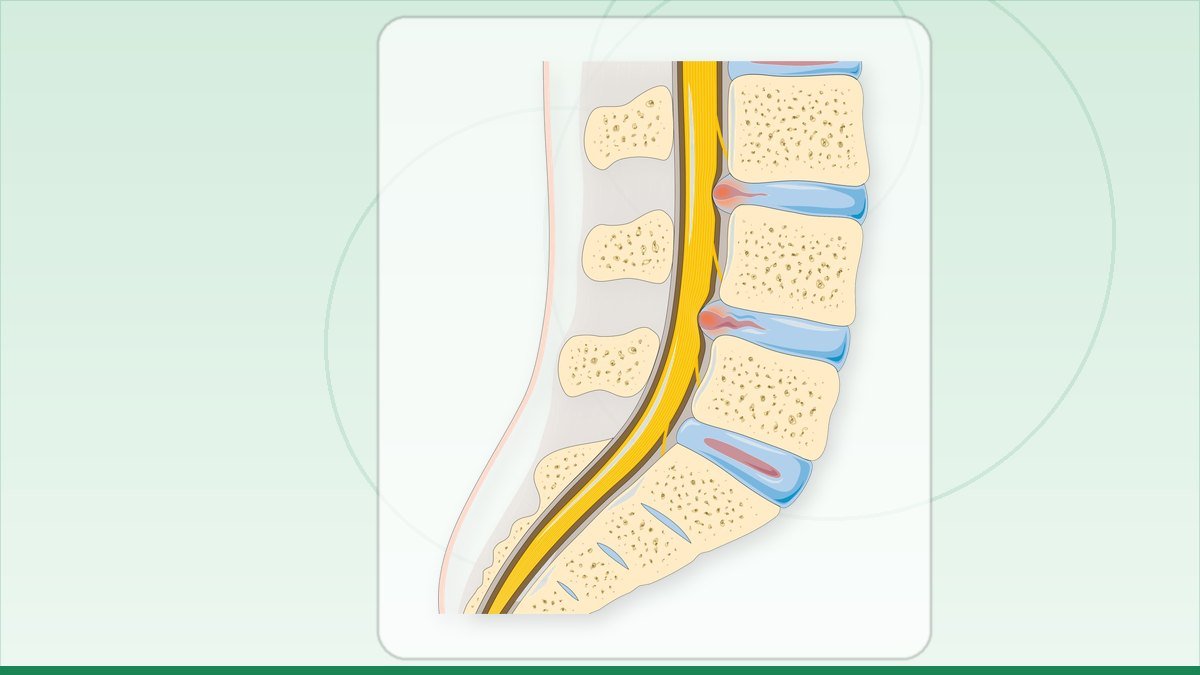
Bulge, protrusion, extrusion and prolapse are four stages of the same worn disc pushing outward: mild swelling, a rounder bulge, disc material breaking through the outer ring, and …
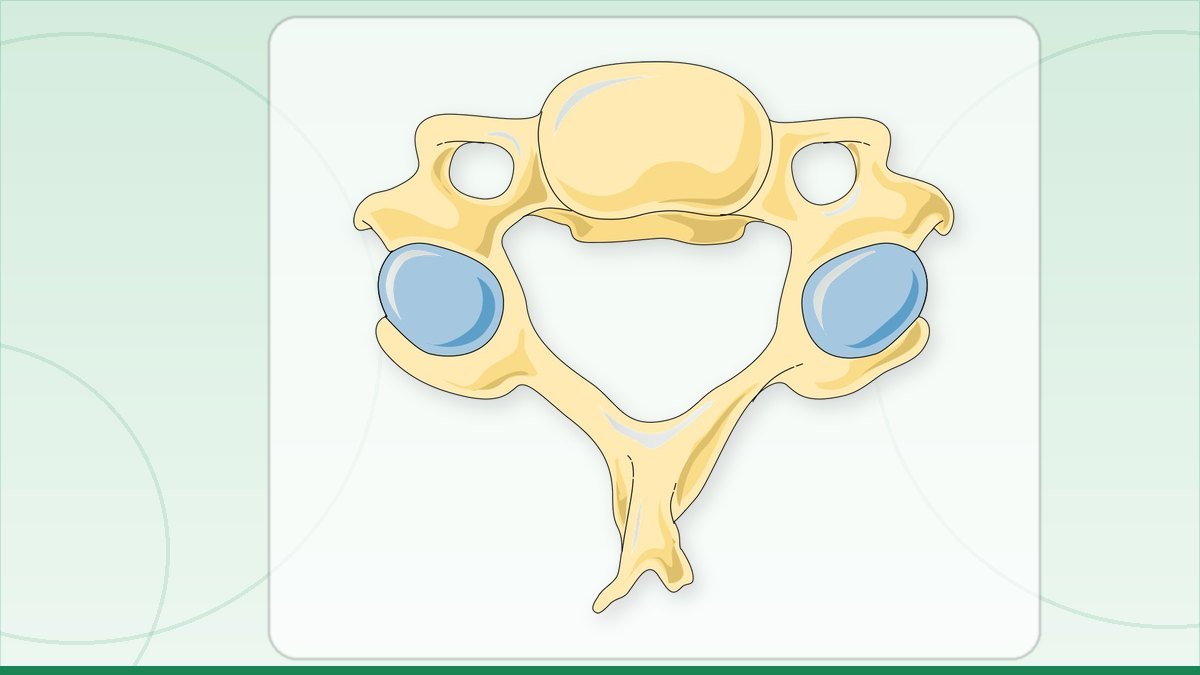
Cervical spine treatment ranges from rest, physiotherapy, and medicines for mild neck pain, to injections or surgery when a disc or bone spur presses on a nerve or the spinal cord.…
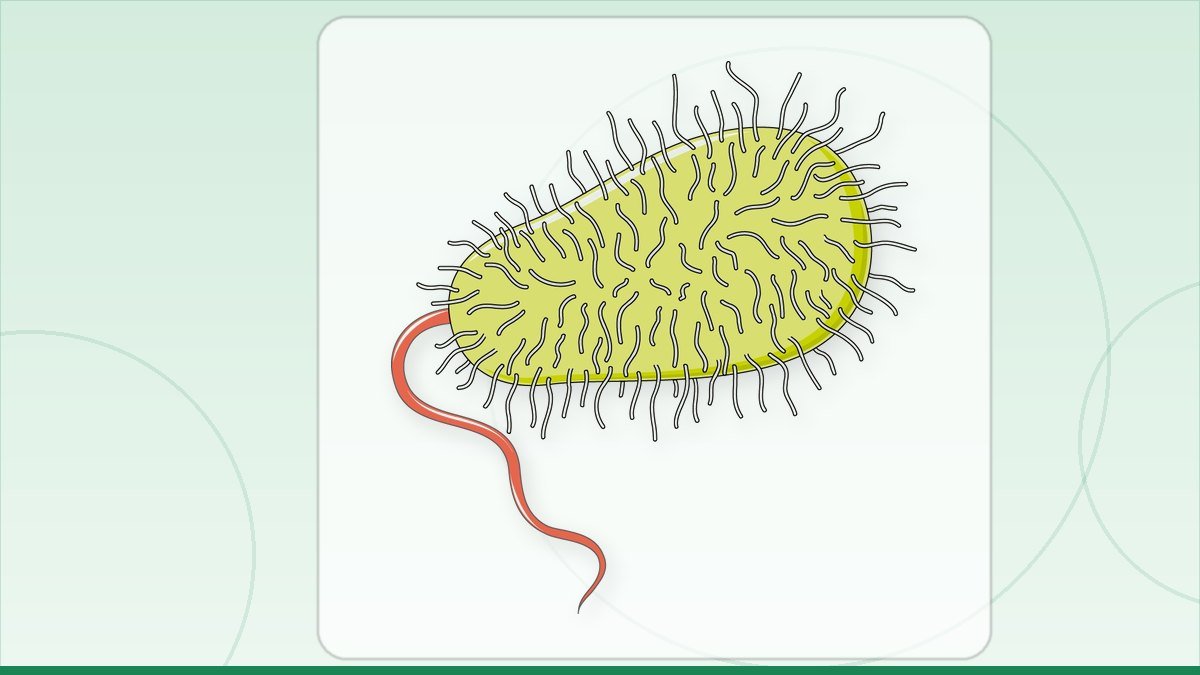
TB of the spine, or Pott disease, is treated mainly with anti-TB medicines taken for many months, not with surgery. Most patients recover well if treatment starts early and is comp…
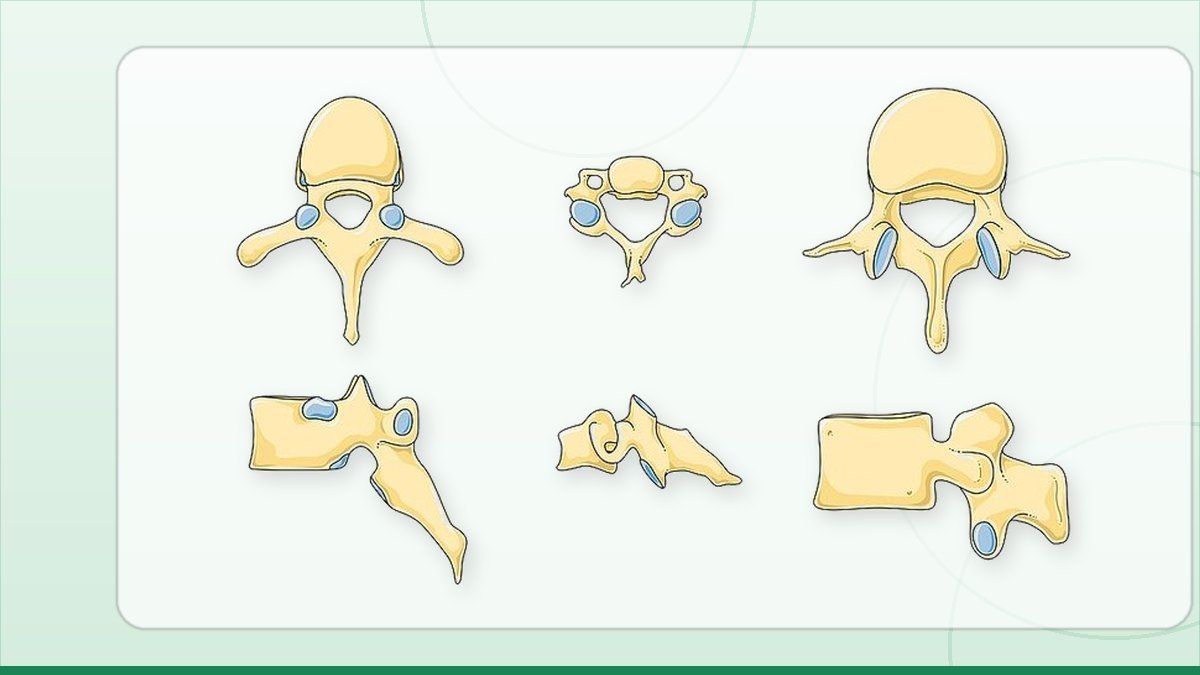
Spondylolisthesis means one vertebra has slipped forward over the one below it. Most cases are mild and settle with physiotherapy, weight control and time. Surgery is considered on…
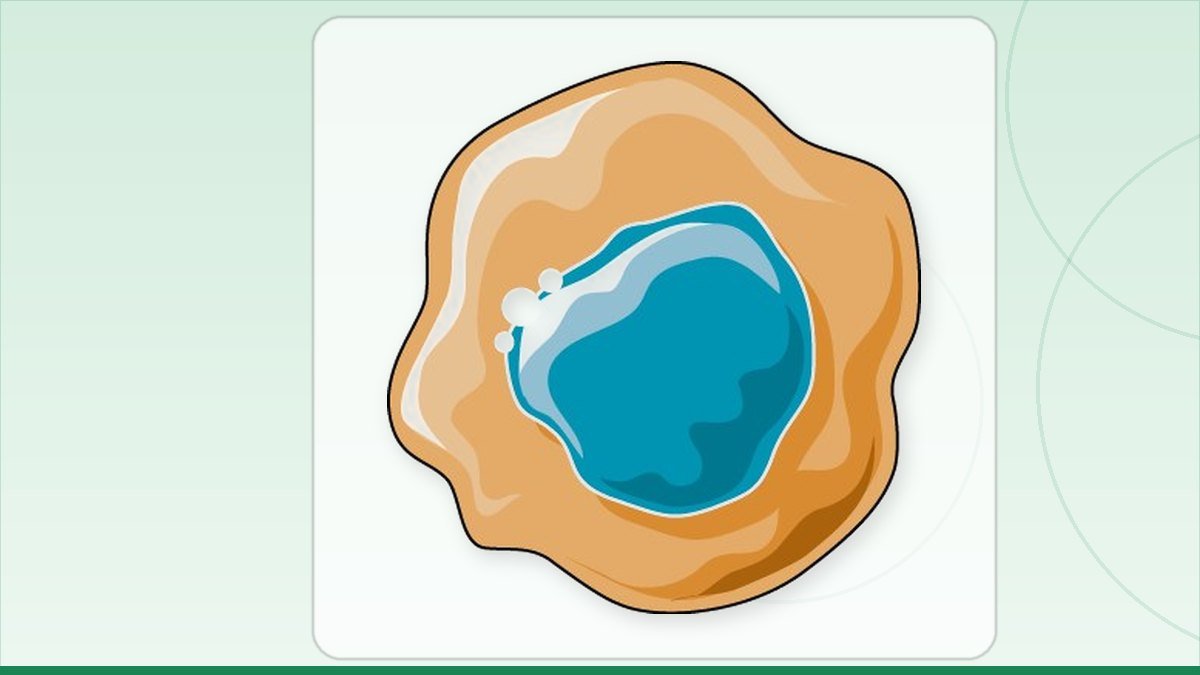
Spinal tumours are rare. The pattern that raises concern is back pain that wakes you at night, pain that does not settle with rest, and weakness or numbness that is getting worse w…
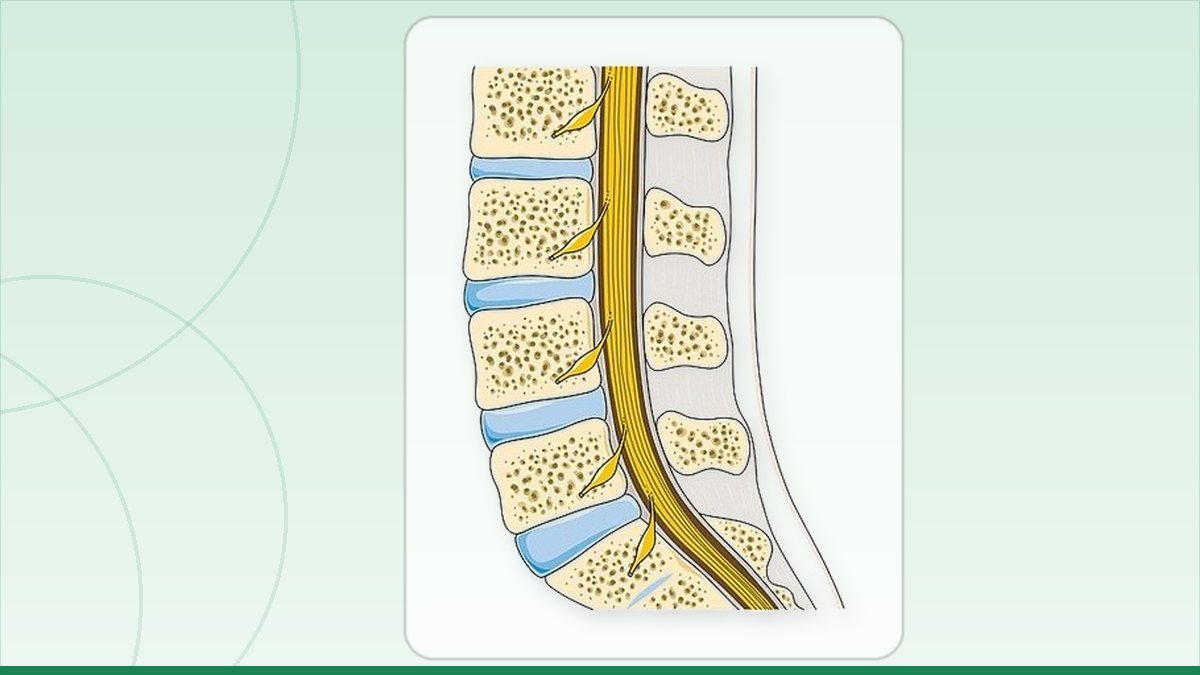
Spinal stenosis is narrowing of the spinal canal that squeezes the nerves to your legs. Standing and walking make the pain worse; sitting or bending forward opens the canal and eas…
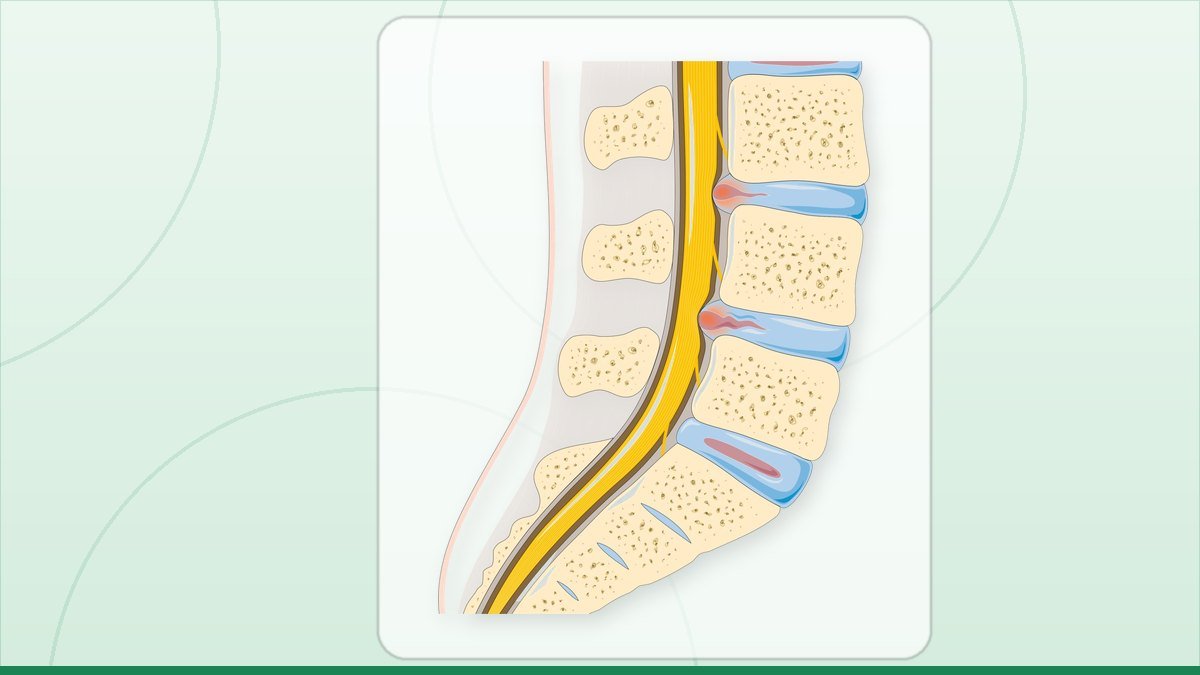
A slip disc happens when the soft centre of a spinal disc pushes out and presses on a nerve, causing kamar dard and taang mein dard. Most cases settle within six to twelve weeks wi…
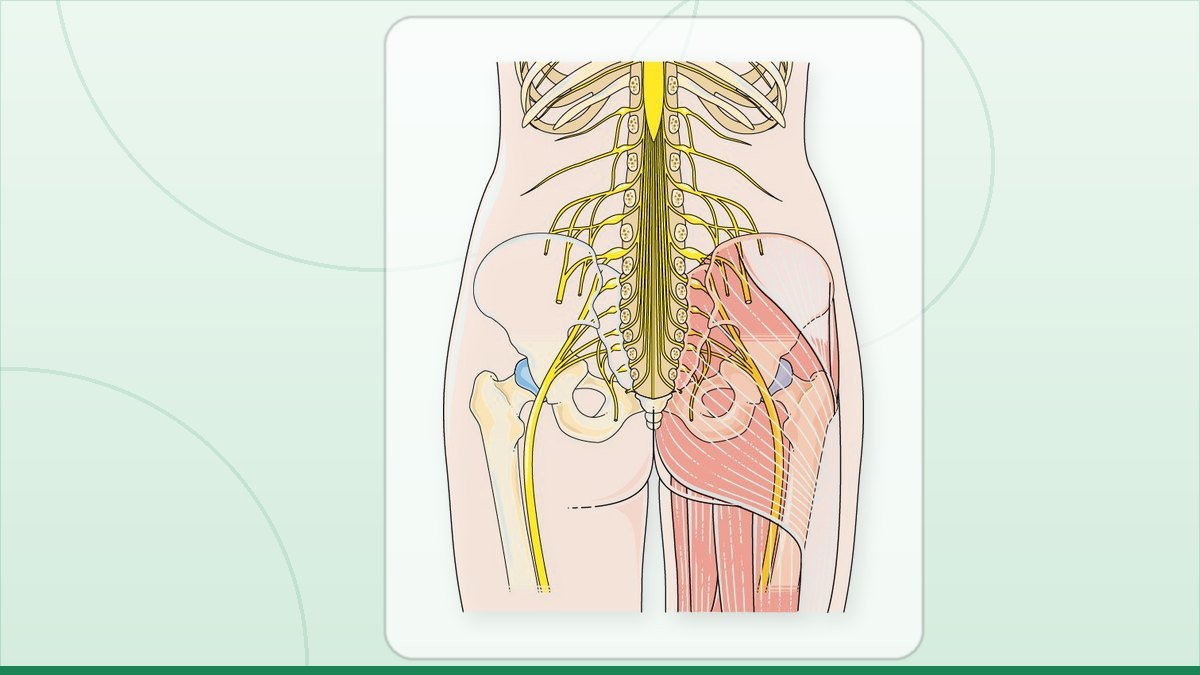
Sciatica hurts more in the leg because the problem sits at the nerve root in your spine, not in the leg itself. A disc bulge presses the root, and pain travels down the path that n…
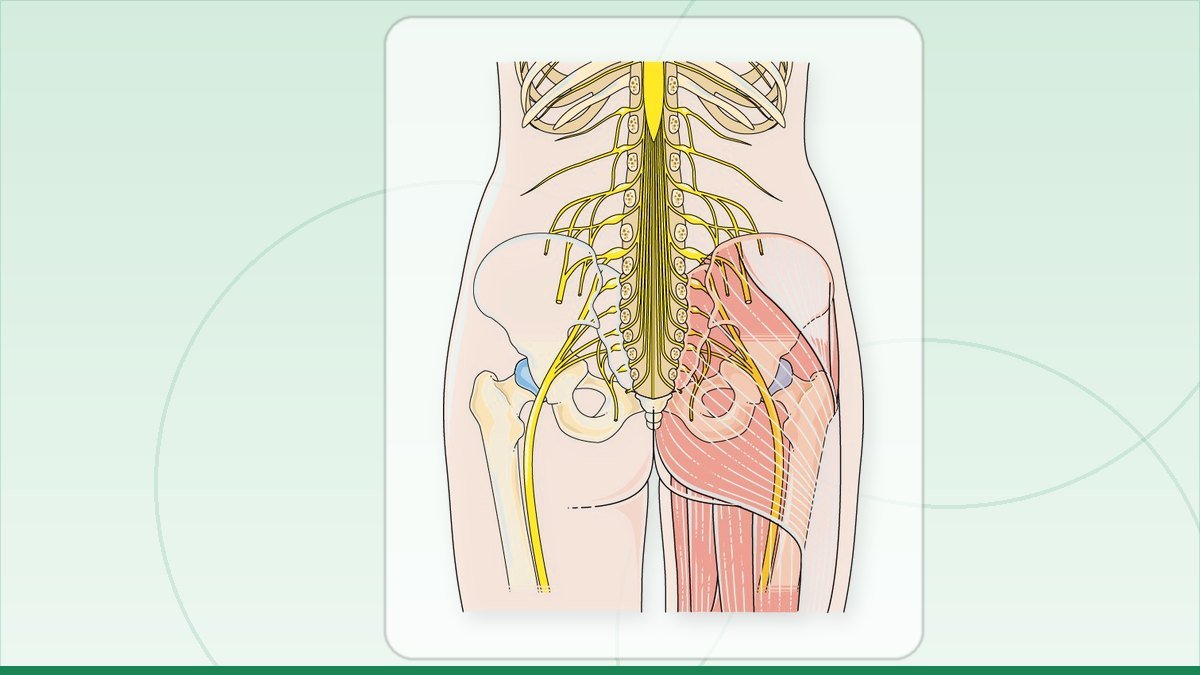
Sacroiliac joint pain sits low, just beside the dimple above your buttock, and usually stays above the knee. Sciatica from a slipped disc travels down the back of the leg, past the…
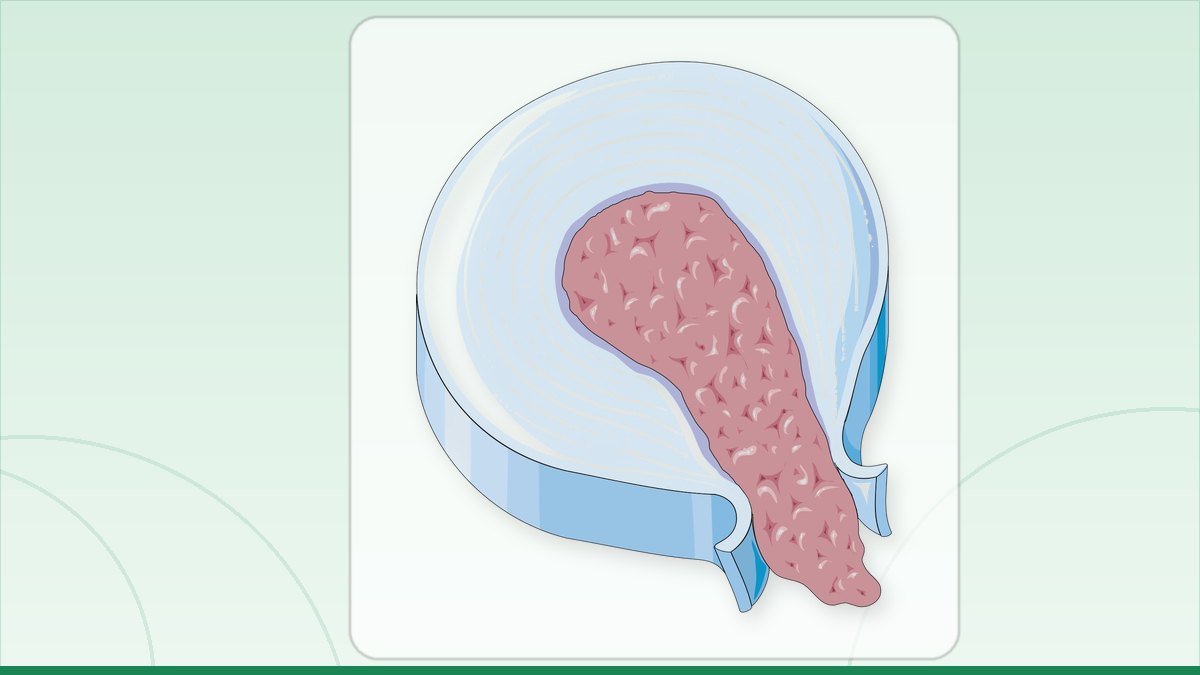
A second slip disc is not inevitable. Most people who recover, with or without surgery, never herniate the same disc again. Your best protection is the first year: walk every day, …
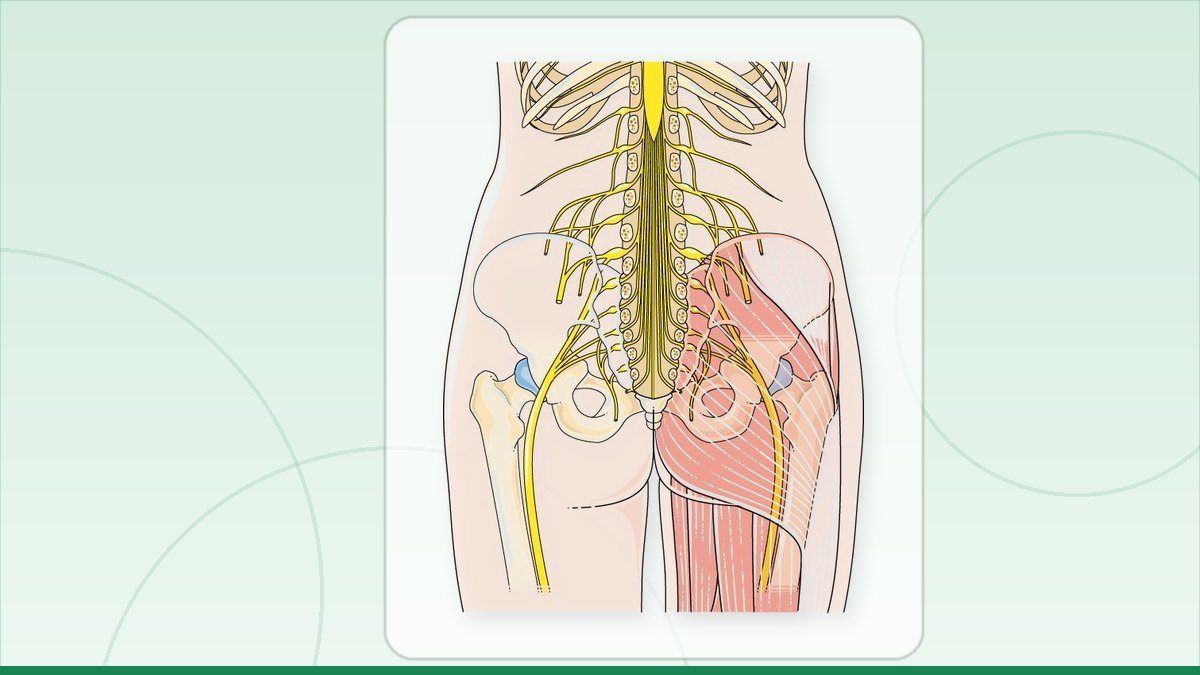
Both cause taang mein dard, but the trouble sits in different places. A slipped disc presses a nerve root inside your lower back. Piriformis syndrome irritates the sciatic nerve un…
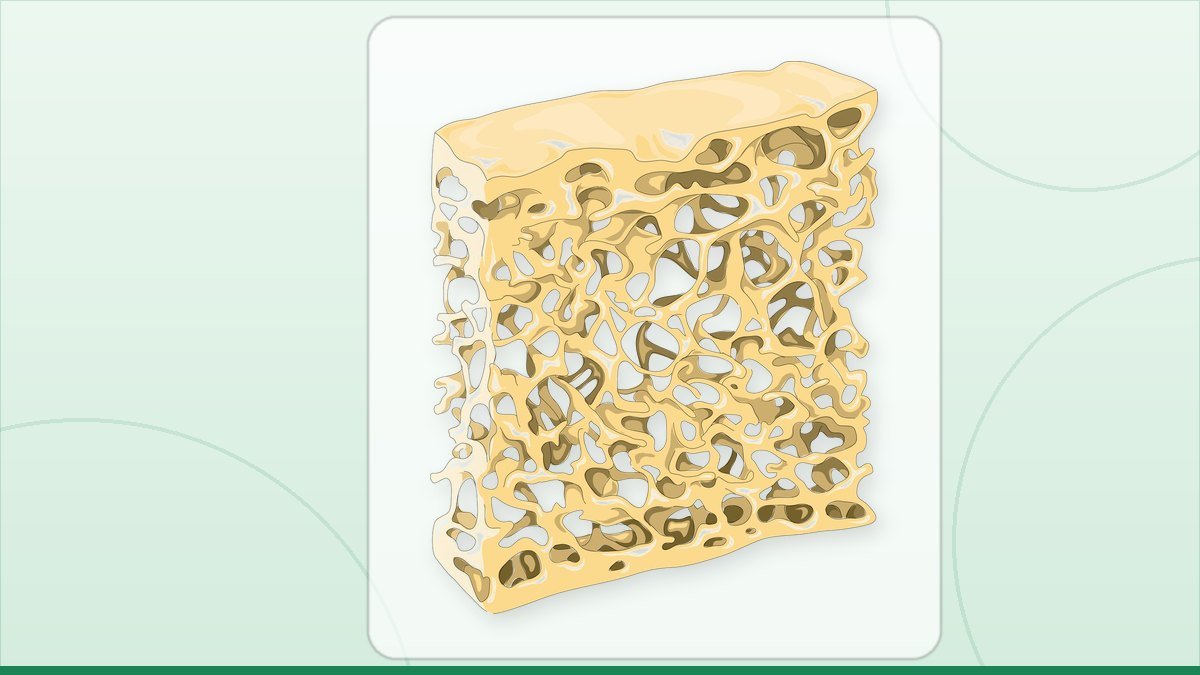
An osteoporotic spine fracture is a collapse of a weakened vertebra, often after a small fall, a cough, or lifting something light. Most heal with pain control, bracing and osteopo…
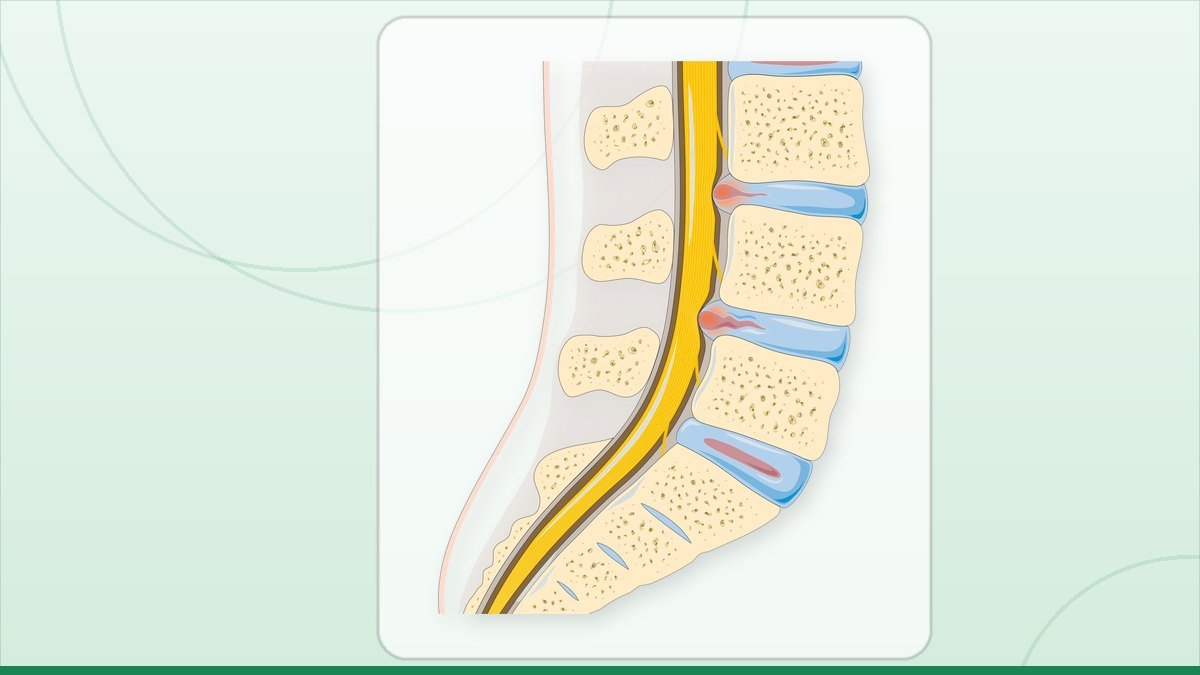
A cervical disc herniation presses on a nerve in the neck, sending pain, tingling or weakness down one arm. Most cases settle within six to twelve weeks with medicine, physiotherap…
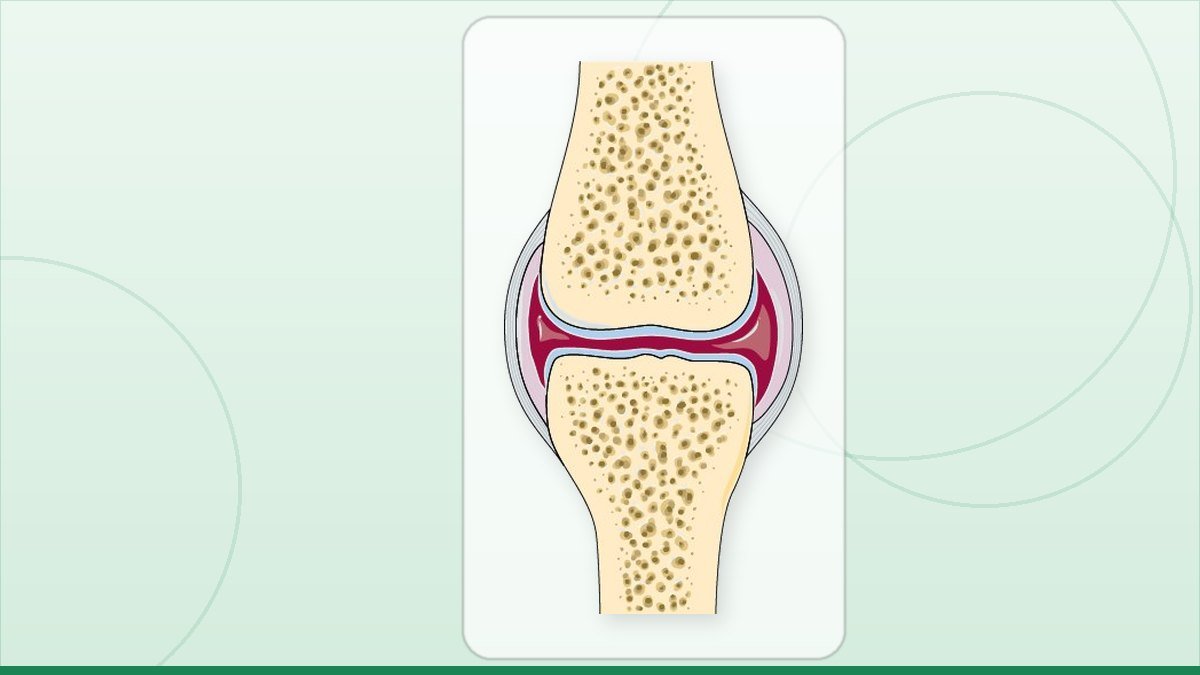
Facet joint pain comes from the small joints at the back of your spine. It is worse when you stand, walk or lean backwards, and eases when you sit or bend forward. Most cases settl…
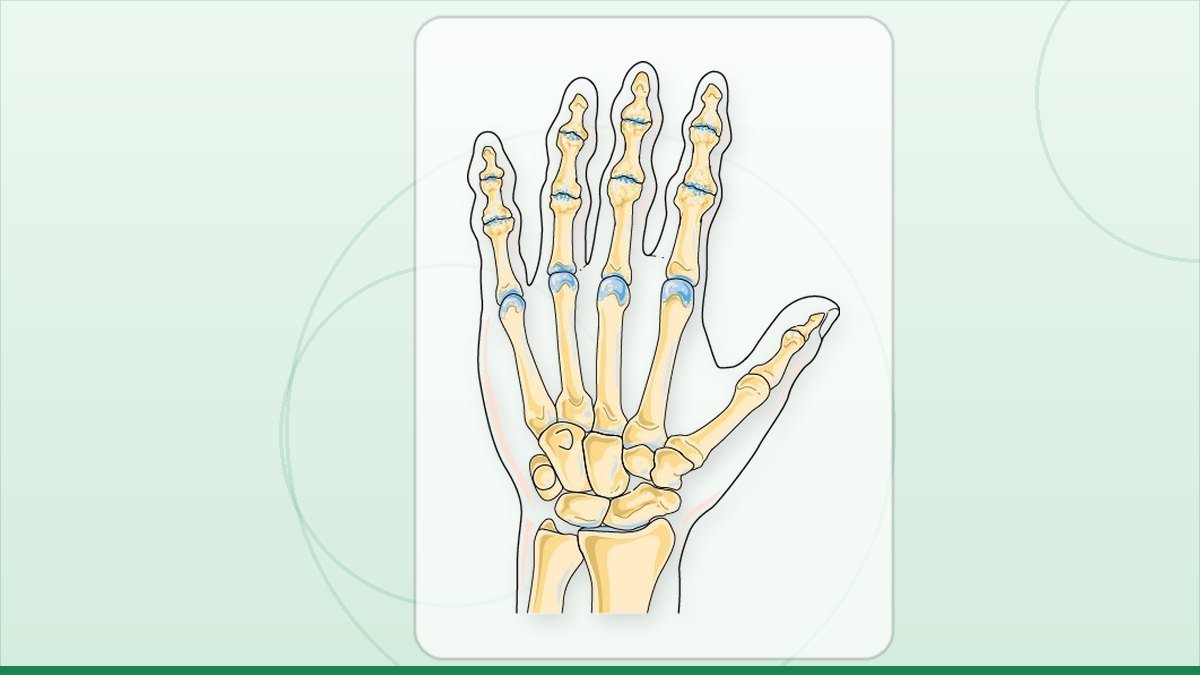
Despite the name, degenerative disc disease is not a disease. It is the term used for normal age-related drying and flattening of spinal discs. Most people over forty show it on MR…
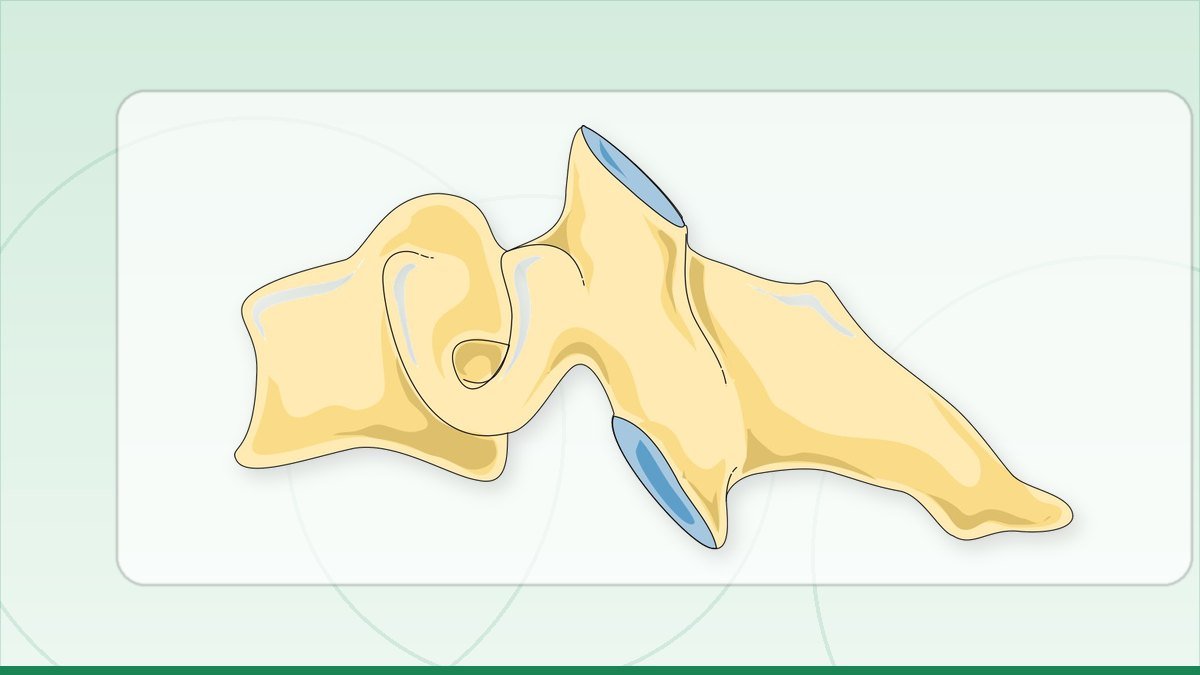
Cervical myelopathy is pressure on the spinal cord in your neck. The early signs are easy to miss: buttons and zips become fiddly, handwriting gets messy, you drop things, and your…
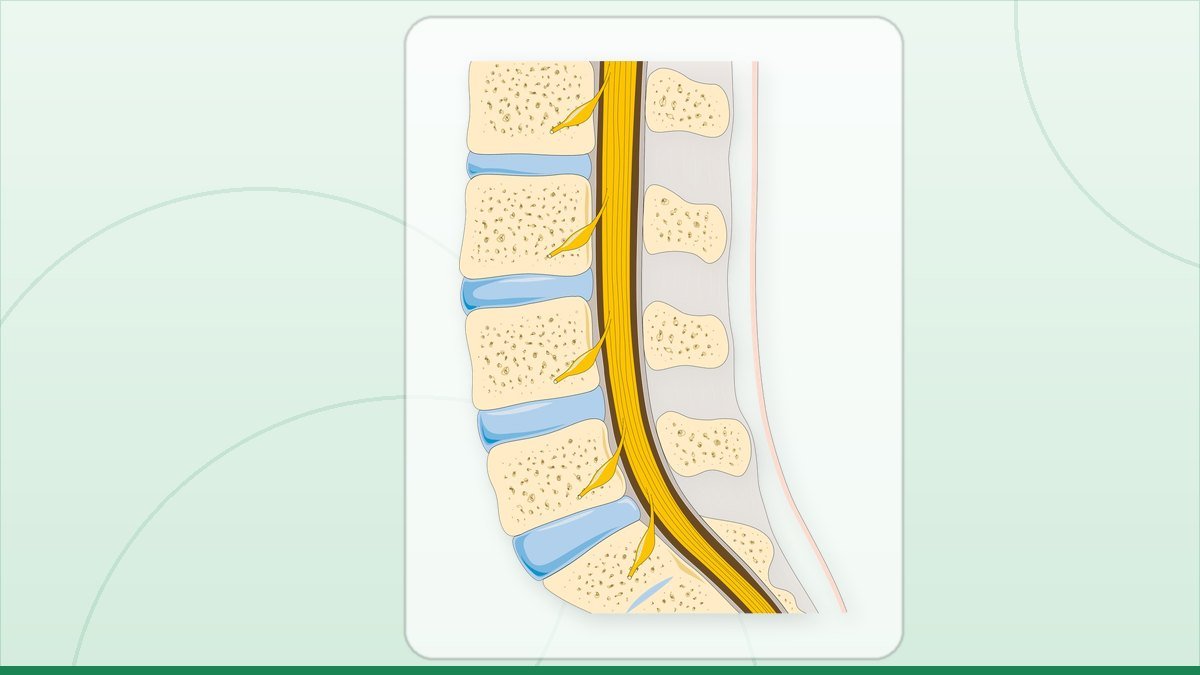
Cauda equina syndrome is a rare emergency where the nerve bundle at the bottom of the spine is squeezed, usually by a large slipped disc. Warning signs are trouble passing or contr…
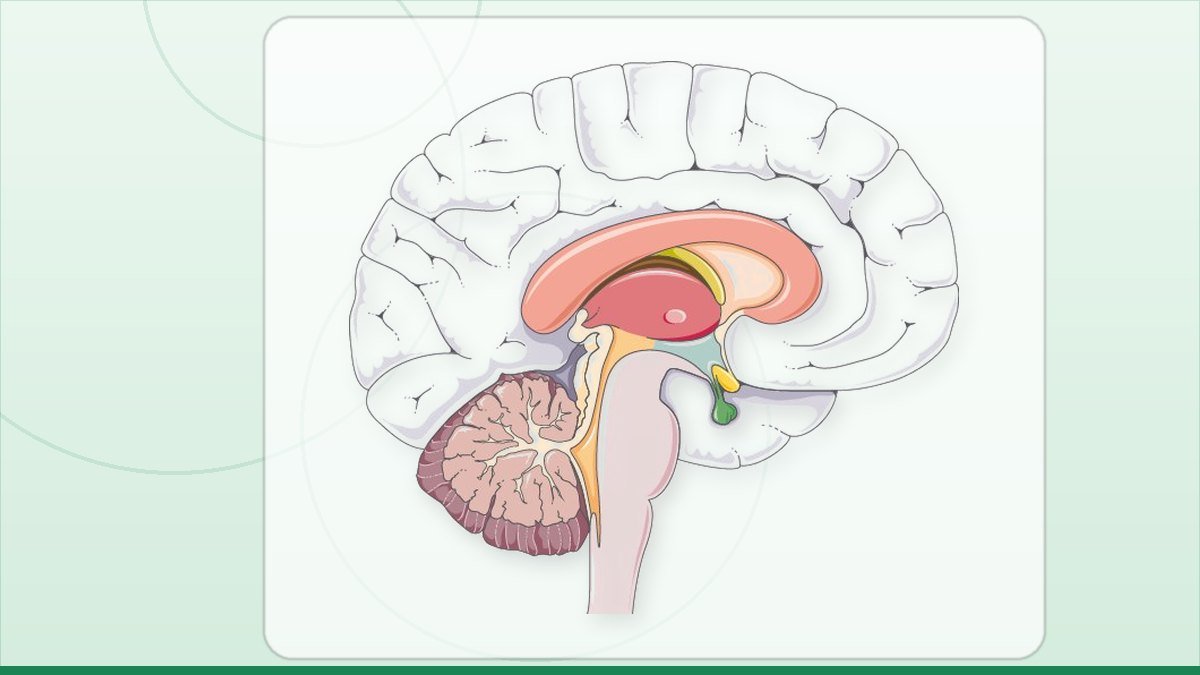
Most headaches are not brain tumours. Get checked if a new headache is worse in the morning, wakes you from sleep, or keeps worsening over weeks, or if it comes with vomiting, blur…
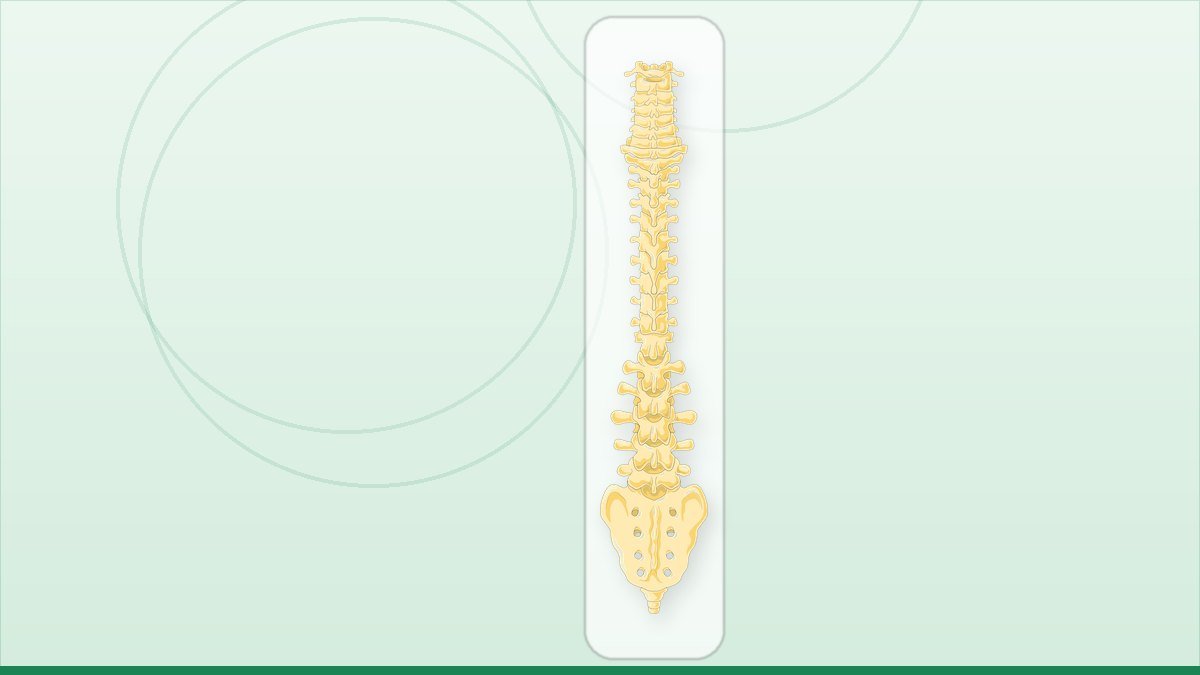
Most adults with scoliosis never need surgery. A curve you have carried since childhood rarely becomes dangerous on its own. When back pain comes with scoliosis, it usually settles…
Symptoms worth checking — numbness, night pain, foot drop — and how MRI, X-ray, CT and EMG are actually used to find the cause.
13 articles → See alsoLife after spine surgery: physiotherapy, safe lifting, sleeping position, return to work and namaz, and living well with a spine condition long-term.
17 articles →