What a spine surgeon actually does all day
A spine surgeon spends most of each day in clinic, not the operating theatre: reading MRIs, examining patients with kamar dard or taang mein dard, and deciding who needs surgery an…


General spine health and day-to-day guidance for patients — the articles that do not sit neatly inside conditions, procedures or recovery, but are worth reading anyway. It covers spinal trauma and fractures, spinal TB, why the L4-L5 and L5-S1 levels wear out first, and what a spine surgeon actually does when surgery is — and is not — the right call. 8 articles in this section, written for the practice of Dr. M. Abdur Rehman, consultant neurosurgeon, Faisalabad.
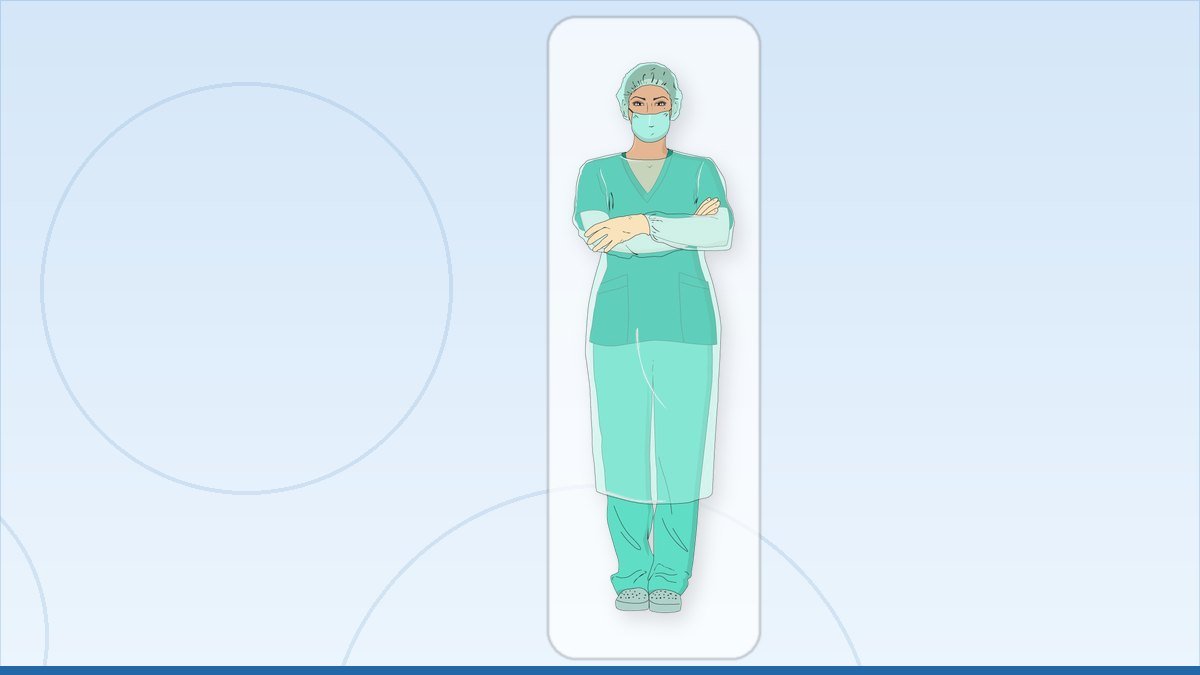
A spine surgeon spends most of each day in clinic, not the operating theatre: reading MRIs, examining patients with kamar dard or taang mein dard, and deciding who needs surgery an…
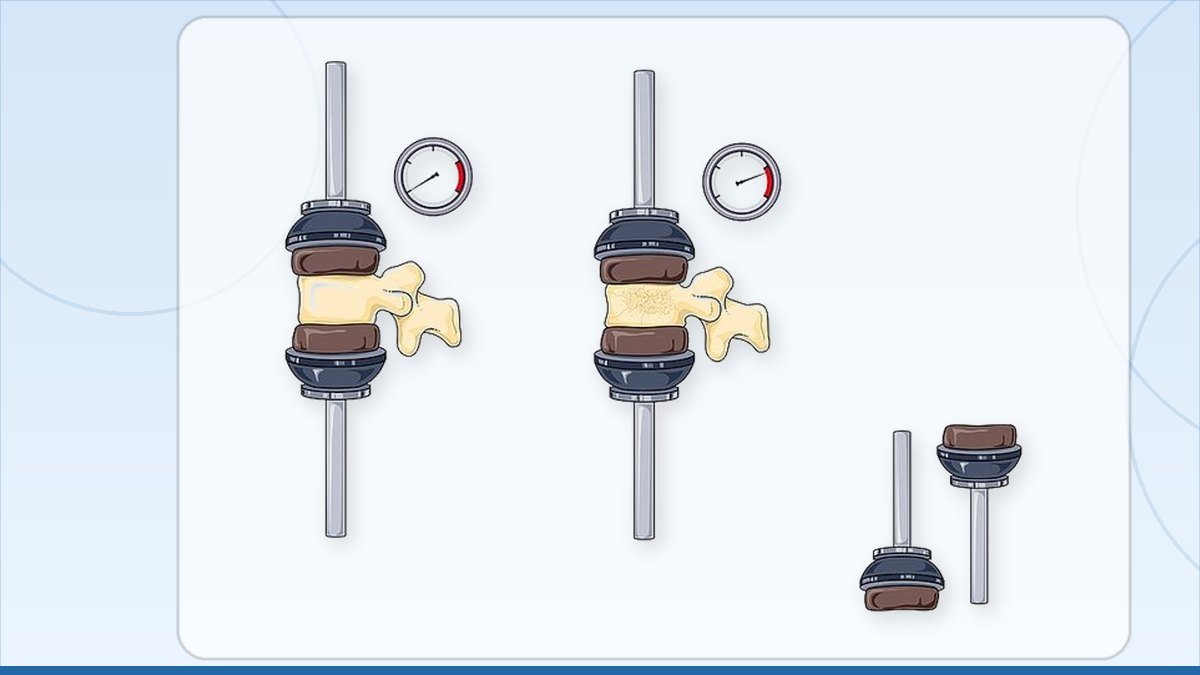
After a spinal injury, treatment moves through five stages: emergency stabilisation and immobilisation, scans to see the damage, a decision on surgery versus bracing, the operation…
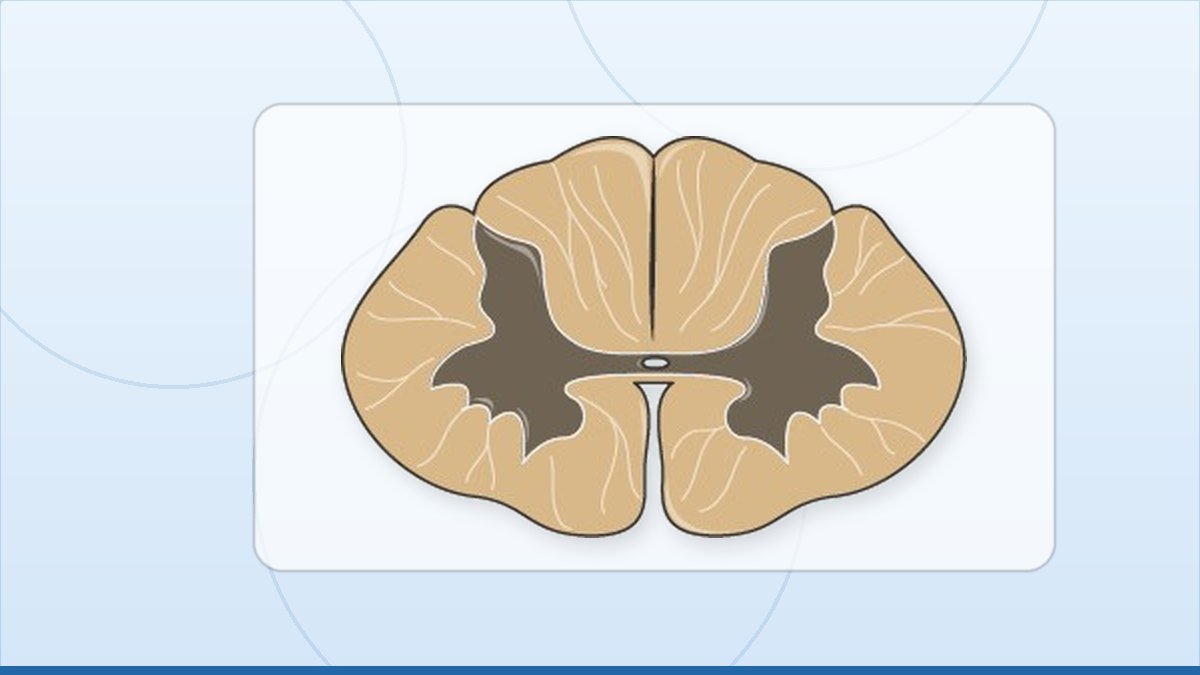
After any fall, road accident, or heavy blow to the back or neck, keep the person still, avoid bending or twisting the spine, and get them to a hospital with a spine or neurosurger…
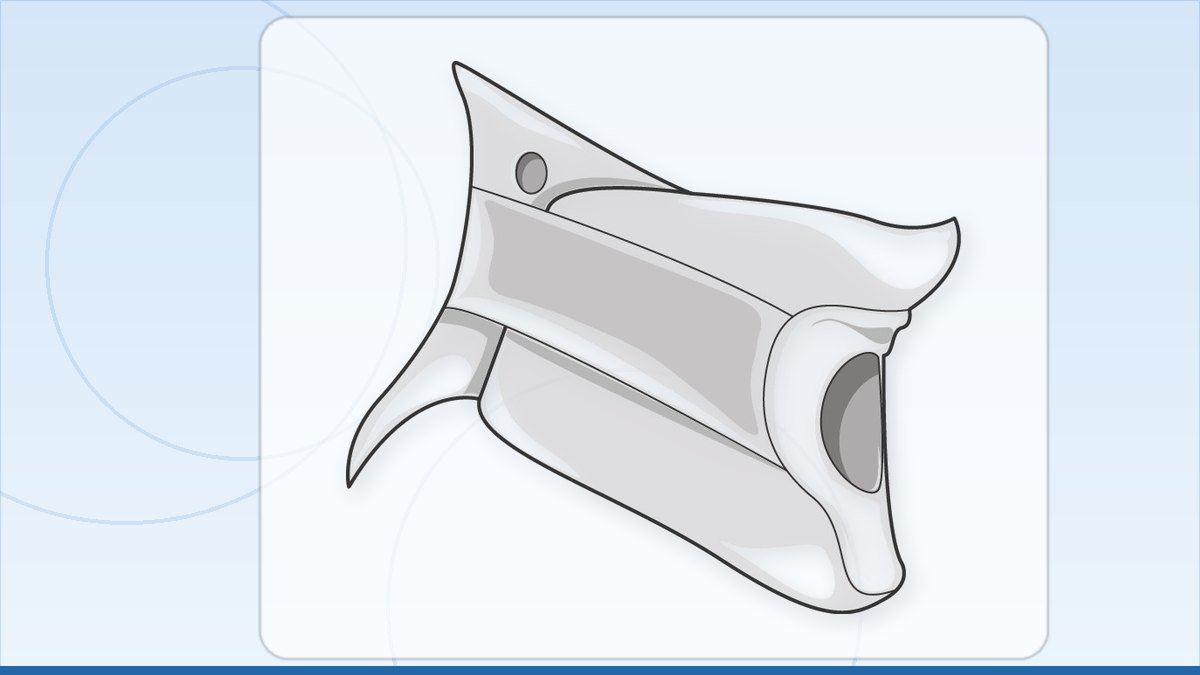
Most spinal fractures from a fall or road accident are stable compression fractures that heal in eight to twelve weeks in a brace, with rest and pain control. Surgery is needed whe…
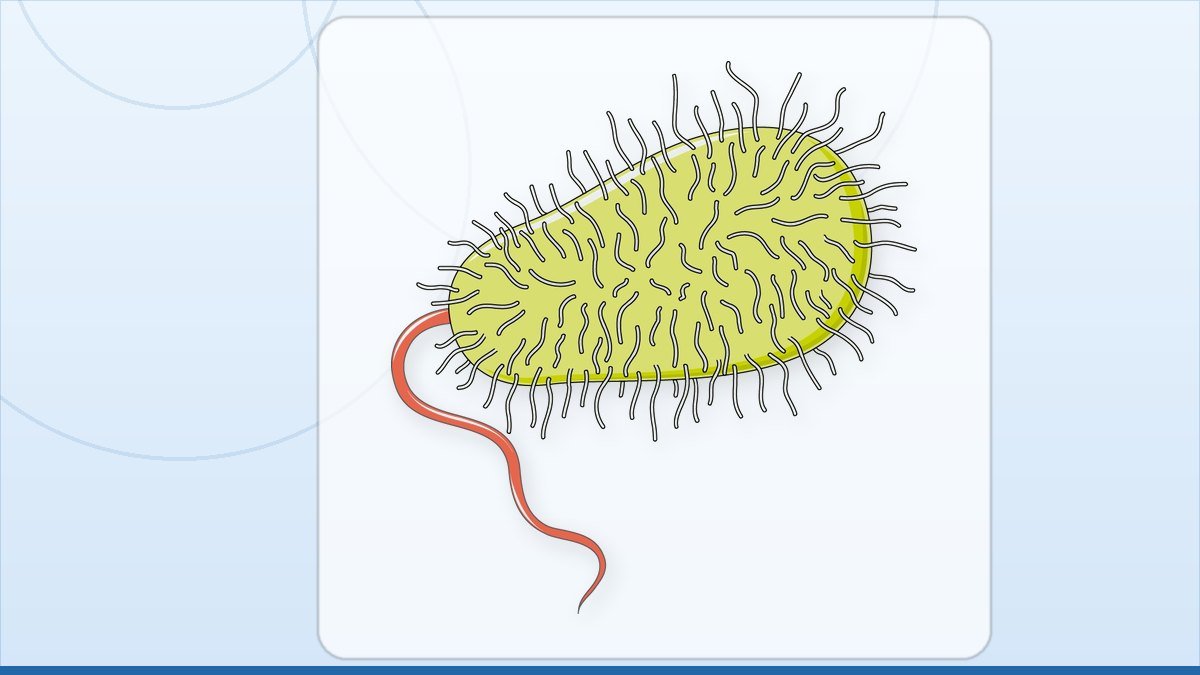
Spinal TB (Pott's disease) is treated mainly with 6 to 12 months of anti-tuberculosis medicine, not surgery. Most patients recover fully on medicine, rest, and monitoring alone. Su…
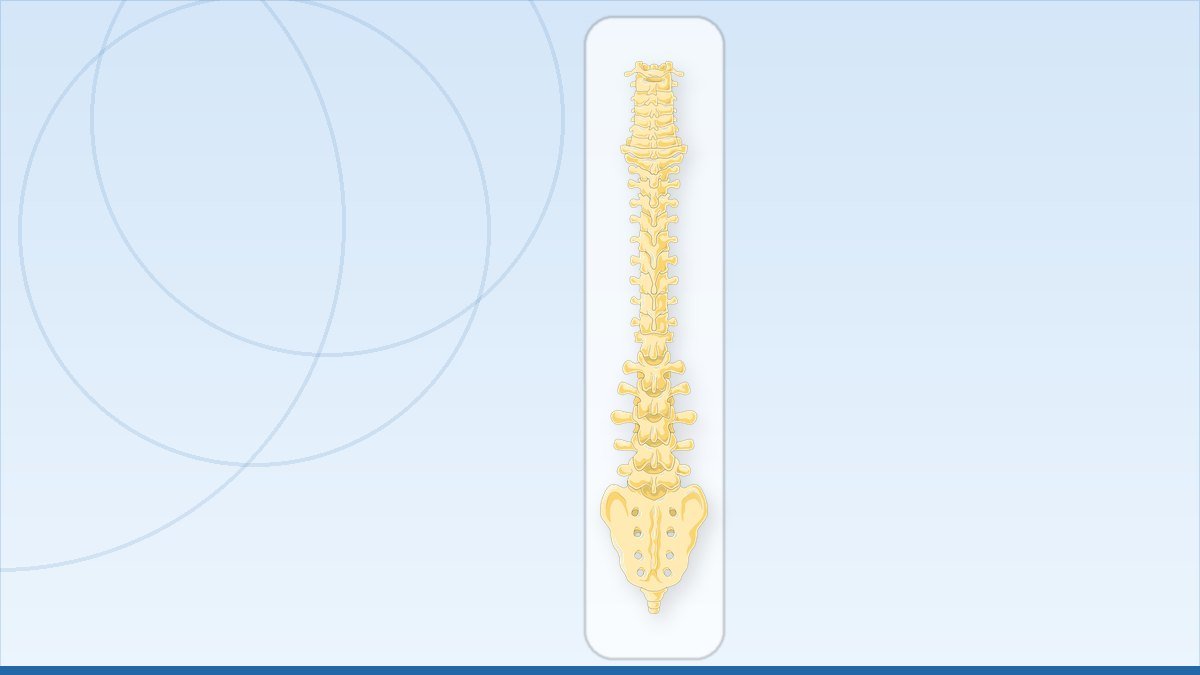
L4-L5 and L5-S1 sit at the base of the spine, where the lower back carries most of the body's weight and does most of its bending and twisting. This constant load wears these two d…
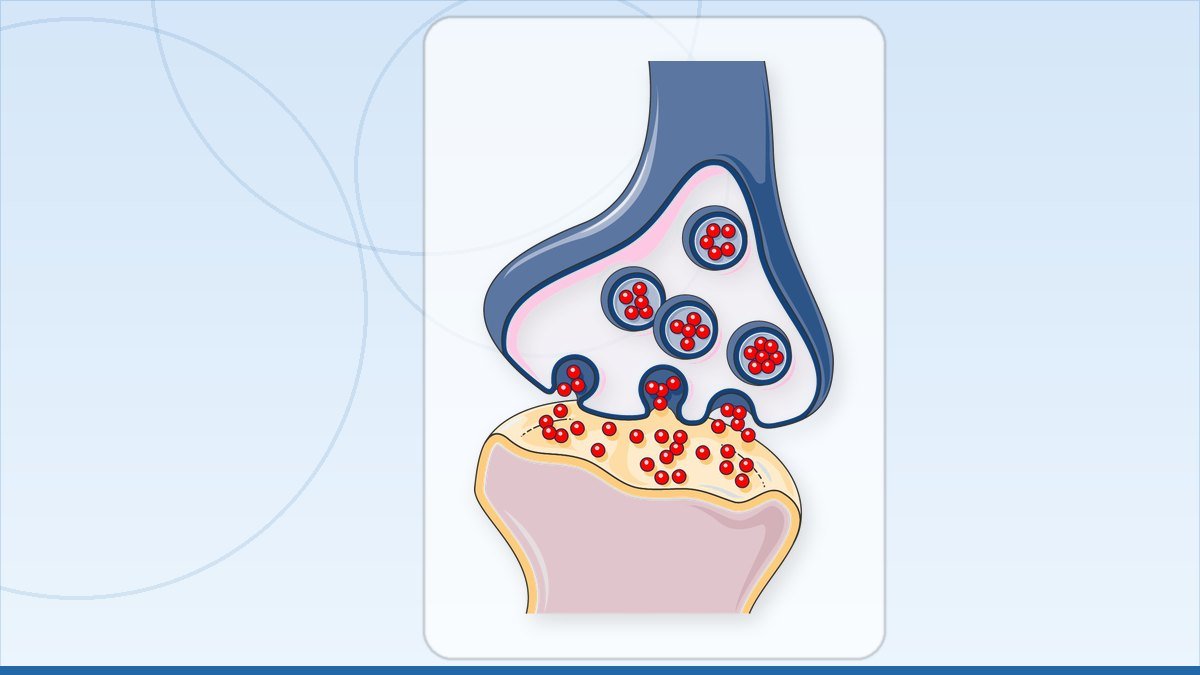
Sometimes back or leg pain continues after spine surgery. Doctors call this failed back surgery syndrome. The usual reasons are that the wrong problem was operated on, the nerve wa…
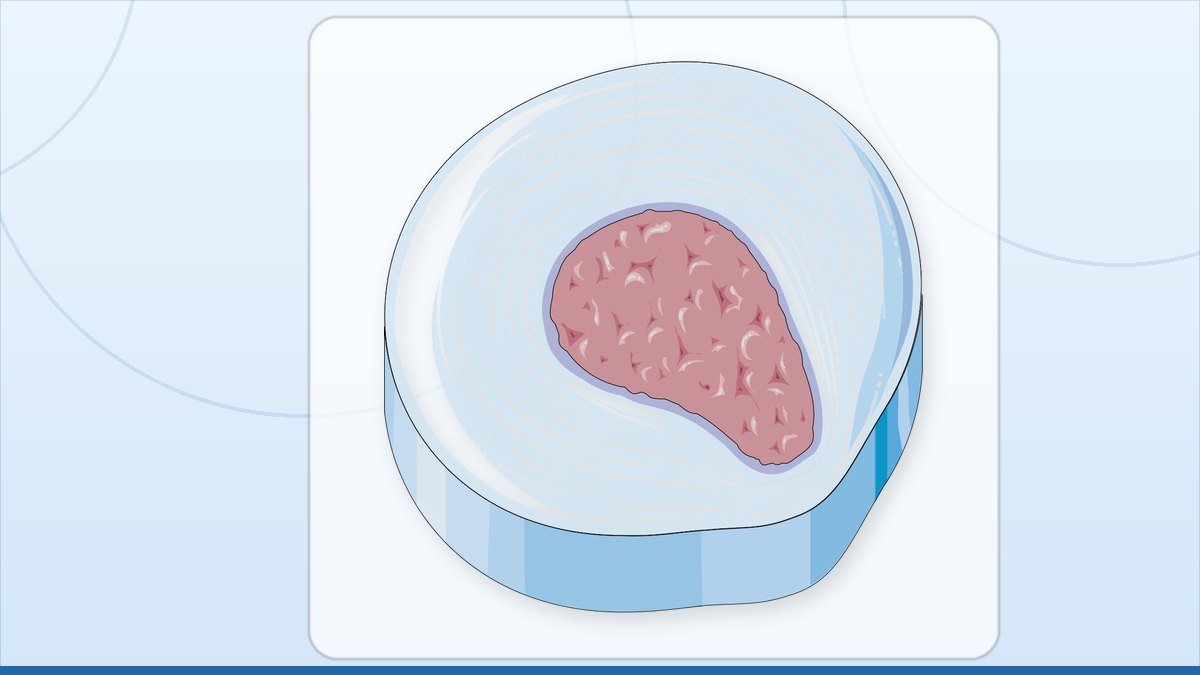
Most slip disc pain settles without surgery. If you have leg pain but normal power, normal bladder control and no worsening weakness, six weeks of proper conservative treatment is …
Spine and brain conditions explained without jargon — slip disc, sciatica, stenosis, scoliosis, myelopathy and more — so you know what you are dealing with before your appointment.
25 articles → See alsoLife after spine surgery: physiotherapy, safe lifting, sleeping position, return to work and namaz, and living well with a spine condition long-term.
17 articles →