
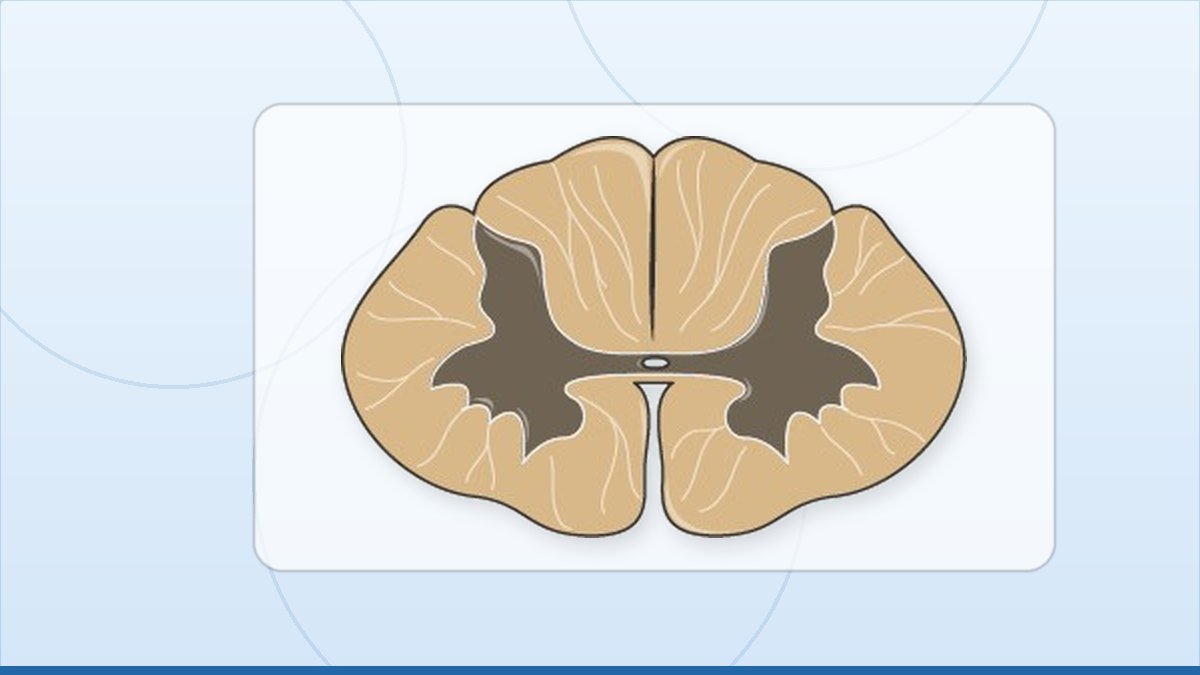
After any fall, road accident, or heavy blow to the back or neck, keep the person still, avoid bending or twisting the spine, and get them to a hospital with a spine or neurosurgery team immediately. Spinal injury treatment in the first hours focuses on preventing further damage through immobilisation, urgent imaging, and deciding whether surgery is needed.
What should you do in the first hour after a spinal injury?
Do not move the injured person unless they are in immediate danger, such as a fire or oncoming traffic. Support the neck and back and keep the spine as straight as possible while waiting for help. This is the core of spinal injury treatment in the first hour: preventing any further movement that could push a broken bone or a bruised spinal cord onto the nerves.
Call an ambulance or arrange the fastest safe transport to a hospital that has a neurosurgery or spine unit, not just the nearest clinic. If the person can feel and move their arms and legs normally, that is reassuring, but it does not rule out a fracture. Let the emergency doctors decide that with an X-ray or scan.
Families often want to try a hakeem, a bone-setter, or home massage first, especially for back pain after a fall. After a real injury, with severe pain, numbness, or weakness, this can waste hours that matter. Get seen first, then decide on further steps once you know what is actually injured.
Will spine surgery leave me paralysed? Is it safe?
This is usually the real question behind every other question. Spine surgery is done to protect the spinal cord and nerves, not to put them at risk, and for most patients it is safer than living with an unstable fracture or a nerve under constant pressure. Modern procedures, including microdiscectomy and endoscopic spine surgery, are done with nerve monitoring and imaging guidance to reduce risk.
No operation on the spine is completely without risk. Possible complications include infection, bleeding, dural tear, or incomplete relief of symptoms, and your surgeon should explain these plainly before you consent, not after. What matters is whether surgery is actually needed for your specific injury or disc problem, and whether it is being done by someone trained in that exact procedure.
A useful rule: if a surgeon cannot explain in plain language what could go wrong and how it would be managed, ask more questions before agreeing to anything.
How do doctors decide if a spinal injury needs surgery?
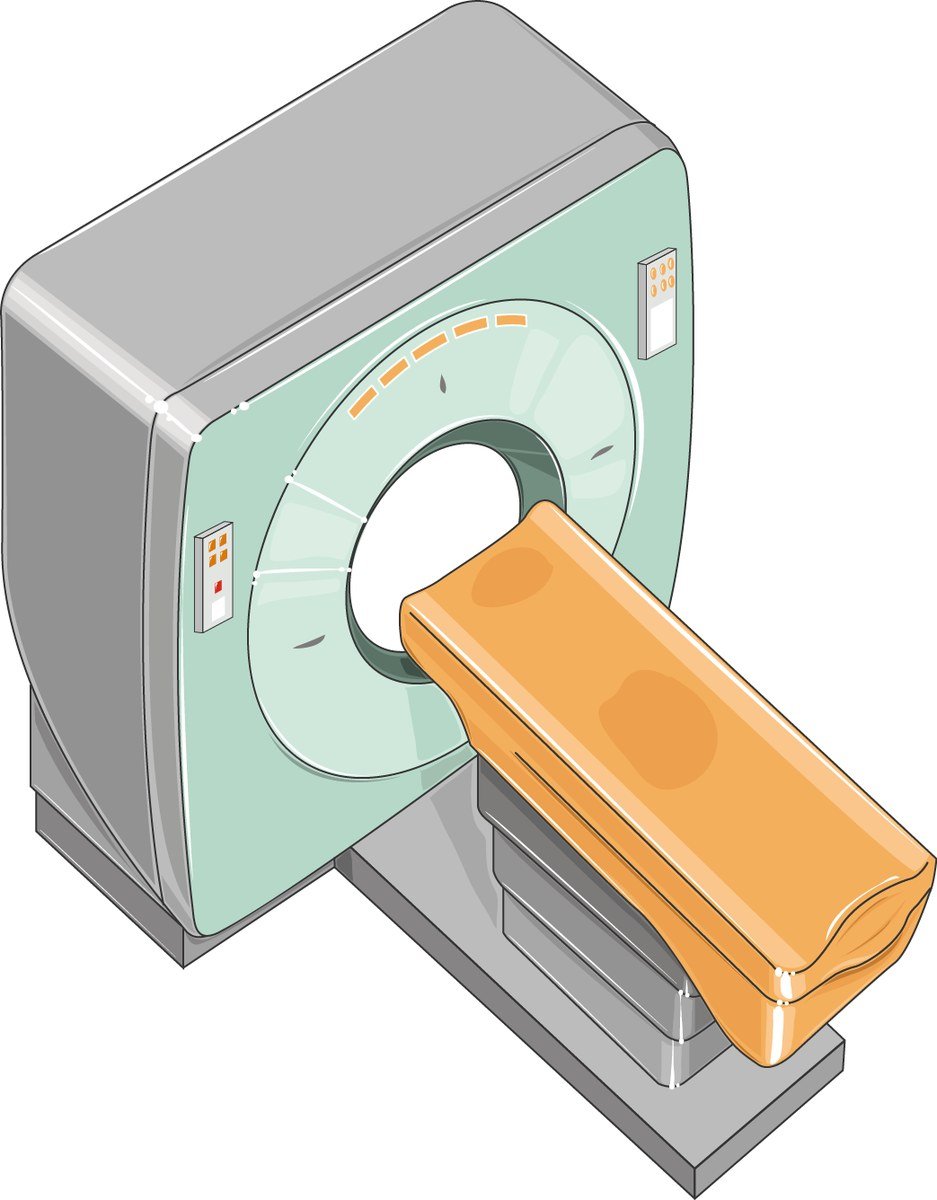
The decision comes down to two things: is the spine stable, and are the nerves or spinal cord being compressed. A CT scan shows whether a fracture is stable or likely to shift. An MRI shows whether the spinal cord or nerve roots are being squeezed by bone, disc material, or swelling.
- Unstable fracture, or one likely to move and injure the spinal cord
- Spinal cord compression visible on MRI, with worsening weakness or numbness
- Loss of bladder or bowel control (cauda equina syndrome), a surgical emergency
- Progressive weakness in an arm or leg despite rest and treatment
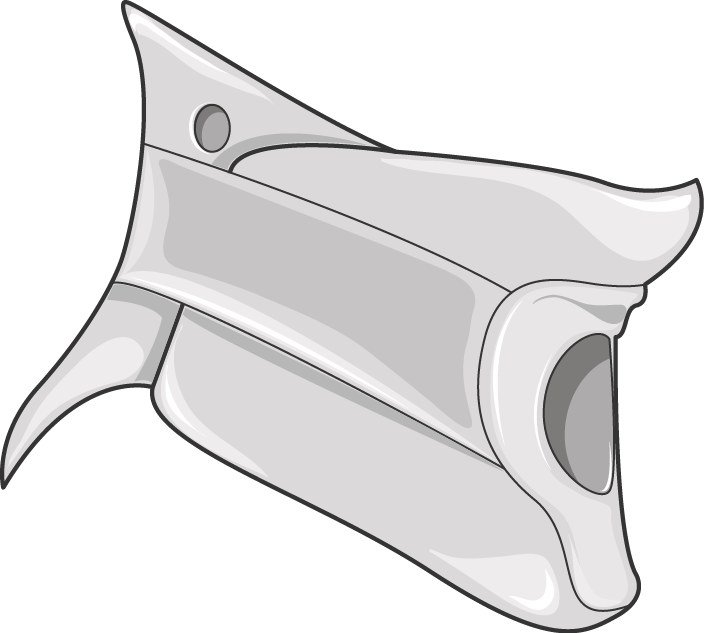
If none of these apply, most spinal injuries and most slipped discs are treated without surgery: a brace or collar for stability, pain control, and physiotherapy, with surgery kept as an option if things do not improve.

What is a slip disc and how is it treated?
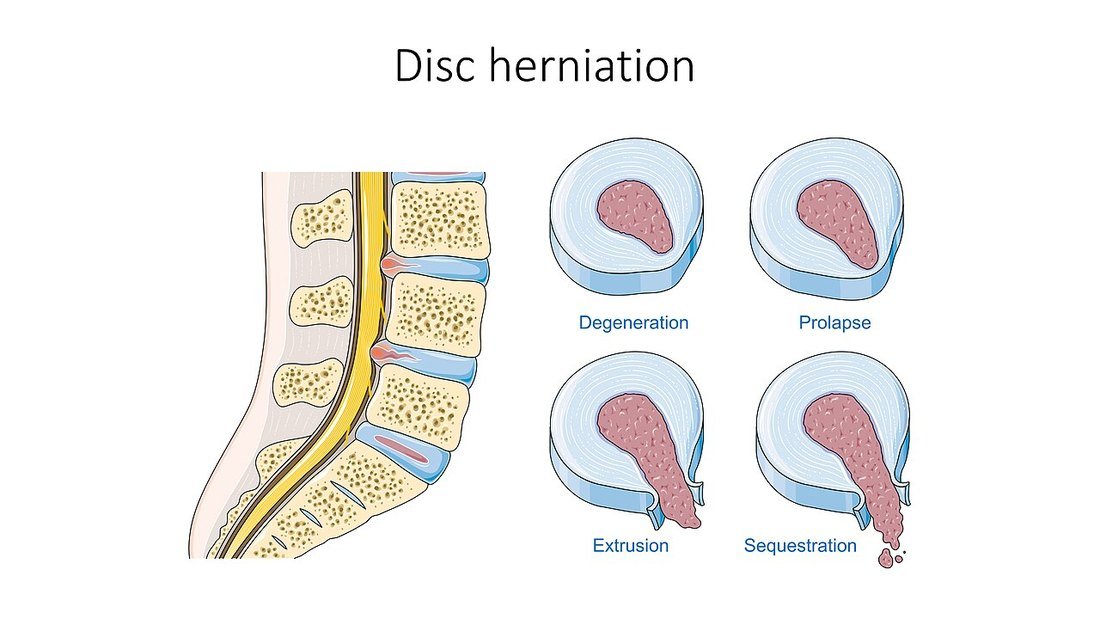
A slip disc (slipped disc, disc herniation) happens when the soft cushion between two spine bones bulges or ruptures and presses on a nearby nerve. It causes kamar dard that can travel down the leg as taang mein dard, often worse with sitting, bending, or coughing.
Most slipped discs improve on their own or with treatment over roughly six to twelve weeks. First-line slipped disc treatment options include rest from aggravating activity, anti-inflammatory medication, and a structured physiotherapy programme, not bed rest for weeks on end, which actually slows recovery.
If leg pain, numbness, or weakness persists despite this, or an MRI shows a disc clearly pressing on a nerve root, microdiscectomy or endoscopic discectomy becomes a reasonable option. These remove only the piece of disc pressing on the nerve, leaving the rest of the disc and spine intact.
Is endoscopic spine surgery an option for spinal stenosis?
Spinal stenosis is narrowing of the canal that carries the nerves, usually from age-related wear, thickened ligament, and bony overgrowth. It typically causes leg pain and heaviness that worsens with walking and eases with sitting or leaning forward.
Endoscopic spine surgery for spinal stenosis works through a very small incision, using a camera and fine instruments to remove the bone and tissue narrowing the canal, while leaving surrounding muscle largely undisturbed. Compared with open surgery, this generally means less muscle damage, less blood loss, and a shorter hospital stay for suitable cases.
Not every case of stenosis fits this approach. Severe instability, multiple levels of narrowing, or certain anatomy may need a different or larger procedure. The MRI and a clinical examination decide this, not the patient's preference alone.
What does laser treatment for spine problems actually mean?
Laser treatment for spine problems is a term used loosely, and it is worth asking exactly what is meant before agreeing to anything sold under that name. In genuine spine practice, a laser is sometimes used as one tool during an endoscopic or minimally invasive procedure, to shrink or vaporise a small amount of disc tissue.
It is not a separate, standalone cure that replaces proper diagnosis, and it does not remove the need for an MRI or a clear decision about what is actually causing the pain. If a clinic advertises laser treatment as a quick fix without discussing your scan findings, ask them directly what procedure they are actually performing and why.
What does spinal fusion surgery cost in Pakistan?
There is no single fixed price for spinal fusion surgery in Pakistan. Cost depends on the hospital, the city, the implants used, the number of spine levels involved, and whether fusion is even necessary or a simpler decompression alone would do.
Fusion, which joins two or more vertebrae together with screws and rods, generally costs more than a straightforward microdiscectomy or endoscopic discectomy, because of the implants and longer hospital stay involved. Before agreeing to any spine surgery, ask the surgeon's office for a written, itemised quote in PKR that covers the surgeon's fee, hospital stay, implants, anaesthesia, and follow-up visits, so the family can plan and compare properly.
For the full cost breakdown, see what a spinal fusion quote should include.
How do I find trustworthy slip disc treatment near me?
Start with a consultant neurosurgeon or spine surgeon, not a general practitioner or an unqualified bone-setter, especially if there is leg weakness, numbness, or pain that has lasted more than a few weeks. A proper assessment includes a physical examination and, where needed, an MRI, not just a quick look at an old X-ray.
- Ask what non-surgical options were tried or considered before surgery is suggested
- Ask which specific procedure is planned, in plain terms, and why
- Get a second opinion for anything major, such as fusion surgery
- Bring existing reports and scans to avoid repeating tests unnecessarily
A second opinion does not offend a good surgeon. It is a normal part of deciding on spine surgery anywhere in the world.
What should you do next?
If there has been a real injury, or leg pain and numbness that will not settle, the next step is a proper examination and, if indicated, an MRI, so the actual problem is clear before anyone talks about treatment. Bring any existing scans, X-rays, or reports to the first visit so nothing is repeated unnecessarily.
Dr. M. Abdur Rehman is a consultant neurosurgeon and spine surgeon at Mujahid Hospital, Faisalabad, with a practice built around endoscopic spine surgery and microdiscectomy, offering families in Punjab a way to get a clear opinion on whether surgery is actually needed. Many patients search for the best endoscopic spine surgeon in Faisalabad simply to get a straight answer on their MRI, and that starting point, an honest read of the scan and the symptoms, matters more than any single technique.
Questions patients ask about this
Can a slipped disc heal without surgery?
Yes, most slipped discs improve within roughly six to twelve weeks with rest from aggravating activity, medication, and physiotherapy. Surgery is usually considered only if leg pain, numbness, or weakness persists or worsens despite this, or if warning signs like loss of bladder control appear.
Is endoscopic spine surgery painful or risky?
Endoscopic spine surgery uses a small incision and disturbs less muscle than open surgery, so pain afterward is usually lower and recovery often faster. Like any surgery it carries some risk, including infection or incomplete relief, which your surgeon should explain clearly before you consent.
How much does spinal fusion surgery cost in Pakistan?
Cost varies by hospital, city, implant brand, and whether fusion or a simpler decompression is needed. There is no single fixed price, so ask the surgeon's office for a written, itemised quote in PKR before agreeing to any spine surgery.
What are the warning signs that a spinal injury needs urgent treatment?
Loss of bladder or bowel control, numbness around the groin, rapidly worsening leg weakness, or inability to move a limb after injury are emergencies. Go to a hospital with a spine or neurosurgery unit immediately rather than waiting to see if it improves.
Should I try a hakeem or massage before seeing a spine surgeon?
For ordinary muscular kamar dard without leg pain or numbness, rest and gentle activity are reasonable first steps. After a real fall, accident, or if there is leg pain, numbness, or weakness, see a doctor first, since delaying proper diagnosis can allow nerve damage to worsen.
Related articles
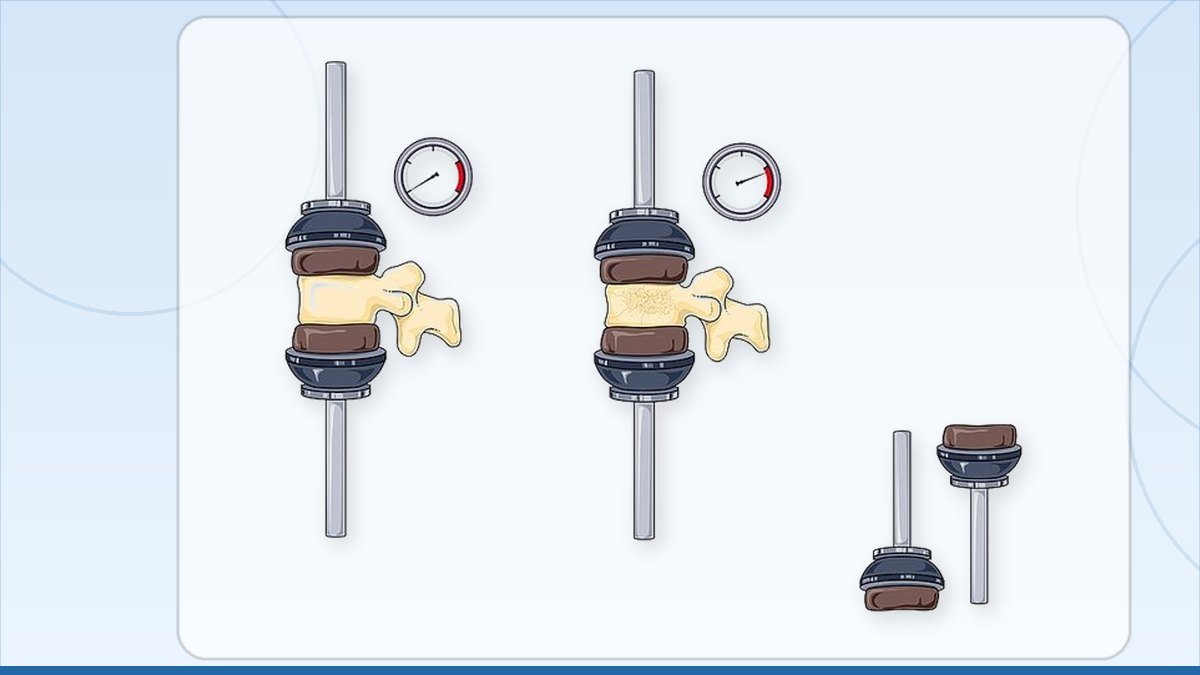
Spinal trauma: what happens from the accident to the operating theatre
Spinal trauma treatment explained: what happens from accident to operating theatre, when surgery is needed,…
Read this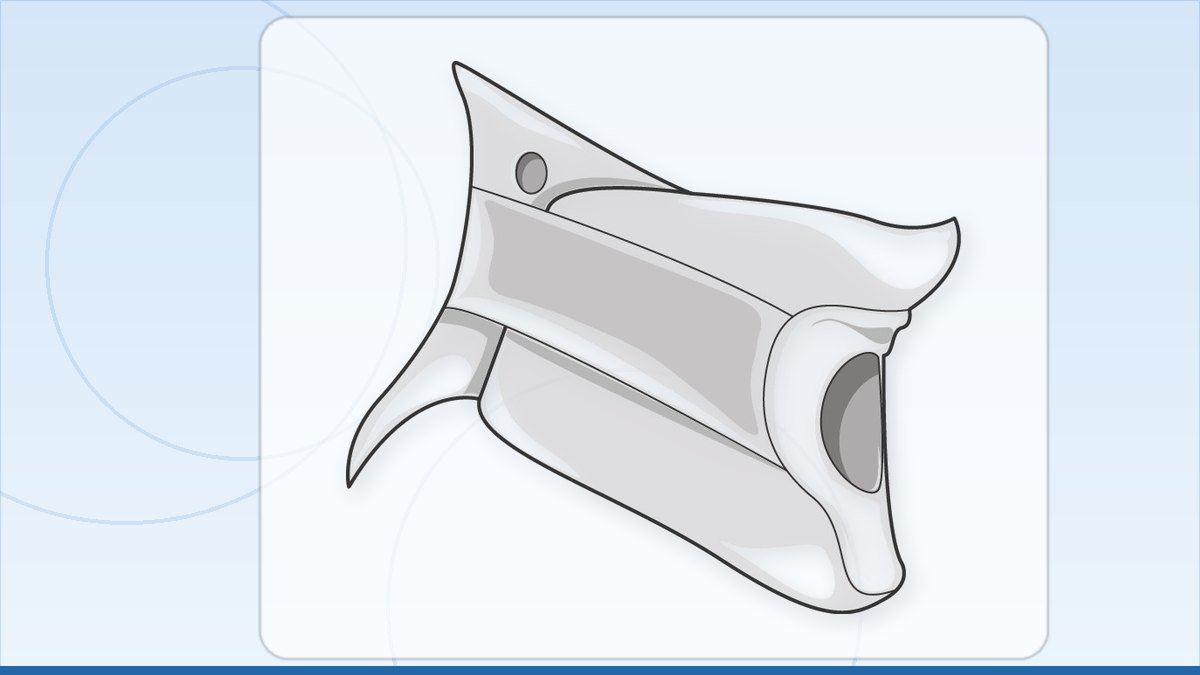
Spinal fracture: which ones need surgery and which heal in a brace
Spinal fracture treatment in Pakistan: which fractures heal in a brace and which need surgery, explained…
Read this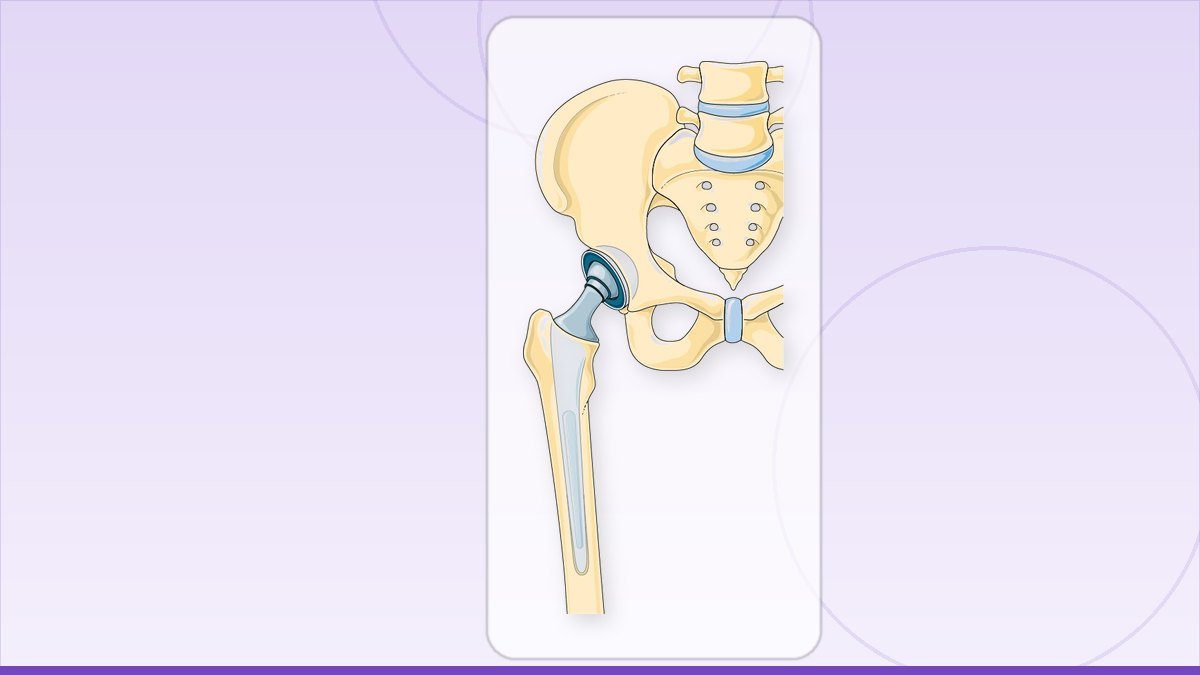
Spinal fixation: screws, rods and when the spine needs holding
Spinal fixation surgery: what it treats, when it's really needed, whether it's safe, and what it…
Read thisAll patient questions · Spine surgery in Faisalabad · Book an appointment
Ask about your own scan. Send your MRI or X-ray on WhatsApp and get a straight answer on whether surgery is needed at all, from a consultant neurosurgeon in Faisalabad.
Dr. M. Abdur Rehman is a consultant neurosurgeon in Faisalabad. Send your scan on WhatsApp and ask what it actually shows.
Published for the practice of Dr. M. Abdur Rehman, consultant neurosurgeon, Mujahid Hospital, Faisalabad. General information only, not a substitute for examination.