Physiotherapy for a slip disc: what actually helps
Physiotherapy helps most slip disc patients. The parts that work are guided exercise, a gradual return to walking and normal activity, and being taught how to move safely. Passive …


Articles 85–96 of 112, from the practice of Dr. M. Abdur Rehman, consultant neurosurgeon, Faisalabad — part of the same list as all 112 articles. Browse by category instead: Brain · Conditions · Cost & practicalities · Endoscopic surgery · Laser & other procedures · Microscopic & microdiscectomy · Recovery & living with it · Spine health · Symptoms & diagnosis.
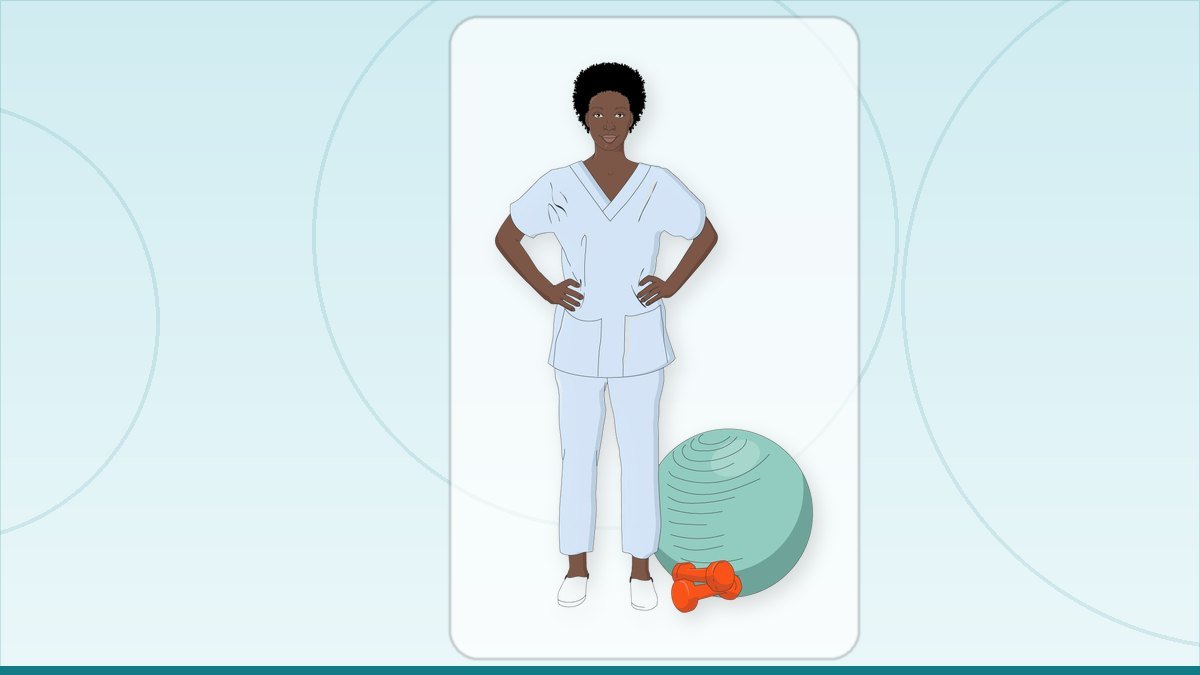
Physiotherapy helps most slip disc patients. The parts that work are guided exercise, a gradual return to walking and normal activity, and being taught how to move safely. Passive …
Age alone is not the reason surgery is refused or recommended. What decides is the patient's heart, lungs, kidneys, bone strength, and how well controlled conditions like diabetes …
For most back and leg pain, sleep on your side with a pillow between your knees, or on your back with a pillow under your knees. Both keep the lower spine in a neutral position and…
On surgery day you arrive fasting, change into a gown, and meet the anaesthetist and Dr Rehman for a final check before going to theatre. Endoscopic discectomy usually takes under …
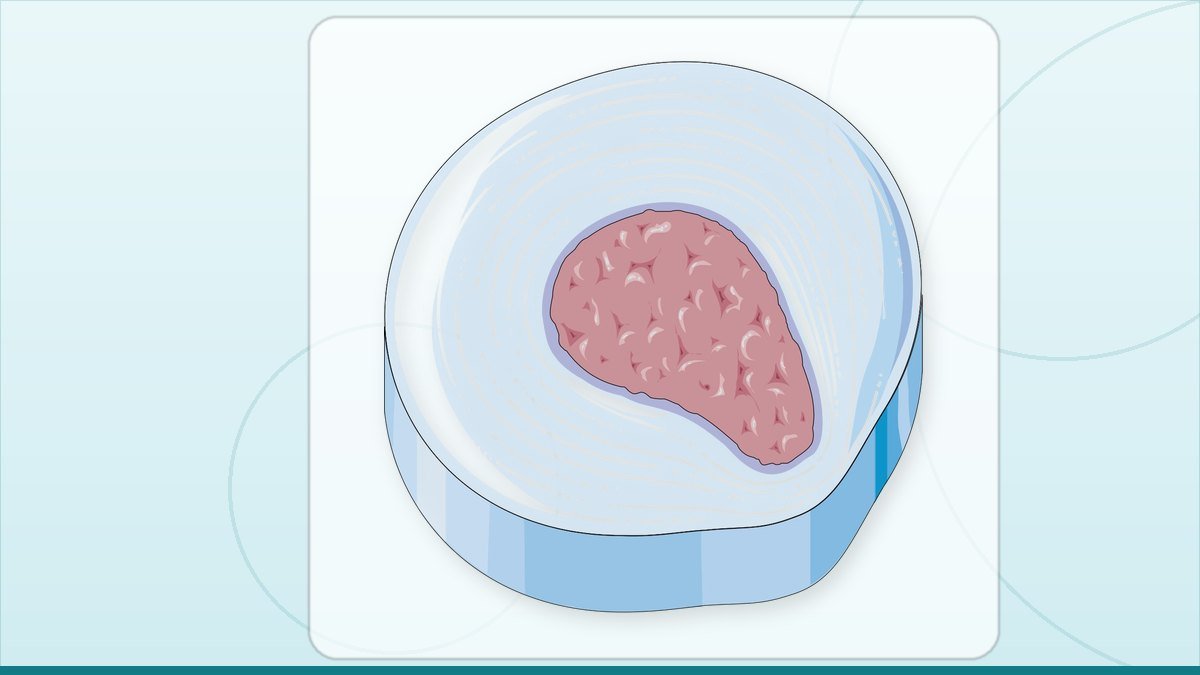
Smoking and extra weight both make back pain worse. Your discs have almost no blood supply of their own, so nicotine narrows the tiny vessels that feed them, and extra weight loads…
Most patients who have spine surgery do not need a second operation. Repeat spine surgery happens in a minority of cases, usually when the same disc herniates again, scar tissue fo…
Yes. Modern spine surgery anaesthesia is designed so you wake up as soon as the operation ends. An anaesthetist stays with you throughout, monitoring your heart, breathing, and oxy…
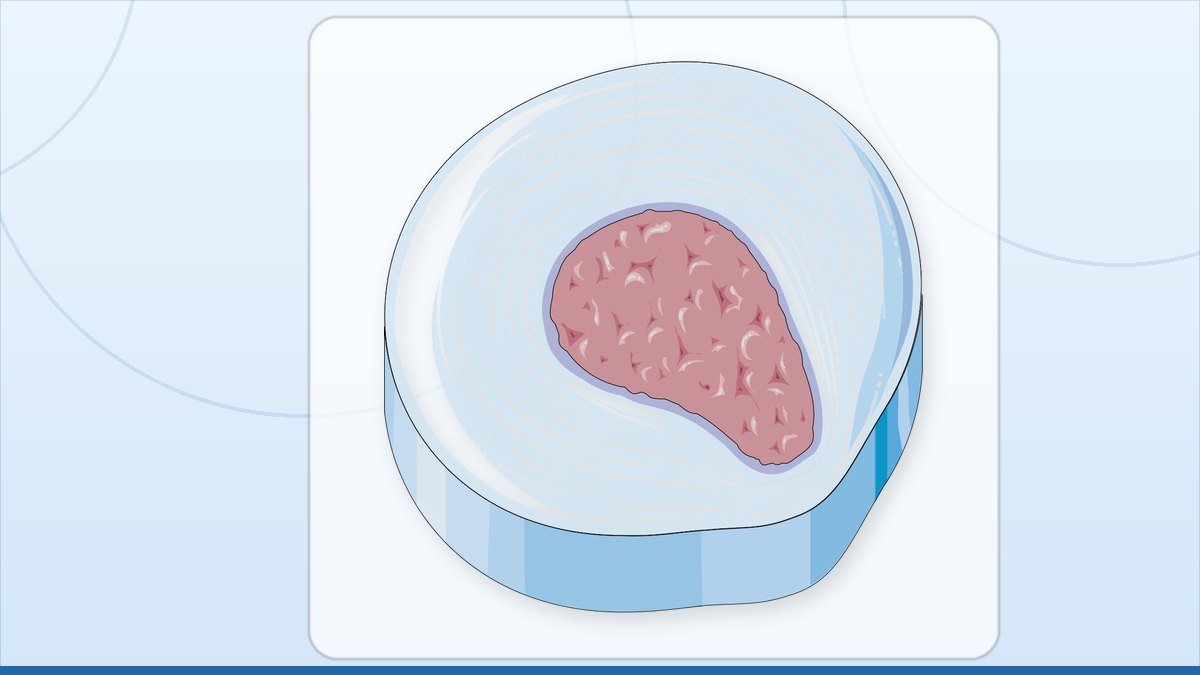
Most slip disc pain settles without surgery. If you have leg pain but normal power, normal bladder control and no worsening weakness, six weeks of proper conservative treatment is …
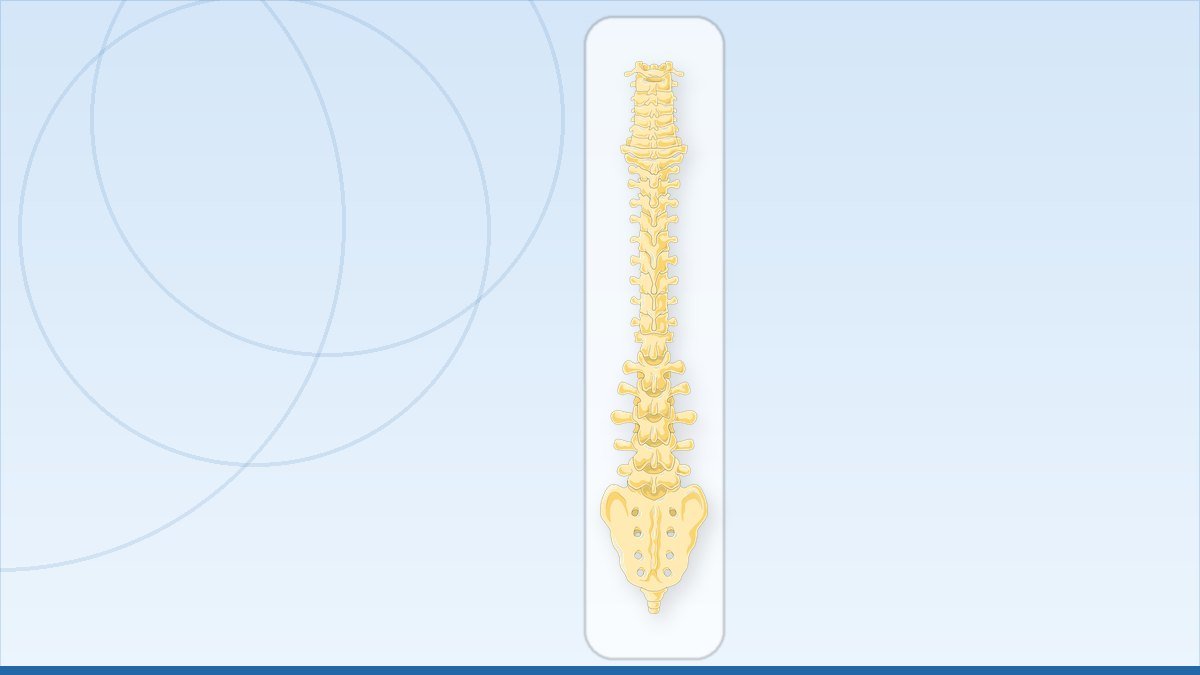
L4-L5 and L5-S1 sit at the base of the spine, where the lower back carries most of the body's weight and does most of its bending and twisting. This constant load wears these two d…
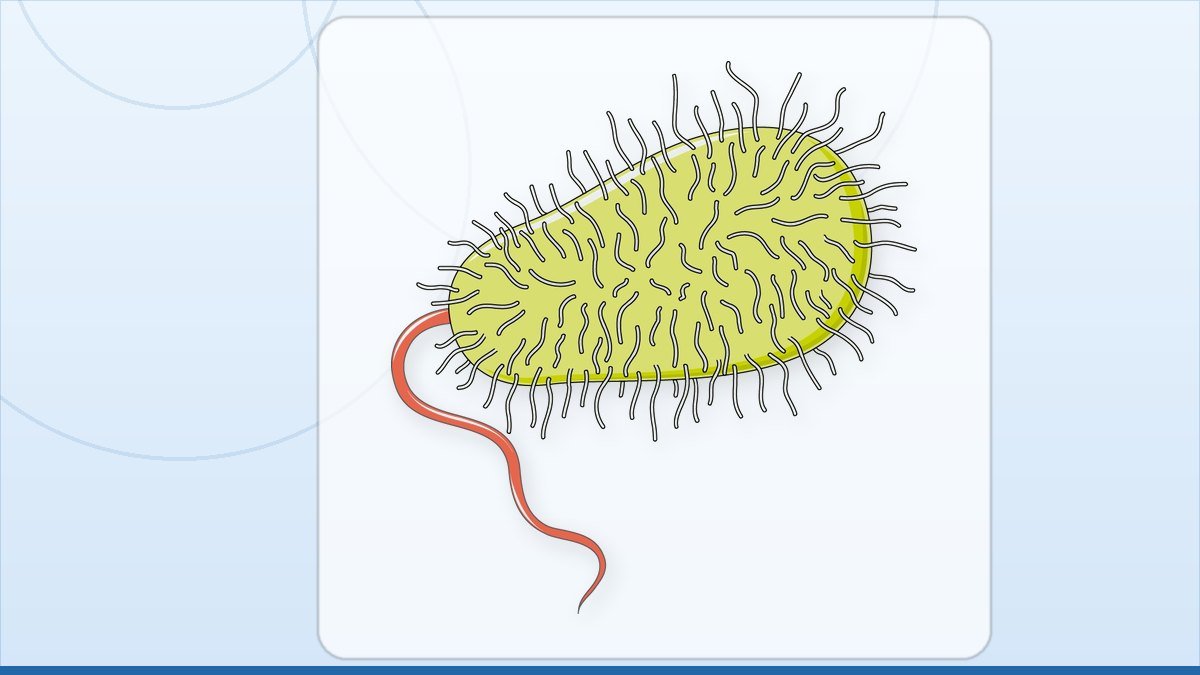
Spinal TB (Pott's disease) is treated mainly with 6 to 12 months of anti-tuberculosis medicine, not surgery. Most patients recover fully on medicine, rest, and monitoring alone. Su…
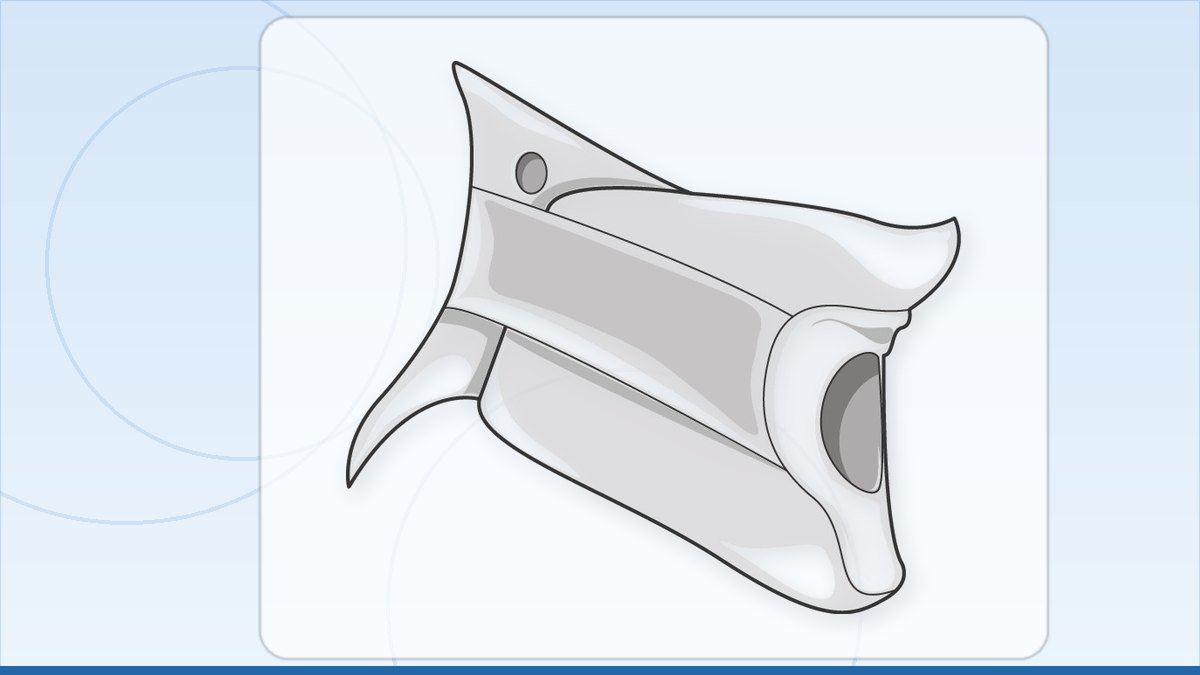
Most spinal fractures from a fall or road accident are stable compression fractures that heal in eight to twelve weeks in a brace, with rest and pain control. Surgery is needed whe…
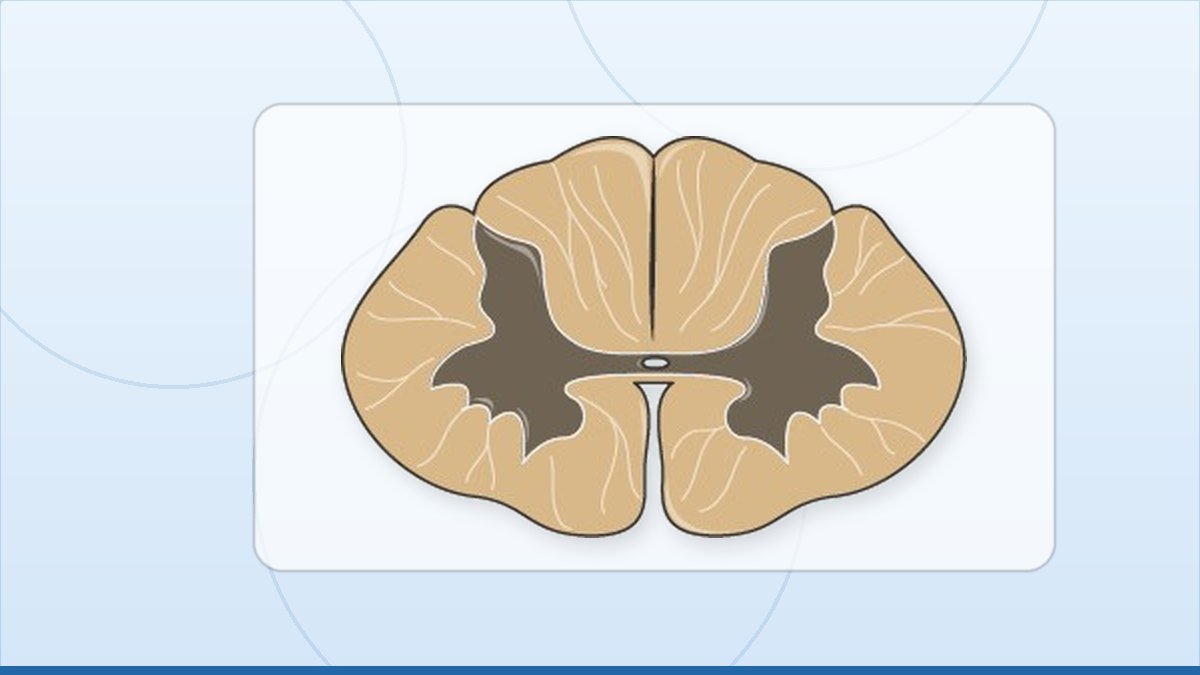
After any fall, road accident, or heavy blow to the back or neck, keep the person still, avoid bending or twisting the spine, and get them to a hospital with a spine or neurosurger…