
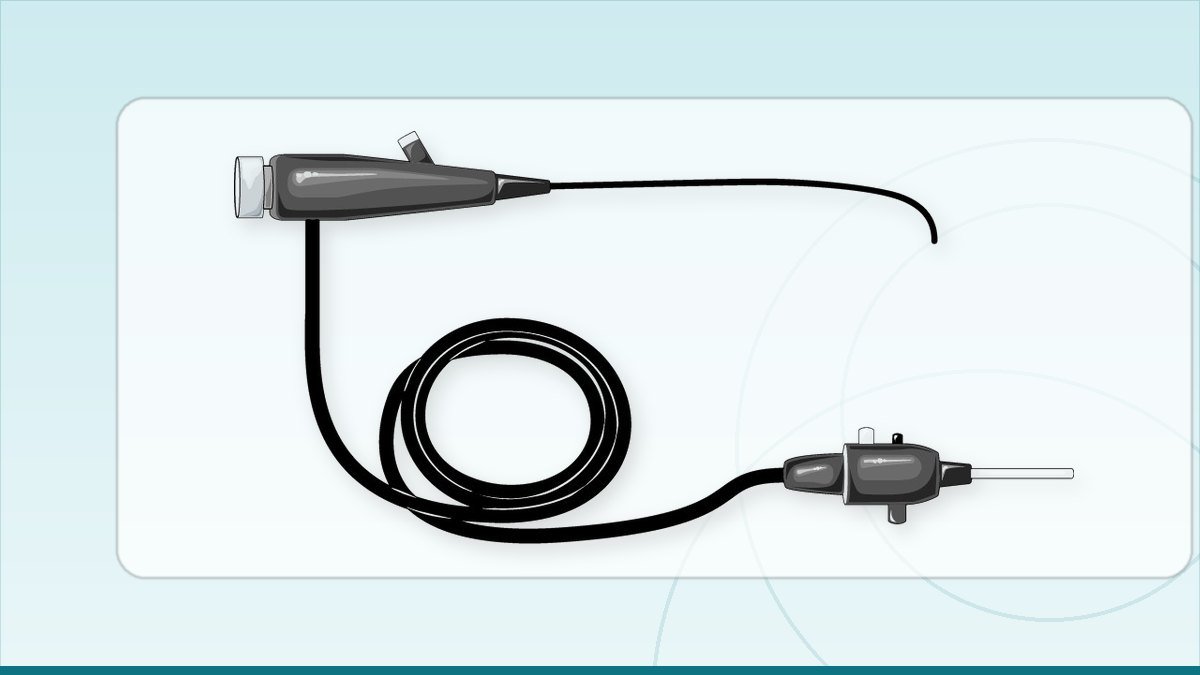
For a properly selected patient with a disc pressing on a nerve, endoscopic spine surgery works well: most people get significant or complete relief of leg pain, and studies comparing it with open microdiscectomy show similar long-term results with faster early recovery. Success depends far more on correct selection than on the instrument used.
What does a good result actually look like?
A good result means the pain going down your leg stops, or drops to a level you barely notice, and you can walk, sit and pray without planning your day around the pain. That is the honest measure. Not the report, not the MRI film.
Across published studies of endoscopic lumbar discectomy for a herniated disc pressing on a nerve root, the large majority of correctly selected patients report good or excellent relief of leg pain, and the results hold up at one and two years. The exact percentage moves around between studies because every study defines success differently. Some count pain scores, some count return to work, some count whether a second operation was needed. Be careful with any clinic that quotes you one clean number without telling you what it counted.
Something else matters more than the average. Averages are made of patients who were chosen well. A patient whose MRI matched their symptoms exactly does far better than a patient who was operated on because the MRI showed something. The technique does not rescue a wrong decision.
What you should expect to be told before surgery: which nerve is compressed, which movement or test reproduces your pain, and why the surgeon believes that specific disc is the cause. If nobody can explain that to you in simple words, the operation is not ready to be booked.
Is it safe? Will I be paralysed?
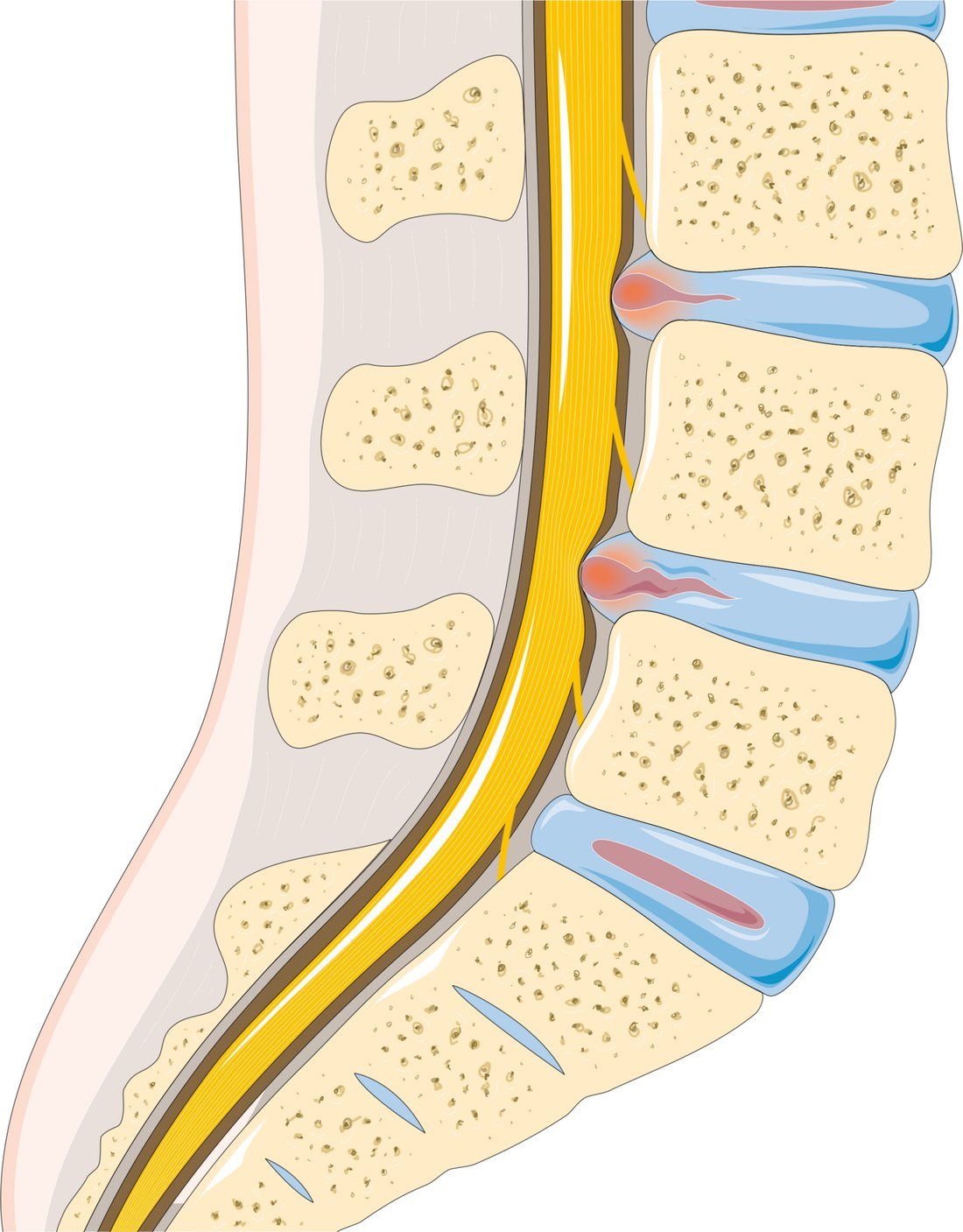
This is the fear that keeps families awake, and it deserves a straight answer. Paralysis after routine endoscopic surgery for a lumbar disc is very rare. The bones of your spinal cord end higher up, around the level of the upper lumbar spine, so at the common L4-L5 and L5-S1 levels the surgeon is working around individual nerve roots, not the spinal cord itself.
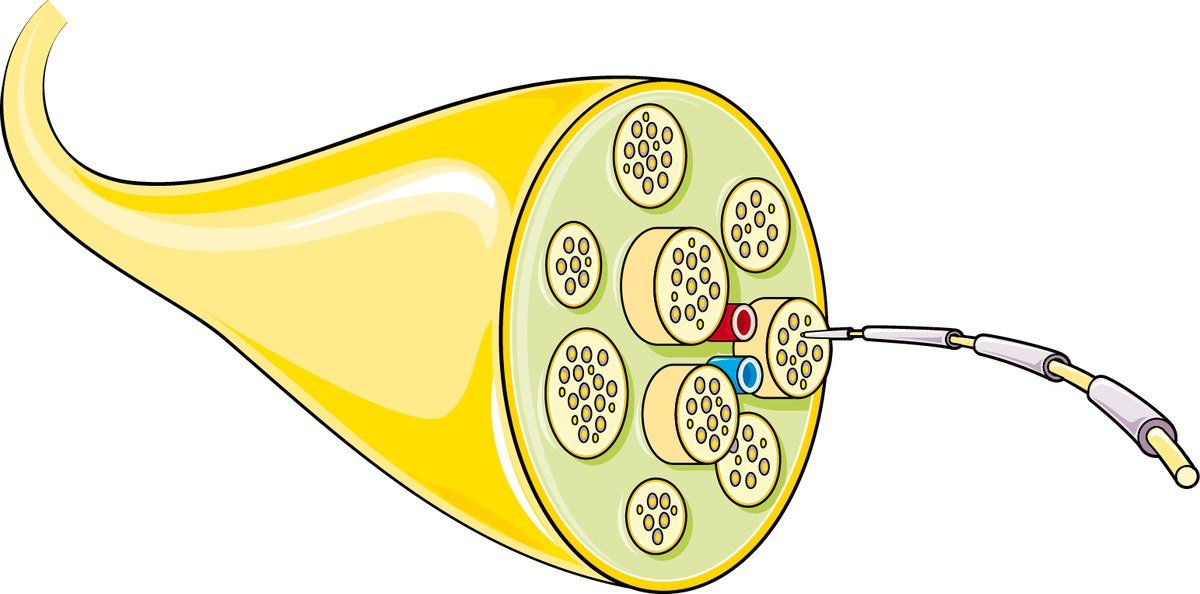
The endoscope carries a camera right up to the nerve, so the nerve is on the screen, magnified, for the whole operation. Many endoscopic cases can be done under spinal or even local anaesthesia with sedation, which means you can speak during the procedure. The muscle is pushed aside through a small working channel rather than stripped off the bone.
Now the honest part. No operation is zero risk. Real risks include a tear in the covering of the nerves, temporary numbness or burning in the leg, infection, bleeding, incomplete relief, and the disc herniating again. Most of these are managed and settle. Serious nerve injury is uncommon but it is not impossible, and any surgeon who tells you the risk is zero is not being straight with you.
There is a risk on the other side too, which families often forget. If you have lost control of your urine or stools, gone numb between your legs, or your foot is getting weaker week by week, waiting is the dangerous choice. That situation needs assessment the same day, not after one more month of maalish.
Does it work as well as open microdiscectomy?
For the standard herniated lumbar disc, yes. Randomised trials and pooled analyses comparing endoscopic discectomy with open microdiscectomy have found broadly similar pain relief and function at one to two years. The differences show up early, not late: smaller wound, less blood loss, less muscle damage, shorter hospital stay, and usually a quicker return to normal walking.
Microdiscectomy is still an excellent operation and remains the right choice in some cases. A very large fragment that has migrated far from the disc, a heavily calcified disc, some revision surgeries, and certain body shapes or anatomy can all make the open microscope route safer and more complete. A surgeon who offers both, and who tells you when the older operation is the better one for you, is telling you something useful about how he thinks.
One more thing that the brochures skip: endoscopic spine surgery has a genuine learning curve. Outcomes in published series improve with the surgeon's experience of the technique. So the fair question is not only "how good is this technique" but "how regularly does this surgeon do it".
Who gets the best results, and who does not?
The single strongest predictor of a good outcome is correct selection. Two patients with almost identical MRIs can have completely different results because one had matching symptoms and the other did not.
People who usually do well:
- Leg pain worse than back pain, following one clear path down the leg
- An MRI that shows compression of exactly the nerve that explains that pain
- Symptoms that have not settled after around six weeks of proper non-surgical treatment
- A single level involved, and no significant instability
People who often do not do well:
- Pure kamar dard with no leg pain and no nerve compression
- An MRI showing bulges or degeneration that do not match the examination
- Numbness or weakness that has been present for many months or years, where the nerve may not fully recover even after the pressure is removed
- Slippage of one vertebra on another causing mechanical instability, which may need a different operation
- Uncontrolled diabetes, heavy smoking, or an expectation of being completely pain free forever
Numbness and weakness recover more slowly and less completely than pain. Pain often improves within days. A numb patch on the foot may take months, and sometimes a small patch stays permanently. Knowing this in advance prevents a lot of disappointment.
Will my kamar dard go away, or only the taang mein dard?
Expect the leg pain to improve much more reliably than the back pain. This is true for endoscopic surgery, for microdiscectomy, and for any operation that decompresses a nerve. The surgery removes the fragment pressing on the nerve, so the nerve pain settles. The disc itself is still a worn disc, and the muscles around it have often been guarding for months.
Many patients do find their back pain improves as well, partly because they can finally move and rebuild strength. But if your main complaint is a dull ache across the lower back, with no pain running down the leg, disc surgery is usually the wrong tool. In that situation an operation can leave you with the same ache and a new scar.
Ask directly at your consultation: "Of my pain, how much is this operation expected to fix, and how much is expected to stay?" A clear answer to that question is worth more than any percentage on a website.
Do I actually need surgery at all?
Most back pain never needs an operation, and most sciatica gets better on its own. A large proportion of disc herniations shrink over weeks to months, and the pain settles with time, sensible activity, physiotherapy and appropriate medication. That is not a sales pitch against surgery, it is simply what happens.
In Punjab the common path is hakeem first, then maalish, then cupping, then a few painkiller injections from a local clinic, then an MRI after several months. Some of that does no harm and the passage of time helps anyway. The problem is different: forceful manipulation of a spine with an acute disc herniation can make matters worse, and months of drift can mean a nerve stays compressed long enough to leave lasting numbness or weakness.
Go straight to a doctor, do not wait, if you have any of the following:
- Difficulty passing urine, leaking urine, or loss of bowel control
- Numbness around the private parts or inner thighs
- A foot that is dropping or a leg that is getting visibly weaker
- Fever, unexplained weight loss, or a past history of cancer or TB with new back pain
Everything else can usually be given a fair trial of conservative treatment first. Surgery becomes reasonable when good non-surgical care has been tried for around six weeks and the leg pain is still ruining your life, or when weakness is progressing.
Can the disc come back after endoscopic surgery?
Yes, it can. The surgeon removes the fragment that escaped and is pressing on the nerve, but the rest of the disc stays in place, because removing the whole disc would destabilise the spine. A small minority of patients get a recurrence, usually within the first year or two, and the rates reported for endoscopic surgery are broadly similar to those reported for open microdiscectomy.
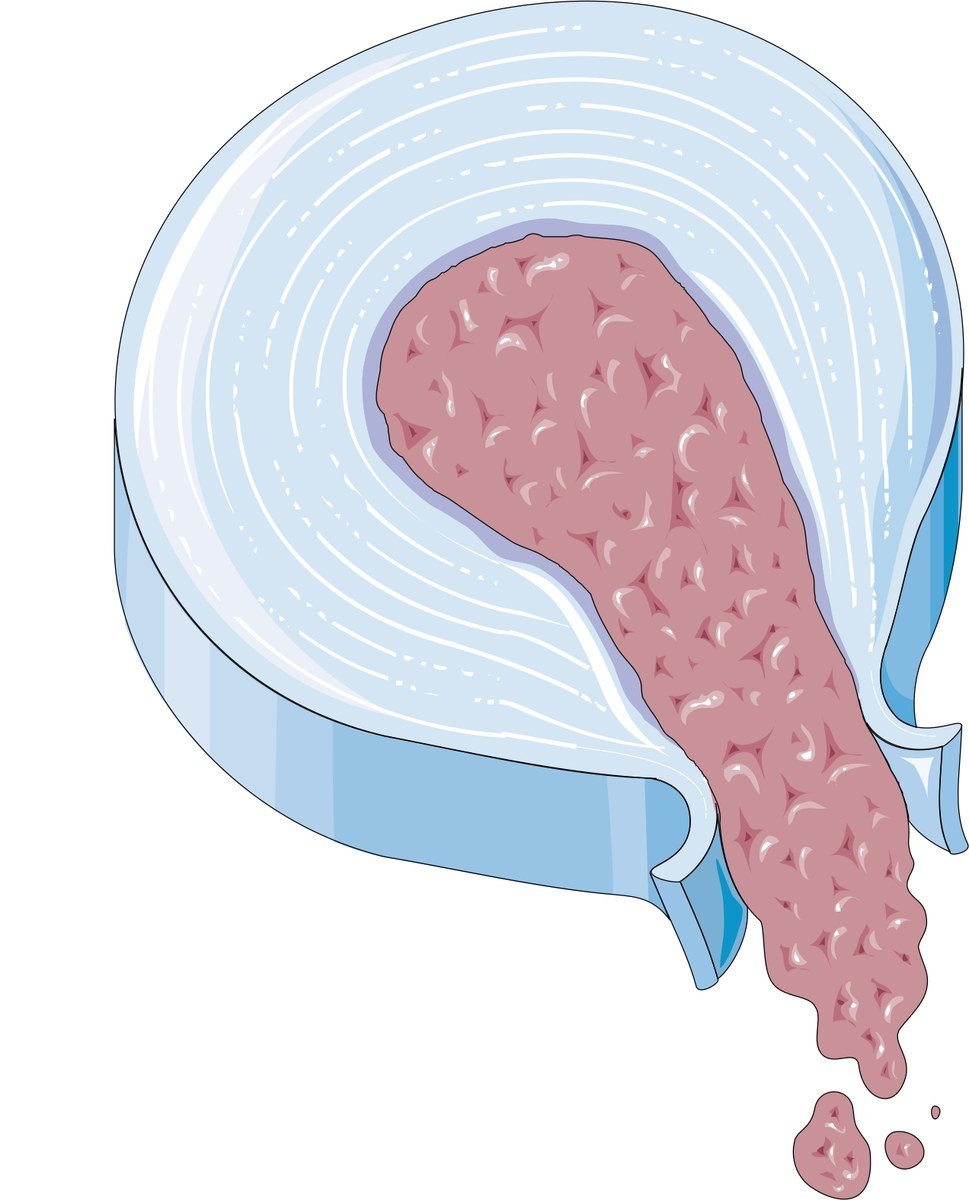
What raises your risk: smoking, being significantly overweight, returning to heavy lifting too early, a large tear in the outer ring of the disc, and diabetes that is not controlled. Most of that list is inside your control, which is the good news.
If a recurrence does happen it is not a disaster and it is not the end of the road. It can usually be treated, sometimes with a repeat endoscopic procedure, sometimes with a different approach. It just means the conversation starts again rather than everything being lost.
How long before I feel normal again?
Most patients notice the leg pain is different the same day, often before they leave the operating theatre, because the pressure is off the nerve. Walking usually starts within a few hours. Many patients go home the same day or the next morning.

The realistic timeline after that looks roughly like this. The first two weeks are for walking regularly, avoiding sitting for long stretches and no lifting. Weeks two to six are for building up walking distance and starting guided physiotherapy. Desk work often restarts within one to three weeks. Heavy physical work, farm work, or driving long distances on rough roads generally needs six weeks or more, and your surgeon should give you a date rather than a vague answer.
Recovery is not a straight line. A bad day in week three does not mean the operation failed. What matters is the direction over a month, not the reading on any single day.
How do I choose a surgeon, and what should this cost in Faisalabad?
Judge a spine surgeon by how he talks about the cases he refuses, not by how he talks about the ones he accepts. A surgeon who tells you honestly that your MRI does not explain your pain, or that six more weeks of physiotherapy is the right next step, is protecting you. Bring a family member to the consultation, since most decisions in our families are made together anyway, and write your questions down before you go.
Questions worth asking:
- Which nerve is compressed, and what on my examination confirms it?
- How often do you perform endoscopic spine surgery?
- What is your plan if the endoscopic approach does not work during the operation?
- What realistic improvement should I expect in leg pain, back pain and numbness?
- What happens, and what does it cost, if the disc herniates again?
On money, never work from a verbal figure. Ask for a written quote in PKR that separates the surgeon's fee, anaesthesia, theatre charges, hospital stay, implants if any, and follow-up visits, and ask what is not included. Costs vary between hospitals in Faisalabad, and patients travelling in from Jhang, Chiniot, Toba Tek Singh or Sargodha should also ask how many follow-up visits will be needed so they can plan the journeys.
If you are searching for the best endoscopic spine surgeon in Faisalabad, judge the answer by the quality of the assessment rather than by the marketing. Dr. M. Abdur Rehman, consultant neurosurgeon at Mujahid Hospital, Faisalabad, sees patients for exactly this decision. Bring your MRI films, your report and your list of questions, and be ready to hear that you may not need an operation at all.
Endoscopic spine surgery in Faisalabad Read the full page on endoscopic spine surgery in faisalabad, including who it suits, what recovery looks like and how to arrange a review.
Questions patients ask about this
What is the success rate of endoscopic spine surgery?
Published studies of endoscopic discectomy for a nerve compressed by a disc report good or excellent leg pain relief in the large majority of correctly selected patients. The exact figure varies because studies measure success differently. Ask any surgeon quoting a number exactly what that number counted.
Is endoscopic spine surgery better than microdiscectomy?
For pain relief at one to two years, trials show broadly similar results. Endoscopic surgery usually means a smaller wound, less muscle damage, less blood loss and faster early recovery. Microdiscectomy is still better for some cases, such as large migrated fragments or certain revision surgeries.
Can endoscopic spine surgery fail?
Yes. The commonest reasons are wrong patient selection, operating on an MRI finding that did not match the symptoms, pain that was mainly mechanical back pain rather than nerve pain, or a nerve compressed so long that it cannot fully recover. Recurrent disc herniation is another cause.
Will the numbness in my leg go away after surgery?
Pain usually improves fastest, often within days. Numbness and weakness recover more slowly, over weeks to months, and recovery is less complete if the nerve was compressed for a long time. A small patch of permanent numbness on the foot is possible and does not mean the surgery failed.
Should I try hakeem, maalish or physiotherapy before surgery?
Proper physiotherapy and time are reasonable first steps, and most sciatica settles without surgery. Avoid forceful manipulation of an acute disc herniation. Do not delay if you have bladder or bowel problems, numbness around the private parts, or a leg that is getting weaker. Those need same-day assessment.
Related articles
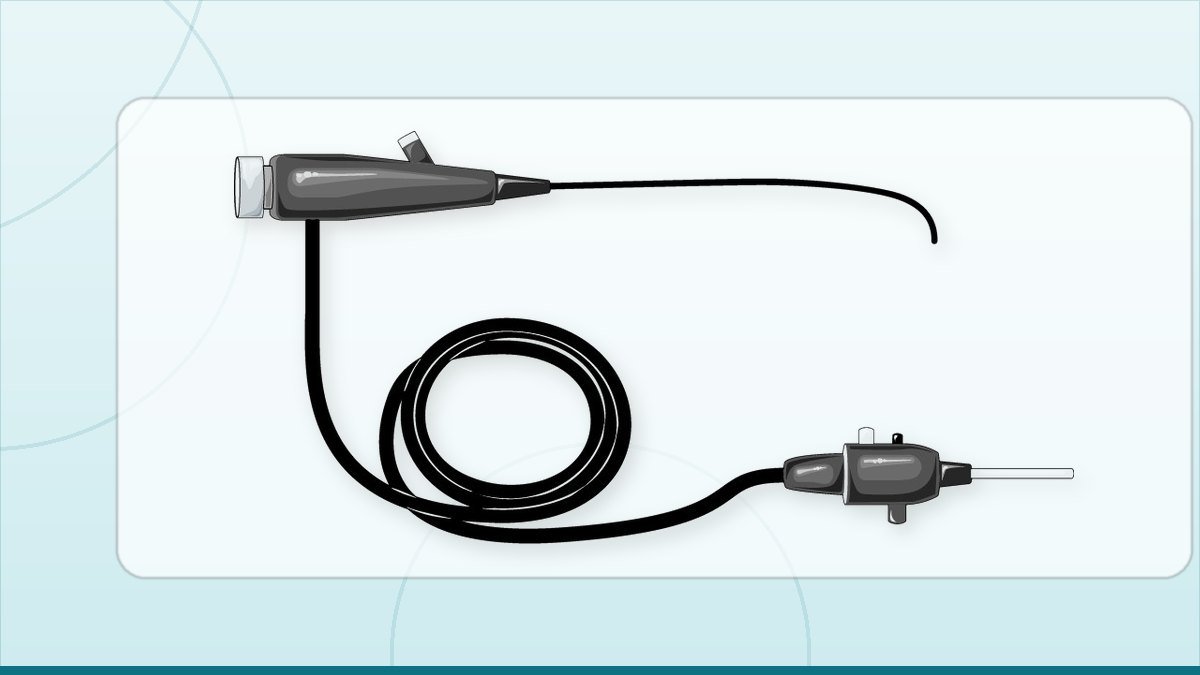
What is endoscopic spine surgery, and how is it different?
Endoscopic spine surgery uses a 7 to 8 mm opening to free a trapped nerve. What it treats, what it cannot,…
Read this
Risks and complications of endoscopic spine surgery, honestly
An honest look at endoscopic spine surgery risks: nerve irritation, disc recurrence, conversion to open…
Read this
How well does microdiscectomy actually work?
What is the real microdiscectomy success rate? A Faisalabad neurosurgeon explains what the research shows,…
Read thisAll patient questions · Spine surgery in Faisalabad · Book an appointment
Ask about your own scan. Send your MRI or X-ray on WhatsApp and get a straight answer on whether surgery is needed at all, from a consultant neurosurgeon in Faisalabad.
Dr. M. Abdur Rehman is a consultant neurosurgeon in Faisalabad. Send your scan on WhatsApp and ask what it actually shows.
Published for the practice of Dr. M. Abdur Rehman, consultant neurosurgeon, Mujahid Hospital, Faisalabad. General information only, not a substitute for examination.